Support

Ciudad del Carmen

About

Ciudad del Carmen is a vibrant and significant port city often affectionately referred to as the "Pearl of the Gulf." Located in the state of Campeche in southeastern Mexico, this unique destination offers a fascinating blend of industrial importance and natural beauty. Unlike many other tourist spots, Ciudad del Carmen sits entirely on an island, separating the vast Gulf of Mexico from the Laguna de Términos, creating a distinctive coastal atmosphere that captivates visitors.

Ciudad del Carmen. Source: Kupi.Binoculars

With a population of approximately 248,000 inhabitants, the city buzzes with energy, driven largely by the oil industry, yet it retains a welcoming, laid-back charm. The climate is typically tropical and warm, making it an inviting place for those who enjoy sunny days and sea breezes. The history of Ciudad del Carmen is rich with tales of pirates, shrimping fleets, and colonial heritage, which can still be sensed in the architecture of its historic center and its deep-rooted maritime traditions.

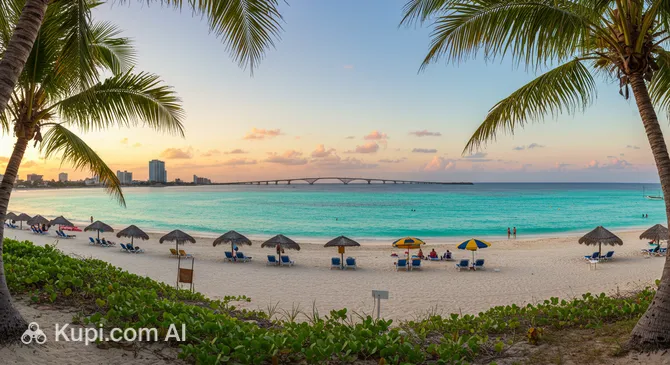
Travelers are often drawn to the impressive El Zacatal Bridge, one of the longest in Latin America, which connects the island to the mainland and offers spectacular views, especially at sunset. Nature lovers will appreciate the proximity to the Laguna de Términos, a protected sanctuary teeming with biodiversity, where boat tours often spot wild dolphins and diverse bird species. Whether you are visiting for business or leisure, Ciudad del Carmen invites you to enjoy its famous seafood, stroll along its boardwalks, and experience the authentic warmth of the Mexican Gulf coast.

Weather Overview

Visitors to Ciudad del Carmen can look forward to a warm, tropical climate that makes it a viable year-round destination. The city experiences consistently high temperatures, with average daily values ranging from approximately 24°C in the cooler months to over 30°C during the peak of the heat. Generally, you can expect hot, humid days and balmy evenings regardless of when you visit.

The hottest period typically arrives in May, where maximum temperatures can climb to around 33°C, creating sultry conditions. Conversely, January and December are the mildest months, offering average temperatures around 24°C to 25°C, which many travelers find to be the most comfortable time for sightseeing and outdoor activities.

Rainfall is a key factor to consider when planning your itinerary. The beginning of the year, particularly from February through April, is notably dry with very few wet days. However, the weather in Ciudad del Carmen shifts significantly in June, marking the start of a wetter season that lasts through October. September is usually the rainiest month, seeing precipitation on about 24 days, so packing waterproof gear is advisable if you travel during the late summer or autumn.

Interesting Facts

Beyond the popular beaches and bustling port activity, Ciudad del Carmen holds a treasure trove of historical secrets and local legends. From its swashbuckling past to its unique culinary heritage, the city offers fascinating stories that go far beyond the typical tourist experience.
  • The city was originally a notorious pirate stronghold known as the Island of Tris. For over a century, buccaneers used the lagoon as a hideout to raid Spanish galleons until they were finally expelled on July 16, 1717. Because this victory occurred on the feast day of the Virgin of Carmen, the city was renamed in her honor, a history deeply connected to the Diocesan Marian Sanctuary of Our Lady of Mount Carmel.

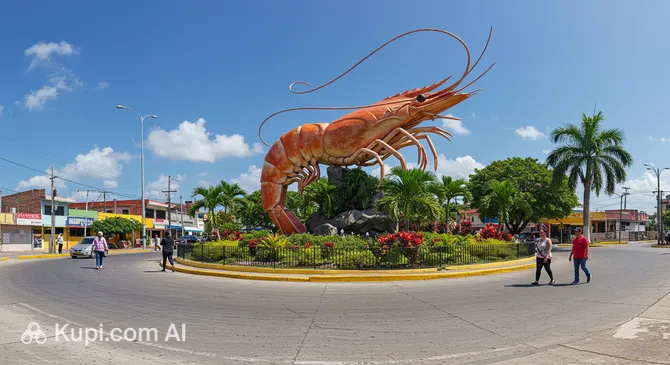
  • Before oil became the primary industry, Ciudad del Carmen was globally renowned as the "Shrimp Capital" of Mexico. In the mid-20th century, the local waters were so abundant with giant prawns that the city hosted one of the largest shrimping fleets in the world. This legacy is immortalized by the Shrimp Roundabout, a distinctive local landmark celebrating the fisherman culture.

  • The city is home to the El Zacatal Bridge, which is one of the longest bridges in Latin America, spanning nearly 4 kilometers. While it serves as a vital connection to the mainland, it also offers a unique natural spectacle: drivers crossing the bridge often spot wild bottlenose dolphins playing in the waters of the Laguna de Términos below.

  • A curious piece of urban history involves the Three-Faced Clock located in the city center. Imported from Europe during the Porfirian era, this rare architectural feature is surrounded by local lore, with some claiming it was originally destined for a different city but ended up in Ciudad del Carmen due to a logistical mix-up, eventually becoming a beloved icon of the downtown district.

Shrimp Roundabout. Source: Kupi.Binoculars

How to Get There

Reaching this island city is relatively straightforward, with options ranging from direct flights to scenic drives along the Gulf coast. Whether you are arriving for business or leisure, understanding the transport hubs in the region will help you plan your journey efficiently. For a comprehensive guide on all available routes and transport modes, you can read more about how to get to Ciudad del Carmen.

The most convenient entry point is the city's own Ciudad Del Carmen Airport (IATA: CME). Located just 0.8 km from the heart of the city, it allows travelers to land practically on the doorstep of their destination. This airport primarily handles domestic connections, particularly from Mexico City, serving the significant business traffic related to the oil industry as well as tourists. A taxi from the terminal to the city center takes only a few minutes.

Alternatively, travelers may choose to fly into Carlos Rovirosa Perez International Airport (IATA: VSA) in the city of Villahermosa. This is a larger international hub located approximately 129 km from Ciudad del Carmen. While it requires a transfer, it often offers a wider range of flight schedules. The journey by road from Villahermosa involves a scenic drive along the coast and takes approximately 2.5 to 3 hours by bus or taxi.

For clarity, here is a summary of the main airports in the region:

Airport Name City Passenger Traffic Km from City
Angel Albino Corzo International Airport Tuxtla Gutierrez High 264.9
Carlos Rovirosa Perez International Airport Villahermosa High 129.0
Ciudad Del Carmen Airport Ciudad del Carmen Medium 0.8
Campeche International Airport Campeche Small 188.6
Palenque Palenque Very Small 125.1

Currently, Ciudad del Carmen does not have a passenger railway station. The city is situated on an island connected to the mainland by two long bridges, making road transport the primary alternative to flying. Visitors typically arrive via long-distance buses (such as ADO) that connect the city with major regional hubs like Campeche, Merida, and Villahermosa. The drive offers beautiful views of the Laguna de Términos and the Gulf of Mexico.

Main Attractions

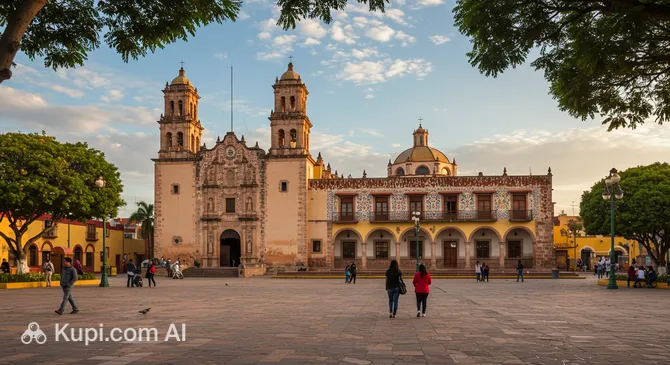
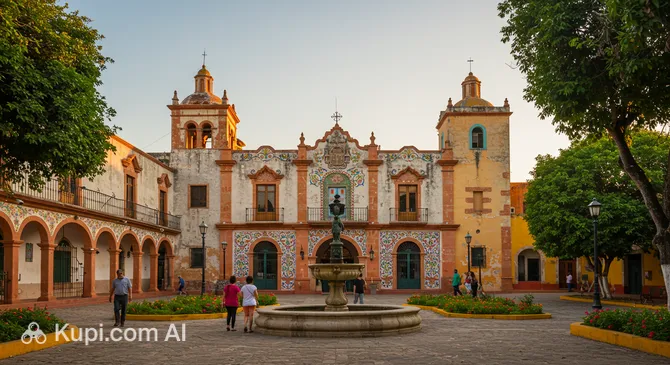
A visit to Ciudad del Carmen offers a mix of historical intrigue, religious heritage, and relaxing coastal vibes. One of the most significant landmarks is the Diocesan Marian Sanctuary of Our Lady of Mount Carmel. This church is not only the spiritual heart of the city but also the focal point of the annual July festivities. Tourists are drawn to its beautiful architecture and the revered image of the Virgin of Carmen, which is central to the island's identity and history.

Diocesan Marian Sanctuary of Our Lady of Mount Carmel. Source: Kupi.Binoculars

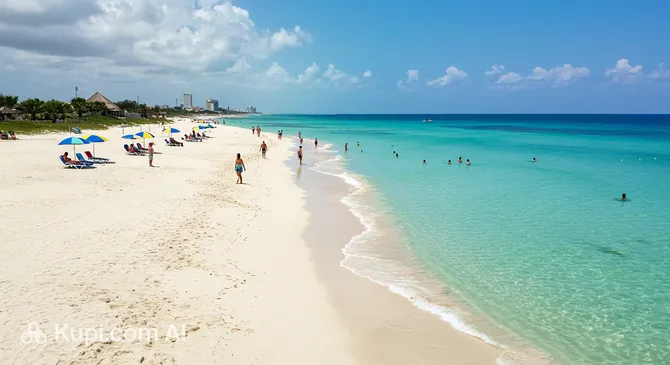
For those looking to enjoy the sun and sea, Playa Norte is the city's most popular beach destination. With its wide expanse of white sand and calm waters, it is perfect for swimming or simply relaxing under a palapa. The area is lively and well-equipped, featuring numerous restaurants and recreational areas, making it a favorite spot for families and groups of friends to gather, especially on weekends.

To delve deeper into the local culture, the Victoriano Nieves Museum provides a fascinating window into the past. Housed in a former hospital building, this museum showcases a diverse collection ranging from pre-Hispanic artifacts to items from the pirate era and the region's timber industry. It is an excellent stop for history enthusiasts wanting to understand the unique evolution of the island from a pirate hideout to a modern industrial hub.

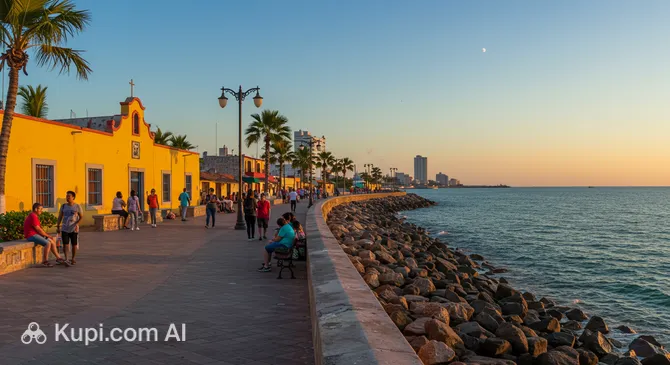
Malecón of Ciudad del Carmen. Source: Kupi.Binoculars

No trip to a coastal city is complete without a stroll along the water, and the Malecón of Ciudad del Carmen offers the perfect setting. This scenic boardwalk is ideal for evening walks, offering spectacular views of the sunset over the lagoon. It serves as a vibrant meeting place for locals and visitors alike, often hosting cultural events and providing a picturesque backdrop for photos.

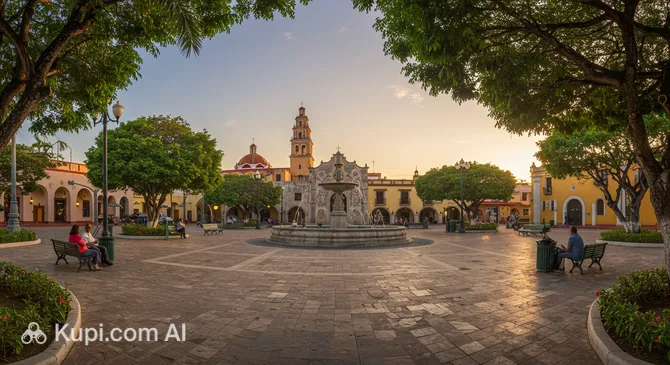
Finally, the heart of the city's social life can be found at Ignacio Zaragoza Park. Located in the downtown area, this charming plaza features a traditional kiosk and is surrounded by important historical buildings. It is a peaceful green space where you can sit on a bench, enjoy a local snack, and observe the daily rhythm of life in Ciudad del Carmen.

Local Cuisine

The culinary scene in Ciudad del Carmen is deeply rooted in its identity as a fishing port, offering some of the freshest seafood in the region. Known historically as the "Shrimp Capital," the city takes pride in its maritime bounty, and visitors will find that the local gastronomy is a flavorful blend of Campechano traditions and tropical ingredients. The food here is unpretentious but incredibly rich in flavor, heavily relying on the catch of the day from the Gulf of Mexico and the Laguna de Términos.

When it comes to signature dishes, Pan de Cazón is an absolute must-try. This regional classic consists of tortillas stacked with shredded dogfish (a small shark), smothered in a vibrant tomato sauce and refried beans. Another highlight is the famous Coconut Shrimp (Camarones al Coco). Thanks to the local abundance of giant prawns, these are often served large and succulent, breaded with fresh coconut to create a delightful contrast between the sweet, crispy coating and the savory seafood inside.

To combat the tropical heat, locals enjoy a variety of refreshing drinks. Horchata de Coco is a popular non-alcoholic choice, offering a creamy and cooling respite from the sun. for a quick, icy treat while exploring, you can visit La Jarochita Raspados. Here, you can enjoy traditional shaved ice topped with fruit syrups, a simple yet beloved snack that perfectly complements a hot afternoon walk.

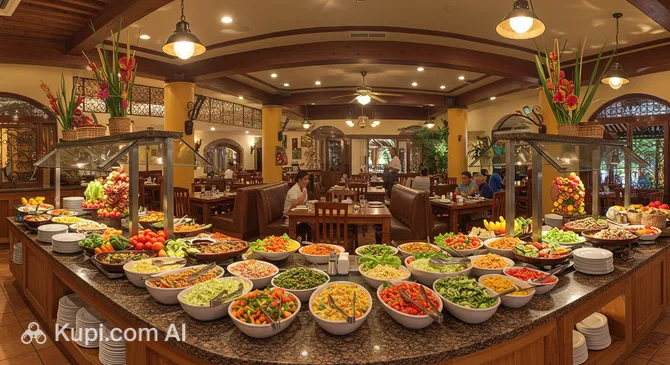
The dining atmosphere in Ciudad del Carmen ranges from bustling markets to comfortable sit-down establishments. For an authentic experience, many tourists head to the local markets or the palapas along the beach to eat with their toes in the sand. However, the city also offers modern dining experiences. Places like Mr. Pampas Ciudad del Carmen provide a robust alternative for those craving grilled meats and a diverse salad bar, showcasing the city's growing culinary diversity beyond just seafood.

Mr. Pampas Ciudad del Carmen. Source: Kupi.Binoculars

Travel Tips

To ensure your visit to the "Pearl of the Gulf" is as smooth and enjoyable as the gentle sea breeze, we have compiled a set of essential practical guidelines. These tips will help you navigate local customs, stay comfortable in the tropical climate, and make the most of your time in this charming island city.

  1. Clothing and Gear: Due to the hot and humid tropical climate, pack lightweight, breathable fabrics like cotton or linen. A hat, sunglasses, and high-SPF sunscreen are mandatory for protection against the intense sun. Since you will likely be walking along the Malecón or exploring the historic center, bring comfortable walking shoes. Don't forget biodegradable insect repellent, especially if you plan to visit the mangroves or the Laguna de Términos.

  2. Transportation: Ciudad del Carmen does not have a metro system. The most common way to get around is by taxi or local buses. Taxis generally do not use meters here; instead, they operate on a zone-based rate system, so it is crucial to agree on the fare with the driver before getting in. Ride-hailing apps may have limited availability compared to larger Mexican cities, so keeping cash handy for standard taxis is advisable.

  3. Finances: The local currency is the Mexican Peso (MXN). While major hotels, supermarkets, and modern restaurants accept credit cards, cash is king for small purchases, street food, and local transport. ATMs are widely available in shopping malls and the city center. Tipping is customary in Mexico; leaving 10% to 15% of the bill in restaurants is standard practice for good service.

  4. Health and Safety: Pharmacies are plentiful and easy to find, often marked as "Farmacia." For minor ailments, they are very convenient, but for serious issues, head to a hospital. Always drink bottled or purified water; never drink directly from the tap to avoid stomach issues. In terms of safety, Ciudad del Carmen is generally welcoming, but exercise standard precautions: avoid poorly lit areas at night and keep your valuables secure in crowded places.

  5. Communication: The primary language is Spanish. While English is spoken in the oil industry sector and some high-end hotels, it is less common in local markets and small eateries. Learning a few basic phrases like "Buenos días" (Good morning) and "Gracias" (Thank you) will go a long way. Pre-paid SIM cards from providers like Telcel can be easily purchased at convenience stores like OXXO for reliable data access.

  6. Local Etiquette: Mexicans are generally polite and formal in their greetings. It is polite to say "Buen provecho" (Enjoy your meal) to diners when entering or leaving a restaurant. Locals are friendly and warm; a smile and a polite greeting are always appreciated. When visiting religious sites like the Sanctuary of Our Lady of Mount Carmel, dress modestly and be respectful of worshippers.

  7. What to Avoid: Avoid getting impatient. The pace of life in coastal cities can be slower than in major metropolises—embrace the "island time." Also, avoid taking photos of locals, especially in traditional markets, without asking for permission first, as some may find it intrusive.

  8. Sunset Tip: Plan your day to be near the El Zacatal Bridge or the Malecón at sunset. This is not just a scenic recommendation but a local ritual; the views of the sun dipping into the Gulf of Mexico are spectacular, and it is the best time to enjoy the cooling evening air.

Armed with these practical tips, you are ready to immerse yourself in the authentic atmosphere of Ciudad del Carmen. Enjoy the delicious seafood, the warmth of the locals, and the unique coastal charm that makes this destination so special!

Entertainment & Nightlife

Beyond its industrial energy and coastal charm, the city offers a variety of leisure activities ranging from modern shopping experiences to family-friendly outings. Visitors looking for retail therapy or a break from the tropical heat will find excellent options here. Zentralia Ciudad del Carmen is the premier shopping destination, housing a wide array of department stores, fashion boutiques, and a cinema. It serves as a modern hub where locals and tourists alike gather to shop, dine in the food court, or catch the latest movies. Another convenient spot is Plaza Carmen Center, which offers various services and shops perfect for picking up essentials or browsing for souvenirs.

For families traveling with children, a visit to the Carmen Municipal Zoo provides a delightful way to spend an afternoon. This facility allows visitors to observe a variety of wildlife species, focusing on animals native to the region as well as other exotic creatures. It serves as both a recreational space and an educational opportunity to learn more about the local fauna in a green, relaxing environment.

If you prefer outdoor leisure, take a stroll along the Nelson Barrera Romellón Seafront Promenade. Named after the legendary local baseball player, this scenic walkway offers refreshing sea breezes and lovely views of the coast. It is an ideal location for jogging, skating, or simply enjoying a peaceful sunset walk away from the bustle of the main city center.

As the evening sets in, the city offers several entertainment venues for adults. Those feeling lucky can visit the Paradise Island Casino, a lively spot featuring slot machines, table games, and a vibrant atmosphere. For a more laid-back experience, the Ciudad del Carmen Pizza Bar is a popular choice to enjoy casual food, drinks, and music, reflecting the friendly and energetic spirit of the local nightlife.

Parks & Museums

Ciudad del Carmen offers a delightful mix of natural beauty and cultural heritage, providing visitors with lush green spaces and institutions that preserve its rich history. Beyond the bustling port activity, the city features serene parks and fascinating museums that reflect its identity as a coastal treasure of Campeche.

For nature enthusiasts, the Laguna de Términos is the most significant natural area surrounding the city. This vast protected sanctuary is a haven for biodiversity, featuring dense mangroves and calm waters that are home to wild bottlenose dolphins and diverse bird species. It is an ideal spot for eco-tours, where you can take a boat ride to observe the local wildlife in their natural habitat, offering a peaceful escape from the urban environment.

In the heart of the city's residential area, Central Park (Parque Central) serves as a key recreational hub for families and locals. Unlike the traditional town squares, this park is designed with active leisure in mind, featuring playgrounds, sports courts, and well-maintained walking paths. It is a perfect place for an afternoon stroll or a morning jog, offering a glimpse into the everyday life of the "Carmelos" away from the main tourist zones.

Central Park. Source: Kupi.Binoculars

Another essential outdoor destination is Playa Norte. While primarily known as a beach, its extensive coastal area functions as a linear park where visitors can enjoy the sea breeze. The area is equipped with palapas and recreational spaces, making it a favorite spot for picnics and social gatherings, combining the relaxation of a park with the beauty of the Gulf coast.

Playa Norte. Source: Kupi.Binoculars

When it comes to culture and history, the Victoriano Nieves Museum is the city's premier institution. Housed in a beautiful Porfirian-era building that once served as a hospital, the museum offers a comprehensive journey through the region's past. Its exhibits range from pre-Hispanic Mayan artifacts to fascinating displays about the pirate era—when the island was a buccaneer stronghold—and the development of the timber and oil industries. It is an unmissable stop for anyone wanting to understand the unique evolution of Ciudad del Carmen.

Victoriano Nieves Museum. Source: Kupi.Binoculars

For art lovers, the Casa de la Cultura stands as a vibrant center for artistic expression. Located in a historic early 20th-century house with limestone walls and high ceilings, this venue hosts rotating art exhibitions, workshops, and cultural events. It provides a more intimate look at the local arts scene, often featuring works by regional painters and sculptors, making it a great place to connect with the city's creative spirit.

Among the city's architectural landmarks, the Isla del Tris Galleon Roundabout is particularly striking. This monument features a large replica of a Spanish galleon, paying homage to the maritime history of the island and its strategic importance during the colonial period. It stands as a proud symbol of the city's connection to the sea and its historical resilience.

For an authentic local experience, try visiting the mangroves near the lagoon at sunrise. While many take boat tours during the day, the early morning light offers a magical atmosphere for birdwatching, where you can see pelicans and herons starting their day in the tranquil waters.

Getting Around

Navigating Ciudad del Carmen is relatively straightforward, though it differs significantly from larger metropolises. The city does not have a metro, tram, or train system. Instead, the public transport network relies entirely on road-based options, primarily composed of urban buses and smaller vans known locally as colectivos or combis. These vehicles cover the majority of the island, connecting residential neighborhoods with the downtown area, the port, and major shopping centers.

For most tourists, the colectivos are the most visible and frequent mode of transport. These white vans typically display their destinations written on the windshield in bright, fluorescent markers. They are an agile way to get around traffic, although they can get quite crowded during peak hours. Standard buses are also available and tend to be slightly more spacious. Stops are not always clearly marked with signage, so it is common practice to wave at the driver to signal a stop and to verbally request your drop-off point by saying "bajan" (getting off) as you approach your destination.

The payment system in Ciudad del Carmen is strictly cash-based. There are no electronic travel cards, mobile apps, or ticketing machines for local transit. You pay the driver directly upon boarding. Fares are very affordable, generally costing just a few pesos. It is essential to carry small change or coins, as drivers often do not have enough change for large bills. If you attempt to pay with a large denomination note for a short ride, the driver may not be able to accept it.

Taxis are another extremely popular alternative and are often the most convenient choice for visitors unfamiliar with bus routes. You will see them everywhere, typically painted white with red or green details. Unlike in some other cities, taxis here generally do not use meters. Instead, fares are based on a zone system or are negotiated beforehand. It is highly advisable to ask the driver for the price to your specific destination before getting into the car to avoid misunderstandings. While some ride-sharing apps may operate in the region, their availability can fluctuate, making traditional taxis a more reliable option.

For those staying in the historic center or near the Malecón, walking is a pleasant and viable option, as many attractions and restaurants are clustered close together. However, due to the tropical heat, walking long distances midday can be exhausting. If you plan to explore the outskirts of the island or cross the bridges to the mainland on your own schedule, renting a car is a good idea, though be prepared for busy traffic during rush hours near the industrial zones.

Accommodation

Accommodation in Ciudad del Carmen is distinctively influenced by its status as a major industrial and commercial hub. Unlike typical resort towns, the hotel landscape here is heavily geared towards business travelers, which ensures a high standard of service and modern amenities. Visitors can find a wide range of options, from reliable international hotel chains and upscale business suites to modest, budget-friendly inns run by local families. Whether you are looking for luxury or practicality, the city offers comfortable lodgings to suit various needs.

When choosing an area to stay, location is key depending on the purpose of your trip. The Downtown (Centro) area is perfect for those who want to be close to the historical heart of the city. Staying here puts you within walking distance of the Malecón of Ciudad del Carmen and the main plaza, allowing for easy exploration of local culture and dining. It is the best choice for travelers who prefer a walkable environment with a traditional atmosphere.

For visitors prioritizing leisure and sea views, the area around Playa Norte is the most attractive option. This district is more relaxed and offers easy access to the beach, recreational parks, and a variety of seafood restaurants. It is a popular spot for families and those looking to unwind by the coast after a day of sightseeing.

Another significant accommodation zone is located along the main avenues, particularly Avenida Isla de Tris and near the airport. This area is populated by modern, chain-brand hotels that cater specifically to business logistics. These establishments often provide ample parking, business centers, and quick access to the industrial zones, making them convenient for travelers with a car or those on a tight schedule.

In terms of pricing, Ciudad del Carmen is generally more affordable than Mexico's major Caribbean resort destinations. Mid-range hotels are the most common, offering excellent value for money with air conditioning and Wi-Fi as standard features. Luxury options are available but tend to focus on executive comfort rather than resort-style opulence. It is advisable to book your accommodation in advance through major online platforms, especially during the week when business traffic is high, to secure the best rates and availability.

Nearby Cities

For those looking to explore the surroundings, Ciudad del Carmen serves as an excellent base for day trips to several interesting nearby locations:

City Population Distance (km)
Villahermosa 353,577 141
Comalcalco 214,877 155
Macuspana 158,601 129
Cunduacan 137,257 158
Palenque 132,265 128

Among these options, Palenque stands out as a world-renowned destination for history enthusiasts. Although it requires a bit of travel, it is home to one of the most impressive Mayan archaeological sites in Mexico. Nestled within the lush jungle, the ancient ruins feature exquisite architecture and intricate stone carvings that offer a profound connection to the region's pre-Hispanic past.

For a mix of culture and urban convenience, Villahermosa is a compelling choice. As the capital of the neighboring state of Tabasco, it offers extensive shopping and dining options alongside significant cultural landmarks. The city is famous for the La Venta Park-Museum, an outdoor sanctuary that houses the colossal stone heads of the Olmec civilization, blending archaeology with a tropical zoo environment.

Another unique destination is Comalcalco, which offers a distinct twist on Mayan history. Its archaeological site is the only one of its kind built primarily from brick and oyster shell lime rather than stone. Additionally, the area is known for its rich tradition of cocoa production, allowing visitors to tour local haciendas and learn about the chocolate-making process from bean to bar.

These nearby destinations offer a glimpse into the diverse culture and landscapes of the region, ranging from ancient civilizations to vibrant modern cities.

Shopping & Souvenirs

Shopping in Ciudad del Carmen offers a practical mix of modern convenience and traditional local flavor. As a busy industrial port city, it is well-equipped with contemporary commercial centers that cater to both the local population and business travelers. While it may not be a massive shopping destination like some of Mexico's larger resort cities, visitors can easily find everything from international fashion brands to unique regional handicrafts, all within a relatively compact area.

The city's retail landscape is anchored by its modern malls, which provide a cool escape from the tropical heat. The largest and most comprehensive destination is Zentralia Ciudad del Carmen. This spacious mall serves as a primary social hub, featuring department stores, a variety of clothing boutiques, a cinema, and a food court. It is the go-to spot for purchasing known brands, electronics, and accessories in a comfortable, air-conditioned environment.

Another notable location is Plaza Carmen Center, which offers a convenient selection of shops and services. Located near key residential and hotel areas, it is ideal for picking up travel essentials, groceries, or enjoying a quick meal. These malls typically host major supermarkets as well, making them practical stops for travelers needing to restock supplies during their stay.

For a more authentic cultural experience, the traditional markets are a must-visit. The heartbeat of local commerce is the Mercado Alonso Felipe de Andrade. This bustling market is famous for its vibrant atmosphere and, most importantly, its seafood section. Here, you can see why the city was known as the "Shrimp Capital," with vendors displaying fresh catches from the lagoon and the gulf. Beyond food, the market area is a great place to find affordable clothing, local snacks, and everyday items used by the "Carmelos."

When looking for souvenirs, the best items to bring back reflect the island's coastal identity. Local artisans often craft beautiful decorative objects made from seashells and snail shells, ranging from jewelry to intricate figurines. Additionally, products made from coconut are popular, given the region's tropical vegetation. You might also find traditional handicrafts from the wider state of Campeche, such as embroidered textiles or woven goods, in specialty shops near the historic center.

Store opening hours in Ciudad del Carmen generally follow standard Mexican schedules. Shopping malls are typically open daily from 11:00 AM to 9:00 PM. Independent shops and downtown businesses may open earlier, around 9:00 AM, and close by 8:00 PM, with some smaller establishments closing for a short siesta in the afternoon. Markets operate best in the morning, starting as early as 7:00 AM and winding down by the afternoon.

regarding payment, major shopping malls, department stores, and supermarkets widely accept credit and debit cards (Visa and Mastercard). However, if you plan to visit the Mercado Alonso Felipe de Andrade or buy souvenirs from street vendors, carrying cash (Mexican Pesos) is essential, as electronic payment terminals are rarely available in these traditional settings. Mexico offers a tax refund program (Moneyback) for international tourists on certain purchases made at affiliated stores, so it is worth asking for a VAT (IVA) invoice if you plan on making significant purchases at major retailers.
Reached the end of the page?

That means the route is fully explored