Support

Tuxtla Gutierrez

About

Welcome to Tuxtla Gutierrez, the vibrant and bustling capital of the state of Chiapas in southern Mexico. Unlike some of its colonial neighbors, Tuxtla is a modern commercial hub that offers an authentic glimpse into the contemporary life of the region. It serves as a dynamic meeting point where urban energy blends with rich indigenous traditions, making it an intriguing stop for travelers exploring this fascinating part of the country.

Geographically, the city is situated in the central depression of Chiapas, surrounded by rolling hills and mountains. It is home to a population of nearly 600,000 people, acting as the primary economic and transport center for the area. The climate is typically warm and humid throughout the year, providing a tropical atmosphere that complements its lush vegetation and lively streets.
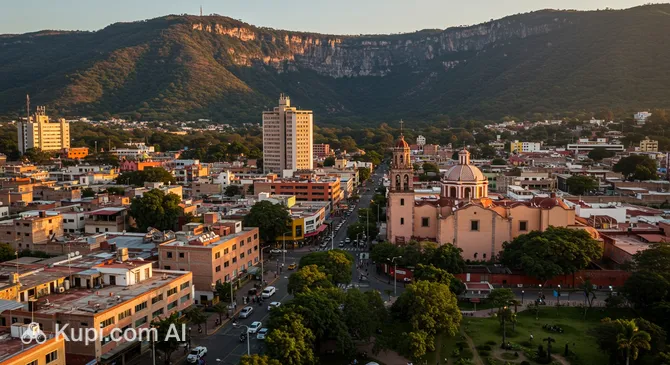
Tuxtla Gutierrez. Source: Kupi.Binoculars

While the city often feels modern, the history of Tuxtla Gutierrez is deeply influenced by the Zoque culture, which still permeates local festivals and gastronomy. Visitors looking for unique experiences should head to the famous Parque de la Marimba. Every evening, this park comes alive with the sound of live marimba music, and locals of all ages gather to dance, creating a joyous and communal vibe that is truly infectious.

Nature lovers use the city as a gateway to the spectacular Sumidero Canyon (Cañón del Sumidero), one of the most impressive natural wonders in the country, located just a short drive away. Back in the city center, the pristine white facade of the San Marcos Cathedral stands as a key landmark, known for its hourly bell tower show depicting the apostles. Whether you are passing through on your way to the jungle or staying to enjoy its museums and zoos, Tuxtla Gutierrez offers a warm and energetic welcome.
Weather Overview

The climate in this region is generally warm and sub-humid, making it a year-round destination, though travelers should be aware of distinct seasonal variations. For a detailed breakdown of what to expect during your specific travel dates, you can check the weather in Tuxtla Gutierrez to help plan your itinerary.

Temperatures remain relatively consistent and pleasant throughout the year, rarely dropping to uncomfortable levels. The coolest months are usually December and January, with average temperatures hovering around 20.6°C and comfortable lows near 16°C. As spring approaches, the heat intensifies, peaking in April and May when average daily highs frequently exceed 31°C. This period is ideal for those who enjoy tropical heat, while the winter months offer a milder, fresher atmosphere.

Precipitation patterns are sharply divided into a dry season and a wet season. From November through April, rainfall is scarce, with months like February and March seeing as few as 5 wet days on average. In contrast, the rainy season dominates from June to September, bringing frequent showers and lush greenery to the landscape; during these months, you might encounter up to 28 wet days per month. Visitors should expect warm springs with clear skies and humid summers characterized by regular afternoon or evening rains.

Interesting Facts

Beyond the main attractions, Tuxtla Gutierrez holds many fascinating secrets and local traditions that surprise first-time visitors. From record-breaking monuments to unique culinary habits, the city offers details that go far deeper than its commercial surface.
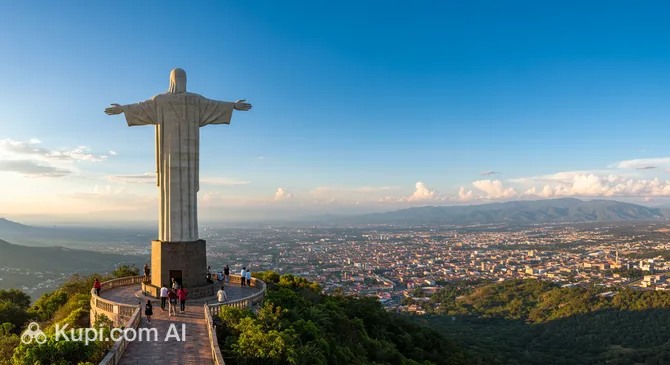
Glorious Christ of Chiapas. Source: Kupi.Binoculars
  • The Place of Rabbits: The name "Tuxtla" is derived from the Nahuatl word Tochtlan, which translates to "place where rabbits abound." The second part of the name, "Gutierrez," was added later to honor Joaquin Miguel Gutierrez, a 19th-century federalist hero and native of the city.

  • A Monumental Statue: Standing high on the Copoya plateau is the Glorious Christ of Chiapas (Cristo de Copoya). This modern steel sculpture rises 62 meters tall, making it significantly higher than the famous Christ the Redeemer in Rio de Janeiro, and it offers panoramic views over the entire valley.

  • Native Wildlife Only: The ZOOMAT Zoo is distinct from most zoos in the world because it is dedicated exclusively to the fauna of the Chiapas region. Visitors walk through a semi-wild tropical forest to observe species like jaguars, tapirs, and quetzals in a habitat that closely mimics their natural environment.

  • A Crunchy Delicacy: Gastronomy in Tuxtla includes a seasonal treat known as nucú. These are large winged ants (chicatanas) harvested during the first rains of the year, which are then roasted with lime and salt to be eaten as a savory, crunchy snack.

How to Get There

Reaching this vibrant capital is relatively straightforward, with air travel being the most efficient option for international and long-distance visitors. While the road network connects the city to other parts of Chiapas and neighboring states, flying saves significant time. For a comprehensive breakdown of all transport modes, including bus lines and driving routes, you can read more about how to get to Tuxtla Gutierrez.

The primary gateway to the city is Angel Albino Corzo International Airport (IATA: TGZ). Located approximately 22.5 km from the center of Tuxtla Gutierrez, this is a major regional hub handling a large volume of passenger traffic. It connects the state with Mexico City and other key destinations. Travelers arriving here can expect a transfer time of around 55 minutes by taxi or shuttle to reach the downtown area.

Another option, though significantly farther away, is Carlos Rovirosa Perez International Airport (IATA: VSA), situated in the city of Villahermosa. This airport also serves a high number of travelers but is located about 141 km from Tuxtla Gutierrez. If you choose to fly into Villahermosa, be prepared for a longer ground transfer, which typically takes around 3 hours and 50 minutes by car or bus.

For clarity, here is a summary of the main airports serving the region:

Airport Name City Passenger Traffic Km from City
Angel Albino Corzo International Airport Tuxtla Gutierrez High 22.5
Carlos Rovirosa Perez International Airport Villahermosa High 141.1
Tapachula International Airport Tapachula Medium 230.4
Ciudad Del Carmen Airport Ciudad del Carmen Medium 251.7
Palenque Palenque Small 147.1

Main Attractions

While the city is often viewed as a business hub, it boasts several captivating sites that highlight the region's rich biodiversity and cultural heritage. Beyond the famous zoo and the bustling central plaza, visitors can discover lush gardens, fascinating museums, and recreational parks that offer a perfect escape from the urban rhythm.

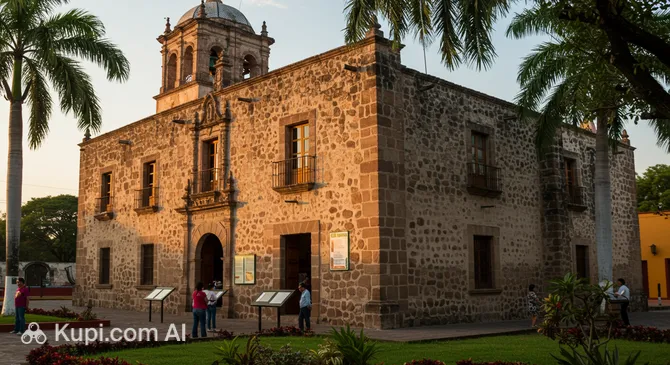
One of the most culturally significant stops is the Chiapas Coffee Museum. Housed in a charming historic building, this venue is dedicated to one of the state's most important agricultural products. Tourists can learn about the entire coffee production process, from the plantation to the cup, and understand the social history of coffee in Chiapas. It is an excellent place to sample high-quality local blends and purchase souvenirs.

Chiapas Coffee Museum. Source: Kupi.Binoculars

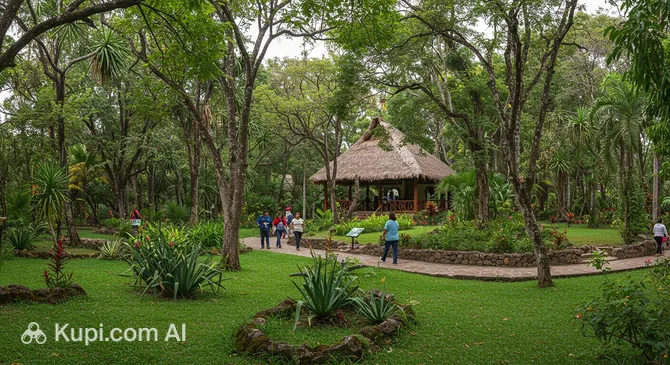
For nature enthusiasts who want to explore local flora without leaving the city, the Faustino Miranda Botanical Garden is a verdant oasis. Established in 1949, it is the oldest botanical garden in Mexico and serves as a sanctuary for the region's diverse plant life. Walking through its shaded paths, visitors can admire towering tropical trees and endemic species, making it a peaceful retreat for an afternoon stroll.

Faustino Miranda Botanical Garden. Source: Kupi.Binoculars

Those looking for outdoor recreation and family-friendly activities should head to Joyyo Mayu Park. This picturesque park is a favorite among locals for its beautiful landscapes, hanging bridges, and small lakes. It provides a refreshing environment for jogging, picnicking, or simply enjoying the outdoors. The park connects with other green spaces, creating a large recreational corridor in the western part of the city.

Joyyo Mayu Park. Source: Kupi.Binoculars

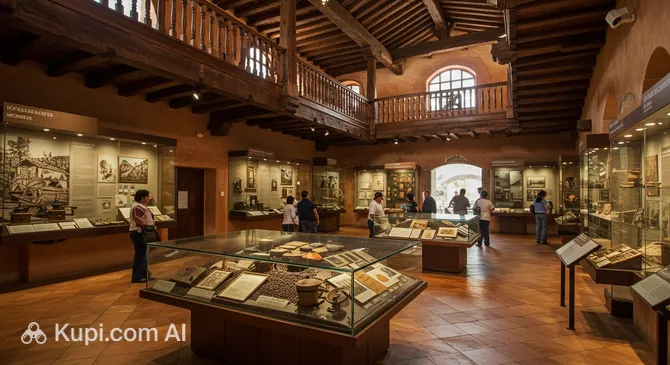
To delve deeper into the history of the region, the Institute of Anthropology and History (often associated with the Regional Museum of Chiapas) offers an extensive collection of archaeological finds. The exhibits showcase artifacts from the Olmec, Maya, and Zoque civilizations, providing context to the ancient cultures that once thrived in this area. It is an essential visit for history buffs wanting to understand the pre-Hispanic roots of Chiapas.

Institute of Anthropology and History. Source: Kupi.Binoculars

Local Cuisine

The culinary scene in Tuxtla Gutierrez is a vibrant reflection of Chiapas' rich cultural heritage, blending indigenous Zoque traditions with Spanish influences. Food here is more than just sustenance; it is a celebration of local ingredients, particularly corn, chili peppers, and unique regional herbs. Visitors will find that the flavors are distinct from northern Mexican cuisine, offering a gastronomic adventure that is both earthy and aromatic.

One of the most iconic dishes you must try is cochito horneado, a succulent roasted pork dish marinated in a ground chili sauce and spices, typically served with broth and lettuce. Another staple of the local diet is the wide variety of tamales. The tamal de chipilín is particularly famous; it incorporates a local leafy green called chipilín into the corn dough, often mixed with cheese or chicken, creating a flavor profile that is unique to this part of southern Mexico.

To quench your thirst in the tropical heat, locals turn to traditional beverages dating back to pre-Hispanic times. The most popular is pozol, a refreshing drink made from fermented corn dough and water, often sweetened with sugar or mixed with cacao (known as pozol de cacao). Another delightful option is tascalate, a bright orange drink made from toasted corn, chocolate, pine nuts, achiote, and cinnamon. These drinks are commonly found in markets and street stalls throughout the city.

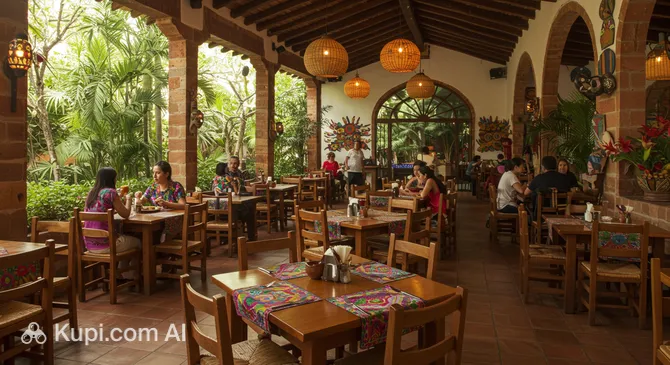
Las Pichanchas Restaurant. Source: Kupi.Binoculars

When it comes to dining out, Tuxtla offers everything from bustling food markets to festive restaurants. For a truly immersive experience, many visitors head to Las Pichanchas Restaurant. This establishment is legendary not only for its authentic regional menu but also for its lively atmosphere, often featuring marimba music and folkloric dances that turn dinner into a cultural show.

While traditional meats and corn-based dishes dominate, the city also caters to diverse tastes. If you are in the mood for fresh seafood prepared with a local touch, Costa Brava Marisco is a well-regarded spot to enjoy the bounty of the nearby coast. For a more relaxed evening with a drink in hand, you might explore the city's modern side at places like Otilia, where the local social scene comes alive.

Travel Tips

Prepare for your journey to the heart of Chiapas with these essential practical tips designed to make your stay in Tuxtla Gutierrez smooth and enjoyable. From navigating local transport to understanding cultural nuances, this guide covers everything you need to know to explore the city with confidence and ease.

  1. Clothing and Gear: Given the city's tropical climate, pack lightweight, breathable fabrics like cotton or linen to handle the heat. A sturdy pair of comfortable walking shoes is essential for exploring parks and the nearby canyon. If you are visiting between June and September, a compact umbrella or rain poncho is a must, as heavy afternoon showers are common. Don't forget a hat, sunglasses, and high-SPF sunscreen.

  2. Transportation: The most common way to get around is by colectivos (shared vans), which are affordable and cover most of the city; look for the route number painted on the windshield. Taxis are also plentiful, but they generally do not use meters, so you should agree on the fare before getting in. While ride-hailing apps operate in the region, availability can fluctuate, so having cash for standard taxis is always a good backup.

  3. Finances: The local currency is the Mexican Peso (MXN). While major hotels, malls, and restaurants accept credit cards, cash is king for street food, colectivos, and small markets. ATMs are widely available, preferably within bank branches for safety. A tip of 10% to 15% is standard in restaurants if service is not included.

  4. Health and Safety: Strictly avoid drinking tap water; always opt for bottled or purified water to prevent stomach issues. Pharmacies like Farmacias del Ahorro or Farmacias Guadalajara are easy to find, and many offer medical consultations. Tuxtla is generally safe, but it is wise to stick to well-lit, populated areas at night and keep an eye on your belongings in crowded markets.

  5. Communication: Spanish is the primary language, and English is not widely spoken outside of major tourist hotels. It is highly recommended to learn a few basic phrases or download an offline translation app. For connectivity, you can easily buy a prepaid SIM card from providers like Telcel at convenience stores like OXXO. WhatsApp is the standard method for communicating with tour operators and local businesses.

  6. Local Etiquette: Politeness is highly valued in Chiapas. Always greet shopkeepers and drivers with a friendly "Buenos días" or "Buenas tardes". When entering a restaurant or passing a table where people are eating, it is customary to say "Buen provecho" (enjoy your meal). Locals are generally warm and welcoming, so a smile goes a long way.

  7. What to Avoid: Do not take photos of people, especially indigenous locals, without their explicit permission, as this can be considered offensive. Also, avoid raising your voice or showing visible frustration in public, as aggressive behavior is frowned upon and rarely yields positive results in social interactions.

  8. Additional Tip: Embrace the local rhythm by visiting the Parque de la Marimba in the evening, usually between 6:00 PM and 9:00 PM. It is the social heart of the city where you can watch locals dance to live music for free—a perfect and safe way to experience the true spirit of Tuxtla Gutierrez.

With these practical insights, you are well-equipped to navigate the city's vibrant streets and lush surroundings. Enjoy the delicious food, the lively music, and the unforgettable hospitality that makes Tuxtla Gutierrez a unique destination in southern Mexico.

Entertainment & Nightlife

Nightlife in Tuxtla Gutierrez offers a distinct blend of traditional charm and modern energy, catering to a wide range of tastes. Unlike the frenetic party scenes of coastal resorts, the evening atmosphere here is more relaxed and community-focused. The city comes alive after sunset, with warm temperatures encouraging locals and visitors to stay out late, enjoying open-air music, vibrant boulevards, and bustling social hubs.

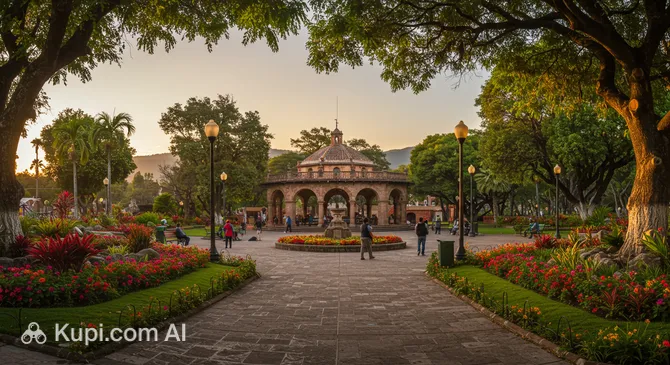
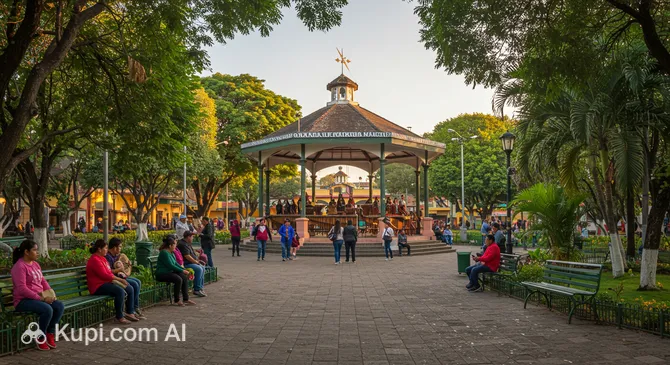
The undisputed heart of the city's evening entertainment is Marimba Park (Parque de la Marimba). While it is a public square, it functions as the premier nightlife venue for families, couples, and seniors alike. Every evening, the park fills with the rhythmic sounds of live marimba bands, and the central kiosk becomes a dance floor. Surrounding the park, you will find numerous cafes and snack bars where you can enjoy traditional treats while watching the festivities, making it an essential cultural experience.

Marimba Park. Source: Kupi.Binoculars

For those seeking a more contemporary vibe, the "Zona Dorada" (Golden Zone) along Boulevard Belisario Domínguez is the place to be. This western sector of the city is home to the highest concentration of trendy bars, nightclubs, and lounges. The crowd here is typically younger, and the venues range from sophisticated cocktail bars to energetic clubs playing pop, reggaeton, and electronic music. It is the go-to district for bar-hopping and socializing late into the night.

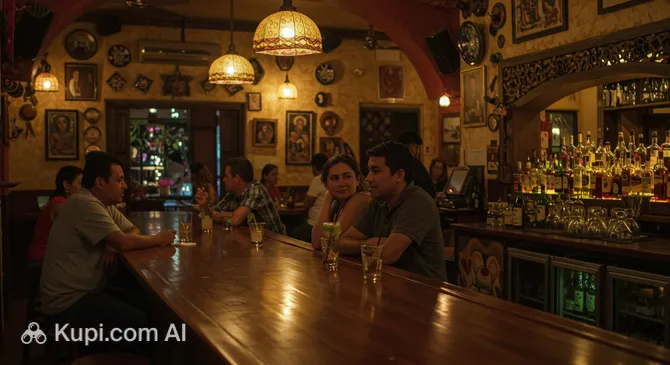
If you are looking for a place to watch sports or enjoy a casual drink with friends, Boston Pizza Tuxtla is a popular choice in the area, offering a lively atmosphere and a wide selection of beverages. For a more stylish evening out, the city boasts venues like Otilia, a bar known for its chic decor and excellent ambiance, perfect for starting the night with signature cocktails.

Otilia. Source: Kupi.Binoculars

Shopping centers also play a significant role in the local nightlife, serving as safe and convenient gathering spots. Plaza Ámbar Mall is a modern complex that stays active well into the evening. Beyond shopping, it offers cinemas, restaurants, and entertainment zones where groups of friends meet before heading to other late-night destinations. It provides a comfortable, air-conditioned environment to relax after a day of sightseeing.

When enjoying a night out, the dress code is generally smart-casual. While some high-end clubs may require shoes and collared shirts for men, most bars are quite relaxed. In terms of safety, it is best to stick to well-lit main avenues and the busy districts mentioned. For transportation, avoid hailing taxis on the street late at night; instead, use radio taxis or ride-hailing apps, or ask your venue to call a cab for you. Prices are reasonable, but it is always wise to confirm the fare before starting your journey.

During the day, the entertainment options shift towards culture and family fun. The city features several theaters and cultural centers that host plays and concerts. Families traveling with kids can visit the Children's Recreation Center of Tuxtla Gutiérrez, which offers various workshops and interactive activities, providing a wholesome break from the outdoor heat before the evening excitement begins.

Parks & Museums

Tuxtla Gutierrez is a city that prides itself on its abundant green spaces and dedication to environmental conservation. Beyond the bustling streets, visitors will find a network of parks and ecological reserves that offer a breath of fresh air, alongside museums that educate and inspire. Whether you are looking to observe local wildlife, engage in outdoor sports, or explore interactive exhibits, the city’s recreational facilities provide a perfect balance to its urban energy.

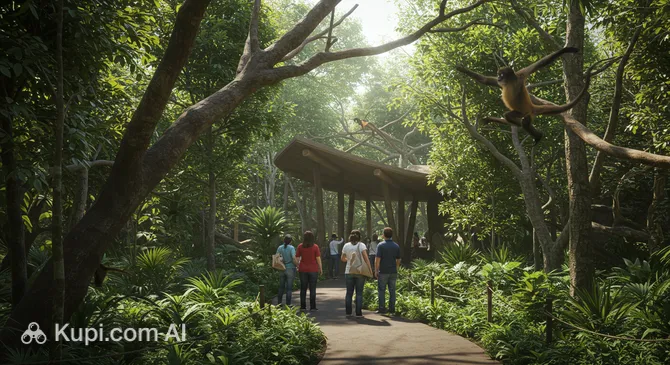
A highlight for any visitor is the renowned ZOOMAT Zoo (Miguel Álvarez del Toro Zoo), located within the El Zapotal Ecological Reserve. Unlike traditional zoos, ZOOMAT is strictly dedicated to the regional fauna of Chiapas. The animals live in expansive enclosures that mimic their natural habitats within a medium-height tropical forest. Walking through the shaded paths, you can spot jaguars, tapirs, howler monkeys, and the elusive quetzal, making it one of the most respected zoological institutions in Latin America for conservation and education.

ZOOMAT Zoo. Source: Kupi.Binoculars

For those who enjoy an active lifestyle, Caña Hueca Park is the city's premier sports and recreational hub. Named after the hollow reeds that grow in the area, this extensive park is a favorite among locals for morning jogs, basketball games, and family picnics. Its paved tracks are lined with lush vegetation, providing a cool and pleasant environment for exercise. It serves as a major lung for the city and a vibrant meeting point where the community comes together to stay active.

Caña Hueca Park. Source: Kupi.Binoculars

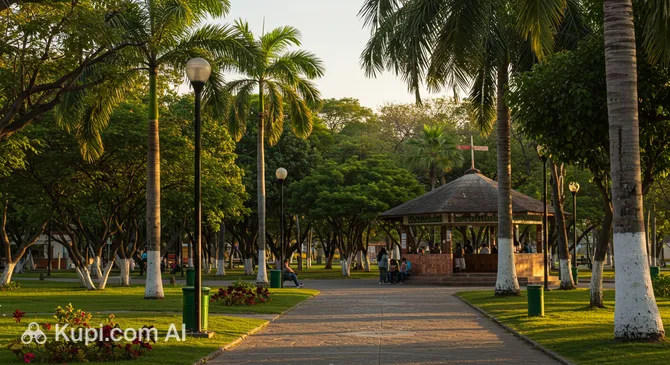
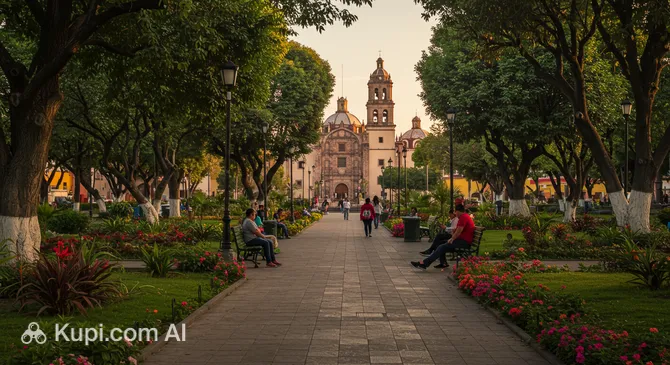
In the heart of the downtown area lies the Central Park of Tuxtla Gutiérrez. This civic plaza is the traditional center of town, flanked by important government buildings and the majestic San Marcos Cathedral. It is a space of history and daily life, where you can sit on a bench, watch the world go by, and often catch cultural events or small fairs. It acts as a convenient starting point for exploring the surrounding historic district.

Central Park of Tuxtla Gutiérrez. Source: Kupi.Binoculars

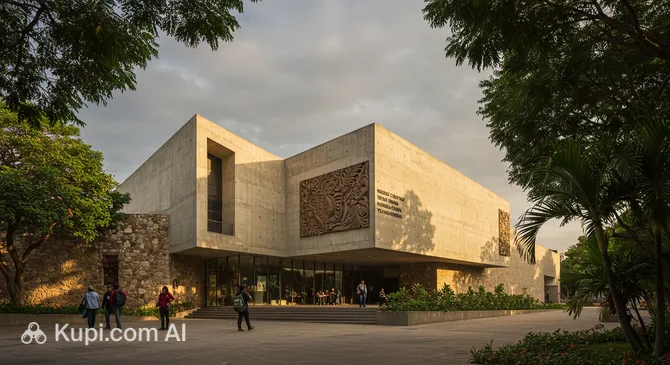
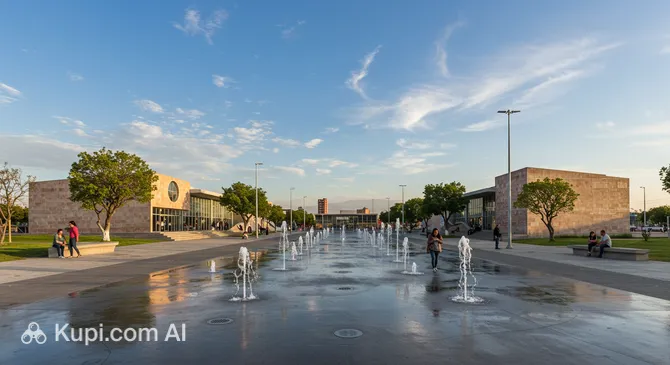
Families traveling with children should not miss the Children and Water Museum (Museo del Niño y del Agua). This interactive space is designed to teach younger generations about the importance of water resources and environmental stewardship through fun, hands-on exhibits. It combines play with learning, making complex ecological concepts accessible and engaging for kids. The museum’s architecture itself is notable, often featuring bright colors and whimsical designs that capture the imagination.

Children and Water Museum. Source: Kupi.Binoculars

Another excellent spot for recreation and panoramic views is the Morelos Bicentennial Park. Situated on a hill, it offers a quieter atmosphere compared to the city center and provides sweeping vistas of Tuxtla Gutierrez. It is a great place for a peaceful afternoon walk, featuring well-maintained gardens, monuments, and areas to relax while admiring the cityscape from above.

Morelos Bicentennial Park. Source: Kupi.Binoculars

Getting Around

The public transport system in Tuxtla Gutierrez relies almost entirely on a road-based network, as there are no metro, tram, or train lines within the city. The primary mode of transportation for locals is the colectivo, a vast fleet of shared vans (combis) and minibuses that cover nearly every corner of the urban area. These vehicles are identified by route numbers painted on their windshields or sides. While they can be crowded and fast-paced, they are the most authentic and economical way to navigate the city's neighborhoods and main avenues.

Payment for public transport is exclusively cash-based. There are no electronic travel cards, mobile apps for ticketing, or day passes available for the colectivo network. Passengers pay the driver directly upon boarding. The fares are very affordable, typically fixed at a low rate regardless of the distance traveled within the city limits. It is essential for tourists to carry small change and coins, as drivers frequently do not have enough change for large banknotes.

For visitors wishing to use the colectivos, the process is informal but functional. Designated bus stops exist, but in many residential areas, you can simply wave your hand to flag down a passing van. To exit, you must alert the driver by pressing a buzzer located near the door or by loudly saying "¡Bajan!" (getting off) or "¡En la esquina!" (at the corner). Service generally begins early, around 5:00 AM or 6:00 AM, and continues until approximately 9:00 PM or 10:00 PM. Be aware that frequency decreases significantly after dark.

Taxis are an extremely common and convenient alternative, easily recognized by their distinct colors. Unlike in many other major cities, taxis in Tuxtla Gutierrez typically do not use meters. Fares are usually determined by a zone system or simply by agreement between the passenger and the driver. To ensure a fair price, you should always confirm the cost to your destination before entering the vehicle. Taxis can be hailed on the street, found at designated stands (sitios), or requested via telephone.

For those who prefer a more modern and secure booking experience, ride-sharing apps such as Uber and DiDi are active and popular in the city. These platforms are often the best choice for tourists who do not speak Spanish, as they eliminate the need to negotiate fares or ask for directions. They also provide GPS tracking and digital payment options, offering a comfortable and hassle-free alternative to the traditional public transport system.

Accommodation

Accommodation in Tuxtla Gutierrez caters primarily to business travelers and domestic tourists, resulting in a wide selection of functional, modern, and reasonably priced lodging options. Unlike the boutique-heavy scene in nearby San Cristobal de las Casas, the capital offers a mix of reliable international chains, mid-range commercial hotels, and budget-friendly guesthouses. Whether you are looking for luxury amenities or a simple place to rest after exploring the canyon, you will find suitable choices throughout the city.

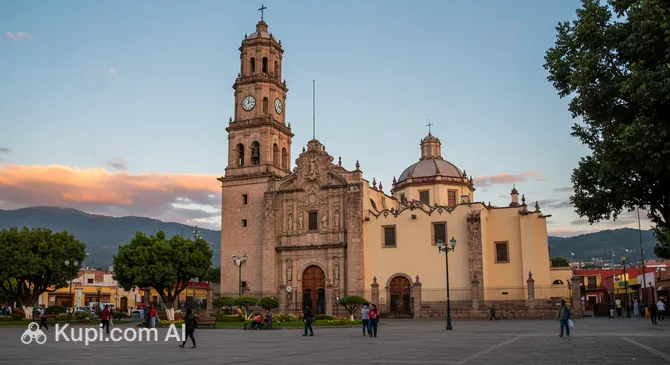
The most popular area for tourists who want to be close to cultural action is the Downtown (Centro) district. Staying here places you within walking distance of the lively Marimba Park and the Metropolitan Cathedral of Saint Mark (Tuxtla Gutiérrez). Hotels in this zone tend to be more traditional and affordable, offering easy access to local markets and street food. It is the perfect base for travelers who want to immerse themselves in the daily rhythm of the city.

Metropolitan Cathedral of Saint Mark (Tuxtla Gutiérrez). Source: Kupi.Binoculars

For those seeking more upscale comfort and modern conveniences, the western part of the city, known as the Zona Dorada (Golden Zone), is the preferred location. This area runs along the main boulevard and is home to major hotel chains, shopping centers like Plaza Las Américas, and a variety of nightlife options. Travelers staying here often enjoy amenities such as swimming pools, on-site gyms, and secure parking, making it ideal for families and business visitors.

Booking Tips and Prices: Generally, accommodation prices in Tuxtla Gutierrez are lower than in Mexico's major beach destinations. A comfortable mid-range room can often be found for a very reasonable rate compared to the national average. However, it is advisable to book in advance if you plan to visit during Easter week (Semana Santa) or the December holidays, as these are peak travel times for Mexican families. Reservations can easily be made through major online booking platforms, though many smaller, family-run establishments in the center also accept direct bookings.

Nearby Cities

For those looking to explore the surroundings, Tuxtla Gutierrez serves as an excellent base for day trips to several interesting nearby locations:

Just a short drive from the capital lies Chiapa de Corzo, a designated "Pueblo Mágico" that sits on the banks of the Grijalva River. It is historically significant as one of the oldest Spanish settlements in the region. Visitors flock here to admire the stunning Mudéjar-style fountain known as "La Pila" in the main plaza and to embark on boat tours through the majestic Sumidero Canyon. The town's relaxed atmosphere and rich colonial heritage make it a perfect quick escape from the city.

Located further up in the highlands, San Cristobal de las Casas offers a complete change of pace and climate. Known for its cool mountain air, cobblestone streets, and red-tile roofs, this city is the cultural heart of Chiapas. It is famous for its vibrant indigenous markets, amber jewelry, and cosmopolitan mix of cafes and museums. A day trip here allows travelers to experience a unique blend of traditional Maya culture and colonial charm.

Another intriguing option is Ocozocoautla de Espinosa, locally known as "Coita." While famous for its elaborate Carnival celebrations, it is also a gateway to natural wonders like the Sima de las Cotorras, a massive sinkhole inhabited by thousands of green parakeets. This destination appeals particularly to eco-tourists and those interested in the unique Zoque traditions of the area.

City Population Distance (km)
San Cristobal de las Casas 183,509 50
Ocozocoautla de Espinosa 97,397 29
Chiapa de Corzo 55,931 12
Simojovel de Allende 52,935 60
Berriozabal 51,722 19

These nearby destinations offer a glimpse into the diverse culture and landscapes of the region, ranging from colonial history to breathtaking natural phenomena.

Shopping & Souvenirs

Tuxtla Gutierrez serves as the commercial heartbeat of Chiapas, offering a shopping landscape that blends modern convenience with traditional charm. While the city is filled with contemporary retail spaces, it also retains a strong connection to its roots through vibrant local markets. Whether you are looking for the latest fashion trends, electronics, or authentic regional handicrafts, the city provides diverse options to suit every budget and taste.

For a modern shopping experience, the city features several large malls that rival those in bigger metropolitan areas. Plaza Ámbar Mall is a favorite among locals and visitors alike; this lifestyle center offers a wide range of international clothing brands, a cinema, and numerous dining spots, making it a lively place to spend an afternoon. Another key destination is Plaza Las Américas, a traditional shopping center anchored by major department stores where you can find everything from cosmetics to household goods in air-conditioned comfort.

Plaza Ámbar Mall. Source: Kupi.Binoculars

Beyond the malls, the downtown area along Avenida Central is a bustling corridor lined with shoe stores, boutiques, and small businesses. However, for a truly authentic experience, you must visit the Mercado de los Ancianos (Market of the Elders). Located south of the center, this sprawling market is the best place to immerse yourself in local culture. Here, vendors sell mounds of fresh fruit, colorful flowers, and regional snacks, alongside stalls dedicated to traditional crafts and clothing.

Plaza Las Américas. Source: Kupi.Binoculars

When searching for the perfect souvenir, Chiapas offers several unique items. The region is famous for amber, and you can find exquisite jewelry made from this fossilized resin in specialized shops throughout the city. Coffee is another must-buy; the shop at the Chiapas Coffee Museum is an excellent spot to purchase high-quality, locally grown beans. Additionally, look for vibrant embroidered textiles and lacquerware, which reflect the rich artistic heritage of the indigenous Zoque and Maya communities.

Shopping hours in Tuxtla Gutierrez generally follow standard Mexican schedules. Malls and department stores are typically open from 11:00 AM to 9:00 PM daily and accept major credit and debit cards. Traditional markets operate on an earlier schedule, opening around 7:00 AM and closing by late afternoon; in these venues, cash is essential. International tourists should also be aware that Mexico offers a tax refund program (Moneyback) for purchases made at participating stores, so it is advisable to ask for the necessary paperwork when buying higher-value goods.

Reached the end of the page?

That means the route is fully explored