Support

Villahermosa

About

Villahermosa, the vibrant capital of the state of Tabasco, is a city that perfectly blends modernity with rich cultural heritage. Known as the "Emerald of the Southeast" due to its abundant vegetation and lush landscapes, it serves as a bustling hub of energy and commerce in the region. The city offers a unique atmosphere where contemporary urban life meets the tropical beauty of the Grijalva River.

Located in the warm and humid lowlands of southeastern Mexico, Villahermosa experiences a tropical climate that keeps the surroundings green year-round. With a population of approximately 353,000 inhabitants, it is a significant economic center for the oil industry, yet it retains a welcoming charm for visitors seeking to explore the natural and historical wonders of the area.
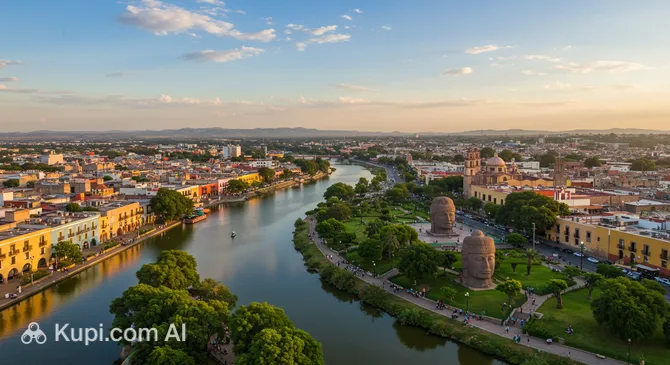
Villahermosa. Source: Kupi.Binoculars

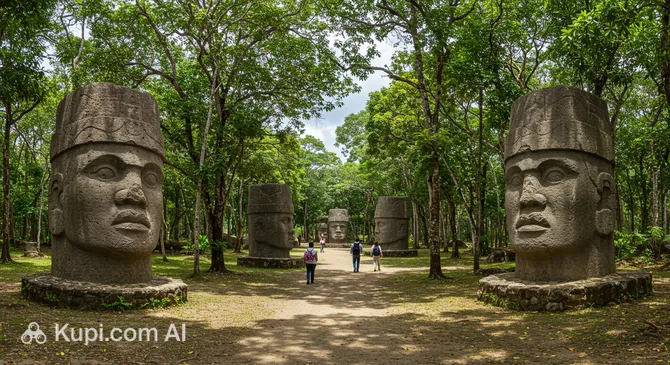
The city is a gateway to the ancient world of the Olmecs, often regarded as the mother culture of Mesoamerica. Visitors can dive deeper into the history of Villahermosa and the region by visiting its world-class museums. A standout attraction is the Parque-Museo La Venta, an extraordinary open-air museum that houses the famous colossal stone heads and other archaeological treasures rescued from the original La Venta site. Another must-see is Yumká, a magnificent ecological reserve where you can observe local flora and fauna in their natural habitat.

Whether you are passing through on a business trip or planning a dedicated cultural excursion, Villahermosa invites you to discover its archaeological gems, taste its distinct local cuisine, and enjoy the warmth of its people. It is a destination that promises a memorable experience in the heart of the Mexican tropics.
Weather Overview

Villahermosa experiences a warm tropical climate, ensuring high temperatures and humidity throughout the year. The city does not have a traditional cold winter; instead, the weather ranges from pleasantly warm to intensely hot. May is typically the warmest month, with average temperatures rising to 30.7°C and daily highs often reaching 35.4°C.

The months of December and January are generally the mildest, with average temperatures hovering around 24°C and nightly lows staying above 20°C. This period offers a comfortable atmosphere for exploring the city's outdoor attractions without the peak heat of late spring.

Rainfall patterns vary distinctly across the seasons. The beginning of the year is relatively dry, with April seeing as few as 7 wet days. However, the frequency of rain increases significantly in the second half of the year; September and October are particularly active, recording up to 25 wet days per month. To help plan your trip around these patterns, you can view the full report on the weather in Villahermosa. Expect hot conditions year-round, with a notable increase in shower frequency during the late summer and autumn months.

Interesting Facts

Beyond the main attractions, Villahermosa holds many fascinating secrets that reveal its depth as a cultural and historical crossroads. From ancient logistical feats to wild neighbors living in the city center, here are some intriguing facts about the Tabasco capital.

La Venta Museum Park. Source: Kupi.Binoculars
  • The famous colossal Olmec heads located in La Venta Museum Park were not originally found there. In the 1950s, the renowned poet Carlos Pellicer Cámara orchestrated a massive rescue mission to move these archaeological treasures about 130 kilometers from the original La Venta site, which was threatened by oil exploration, to their current sanctuary in the city.

  • Villahermosa is one of the few cities in the world where you can spot wild crocodiles in the middle of the urban area. The Laguna de las Ilusiones, a natural reserve bordered by landmarks like Tomás Garrido Canabal Park and the Eagles' Viewpoint, is home to a protected population of Morelet's crocodiles that can often be seen sunbathing on the banks.

  • The city's origins are tied to a strategic relocation for safety. Founded in the late 16th century and known for a long time as San Juan Bautista, it was established to supersede the older coastal settlement of Santa María de la Victoria, which suffered from frequent pirate attacks. King Philip II of Spain granted the inland city the title "Villa Hermosa" (Beautiful Village) in 1598, a name that was officially restored in the early 20th century.

  • The city is considered the gateway to the "Cacao Route," as the state of Tabasco is widely regarded as the cradle of chocolate. Archaeological evidence suggests the Olmecs were processing cacao in this region as early as 1500 BC, long before the Mayans or Aztecs, making the local chocolate tradition one of the oldest in the world.

How to Get There

Reaching this tropical destination is relatively straightforward, with air travel being the most convenient method for most visitors. Travelers can find more about how to get to Villahermosa and plan their journey by exploring the various transport connections available. The city serves as a major gateway to the region, well-connected to Mexico City and other key hubs.

The primary entry point is Carlos Rovirosa Perez International Airport (IATA: VSA), located just 13.8 km from the city center. As the main airport serving the capital of Tabasco, it handles a significant volume of traffic. A trip from the terminal to downtown typically takes around 40 minutes by taxi or shuttle, making it a quick and efficient option for arrival.

For those exploring the wider region, there are alternative airports in neighboring cities, though they require a longer ground transfer. You can fly into Angel Albino Corzo International Airport (IATA: TGZ) in the city of Tuxtla Gutierrez, which is approximately 158 km from Villahermosa; the drive from there takes about 4.5 hours. Another option is Ciudad Del Carmen Airport (IATA: CME) in Ciudad del Carmen, located about 142 km away, with a travel time of roughly 4 hours by road.

For clarity, here is a summary of the main airports:

Airport Name City Passenger Traffic Km from City
Angel Albino Corzo International Airport Tuxtla Gutierrez High 158.2
Carlos Rovirosa Perez International Airport Villahermosa High 13.8
Ciudad Del Carmen Airport Ciudad del Carmen Medium 141.7
Palenque Palenque Low 113.9

Main Attractions

Villahermosa is a city where history and nature converge, offering visitors a fascinating mix of archaeological treasures, lush green spaces, and vibrant cultural districts. The city's attractions provide a deep dive into the ancient Olmec civilization while allowing travelers to enjoy the modern, tropical atmosphere of the Tabasco capital.

Undoubtedly the most famous landmark is the La Venta Museum Park. This unique open-air museum combines archaeology with a zoological park, creating an immersive experience. It is home to the colossal stone heads carved by the Olmecs, which were relocated here from the original La Venta site for preservation. As you walk along the jungle trails, you can admire these ancient masterpieces alongside local flora and fauna, including jaguars and tropical birds, making it a must-visit for history buffs and nature lovers alike.

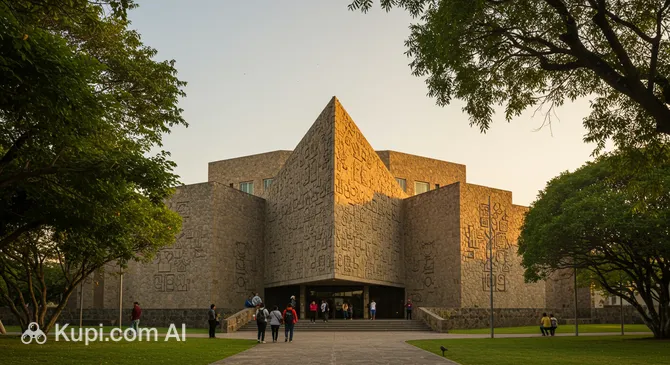
For a deeper understanding of the region's past, the Carlos Pellicer Cámara Regional Museum of Anthropology is an essential stop. Located along the banks of the Grijalva River, this institution houses one of the most complete collections of Mesoamerican artifacts in Mexico. The exhibits span several floors and showcase intricate pottery, sculptures, and tools from the Olmec, Mayan, and Zoque cultures, offering a comprehensive look at the civilizations that shaped this part of the world.

Carlos Pellicer Cámara Regional Museum of Anthropology. Source: Kupi.Binoculars

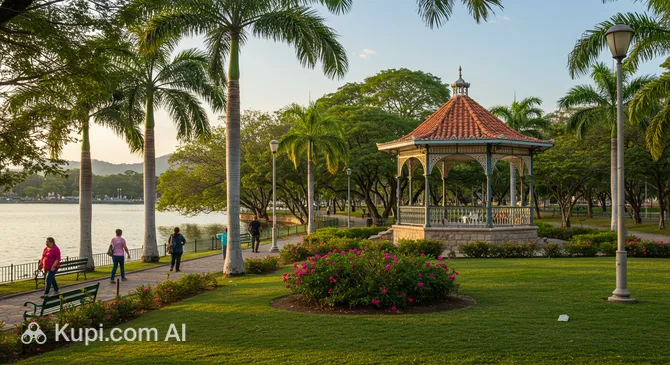
Travelers looking to relax in a scenic setting should head to Tomás Garrido Canabal Park. This expansive recreational area sits on the shores of the Laguna de las Ilusiones and is a favorite spot for both locals and tourists. The park features beautifully landscaped gardens, walking paths, and iconic architecture inspired by pre-Hispanic designs. It is the perfect place to enjoy a sunset walk, watch for local wildlife in the lagoon, or simply unwind in the heart of the city.

Tomás Garrido Canabal Park. Source: Kupi.Binoculars

To experience the city's colonial charm and lively urban pulse, a visit to Zona Luz is highly recommended. This is the historic downtown center of Villahermosa, characterized by its pedestrian-friendly streets paved with red tiles. The area is bustling with cafes, restaurants, and cultural venues, including the beautiful House of Tiles. It is an excellent spot to stroll in the evening, shop for local handicrafts, and soak up the friendly atmosphere of Tabasco.

Local Cuisine

The culinary scene in Villahermosa is a vibrant reflection of Tabasco's rich natural resources, blending indigenous traditions with Spanish influences. The local gastronomy is famous for its extensive use of freshwater fish, tropical fruits, and distinct herbs that grow in the region's lush wetlands. Dining here offers an exotic experience where ancient ingredients meet modern preparation methods.

The undisputed star of the local table is the pejelagarto, a prehistoric fish with a head resembling an alligator. It is a must-try delicacy, typically served roasted (asado) over firewood or shredded in empanadas and tacos. Often, it is accompanied by chirmol, a savory sauce made from pumpkin seeds, charred tortillas, and tomatoes. Another regional favorite is the tamal de chipilín, made with a native leafy herb that imparts a unique flavor, often mixed with pork or chicken.

No culinary tour of the city is complete without tasting the beverages derived from cacao, as Tabasco is considered the cradle of chocolate in Mexico. The most iconic drink is pozol, a thick, refreshing beverage made from fermented corn dough and cacao, traditionally served in a natural gourd called a jícara. Locals drink it at any time of day to stay cool and energized in the tropical heat. For something sweet, try the hot chocolate flavored with cinnamon and almonds.

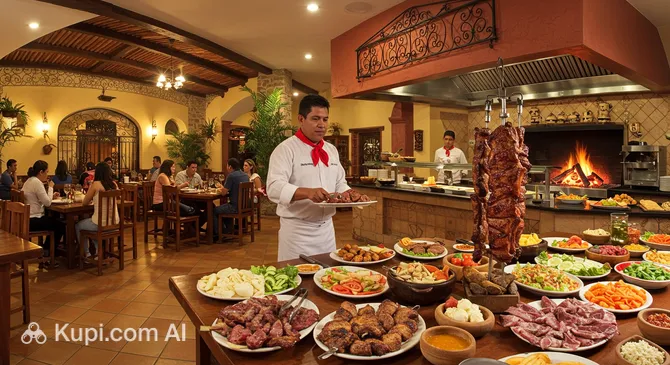
Rodizio Restaurant. Source: Kupi.Binoculars

For those looking to explore the dining atmosphere, the historic center, known as Zona Luz, is an excellent starting point. This pedestrian-friendly area is dotted with cafes and traditional eateries where you can sample local snacks and sweets. If you prefer a sit-down meal with a variety of grilled meats, Rodizio Restaurant is a popular choice among visitors for its hearty portions and service. Alternatively, for a casual evening with drinks and comfort food, Boston's offers a relaxed environment to unwind after a day of sightseeing.

Travel Tips

Welcome to Villahermosa, the vibrant "Emerald of the Southeast." To help you navigate the tropical climate and rich local culture with ease, here is a collection of essential tips for a smooth and enjoyable journey.

  1. Dress for the Tropics. The heat and humidity in Villahermosa can be intense year-round. Pack lightweight, breathable fabrics like cotton or linen to stay cool. A wide-brimmed hat, sunglasses, and high-SPF sunscreen are mandatory accessories. Since you will likely be walking in parks like La Venta, comfortable walking shoes are essential. For evening dining, casual but neat attire is standard, while visiting religious sites requires modest clothing that covers shoulders and knees.

  2. Navigating the City. For tourists, ride-hailing apps like Uber or DiDi are often the most convenient and comfortable way to get around, offering air-conditioned rides and clear pricing. Traditional taxis are abundant; however, ensure you agree on the fare before starting the trip if there is no meter. Public transport consists mainly of vans known as combis, which are affordable but can be crowded and confusing for first-time visitors without local guidance.

  3. Managing Your Finances. The local currency is the Mexican Peso (MXN). While major hotels, malls, and restaurants accept credit cards, cash is king in smaller establishments, street markets, and when buying local snacks like cacao. ATMs are widely available in shopping centers and banks. Tipping is customary; leaving 10-15% of the bill in restaurants is standard practice for good service.

  4. Health and Safety Essentials. Due to the tropical environment, mosquitoes can be prevalent, so carrying and applying insect repellent is highly recommended, especially during outdoor excursions near the lagoons. Never drink tap water; always opt for sealed bottled water to avoid stomach issues. Pharmacies like Farmacias Guadalajara or Farmacias del Ahorro are easy to find, and many operate 24/7 for any medical necessities.

  5. Communication and Connectivity. Spanish is the primary language, and English is not widely spoken outside of major hotels and tourist attractions. Learning basic phrases such as "Buenos días" (Good morning) and "Gracias" (Thank you) will go a long way. For mobile data, you can easily purchase a SIM card from Telcel or AT&T at convenience stores like OXXO. WhatsApp is the preferred method of communication for many local businesses and tour operators.

  6. Local Etiquette. People in Tabasco are generally warm and friendly. It is polite to greet shopkeepers and service staff when entering a place. If you see people eating, it is a nice gesture to say "Provecho" (Bon appétit) as you pass by. Handshakes are common for introductions, while friends often greet with a light hug or a cheek kiss.

  7. Respect the Wildlife. A unique aspect of Villahermosa is the presence of crocodiles in the Laguna de las Ilusiones, often visible from parks. Do not feed, provoke, or get too close to the animals near the water's edge. Observe them from designated safe viewpoints and respect the warning signs placed around the lagoon areas.

  8. Embrace the Siesta Schedule. The midday sun between 1:00 PM and 4:00 PM can be draining. Follow the local lead by scheduling your outdoor activities, such as visiting archaeological parks, for the early morning. Use the hottest part of the day to visit air-conditioned museums, enjoy a long lunch, or rest, then head back out in the evening when the city cools down and the streets come alive.

By keeping these practical tips in mind, you will be well-prepared to embrace the warmth and hospitality of Villahermosa. Enjoy your adventure in this lush, historical corner of Mexico!

Entertainment & Nightlife

When the tropical sun sets and the evening breeze rolls in from the river, Villahermosa transforms into a lively hub of entertainment. While it may not have the frenetic pace of a beach resort, the city offers a vibrant nightlife scene that caters to locals and visitors alike. The atmosphere is generally relaxed yet festive, with a mix of modern sophistication in the newer districts and bohemian charm in the historic center.

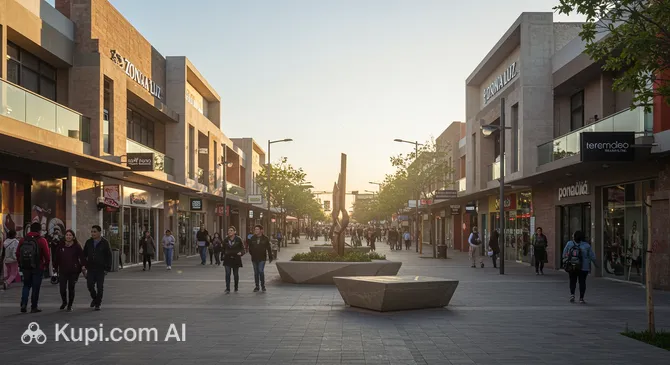
For a culturally rich start to your evening, head to the historic heart of the city, Zona Luz. As the streetlights glow on the paved walkways, this pedestrian area buzzes with activity. You will find couples strolling, street musicians playing, and families enjoying the cooler air. It is the perfect place to grab a coffee or a beer at an outdoor terrace, surrounded by colonial-style architecture. The vibe here is casual and welcoming, making it an excellent spot for a low-key night out.

Zona Luz. Source: Kupi.Binoculars

If you are looking for a more modern and upscale experience, the Tabasco 2000 district is the place to be. This commercial area is home to trendy bars, nightclubs, and entertainment centers where the city's stylish crowd gathers. The dress code in this area tends to be "smart casual"—while you don't need a tuxedo, leaving the beach shorts at the hotel is recommended. Here, you can find everything from pulsating dance floors playing the latest Latin hits to sophisticated lounges perfect for a cocktail.

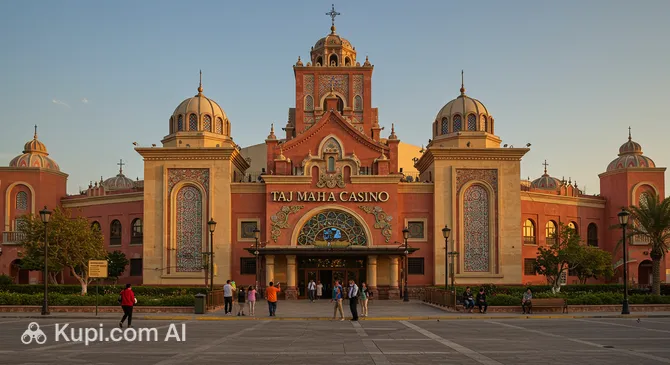
Casinos are a significant part of the nightlife in Villahermosa, offering vibrant entertainment well into the early hours. One of the most prominent venues is the Taj Mahal Casino. With its distinctive architecture and lively gaming floor, it attracts visitors looking for excitement and a fun atmosphere. Another popular option is the Crown City Casino, known for its modern facilities and variety of electronic games. These venues often host live shows and have on-site bars, making them a one-stop destination for a night out.

Taj Mahal Casino. Source: Kupi.Binoculars

For sports enthusiasts or those seeking a familiar and friendly environment to enjoy a drink, Boston's is a favorite local hangout. It offers a spirited atmosphere where you can watch live sports events, enjoy hearty snacks, and mingle with locals. If you prefer a night of shopping and cinema, the city's malls, such as Galerías Tabasco, remain active into the evening, offering VIP movie theaters and late-night dining courts.

Practical Tips for a Night Out:

  • Getting Around: The safest and most convenient way to navigate the nightlife districts is by using ride-hailing apps like Uber or DiDi. They are reliable and overcome language barriers regarding directions.
  • Safety: Villahermosa is generally safe in the main tourist and commercial areas like Tabasco 2000 and Zona Luz. However, it is advisable to avoid walking alone on poorly lit streets late at night. Stick to busy areas and take taxis door-to-door.
  • Timing: The nightlife typically kicks off around 9:00 PM or 10:00 PM. If you arrive too early, you might find venues relatively empty.

While the nights are for socializing, don't forget that the city offers plenty of daytime entertainment as well. Before heading out for the evening, you might spend your afternoon exploring the Papagayo Interactive Museum or taking a relaxing boat ride on the lagoon. Whether you are rolling the dice at a casino or enjoying a quiet walk in the historic center, Villahermosa ensures your nights are just as memorable as your days.

Parks & Museums

Villahermosa is a city that seamlessly blends its urban environment with the lush tropical nature of Tabasco. The city is dotted with green spaces and cultural institutions that offer visitors a chance to explore both the region's rich biodiversity and its fascinating history. Whether you are looking for a quiet place to walk or an educational experience, the local parks and museums provide excellent options.

For those interested in the ancient civilizations of Mesoamerica, the Carlos Pellicer Cámara Regional Museum of Anthropology is a cultural beacon. Located on the banks of the Grijalva River, it houses an impressive collection of Olmec and Mayan artifacts, offering a deep dive into the pre-Hispanic past. Another significant institution is the José Narciso Rovirosa Museum of Natural History, which focuses on the biological and geological evolution of the region, making it a great stop for nature enthusiasts.

Families traveling with children will find a dynamic and engaging environment at the Papagayo Interactive Museum. This modern facility is designed to stimulate curiosity through hands-on exhibits covering science, technology, and art. It provides a fun, educational space where younger visitors can learn while playing.

Papagayo Interactive Museum. Source: Kupi.Binoculars

When it comes to outdoor recreation, the city is famous for the La Venta Museum Park, a unique site that combines a zoological reserve with an open-air archaeological display. However, for those seeking a purely recreational atmosphere, La Choca Park is a favorite among locals. This expansive green space is ideal for jogging, cycling, or enjoying a picnic, and it frequently serves as the venue for major city events and fairs.

For a serene escape within the city, La Pólvora Park offers a tranquil setting featuring a lagoon and scenic artificial waterfalls. It is a perfect spot for a relaxing afternoon walk. Nearby, the well-known Tomás Garrido Canabal Park continues to be a central hub for social life, renowned for its beautiful landscaping and views of the Laguna de las Ilusiones.

La Choca Park. Source: Kupi.Binoculars

Getting Around

Navigating Villahermosa is primarily done through a network of road-based options, as the city does not have a metro or tram system. The public transport infrastructure relies heavily on buses and vans that cover the entire metropolitan area and its suburbs. For visitors, the system is functional and affordable, though it can be somewhat chaotic during peak hours. Understanding the distinction between the different types of vehicles will help you move around the city more efficiently.

The most ubiquitous form of transport is the combi (minibus or van). These white vans zip through the city streets and are the backbone of local mobility. They follow specific routes, usually displaying their destination on the windshield in bright letters. While they are the fastest way to get across town using public transit, they can be cramped and often stop frequently to pick up or drop off passengers anywhere along the route. Larger buses, such as those operated by systems like TransBus, offer a slightly more comfortable alternative with air conditioning on some units and designated stops, making them a better choice for longer distances across the city.

Payment for public transport in Villahermosa is almost exclusively in cash. There are no complex travel cards or digital ticketing apps for the general bus and combi network. You simply pay the driver directly upon boarding. Fares are very affordable, typically ranging between 10 to 15 MXN depending on the route and vehicle type. It is essential to carry small change, such as coins or small denomination bills, as drivers often do not have change for large notes.

Operating hours for public transport generally run from as early as 5:00 AM until approximately 9:00 PM or 10:00 PM. Service frequency drops significantly after dark, so if you plan to be out late, it is best to arrange alternative transport. When using buses or combis, keep in mind that route maps are not always readily available at stops; asking locals or the driver ("¿Pasa por...?") is the most reliable way to ensure you are on the right vehicle.

For a more comfortable and direct experience, taxis are abundant and painted yellow. It is important to note that many taxis in the city operate on a "collective" basis, meaning they may pick up other passengers going in the same direction. If you prefer a private ride, you should specify this or use "Radio Taxis" which are dispatched by phone. Additionally, ride-sharing apps like Uber and DiDi are widely available and popular among tourists. They offer the advantage of fixed pricing, GPS tracking, and the ability to pay via credit card, eliminating the language barrier associated with negotiating taxi fares.

A unique feature of Villahermosa's transport landscape is the lanchitas (small boats) that cross the Grijalva River. These boats provide a quick and scenic connection between the city center and the colonies on the opposite bank, such as Gaviotas. While primarily used by locals for their daily commute, taking a ride on a lanchita offers a different perspective of the city from the water and is an inexpensive way to experience a bit of local life.

Accommodation

Where to Stay:

Accommodation in Villahermosa caters to a diverse mix of visitors, ranging from business executives in the oil industry to tourists exploring the Olmec heritage. The city offers a broad spectrum of lodging options, from modern high-rise hotels belonging to international chains to modest, family-run guesthouses. Because the city is a major commercial hub, the standard of service and amenities in the mid-range and luxury sectors is generally quite high, ensuring a comfortable stay for travelers.

The most popular area for tourists and business travelers alike is the district known as Tabasco 2000. This modern urban development is the city's commercial heart, characterized by wide avenues, office towers, and lush greenery. Staying here places you close to major shopping centers like Galerías Tabasco, as well as the convention center and government offices. It is considered one of the safest and most convenient parts of the city, offering easy access to restaurants and transport links.

Galerías Tabasco. Source: Kupi.Binoculars

For those seeking a more traditional atmosphere or traveling on a budget, the historic downtown area, or Zona Luz, is an excellent alternative. Hotels here are often housed in older buildings with colonial charm and are within walking distance of museums and pedestrian streets. While the amenities may be simpler compared to the modern districts, the location offers immediate access to the city's cultural pulse and vibrant street life. Another growing area is around the Altabrisa Tabasco Mall, which features newer hotel developments perfect for those who prefer a quiet, upscale environment on the city's periphery.

When planning your trip, it is important to note that Villahermosa's hotel occupancy can fluctuate significantly due to business conventions and oil industry events. It is highly recommended to book your accommodation in advance, especially if you plan to visit during the week when business travel is at its peak. Weekends can sometimes offer lower rates as the business crowd departs.

Price ranges in the city are generally reasonable compared to Mexico's major beach resorts. You can find comfortable mid-range hotels for a moderate price, while luxury options are available for those willing to spend a bit more. Booking is easily done through major online platforms, which often provide the best deals, though contacting hotels directly can sometimes yield special corporate or long-stay rates.

Nearby Cities

For those looking to explore the surroundings, Villahermosa serves as an excellent base for day trips to several interesting nearby locations:

City Population Distance (km)
Comalcalco 214,877 42
Macuspana 158,601 45
Cunduacan 137,257 25
Paraiso 96,741 53
Salto de Agua 64,251 81

Comalcalco is arguably the most popular day trip from the capital. Known as the "Pearl of Chontalpa," it is famous for its unique Mayan archaeological site, which is distinct for being constructed from fired brick and oyster shell mortar rather than stone. Additionally, the area is the heart of the "Cacao Route," where visitors can tour historic haciendas to see how chocolate is traditionally produced and sample fresh cacao products.

For a taste of the coast, Paraiso offers a refreshing escape near the Gulf of Mexico. It is a top destination for seafood enthusiasts, renowned for its fresh oysters and local cuisine served in open-air restaurants along the Puerto Ceiba lagoon. The town provides a relaxed atmosphere where travelers can enjoy boat rides and the coastal breeze, making it a perfect spot for a leisurely lunch and a break from the city heat.

These nearby destinations offer a glimpse into the diverse culture and landscapes of the region, ranging from ancient history to coastal relaxation.

Shopping & Souvenirs

Shopping in Villahermosa offers a delightful mix of modern retail therapy and traditional discovery. As the commercial hub of southeastern Mexico, the city features large, air-conditioned malls with international brands alongside vibrant local markets where the region's culture comes to life. Whether you are looking for high-end fashion or artisanal crafts, the city provides diverse options to suit every taste and budget.

The heart of traditional shopping can be found in Zona Luz, the city's historic downtown district. This area is a network of pedestrian-friendly streets lined with boutique shops, shoe stores, and vendors selling local goods. It is the perfect place to take a leisurely stroll, find affordable clothing, and soak up the lively atmosphere of the city center surrounded by colonial-style architecture.

For a contemporary experience, the city boasts several top-tier shopping centers that provide a cool escape from the tropical heat. Altabrisa Tabasco Mall is one of the premier destinations, housing department stores, prestigious fashion boutiques, and a variety of entertainment options.

Altabrisa Tabasco Mall. Source: Kupi.Binoculars

Another favorite among locals and visitors is Galerías Tabasco, located in the bustling Tabasco 2000 district. This mall offers a wide range of shops, a food court, and a cinema, making it a popular spot for families to relax and shop in comfort. Both malls are excellent places to find international brands, electronics, and cosmetics.

To experience the authentic flavors of the region, a visit to the Mercado José María Pino Suárez is essential. It is a bustling hub where you can find everything from fresh tropical fruits and regional cheeses to traditional herbal remedies and handcrafted items. It is the best place to observe daily local life and purchase fresh ingredients used in Tabasco's unique cuisine.

When it comes to souvenirs, the most iconic gift to bring home from Villahermosa is chocolate or cacao products. Tabasco is known as the cradle of chocolate in Mexico, and you can find artisanal bars, drinking chocolate, and cacao nibs throughout the city. Other excellent keepsakes include embroidered textiles, leather goods, and bottles of local hot sauce made from the fiery habanero pepper.

Most shopping malls typically operate from 11:00 AM to 9:00 PM daily. Markets, however, start much earlier, often opening around 6:00 AM and closing by late afternoon. While major department stores and malls accept credit and debit cards, it is advisable to carry cash (Pesos) when visiting street markets or purchasing from smaller vendors.

International tourists may be eligible for a tax refund on purchases made at affiliated "Moneyback" stores. Look for the sign in shop windows and ensure you keep your receipts and immigration form handy to process the claim at the airport before leaving the country.

Reached the end of the page?

That means the route is fully explored