Support

Palenque

About

Palenque is a mesmerizing destination located in the southern state of Chiapas, Mexico. It serves as the perfect gateway between the modern world and the ancient secrets of the Maya civilization. Surrounded by dense tropical jungle, the city offers a unique atmosphere where history and nature intertwine seamlessly, creating a mysterious and inviting vibe for travelers from around the globe.

The modern city, with a population of approximately 132,000 inhabitants, is a bustling hub that provides essential amenities and a warm welcome to visitors. Geographically, it sits at the foot of the Tumbalá mountains, overlooking the Usumacinta River floodplains. The climate is characteristically tropical—warm and humid year-round—which contributes to the lush, vibrant vegetation that defines the region's landscape.

While the town itself is lively, the area's global fame comes from its ancient heritage. The history of Palenque is deeply rooted in the Classic Maya period, and the nearby archaeological site is considered one of the most significant achievements of mankind in the Americas. Exploring these ruins offers a profound glimpse into a sophisticated society known for its art, architecture, and astronomical knowledge.
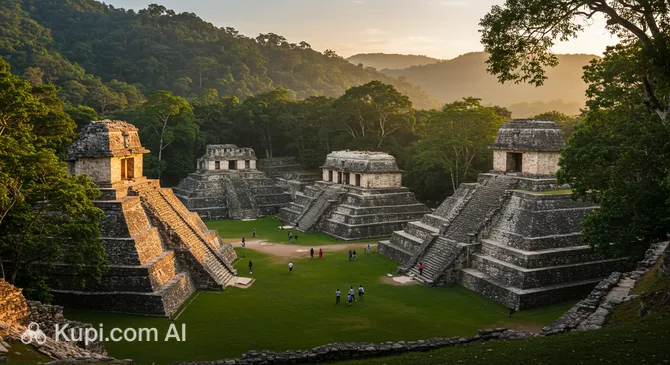
Palenque. Source: Kupi.Binoculars

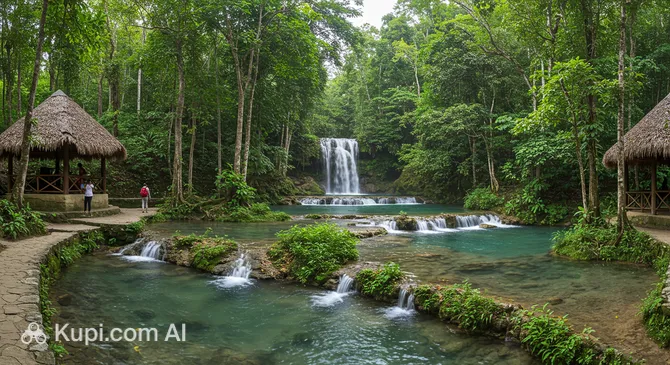
Visitors are primarily drawn to the Palenque Archaeological Zone, a UNESCO World Heritage site that features the iconic Temple of the Inscriptions, the burial place of King Pakal. Beyond the ancient stones, the region is blessed with breathtaking natural attractions. The cascading turquoise waters of the Agua Azul Waterfalls and the majestic Misol-Ha Waterfall are short trips away, offering refreshing spots to swim and admire the power of nature.

Whether you are an archaeology enthusiast eager to decipher ancient glyphs or a nature lover looking to explore the rainforest, Palenque promises an unforgettable adventure. We invite you to immerse yourself in the magic of this unique city, where every corner tells a story of the past.
Weather Overview

Travelers visiting this region can expect a tropical climate characterized by consistent warmth and high humidity, typical of its jungle setting. The temperatures remain generally high throughout the year, creating a lush environment for the surrounding flora. The warmest month is typically May, with an average temperature of 30.0°C and highs reaching up to 35.4°C, making it the peak of the hot season.

For those preferring slightly milder conditions, the winter months offer a comfortable respite. January and December are the coolest times, with average temperatures hovering around 23°C and nighttime lows dipping to approximately 19.0°C. Even during these "cooler" months, the climate remains pleasant for exploring the archaeological sites without the intense heat of late spring.

Rainfall is a significant factor to consider when planning your itinerary. The weather in Palenque follows a distinct seasonal pattern. The months of February, March, and April are the driest, with only about 6 to 7 wet days per month, making them ideal for outdoor activities. In contrast, the wet season runs from June through October, where rain becomes much more frequent; September, for instance, sees precipitation on up to 26 days. Expect warm temperatures year-round with frequent rain showers in the summer and autumn, while early spring offers the driest and sunnier days.

Interesting Facts

Beyond the famous ruins and the bustling streets, Palenque preserves fascinating secrets and ecological achievements that often go unnoticed by the casual observer. Here are some intriguing facts about this captivating destination that reveal its depth:

  • The ancient city was originally known to its inhabitants as Lakamha, which translates to "Big Water." This name is incredibly fitting, as the area is rich with natural springs, streams, and cascades that flow through both the archaeological site and the surrounding jungle.

  • Experts estimate that only a tiny fraction—perhaps less than 10%—of the original Mayan metropolis has been excavated and exposed. Over a thousand structures remain hidden beneath the thick tropical vegetation, reclaimed by the forest over centuries.

  • Local conservation efforts have achieved historic milestones; for example, Aluxes Ecopark successfully reintroduced the majestic Scarlet Macaw to the wild in this region after the species had been locally extinct for decades.

  • The ancient Maya of Palenque were pioneers in hydraulic engineering. They constructed one of the earliest known pressurized water systems in the Americas to control the flow of the Otulum River beneath the main plaza, effectively creating running water pressure.

Aluxes Ecopark. Source: Kupi.Binoculars

How to Get There

Reaching this ancient city is an adventure in itself, with several options available depending on your starting point and travel style. Whether you prefer a direct flight or a scenic drive through the lush jungle, you can find all ways to reach the city detailed in our comprehensive guide.

The most convenient option for many travelers is the local Palenque airport (IATA: PQM). Located just 2.6 km from the city center, it offers the quickest access to your destination. A taxi ride from here is very short, taking approximately 25 minutes. Although it is a smaller facility with lower passenger traffic, it provides a direct link for those looking to save time and arrive right at the doorstep of the ruins.

However, due to limited flight schedules at the local airport, many visitors choose to fly into Carlos Rovirosa Perez International Airport (IATA: VSA) in the city of Villahermosa. This major hub is situated about 102.6 km from Palenque. It handles a significantly higher volume of passengers and offers more frequent connections from major Mexican cities. From Villahermosa, the journey by bus or rental car typically takes around 3 hours, offering a beautiful route through the Tabasco and Chiapas landscapes.

Another viable alternative is the Angel Albino Corzo International Airport (IATA: TGZ) located in Tuxtla Gutierrez. While it is further away—approximately 152.1 km from Palenque—it is a major gateway to the region. Travelers landing here should prepare for a longer ground transfer, which generally takes about 4 hours and 10 minutes by road.

For clarity, here is a summary of the main airports:

Airport Name City Passenger Traffic Km from City
Angel Albino Corzo International Airport Tuxtla Gutierrez High 152.1
Carlos Rovirosa Perez International Airport Villahermosa High 102.6
Ciudad Del Carmen Airport Ciudad del Carmen Medium 128.1
Santa Elena Airport Flores Low 235.7
Palenque Palenque Low 2.6

Aside from air travel, Palenque is well-connected by road. First-class buses frequently arrive from major hubs like Merida, Cancun, and San Cristobal de las Casas, making overland travel a popular and scenic choice for many backpackers and tourists.

Main Attractions

While the ancient ruins are the crown jewel of the region, the modern town and its immediate surroundings offer their own charm and unique experiences. Visitors looking to explore beyond the archaeological site will find a variety of places that highlight local culture, nature, and daily life in Chiapas.

One of the most remarkable spots for nature lovers is Aluxes Ecopark. This non-profit conservation center is dedicated to the rescue and rehabilitation of local wildlife. Unlike a traditional zoo, it focuses on reintroducing species like the scarlet macaw to their natural habitat. Walking through its lush trails, you can observe jaguars, manatees, and diverse bird species in an environment that closely mimics the wild. It is an educational and inspiring visit for families and eco-conscious travelers alike.

Aluxes Ecopark. Source: Kupi.Binoculars

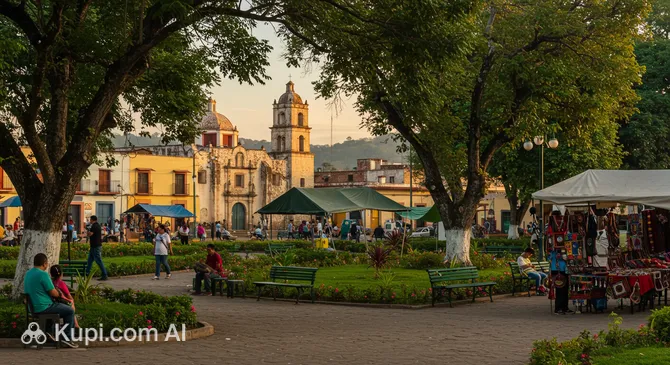
For a taste of local life, head to the heart of the town at Palenque Central Park. This lively plaza serves as the social hub of the city, where locals gather in the evenings to chat and relax. It is often surrounded by artisans selling handmade crafts, textiles, and souvenirs, making it a perfect place to pick up a memento. The park's vibrant atmosphere provides a pleasant contrast to the quiet mystery of the ancient temples.

Palenque Central Park. Source: Kupi.Binoculars

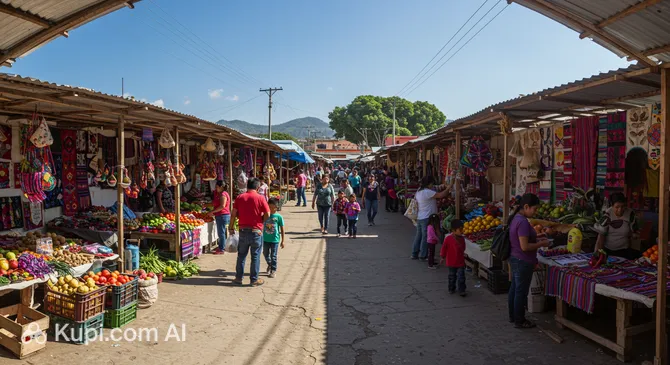
To truly immerse yourself in the flavors of the region, a visit to Guadalupe Market is essential. This bustling marketplace offers an authentic look at the daily routine of Palenque's residents. Here, you can find stalls piled high with fresh tropical fruits, vegetables, and regional ingredients. It is also a great spot to try inexpensive and delicious local snacks, giving you a genuine culinary experience away from the tourist-heavy restaurants.

Guadalupe Market. Source: Kupi.Binoculars

Local Cuisine

Local Cuisine:

The culinary scene in Palenque is a vibrant reflection of Chiapas' rich heritage, blending ancient Mayan traditions with Spanish influences. The food here is characterized by the use of fresh, locally sourced ingredients from the surrounding jungle and farms. One of the most distinctive dishes you must try is Shuti, a traditional broth made with fresh river snails and flavored with "hoja santa" (sacred leaf), giving it an aromatic and unique taste that you won't find easily elsewhere.

Another staple of the region is the famous Tamal de Chipilín. Unlike standard tamales, these are mixed with chipilín, a leafy green herb native to the area that adds a distinct, earthy flavor to the corn dough. They are often served with a red tomato sauce and sprinkled with cheese. For meat lovers, Cochito Horneado (roasted pork marinated in ground chili and spices) is a festive dish that melts in your mouth and is widely available in local eateries.

No meal in Palenque is complete without trying the local beverages. The most iconic drink is Pozol, a refreshing pre-Hispanic beverage made from fermented corn dough and water, often mixed with cacao and sugar to create a sweet, energizing treat known as "Pozol con Cacao." It is traditionally served in a "jícara" (a gourd cup) and is perfect for cooling down in the tropical heat. Coffee enthusiasts will also be delighted, as Chiapas produces some of the finest organic coffee in the world.

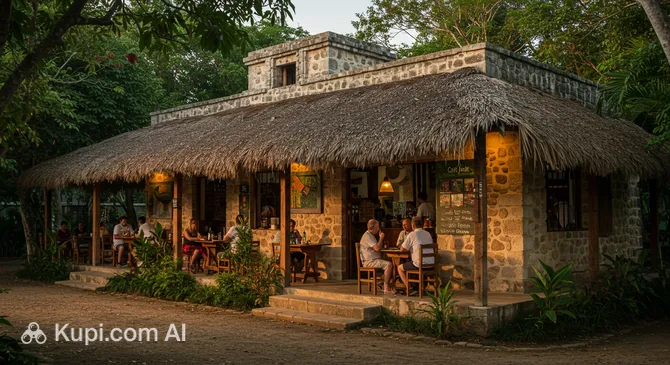
Dining options in the city range from casual street stalls to inviting restaurants. For a relaxed atmosphere where you can enjoy regional specialties and international fusion dishes, Café Jade is a popular choice among visitors. Located in the leafy La Cañada district, it offers a pleasant setting to unwind after a day of exploring the ruins.

Café Jade. Source: Kupi.Binoculars

If you prefer a more authentic and bustling experience, head to the local markets. Places like Guadalupe Market are excellent for seeing the raw ingredients used in Chiapanecan cuisine. Here, you can find vendors selling fresh fruits, blocks of artisanal cheese, and ready-to-eat snacks, providing a true taste of the daily life and flavors of Palenque.

Travel Tips

Welcome to Palenque, a gateway to ancient wonders and lush tropical adventures! To help you make the most of your journey into the heart of the Mayan jungle, we have compiled a list of essential practical advice to ensure your trip is smooth, safe, and truly enjoyable.

  1. Dress for the Jungle. Given the hot and humid tropical climate, lightweight and breathable fabrics like cotton or linen are your best friends. Pack comfortable, sturdy walking shoes or hiking boots, as the archaeological site involves uneven terrain and steps. Don't forget a hat, sunglasses, and a high-SPF sunscreen. Since rain showers are frequent, especially in the afternoon, carrying a lightweight raincoat or poncho is highly recommended.

  2. Mastering Local Transport. The most common and affordable way to get from the town center to the Archaeological Zone or nearby waterfalls is by using colectivos (shared vans). You can flag them down along the main avenue or catch them at designated stops; they are frequent and very cheap. Taxis are also readily available but always agree on the fare before getting in. Renting a car is useful if you plan to explore further afield on your own schedule.

  3. Cash is King. While some hotels and upscale restaurants accept credit cards, cash is essential for daily expenses. Entrance fees to the National Park and the Archaeological Site, as well as payments for colectivos, street food, and souvenirs, must be made in Mexican Pesos. ATMs are available in the town center (La Cañada and the main plaza), but it is wise to withdraw money beforehand as they can occasionally run out of cash.

  4. Health and Hydration. The tropical heat can be intense, so staying hydrated is crucial. However, never drink tap water; always opt for sealed bottled water to avoid stomach issues. Insect repellent is another must-have item to protect yourself from mosquitoes in the jungle areas. Pharmacies are plentiful in the town center if you need basic supplies, and some major chains operate late hours.

  5. Communication Essentials. Spanish is the primary language spoken in Palenque. While staff at major hotels and tourist attractions may speak English, it is less common in local markets and smaller shops. Learning a few basic phrases like "Buenos días" (Good morning) and "Gracias" (Thank you) goes a long way. For mobile data, purchasing a local SIM card (Telcel has the best coverage in the region) at a convenience store is a great way to stay connected.

  6. Respect Local Etiquette. Chiapas has a strong indigenous presence, and locals are proud of their heritage. When interacting with people, a polite greeting is expected. Be particularly respectful regarding photography; always ask for permission before taking photos of local people, especially in indigenous communities, as it can be considered offensive or intrusive without consent.

  7. Respect the Ruins. While exploring the archaeological site, strictly observe the signs indicating restricted areas. Climbing on certain structures is prohibited to preserve them for future generations. ignoring these barriers is not only disrespectful but can lead to expulsion from the site.

  8. Beat the Heat and Crowds. The archaeological site opens at 8:00 AM, and arriving right at opening time is the best travel hack. You will enjoy the cooler morning air, avoid the midday sun, and have the magical opportunity to experience the ruins in relative silence before the tour buses arrive.

By keeping these tips in mind, you are all set for an incredible experience in Palenque. Embrace the humidity, marvel at the ancient history, and enjoy the warm hospitality of Chiapas!

Entertainment & Nightlife

Unlike the high-energy party scenes found in Mexico's large coastal resorts, the nightlife in Palenque offers a more relaxed, bohemian, and atmospheric experience. After a day of climbing ancient pyramids or swimming in waterfalls, the evening entertainment here focuses on unwinding, enjoying good food, and soaking in the unique jungle ambiance. The vibe is casual and welcoming, with a mix of backpackers, families, and locals enjoying the warm tropical nights.

The heartbeat of tourist nightlife is undoubtedly the district known as La Cañada. This leafy, enchanting neighborhood is lined with trees and vegetation, creating a "jungle-in-the-city" feeling. Here, you will find a concentration of bars, cafes, and restaurants that often feature live music ranging from acoustic trova and salsa to marimba. It is the perfect place to enjoy a cocktail or a cold beer while listening to the sounds of nature blending with the music. Venues like Café Jade are popular spots in this area, offering a delightful setting to relax with friends over dinner and drinks well into the evening.

For a more authentic and local experience, head to the town center. As the sun sets, Palenque Central Park transforms into a bustling social hub. It is common to see families strolling, children playing, and artisans selling their crafts under the streetlights. The atmosphere is vibrant and safe, often accompanied by street performers or local events. Surrounding the square, you can find simple cantinas and late-night taco stands that offer a taste of genuine Chiapanecan street life.

When planning your night out, keep in mind that Palenque is an early-to-bed town compared to major cities. Most bars and restaurants in La Cañada close by 11:00 PM or midnight, though a few may stay open a bit longer on weekends. The dress code is universally casual; shorts, sandals, and light shirts are the norm. Prices are generally very affordable, with beers and cocktails costing significantly less than in Cancun or Mexico City.

Regarding safety, the main tourist areas of La Cañada and the Central Park are generally safe for walking in the early evening. However, the streets between these two zones can be dimly lit. It is advisable to take a taxi if you are moving between districts after dark. Taxis are plentiful, safe, and inexpensive—usually costing just a few dollars for a ride within the town limits. Always agree on the price before getting in.

While the nights are for relaxing, the daytime offers its own array of entertainment beyond the ruins. Before the evening sets in, visitors can explore cultural spots or engage with nature at places like Aluxes Ecopark. Although primarily a daytime attraction, it provides a wonderful prelude to the evening, allowing you to connect with the region's biodiversity before retreating to a bar in La Cañada to discuss the day's adventures.

Parks & Museums

Palenque is a destination where the boundaries between cultural heritage and the natural world blur, offering visitors a unique mix of lush green spaces and profound historical collections. While the ancient ruins are the main draw, the city and its surroundings host several parks and museums that provide deeper insight into the region's biodiversity and the sophisticated legacy of the Maya civilization.

The most significant natural area is undoubtedly the Palenque National Park. This protected reserve encompasses not only the famous archaeological site but also over 1,700 hectares of dense tropical rainforest. Walking the trails here is an experience in itself; the jungle is alive with the calls of howler monkeys and the vibrant colors of tropical birds. It serves as a sanctuary for endangered species and offers a cooling canopy for hikers exploring the lesser-known temples hidden among the trees. For a more curated encounter with local wildlife, Aluxes Ecopark is a must-visit. This conservation center allows you to walk through forest paths while learning about regional flora and fauna, making it an educational complement to the wilder national park.

In the heart of the modern town, Palenque Central Park offers a different kind of green space. It is the urban lung of the city, a paved plaza dotted with trees and benches that serves as the primary meeting point for locals. While it lacks the wildness of the jungle, it provides a charming setting to observe contemporary culture, enjoy a quiet afternoon, or watch street performances in the evening. It stands as a testament to the relaxed pace of life in Chiapas.

For those seeking to understand the history behind the stone structures, the Alberto Ruz Lhuillier Site Museum is an essential stop. Located near the entrance of the archaeological zone, this museum houses a remarkable collection of artifacts discovered during excavations. Its exhibits include intricate incense burners, beautifully carved panels, and stucco heads that display the artistic mastery of the ancient Maya. The highlight for many is the replica of King Pakal's sarcophagus lid and the display of his funerary mask (though the original is often in Mexico City, the context provided here is invaluable), offering a tangible connection to the rulers who once walked these grounds.

Another cultural gem is the Lak Puj Kul Textile Museum. Although smaller, this venue is dedicated to the rich weaving traditions of Chiapas. It showcases colorful garments and textiles from various indigenous communities in the region, explaining the symbolism and techniques passed down through generations. It is a fantastic place for art lovers to appreciate the living heritage of the Maya descendants.

For a truly authentic experience, take the time to walk the Motiepa Trail within the National Park. Often overlooked by tourists rushing to the main temples, this short hiking path leads you past the Motiepa waterfall and abandoned ruins reclaimed by nature, offering a serene and almost mystical atmosphere away from the crowds.

Getting Around

Navigating Palenque is delightfully simple and straightforward, as the city is relatively compact and does not rely on complex networks like metros or trams. The public transport system primarily consists of colectivos (shared vans) and taxis, which are efficient, affordable, and perfectly suited for the needs of travelers moving between the town center, the hotel zone in La Cañada, and the famous archaeological site.

The most popular mode of transport for visitors is the colectivo. These white vans ply the route between the city center and the Palenque Archaeological Zone throughout the day. You will easily spot them with signs reading "Ruinas" or "Parque" on their windshields. They typically depart from designated stops along the main avenue or near the market, but you can also flag them down as they pass. They run frequently, often leaving as soon as they are full, making them a convenient option for getting to the ruins early in the morning.

For those preferring a more private or direct journey, taxis are abundant and readily available. They are not equipped with meters, so the standard practice is to operate on fixed rates for specific zones. It is essential to agree on the fare with the driver before getting into the vehicle. Taxis are particularly useful if you are traveling with luggage, heading to the airport, or moving around late at night when the collective vans stop running.

Regarding payment, the system in Palenque is strictly cash-only. There are no travel cards, digital passes, or mobile apps for public transport here. Fares for the colectivos are very low, usually costing just a small amount of coins, so it is highly advisable to carry small denominations of the local currency. Taxis also require cash payment upon arrival at your destination. Prices are generally reasonable, but night rates may be slightly higher.

Walking is also a viable and pleasant alternative for getting around the town itself, especially within the La Cañada district and around the central plaza. These areas are pedestrian-friendly and safe. However, for day trips to nearby natural attractions like the Agua Azul or Misol-Ha waterfalls, renting a car or booking a specialized tour is often recommended, as these locations are further afield and less convenient to reach by standard public transport.

A practical tip for tourists is to be mindful of operating hours. While taxis run 24/7, the colectivo service to the ruins typically operates from roughly 6:00 AM to 6:00 PM. If you plan to stay at the archaeological site until closing time or enjoy a sunset dinner in the forest zone, ensure you have a plan for your return journey, or be prepared to take a taxi.

Accommodation

Finding the perfect place to stay in Palenque is easier than you might think, as the city offers a diverse range of accommodation options to suit every travel style and budget. Visitors can choose from vibrant backpacker hostels and economical guesthouses in the town center to luxurious eco-resorts and rustic jungle cabins located closer to the archaeological site. Whether you prefer the convenience of urban amenities or the immersive experience of waking up to the sounds of howler monkeys, Palenque has something for everyone.

There are three main areas where tourists typically stay, each offering a distinct atmosphere. The Town Center is ideal for budget travelers and those relying on public transport, offering easy access to supermarkets, banks, and the bus station. For a more relaxed but still central experience, the neighborhood of La Cañada is highly recommended. This leafy, pedestrian-friendly district is known as the "hotel zone" of the city, lined with trees, charming boutique hotels, and excellent restaurants. Finally, the Road to the Ruins offers a truly magical experience; here, you will find eco-lodges and cabins nestled directly in the rainforest, providing a serene retreat just minutes from the ancient temples.

When planning your trip, it is important to consider the seasonality of the region. Palenque is a popular destination, especially during the Christmas holidays and Easter week (Semana Santa). During these peak times, accommodation can fill up quickly, and prices may rise. Therefore, a helpful booking tip is to secure your reservation at least a month in advance if you plan to visit during these busy periods to ensure you get your preferred choice.

In terms of pricing, Palenque is generally very affordable compared to other major Mexican tourist hubs. Budget travelers can find dormitory beds or simple private rooms for very low rates, while mid-range hotels offer air conditioning and swimming pools—essential for the tropical heat—at reasonable prices. Even the more upscale jungle resorts are often surprisingly accessible. Most established hotels and lodges can be booked via major online platforms, though some smaller, family-run guesthouses may still prefer direct contact or cash payments upon arrival.

Nearby Cities

For those looking to explore the surroundings, Palenque serves as an excellent base for day trips to several interesting nearby locations:

One of the most culturally significant towns in the vicinity is Tila. Nestled in the rugged mountains of Chiapas, it is widely known for the Sanctuary of the Lord of Tila, which houses a famous "Black Christ" statue. Pilgrims from all over Mexico travel here to pay their respects, creating a unique atmosphere of devotion and tradition. The town is also distinct for its colorful houses and the surrounding cloud forest scenery, offering a stark contrast to the lowland jungle of Palenque.

Another accessible destination is Salto de Agua, located to the west. Situated along the banks of the Tulijá River, this town offers a window into the daily life of the region away from the main tourist trail. It is often associated with the beautiful waterfalls found in the wider municipality, and the river itself provides a scenic backdrop for a relaxed visit. For those willing to venture into the neighboring state of Tabasco, Balancan offers attractions like the San Pedro River and nearby archaeological sites, making it a spot for nature and history enthusiasts.

City Population Distance (km)
Macuspana 158,601 69
Tila 83,505 51
Salto de Agua 64,251 37
Balancan 58,524 59
Oxchuc 54,932 88

These nearby destinations offer a glimpse into the diverse culture and landscapes of the region.

Shopping & Souvenirs

Shopping in Palenque offers a delightful departure from the generic mall experience found in larger cities. Instead of high-end fashion boutiques and international chains, visitors will find a vibrant scene dominated by local craftsmanship and traditional markets. The city is an excellent place to purchase authentic Chiapanecan products, particularly those that reflect the region's rich Mayan heritage and artistic traditions.

The primary shopping activity is concentrated in the downtown area, particularly along the streets surrounding the main plaza. Avenue Juarez is the bustling commercial artery where you can find everything from pharmacies and convenience stores to small shops selling clothing and shoes. For a more relaxed browsing experience, the La Cañada district offers a few boutique-style shops and stalls nestled among hotels and restaurants, catering specifically to tourists looking for higher-quality handicrafts and regional products.

Travelers looking for large, modern shopping complexes should manage their expectations, as Palenque does not feature sprawling shopping malls. For major retail therapy, locals typically travel to the nearby city of Villahermosa. However, for travel essentials, groceries, and basic goods, there are large supermarkets like Chedraui and Bodega Aurrera located within the city limits, which serve as the main commercial anchors for the community.

For a truly authentic local experience, a visit to Guadalupe Market is indispensable. This lively marketplace is the beating heart of local commerce, where vendors display piles of fresh tropical fruits, vegetables, and regional spices. While primarily a food market, it is also a great spot to find affordable utilitarian items and observe the daily rhythm of life in Chiapas. It offers a sensory overload of colors and scents that provides a stark contrast to the quiet of the ancient ruins.

When it comes to souvenirs, Palenque is a treasure trove of unique items. The state of Chiapas is famous for its exquisite amber jewelry, and you will find many artisans selling beautiful pieces featuring this fossilized resin. Textiles are another highlight; look for colorful embroidered blouses and woven goods made by local indigenous women. Additionally, replicas of Mayan art, such as the famous Pakal mask or intricate calendars carved in stone or wood, make for meaningful mementos. Don't forget to pick up a bag of organic Chiapas coffee, renowned worldwide for its quality.

Most shops in Palenque operate from approximately 9:00 AM to 8:00 PM, though the local market opens much earlier, often at sunrise, and winds down by mid-afternoon. While supermarkets and some established shops in the La Cañada area accept credit cards, cash is definitely the preferred method of payment for most transactions, especially when buying from street artisans or in the market. It is advisable to carry plenty of Mexican Pesos in smaller denominations.

Regarding tax refunds, Mexico does have a "Money Back" program for international tourists on purchases made at affiliated stores. However, finding participating retailers in a smaller town like Palenque can be challenging compared to major resort destinations like Cancun or Mexico City. It is best not to rely on this availability locally, but you can always inquire at larger establishments if they offer the necessary paperwork for a tax refund at the airport.

Reached the end of the page?

That means the route is fully explored