Support

Flores

About

Flores is a captivating island town that serves as a tranquil gateway to the ancient Mayan world. Situated on the shimmering waters of Lake Petén Itzá, this picturesque destination is known for its pastel-colored colonial buildings, cobblestone streets, and a relaxed atmosphere that instantly charms visitors. Located in the northern Petén Department of Guatemala, Flores offers a unique blend of history, culture, and natural beauty.

Although the municipality has a population of over 140,000, the main tourist hub is concentrated on the small island itself, which is connected to the mainland towns of Santa Elena and San Benito by a causeway. The town is steeped in the past, having been the last independent Maya state to hold out against the Spanish conquerors. Exploring the history of Flores reveals its origins as Nojpetén, the capital of the Itza Maya kingdom, adding a layer of deep historical significance to every stroll through its winding alleys.
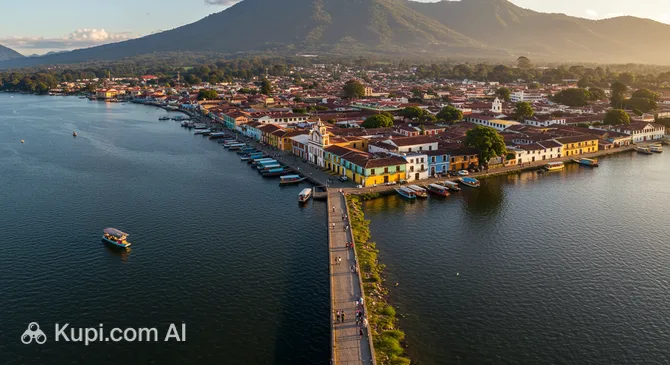
Flores. Source: Kupi.Binoculars

Travelers primarily flock to Flores as the perfect base for visiting the legendary Tikal National Park, one of the largest and most impressive archaeological sites of the pre-Columbian Maya civilization. However, the town itself has much to offer. Visitors can take scenic boat tours around the lake to visit the Jorge's Rope Swing or the ARCAS animal rescue center, or simply enjoy the stunning sunsets from the terrace of a waterfront restaurant. The vibrant red-roofed houses and the hilltop church create a stunning visual backdrop against the blue waters.

Whether you are an archaeology enthusiast eager to explore ancient ruins or a traveler looking for a peaceful lakeside retreat, Flores welcomes you with open arms. It is an essential stop for anyone wishing to experience the heart of the Mayan world and the warm hospitality of the region.
Weather Overview

Flores enjoys a tropical climate with warm temperatures year-round, making it an inviting destination regardless of when you choose to visit. The coolest period occurs around December and January, with comfortable average temperatures near 24°C. In contrast, the heat significantly increases during the spring months, particularly in April and May, when average temperatures rise above 30°C and daily highs can reach up to 37°C.

Precipitation varies significantly between seasons, creating distinct dry and wet periods. The dry season, spanning roughly from February to April, sees very little rainfall, with March experiencing as few as 4 wet days. The rainy season picks up in June and lasts through October, bringing frequent showers and lush vegetation to the area; September is notably wet with rain occurring on up to 27 days of the month. To help pack appropriately for your trip, you can review the detailed forecast and historical trends for the weather in Flores.

Overall, you can expect hot, dry conditions in the spring perfect for outdoor adventures, while the summer and early autumn months bring warm temperatures accompanied by regular rainfall.

Interesting Facts

Beyond the main attractions and the colorful colonial facade, Flores holds many fascinating secrets that reveal its deep historical roots and unique geography.

  • Flores was originally known as Nojpetén and served as the capital of the Itza Maya kingdom. Remarkably, it was the last independent Maya state to fall to the Spanish conquerors, holding out until 1697—nearly two centuries after the Europeans first arrived in the Americas.

  • The town is literally built on top of ancient history. The central plaza and the white hilltop church are constructed directly above the ruins of the principal Maya temples and pyramids, meaning that as you walk through the center of the island, you are stepping over buried ancient structures.

  • Lake Petén Itzá is known for its fluctuating water levels, which can rise significantly over the years. This natural phenomenon sometimes causes the outer ring road of the island, known as the malecón, to become partially submerged, giving the edges of the town a surreal, floating appearance.

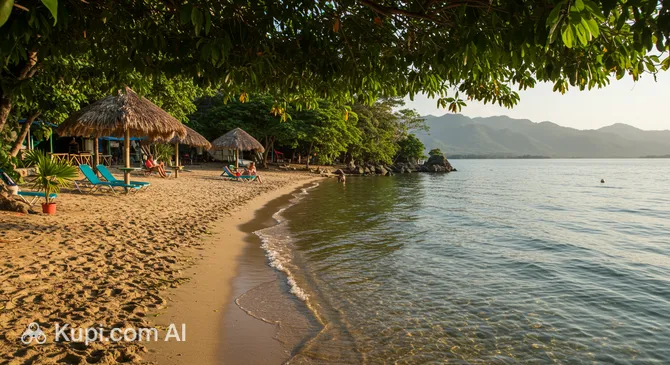
  • Despite being landlocked in the jungle, the area offers a beach-like experience at Chechenal Beach. This spot features turquoise waters that are often compared to the Caribbean Sea, providing a surprising tropical escape just a short boat ride away.

Chechenal Beach. Source: Kupi.Binoculars

How to Get There

Reaching this charming island town is an adventure in itself, offering connections through major regional hubs. For a comprehensive overview of all travel options, including buses and shuttles, you can read more about how to get to Flores. The most direct route is via air, landing right on the doorstep of the city.

The primary entry point is Santa Elena Airport (IATA: FRS), also known as Mundo Maya International Airport. Located in the town of Santa Elena, which connects to Flores by a causeway, it is exceptionally convenient—situated only about 2.8 km from the heart of the island. A quick taxi or tuk-tuk ride from the terminal will have you in the center of Flores in approximately 5 to 10 minutes. This airport handles a significant number of domestic flights from Guatemala City as well as some regional connections.

Alternatively, many travelers choose to fly into Philip S.W. Goldson International Airport (IATA: BZE) in Belize City. Although this airport is located in the neighboring country of Belize, about 182 km from Flores, it serves as a major international gateway for the region. From here, you can take a tourist shuttle or bus to Flores. The journey by road typically takes around 4 to 5 hours, depending on the time spent at the border crossing.

For clarity, here is a summary of the main airports serving the region:

Airport Name City Passenger Traffic Km from City
Philip S.W. Goldson International Airport Belize City Large 182.0
Santa Elena Airport Flores Medium 2.8
Dangriga Dangriga Small 177.1
Placencia Placencia Small 168.6
Caye Caulker Caye Caulker Small 217.4

Main Attractions

While Flores is often celebrated as a launchpad for exploring ancient ruins, the town and its immediate surroundings offer several delightful attractions that are well worth a visit. From relaxing by the water to observing local wildlife, there are plenty of ways to enjoy your time on and around the island.

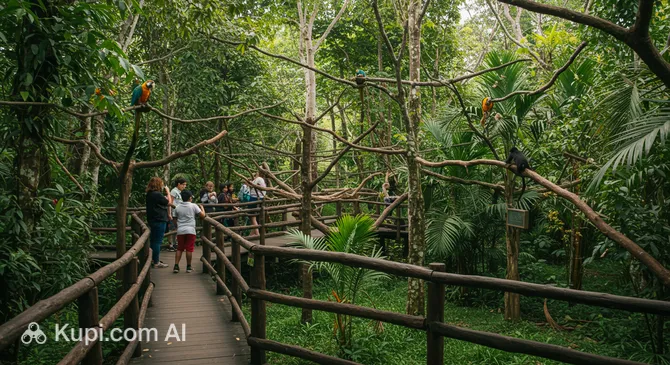
One of the most family-friendly destinations in the area is the Petencito Zoo. Located on a small peninsula just a short boat ride or drive from the main island, this sanctuary focuses on the conservation of species native to the Petén region. Visitors can wander through the trails to observe jaguars, monkeys, macaws, and other local fauna in a naturalistic setting. It serves as an excellent educational experience, offering insight into the rich biodiversity of the Guatemalan jungle before you even step foot in the larger national parks.

Petencito Zoo. Source: Kupi.Binoculars

For travelers looking to cool off after a day of sightseeing, Chechenal Beach is the perfect escape. Situated on the shores of Lake Petén Itzá, this spot is renowned for its tranquil atmosphere and clear, turquoise waters that invite swimming and relaxation. It features a developed area with picnic tables, a pier, and grassy spaces, making it a favorite among both locals and tourists who want to enjoy a beach day surrounded by lush greenery without leaving the lake area.

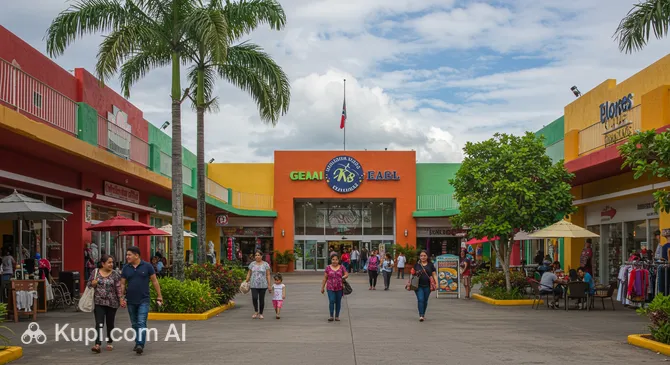
While the colonial charm of the island is the main draw, practical needs often lead travelers to the mainland town of Santa Elena, connected to Flores by a causeway. Here you will find the Mundo Maya Shopping Center. As one of the largest commercial hubs in the area, it is a useful stop for tourists needing to restock on supplies, access banking services, or enjoy air-conditioned dining options. It is conveniently located near the airport, making it a strategic place to visit upon arrival or before your departure.

Beyond these specific sites, simply walking the cobblestone streets of Flores is an attraction in itself. The town’s layout leads you past vibrant pastel houses and up to the historic hilltop church, offering panoramic views of the lake that are especially breathtaking at sunset.

Local Cuisine

The culinary scene in Flores is a delightful reflection of its lakeside setting and rich Mayan heritage. Dining here is as much about the atmosphere as it is about the food, with many restaurants perched along the waterfront offering stunning views of Lake Petén Itzá. The local gastronomy combines traditional Petén flavors with classic Guatemalan staples, creating a menu that is both comforting and exotic for travelers.

The undisputed star of the local cuisine is Pescado Blanco (White Fish), a mild and tender fish native to the surrounding lake. You will find it on almost every menu on the island, typically prepared simply to highlight its delicate flavor—often grilled, fried, or served in a garlic sauce with a side of rice and fresh salad. Another regional specialty worth seeking out is Bollitos de Chaya. These are small, savory tamales mixed with chaya, a native spinach-like leaf used in Maya cooking for centuries, often served with a robust tomato sauce.

For a truly authentic experience, visitors should not miss the evening street food culture. As the sun sets, the western edge of the island comes alive with vendors setting up small tables, locally known as "Las Mesitas." Here, you can sample an array of budget-friendly treats such as crispy tostadas topped with guacamole, black beans, or salsa, as well as garnachas and sweet desserts. It is a favorite gathering spot for both locals and tourists to enjoy a casual dinner by the water.

When it comes to drinks, the warm tropical weather calls for refreshing options. Licuados, or fruit smoothies, are incredibly popular and made with fresh tropical fruits like papaya, mango, and pineapple, blended with either water or milk. For something with a bit of a kick, a Michelada is the go-to beverage. This savory cocktail mixes the famous national beer, Gallo, with lime juice, tomato juice, spices, and a chili-salt rim, making it the perfect companion for a sunset session on a terrace.

While the island offers charming open-air dining, those venturing into the neighboring town of Santa Elena for errands or travel connections can find modern conveniences and familiar fast-food options. The Maya Mall features a food court and various eateries, providing a comfortable air-conditioned break for travelers exploring the mainland side of the area.

Maya Mall. Source: Kupi.Binoculars

Travel Tips

To ensure your visit to this charming island town is as relaxing and enjoyable as possible, we have compiled a list of essential travel advice. These practical tips will help you navigate local customs, manage your budget, and pack the right gear for your adventure in the heart of the Petén Department.

  1. Pack for Tropical Heat and Jungle Treks. Flores is hot and humid year-round, so bring lightweight, breathable clothing made of linen or cotton. Since you will likely be walking on cobblestone streets or exploring archaeological sites like Tikal, sturdy and comfortable walking shoes are a must. Don't forget a hat, high-SPF sunscreen, and a reusable water bottle to stay hydrated. If you visit during the rainy season (June to October), a lightweight rain poncho is essential.
  2. Mastering Local Transport. The island of Flores itself is extremely walkable; you can cross the entire town on foot in about 15 minutes. To reach the mainland towns of Santa Elena or San Benito, the most popular and affordable option is a tuk-tuk (a three-wheeled motorized taxi). For exploring the lake, look for the small boats known as lanchas docked along the waterfront; always agree on the price before hopping in.
  3. Cash is King. While many hotels and tourist-oriented restaurants accept credit cards, smaller shops, street food vendors, and boat captains deal strictly in cash. The local currency is the Guatemalan Quetzal (GTQ). Be aware that the single ATM on the island of Flores can be unreliable or run out of money. It is often safer to withdraw cash at the secure ATMs located in the Mundo Maya Shopping Center in Santa Elena.
  4. Stay Safe and Healthy. The tap water in Flores is not safe to drink; always opt for sealed bottled or purified water to avoid stomach issues. Given the town's location near the jungle and water, mosquitoes can be prevalent, especially at dusk. Carry a strong insect repellent containing DEET to protect yourself from bites. Pharmacies are available in Flores, but for more comprehensive medical services, you may need to cross the causeway to Santa Elena.
  5. Communication and Connectivity. Spanish is the official language. While staff at tour agencies and major hotels usually speak English, it is less common among tuk-tuk drivers and market vendors. Learning a few basic phrases like "Buenos días" (Good morning) and "¿Cuánto cuesta?" (How much?) will be greatly appreciated. Wi-Fi is standard in most cafes and hostels, but buying a local SIM card (Tigo or Claro) is recommended for reliable coverage during excursions.
  6. Respect Local Etiquette. Guatemalans are generally polite and formal. It is customary to greet people when entering a shop or passing on a quiet street. When visiting churches or religious sites, dress modestly by covering your shoulders and knees. Always ask for permission before taking close-up photographs of locals, particularly in indigenous communities.
  7. Avoid Unlit Areas at Night. Flores is generally very safe for tourists, but it is wise to exercise caution at night. Avoid walking across the causeway connecting Flores to Santa Elena after dark, as it can be poorly lit and less secure than the island itself. Instead, take a cheap tuk-tuk ride for the short journey between the two towns.
  8. Don't Miss the Sunset Tradition. Make sure to be on the western side of the island around 5:30 PM. Locals and travelers alike gather on the terrace bars or along the boardwalk to watch the sun dip below Lake Petén Itzá. Many places offer "Happy Hour" specials during this time, making it a perfect and affordable way to end your day.

By keeping these simple tips in mind, you will be well-prepared to embrace the laid-back rhythm of island life and the adventurous spirit of the jungle. Flores is a welcoming destination where a little preparation goes a long way, ensuring your memories are filled with beautiful sunsets and fascinating history rather than logistical hiccups.

Entertainment & Nightlife

Entertainment in Flores is defined by its laid-back, tropical rhythm. While you won't find massive nightclubs or a high-octane party scene comparable to larger metropolises, the island offers a vibrant and social nightlife that centers around sunset drinks, open-air dining, and backpacker camaraderie. The action is concentrated almost entirely on the island of Flores itself, particularly along the western waterfront (the Malecón) and the central artery of Calle 30 de Junio.

The evening typically begins with the sunset ritual. Travelers and locals flock to terrace bars to watch the sky turn fiery orange over Lake Petén Itzá. Sky Bar is one of the most iconic venues for this experience, offering a rooftop perspective that is perfect for sipping a cocktail as the day cools down. Another popular spot is San Telmo, a quirky, art-filled restaurant and bar with a bohemian vibe and a great terrace facing the lake. For those seeking a livelier atmosphere later in the night, the bar at Los Amigos Hostel is the undisputed heartbeat of the island's social scene. It features a lush garden setting, great music, and a mix of international travelers, making it the best place to dance and meet new people until the early hours.

The atmosphere in Flores is incredibly casual. There is no strict dress code; shorts, sandals, and light summer clothes are the norm everywhere, even in the nicest bars. Most venues operate with a "Happy Hour" mentality, usually running from 5:00 PM to 7:00 PM, offering two-for-one specials on beers and cocktails. Prices are generally affordable, with a beer costing around 20-30 GTQ and cocktails ranging from 35 to 50 GTQ.

Safety at night is generally good on the island, which is small enough to walk from one end to the other in minutes. However, it is advisable to stay within the well-lit areas of Flores and avoid walking across the causeway to Santa Elena or San Benito late at night. If you need to travel to the mainland after dark, always take a tuk-tuk rather than walking. Taxis and tuk-tuks are readily available near the central park and the entrance to the causeway.

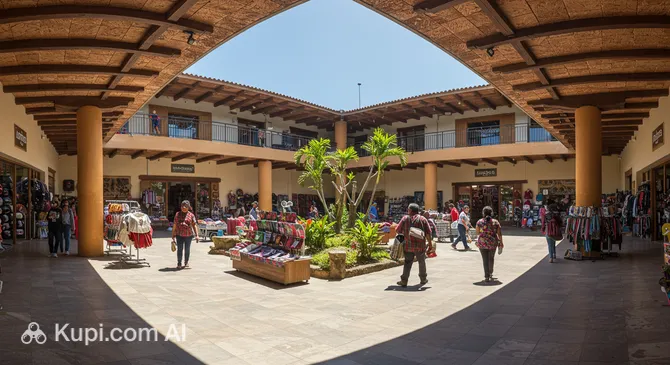
While nightlife dominates the evening, there are options for daytime entertainment beyond the archaeological sites. If you are looking to escape the heat or do some shopping, the mainland town of Santa Elena offers modern facilities. The Mundo Maya Shopping Center is a hub for locals and tourists alike, providing a cool environment to shop, eat, or catch a movie at the cinema.

Mundo Maya Shopping Center. Source: Kupi.Binoculars

Another option for daytime leisure is the Maya Mall, which also features various stores and entertainment facilities. For those who prefer outdoor activities close to town, a visit to the Petencito Zoo offers an engaging way to spend the afternoon learning about local wildlife, while Chechenal Beach remains the top choice for sunbathing and swimming in the refreshing lake waters.

Parks & Museums

Flores and its surrounding region offer a fascinating mix of lush natural reserves and cultural repositories that tell the story of the Maya civilization. While the island itself is densely built, it serves as the perfect jumping-off point for exploring some of Guatemala's most impressive green spaces and historical collections.

Key Parks and Green Spaces

Although Tikal National Park is the most famous neighbor, located about an hour away, the immediate vicinity of Flores boasts its own natural wonders. One of the most accessible is the Actún Can Caves, located in Santa Elena just a short tuk-tuk ride from the island. This natural park features a network of limestone caves that visitors can explore on foot. The name translates to "Cave of the Serpent," and the site offers a cool retreat from the heat, filled with impressive stalactites, stalagmites, and rock formations that resemble animals and figures, all surrounded by a forested park area perfect for a short hike.

For those seeking a more immersive jungle experience without traveling far, Ixpanpajul Natural Park is a fantastic option nearby. This private reserve is designed for eco-tourism and adventure, offering hanging bridges that weave through the canopy of the subtropical rainforest. It is an excellent spot for birdwatching and enjoying the rich biodiversity of Petén. The park provides a blend of adrenaline and nature, with options for zip-lining or peaceful trekking along well-maintained trails.

Museums and Galleries

To understand the depth of the region's history, a visit to CINCAP (Centro de Información de la Naturaleza, Cultura y Artesanía de Petén) is essential. Located inside the historic Castillo de Arismendi on the island of Flores, this center functions as a museum and exhibition space. It provides comprehensive information about the Petén department's archaeology, biodiversity, and local communities. The venue often hosts rotating exhibits and sells high-quality local handicrafts, making it a cultural hub right in the center of town.

Another unique cultural venue is the Santa Barbara Island Museum, situated on a tiny islet just west of Flores. Accessible by a quick boat ride, this small but charming museum houses a collection of Maya artifacts, including ceramics, obsidian tools, and jade pieces found in the region. The museum also features items related to the history of Radio Petén. Its location offers a quiet atmosphere and lovely views back towards the main island, combining history with a scenic boat trip.

Historical and Architectural Sites

The heart of Flores is dominated by the Cathedral of Our Lady of Los Remedios, which sits at the highest point of the island. Facing the central plaza, this white colonial church is a significant landmark. Historically, it is built atop the location where the main Maya temple of Nojpetén once stood. The plaza in front of it is a gathering place for locals and offers a peaceful spot to admire the architecture and the surrounding colonial-style government buildings.

Other Cultural Venues

For wildlife enthusiasts, the Petencito Zoo offers a closer look at the region's fauna. Located on the mainland shores of the lake, it provides a sanctuary for animals native to the Guatemalan jungle, such as jaguars and spider monkeys, in a setting that prioritizes conservation and education.

Authentic Experiences

For a spectacular view that few tourists take the time to reach, take a boat across the lake to the Mirador del Rey Canek on the San Miguel peninsula. A short hike up the hill leads to a wooden observation tower that offers the absolute best panoramic view of the island of Flores floating on Lake Petén Itzá—a perfect photo opportunity, especially in the late afternoon.

Getting Around

Navigating Flores is refreshingly simple compared to bustling metropolises, as the town lacks a complex subway or tram network. The island itself is so compact that walking is the most efficient and enjoyable way to get around; you can traverse the entire area on foot in under 20 minutes. For travel beyond the island to the twin towns of Santa Elena and San Benito, or to reach the bus terminal, the primary form of public transport is the tuk-tuk. These three-wheeled motorized taxis are ubiquitous, nimble, and perfectly suited for the narrow streets and short distances of the area.

For slightly longer journeys within the urban area or to nearby villages, you will encounter microbuses or "colectivos." These shared minivans operate on set routes, typically starting and ending at the main market or bus terminal in Santa Elena. They are the local workhorses for public transit, often crowded but very affordable. While there is no official schedule, they run frequently throughout the day, leaving once they are full. Unlike in larger capital cities, you will not find a metro system, trolleybuses, or large municipal buses circulating within the town center.

The payment system across all forms of local transport is strictly cash. There are no travel cards, electronic passes, or mobile apps for ticketing. You simply pay the driver directly upon reaching your destination. It is crucial to carry small bills and coins in the local currency, as drivers often do not have change for large denominations. A typical tuk-tuk ride between Flores and Santa Elena costs a small, fixed amount per person, though prices can increase slightly at night. Colectivo fares are similarly low, making transport incredibly budget-friendly.

Given the town's location on Lake Petén Itzá, water transport is an essential part of the local infrastructure. Small wooden boats, known as lanchas, function as water taxis, ferrying passengers to nearby attractions like the zoo, the lookout point at San Miguel, or lakeside hotels. You can find them docked along the malecon (waterfront). As with tuk-tuks, it is highly recommended to agree on the price with the boat captain before stepping aboard to avoid any misunderstandings later.

Regarding alternatives, standard taxis are available but are generally used for longer trips, such as to the airport or Tikal, rather than for hopping around town. Ride-sharing apps are not widely established or reliable in this region, so it is best not to rely on them. For those who prefer more independence, renting a bicycle or a scooter is a popular option and a fantastic way to explore the causeway and the surrounding lake roads at your own pace.

Accommodation

Accommodation in Flores caters to a diverse range of travelers, offering everything from lively backpacker hostels to tranquil lakeside resorts. The town serves as the primary base for exploring the Petén region, and as such, the hospitality infrastructure is well-developed. Whether you are looking for a social atmosphere, a romantic colonial setting, or a budget-friendly stopover, you will find suitable options spread across the island and its immediate surroundings.

The most popular area to stay is undoubtedly the island of Flores itself. This is the heart of the tourist action, where you can wake up to views of Lake Petén Itzá and step directly onto cobblestone streets lined with restaurants and cafes. Accommodation here often occupies charming, refurbished colonial buildings. Many of these establishments feature rooftop terraces, which are perfect for watching the sunset. Space on the island is limited, so rooms can be smaller, but the convenience and atmosphere are unmatched.

For those prioritizing practicality or traveling on a tighter budget, the mainland town of Santa Elena offers a different perspective. Connected to the island by a causeway, this area is bustling with local commerce and is closer to the bus terminals and the airport. Hotels here tend to be more functional and modern, often providing better value for money in terms of room size and amenities, though they lack the historic charm of the island.

Travelers seeking peace and immersion in nature should consider the lakeside lodges scattered along the shores of Petén Itzá, outside the main towns. These properties often require a short boat ride to reach but offer secluded bungalows, private docks, and lush gardens. They are ideal for those who want to disconnect and enjoy the sounds of the jungle after a day of exploring archaeological sites.

Booking Tips and Prices:

Because Flores is a major bottleneck for tourists visiting Tikal, accommodation can fill up quickly, particularly during the peak dry season (December to April) and Easter week. It is highly recommended to book in advance to secure your preferred spot. Prices are generally reasonable:

  • Budget: Dormitory beds in hostels are very affordable and widely available, often serving as social hubs for backpackers.
  • Mid-Range: Private rooms with air conditioning—a highly widely recommended feature given the tropical heat—are the standard and offer great comfort at moderate prices.
  • Luxury: While ultra-luxury is rare, upscale boutique hotels and eco-resorts offer premium services, pool access, and fine dining.

Most properties can be booked via major online platforms, which is the safest bet for high season. However, during quieter months, walk-ins are often welcomed at hostels and smaller guesthouses.

Nearby Cities

For those looking to explore the surroundings, Flores serves as an excellent base for day trips to several interesting nearby locations:

City Population Distance (km)
San Pedro Carcha 255,006 166
Coban 228,664 168
San Luis 132,470 93
Sayaxche 99,787 54
Senahu 98,703 167

While the list above highlights populated centers, the region offers specific destinations that are particularly rewarding for visitors:

Sayaxche is the closest major town on the list and serves as a vital river port on the banks of the Río La Pasión. It is a fantastic jumping-off point for adventurous travelers interested in archaeology and nature. From here, you can hire a boat to navigate the river and reach impressive, less-crowded Maya sites such as Ceibal and Aguateca. The journey itself is a highlight, offering chances to spot crocodiles, howler monkeys, and exotic birds along the lush riverbanks.

Although not listed as a city, the ancient ruins of Yaxhá deserve a mention as a top-tier day trip option located roughly 70 km from Flores. Smaller and quieter than Tikal, Yaxhá sits on a ridge overlooking a lagoon of the same name. It is famous for its magical sunset views from the top of the main temple, where visitors can watch the sun dip below the lake and jungle canopy—a perfect alternative for those seeking a more serene archaeological experience.

These nearby destinations offer a glimpse into the diverse culture and landscapes of the region, ranging from bustling river towns to silent ancient cities hidden in the rainforest.

Shopping & Souvenirs

Shopping in Flores offers a distinct contrast between the quaint, artisan-focused atmosphere of the island and the bustling commercial activity of the mainland. While the town is not a major international shopping destination with high-end luxury boutiques, it provides a wonderful opportunity to discover local Guatemalan craftsmanship. Visitors can browse through colorful handicrafts, textiles, and unique souvenirs in a relaxed setting, or venture across the causeway for practical needs and a taste of local daily life.

On the island of Flores itself, the shopping experience is centered around the cobblestone streets that wind through the town. There is no single "shopping district," but a leisurely walk along Calle 30 de Junio and the waterfront malecón will reveal numerous small boutiques and souvenir stands. These shops are often tucked into the lower floors of colonial houses, offering everything from hand-woven fabrics to intricate jewelry. The atmosphere is laid-back, allowing you to browse without the high-pressure sales tactics found in larger tourist hubs.

For those seeking modern conveniences, air-conditioned environments, or specific travel supplies, the mainland town of Santa Elena is the place to go. Here you will find the Mundo Maya Shopping Center, one of the primary commercial hubs in the region. It houses a supermarket, banking services, and various clothing stores. Nearby, the Maya Mall offers a similar range of amenities, including a food court and cinema, making these locations practical stops for travelers needing to restock on essentials before heading into the jungle.

To experience the authentic rhythm of local commerce, a visit to the Santa Elena Market is highly recommended. Located just across the causeway, this sprawling market is a sensory overload of sights, smells, and sounds. It is where the locals shop for fresh produce, meats, household goods, and clothing. While it can be chaotic compared to the tranquility of the island, it is an excellent place to find fresh tropical fruits or simply observe the daily life of the Petén region.

When looking for the perfect keepsake, keep an eye out for goods that highlight the region's heritage. Jade jewelry is a classic Guatemalan souvenir, available in various shades of green. Since the Petén department is heavily forested, wood carvings are also a local specialty, ranging from small animal figures to elaborate masks. Additionally, colorful Mayan textiles, such as blankets, scarves, and bags, are widely available and make for beautiful, practical gifts.

Most shops on the island typically open around 9:00 AM and close by 6:00 PM or 7:00 PM, though some souvenir stores may stay open later to catch the evening crowd. The larger malls in Santa Elena generally operate from 10:00 AM to 8:00 PM. Regarding payment, cash is essential for street vendors, markets, and smaller shops on the island. While the malls and larger boutiques accept credit cards, having Guatemalan Quetzales on hand is always safer to avoid transaction issues.

Guatemala does have a system for Value Added Tax (IVA) refunds for tourists, but the process can be bureaucratic and is not widely advertised in smaller towns like Flores. To be eligible, you generally need to make purchases of a certain minimum amount at affiliated stores that issue specific tax-refund invoices, and then process the claim at the airport upon departure. Given the complexity and the nature of small-scale shopping in Flores, most travelers do not find it practical to pursue tax refunds for typical souvenir purchases.

Reached the end of the page?

That means the route is fully explored