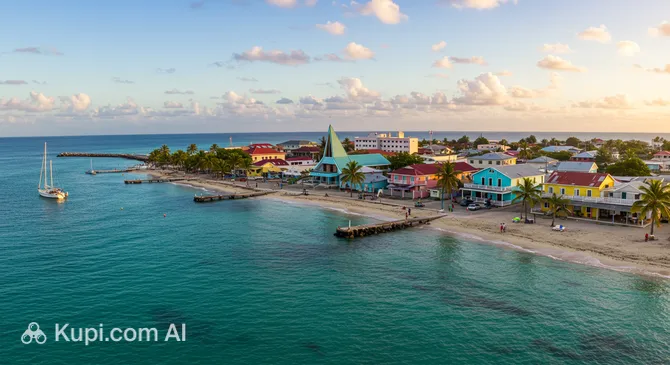
Shopping in Dangriga offers a refreshingly authentic experience that stands in stark contrast to the commercialized retail centers found in larger tourist destinations. Instead of high-end luxury boutiques or sprawling duty-free complexes, visitors will find a functional and bustling local commerce scene. The town is the commercial hub for the Stann Creek District, meaning the shops here cater primarily to the daily needs of residents. For travelers, this provides a unique opportunity to purchase genuine local products, engage with friendly shopkeepers, and discover goods that are deeply rooted in the region's culture rather than mass-produced souvenirs.
The heartbeat of the town's commercial activity is centered along St. Vincent Street and Commerce Street. These main thoroughfares are lined with a variety of establishments, from hardware stores and pharmacies to clothing outlets and general merchandise shops. A walk down St. Vincent Street immerses you in the lively atmosphere of the town, where music often spills out from storefronts and locals go about their errands. While the selection of international fashion brands is limited, these streets are excellent for finding summer essentials, basic travel gear, and affordable clothing suited for the tropical climate.
Travelers accustomed to modern shopping malls will not find them in Dangriga. The retail landscape is dominated by independent retailers and larger general stores, often family-owned, which function as "one-stop shops" selling everything from groceries and electronics to bicycles and household goods. These establishments replace the concept of a mall, offering a wide utility of items under one roof without the glitz of a shopping center. It is a practical and straightforward way to shop that reflects the unpretentious nature of the town.
For a true taste of local life, the Dangriga Municipal Market is the most interesting place to visit. Located directly on the banks of the North Stann Creek River, near the main bridge, this open-air market is the epicenter of fresh food in the town. Here, fishermen pull up in their boats to sell the catch of the day—snapper, grouper, and barracuda—directly to consumers. Alongside the seafood, farmers from the surrounding Stann Creek Valley sell mounds of fresh citrus, bananas, plantains, and root vegetables. It is a vibrant, colorful, and aromatic spot that is perfect for buying fresh fruit for a snack or simply observing the community's daily rhythm.
When it comes to souvenirs, Dangriga is arguably the best place in Belize to purchase authentic Garifuna drums. These are not mere trinkets but professional-quality musical instruments handcrafted from local hardwoods like mahogany or cedar and topped with deer skin. You can often buy them directly from the artisans' workshops, ensuring you are getting a genuine piece of cultural heritage. Additionally, the region is the home of the famous Marie Sharp’s hot sauces; while the factory is a short drive away on the highway, local shops in town stock the full range of these pepper sauces, jams, and jellies at excellent prices. Another unique take-home gift is Ereba (cassava bread), a traditional staple that is durable and travels well.
Store hours in Dangriga typically run from 8:00 AM to 5:00 PM or 6:00 PM, Monday through Saturday. It is important to note that many smaller shops may close for a lunch break between noon and 1:00 PM. Sundays are generally very quiet, with most businesses and the market either closed or operating with significantly reduced hours. Cash is the preferred method of payment for almost all transactions, especially in the market and smaller souvenir stalls. While the Belize Dollar (BZD) is the official currency, US dollars are widely accepted at a standard exchange rate of $2 BZD to $1 USD. Credit cards are accepted at larger supermarkets and hotels, but it is wise to carry cash for everyday shopping.
Regarding tax-free shopping, tourists should be aware that Dangriga is not a duty-free zone. The tax refund schemes found in some international travel hubs are not typically available in the small local shops here. The prices you see are generally the final prices, and unlike in some other Central American markets, aggressive haggling is not the norm, although polite negotiation may be acceptable when buying multiple items from artisan vendors.