Support

La Ceiba

About

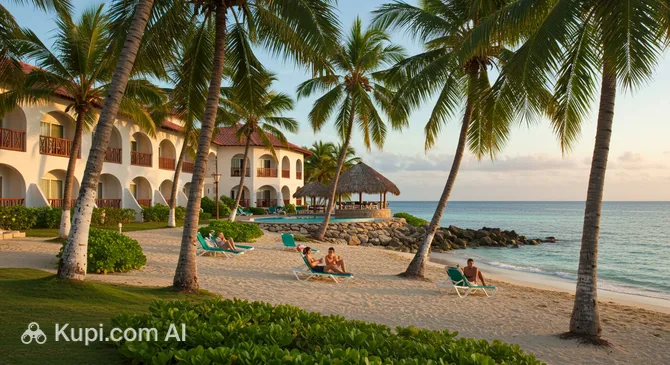
La Ceiba, affectionately known as "La Novia de Honduras" (The Bride of Honduras), is a vibrant port city that pulses with energy and Caribbean flair. As the capital of the Atlántida Department, it serves as a crucial hub for commerce and tourism, offering a perfect blend of urban excitement and stunning natural surroundings. Known for its friendly locals and lively atmosphere, it is often considered the entertainment capital of the country.

Situated on the northern coast of Honduras, the city is dramatically framed by the majestic Pico Bonito peak to the south and the sparkling Caribbean Sea to the north. With a population of approximately 205,000 residents, it is one of the nation's most significant urban centers. The climate is distinctly tropical, ensuring lush green landscapes and warm temperatures that attract visitors year-round.
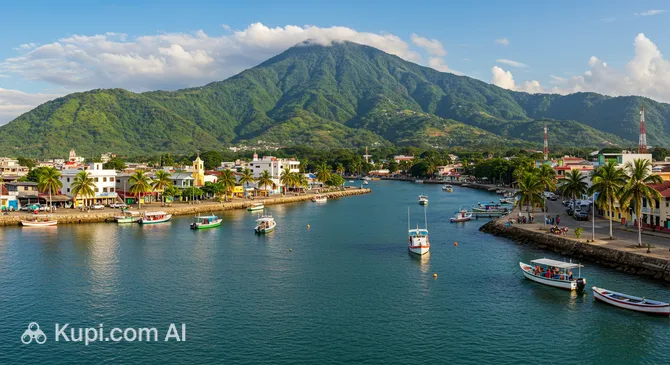
La Ceiba. Source: Kupi.Binoculars

The city's development is deeply rooted in the banana trade of the late 19th and early 20th centuries. Travelers interested in how a small agricultural port transformed into a modern metropolis can explore the history of La Ceiba to better understand its rich cultural evolution and heritage. Today, it stands not only as a historical landmark but also as the primary gateway to the famous Bay Islands of Utila, Roatán, and Guanaja.

Nature enthusiasts will be captivated by Pico Bonito National Park, a cloud forest that offers exceptional hiking trails, diverse wildlife, and waterfalls just a short distance from the city center. For those seeking adrenaline, the nearby Cangrejal River provides some of the best white-water rafting experiences in Central America. Additionally, the city is famous for hosting the Gran Carnaval Internacional de La Ceiba, a massive celebration held every May that fills the streets with music and dancing.

Whether you are looking to explore dense rainforests, enjoy vibrant nightlife, or simply start an island-hopping adventure, La Ceiba is a destination that promises an unforgettable experience. It is truly the eco-tourism capital of the region and invites you to discover its many charms.
Weather Overview

La Ceiba experiences a warm, tropical climate year-round, characterized by consistent temperatures and varying levels of humidity. The city enjoys a generally stable atmosphere where the average temperature fluctuates modestly between 23.2°C in January and 26.7°C in May. Visitors can expect warm days with maximums reaching nearly 29°C during the hottest months, while nighttime lows rarely dip below 21°C, ensuring a comfortable environment for outdoor adventures at any time.

Precipitation patterns are a defining feature of the region, with a distinct difference in the frequency of rainfall throughout the year. The period from February to April is relatively drier, seeing fewer rainy days, whereas the months from June through December are significantly wetter. October is typically the dampest month in terms of frequency, with up to 27 wet days recorded. Travelers should consult the detailed weather in La Ceiba to plan their activities, as the city is known for its lush, rain-fed landscapes, particularly in the latter half of the year.

Interesting Facts

Beyond the main attractions, La Ceiba holds many fascinating secrets and historical details that define its unique character. Here are some intriguing facts that shed light on the city's past and present.

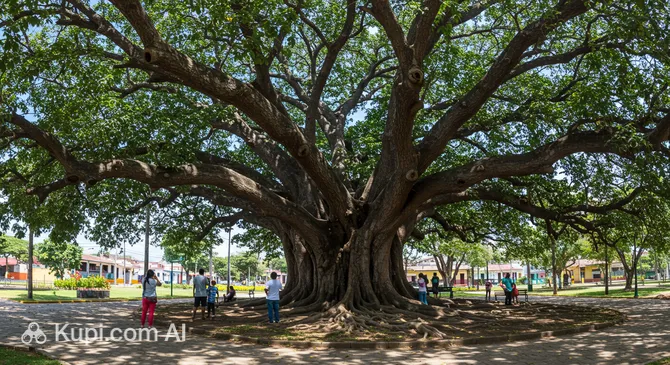
  • The city derives its name from a gigantic Ceiba tree that once stood near the coast in the late 19th century. This massive tree served as a natural meeting point and rest stop for dock workers and locals, who would simply say they were meeting "at the Ceiba," a name that persisted long after the tree fell into the sea in 1914.

  • La Ceiba was the birthplace of the massive Standard Fruit Company, now known as Dole. The Vaccaro brothers established their banana empire here, significantly influencing the city's infrastructure and architecture, particularly in the historic Mazapán district where their colonial-style managerial bungalows still stand.

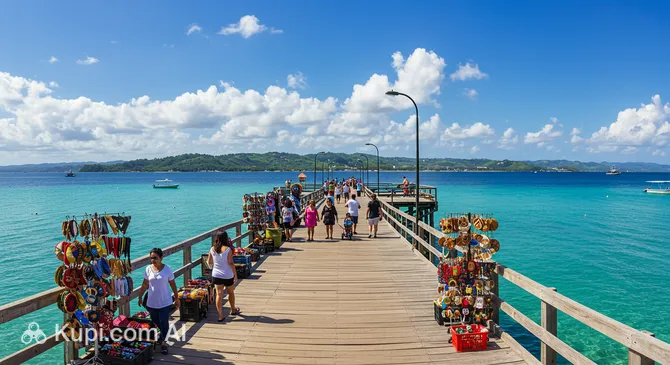
  • The Reynaldo Canales Tourist Pier is a modern tribute to the city's economic history. It is built on the site of the original wooden dock that was crucial for the banana trade, serving as the primary export point that connected Honduras to the rest of the world during the early 20th century.

  • The city hosts the largest carnival in Central America, honoring its patron saint, San Isidro Labrador. This massive event in May attracts nearly half a million visitors—more than double the local population—filling the streets near the Paseo de los Ceibeños with colorful floats, traditional Garifuna music, and endless dancing.

Reynaldo Canales Tourist Pier. Source: Kupi.Binoculars

How to Get There

Reaching this vibrant coastal city is relatively straightforward, as it serves as a major transportation hub for the northern coast of Honduras. Whether you are arriving from international destinations or other parts of Central America, you have several convenient options. For a detailed breakdown of routes and transport modes, you can read more about how to get to La Ceiba.

The most direct way to arrive is by flying into Goloson International Airport (IATA: LCE). Located just 7.1 km from the city center, this airport welcomes both domestic flights and select international connections. It is a convenient regional hub, and the transfer to the downtown area typically takes about 30 minutes by taxi, making it the fastest option for travelers who want to start their vacation immediately.

For those looking for more flight options, the Ramon Villeda Morales International Airport (IATA: SAP) is the country's busiest air hub. However, please note that this airport is not in La Ceiba itself but in the city of San Pedro Sula, approximately 126 km away. It handles a large volume of passenger traffic and offers numerous international connections. From San Pedro Sula, a journey by bus or taxi to La Ceiba usually takes around 3.5 hours, offering a scenic drive through the Honduran countryside.

Another notable entry point is Roatan Airport (IATA: RTB), located on the island of Roatan, about 67 km away across the water. While it requires a connecting flight or a ferry ride to reach the mainland, it is a popular route for tourists combining an island vacation with a visit to the coast.

For clarity, here is a summary of the main airports:

Airport Name City Passenger Traffic Km from City
Ramon Villeda Morales International Airport San Pedro Sula Large 126.2
Coronel Enrique Soto Cano Air Base Tegucigalpa Large 177.5
Roatan Airport Roatan Medium 67.1
Goloson International Airport La Ceiba Medium 7.1
Placencia Placencia Small 188.1

Regarding rail travel, La Ceiba does not currently have a functional passenger railway station, and train travel is not a common mode of transport for tourists in this region. Visitors typically rely on the extensive network of buses, shuttles, and taxis to move between cities. The road network connecting La Ceiba to major cities like San Pedro Sula and Tegucigalpa is well-established, making bus travel a reliable and popular alternative.

Main Attractions

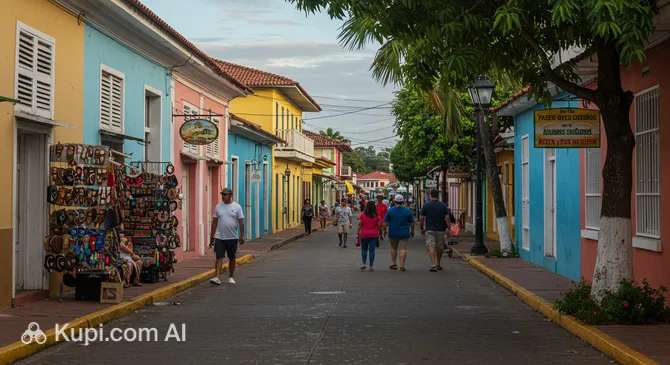
La Ceiba offers a delightful mix of coastal beauty and urban energy, with several landmarks that highlight its status as a tourism hub. One of the most popular public spaces is the Paseo de los Ceibeños. This vibrant linear park stretches along the beachfront, featuring landscaped gardens, walking paths, and recreational areas. It serves as a social heart for the city, where locals and visitors alike gather to enjoy the cool sea breeze, exercise, or simply relax by the water's edge.

Paseo de los Ceibeños. Source: Kupi.Binoculars

Another defining landmark is the Reynaldo Canales Tourist Pier. This modern boardwalk extends gracefully into the Caribbean Sea, offering spectacular panoramic views of the coastline and the majestic Pico Bonito mountain range in the distance. It is an ideal location for a leisurely evening stroll, allowing tourists to watch the sunset over the ocean and observe the marine life swimming in the clear waters below.

For those seeking the perfect vacation snapshot, the La Ceiba Photo Spot is a must-visit location. Situated near the waterfront, this attraction features large, colorful letters spelling out the city's name, set against a backdrop of palm trees and blue sky. It provides a fun and iconic setting for capturing memories that embody the tropical spirit of the "Bride of Honduras."

La Ceiba Photo Spot. Source: Kupi.Binoculars

Travelers looking for a break from the heat or a place to shop can explore Megaplaza La Ceiba. As a key commercial center in the city, it offers a wide range of international and local retail stores, a food court, and entertainment options including a cinema. It is a convenient stop for purchasing travel essentials or enjoying a comfortable, air-conditioned environment after a day of outdoor adventures.

Local Cuisine

Local Cuisine:

La Ceiba's culinary scene is a delicious reflection of its coastal geography and cultural diversity. As a port city, it offers an abundance of fresh seafood, often prepared with the rich, creamy coconut milk characteristic of the Caribbean coast. Visitors will find a variety of flavors ranging from traditional Garifuna dishes to the beloved staples of Honduran comfort food.

One cannot talk about food in this region without mentioning the baleada. Widely associated with the northern coast, this iconic Honduran dish consists of a thick flour tortilla folded over refried beans, cheese, and mantequilla (local cream). It is available everywhere, from street stalls to established eateries, and serves as a hearty meal at any time of day. Another must-try is sopa de caracol (conch soup), a flavorful broth made with coconut milk, spices, and tender conch meat, often accompanied by plantain chips.

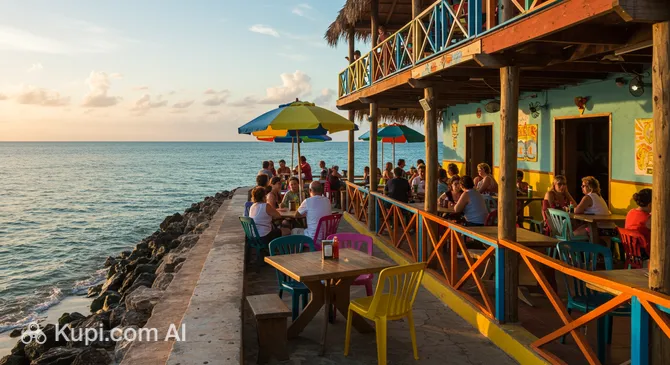
For those looking to enjoy a meal with a view, Cric Cric Malecon is a notable choice. Located near the waterfront, this establishment allows diners to savor local seafood specialties while soaking in the lively atmosphere of the boardwalk. It is a great place to experience the city's social vibe, especially in the evenings.

Cric Cric Malecon. Source: Kupi.Binoculars

Travelers seeking authentic local cuisine in a welcoming environment might enjoy TipiKtracho Restaurant. This spot is known for serving generous portions of traditional dishes, providing a genuine taste of the region's culinary heritage.

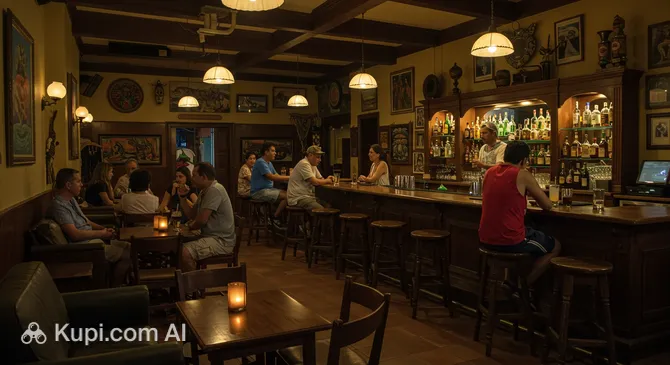
The city also boasts a spirited nightlife that complements its dining scene. After dinner, visitors can explore places like The House of the Jaguar, a popular bar that offers a distinct ambiance for socializing. Alternatively, Beer Box La Ceiba provides a relaxed setting for enjoying a variety of beverages.

The House of the Jaguar. Source: Kupi.Binoculars

Travel Tips

Welcome to La Ceiba, the vibrant "Bride of Honduras" and the gateway to some of the country's most spectacular natural wonders. To ensure your adventure is as smooth and enjoyable as possible, we have compiled a set of essential practical tips tailored for travelers visiting this lively coastal city.

  1. Clothing and Gear: Due to the hot and humid tropical climate, pack lightweight, breathable fabrics like cotton or linen. Since La Ceiba is one of the rainiest cities in Central America, a reliable raincoat or poncho is a must, regardless of the season. If you plan to explore Pico Bonito National Park, bring sturdy hiking boots and plenty of insect repellent. Casual wear is standard, but modest attire is appreciated when visiting churches.
  2. Transportation: Taxis are the most convenient way to get around the city, but they typically do not use meters. It is crucial to negotiate and agree on the fare before getting into the vehicle. For a local experience, you can try "colectivos" (shared taxis) which follow set routes. If you plan to visit surrounding nature reserves or the Cangrejal River area at your own pace, renting a car is recommended, though a 4x4 might be necessary for rougher terrain.
  3. Finances: The local currency is the Honduran Lempira (HNL). While US dollars are accepted in some larger hotels and tour agencies, it is best to pay in Lempiras for everyday purchases to get a fair exchange rate. Major credit cards are accepted at supermarkets and established restaurants, but smaller "comedores" and street vendors deal strictly in cash. ATMs are widely available in shopping centers like Megaplaza. A tip of 10% is customary in restaurants if service is not already included.
  4. Health and Safety: Pharmacies are plentiful in the city center and shopping malls, with some chains open late. Always drink bottled or purified water, never tap water. In terms of safety, stick to well-lit, populated areas, especially at night. The boardwalk (Paseo de los Ceibeños) is generally safe and popular, but avoid walking alone on empty stretches of the beach after dark.
  5. Communication: The official language is Spanish. While staff at major hotels and tour operators often speak English, it is less common among taxi drivers and shopkeepers. Learning a few basic phrases like "Buenos días" (Good morning) and "¿Cuánto cuesta?" (How much?) will go a long way. You can easily purchase a prepaid SIM card from local providers like Tigo or Claro at kiosks throughout the city to stay connected.
  6. Local Etiquette: Hondurans are generally warm and polite. It is customary to greet people with a friendly "Buenas" when entering a shop or boarding a bus. Handshakes are the standard greeting for new acquaintances. Locals appreciate it when visitors show interest in their culture, so don't hesitate to ask for recommendations with a smile; patience and politeness are highly valued here.
  7. What to Avoid: Avoid taking photographs of locals, especially children or indigenous Garifuna community members, without asking for explicit permission first. additionally, do not display expensive jewelry, cameras, or large amounts of cash openly in public streets, as this can attract unwanted attention.
  8. Ferry Terminal Tip: If you are using La Ceiba as a transit point to the Bay Islands (Roatán or Utila), be aware that the ferry terminal, the Muelle de Cabotaje, is located about 15-20 minutes from the city center. Traffic can be heavy, so always allow extra travel time to ensure you don't miss your boat, especially during the busy morning departures.

By keeping these practical tips in mind, you will be well-prepared to navigate the city's tropical energy and immerse yourself in the local culture. Whether you are here for the eco-adventures or the nightlife, La Ceiba is ready to offer you a warm and unforgettable welcome.

Entertainment & Nightlife

La Ceiba has earned a well-deserved reputation as the entertainment capital of Honduras, offering a nightlife scene that is as vibrant and warm as its tropical climate. As the sun sets, the city transforms into a lively hub of activity where locals and tourists alike gather to unwind. The atmosphere is generally casual and energetic, with music ranging from Caribbean rhythms like Punta and Reggae to modern Latin beats filling the air. The primary center for evening entertainment is the designated "Zona Viva," a district packed with bars, dance clubs, and lounges, although the waterfront area also offers plenty of spots to enjoy the ocean breeze with a drink in hand.

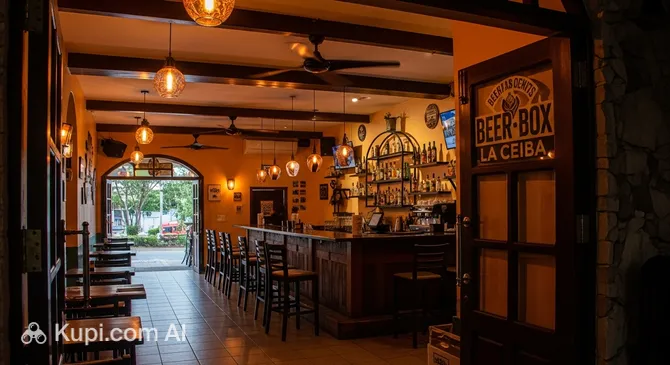
For those who appreciate a good brew and a laid-back environment, Beer Box La Ceiba is a standout venue. It attracts a crowd that enjoys craft beers and conversation in a modern, industrial-style setting. It is an excellent place to start the night before heading to louder venues. The dress code here, as in most of the city, is smart-casual; while you don't need formal wear, beach attire is usually reserved for the daytime.

Beer Box La Ceiba. Source: Kupi.Binoculars

If you prefer an evening by the sea, the Partenon Beach Resort offers a more upscale yet relaxed experience. Its beachfront facilities often serve as a social gathering point where visitors can enjoy cocktails while listening to the sound of the waves. It is particularly popular for sunset drinks that turn into late-night social gatherings. Prices in La Ceiba are generally affordable compared to other Caribbean destinations, with beers and cocktails costing significantly less than in the nearby Bay Islands.

Partenon Beach Resort. Source: Kupi.Binoculars

When it comes to safety and logistics, it is highly recommended to use radio taxis or hotel-arranged transport when moving between venues at night. While the main nightlife districts are populated, walking alone on dark streets should be strictly avoided to ensure your safety. Most bars and clubs stay open until the early hours of the morning, especially on weekends. For a change of pace or earlier evening entertainment, Plaza Toronjal is a modern commercial hub that offers a cinema and various dining options, making it a secure and popular spot for families and groups looking for a lower-key night out.

While the city is famous for its nocturnal energy, daytime entertainment is more focused on nature and commerce. Apart from the natural excursions nearby, the city offers cultural experiences through its local museums which display the history of the banana trade and the Garifuna culture. Shopping centers and local markets also provide a bustle of activity during the day, offering a glimpse into the daily life of the "Ceibeños" before the party starts again at dusk.

Parks & Museums

While La Ceiba is primarily celebrated for its vibrant carnival and coastal atmosphere, the city also serves as a gateway to some of Honduras's most impressive natural reserves and offers interesting pockets of cultural history. Visitors will find that the region's true wealth lies in its lush green spaces and the legacy of its agricultural past, which can be explored through specific local sites.

The crown jewel of the area's natural attractions is undoubtedly Pico Bonito National Park. Looming majestically over the city, this expansive cloud forest is a haven for eco-tourists and hikers. It features a variety of trails ranging from easy walks to challenging treks, leading to stunning waterfalls like the Mermaid Falls (Cascada de la Sirena). The park is renowned for its incredible biodiversity, housing toucans, monkeys, and jaguars, making it a premier destination for birdwatching and wildlife photography just a short drive from the urban center.

For a relaxing experience within the city limits, Swinford Park offers a unique blend of nature and history. Originally established by the Standard Fruit Company, this beautifully maintained garden serves as an open-air museum of sorts. It features a collection of antique railway locomotives and wagons that date back to the golden age of the banana trade, set amidst manicured lawns and tropical flowers. It is a quiet, free-to-enter refuge where visitors can learn about the city's economic origins while enjoying a peaceful picnic.

Another significant natural area nearby is the Cuero y Salado Wildlife Refuge. Located just west of La Ceiba, this protected sanctuary is famous for its intricate network of canals and mangroves. It is one of the best places in Central America to spot the elusive West Indian manatee, as well as howler monkeys and diverse waterfowl. Accessing the refuge is an adventure in itself, often involving a ride on a quirky, narrow-gauge train that takes visitors through old coconut plantations to the boat launch.

In terms of museums, the city is home to the fascinating Butterfly Museum (Museo de Mariposas). This institution holds one of the largest and most complete collections of butterflies and insects in Honduras, with over 19,000 specimens on display. It provides an educational look at the entomological diversity of the tropics and is a captivating stop for families and nature enthusiasts interested in the smaller, colorful inhabitants of the rainforest.

Culturally and architecturally, the heart of the city is anchored by the San Isidro Cathedral. Located next to the Central Park, this church is a key landmark dedicated to the city's patron saint. The surrounding plaza is a traditional gathering spot that reflects the daily life of the "Ceibeños," often buzzing with vendors and locals. Nearby, the historic Mazapán District showcases the colonial-style wooden architecture of the fruit company era, offering a glimpse into the early 20th-century lifestyle of the region's developers.

For an authentic insider experience, consider visiting the Cangrejal River Valley not just for rafting, but for its swinging bridges and massive granite boulders which offer perfect spots for sunbathing and swimming in crystal-clear water. It is a favorite weekend escape for locals looking to disconnect from the city noise without traveling far.

Getting Around

The public transport system in La Ceiba is informal, straightforward, and relies entirely on road-based vehicles. There is no metro, tram, or train service for getting around the city itself. Instead, the local transportation network consists primarily of buses, minibuses, and an extensive fleet of taxis that serve as the main mode of transit for both residents and visitors.

Buses and microbuses are the most economical way to travel, connecting the city center with outlying neighborhoods and nearby communities. These vehicles often display their destinations on the windshield, but they do not follow a strict timetable. They typically operate on a "wave-and-ride" basis, stopping wherever passengers need to get on or off along the designated route. While they offer an authentic local experience, they can be crowded and may not be the most comfortable option for travelers carrying luggage.

For tourists, taxis are generally the preferred method of transportation due to their convenience and availability. You will encounter two main types: "colectivos" and private taxis. Collective taxis drive fixed routes much like buses, picking up multiple passengers who share the ride and the cost. Private taxis, often white with clear numbering, take you directly to your destination. It is important to note that taxis in the city do not use meters. You must negotiate and agree on the fare with the driver before entering the vehicle to avoid any misunderstandings upon arrival.

Payment for all forms of public transport is strictly cash-based. There are no travel cards, passes, or mobile payment apps for the bus or taxi systems here. Fares are generally very low, but drivers rarely have change for large denominations. It is highly recommended to carry small bills and coins in the local currency to pay the exact fare. A standard ride within the city limits is quite affordable, usually costing a modest fixed amount for colectivos and a negotiable rate for private rides depending on the distance.

Regarding operating hours, public buses and collective taxis usually run from early morning, around 6:00 AM, until early evening, approximately 7:00 PM. After sunset, the availability of buses drops significantly. For safety and reliability at night, it is best to use "radio taxis"—services that you call to pick you up—rather than hailing a random car on the street. Dispatch operators can provide a fixed price over the phone, adding a layer of security to your journey.

Alternatives like ride-sharing apps are not widely established or reliable in the city compared to larger metropolises. Walking is a viable and pleasant option for exploring the downtown area and the boardwalk, particularly during the day. Car rentals are available and useful if you plan to visit attractions on the outskirts, such as the national parks, but be prepared for a driving style that can be more chaotic than what you might be used to at home.

Accommodation

La Ceiba offers a diverse array of accommodation options that cater to every type of traveler, from backpackers seeking adventure to families looking for comfort by the sea. The city's hospitality landscape is broad, featuring affordable hostels, reliable mid-range city hotels, and more upscale beachfront resorts. Whether you are passing through on your way to the Bay Islands or staying to explore the mainland's natural wonders, you will find a place that suits your budget and style.

When choosing where to stay, location is key. The Zona Viva and the downtown area are popular choices for those who want to be close to the nightlife, restaurants, and transport hubs. This area is convenient for travelers relying on public transport or taxis. For visitors who prefer a more scenic and relaxing environment, the waterfront along the Paseo de los Ceibeños offers accommodations with ocean views and cooling sea breezes. Additionally, nature lovers often opt for eco-lodges located slightly outside the city in the Cangrejal River Valley, providing an immersive jungle experience just a short drive from the urban center.

Among the well-known establishments in the city, the Partenon Beach Resort stands out as a prime example of the local hospitality. Situated directly on the beachfront, it is a favorite for tourists who wish to combine modern amenities with immediate access to the Caribbean Sea. It represents the more comfortable end of the spectrum, offering pools and event spaces that contrast with the simpler guesthouses found in the city center.

Regarding prices, La Ceiba is generally very affordable compared to other Caribbean destinations. Budget travelers can find dormitory beds or simple private rooms for very low rates, while mid-range hotels offer excellent value with air conditioning and Wi-Fi included. While many of the larger hotels and resorts can be booked via major online platforms, smaller family-run guest houses often operate on a cash-basis and may require direct contact or walk-in inquiries.

A crucial tip for booking is to plan well in advance if your visit coincides with major holidays. During Semana Santa (Easter Week) and the famous La Ceiba Carnival in May, the city fills up rapidly, and prices can spike. Securing your reservation months ahead for these peak dates is highly recommended to ensure you have a place to stay amidst the festivities.

Nearby Cities

For those looking to explore the surroundings, La Ceiba serves as an excellent base for day trips to several interesting nearby locations. The region offers a mix of coastal charm, agricultural history, and cultural heritage within a short driving distance.

One of the most popular destinations is Tela, located approximately 72 km to the west. This coastal town is renowned for its beautiful beaches and relaxed Caribbean atmosphere. It is also home to the Lancetilla Botanical Garden, one of the largest tropical botanical gardens in the world, making it a perfect spot for nature lovers. Nearby, visitors can also explore the Punta Sal National Park for pristine landscapes.

Closer to home, about 40 km away, lies Olanchito. Known as the "Civic City" of Honduras, it is famous for its rich literary history and cultural festivals. A visit here offers a deeper insight into the traditions of the Aguán Valley and provides a contrast to the coastal vibe of La Ceiba. It is an excellent choice for travelers interested in the authentic rural culture of the country.

For those interested in maritime history and commerce, Puerto Cortés is another significant city in the region. Although it is a bit further away, it serves as the main port of Central America. Visitors can enjoy its local beaches or use it as a stepping stone to visit the historic San Fernando Fortress in nearby Omoa.

City Population Distance (km)
Choloma 227535 126
El Progreso 188366 116
Puerto Cortés 122426 122
Olanchito 104609 40
Tela 96758 72

These nearby destinations offer a glimpse into the diverse culture and landscapes of the region.

Shopping & Souvenirs

As the commercial hub of the Atlántida Department, La Ceiba offers a diverse shopping scene that ranges from modern air-conditioned malls to bustling local markets. While it may not be a massive international shopping destination, it provides everything a traveler might need, from beach essentials and electronics to authentic local handicrafts. The city serves as a primary supply point for the nearby Bay Islands, meaning the variety of goods available here is generally better than what you might find on the islands themselves.

For a comfortable and modern retail experience, visitors usually head to the city's main shopping centers. Megaplaza La Ceiba is the largest and most popular mall in the region. It houses a department store, a supermarket, a cinema, and a food court, making it a one-stop destination for both shopping and entertainment. It is an excellent place to cool off and find international brands or purchase travel supplies.

Another prominent location is Plaza Toronjal. This shopping complex has a slightly more upscale and relaxed atmosphere compared to the larger mall. It features a variety of boutiques, cafes, and restaurants, and is a favorite meeting spot for locals. The architecture is open and inviting, often hosting small events or live music in the evenings.

Plaza Toronjal. Source: Kupi.Binoculars

For those seeking a more traditional and chaotic atmosphere, Avenida San Isidro acts as the city's commercial spine. This vibrant street is lined with banks, pharmacies, clothing stores, and street vendors selling everything from fresh fruit to phone accessories. Walking down this avenue offers a genuine glimpse into the daily life of the city, with music blasting from storefronts and the hustle of daily commerce in full swing.

Near the end of the avenue lies the Mercado San Isidro area. This is the place to go for fresh produce and local flavor. While it is primarily a market for residents buying vegetables, meats, and household goods, adventurous tourists can find inexpensive clothing and experience the grit and color of a real Central American market. It is best visited in the morning when the produce is freshest and the activity is at its peak.

When it comes to souvenirs, look for items that reflect the region's heritage. Wooden carvings, particularly those made from mahogany, are popular, as are colorful hammocks and ceramics. You can also find goods related to the Garifuna culture, such as traditional clothing or music. Don't forget to pick up some Honduran coffee or cigars, which are renowned for their quality and make for excellent gifts to take home.

Most shops in La Ceiba open around 9:00 AM and close by 6:00 PM or 7:00 PM. The shopping malls, however, stay open later, usually until 8:00 PM or 9:00 PM. Regarding payment, major credit cards are widely accepted in shopping malls, supermarkets, and larger stores. However, if you are shopping at street stalls, the local market, or smaller boutiques, cash in Honduran Lempiras is essential. It is advisable to carry smaller denominations to make transactions smoother.

Reached the end of the page?

That means the route is fully explored