Support

Tegucigalpa

About

Nestled in a highland valley surrounded by pine-covered mountains, Tegucigalpa serves as the bustling capital and political center of Honduras. Often affectionately referred to as "Tegus" by locals, this city offers a dynamic blend of colonial heritage and modern urban life. As the capital of the Francisco Morazán Department, it is the beating heart of the nation, characterized by its hilly terrain and winding streets that navigate the unique topography of the central highlands.
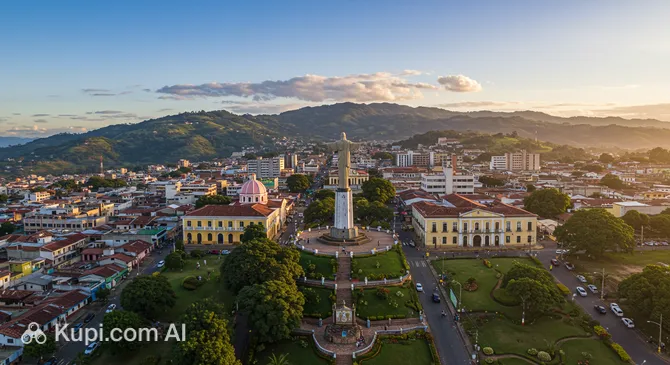
Tegucigalpa. Source: Kupi.Binoculars

Geographically, the city sits at an elevation of nearly 1,000 meters above sea level, which grants it a temperate and pleasant climate year-round, distinct from the humid heat often found in the coastal regions. With a population exceeding 1.6 million residents, it is a densely populated metropolis that hums with activity. The history of Tegucigalpa is deeply rooted in its origins as a silver mining center, a legacy that is still visible in the architecture of the historic downtown area.

Travelers visiting the city will find several noteworthy landmarks to explore. One of the most iconic sights is the massive statue of Christ of the Picacho (Cristo del Picacho), which towers over the city from a nearby hill and offers panoramic views of the urban landscape below. Nature enthusiasts often use the capital as a gateway to La Tigra National Park, a stunning cloud forest located just a short distance away, perfect for hiking and spotting local wildlife. Within the city limits, the historic center features charming religious structures, such as the Cathedral of Saint Michael the Archangel.

Whether you are passing through on your way to other destinations or staying to explore the local culture, Tegucigalpa provides an authentic glimpse into daily life in the region. Its museums, parks, and vibrant atmosphere make it an interesting stop for those looking to understand the diverse character of this Central American destination.
Weather Overview

Thanks to its location in the highlands, Tegucigalpa enjoys a temperate climate that is generally milder than the tropical heat found on the Honduran coast. The average temperatures are quite consistent throughout the year, typically ranging from 19°C to 24°C. April is usually the warmest month, with average highs reaching nearly 30°C, while December and January offer cooler conditions, particularly in the evenings when temperatures can drop to around 15°C.

Travelers should plan their wardrobe according to the distinct wet and dry seasons. The weather in Tegucigalpa is driest from December through March, with February and March seeing almost no precipitation. The rainy season picks up significantly in May and lasts through October, with June and October being particularly wet months featuring frequent showers. Expect warm days and mild nights year-round, but be sure to pack waterproof gear if you are visiting between May and October.

Interesting Facts

Beyond the main attractions and bustling streets, Tegucigalpa holds many fascinating secrets that reveal its unique character. From its geological roots to its urban quirks, there is much more to this highland capital than meets the eye.
  • A Tale of Two Cities: Although commonly referred to simply as Tegucigalpa, the capital of Honduras is constitutionally a "twin city." It forms the Central District together with Comayagüela, a neighboring area separated by the Choluteca River. While Tegucigalpa is known for its modern and colonial sectors, Comayagüela adds to the bustling urban sprawl.

  • Silver Mountain Origins: The name "Tegucigalpa" is widely believed to be derived from the Nahuatl language, translating to "Silver Mountain." This etymology points to the city's founding in the 16th century, which was driven by the discovery of rich silver veins rather than administrative planning.

  • Defying the Grid: Unlike most Spanish colonial cities in Latin America, which were built on a strict square grid surrounding a central plaza, Tegucigalpa features a chaotic and winding street layout. The city grew organically, following the rugged topography and the location of mining tunnels, giving it a labyrinthine charm.

  • No Railway: Tegucigalpa holds the unusual distinction of being one of the few capital cities in the world without a railway system. Due to the difficult mountainous terrain surrounding the valley, railroad construction was historically impractical, leaving the city entirely dependent on road transportation.

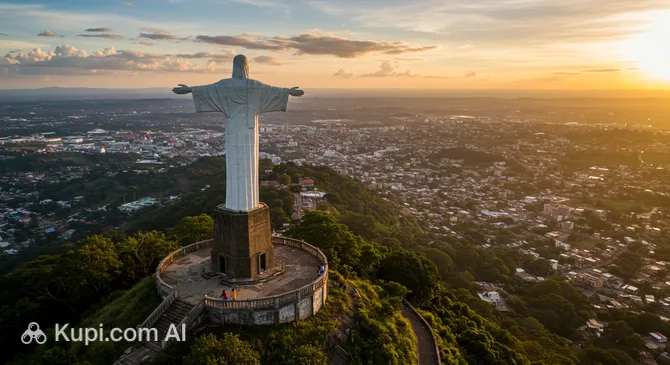
  • A Giant on the Hill: The city skyline is dominated by the imposing Christ at El Picacho. Standing over 30 meters tall within El Picacho Park, this massive sculpture is one of the largest of its kind in Central America and serves as a watchful guardian over the valley.

Christ at El Picacho. Source: Kupi.Binoculars

How to Get There

Reaching the Honduran capital is an adventure that typically begins by air, as the city is nestled deep within the central highlands. While the mountainous terrain makes land travel scenic but slower, the region is well-connected to international hubs. For those planning their journey, you can find more about how to get to Tegucigalpa and the various transport options available on our detailed page.

The most convenient gateway for international travelers is the Coronel Enrique Soto Cano Air Base (XPL). Although it serves as the primary airport for the capital, it is located approximately 60 km away from the city center. Travelers landing here should expect a transfer time of about 1 hour and 50 minutes by taxi or shuttle bus to reach downtown Tegucigalpa. This facility handles a significant portion of the region's air traffic and connects the city with major international destinations.

Another viable option, particularly for those planning to explore the northern coast or finding better flight connections, is the Ramon Villeda Morales International Airport (SAP). Situated in San Pedro Sula, this busy airport is about 173.5 km from the capital. The journey by road from here is longer, taking approximately 4 hours and 40 minutes, but it offers a scenic drive through the Honduran countryside. For travelers coming from neighboring countries, flying into El Salvador International Airport (SAL) in San Salvador is also a possibility, though it involves a cross-border trip of over 5 hours.

For clarity, here is a summary of the main airports facilitating travel to the region:

Airport Name City Passenger Traffic Km from City
El Salvador International AirportSan SalvadorLarge213.9
Augusto C Sandino International AirportManaguaLarge239.1
Ramon Villeda Morales International AirportSan Pedro SulaMedium173.5
Coronel Enrique Soto Cano Air BaseTegucigalpaMedium59.2
Goloson International AirportLa CeibaSmall189.4

Main Attractions

Attractions:

Tegucigalpa is a city where history and daily life intertwine, offering visitors a chance to explore colonial treasures, vibrant cultural centers, and scenic viewpoints. The capital's hilly topography creates a unique urban landscape where every turn reveals a new perspective or a hidden gem.

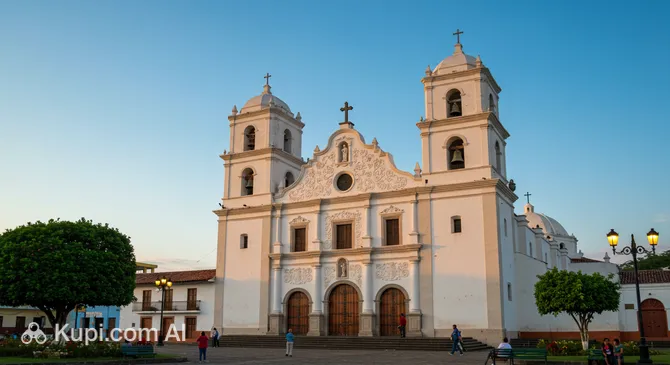
Standing majestically in the heart of the historic center is the St. Michael the Archangel Cathedral. This stunning example of Spanish Baroque architecture dominates the main square, serving as a focal point for the city's religious and social life. Tourists are drawn to its intricate altar, beautiful gold-leaf work, and the sense of peace found within its thick stone walls. It is a perfect starting point for walking tours, located right next to Central Park Tegucigalpa, where locals gather and street vendors sell traditional snacks.

St. Michael the Archangel Cathedral. Source: Kupi.Binoculars

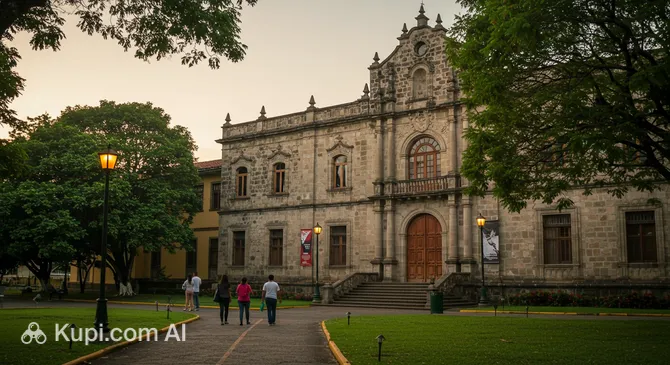
For a deep dive into the country's heritage, the Museum of National Identity is widely considered one of the best museums in Honduras. Housed in the beautifully restored 19th-century Palace of Ministries, the museum offers a comprehensive journey through Honduran history, from geological formation to the Mayan civilization and the modern era. The virtual auditorium and rotating art exhibits make it an engaging experience for visitors who want to understand the cultural fabric of the nation.

Museum of National Identity. Source: Kupi.Binoculars

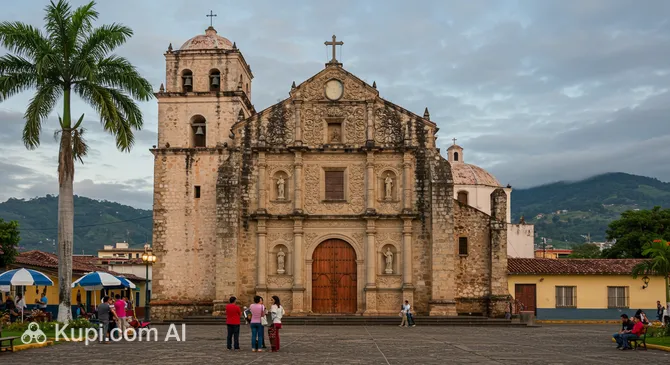
Another architectural marvel is the Church of Saint Mary of Sorrows, locally known as Iglesia de Los Dolores. Famous for its distinctive façade featuring indigenous motifs blended with Catholic symbolism, this church is older than the cathedral and sits on a lively plaza. It is a favorite spot for photographers and history enthusiasts who appreciate its unique artistic style and the bustling market atmosphere that often surrounds the plaza.

Church of Saint Mary of Sorrows. Source: Kupi.Binoculars

If you are looking for panoramic views and a breath of fresh air, La Leona Park is a charming escape perched on a hillside overlooking the downtown area. Reached by winding cobblestone streets lined with old colonial houses, this park offers a tranquil environment with gardens and a basketball court. It is particularly popular at sunset, when the city lights begin to twinkle below, providing a romantic and picturesque backdrop for travelers.

La Leona Park. Source: Kupi.Binoculars

Local Cuisine

The culinary landscape of Tegucigalpa is a flavorful reflection of Honduran culture, blending indigenous roots with Spanish colonial influences. The food here is hearty, unpretentious, and deeply satisfying, often centered around staples like corn, beans, and locally raised meats. Visitors will find that the capital offers a diverse range of dining experiences, from humble street stalls serving fresh snacks to upscale restaurants that reimagine traditional ingredients.

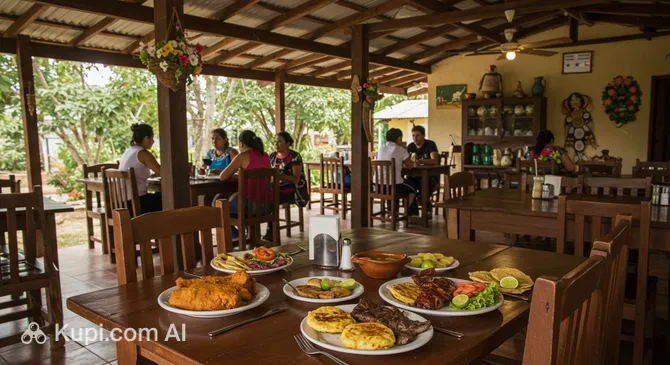
No visit to the city is complete without trying the Baleada, arguably the most iconic dish in the country. It consists of a thick, handmade flour tortilla folded over refried red beans, crumbled cheese, and mantequilla (a distinct, savory local cream). For a more substantial meal, look for the Plato Típico, a sampler platter that typically includes grilled steak or chorizo, rice, beans, fried plantains, avocado, and tortillas. Seafood lovers might also enjoy Sopa de Caracol, a rich conch soup made with coconut milk, spices, and yucca, bringing a taste of the Caribbean coast to the highlands.

To wash down these savory meals, locals often turn to refreshing natural beverages. Horchata, made from rice and morro seeds spiced with cinnamon, is a popular non-alcoholic choice that pairs perfectly with local food. As a major coffee-producing nation, Honduras also takes pride in its coffee, and you will find excellent cafés throughout the city serving high-quality local brews. For those looking to unwind in the evening, local lagers are widely available and very popular.

The dining scene in Tegucigalpa is vibrant and social. Many locals enjoy breakfast or dinner at small neighborhood eateries, but for a special night out, the city boasts several excellent venues. If you are craving fresh seafood or traditional grilled meats in a lively atmosphere, El Morito 2 is a well-regarded spot among residents. For a more relaxed evening with friends, you might explore the city's nightlife at places like Sante Tegus, where you can enjoy a variety of drinks and the local vibe.

El Morito 2. Source: Kupi.Binoculars

Travel Tips

Visiting Tegucigalpa is a rewarding experience, offering a deep dive into the culture and history of the Honduran highlands. To ensure your trip to this bustling capital is as smooth and enjoyable as possible, here are some practical tips to help you navigate the city like a pro.

  1. Clothing and Gear: Due to the city's elevation, the climate is temperate rather than tropical. Pack lightweight clothing for the day, but bring a light sweater or jacket for the cooler evenings. Comfortable walking shoes are essential, as the city is built on hills and many streets are uneven. If you plan to visit religious sites like the cathedral, remember to dress modestly, covering your shoulders and knees.

  2. Transportation: The traffic in the capital can be heavy and chaotic. For tourists, it is generally recommended to avoid public buses due to safety and crowding. Instead, use Radio Taxis (dispatched by phone) or ride-hailing apps like Uber, which are operational and safer than hailing a cab off the street. Renting a car is an option but can be stressful due to the winding roads and aggressive driving style; hiring a driver is often a better choice.

  3. Finances: The local currency is the Honduran Lempira (HNL). While US dollars are accepted in major hotels and some large stores, you will need Lempiras for taxis, street food, and local markets. Credit cards are widely used in modern establishments, but always carry some cash. ATMs are best used inside shopping malls or hotels for security. A tip of 10% is customary in restaurants if it hasn't already been included in the bill.

  4. Health and Safety: As in many large capitals, safety requires vigilance. Stick to well-known, safe neighborhoods like Colonia Palmira or the hotel districts, and avoid walking alone at night. Drink bottled water only, as tap water is not safe for consumption. Pharmacies are plentiful and well-stocked; look for major chains like Farmacia Kielsa or Farmacia Simán, many of which have 24-hour locations.

  5. Communication: Spanish is the official language. While staff at high-end hotels and restaurants may speak English, it is not widely spoken by the general public. Learning a few basic phrases like "Buenos días" (Good morning) and "Gracias" (Thank you) will go a long way. You can easily purchase a prepaid SIM card from providers like Tigo or Claro at the airport or in shopping malls to stay connected.

  6. Local Etiquette: Hondurans are generally warm and polite. It is customary to greet people with a handshake or a nod when entering a room or shop. If you see someone eating, it is polite to say "Buen provecho" (Enjoy your meal). When taking photos of locals, always ask for permission first out of respect.

  7. What to Avoid: Avoid displaying expensive jewelry, cameras, or large amounts of cash in public areas, as this can attract unwanted attention. Also, try to avoid the Comayagüela area across the river unless you are with a trusted local guide, as it is generally considered less safe for tourists.

  8. Traffic Awareness: Be prepared for "tráfico" (traffic jams), especially during rush hours (7:00–9:00 AM and 4:00–7:00 PM). If you have a flight to catch or a tour booked, always add an extra 30 to 60 minutes to your estimated travel time to account for potential delays on the city's winding roads.

By keeping these practical suggestions in mind, you can focus on the unique charm and vibrant atmosphere of Tegucigalpa. With a little preparation and common sense, you are set to discover the hidden gems of this fascinating mountain capital.

Entertainment & Nightlife

The nightlife in Tegucigalpa is surprisingly vibrant and diverse, concentrated mainly in modern districts that offer everything from sophisticated lounges to energetic dance clubs. The city’s "Zona Viva" is primarily located along Boulevard Morazán and within the upscale Colonia Palmira. These areas are the heart of the capital's social scene, where locals and expatriates gather to unwind after work or celebrate on weekends.

For those seeking a classic pub atmosphere, Mc Allister's Irish Pub is a standout venue. It offers a familiar and cozy environment perfect for enjoying imported beers, live sports, and rock music. It is a great place to start the evening before heading to livelier spots. The crowd here is generally a mix of young professionals and tourists, creating a welcoming and relaxed vibe.

Mc Allister's Irish Pub. Source: Kupi.Binoculars

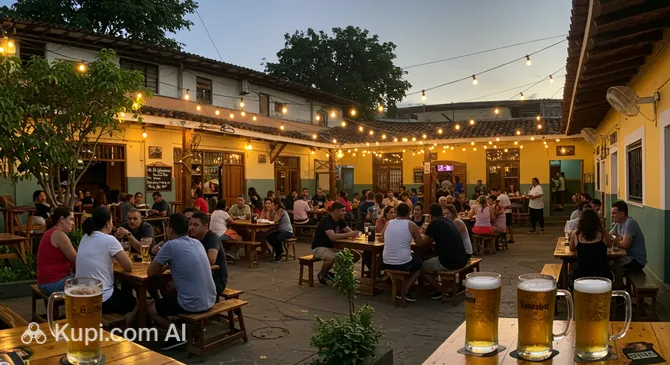
If you prefer an al fresco experience, the Beer Garden provides a fantastic open-air setting. It is known for its wide selection of craft and international beers, often accompanied by live music or DJ sets. The atmosphere is casual yet trendy, making it an ideal spot for socializing under the stars. Thursday through Saturday are the peak nights, with venues typically staying open until 2:00 AM or later.

Beer Garden. Source: Kupi.Binoculars

When planning a night out, it is important to keep safety in mind. While the entertainment districts like Palmira are generally safe and patrolled, it is best to avoid walking between venues if they are not immediately adjacent. Always use a radio taxi or a ride-sharing app like Uber to get around, rather than hailing a cab on the street. Dress codes are often enforced in clubs and upscale bars; "casual elegant" is the norm, so men should avoid wearing shorts or sandals.

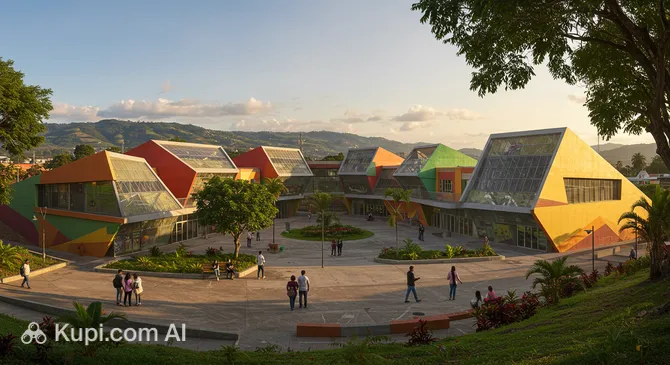
Beyond the nightlife, Tegucigalpa offers plenty of daytime entertainment. Families and curious minds should not miss Chiminike, a renowned interactive museum that focuses on education and Honduran culture. For those who enjoy shopping or catching a movie, modern malls like Multiplaza serve as major entertainment hubs with cinemas, food courts, and international boutiques.

Chiminike. Source: Kupi.Binoculars

Parks & Museums

Beyond its bustling streets and colonial architecture, Tegucigalpa offers a variety of green spaces and cultural institutions that provide a deeper understanding of the city's heritage and natural beauty. Whether you are looking to escape the urban pace in a hilltop park or dive into the country's history through engaging exhibits, the capital has plenty to offer.

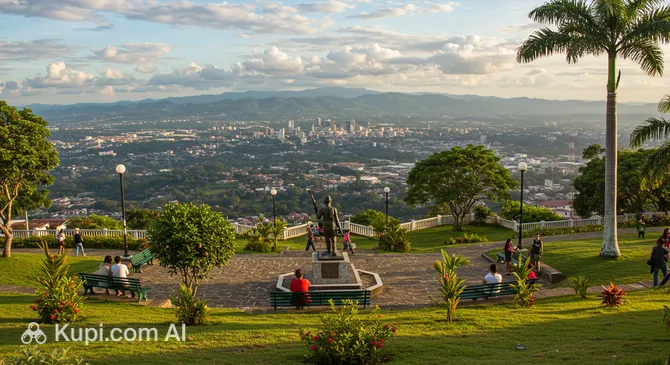
One of the most beloved green areas in the city is El Picacho Park, officially known as the United Nations Park. Perched high above the city center, this expansive park is famous for its cool pine-scented air and spectacular panoramic views of the valley below. It is a favorite weekend destination for local families who come to enjoy picnics, walking trails, and the serene atmosphere away from the city noise. The park is also home to the iconic Christ monument, making it a landmark that is impossible to miss.

El Picacho Park. Source: Kupi.Binoculars

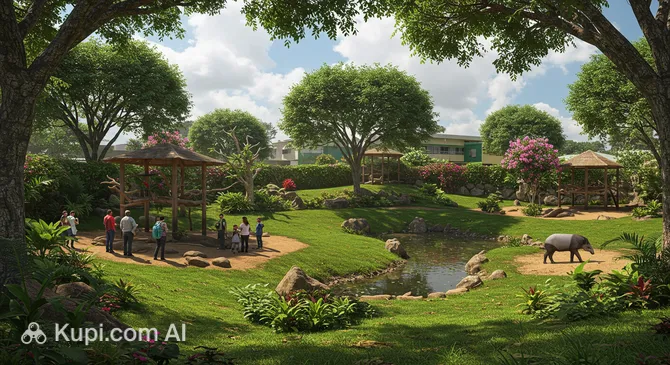
Located within the grounds of El Picacho is the Rosy Walther Metropolitan Zoo. This facility is a highlight for nature lovers, focusing on the conservation of species native to Honduras and the tropical region. Visitors can observe majestic jaguars, playful monkeys, and colorful macaws in a setting that takes advantage of the natural mountainous terrain. It provides an educational experience regarding the rich biodiversity of Central America.

Rosy Walther Metropolitan Zoo. Source: Kupi.Binoculars

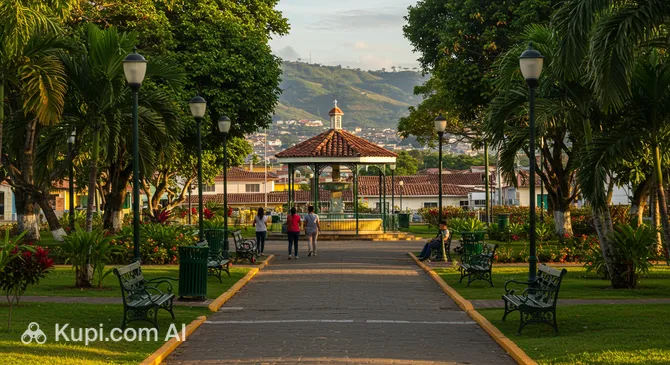
In the heart of the downtown area lies Central Park Tegucigalpa, the historic social hub of the capital. Unlike the quiet nature of the hilltop parks, this plaza is vibrant and energetic, constantly buzzing with activity. Surrounded by key historical buildings, it serves as a meeting point where street musicians play, vendors sell local crafts, and residents catch up on daily news. It is an excellent spot for people-watching and soaking in the authentic rhythm of the city.

Central Park Tegucigalpa. Source: Kupi.Binoculars

For a dose of culture and history, the Museum of National Identity (MIN) is an essential stop. Housed in the beautifully restored former Palace of Ministries, the building itself is a National Heritage site. Inside, the museum curates a journey through Honduran history and identity, featuring everything from geological exhibits to a virtual tour of the Mayan ruins of Copán. It stands as a testament to the nation's rich cultural tapestry.

Another unique venue is Chiminike, a center dedicated to interactive learning and culture. While often popular with younger visitors, its engaging exhibits on the environment, the human body, and Honduran traditions appeal to curious minds of all ages. It represents the modern side of Tegucigalpa's cultural offerings, focusing on education and innovation.

For those interested in historical landmarks, a visit to the Kilara Roundabout offers a glimpse into the city's urban evolution, marking a point of connection in the capital's road network. While smaller in scale, such monuments contribute to the story of the city's development.

Insider Tip: If you plan to visit El Picacho Park, try to go in the late afternoon. Not only will you avoid the midday sun, but you will also be rewarded with a breathtaking sunset over the city, followed by the twinkling lights of the capital coming to life beneath you.

Getting Around

Navigating Tegucigalpa relies entirely on a road-based network, as the city does not currently operate a metro, tram, or railway system due to its challenging mountainous topography. Public transportation is dominated by a mix of buses and taxis that cover the sprawling urban landscape. While the system is extensive and affordable, it can appear chaotic to first-time visitors, with routes often determined by landmarks rather than strict maps.

The backbone of the public transport system consists of two main types of buses. The larger, older vehicles, often referred to as "yellow buses" (buses amarillos), are the most economical option but tend to be slower and make frequent stops. For a faster journey, locals prefer the "rapiditos," which are smaller minibuses or vans. These are more agile in traffic and slightly more expensive than the large buses, but they can be quite crowded. Both types of buses display their destinations on the windshield, usually listing major neighborhoods or landmarks they pass.

Payment for public transport is strictly cash-based; there are no electronic travel cards or mobile ticketing apps for the bus network. Passengers pay the fare directly to the driver or a conductor ("cobrador") upon boarding or shortly after finding a seat. Fares are very low, typically costing just a few Lempiras. It is essential to carry small bills or coins, as drivers often have limited change for larger denominations.

Taxis are a ubiquitous alternative and play a crucial role in the city's mobility. They are easily enhancing identifiable by their white color and vehicle numbers. Taxis operate in two modes: "colectivos" and "directos." Colectivos function like shared buses, following fixed routes and picking up multiple passengers for a set, low fee. Directos are private rides that take you exactly where you want to go. Since taxis generally do not use meters, you must negotiate and agree on the fare with the driver before getting into the car to avoid misunderstandings.

For tourists seeking a balance between convenience and safety, ride-hailing apps have become increasingly popular. Services like Uber are available in the city and offer a more secure and comfortable alternative to traditional buses or street-hailed taxis. These apps provide the advantage of upfront pricing, GPS tracking, and cashless payment, which can be particularly reassuring for travelers unfamiliar with the language or local currency.

Public transport generally operates from early morning, around 5:00 AM, until early evening, typically winding down by 7:00 PM or 8:00 PM. Service becomes very scarce at night, so it is advisable to arrange private transportation if you plan to be out late. While the bus experience offers an authentic look at local life, most visitors find that using radio taxis or ride-sharing apps is the most practical and stress-free way to explore the city's attractions.

Accommodation

Travelers visiting Tegucigalpa will find a diverse array of accommodation options suited to various budgets and travel styles. The city offers everything from economical hostels and family-run guesthouses to modern mid-range hotels and luxurious international resorts. For those prioritizing safety and convenience, the districts of Colonia Palmira and the area around Boulevard Morazán are highly recommended. These neighborhoods are home to many embassies, upscale dining venues, and nightlife spots, making them a comfortable base for exploring the capital.

For visitors seeking top-tier amenities and comfort, the city boasts several high-quality establishments. One of the premier choices is the Real InterContinental Hotel Tegucigalpa, located in the heart of the business and entertainment district. It is well-regarded for its modern facilities, including a pool and spa, and its proximity to major shopping malls. Another excellent option for those looking for leisure and recreation is the Country Club & Golf, which offers a resort-style experience with extensive grounds.

Real InterContinental Hotel Tegucigalpa. Source: Kupi.Binoculars

When planning your stay, it is advisable to book your accommodation in advance, especially if you are visiting during the week when business travel is at its peak. Prices in Tegucigalpa are generally reasonable compared to other capital cities; budget options can be found for under $40 per night, while luxury stays typically range from $120 upwards. Most major hotels can be easily booked through international online platforms, which is often the best way to secure a competitive rate and ensure your reservation is confirmed before arrival.

Nearby Cities

For those looking to explore the surroundings, Tegucigalpa serves as an excellent base for day trips to several interesting nearby locations:

One of the most popular excursions is to Comayagua, the former colonial capital of Honduras. Located just over an hour from the city, it is renowned for its well-preserved Spanish colonial architecture and rich history. Visitors flock to the central plaza to admire the Cathedral of the Immaculate Conception, which houses one of the oldest functioning clocks in the Americas. The city is also famous for its vibrant Easter celebrations, where the streets are adorned with intricate sawdust carpets.

Heading east, travelers can visit Danlí, often referred to as the "City of Hills." This area is the heart of the country's tobacco industry and is surrounded by lush green landscapes. It offers a fascinating look into the production of world-class cigars and is also known for its annual Corn Festival, celebrating the region's agricultural heritage. Alternatively, Siguatepeque offers a refreshing stop with its cool climate and pine forests, known as the "City of Flowers" for its beautiful gardens and nurseries.

City Population Distance (km)
Comayaguela 1,250,000 7
Choluteca 152,519 84
Comayagua 144,785 66
Siguatepeque 95,121 92
Danlí 88,722 66

These nearby destinations offer a glimpse into the diverse culture and landscapes of the region.

Shopping & Souvenirs

Shopping in Tegucigalpa offers a contrasting experience that ranges from ultra-modern retail centers to vibrant, traditional markets. Visitors can spend the morning browsing international luxury brands in air-conditioned comfort and the afternoon exploring bustling street stalls filled with local handicrafts. Whether you are looking for high-end fashion, electronics, or authentic Honduran souvenirs, the capital provides a diverse commercial landscape that caters to all tastes and budgets.

For a traditional shopping atmosphere, the pedestrian street in the historic center, known as Paseo Liquidámbar, is a must-visit. This lively corridor connects key historical landmarks and is lined with a variety of shops selling shoes, clothing, and budget-friendly goods. It is a great place to soak in the local energy. On the other end of the spectrum, Boulevard Morazán offers a more upscale experience with boutique stores, banks, and plazas that cater to a wealthier clientele.

The city is home to several impressive shopping centers that serve as major social hubs. Multiplaza is arguably the most prestigious mall in the capital, featuring a wide array of international designer brands, a cinema, and extensive dining options. It is the go-to destination for luxury shopping. Another massive retail complex is City Mall, located closer to the airport area. It is one of the largest malls in Central America, offering hundreds of stores, entertainment zones for children, and a spacious food court.

Multiplaza. Source: Kupi.Binoculars

For a taste of local life, the city's markets are vibrant and colorful. Mercado Los Dolores, located near the church of the same name, is a popular spot where you can find fresh produce, leather goods, and traditional food stalls. It is cleaner and more organized than some of the larger wholesale markets, making it more accessible for tourists. Here, you can find everything from handmade sandals to fresh cheese and local spices.

When it comes to souvenirs, Tegucigalpa has plenty to offer. Coffee is a top choice, as Honduras produces some of the best beans in the world; look for bags from regions like Marcala or Copán in supermarkets or specialty shops. Handmade cigars are another prestigious local product. For arts and crafts, look for items made from mahogany wood, leather accessories, and Lenca pottery, which is distinctive for its black and white geometric patterns.

Most shopping malls and large department stores operate daily from 10:00 AM to 8:00 PM. Smaller shops and downtown businesses typically open around 8:00 AM and close by 5:00 PM or 6:00 PM, and many may close on Sundays. Major credit cards (Visa, MasterCard) are widely accepted in malls, hotels, and restaurants. However, if you plan to visit street markets or smaller vendors, carrying cash in Lempiras is essential, as electronic payment is rarely available in these settings.

Regarding taxes, a sales tax (ISV) of 15% (or 18% for alcohol and tobacco) is generally applied to goods and services. In most stores and restaurants, this tax is already included in the displayed price, but it is worth checking the receipt. Currently, there is no widely established tax-free refund system for tourists at the airport, so visitors should not expect to claim VAT back upon departure.

Reached the end of the page?

That means the route is fully explored