Support

Roatan

About

Roatan is the crown jewel of the Bay Islands, a destination renowned worldwide for its stunning turquoise waters and vibrant marine life. Situated approximately 65 kilometers off the northern coast of Honduras, this slender island offers a perfect blend of relaxation and adventure. With a permanent population of around 7,500 residents, it maintains a welcoming, intimate atmosphere while providing world-class tourism facilities that cater to travelers from around the globe.

The island's geography is defined by lush green hills rising from the Caribbean Sea, surrounded by the second-largest barrier reef on the planet. This proximity to the Mesoamerican Barrier Reef makes Roatan a premier destination for scuba diving and snorkeling, offering easy access to spectacular coral formations just meters from the shore. The tropical climate ensures warm temperatures year-round, inviting visitors to explore its sandy shores and dense jungles at any time.
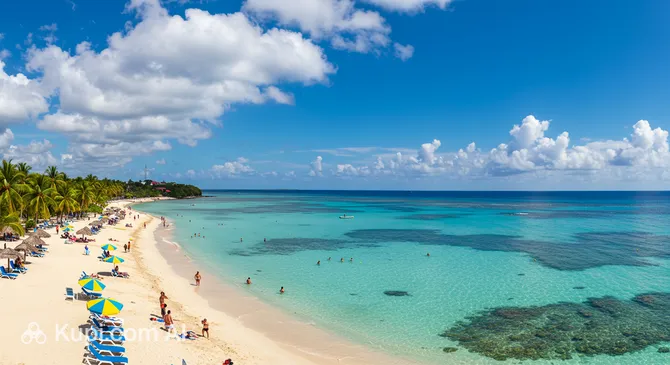
Roatan. Source: Kupi.Binoculars

Beyond its natural beauty, the island possesses a fascinating cultural tapestry. Exploring the history of Roatan reveals a unique blend of English, Spanish, and Afro-Caribbean influences, particularly the vibrant Garifuna culture. Visitors can experience this rich heritage in local villages like Punta Gorda, where traditional drumming, dancing, and cuisine provide a deep connection to the island's roots.

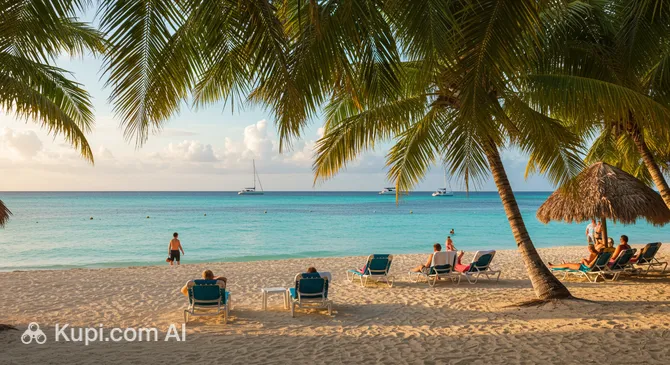
Key attractions include the pristine West Bay Beach, often cited as one of the best beaches in the Caribbean due to its powdery white sand and calm waters. For nature enthusiasts, Gumbalimba Park offers a chance to encounter friendly capuchin monkeys and sloths in a preserved tropical environment. Whether you are seeking to dive into the deep blue or simply lounge under a palm tree, Roatan promises an unforgettable escape into paradise.
Weather Overview

Roatan benefits from a tropical climate characterized by steady warmth, with average temperatures fluctuating gently between 24.9°C in January and 28.1°C in September. This consistent heat ensures that the Caribbean waters remain inviting for swimming and diving throughout the year. For a more comprehensive breakdown of seasonal trends, you can consult the guide to the weather in Roatan.

Rainfall patterns vary significantly depending on when you visit. The driest period typically occurs in spring, especially in April, which records only about 5 wet days, making it ideal for uninterrupted beach time. Conversely, the autumn months are much wetter, with October seeing rain on roughly 25 days. Expect warm, humid conditions year-round, with the clearest skies in spring and frequent showers likely from October through January.

Interesting Facts

Beyond the main attractions, Roatan holds many fascinating secrets and historical curiosities that often escape the average visitor's radar. From swashbuckling legends to geological marvels, the island offers plenty of surprises for those willing to look deeper.
Roatan Institute for Marine Sciences. Source: Kupi.Binoculars
  • A Pirate Haven: In the 17th century, the island served as a strategic stronghold for thousands of pirates, including the notorious Henry Morgan. Rumors persist to this day that hidden treasure remains buried within the caves near the old settlement of Port Royal, making the island’s history as thrilling as its landscape.

  • Open-Water Encounters: Unlike many other destinations, the Roatan Institute for Marine Sciences offers a rare educational experience with bottlenose dolphins. Here, visitors can observe and interact with these intelligent mammals in their natural open-ocean environment rather than in small, enclosed pools.

  • The Iron Shore: Parts of the coastline are defined by a phenomenon known as the "Iron Shore." This jagged, dark rock formation is actually fossilized coral reef that was raised above sea level thousands of years ago, creating a dramatic and sharp contrast to the soft white sands found on the beaches.

  • Conch Shell Art: Roatan is one of the few places in the world with a thriving industry dedicated to carving cameos from Queen Conch shells. Local artisans meticulously hand-carve intricate portraits and designs into the pink and white shells, creating unique jewelry that serves as a signature artistic tradition of the Bay Islands.

How to Get There

Reaching the island paradise of Roatan is straightforward, with options ranging from direct international flights to scenic ferry rides from the mainland. Whether you are arriving from a neighboring country or traveling within Honduras, you can find more about how to get to Roatan and choose the route that best fits your itinerary.

The most convenient entry point is the island's own Roatan Airport (RTB), also known as Juan Manuel Gálvez International Airport. It receives direct flights from several major international cities as well as frequent domestic connections. Located just 1.6 km from the town center, the airport is perfectly situated for a quick start to your vacation. A taxi ride to the main hotel zones typically takes about 20 to 25 minutes, making it an extremely accessible hub for visitors.

For travelers unable to fly directly to the island, the Ramon Villeda Morales International Airport (SAP) in San Pedro Sula is a major alternative. Situated approximately 178 km away on the mainland, this is the country's busiest airport and serves as a primary gateway for international arrivals. From here, you can take a short connecting domestic flight to Roatan or travel by bus to the coast to catch a ferry.

Another key transit point is the Goloson International Airport (LCE) in the coastal city of La Ceiba, located about 73.6 km from Roatan. This airport is particularly popular for regional connections. Many travelers fly here to board the ferry to Roatan, as the ferry terminal is just a short taxi ride away from the airfield.

For clarity, here is a summary of the main airports:

Airport Name City Passenger Traffic Km from City
Ramon Villeda Morales International Airport San Pedro Sula Large 178.0
Roatan Airport Roatan Medium 1.6
Goloson International Airport La Ceiba Medium 73.6
Dangriga Dangriga Small 195.3
Placencia Placencia Small 197.0

Since Roatan is an island, there are no railway services connecting it to the mainland. Aside from flying, the most popular way to arrive is by sea. The Galaxy Wave ferry operates regular services between the port of La Ceiba and Roatan. The ferry ride offers a scenic journey across the Caribbean Sea, taking approximately 75 to 90 minutes. It is a comfortable and reliable option for those who prefer to travel by water or are arriving on the mainland by bus.

Main Attractions

Roatan offers a diverse array of activities that go far beyond simple beach relaxation, ranging from adrenaline-pumping adventures in the jungle to immersive cultural experiences. Whether you are arriving by cruise ship or staying for a week, the island's attractions provide unique opportunities to interact with wildlife and explore the lush Caribbean landscape.

One of the most popular destinations for visitors, particularly those arriving by sea, is Mahogany Beach. This man-made paradise is located near the cruise port and is famous for its "Magical Flying Beach Chair," a chairlift system that transports guests from the terminal directly to the white sands. The beach offers excellent amenities, including calm waters for swimming, water sports equipment rentals, and a variety of dining options, making it a hassle-free spot for a day of sun and fun.

Mahogany Beach. Source: Kupi.Binoculars

For a mix of history, nature, and relaxation, Maya Key is an exceptional choice. Located on a private key just off the coast, this attraction features a rescue center for exotic animals, including jaguars and ocelots, as well as a biological garden. Visitors can also explore replicas of Mayan ruins to learn about the region's ancient heritage before cooling off in the swimming pool or snorkeling in the crystal-clear waters surrounding the islet.

Maya Key. Source: Kupi.Binoculars

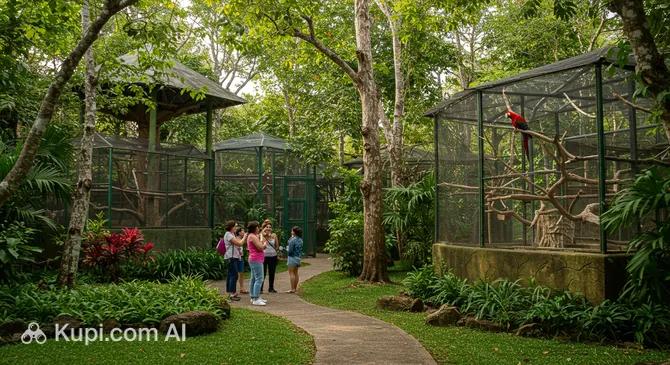
Nature lovers looking for a closer encounter with local wildlife should head to Mayan Eden. This eco-park is a sanctuary for some of the island's most beloved creatures. Here, you can walk through lush tropical gardens filled with butterflies and hummingbirds. The highlight for many is the opportunity to interact with friendly capuchin monkeys and sloths, offering a memorable hands-on experience in a safe and cared-for environment.

Mayan Eden. Source: Kupi.Binoculars

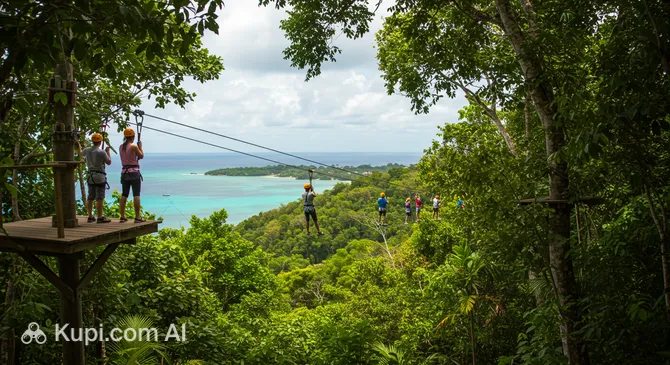
If you crave adventure and sweeping views, the Jungle Top Zipline offers one of the most thrilling perspectives of the island. Roatan is famous for its canopy tours, and this attraction allows you to soar high above the dense tropical forest. With a series of platforms and cables varying in length and height, it provides an adrenaline rush combined with spectacular panoramic vistas of the Caribbean Sea on both sides of the island.

Jungle Top Zipline. Source: Kupi.Binoculars

Local Cuisine

The culinary landscape of Roatan is a vibrant fusion of Spanish, Caribbean, and African influences, heavily reliant on the bounty of the surrounding sea. The island's food culture is defined by fresh ingredients, tropical fruits, and the generous use of coconut milk, which adds a rich, creamy texture to many local specialties. Whether you are dining in a high-end establishment or grabbing a quick bite from a street vendor, the flavors are bold, fresh, and distinctly Honduran.

Seafood is naturally the star of the show here. A must-try dish is the traditional Conch Soup (Sopa de Caracol), a savory coconut milk-based soup with tender conch meat, vegetables, and spices. It is arguably the most famous dish of the Bay Islands. Another staple is the Fried Fish (Pescado Frito), typically a whole red snapper served with crispy plantain slices known as tajadas, and a side of rice and beans cooked in coconut milk. For a lighter but equally delicious option, ceviche made from fresh shrimp, conch, or fish marinated in lime juice is widely available.

For breakfast or a hearty snack, you cannot miss the Baleada. This is Honduras' most iconic comfort food: a thick, handmade flour tortilla folded over mashed fried beans, salty cheese, and mantequilla (a local sour cream). "Loaded" versions often include avocado, eggs, or meat. It is an inexpensive, filling, and delicious way to start your day like a local.

El Velero Azul. Source: Kupi.Binoculars

When it comes to drinks, Roatan has its own signature cocktail: the Monkey La La. Often described as a "mudslide with a kick," this frozen concoction is made with vodka, coffee liqueur, Irish cream, coconut cream, and chocolate syrup. It is sweet, potent, and perfect for a hot afternoon. Beer lovers should try Salva Vida, the national lager of Honduras, which pairs perfectly with salty seafood dishes. For a non-alcoholic treat, fresh fruit juices and horchata (a spiced rice milk drink) are refreshing choices.

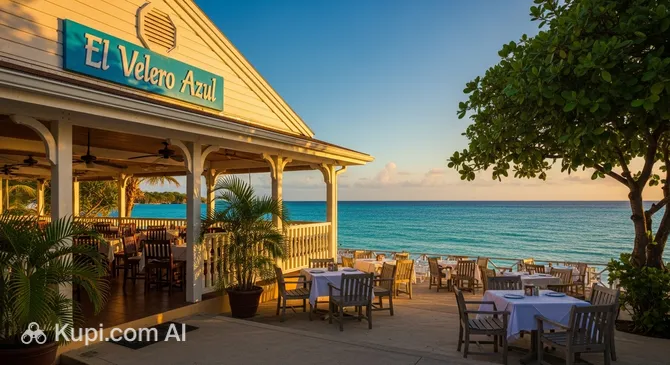
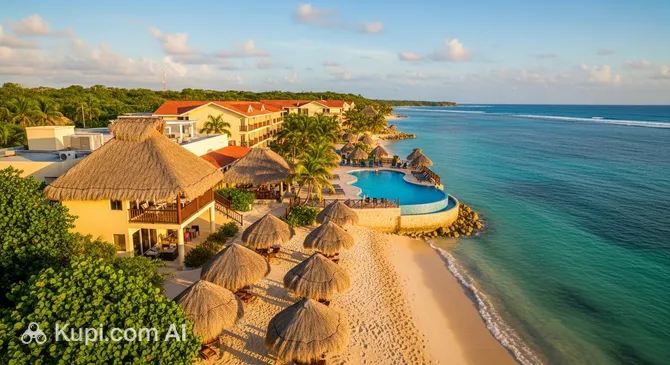
The dining scene on the island is diverse, ranging from rustic beach shacks to elegant waterfront terraces. The West End and West Bay areas are particularly known for their concentration of restaurants and lively atmosphere. For those looking to enjoy authentic flavors in a relaxed setting, places like El Velero Azul offer a welcoming environment to sample local cuisine. Alternatively, if you prefer dining with your toes in the sand, the Sol y Mar Beach Club provides excellent food and drinks right by the water, capturing the true essence of island life.

Travel Tips

Welcome to Roatan! To ensure your island getaway is as relaxing and seamless as possible, we have compiled a set of practical tips covering everything from packing essentials to navigating local customs. These insights will help you travel with confidence and enjoy the laid-back Caribbean atmosphere to the fullest.

  1. Clothing and Gear: Pack lightweight, breathable fabrics like cotton or linen to stay cool in the tropical heat. Since you will likely spend a lot of time in the water, bring multiple swimsuits and a pair of water shoes to protect your feet from coral and rocks. Crucially, pack a high-quality, reef-safe sunscreen to protect the marine ecosystem, and bring a strong insect repellent (preferably oil-based) to ward off the island's notorious "no-see-ums" or sand flies, which can be active on beaches at dusk.

  2. Transportation: There is no public metro or tram system on the island. The most common way to get around is by taxi or colectivo (shared mini-vans). Always agree on the fare before getting into a taxi, as they rarely use meters. For a scenic and practical route between popular spots like West End and West Bay, take a water taxi; it is an affordable and fun way to travel along the coast. Car rentals are available, but be prepared for narrow, winding roads.

  3. Finances: The official currency is the Honduran Lempira (HNL), but US Dollars are widely accepted and sometimes even preferred in tourist areas. However, bills must be in pristine condition; torn or old dollar notes are often rejected. It is best to carry smaller denominations for tips and local vendors. Credit cards are accepted at major hotels and restaurants, but cash is essential for smaller shops and taxis. ATMs are available in larger towns like Coxen Hole and West End.

  4. Health and Safety: Tap water is generally not safe to drink; always opt for bottled or purified water to avoid stomach issues. Pharmacies are readily available in the main towns, but checking their opening hours is wise as few are open 24/7. In terms of safety, Roatan is generally safe for tourists, but it is smart to avoid walking alone in unlit areas at night and to keep valuables secure, especially on crowded beaches.

  5. Communication: Unlike mainland Honduras, English is the first language for many native Islanders due to Roatan's British colonial history. You will hear a unique local Creole English, but standard English is understood almost everywhere in tourist zones. Spanish is the official language of the country, so knowing a few basic phrases like "Hola" (Hello) and "Gracias" (Thank you) is polite and appreciated by mainlanders working on the island.

  6. Local Etiquette: Islanders are friendly and polite; a simple greeting of "Good morning" or "Good afternoon" to passersby or when entering a shop goes a long way. Be prepared to embrace "Island Time"—service in restaurants and shops is often slower and more relaxed than what you might be used to. Patience and a smile are the best ways to handle the leisurely pace.

  7. What to Avoid: Never touch or stand on the coral reefs. The ecosystem is fragile, and touching it can kill the coral and harm marine life. Additionally, avoid buying souvenirs made from conch shells, turtle shells, or black coral unless you are certain they are certified, as exporting these items is often illegal and harmful to the environment.

  8. Plan Around Cruise Ships: Roatan is a major cruise port. If you are staying on the island, be aware that popular beaches like West Bay can become extremely crowded on days when multiple ships are in port. To beat the crowds, visit popular attractions early in the morning or later in the afternoon, or explore the quieter East End of the island on busy days.

By keeping these tips in mind, you will be well-prepared to navigate the island like a pro. Whether you are bargaining for a water taxi ride or snorkeling responsibly along the reef, a little preparation ensures that your memories of Roatan will be nothing short of paradise.

Entertainment & Nightlife

Roatan transforms as the sun sets, shifting from a laid-back diving mecca into a vibrant hub of Caribbean nightlife. While the island is far from a bustling metropolis with high-tech mega-clubs, it offers a lively and unpretentious evening scene that perfectly matches its tropical vibe. The atmosphere is universally casual; there is no need for high heels or dress shirts here. Shorts, flip-flops, and a sun-kissed glow are the standard attire for a night out, whether you are sipping cocktails on a pier or dancing to reggae beats under the stars.

The undisputed heart of the island's nightlife is West End. This village consists of a single sandy street lined with dive shops, restaurants, and bars that come alive after dark. It is the place to be for bar-hopping, live music, and mingling with a diverse crowd of locals, expats, and travelers. You can easily walk from one venue to another, sampling local beers and catching different musical acts, which range from acoustic covers of classic rock to energetic Garifuna drumming. The "Strip" in West End is safe and bustling, offering everything from karaoke nights to open-air dance floors right by the water.

For those staying in resorts or looking for organized evening entertainment, many hotels host their own cultural nights and fiestas. Anthony's Key Resort is well-known for its island-style events, which often feature traditional dancers, live bands, and fire shows. These evenings provide a fantastic way to experience the local culture in a comfortable, family-friendly setting before heading out to the wilder bars of West End if you wish to continue the party.

Anthony's Key Resort. Source: Kupi.Binoculars

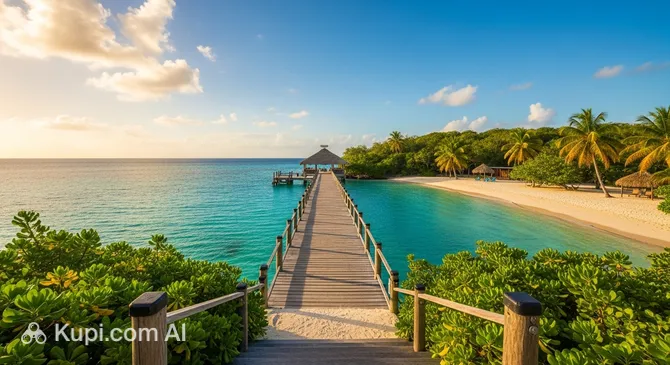
Sunset is a serious ritual on Roatan, marking the transition from day to night. Many visitors start their evening at beach clubs that offer the perfect vantage point for the "green flash." Sol y Mar Beach Club is an excellent spot to enjoy this transition. While it is a prime destination for daytime relaxation, its atmosphere becomes magical as the sky turns orange and pink, making it a great location for sundowners before moving on to dinner or late-night venues.

Sol y Mar Beach Club. Source: Kupi.Binoculars

Practical advice is essential for navigating the night. While water taxis are a popular way to move between West Bay and West End during the day, they typically stop running at sunset. If you plan to stay out late, you will need to arrange a land taxi to get back to your accommodation. Fares should be negotiated in advance. In terms of safety, the main street of West End is well-lit and populated, but you should avoid walking along the beach between settlements at night, as these stretches can be dark and isolated. Always travel in groups when possible and stick to the main roads.

While nightlife is a major draw, Roatan also offers low-key daytime entertainment beyond the beach. Cultural enthusiasts can explore small museums and galleries that showcase the island's history and pirate lore. For families, there are glass-bottom boat tours and animal sanctuaries that provide educational fun without the need for swimwear. However, as evening approaches, the pulse of the island undeniably shifts towards the rhythm of music and the clinking of glasses in the cool Caribbean breeze.

Parks & Museums

While Roatan is famous for its underwater wonders, the island also boasts lush green spaces and cultural venues that offer a deeper understanding of its heritage and ecology. Beyond the white sandy beaches, visitors can explore botanical gardens teeming with tropical flora and museums that narrate the island's intriguing history of pirates, indigenous cultures, and colonial influence.

For a true immersion into the island's terrestrial beauty, the Carambola Botanical Gardens in Sandy Bay is a must-visit. This sprawling 40-acre natural reserve offers a peaceful retreat into the jungle, featuring extensive hiking trails that wind through forests of ferns, orchids, and mahogany trees. A highlight for many is the hike to the summit of Carambola Mountain, which rewards trekkers with breathtaking panoramic views of the coral reef and the turquoise sea below. The gardens are also famous for the "Iguana Wall," a steep cliff face that serves as a natural breeding ground for prehistoric-looking iguanas.

Another significant green space is the Blue Harbor Tropical Arboretum, known for its unique combination of sustainable farming and botanical conservation. It features a massive hydroponic farm and a conservatory filled with exotic tropical flowers and fruit trees. Visitors can take guided tours to learn about local agriculture, enjoy the serenity of the duck pond, and spot a variety of native bird species. It is a fantastic spot for nature lovers who want to see the greener, quieter side of the island away from the beach crowds.

In terms of culture and history, the Roatan Museum is the premier institution on the island. Conveniently located within the Anthony's Key Resort in Sandy Bay, this museum provides a comprehensive overview of the Bay Islands' past. Exhibits cover everything from the geological formation of the reef and the pre-Columbian Paya civilization to the colonial era of pirates and British settlers. It is an educational stop that adds significant context to your vacation, explaining the unique blend of cultures that defines Roatan today.

Art enthusiasts should visit the Waves of Art Gallery in West End. This venue serves as a cultural hub, showcasing the work of talented local artists and artisans. The gallery features a vibrant collection of paintings, sculptures, and handmade jewelry that reflect the colors and spirit of the Caribbean. It is an excellent place to appreciate contemporary island culture and perhaps pick up a high-quality, authentic souvenir that supports the local creative community.

For a living history experience, a trip to Punta Gorda on the island's East End is essential. As the first settlement founded by the Garifuna people in 1797, it stands as a monument to their resilience and vibrant heritage. While not a museum in the traditional sense, the entire village acts as a cultural site where visitors can witness traditional thatched-roof architecture and experience the UNESCO-recognized Garifuna language, dance, and music firsthand.

Insider Tip: For a quirky and colorful cultural experience, stop by The Rusty Fish. It is a shop and open-air gallery where local artisans turn recycled metal, wood, and trash into whimsical art pieces. It’s a fun, eco-friendly example of island creativity that often goes unnoticed by standard tours.

Getting Around

Navigating Roatan is a distinct experience compared to exploring a bustling metropolis. The island does not possess a metro, tram, or large municipal bus network. Instead, the public transport system is informal and relies primarily on a fleet of minivans known as colectivos and a large number of taxis. Since the island has essentially one main road running along its spine, understanding the routes is straightforward, with most traffic flowing between the key settlements of Coxen Hole, French Harbour, and the tourist zones in the west.

The colectivos are the most economical way to travel and operate as shared minibuses. They run frequently between major towns like Coxen Hole, Sandy Bay, and West End. There are no official bus stops or printed schedules; to catch one, you simply stand by the side of the road and wave your hand as a van approaches. To exit, you just alert the driver or an assistant when you reach your destination. While they can be crowded and lack air conditioning, they offer a genuine and inexpensive slice of local life.

A unique and highly popular feature of the island's transport is the water taxi. These small boats provide a scenic link between the bustling West End and the pristine beaches of West Bay. Operating from designated docks, they allow you to skip the winding roads and enjoy a refreshing ride across the water. The trip takes about 10 to 15 minutes and offers spectacular views of the coastline, effectively turning a simple commute into a mini-sightseeing tour.

When it comes to payment, cash is the only accepted method. There are no travel passes, smart cards, or mobile ticketing apps available for public transport. You should carry small bills in the local currency or US dollars, as drivers often do not have change for large denominations. For colectivos, the fare is a set low price, usually collected by an assistant during the ride. For water taxis and private cars, it is crucial to agree on the price before you board, as rates can vary depending on the time of day and the number of passengers.

Private taxis serve as the primary alternative for those seeking more comfort or traveling with luggage. They do not use meters, so negotiation is standard practice. Be aware that unless you specify and pay for a "private" ride, drivers may stop to pick up other passengers going in the same direction, treating the car as a shared taxi. For complete independence, renting a scooter or a car is a popular choice, allowing you to explore the quieter, less accessible East End of the island at your own pace.

Tourists should keep in mind that public transport hours are limited. Colectivos and water taxis operate mainly during daylight hours and taper off significantly after sunset. If you plan to enjoy a late dinner or nightlife in a different town, you will likely need to arrange a private taxi for your return. Always confirm the operating hours of the last water taxi if you are relying on it to get back to your hotel in the evening.

Accommodation

Where to Stay:

Accommodation in Roatan caters to a wide spectrum of travelers, ranging from budget-friendly hostels and dive lodges to luxurious all-inclusive resorts and private vacation rentals. The island is divided into several distinct zones, each offering a different atmosphere. West Bay is renowned for its upscale resorts and pristine white sands, making it the preferred choice for families and luxury seekers. In contrast, West End offers a more bohemian vibe with a concentration of mid-range hotels, vibrant nightlife, and affordable guesthouses favored by divers and backpackers. For those seeking tranquility and a connection with nature, the Sandy Bay area provides a quieter, more residential setting nestled among the mangroves.

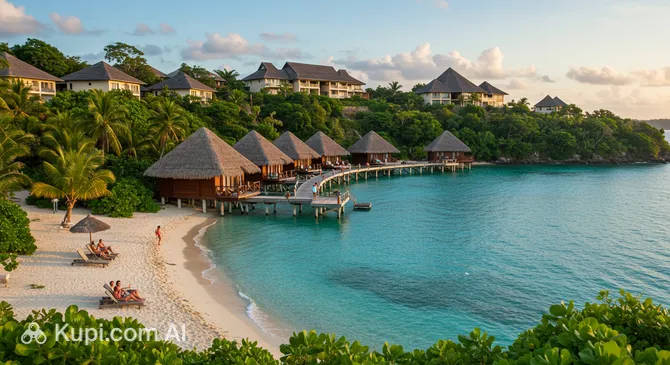
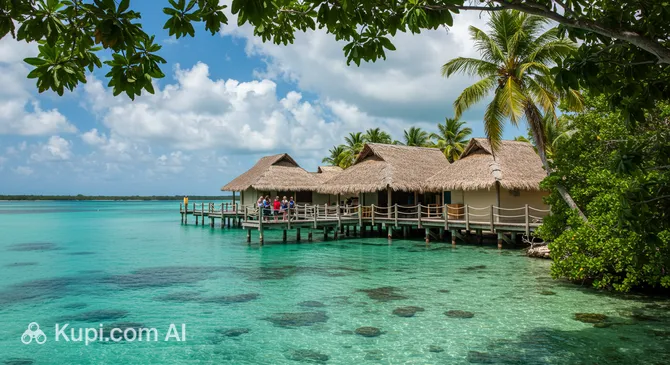
For visitors looking for a classic Caribbean resort experience, the island offers several well-established properties. Anthony's Key Resort in Sandy Bay is a standout example, famous for its overwater bungalows and immersive nature experiences that appeal to divers and families alike. Another popular option for those who want immediate access to the sea and amenities is the Sol y Mar Beach Club, which combines comfortable lodging with extensive beach facilities, ensuring a relaxing stay right by the water.

Beyond traditional hotels, the vacation rental market is thriving. Many tourists, especially groups or those staying for an extended period, opt for private villas or condos. These rentals are widely available along the northern and southern shores, offering privacy and the convenience of a kitchen. Eco-lodges are also gaining popularity, particularly in the East End, where the focus is on sustainability and off-the-grid living, allowing guests to wake up to the sounds of the jungle.

Prices vary significantly depending on the season and location. Budget travelers can find dormitory beds or simple rooms for a modest price in West End, while high-end resorts in West Bay command premium rates, particularly during the peak season from December to April. It is highly recommended to book your accommodation well in advance if you plan to visit during these months or around major holidays like Easter. Most properties can be easily booked through major online platforms, though some smaller, family-run guesthouses may prefer direct contact via email or their own websites.

Nearby Cities

For those looking to explore beyond the island life, Roatan serves as a gateway to the Honduran mainland, offering opportunities for day trips or short excursions to interesting nearby locations. While the island itself is a paradise, the coast across the water provides a different perspective on the region's geography and culture.

The most accessible and popular destination for a short visit is La Ceiba. Known as the "Eco-Tourism Capital of Honduras," it is the primary transit hub for ferries connecting to the Bay Islands. Visitors often stop here to explore the magnificent Pico Bonito National Park, which offers world-class hiking, birdwatching, and white-water rafting on the Cangrejal River. Another notable location is Puerto Cortés, the country's most important seaport. While further away, it is known for its busy maritime atmosphere and nearby beaches like Cienaguita, offering a glimpse into the industrial and coastal life of the mainland.

City Population Distance (km)
Choloma 227,535 172
La Ceiba 205,775 68
El Progreso 188,366 171
Puerto Cortés 122,426 160
Catacamas 117,493 179

These nearby destinations offer a glimpse into the diverse culture and landscapes of the region.

Shopping & Souvenirs

Shopping in Roatan offers a delightful mix of high-end duty-free goods and unique, handcrafted island treasures. While you will not find massive luxury fashion boulevards, the island provides a distinct retail experience where you can purchase everything from diamonds to locally made hot sauce. The shopping scene is largely divided between the modern complexes near the cruise ports and the eclectic, open-air boutiques scattered across the tourist villages.

For authentic local souvenirs, West End is the premier destination. This walkable seaside village is lined with small shops and stalls selling colorful Mayan-style hammocks, hand-carved wooden chests, and vibrant ceramics. It is also the best place to find artwork created by local painters and sculptors. If you are looking for something truly unique to the Bay Islands, seek out Conch Shell Cameos. Roatan is one of the few places in the world where artisans hand-carve intricate portraits and landscapes directly into pink conch shells, creating exquisite jewelry that captures the spirit of the ocean.

Visitors interested in a more modern or practical shopping experience should head to French Harbour, home to the Mega Plaza Mall. This is the island's largest shopping center, featuring a supermarket, clothing stores, a pharmacy, and a food court. It is the go-to spot for essentials, beachwear, and electronics. Meanwhile, the bustling town of Coxen Hole offers a more chaotic but genuine local market atmosphere, where vendors sell fresh produce, clothing, and household goods alongside souvenir stalls catering to cruise ship passengers.

The island is also a haven for duty-free shopping, particularly within the cruise port areas of Town Center at Port of Roatan and Mahogany Bay. Here, travelers can find excellent deals on international brands of jewelry, watches, perfume, and liquor. Honduras is also famous for its high-quality exports, so be sure to look for bags of rich Honduran coffee and boxes of premium hand-rolled cigars, which make for perfect gifts to take back home.

Most shops in tourist areas accept US dollars, though you may receive change in Lempiras. Credit cards are widely used in established stores and malls, but cash is king when dealing with smaller street vendors. Bargaining is acceptable and expected in open-air markets and stalls, so do not hesitate to negotiate a fair price for your handicrafts. However, prices in boutiques, supermarkets, and duty-free shops are generally fixed.

Reached the end of the page?

That means the route is fully explored