Support

San Pedro Sula

About

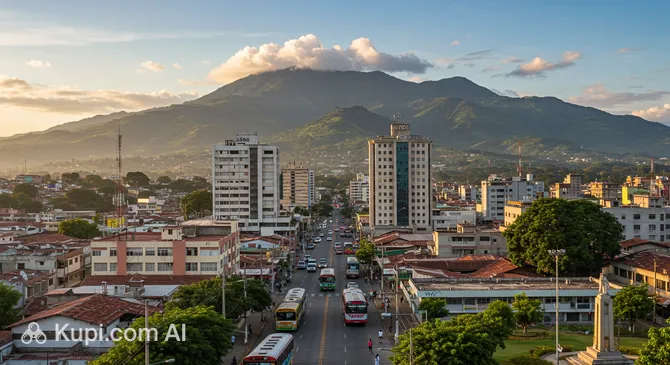
San Pedro Sula is a dynamic metropolis and the undisputed industrial powerhouse of Honduras. Often referred to as the "Industrial Capital," this city pulses with energy and commerce, serving as a vital transportation hub for the entire region. Located in the northwest corner of the country in the Cortés department, it sits within the fertile Sula Valley. With a population of approximately 760,000 residents, it is the second-largest city in the nation and offers a lively urban atmosphere distinct from the capital.

San Pedro Sula. Source: Kupi.Binoculars

The city is known for its warm, tropical climate, which fuels the lush vegetation surrounding the urban area. While it is primarily celebrated as a modern commercial center, the history of San Pedro Sula dates back to the 16th century, and traces of its evolution can still be found in its cultural institutions. The Museum of Anthropology and History is a fantastic place to learn about the region's pre-Columbian heritage and colonial past.

Travelers looking for authentic local experiences should visit the renowned Guamilito Market. This bustling market is famous for its colorful flower stalls, traditional handicrafts, and freshly made corn tortillas. For nature lovers and fitness enthusiasts, a hike up to the Coca-Cola Sign in the Merendón mountain range offers a rewarding challenge and provides spectacular panoramic views of the city below. As a major gateway to the Caribbean coast and the Mayan ruins of Copán, San Pedro Sula is an essential stop that invites visitors to discover the heart of Honduran commerce and culture.

Weather Overview

San Pedro Sula experiences a warm tropical climate year-round, making it a destination where light clothing is suitable for almost any season. The temperatures are remarkably consistent, with average daily highs typically reaching between 25°C and 31°C. May tends to be the warmest month, seeing maximum temperatures climb above 31°C, while December and January are slightly cooler, offering pleasant evenings with lows around 20°C.

Rainfall is a frequent occurrence, although the intensity and frequency vary by season. The city sees a high number of wet days from June through October, where it is common to experience some precipitation almost every day. Conversely, the months of February through April are generally drier, with fewer rainy days recorded. Travelers should be prepared for humid conditions and occasional showers regardless of when they visit. To help choose the best time for your activities, check the detailed forecast for weather in San Pedro Sula before your trip.

Interesting Facts

Beyond its reputation as an industrial powerhouse, San Pedro Sula holds fascinating secrets that narrate its evolution from a colonial outpost to a modern metropolis. The city's history is woven with indigenous heritage and unique urban development that sets it apart from the rest of the country.
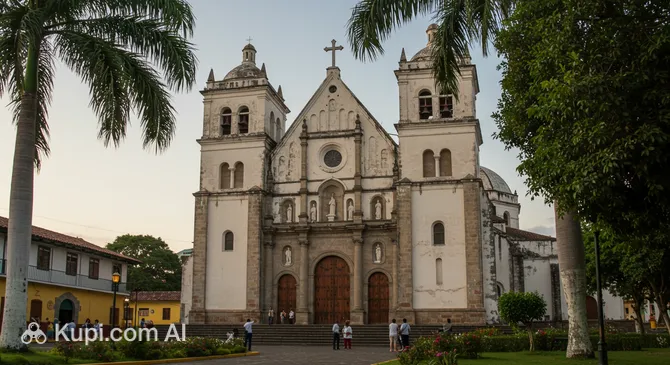
St. Peter the Apostle Cathedral. Source: Kupi.Binoculars
  • The name of the city has a poetic origin rooted in the region's biodiversity. The suffix "Sula" was added to the original Spanish name to distinguish it from other towns named San Pedro; it is derived from the indigenous Usula dialect, translating to "Valley of Birds," which pays homage to the rich avian life in the valley.

  • Unlike the winding, maze-like streets found in many historic Spanish colonial cities, the downtown area features a logical, numbered grid system. This modern layout is a legacy of the 20th-century banana trade boom and radiates outward from the bustling Central Park of San Pedro Sula, making navigation surprisingly straightforward.

  • The city hosts one of the largest celebrations in Honduras, the Feria Juniana, which takes over the streets every June. This month-long festival honors the patron saint, Saint Peter, with vibrant carnivals, parades, and concerts that often center around the iconic St. Peter the Apostle Cathedral.

  • Locals often refer to the towering Merendón Mountain range as the "lungs of the city." These mountains are not just a scenic backdrop but are legally protected to safeguard the city's water supply, creating a unique relationship where dense tropical cloud forests exist just minutes from the urban core.

How to Get There

San Pedro Sula serves as a major transportation hub for northern Honduras, making it quite accessible for international and domestic travelers. Whether you are arriving for business or to explore the nearby natural wonders, understanding your arrival options is the first step. For a complete guide on all travel methods, including land borders and bus routes, read more about how to get to San Pedro Sula.

The most convenient entry point is Ramon Villeda Morales International Airport (IATA: SAP), located directly in San Pedro Sula. It is the busiest airport in the country, handling a large volume of international traffic. Situated just 12.4 km from the city center, the transfer is quick and straightforward. A taxi or shuttle ride typically takes around 40 minutes, depending on traffic conditions. This airport is the best choice for those wanting to land right at the heart of the region's industrial capital.

If you cannot find a direct flight to San Pedro Sula, you might consider flying into Goloson International Airport (IATA: LCE) in the city of La Ceiba. Located approximately 128.5 km away, this airport serves as a regional gateway, particularly for the Caribbean coast. From La Ceiba, the journey to San Pedro Sula by road takes about 3.5 hours. Another significant option is the Coronel Enrique Soto Cano Air Base (IATA: XPL), serving Tegucigalpa, which is about 132 km away; travel from there involves a longer road trip of roughly 3.5 to 4 hours.

For clarity, here is a summary of the main airports in the vicinity:

Airport Name City Passenger Traffic Km from City
Ramon Villeda Morales International Airport San Pedro Sula High 12.4
Coronel Enrique Soto Cano Air Base Tegucigalpa High 131.7
Goloson International Airport La Ceiba Medium 128.5
Dangriga Dangriga Low 164.9
Placencia Placencia Low 119.7

Main Attractions

San Pedro Sula offers a diverse mix of cultural heritage, modern entertainment, and lively urban spaces. While it is known primarily for business, the city boasts several landmarks that provide insight into its history and daily life. Whether you are interested in ancient artifacts, shopping, or relaxing in green spaces, there are interesting spots to explore during your stay.

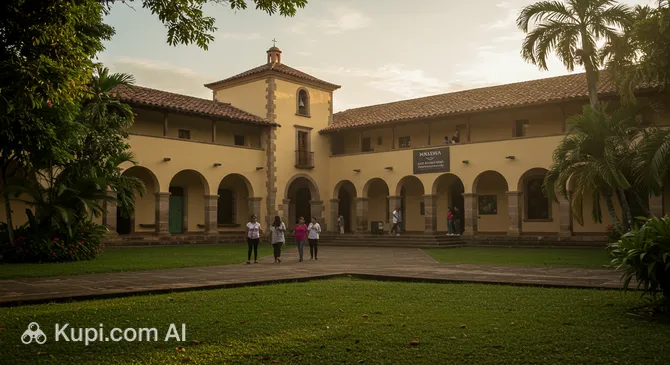
Museum of Anthropology and History. Source: Kupi.Binoculars

One of the most significant cultural institutions in the region is the Museum of Anthropology and History. This facility is fascinating for tourists because it offers a comprehensive look at the Sula Valley's past, from pre-Columbian times to the modern era. Exhibits include pottery, tools, and artifacts from indigenous groups, as well as displays detailing the impact of the banana industry on the city's development. It provides a quiet and educational break from the bustling city streets.

For a taste of local life, head to the Central Park of San Pedro Sula. Located right in the heart of the downtown area, this plaza is a traditional meeting point for residents and a great spot for people-watching. Visitors can admire the gazebo, enjoy the shade of the trees, or grab a snack from nearby vendors. It serves as a central landmark that connects you to other key sites, including the city's cathedral and the pedestrian shopping street.

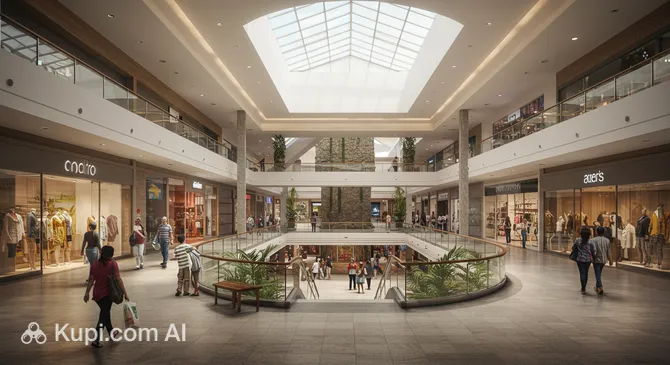
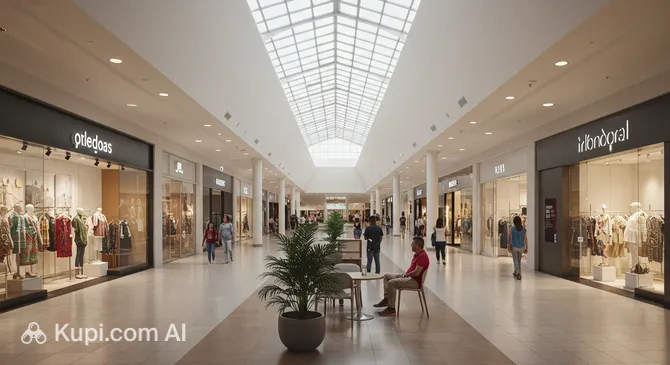
MegaMall San Pedro Sula. Source: Kupi.Binoculars

Reflecting the city's status as a commercial hub, MegaMall San Pedro Sula stands out as a premier destination for shopping and entertainment. It is interesting to tourists not just for its extensive range of international and local brands, but also as a modern refuge where you can enjoy air-conditioned comfort, a variety of dining options at the food court, and cinema facilities. It is a lively place to experience the modern lifestyle of the Sampedranos.

Presentación Centeno Children's Park. Source: Kupi.Binoculars

If you are traveling with family or simply want to enjoy nature within the city limits, the Presentación Centeno Children's Park is a delightful choice. This park is known for its refreshing atmosphere and recreational facilities, including pools and playgrounds. It is a popular weekend spot for locals and offers a relaxing environment where visitors can unwind and enjoy the tropical greenery away from the industrial noise.

Local Cuisine

The culinary landscape of San Pedro Sula is as vibrant and energetic as the city itself. Known for generous portions and bold flavors, the local cuisine is a highlight for any visitor. The undisputed king of street food here is Pollo con Tajadas, affectionately known by locals as "Pollo Chuco." This signature dish consists of crispy fried chicken served atop a bed of fried green banana slices (tajadas), smothered in cabbage salad, chismol (pico de gallo), and a special creamy sauce. It is a hearty meal that originated in this region and can be found everywhere, from humble roadside stands to established eateries.

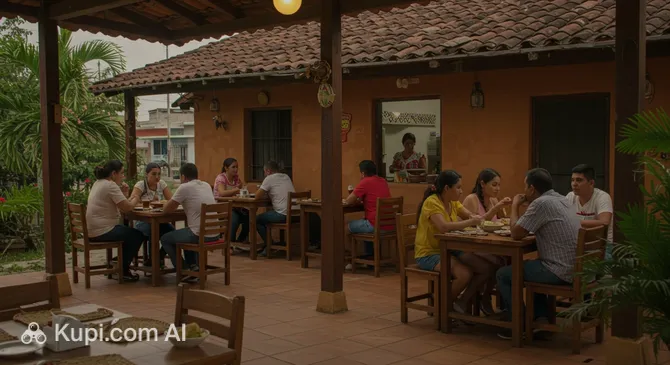
Another staple you must try is the Baleada, arguably Honduras' most famous culinary export. While popular throughout the country, the ones in San Pedro Sula are often renowned for their size and variety of fillings. A classic baleada is a thick flour tortilla folded over refried red beans, crumbled cheese, and mantequilla (local sour cream). For a taste of traditional corn-based delicacies, visitors can seek out places like La Campesina de las Riguas. Here, you can sample riguas, which are sweet corn pancakes cooked in banana leaves, offering a delicious blend of savory and sweet flavors typical of the countryside.

La Campesina de las Riguas. Source: Kupi.Binoculars

To quench your thirst in the tropical heat, locals often turn to refreshing natural beverages. Horchata, made from rice, morro seeds, and spices, is a popular non-alcoholic choice that pairs perfectly with spicy food. For those looking to explore the nightlife and adult beverages, the city has a growing scene for enthusiasts. While national lagers like Salva Vida are ubiquitous, spots like Lúpulos Craft Beer offer a modern twist with artisanal brews. If you prefer a more relaxed atmosphere to enjoy a drink, Zeppelin Bar is another venue where you can unwind after a day of sightseeing.

The food culture in San Pedro Sula is a mix of traditional market dining and modern convenience. For an authentic breakfast or lunch, the food court at the Guamilito Market is legendary, serving handmade tortillas and regional soups. On the other end of the spectrum, the city offers sophisticated dining experiences and well-stocked establishments like Comisariato Los Andes, which is known for its high-quality products. Whether you are eating at a plastic table on the street or in an air-conditioned restaurant, the hospitality and flavor of the Sampedrano kitchen are sure to leave a lasting impression.

Travel Tips

Welcome to San Pedro Sula, the energetic heartbeat of Honduras! To ensure your visit to this bustling industrial hub is as smooth and enjoyable as possible, we have compiled a list of essential practical tips to help you navigate the city with confidence.

  1. Clothing and Gear: Given the city's tropical climate, lightweight and breathable fabrics like cotton or moisture-wicking materials are your best friends. The heat can be intense, so pack comfortable walking shoes, sunglasses, and a hat. Since rain showers are frequent, especially from June to October, carrying a compact umbrella or a light rain jacket is highly recommended. If you plan to visit religious sites like the cathedral, remember to dress modestly, covering your shoulders and knees.
  2. Transportation: While public buses are available, they can be crowded and confusing for visitors. The safest and most convenient way to get around is by using radio taxis or ride-hailing apps like Uber, which are widely operational in the city. If you choose to rent a car, be prepared for heavy traffic during peak hours. It is generally advisable to avoid walking long distances at night; instead, opt for a secure vehicle to reach your destination.
  3. Finances: The local currency is the Honduran Lempira (HNL). While US dollars are accepted in many major hotels and large stores, it is best to carry local cash for small purchases, markets, and street food. Credit cards are widely accepted in shopping malls and restaurants. ATMs are plentiful, but for safety, use those located inside banks or shopping centers. A tip of around 10% is customary in restaurants if a service charge hasn't already been added.
  4. Health and Safety: Pharmacies are common throughout the city, with major chains like Farmacia Simán or Kielsa often having 24-hour branches. It is crucial to drink only bottled or purified water; avoid tap water to prevent stomach issues. Regarding safety, stick to well-lit, populated areas such as the "Zona Viva" or shopping districts, and avoid wearing flashy jewelry or displaying expensive electronics in public.
  5. Communication: Spanish is the official language. While staff in major hotels and business centers usually speak English, it is not as widely spoken in local markets or smaller shops. Learning a few basic phrases like "Buenos días" (Good morning) and "Gracias" (Thank you) goes a long way. For mobile data, you can easily purchase a prepaid SIM card from providers like Tigo or Claro at the airport or any mall; getting connected is helpful for maps and translation apps.
  6. Local Etiquette: Hondurans are generally warm and polite. A handshake is a standard greeting, often accompanied by a friendly "Hola." When entering a shop or boarding a vehicle, it is polite to greet the person. If you wish to take photos of locals, especially in markets, always ask for permission first with a smile.
  7. What to Avoid: Do not leave your drink unattended in bars or clubs, and avoid hailing random taxis on the street if possible; sticking to hotel-dispatched taxis or apps is much safer. Also, try to avoid discussing sensitive political topics with strangers to keep interactions friendly and neutral.
  8. Beat the Heat: San Pedro Sula is known for its high temperatures. Plan your outdoor excursions, such as hiking the Merendón mountains, for the early morning. During the hottest part of the day (midday to early afternoon), take a cue from the locals and retreat to the air-conditioned comfort of the city's modern shopping malls or museums.

By keeping these practical tips in mind, you will be well-prepared to explore the vibrant culture and commerce of San Pedro Sula. Embrace the local rhythm, enjoy the delicious cuisine, and have a safe and memorable trip!

Entertainment & Nightlife

San Pedro Sula transforms as the sun sets, shedding its industrial skin to reveal a vibrant and energetic nightlife scene. The heart of the action is undoubtedly the "Zona Viva," primarily located in the **Barrio Río de Piedras** and **Los Andes** districts. These areas are packed with a high concentration of bars, lounges, and nightclubs, making it easy to hop from one venue to another. The atmosphere is generally lively and welcoming, catering to a diverse crowd of young professionals, expats, and tourists looking to unwind.

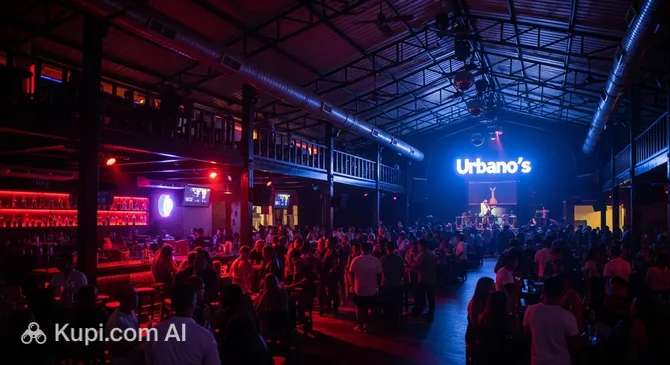
Urbano's Restaurante Bar. Source: Kupi.Binoculars

For those seeking a spirited night out with music and good drinks, Urbano's Restaurante Bar is a popular choice. This venue captures the essence of the city's modern nightlife, offering a mix of dining and entertainment that often transitions into a party atmosphere as the night progresses. It is an excellent spot to experience the local social scene, where the music ranges from Latin pop to international hits.

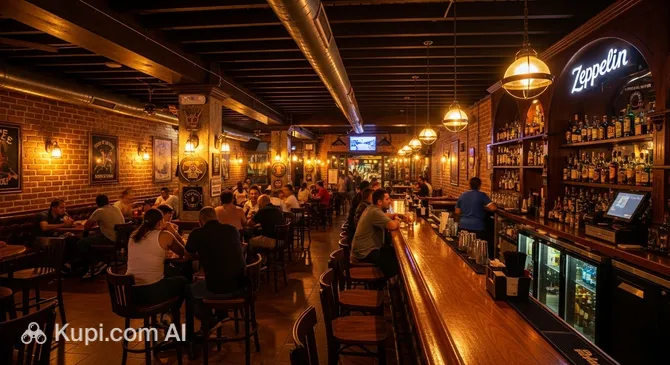
If you prefer a more laid-back environment with a distinct character, Zeppelin Bar is a must-visit institution in the city. Known for its classic rock ambiance and bohemian style, it attracts a crowd that appreciates good conversation and a relaxed vibe over thumping bass. It is the perfect place to enjoy a cold beer and immerse yourself in a setting that feels both alternative and authentically Honduran.

Zeppelin Bar. Source: Kupi.Binoculars

Beyond the bars and clubs, the city offers plenty of entertainment options for the daytime and early evening. Families and curious minds should not miss the Little Sula Children's Museum, an interactive space designed to educate and entertain younger visitors. For a more conventional leisure experience, Multiplaza San Pedro Sula provides a comprehensive entertainment complex with modern cinemas, making it a great option for catching the latest movies or enjoying an evening of window shopping in air-conditioned comfort.

When enjoying the nightlife, safety and convenience should be your top priorities. The most bustling nights are from Thursday to Saturday. While the Zona Viva is generally well-patrolled, it is advisable not to walk long distances between venues late at night; instead, use radio taxis or ride-hailing apps like Uber to move around. Dress codes vary, but "smart casual" is a safe bet for most clubs and upscale bars. Prices are reasonable by international standards, with domestic beers often costing between $2 and $4, and cocktails ranging from $5 to $10.

Parks & Museums

While San Pedro Sula is widely recognized as an industrial powerhouse, the city also offers a surprising array of green spaces and cultural institutions that provide a welcome respite from the urban bustle. Visitors can explore lush parks that serve as the city's lungs and museums that safeguard the rich history and heritage of the Sula Valley, offering a well-rounded travel experience.

For a deep dive into the region's past, the Museum of Anthropology and History is the city's premier cultural venue. This institution is essential for tourists interested in understanding the area's evolution, housing an impressive collection that ranges from pre-Columbian pottery and artifacts to exhibits on the Spanish conquest and the banana boom. It provides a fascinating narrative of how the Valle de Sula has developed over centuries, making it a must-visit for history buffs.

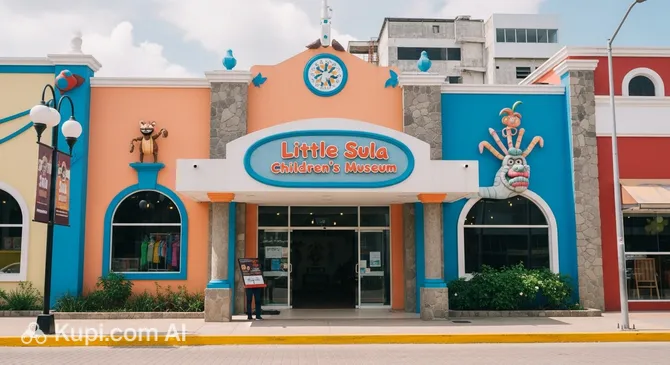
Little Sula Children's Museum. Source: Kupi.Binoculars

Families and those traveling with children will find the Little Sula Children's Museum (Museo para la Infancia el Pequeño Sula) to be a delightful stop. This interactive museum focuses on science, technology, and the environment, offering hands-on exhibits that encourage learning through play. It includes a planetarium and various themed rooms, making it an engaging educational destination that highlights the city's commitment to youth and learning.

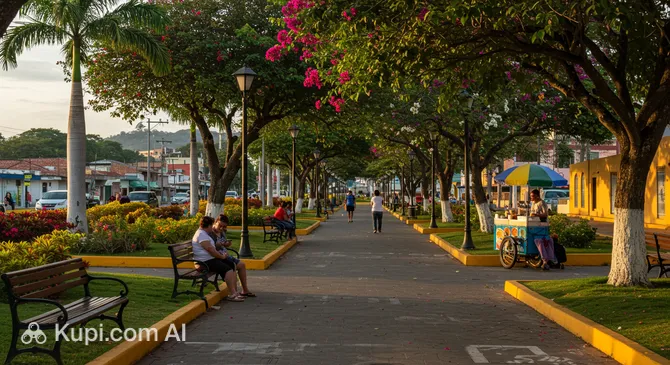
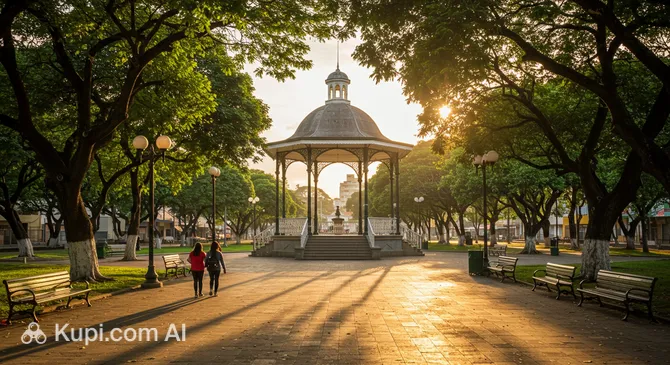
When it comes to green spaces, the heart of the city beats at the Central Park of San Pedro Sula. This bustling plaza is more than just a park; it is a social hub where locals gather to chat, rest, and enjoy the shade of mature trees. Facing the park is the majestic St. Peter the Apostle Cathedral, an architectural landmark featuring beautiful stained glass and a serene interior. The park is an excellent starting point for a walking tour and offers a genuine slice of daily life in the city.

Central Park of San Pedro Sula. Source: Kupi.Binoculars

For a more immersive nature experience, the Presentación Centeno Children's Park offers expansive grounds perfect for picnics and outdoor recreation. However, the true natural gem of the area is the Merendón Mountain Range, which towers over the city. While not a traditional manicured park, this protected reserve is famous for the "Coca-Cola Sign" trail. It is a favorite spot for locals to exercise and enjoy panoramic views, acting as a massive urban forest that defines the city's geography.

For an insider experience, consider visiting Angeli Gardens. Located at the foot of the Merendón mountains, this private reserve offers well-maintained hiking trails, a canopy tour, and a restaurant set within the forest. It is a peaceful hideaway that feels miles away from the city center, perfect for enjoying a craft beer or a meal surrounded by nature.

Getting Around

The public transportation system in San Pedro Sula relies primarily on a vast network of buses and minibuses, as the city does not have a metro, tram, or train service for local commuting. The most ubiquitous form of transport is the rapidito, a small minivan that connects various neighborhoods with the city center. These are generally faster than the larger, traditional buses, often recognizable as older yellow school buses. While the network is extensive and covers nearly every corner of the urban area, it operates on an informal basis without strict timetables.

Payment for public transport is strictly cash-based, and the system is quite traditional. There are no electronic travel cards, passes, or mobile apps available for paying bus fares. Passengers simply pay the driver or the conductor (often called the ayudante) upon boarding or during the ride. Fares are very affordable, costing just a few Lempiras, so it is essential to carry small bills and coins. Drivers rarely have change for large denominations, and having the exact fare ready will make your journey smoother.

For tourists, navigating the bus system can be an adventure due to the lack of official maps or clearly marked stops. Routes and major destinations are typically painted or displayed on the windshields of the vehicles. If you decide to take a bus, it is best to do so during daylight hours, as service becomes irregular and less safe after sunset. You can usually flag down a bus anywhere along its route, but it is advisable to wait at areas where locals are gathering.

Given the complexity of the bus network, many visitors prefer using taxis for convenience and comfort. Official taxis are white and can be easily hailed on the street or found at designated stands near shopping malls and hotels. It is important to note that taxis in San Pedro Sula do not use meters; you must negotiate and agree on the fare with the driver before getting in. There are also colectivos, which are shared taxis that run along fixed routes similar to buses but offer a slightly faster and more comfortable ride for a set price.

For a more modern and secure alternative, ride-sharing apps like Uber are widely available and highly popular in the city. Using an app is often the best advice for tourists, as it provides GPS tracking, upfront pricing, and the ability to pay with a credit card, eliminating the need to haggle or carry cash. While car rentals are available for those who want total independence, traffic can be heavy and driving styles aggressive, so ride-sharing often remains the most stress-free option for getting around.

Accommodation

As the industrial and commercial hub of Honduras, San Pedro Sula offers a wide array of accommodation options tailored largely to business travelers, but equally suitable for tourists. The city's hospitality landscape ranges from high-end international hotel chains and luxury resorts to modest, budget-friendly guesthouses. Because the city draws a steady stream of corporate visitors, the standard of service and amenities in the mid-range and luxury sectors is generally quite high, often featuring swimming pools, fitness centers, and reliable Wi-Fi.

The most popular and convenient area for tourists to stay is the district known as the Zona Viva, particularly around the Avenida Circunvalación and the neighborhoods of Barrio Río de Piedras and Los Andes. Staying in this part of the city places you within walking distance of the best restaurants, nightlife, and shopping centers, including Multiplaza San Pedro Sula. This area is considered one of the safest and most modern parts of town, making it an ideal base for exploring. Conversely, the downtown area (El Centro) offers cheaper accommodation options, but it is much busier during the day and less recommended for walking around at night.

Multiplaza San Pedro Sula. Source: Kupi.Binoculars

Regarding costs, travelers will find that prices are competitive compared to other major Central American cities. Budget travelers can find hostels and small local hotels for approximately $25 to $45 per night. Mid-range options, which often include breakfast and secure parking, typically range from $60 to $100. For luxury stays at major international brand hotels, expect to pay upwards of $120 per night. These higher-end establishments often provide shuttle services to and from the airport, adding an extra layer of convenience and security.

Booking Tip: Since San Pedro Sula hosts many conventions and business conferences throughout the year, hotels can fill up quickly during the week. It is highly recommended to book your accommodation in advance, especially if you plan to visit during the Feria Juniana in June. Most major hotels can be booked via popular online platforms, which often offer better rates than walking in, while smaller, family-run establishments may prefer direct contact via WhatsApp or phone.

Nearby Cities

For those looking to explore the surroundings, San Pedro Sula serves as an excellent base for day trips to several interesting nearby locations. Whether you are seeking sun-soaked Caribbean beaches, botanical wonders, or a taste of local port life, the region offers diverse experiences just a short drive from the city center.

One of the most popular getaways is Tela, located on the Caribbean coast. Famous for its beautiful sandy beaches and laid-back atmosphere, it is a favorite spot for both locals and tourists to relax by the sea. Tela is also home to the renowned Lancetilla Botanical Garden, one of the largest tropical botanical gardens in the world, where visitors can walk through enchanting bamboo tunnels and admire a vast collection of exotic fruit trees and plants.

Closer to the city is Puerto Cortés, the country's most important seaport. While it is a hub of maritime commerce, it also offers a lively coastal vibe with local beaches and excellent seafood restaurants. A visit here is often combined with a trip to the nearby historic Spanish fortress of San Fernando de Omoa, providing a mix of history and seaside leisure.

For nature enthusiasts, El Progreso offers a different kind of appeal. Known as the "Pearl of the Ulúa," this city sits near the Mico Quemado mountain range. It serves as a gateway for eco-tourism, offering hiking opportunities and protected areas that showcase the lush biodiversity of the Sula Valley.

City Population Distance (km)
Choloma 227,535 13
El Progreso 188,366 26
Villanueva 153,733 21
Puerto Cortés 122,426 37
Tela 96,758 67

These nearby destinations offer a glimpse into the diverse culture and landscapes of the region, making them perfect additions to your itinerary.

Shopping & Souvenirs

As the commercial heartbeat of Honduras, San Pedro Sula offers the most extensive and varied shopping experiences in the country. From modern, air-conditioned shopping centers housing international luxury brands to bustling open-air markets filled with local handicrafts, the city caters to every type of shopper. Whether you are looking for the latest fashion trends, electronics, or authentic souvenirs to take home, the "Industrial Capital" provides ample opportunities to find exactly what you need.

For a comfortable and upscale shopping experience, the city's malls are the go-to destinations. Multiplaza San Pedro Sula is a favorite among tourists and locals alike, featuring a wide array of high-end clothing stores, a cinema, and a diverse food court. Another major retail hub is MegaMall San Pedro Sula, which offers a vast selection of shops, banking services, and entertainment options in a modern setting. These malls are not just places to buy goods; they are social centers where families spend their weekends escaping the tropical heat.

Travelers seeking a more traditional atmosphere should head to the downtown area, particularly around 3rd Avenue (Tercera Avenida). This bustling district, often referred to as "El Centro," is a sensory overload of vendors, small shops, and pedestrians. Here, you can find everything from affordable clothing and shoes to fabrics and household goods. While it can be chaotic, it offers a genuine glimpse into the daily commerce of the city.

When it comes to authentic local culture, the Guamilito Market is the undisputed highlight. This market is famous for its vibrant flower section and, more importantly for tourists, its extensive range of handicrafts. It is the best place in the city to purchase traditional Honduran items, including wood carvings, pottery, leather goods, and colorful textiles. Watching the women make fresh tortillas by hand in the market is an added bonus to the shopping trip.

San Pedro Sula is an excellent place to buy souvenirs that reflect the country's heritage. Top recommendations include bags of high-quality Honduran coffee, renowned worldwide for its flavor, and hand-rolled cigars, which are a source of national pride. For those looking to buy premium coffee, hot sauces, or local liquors like Guifiti in a more formal setting, Comisariato Los Andes is a high-end supermarket that stocks excellent local export-quality products.

Most shopping malls in San Pedro Sula are open from 10:00 AM to 8:00 PM or 9:00 PM, seven days a week. Street markets and downtown shops typically operate from early morning, around 7:00 AM or 8:00 AM, until 5:00 PM or 6:00 PM, and many may close early on Sundays. Major stores, malls, and supermarkets widely accept credit and debit cards (Visa and Mastercard). However, if you are shopping in markets like Guamilito or purchasing from street vendors, carrying cash in Honduran Lempiras is essential, as electronic payment is rarely available in these informal settings.

Regarding taxes, a Sales Tax (ISV) of 15% is generally applied to most goods and services, with a higher rate for alcohol and tobacco. In supermarkets and malls, this tax is usually included in the shelf price or added at the register. While Honduras does not have a widely accessible tax-free refund system for tourists similar to those found in Europe, the relatively lower cost of living often makes prices attractive for international visitors regardless.
Reached the end of the page?

That means the route is fully explored