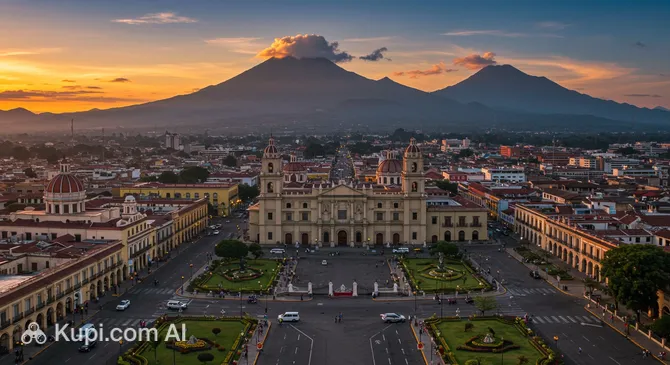
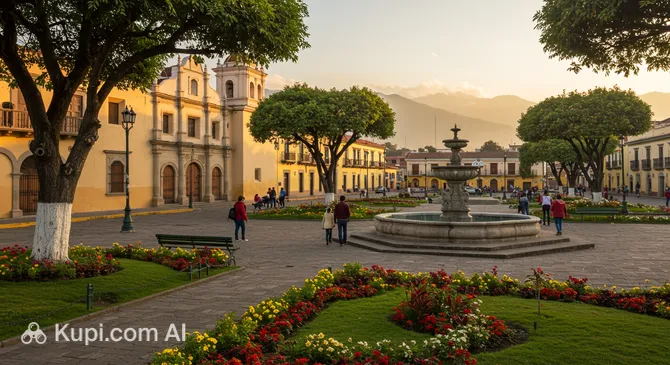
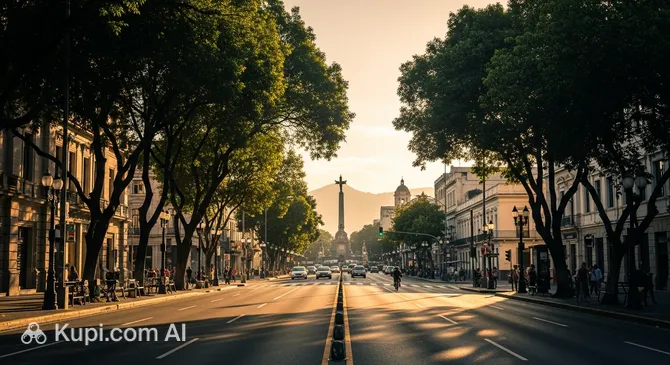
Welcome to Guatemala City, the beating heart of the nation and the most populous urban center in Central America. Often referred to locally as "Guate," this bustling metropolis serves as the political, cultural, and economic hub of Guatemala. It is a place of striking contrasts, where modern skyscrapers stand against a backdrop of green ravines and towering volcanoes, creating a truly unique atmosphere for travelers.
Nestled in the Valle de la Ermita (Hermitage Valley) at an altitude of roughly 1,500 meters, the city enjoys a moderate and pleasant climate that lives up to the country's reputation as the "Land of Eternal Spring." With a metropolitan population approaching 3 million inhabitants, it is a vibrant and energetic city that acts as the primary gateway for international visitors exploring the region.
Guatemala City. Illustration.
Source: Kupi.com AI
The capital was officially established here in 1776, and delving into the history of Guatemala City reveals a fascinating narrative of resilience and transformation following the relocation of the Spanish colonial seat from Antigua. Today, the Historic Center in Zone 1 preserves this legacy, anchored by the majestic National Palace of Culture and the Metropolitan Cathedral, which flank the central plaza.
Beyond its colonial core, the city is a treasure trove for culture enthusiasts. It boasts some of the region's finest museums, such as the Museo Popol Vuh and the Museo Ixchel, which offer deep insights into Mayan archaeology and traditional textiles. Whether you are interested in ancient history, contemporary dining, or vibrant street life, Guatemala City invites you to discover its many hidden gems.
Weather Overview
Thanks to its high altitude, the capital enjoys a consistently temperate climate that makes it a comfortable destination at any time of year. Average temperatures are remarkably stable, generally hovering between 18°C and 22°C. Daytime highs typically peak around 26°C to 28°C in the warmest months of April and May, while nights can feel crisp, especially in January when minimum temperatures can dip to around 12°C.
Travelers should plan their activities around the distinct wet and dry periods. The dry season, spanning roughly from November through April, sees very little rainfall, with months like January and February often experiencing almost no precipitation. Conversely, from May to October, the city enters its rainy phase, with June and September seeing up to 27 wet days per month. For precise forecasts and monthly averages to help pack your bags, you can view the detailed weather in Guatemala City.
Average monthly temperature
Average monthly precipitation
Interesting Facts
Beyond the bustling avenues and colonial architecture, Guatemala City hides curious details and urban secrets that often escape the casual observer. From peculiar town planning to ancient civilizations buried beneath the asphalt, the capital offers fascinating stories for those willing to look closer.
The city's urban layout follows a unique spiral numbering system for its zones (zonas), expanding outward from the center. However, if you look at a map, you might notice that Zones 20, 22, and 23 are mysteriously missing from the standard grid, a quirk of the city's municipal growth.
Modern infrastructure sits directly on top of Kaminaljuyu, a major Pre-Classic Maya city. While much of the ancient settlement has been absorbed by urban development, you can still explore this heritage at the Miraflores Museum, which preserves artifacts found right beneath the area's shopping districts.
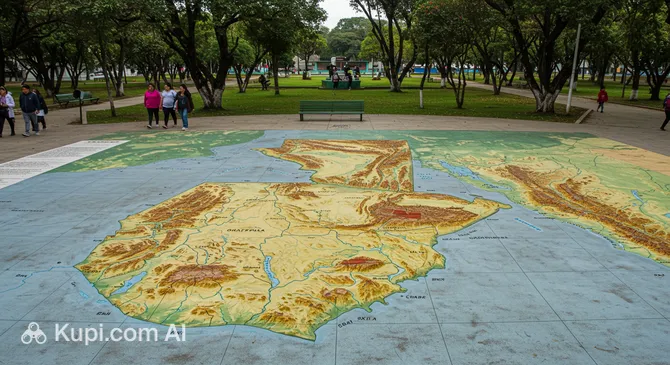
One of the most impressive engineering feats in the city is the Relief Map of Guatemala. Constructed in 1905, this massive open-air 3D map depicts the country's topography with roughly 95% accuracy, a remarkable achievement accomplished long before the advent of satellite technology.
The skyline features a distinct steel structure known as the Reformer Tower. Often compared to the Eiffel Tower, this galvanized steel monument was actually manufactured in the United States and assembled in the city to commemorate the 100th anniversary of the birth of former president Justo Rufino Barrios.
Relief Map of Guatemala. Illustration.
Source: Kupi.com AI
Traveler photos:
How to Get There
Reaching the capital is the first step of your adventure, and for most international travelers, the journey begins by air. As the primary transportation hub for the country, the city is well-connected to major destinations in North and Central America. For a complete overview of travel options, including land routes and shuttle services, you can read more about how to get to Guatemala City.
The most direct entry point is La Aurora International Airport (IATA: GUA). This major international airport is conveniently located within Guatemala City itself, just 6.1 km from the city center. It serves as the main gateway for visitors and handles a large volume of passengers annually. Depending on traffic conditions, a taxi or private transfer to the downtown hotel districts typically takes about 30 minutes.
For those traveling through the broader Central American region, another significant hub is El Salvador International Airport (IATA: SAL). However, please note that this airport is located in San Salvador, approximately 205 km away from Guatemala City. While it is a large facility with many connections, the overland journey to the Guatemalan capital is substantial, taking roughly 5.5 hours by road.
For clarity, here is a summary of the main airports in the region:
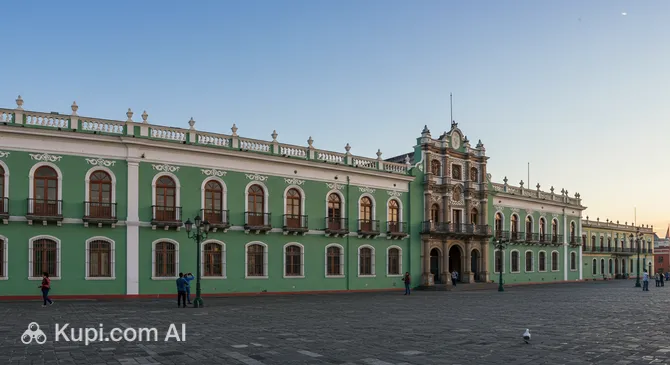
Exploring the capital reveals a fascinating mix of history, modernity, and vibrant local culture. One of the most iconic landmarks is the National Palace of Culture, located in the heart of Zone 1. This majestic green-hued building, once the headquarters of the government, is now a museum and a venue for official ceremonies. Tourists are drawn to its ornate architecture, beautiful courtyards, and the famous "Kilometer Zero" marker, which serves as the starting point for all road distances in the country.
National Palace of Culture. Illustration.
Source: Kupi.com AI
Traveler photos:
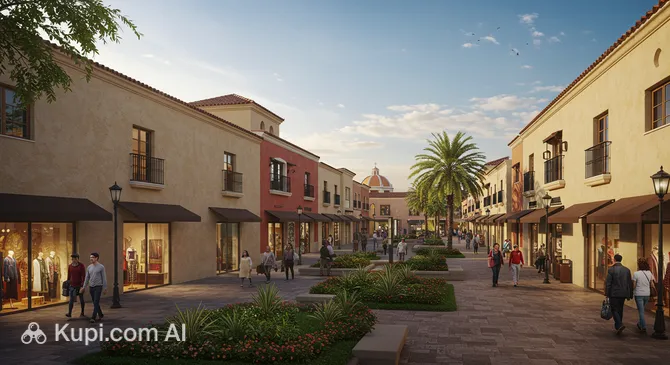
For a complete change of pace, Ciudad Cayalá offers a glimpse into modern Guatemalan urban planning. This expansive lifestyle center in Zone 16 is designed to resemble a pristine, white colonial town, complete with cobblestone streets, high-end shops, and diverse restaurants. It is a popular spot for both locals and visitors to walk safely, enjoy outdoor dining, and experience the city's contemporary social scene.
Ciudad Cayalá. Illustration.
Source: Kupi.com AI
Traveler photos:
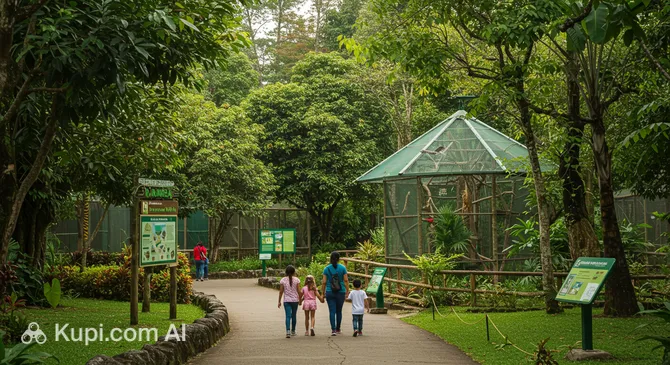
Nature lovers and families should not miss the La Aurora Zoo. Widely considered one of the best zoos in Central America, it provides spacious and well-maintained habitats for animals from Africa, Asia, and the Americas. The zoo is located very close to the airport and offers a relaxing escape from the urban bustle, featuring lush gardens and educational exhibits that highlight biodiversity.
La Aurora Zoo. Illustration.
Source: Kupi.com AI
Traveler photos:
To dive deep into the country's ancient roots, the National Museum of Archaeology and Ethnology is an essential stop. This institution houses the largest collection of Mayan artifacts in Guatemala, including impressive stone stelae, intricate jade jewelry, and ceramics. It provides an invaluable context for understanding the sophisticated civilizations that once thrived in the region before you head out to the archaeological sites themselves.
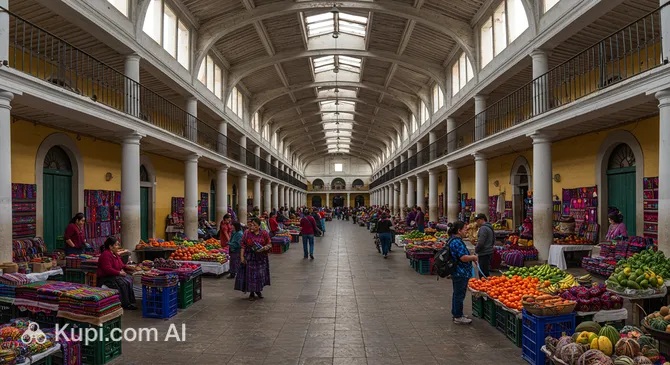
Finally, for an authentic taste of local life, visit the Central Market (Mercado Central). Located underground behind the Metropolitan Cathedral, this labyrinthine market is a sensory explosion of colors and scents. It is the perfect place to shop for traditional handicrafts, leather goods, and colorful textiles, as well as to try local culinary staples at the busy food stalls tucked within its lower levels.
Local Cuisine
Guatemala City offers a vibrant culinary landscape that perfectly reflects its cultural heritage. The local cuisine is a flavorful fusion of Mayan ingredients, such as corn, beans, and chilies, with Spanish colonial influences. A must-try dish is Pepián, a hearty meat stew rich in spices and roasted seeds, traditionally served with rice and tortillas. Another beloved staple is the Tamal, often enjoyed on weekends; the colorado (red) and negro (black, sweet and savory) varieties are particularly famous.
For a taste of everyday life, the street food scene is energetic and accessible. The city's signature fast food is the Shuco, a Guatemalan-style hot dog loaded with guacamole, boiled cabbage, mustard, and various meats like chorizo or steak. You will find these at stands across the city. For a deeper dive into traditional flavors, visit the Central Market. Its food court is the ideal place to sample authentic dishes like tostadas and chuchitos alongside locals in a bustling atmosphere.
Central Market. Illustration.
Source: Kupi.com AI
Traveler photos:
Beverages are an integral part of the gastronomic experience here. Guatemala is renowned for its exceptional coffee, and you can find excellent cafés throughout the capital. Traditional non-alcoholic drinks include Atol de Elote, a warm, sweet corn-based beverage. For those seeking something stronger, the local beer Gallo is a national icon, while Ron Zacapa is considered one of the best rums in the world. Craft beer lovers should check out El Príncipe Gris - Brewery, which offers a great selection of local artisanal brews.
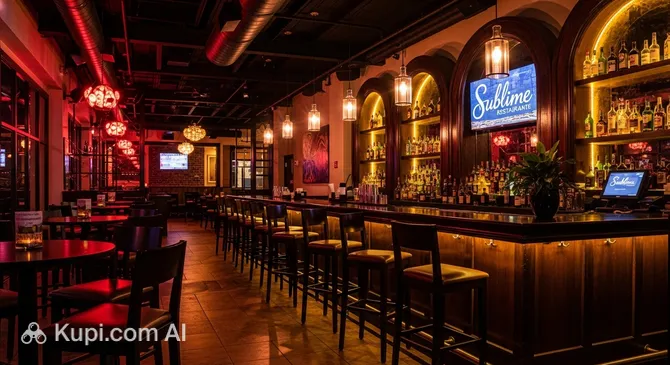
The city also features a growing high-end dining scene. Meat is a significant part of the local diet, and steakhouses like Hacienda Real Zona 10 are incredibly popular for their charcoal-grilled cuts and traditional ambiance. For a more avant-garde experience, Sublime Restaurante has gained international acclaim for its tasting menus that narrate Guatemalan history through food. Whether you prefer a simple street snack or a sophisticated dinner, the capital's food scene is sure to impress.
Sublime Restaurante. Illustration.
Source: Kupi.com AI
Traveler photos:
Travel Tips
Preparing for a trip to Guatemala City is the start of an exciting adventure, but a little local knowledge goes a long way in this bustling metropolis. To help you navigate the capital with confidence and ease, here are some essential practical tips for your journey.
Pack for layers and modesty. Known as the "Land of Eternal Spring," the city generally has mild weather, but evenings can be cool, so bring a light jacket or sweater. If you are visiting during the rainy season (May to October), a sturdy umbrella or raincoat is indispensable. Additionally, when visiting religious sites like the Metropolitan Cathedral, dress modestly by avoiding overly revealing clothing.
Prioritize secure transportation. While the green Transmetro buses are efficient for main routes, ride-hailing apps like Uber are widely considered the safest and most convenient way for tourists to get around, especially at night. Avoid hailing random taxis on the street; instead, use radio taxis or transport arranged by your hotel to ensure your safety.
Manage your finances wisely. The local currency is the Quetzal (GTQ). While credit cards are widely accepted in shopping malls, hotels, and modern restaurants in zones like 10 and 14, cash is king in markets and smaller shops. ATMs are plentiful in secure locations, and tipping around 10% is standard practice in restaurants if a service charge hasn't already been added.
Stay healthy and alert. Tap water in Guatemala City is not safe to drink, so always stick to bottled or purified water to avoid stomach issues. In terms of safety, stay in well-traveled areas such as Zone 10 (Zona Viva), Zone 14, and Ciudad Cayalá. Pharmacies are common and well-stocked, with many major chains open late or offering delivery services.
Brush up on your Spanish. Spanish is the official language, and while staff at major hotels and tourist attractions often speak English, it is less common in local markets or street stalls. Learning a few basic phrases like "Buenos días" (Good morning) and "Gracias" (Thank you) will be greatly appreciated. For connectivity, purchasing a local SIM card from providers like Tigo or Claro is affordable and easy.
Practice polite etiquette. Guatemalans are incredibly warm and polite people. It is customary to greet others when entering a room, elevator, or shop. A unique and charming local custom is to say "Buen provecho" (enjoy your meal) to strangers when you pass their table in a restaurant; it is a small gesture that helps you blend in with the friendly local culture.
Be mindful of photography. Always ask for permission before taking photos of people, especially in markets or rural areas surrounding the city. Be particularly cautious about taking photos of children without parental consent, as this is a sensitive cultural issue and can be viewed with suspicion.
Plan around the traffic. The capital is notorious for its heavy traffic, particularly during rush hours (roughly 7:00–9:00 AM and 5:00–7:30 PM). To make the most of your day, try to plan your movements outside these windows or explore attractions within the same zone to minimize travel time.
Guatemala City is a vibrant urban center full of history, flavor, and contrasts waiting to be discovered. By keeping these practical tips in mind, you can focus on enjoying the rich culture and warm hospitality that make a visit to this capital city a memorable experience.
Entertainment & Nightlife
As the sun sets over the volcanic horizon, Guatemala City transforms into a vibrant hub of nocturnal activity. The capital offers the most diverse and energetic nightlife in the country, catering to everything from salsa lovers and electronic music enthusiasts to those seeking a quiet cocktail in a sophisticated lounge. The atmosphere is generally lively and welcoming, with locals known for their friendliness and love for celebration, particularly from Thursday through Saturday nights.
The epicenter of the city's nightlife is undoubtedly Zona Viva in Zone 10. This upscale district is packed with luxury hotels, high-rise buildings, and a dense concentration of bars and clubs. Here, the crowd is trendy, and the dress code is typically "smart casual" to "dressy." Just a short distance away, Cuatro Grados Norte in Zone 4 offers a completely different vibe. This pedestrian-friendly cultural district is the hipster heart of the city, lined with craft breweries, art galleries, and open-air terraces that attract a bohemian and artistic crowd.
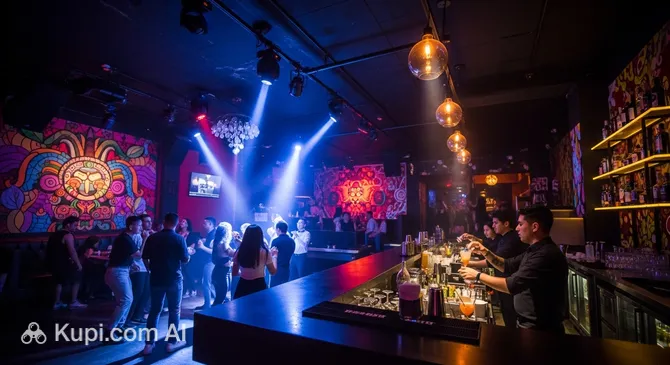
For those looking to dance the night away, the city boasts several top-tier venues. The Box Lounge Groove is a well-known spot for electronic music fans, offering a modern atmosphere and DJ sets that keep the energy high until the early hours. It is a great place to experience the local clubbing scene in a safe and stylish environment.
The Box Lounge Groove. Illustration.
Source: Kupi.com AI
Traveler photos:
Another popular destination for late-night entertainment is Exxesos. This nightclub is known for its intense energy and themed parties, drawing a younger crowd ready to party. If you prefer a more relaxed evening, the modern district of Ciudad Cayalá in Zone 16 provides a very safe and walkable environment with numerous bars and restaurants that stay open late, perfect for bar-hopping without the need for transportation between venues.
When planning your night out, keep in mind that the party starts late in Guatemala City; most clubs don't fill up until after 10:00 PM or 11:00 PM. Prices in Zone 10 and Cayalá can be comparable to international standards, while Zone 4 offers slightly more affordable options. In terms of safety, it is crucial to avoid walking between districts at night. The safest and most reliable way to get around is by using ride-sharing apps like Uber or requesting a radio taxi from your hotel or venue.
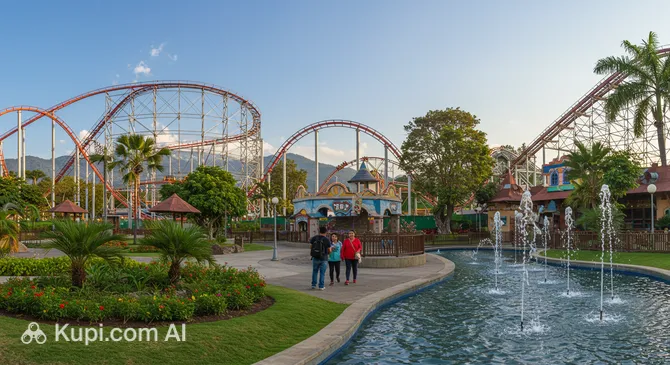
Beyond the nightlife, the city offers exciting daytime entertainment options for families and thrill-seekers. Mundo Petapa is a massive amusement park managed by the IRTRA, featuring roller coasters, a dinosaur park, and a swimming pool complex that provides a full day of fun. It is a favorite among locals and a great way to experience Guatemalan leisure culture.
Mundo Petapa. Illustration.
Source: Kupi.com AI
Traveler photos:
For active travelers, XPark offers an adrenaline rush within the city limits. This park specializes in outdoor adventure activities, including high-ropes courses and climbing walls, making it an excellent alternative to the traditional museum visits. Whether you are seeking the thrill of a roller coaster or the rhythm of a dance floor, Guatemala City has plenty to keep you entertained around the clock.
Parks & Museums
Beyond its bustling avenues and commercial districts, Guatemala City surprises visitors with a wealth of green spaces and institutions dedicated to preserving its rich heritage. The capital serves as the custodian of the country's history, offering everything from peaceful botanical retreats to museums that chronicle the evolution of the nation's transport and military past.
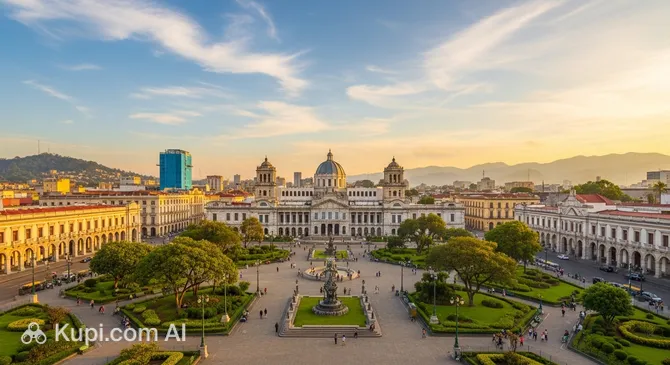
At the very center of the city's historical narrative lies Central Park (Parque Central) Guatemala City, officially known as Plaza de la Constitución. This vast open square is the civic heart of the capital, flanked by the National Palace and the Cathedral. It is a vibrant gathering place where locals come to relax, listen to public speeches, or simply watch the world go by. On weekends, the atmosphere becomes particularly festive with street vendors and families enjoying the open space, making it a prime spot for people-watching and soaking in the local culture.
Central Park (Parque Central) Guatemala City. Illustration.
Source: Kupi.com AI
Traveler photos:
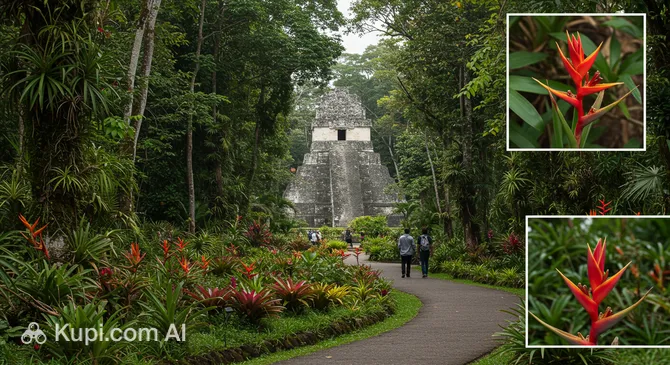
For a complete immersion in nature without leaving the urban area, the Guatemala Botanical Garden is a hidden oasis. Managed by the University of San Carlos, this lush garden was the first of its kind in Central America. It houses a diverse collection of native and exotic plant species, offering a tranquil escape from the city noise. Visitors can walk through beautifully maintained paths surrounded by orchids, medicinal plants, and towering trees, making it an educational and refreshing stop for nature lovers.
Guatemala Botanical Garden. Illustration.
Source: Kupi.com AI
Traveler photos:
Another significant green space is Hipódromo del Norte in Zone 2. While famous for housing the Relief Map, the park itself is a popular recreational area with wooded trails and playgrounds. It provides a glimpse into the city's early 20th-century leisure life and remains a favorite spot for runners and families seeking fresh air in the northern part of the city.
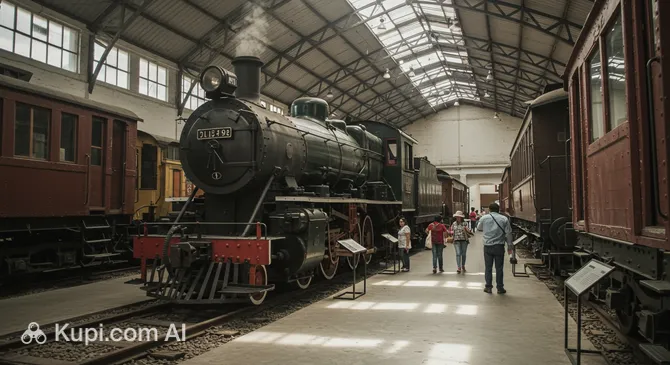
Delving into the city's specialized museums reveals fascinating chapters of Guatemalan history. The Railway Museum (Museo del Ferrocarril) is a captivating attraction located in the former central station. It features beautifully restored steam locomotives, passenger cars, and historical documents that tell the story of the railway system that once connected the country's oceans. It is a nostalgic journey back in time and a visual treat for photography enthusiasts and history buffs alike.
Railway Museum. Illustration.
Source: Kupi.com AI
Traveler photos:
Perched on a hill with commanding views of the city, the Military Museum and Former Fort San Juan offers a different perspective on the nation's past. Housed in a 19th-century fortress, the museum displays weaponry, uniforms, and artifacts related to Guatemala's military history. Visitors can explore the old ramparts and enjoy panoramic vistas of the skyline, combining historical education with sightseeing.
Families traveling with younger explorers should visit the Children's Museum of Guatemala. This interactive space is designed to make learning fun, with hands-on exhibits covering science, geography, and Mayan culture. It is an excellent place to spend a few hours engaging with educational displays that are both entertaining and informative for all ages.
Insider Tip: If you are in the city on a Sunday, look out for "Pasos y Pedales." The municipality closes several major avenues to car traffic, transforming them into linear parks where thousands of residents cycle, skate, walk their dogs, and enjoy free exercise classes—a truly authentic way to experience the city's community spirit.
Getting Around
Navigating Guatemala City is an experience defined by its bustling energy, and for tourists, the public transport landscape is dominated by road-based options. There is no underground metro or tram system in the capital. Instead, the backbone of the public transportation network is the Transmetro, a Bus Rapid Transit (BRT) system. These distinctive green buses run on exclusive lanes, bypassing much of the city's heavy traffic. They are widely considered the safest, fastest, and most reliable form of public transit for visitors, with stations that function similarly to surface-level subway stops.
Complementing the Transmetro are the blue and white Transurbano buses, which serve routes not covered by the main BRT lines. While they are more modern than the older "chicken buses," they can be crowded and are less frequently used by tourists. You may also see the iconic, colorful "red buses" (camionetas rojas), but it is generally recommended that visitors avoid these due to safety concerns and reckless driving. For a more direct and private journey, the city has a robust fleet of taxis and ride-sharing options that bridge the gaps in the bus network.
The payment system has modernized significantly in recent years. The Transmetro utilizes the Tarjeta Ciudadana (Citizen Card), a rechargeable smart card that you tap at the turnstiles. In a move to make travel easier for visitors, many turnstiles now also accept contactless credit and debit cards (Visa or Mastercard), allowing you to pay directly without purchasing a specific transport card. The fare is incredibly affordable, typically costing just 1 Quetzal (GTQ) per ride. If you plan to use the Transurbano buses, you will need a specific prepaid card, as they do not accept cash.
For a smooth experience, it is best to purchase your Tarjeta Ciudadana at major Transmetro stations if you plan to stay for a while, though using your contactless bank card is far more convenient for short trips. Operating hours for the Transmetro generally run from 5:00 AM to around 9:00 PM or 10:00 PM, depending on the line. Be aware that the system becomes extremely crowded during peak rush hours (7:00–9:00 AM and 5:00–7:00 PM). If you are carrying luggage or valuable items, it is wiser to travel during off-peak times or choose an alternative mode of transport.
When it comes to alternatives, ride-hailing apps are the most popular choice for international travelers. Uber is widely available, safe, and overcomes the language barrier since you input your destination in the app. Traditional taxis are also an option, particularly the yellow Taxi Amarillo Express, which operates on a radio-dispatch system and uses meters. These are safer than the white street taxis, which require you to negotiate the fare in advance. While bike rentals exist, they are primarily recreational and found in specific zones on Sundays during the "Pasos y Pedales" program, rather than being a standard commuting option.
Accommodation
Finding the right place to stay in Guatemala City is key to enjoying your trip, as the experience can vary significantly depending on the neighborhood you choose. The city offers a wide spectrum of accommodation options, ranging from economical hostels and guesthouses to mid-range business hotels and luxurious 5-star resorts. Whether you are visiting for business, culture, or a quick layover, there is a suitable option for every budget and travel style.
For most international tourists, the preferred area is Zone 10, widely known as the "Zona Viva." This upscale district is considered one of the safest and most walkable parts of the city. It is home to the highest concentration of luxury hotels, embassies, and modern conveniences, including the popular Oakland Mall. Staying here places you in the heart of the city's dining and nightlife scene, making it an effortless choice for first-time visitors.
Adjacent to the Zona Viva is Zone 9, which offers a great balance of comfort and value. This area features numerous mid-range hotels and is characterized by its broad avenues and historical landmarks. A stay here keeps you close to the action while offering easy access to beautiful sights like Plaza España, a charming roundabout featuring classic Spanish architecture and fountains.
Plaza España. Illustration.
Source: Kupi.com AI
Traveler photos:
Travelers seeking a more bohemian and artistic atmosphere should consider Zone 4. This trendy neighborhood has undergone a major revitalization and is now filled with boutique hotels, colorful street art, and hip coffee shops. For those on a stricter budget, Zone 1 (the Historic Center) offers the most affordable hostels and older hotels. While it places you steps away from the main cathedral and plaza, it is advisable to be cautious at night and use taxis for transport. Finally, if you have an early morning flight, Zone 13 is a practical choice due to its proximity to the airport.
Booking Tip: It is highly recommended to book your accommodation in advance, particularly if you plan to visit during the dry season (November to April) or around major holidays like Easter (Semana Santa). Using reputable online booking platforms is the most secure way to reserve your room and allows you to compare prices and read recent reviews regarding safety and amenities.
Price Range: Accommodation prices in Guatemala City are generally reasonable compared to North American or European standards. You can find a bed in a decent hostel for approximately $15–$25 USD per night. Mid-range hotels typically charge between $60 and $100 USD, while luxury stays in Zone 10 can range from $120 to over $200 USD per night. Credit cards are widely accepted in Zones 9, 10, and 14, though carrying some cash is useful for smaller establishments in other areas.
Nearby Cities
For those looking to explore the surroundings, Guatemala City serves as an excellent base for day trips to several interesting nearby locations:
Undoubtedly the most popular destination is Antigua Guatemala. Located roughly 40 kilometers from the capital, this UNESCO World Heritage site is famous for its well-preserved Spanish Baroque-influenced architecture and spectacular ruins of colonial churches. Visitors can wander through cobblestone streets, admire the arch of Santa Catalina, and enjoy the dramatic backdrop of three towering volcanoes. It is a place frozen in time and offers a stark, beautiful contrast to the modern bustle of the capital.
Closer to the city limits, the town of Amatitlan offers a different kind of escape. Situated on the shores of Lake Amatitlán, it is a traditional weekend getaway for locals. While the lake itself has faced environmental challenges, the waterfront promenades and the view of the Pacaya Volcano remain attractive. Visitors can enjoy local sweets, ride the teleférico (cable car) for panoramic views, or visit the thermal baths in the area.
Another culturally rich option is San Juan Sacatepequez. Known as the "Land of Flowers," this town is renowned for its vibrant floriculture and furniture making. The drive there takes you through pine forests, and the town center is bustling with markets selling colorful textiles and fresh blooms, offering an authentic glimpse into the daily life of the Kaqchikel Maya people living just outside the metropolis.
These nearby destinations offer a glimpse into the diverse culture and landscapes of the region.
Shopping & Souvenirs
Shopping in Guatemala City is a diverse experience that mirrors the city's unique blend of tradition and modernity. Visitors can transition from browsing high-end international fashion brands in gleaming, air-conditioned malls to bargaining for centuries-old Mayan textile designs in bustling, colorful markets. Whether you are looking for luxury goods, handcrafted souvenirs, or local coffee, the capital offers a wide array of retail therapy options to suit every budget and taste.
For a lively street shopping experience, the pedestrian-friendly Paseo de la Sexta in Zone 1 is a must-visit. This vibrant avenue connects the historic center with the southern parts of the city and is lined with eclectic shops, cafes, and street performers. On Sundays, the atmosphere shifts to Avenida Las Américas in Zone 13 and 14. During the "Pasos y Pedales" event, this broad boulevard fills with vendors selling handicrafts, snacks, and curiosities, creating a relaxed, open-air market vibe perfect for a family stroll.
Avenida Las Américas. Illustration.
Source: Kupi.com AI
Traveler photos:
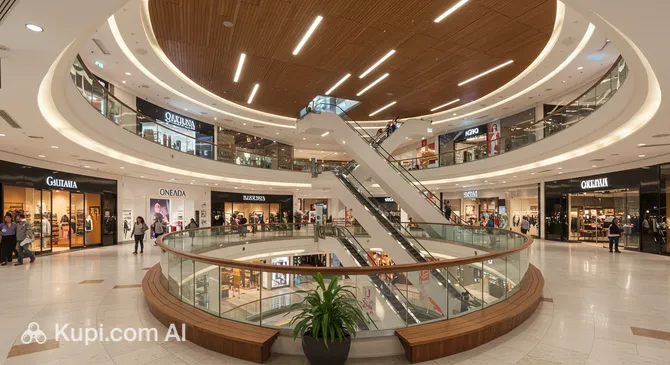
The city is renowned for its impressive shopping centers, which serve as major social hubs for locals. Oakland Mall in Zone 10 is one of the most exclusive destinations, featuring a mix of upscale international boutiques, a sophisticated food court, and entertainment facilities. It is an ideal spot to find designer clothing and accessories in a secure and modern setting.
Oakland Mall. Illustration.
Source: Kupi.com AI
Traveler photos:
Another standout location is Ciudad Cayalá. This expansive open-air complex in Zone 16 combines residential, commercial, and dining spaces in a beautiful, walkable environment inspired by colonial architecture. Here, you can shop for premium brands, enjoy outdoor dining, or simply admire the pristine white buildings and cobblestone streets that make it one of the most photogenic spots in the capital.
To discover the authentic soul of Guatemalan commerce, you must visit the Central Market (Mercado Central). Located underground near the Metropolitan Cathedral, this labyrinthine market is the best place to find traditional handicrafts. From intricate wood carvings and leather goods to vibrant pottery and woven baskets, the variety is overwhelming. It is also the premier spot to purchase local textiles, including the famous huipils (traditional blouses) and colorful tablecloths.
When it comes to souvenirs, Guatemala City offers several treasures worth taking home. Jade is a top choice, as the country is one of the few sources of this precious stone; look for certified shops to ensure authenticity. Coffee lovers should pick up a few bags of highland beans, considered some of the best in the world. Additionally, colorful textiles and hand-woven fabrics make for beautiful and practical gifts that support local artisans.
Store opening hours typically run from 10:00 AM to 8:00 PM for major shopping malls, while street shops and markets usually open earlier, around 8:00 AM or 9:00 AM, and close by 6:00 PM. Payment methods vary by location; malls and upscale boutiques widely accept credit and debit cards (Visa and Mastercard), but cash (Quetzales) is essential for bargaining in markets like the Mercado Central or when buying from street vendors.
Regarding taxes, Guatemala includes a Value Added Tax (IVA) of 12% in the price of most goods. While a system for tax refunds for tourists exists, the process can be complex and is not as widely advertised or streamlined as in some other countries. It generally involves presenting receipts and forms at the airport before departure, so it is best to inquire specifically at larger stores if they offer assistance with the necessary documentation for a refund.