Support

Tapachula

About

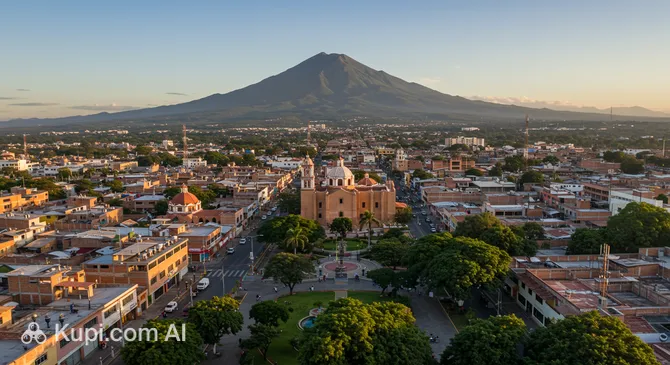
Tapachula, often referred to as the "Pearl of the Soconusco," is a dynamic city that serves as a vital commercial and cultural bridge. Located in the southernmost state of Chiapas, it offers a unique blend of urban energy and lush natural surroundings, sitting at the foot of the imposing Tacaná Volcano.

Tapachula. Source: Kupi.Binoculars

Situated near the border with Guatemala, this bustling metropolis is a key entry point into Mexico. The city enjoys a warm, tropical climate year-round and is home to approximately 348,000 residents, making it an important economic hub in the region. Its strategic location fosters a vibrant atmosphere where diverse cultures and traditions meet.

Visitors intrigued by the past will find the history of Tapachula fascinating, as it reflects a melting pot of indigenous Mayan heritage and diverse immigrant influences from Europe and Asia. This rich cultural tapestry is evident in the city's architecture, its lively festivals, and the warm hospitality of its people.

The city is renowned for being the gateway to the famous Ruta del Café (Coffee Route), where travelers can tour historic plantations nestled in the high-altitude rainforests. Additionally, the nearby Izapa archaeological site offers a captivating glimpse into ancient civilizations, making the area a treasure trove for explorers. Whether you are seeking nature, culture, or gastronomy, Tapachula invites you to discover the authentic charm of southern Chiapas.

Weather Overview

Tapachula experiences a warm tropical climate year-round, characterized by consistent temperatures and distinct wet and dry periods. The city remains pleasant throughout the year, with average temperatures generally staying between 25°C and 28°C. April is typically the warmest month, where daily highs can reach around 32.7°C, while the coolest averages are found in December and January, hovering around 25°C.

Travelers should be mindful of the seasonal rainfall patterns when planning a visit. The dry season runs from December through February, offering sunny days with very few wet days. In contrast, the rainy season begins in May and extends through October, bringing frequent showers; for instance, October sees rain on approximately 28 days of the month. To ensure you are fully prepared for your trip, it is helpful to review the detailed weather in Tapachula before departure.

Expect consistently warm temperatures throughout the year with a distinct rainy season from late spring to early autumn and a drier, pleasant winter.

Interesting Facts

Beyond the main attractions, Tapachula holds many fascinating secrets that reveal its diverse cultural heritage and unique geography. Here are a few intriguing details that showcase the city's rich history and local character.

  • The region has a surprising connection to Japan, as it was the site of the first Japanese agricultural migration to Mexico in 1897. This historical event established a lasting bond, and today, you can still find traces of this heritage within the local community and culture.

  • Tapachula's name has deep indigenous roots, derived from the Nahuatl word "Tapachollan," which is often translated as "place of captured water" or "flooded land." This perfectly describes the area's lush, river-rich landscape that flourishes under the heavy seasonal rains.

  • Due to a significant wave of Chinese immigration in the early 20th century, the city developed a unique multicultural identity. Local legends suggest that the Chinese community was once so influential in commerce that Chinese coins were accepted as currency alongside Mexican money in some local markets.

  • The Bicentennial Park serves as a vibrant social heart of the city, often filling with the sounds of the marimba. This instrument is iconic to the state of Chiapas, and impromptu performances here are a cherished local tradition.

Bicentennial Park. Source: Kupi.Binoculars

How to Get There

Reaching this southern gem is relatively straightforward, with air travel being the most efficient method for most visitors. For a comprehensive guide on all transport options, you can read more about how to get to Tapachula.

The most direct entry point is Tapachula International Airport (TAP), which is conveniently located within the municipality. It sits approximately 16.8 km from the city center. A taxi or shuttle ride from the terminal to downtown typically takes around 45 minutes, making it the preferred choice for domestic travelers and those connecting from major Mexican hubs. The airport handles a medium volume of passengers, ensuring a generally smooth arrival process.

If you cannot find a direct flight, a common alternative is to fly into Angel Albino Corzo International Airport (TGZ) in the city of Tuxtla Gutierrez. This airport is significantly busier and offers more connection options. However, it is located about 200.7 km from Tapachula. The overland journey from Tuxtla Gutierrez to Tapachula by bus or rental car is scenic but long, taking approximately 5 to 6 hours. Another option for international travelers is La Aurora International Airport (GUA) in Guatemala City, roughly 190 km away, though this route involves crossing the international border.

For clarity, here is a summary of the main airports serving the region:

Airport Name City Passenger Traffic Km from City
La Aurora International Airport Guatemala City Large 190.3
Angel Albino Corzo International Airport Tuxtla Gutierrez Large 200.7
Tapachula International Airport Tapachula Medium 16.8
Palenque Palenque Small 292.3
Quetzaltenango Quetzaltenango Small 82.0

While there is no passenger train service directly to Tapachula currently operating for tourists, the city is well-connected by road. Long-distance buses are a popular and comfortable way to travel from other major cities in Chiapas and across Mexico. First-class bus terminals offer frequent departures, providing a reliable alternative for those who prefer ground transportation.

Main Attractions

Tapachula offers a delightful mix of cultural landmarks, modern conveniences, and historical treasures. From vibrant public spaces to ancient ruins nestled in the jungle, the city provides a variety of experiences for travelers looking to explore the heart of the Soconusco region.

One of the city's most beloved gathering spots is Bicentennial Park. This well-maintained green space is a favorite among locals and tourists alike for its peaceful atmosphere and cultural significance. It often hosts artistic events, craft fairs, and musical performances, making it a perfect place to soak in the local vibe. The park features walking paths, fountains, and shaded areas where visitors can relax and escape the midday heat while observing the daily rhythm of life in Tapachula.

For those interested in the region's ancient history, a visit to the nearby Izapa Archaeological Zone is essential. Although located just outside the city limits, it is one of the most important archaeological sites in Chiapas. Izapa is famous for its impressive collection of carved stone stelae and altars, which offer insight into the transition between the Olmec and Maya civilizations. Exploring these ruins amidst the lush tropical vegetation provides a fascinating glimpse into the pre-Columbian past of Mesoamerica.

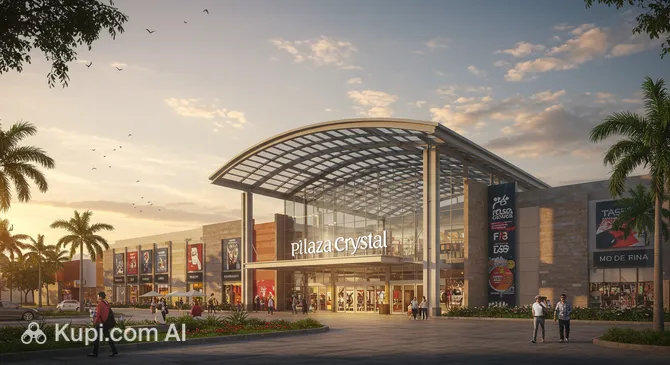
Travelers looking for a modern shopping and leisure experience will find Plaza Crystal to be a convenient destination. As one of the main commercial hubs in the city, it offers a wide range of shops, boutiques, and entertainment options. It is an excellent place to find local and international brands, enjoy a meal in the food court, or simply take a break in a comfortable, air-conditioned environment after a day of sightseeing.

Plaza Crystal. Source: Kupi.Binoculars

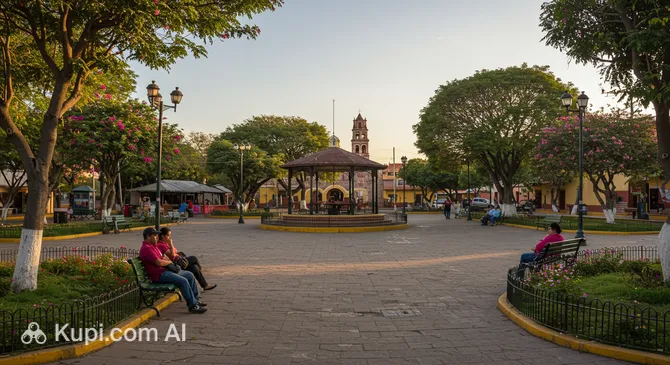
Another central landmark is the Miguel Hidalgo Central Park, the traditional heart of the city. Surrounded by important buildings like the City Hall and the San Agustín Church, this square is always buzzing with activity. It is an ideal spot to sit on a bench, enjoy a traditional shaved ice or "raspado," and listen to the iconic marimba music that often fills the air in the evenings, reflecting the true spirit of Chiapas.

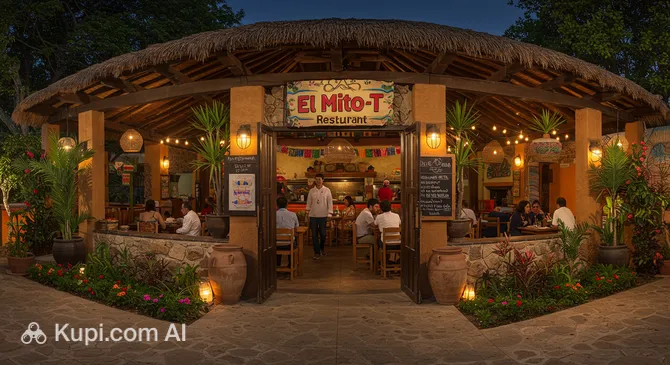
Finally, the city's culinary scene is an attraction in itself. Visitors can enjoy authentic local dishes at popular spots such as El Mito-T Restaurant. Establishments like this allow tourists to taste the unique flavors of the region, which often blend Mexican traditions with ingredients native to the fertile Soconusco coast, providing a delicious end to a day of exploration.

Local Cuisine

The culinary landscape of Tapachula is a vibrant reflection of its multicultural history, blending indigenous Maya traditions with Spanish, German, and Asian influences. Located in the fertile Soconusco region, the city has access to an abundance of fresh ingredients, from tropical fruits and high-quality coffee to fresh seafood from the nearby coast. This unique position creates a gastronomy that is distinct from the rest of Chiapas, offering flavors that are both authentic and surprisingly diverse.

One of the most iconic local specialties is the tamal de chipilín, a savory corn dough steamed in banana leaves and mixed with chipilín, a native leafy green that adds a distinctive herbal flavor. Due to the city's proximity to the ocean, seafood also plays a major role in the local diet, with dishes like shrimp cocktails and grilled fish being widely available. Interestingly, Tapachula is also famous for its Chinese cuisine. A significant wave of migration in the early 20th century established a strong community, and today, enjoying a hearty Chinese meal is a beloved local tradition for families and visitors alike.

No culinary tour of Tapachula is complete without exploring its beverages. The region is the heart of Mexico's coffee production, so a cup of locally grown Soconusco coffee is an absolute must for enthusiasts. For something more traditional and refreshing, try tascalate, a pre-Hispanic drink made from toasted maize, cocoa, achiote, pine nuts, and cinnamon, served cold. Another popular option is pozol, a corn-based drink often mixed with cacao, which provides a nutritious energy boost in the tropical heat.

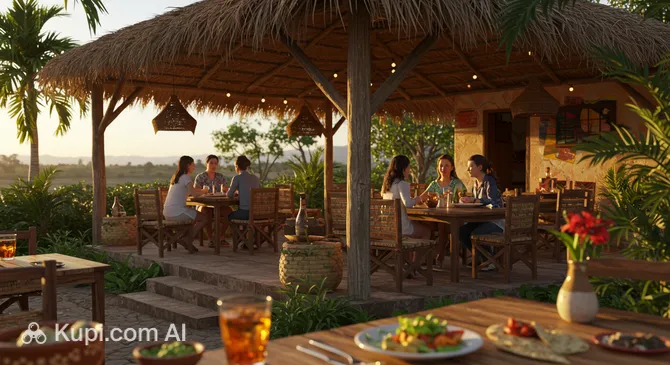
Marinni Ristorante. Source: Kupi.Binoculars

Dining in Tapachula ranges from bustling street markets selling fresh snacks to elegant establishments perfect for a relaxed evening. Locals often frequent the city center to enjoy traditional treats, but there are also excellent options for international dining. For instance, Marinni Ristorante offers a refined atmosphere where visitors can enjoy a variety of dishes, serving as a great example of the city's modern culinary growth. Whether you are grabbing a quick bite at a stall or sitting down for a full meal, the warmth of Tapachula's hospitality is always on the menu.

Travel Tips

Welcome to Tapachula, the vibrant heart of the Soconusco region! To help you navigate this bustling border city with ease and confidence, we have compiled a list of essential travel tips designed to enhance your experience and ensure a smooth journey.

  1. Clothing and Gear: Due to the tropical climate, the weather is generally hot and humid year-round. Pack lightweight, breathable fabrics like cotton or linen to stay cool. If you are visiting between May and October, a sturdy umbrella or a light rain poncho is essential, as heavy afternoon showers are common. Comfortable walking shoes are a must for exploring the city streets and nearby archaeological sites.

  2. Transportation: Taxis are the most convenient way to get around the city; however, they often do not use meters, so it is best to agree on the fare before starting your ride. For a more local and budget-friendly experience, you can use "colectivos" (shared vans) that cover specific routes. While some ride-hailing apps operate in the region, availability can be inconsistent, so having cash for standard taxis is reliable.

  3. Finances: The official currency is the Mexican Peso (MXN). While major hotels, supermarkets, and Plaza Crystal accept credit cards, cash is king in local markets, street food stalls, and smaller shops. ATMs are widely available in the city center and shopping malls. A tip of 10-15% is standard practice in restaurants if the service is good.

  4. Health and Safety: To avoid stomach issues, always drink bottled or purified water and avoid tap water. Since Tapachula is in a tropical zone, carrying insect repellent is highly recommended to protect against mosquitoes. Pharmacies are plentiful, with major chains often open 24/7 for any minor medical needs or toiletries.

  5. Communication: Spanish is the dominant language, and English is not widely spoken outside of major hotels or business centers. Downloading a translation app and learning basic phrases like "Buenos días" (Good morning) and "¿Cuánto cuesta?" (How much is it?) will be very helpful. You can easily buy a prepaid SIM card at convenience stores (OXXO) for reliable mobile data.

  6. Local Etiquette: People in Chiapas are generally warm and polite. It is customary to greet people when entering a shop or elevator. A unique local custom is to say "Buen provecho" (enjoy your meal) to other diners when you enter or leave a restaurant, which is a polite gesture appreciated by locals.

  7. What to Avoid: Avoid taking photos of people, especially in nearby indigenous communities or markets, without asking for permission first, as some may find it intrusive. Additionally, avoid walking alone in poorly lit areas on the outskirts of the city late at night; sticking to the lively city center or using taxis is safer.

  8. Coffee Lover's Tip: Since you are in one of Mexico's premier coffee-growing regions, take advantage of the opportunity to buy roasted beans. Purchasing coffee directly from local cafes or roasters in the city center is often much cheaper and of higher quality than buying it at the airport or souvenir shops.

With these practical tips in hand, you are fully prepared to immerse yourself in the warmth and culture of southern Mexico. Enjoy the delicious cuisine, the rich history, and the welcoming spirit of Tapachula without a worry!

Entertainment & Nightlife

Entertainment in Tapachula reflects the city's warm and welcoming character, offering a blend of traditional festivities and modern leisure activities. While it may not have the frenetic nightlife of a large resort town, visitors will find plenty of ways to enjoy their evenings and weekends, from lively cultural events to relaxed social gatherings.

The most significant event on the local calendar is the International Fair of Tapachula (FIT). Typically held in late February or March, this expansive festival transforms the city into a hub of excitement. It features agricultural and industrial exhibitions, thrill rides, and a variety of cultural performances. The highlight for many is the "Palenque," a venue that hosts concerts by renowned artists, drawing crowds from across Chiapas and neighboring Guatemala.

For a night out, the city offers a growing selection of spots where gastronomy and social life merge. Locals enjoy gathering at vibrant venues that offer a mix of good food, drinks, and a lively atmosphere. A popular choice is El Mito-T Restaurant, which is well-regarded for its inviting ambiance. It serves as a great place to unwind, enjoy a meal, and experience the friendly social vibe that defines the region's nightlife.

El Mito-T Restaurant. Source: Kupi.Binoculars

If you prefer a more low-key experience, the modern Plaza Crystal is the go-to destination for movie lovers, housing a cinema complex that screens the latest international and Mexican films. Alternatively, simply walking through the city center in the evening offers its own charm, where the sound of marimba music often fills the air, providing a perfect, culturally rich soundtrack to your stay.

Parks & Museums

Tapachula offers a refreshing escape through its verdant public spaces and insightful cultural institutions, providing visitors with a deeper understanding of the region's heritage and natural beauty. Beyond the bustling commercial streets, the city maintains several green lungs and venues dedicated to preserving the history and arts of the Soconusco region.

For those seeking immersion in nature within the city limits, the Ecological Park "Los Cerritos" is a standout destination. This expansive green area is a favorite among locals for morning jogs and family outings. It features extensive walking trails, sports courts, and areas filled with tropical vegetation. It is an excellent spot for tourists to observe local flora and enjoy a quiet picnic away from the urban noise.

Another prominent recreational space is Bicentennial Park. As a modern addition to the city's landscape, it serves as a central hub for social interaction and artistic expression. The park is designed with wide pathways and illuminated fountains, making it a pleasant location for an evening stroll. It frequently hosts craft markets and cultural events, offering a glimpse into the contemporary community life of Tapachula.

Delving into the city's rich past, the Archaeological Museum of Soconusco is an essential stop for history enthusiasts. Located directly on the main square, this museum houses a fascinating collection of artifacts from the pre-Hispanic era, with a special focus on the Izapa civilization. Visitors can admire intricate stone stelae, pottery, and sculptures that tell the story of the ancient cultures that once thrived in this fertile coastal corridor.

For a different cultural experience, the Tapachula Planetarium (Planetario del Colegio de Bachilleres) offers a mix of science, technology, and art. Housed in a distinctive building that resembles a stylized clam or spaceship, it features projection rooms and interactive exhibits. It is particularly interesting for families and those curious about astronomy, often hosting workshops and temporary exhibitions that engage visitors of all ages.

Architecturally, the San Agustín Parish stands as a historical landmark watching over the central plaza. Its neoclassical façade and simple yet elegant interior reflect the colonial history of the city. Nearby, the old Railway Station serves as a nostalgic reminder of the era when the train was the lifeline of the coffee trade, connecting the region to the rest of the world.

For a truly authentic experience, look out for the Casa de la Cultura. This venue often flies under the radar of mainstream tourism but is a vibrant center for local arts. Visitors can sometimes catch rehearsals of folkloric dance groups or view small galleries showcasing the work of Chiapanecan painters, providing an intimate look at the city's living artistic soul.

Getting Around

The public transport system in Tapachula is straightforward and relies almost entirely on road vehicles. Unlike larger metropolises, the city does not have a metro, tram, or light rail network. Instead, local mobility is served by a dense and active network of colectivos (minibuses or vans) and a large fleet of taxis, which together provide coverage to practically every neighborhood and point of interest.

Colectivos are the backbone of daily transportation for residents. These vans follow specific routes, which are typically displayed on the windshield with the names of the major landmarks, markets, or "colonias" (neighborhoods) they serve. They do not operate on a strict timetable; instead, they run frequently throughout the day, often departing once they have a sufficient number of passengers. To catch one, you can wait at designated stops or, in many residential areas, simply wave to the driver from the curb.

The payment system is strictly cash-based. There are no electronic travel cards, mobile apps, or day passes for the public transit network. Fares are very affordable and fixed, usually costing a small amount in the local currency. It is highly practical for tourists to carry coins or small bills at all times, as drivers rarely have change for large denominations. You typically pay the driver directly upon boarding or taking your seat.

For visitors, taxis often offer a more comfortable and direct alternative, especially when carrying luggage or traveling during the hottest part of the day. In Tapachula, taxis generally do not use meters. Fares are based on a zone system or are open to negotiation. A crucial piece of advice is to agree on the price with the driver before entering the vehicle to avoid misunderstandings. Taxis can be hailed on the street, but using designated stands known as "sitios" is recommended for greater safety and reliability.

While ride-hailing apps are popular globally, their availability here can be inconsistent or limited compared to traditional taxis. It is best not to rely solely on apps and to be comfortable using standard taxis. Walking is also a pleasant option for exploring the immediate downtown area (Centro), where many shops and parks are clustered, though the tropical heat suggests planning long walks for the cooler morning or evening hours.

Public transportation generally operates from early morning, around 5:00 AM or 6:00 AM, until approximately 9:00 PM or 10:00 PM. Service frequency drops significantly after dark. If you plan to be out late, it is advisable to arrange a taxi in advance or ensure you have the number of a reliable radio taxi service, as catching a colectivo at night is not an option.

Accommodation

Accommodation in Tapachula caters primarily to business travelers and those passing through the Soconusco region, offering a practical range of options from budget-friendly hostels to comfortable mid-range hotels. While the city does not feature sprawling luxury resorts typical of beach destinations, visitors will find a good selection of clean, modern, and well-equipped establishments that ensure a pleasant stay.

For those who wish to be in the heart of the action, the City Center (Centro) is the most convenient area. Staying here places you within walking distance of the main square, local museums, and the vibrant street life. It is an excellent choice for backpackers and travelers looking for economical guest houses and traditional hotels with easy access to public transport.

Alternatively, the commercial district surrounding Plaza Crystal offers a different atmosphere. This area is favored by business travelers and families seeking more modern amenities. Hotels here are typically newer, offering spacious rooms, parking facilities, and proximity to shopping and cinema complexes, providing a quieter retreat from the bustling downtown markets.

Booking Tip: While finding a room is generally easy throughout the year, the city gets significantly busier during the International Fair of Tapachula (FIT) in late February or March. If your trip coincides with this event or the Easter holidays, it is highly recommended to book your accommodation several weeks in advance to secure your preferred location.

In terms of pricing, Tapachula is very affordable compared to Mexico's major tourist hubs. Most travelers will find that mid-range hotels offer excellent value for money. Major international booking platforms work well for securing rooms in the larger hotels, while smaller, family-run establishments often accept direct bookings or walk-ins.

Nearby Cities

For those looking to explore the surroundings, Tapachula serves as an excellent base for day trips to several interesting nearby locations. The region offers a mix of colonial history, natural wonders, and smaller towns that reflect the authentic daily life of Chiapas.

One of the most notable destinations is Comitán de Domínguez. Although it requires a longer drive into the highlands, it is celebrated for its well-preserved colonial architecture, cooler climate, and status as a "Pueblo Mágico." Visitors can explore its charming historic center or use it as a stepping stone to the famous Montebello Lakes. Closer to the coast, Huixtla is known for the impressive "Piedra de Huixtla," a massive rock formation visible from miles away, offering a unique geographical landmark for nature enthusiasts. For those interested in history, Huehuetan is one of the oldest settlements in the Soconusco region, providing a quick and easy excursion just a short distance from the city.

City Population Distance (km)
Comitán de Domínguez 170,000 148
Las Margaritas 141,027 159
Huixtla 54,332 34
Pijijiapan 53,525 134
Huehuetan 36,333 18

These nearby destinations offer a glimpse into the diverse culture and landscapes of the region, ranging from the tropical coastal plains to the refreshing pine forests of the highlands.

Shopping & Souvenirs

Tapachula serves as the commercial heartbeat of the Soconusco region, drawing visitors not only from nearby Mexican towns but also from across the border in Guatemala. The city offers a diverse shopping landscape that ranges from vibrant, chaotic street markets to modern, air-conditioned retail centers. Whether you are looking for international brands, practical travel supplies, or unique regional handicrafts, the city provides a dynamic environment for retail therapy.

The core of the local shopping scene is found in the City Center (Centro). The "Sendero Peatonal" (Pedestrian Path) is a lively thoroughfare lined with innumerable shoe stores, clothing boutiques, and electronics shops. Walking down this bustling street offers a true immersion into the local energy, where music blares from storefronts and vendors display their wares on the sidewalks. It is the best place to find affordable goods and observe the daily commercial rhythm of the city.

For a more relaxed and modern experience, Plaza Crystal is the premier destination. As the city's main shopping mall, it houses major department stores, a large supermarket, and a variety of specialty shops selling fashion and accessories. It is a popular spot for both locals and tourists to shop in comfort, offering a cool respite from the tropical heat along with a food court and cinema.

To experience the authentic flavors and colors of Chiapas, a visit to the traditional markets is essential. The Mercado Sebastián Escobar, located in the heart of downtown, is a sensory maze filled with fresh tropical fruits, vegetables, and local snacks. For a larger scale experience, the Mercado San Juan offers everything from fresh seafood to clothing. These markets are excellent places to buy fresh ingredients or simply to wander and take photos of the vibrant displays.

When it comes to souvenirs, coffee is the undisputed king of Tapachula. The region produces some of the finest beans in Mexico, and buying a bag of organic Soconusco coffee is a must for any visitor. Additionally, Chiapas is famous for its beautiful amber jewelry and colorful textiles. You can also find high-quality leather goods, such as belts and sandals, which are often sold at very reasonable prices in the downtown area.

Most shopping malls and department stores operate daily from approximately 10:00 AM to 9:00 PM. Independent shops in the city center typically open around 9:00 AM and close by 8:00 PM, with some closing earlier on Sundays. While major retailers and malls readily accept credit and debit cards, cash is essential for street markets, small souvenir stalls, and taxis.

International tourists shopping at participating large chain stores may be eligible for a sales tax refund (TAX BACK) upon departure from Mexico. To qualify, look for the "Moneyback" or "Tax Free" signs in store windows, keep your receipts, and ensure your purchase meets the minimum amount required for the refund process at the airport.
Reached the end of the page?

That means the route is fully explored