Support

San Salvador

About

San Salvador is the vibrant capital and largest city of El Salvador, serving as the nation's political, cultural, and financial heartbeat. This bustling metropolis offers a fascinating mix of modern development and traditional charm, making it an essential stop for travelers seeking to understand the spirit of the country. Visitors are often drawn to its energetic atmosphere, revitalized public spaces, and the warmth of its local people.

Located in the dramatic Valle de las Hamacas (Valley of the Hammocks), the city sits at the foot of the imposing San Salvador Volcano, providing a stunning natural backdrop to the urban landscape. With a population of approximately 568,000 residents, it is a densely populated hub that enjoys a warm tropical climate year-round. The city's geography not only shapes its scenery but also influences its layout and local lifestyle.
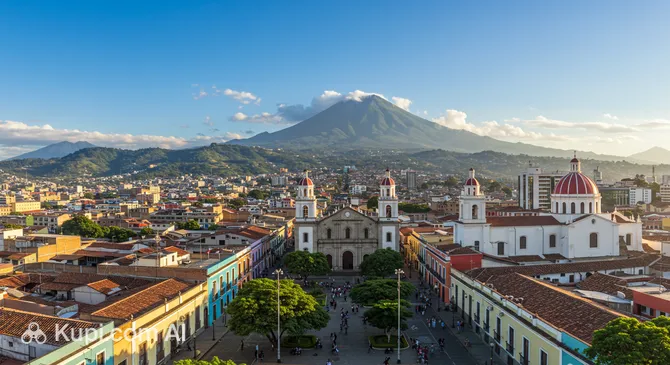
San Salvador. Source: Kupi.Binoculars

The city boasts a rich heritage that is evident in its architecture and monuments. To truly appreciate the history of San Salvador, one should explore the Historic Center, which has undergone significant restoration. Key attractions include the majestic Metropolitan Cathedral and the impressive National Palace. For a touch of nature within reach, El Boquerón National Park allows visitors to stand on the edge of the massive volcanic crater overlooking the city.

San Salvador is more than just a gateway to other destinations; it is a city worthy of exploration in its own right. From its engaging museums to its lively markets and dining scene, the capital invites you to immerse yourself in its unique culture. A visit here promises an authentic and memorable experience in the center of Central America.
Weather Overview

San Salvador enjoys a tropical climate characterized by consistent warmth and distinct dry and wet seasons. The city generally experiences high temperatures year-round, making it a suitable destination for sun-seekers at almost any time. To help plan your trip effectively, it is helpful to check the detailed forecast for the weather in San Salvador before you pack.

The dry season typically spans from December to March, where rainfall is virtually non-existent, and days are bright and sunny. During these months, visitors can expect average temperatures around 26°C, with daily highs reaching up to 33°C in March. This period is often considered the best time for outdoor activities and exploring the city's landmarks without interruption.

From May through October, the rainy season takes over, bringing frequent precipitation and lush green landscapes. September is usually the wettest month in terms of rainy days, with up to 29 wet days recorded. Despite the rain, the weather remains warm, with average temperatures hovering between 25°C and 27°C. Expect warm days with consistent highs around 30°C, while nights stay mild with minimums rarely dropping below 20°C.

Interesting Facts

Beyond the main attractions, San Salvador holds many fascinating secrets and unique details that often go unnoticed by the casual observer. Dive into the local lore with these intriguing facts about the capital's architectural and cultural marvels.

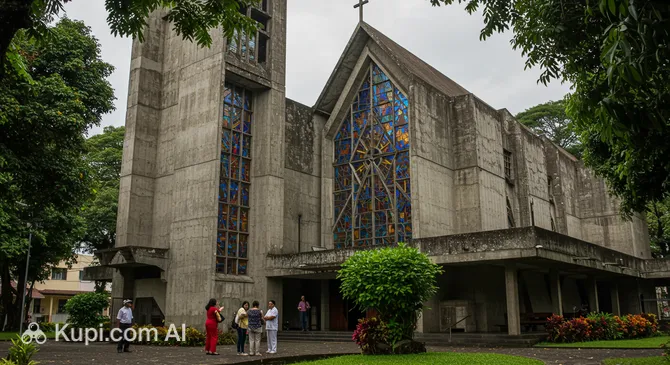
  • One of the most surprising architectural gems in the city is El Rosario Church. While its arched concrete exterior resembles a stark bunker or an airplane hangar, the interior is a breathtaking contrast. It features no pillars to obstruct the view and is illuminated by a kaleidoscope of rainbow-colored light filtering through intricate stained glass embedded in the concrete shell.

  • The historic National Palace of El Salvador is renowned for its four symbolic rooms, each color-coded for its original function. The Red Room was designated for diplomatic receptions, the Pink Room housed the Supreme Court, the Blue Room served the Legislature, and the Yellow Room was the President's office.

  • The city's most recognizable landmark, the Monument to the Divine Savior of the World, carries deep significance beyond its size. It depicts Jesus Christ standing atop a sphere representing planet Earth, directly symbolizing the country's name, which translates to "The Savior" in English.

  • The Metropolitan Cathedral of San Salvador is a site of profound spiritual importance in the heart of the Historic Center. While its white facade dominates the plaza, the cathedral's most revered treasure lies within its crypt: the tomb of Saint Oscar Romero. This sacred space attracts pilgrims from around the world who come to pay respects to El Salvador's first saint.

El Rosario Church. Source: Kupi.Binoculars

How to Get There

Reaching the capital is the first step of your adventure, and most international visitors arrive by air. While flight connections are the most common method, the city is also accessible via major highways connecting Central America. For a detailed breakdown of all transport options, including bus routes and driving directions, you can read more about how to get to San Salvador.

The primary gateway for travelers is El Salvador International Airport (IATA: SAL), also known as Saint Oscar Arnulfo Romero y Galdámez International Airport. It is located approximately 33 km from the city center. As the country's main hub with large passenger traffic, it offers numerous connections to North and South America. A trip from the terminal to downtown San Salvador typically takes about 1 hour and 10 minutes by taxi or shuttle, depending on traffic conditions.

Alternatively, some travelers may choose to fly into La Aurora International Airport (IATA: GUA) in Guatemala City. This airport is situated about 172 km away from San Salvador. While it is a significant regional hub, choosing this option requires a subsequent overland journey across the border, which can take approximately 4.5 to 5 hours by bus or car.

For clarity, here is a summary of the main airports in the region:

Airport Name City Passenger Traffic Km from City
La Aurora International Airport Guatemala City Large 172.3
El Salvador International Airport San Salvador Large 33.0
Ramon Villeda Morales International Airport San Pedro Sula Medium 239.5
Coronel Enrique Soto Cano Air Base Tegucigalpa Medium 188.6
Quetzaltenango Quetzaltenango Small 278.5

San Salvador does not currently have an active passenger railway service. The train infrastructure in the country has not been operational for public transport for many years. Visitors arriving from neighboring countries or other cities typically rely on the extensive network of international buses (such as Pullmantur or Tica Bus) or private shuttles. The road network is well-developed, making bus travel a reliable and popular alternative to flying.

Main Attractions

San Salvador offers a captivating mix of history, culture, and modern urban life. While the city is known for its bustling energy, it is also home to beautifully restored landmarks and green spaces that provide a glimpse into the country's heritage. Exploring these sites allows visitors to connect with the local rhythm and admire the architectural evolution of the capital.

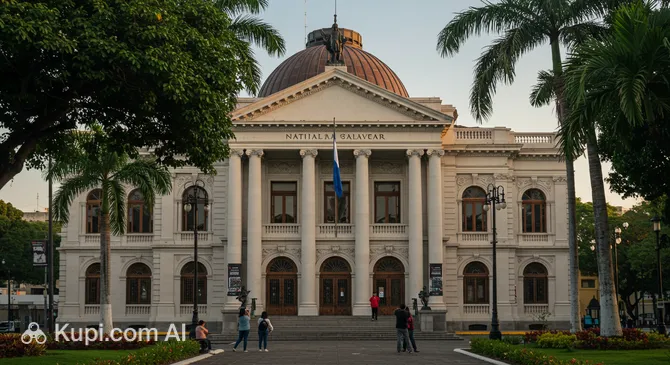
A jewel of the historic center is the National Theater of San Salvador. Constructed in the early 20th century, this architectural masterpiece stands as a significant cultural hub for the nation. Its French Renaissance style, adorned with intricate details and lavish interiors, makes it a visual delight. Tourists are often impressed by the Great Hall and the elegant foyer, which host regular cultural performances ranging from ballet to orchestral concerts.

National Theater of San Salvador. Source: Kupi.Binoculars

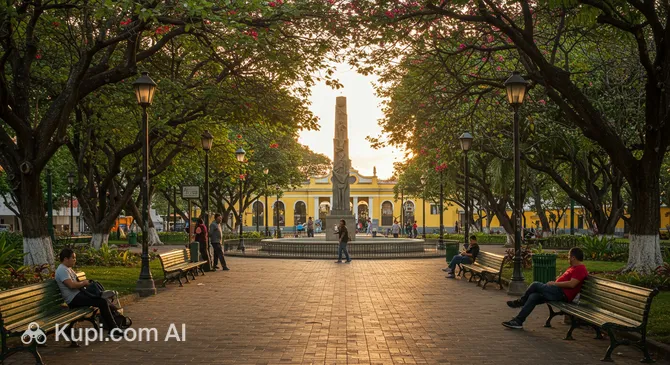
Just a short walk away lies the heart of the city's public life, Plaza Libertad. This spacious square is historically significant as the place where the city's expansion began and where the movement for independence took root. Following recent renovations, the plaza has become a clean, safe, and vibrant gathering spot. Visitors can enjoy a leisurely stroll, admire the central Independence Monument, and soak in the lively atmosphere created by local street performers and families enjoying the open space.

For those seeking a relaxing escape within the urban environment, Cuscatlán Park is the perfect destination. Often referred to as the city's "green lung," this park features modern walkways, shaded areas, and art installations. It is a favorite spot for morning jogs, afternoon picnics, or simply watching the world go by. The park's design seamlessly integrates nature with memory, offering a peaceful retreat from the busy streets.

Cuscatlán Park. Source: Kupi.Binoculars

No trip to the capital is complete without browsing the National Craft Market. This colorful market is the ideal place to discover Salvadoran artistry. Stalls are overflowing with traditional handicrafts, including hand-woven textiles, painted wood carvings, and the famous vibrant hammocks. It is an excellent spot to purchase authentic souvenirs and interact with local artisans who are proud to showcase their culture through their work.

Local Cuisine

The culinary landscape of San Salvador is a flavorful journey that reflects the country's mestizo heritage, blending indigenous ingredients with Spanish influences. The city's food scene is unpretentious yet deeply satisfying, characterized by hearty comfort foods, fresh tropical fruits, and a growing appreciation for high-quality local coffee. Whether you are dining in a modern restaurant or grabbing a bite at a street corner, the flavors are bold and authentic.

No visit to the capital is complete without indulging in the national dish, the pupusa. These thick, handmade tortillas are crafted from corn or rice flour and stuffed with savory fillings such as creamy quesillo (cheese), refried beans, and chicharrón (seasoned pork). For a unique local twist, try one filled with loroco, an edible flower bud native to Central America. Pupusas are traditionally served with curtido, a tangy fermented cabbage slaw, and a mild tomato salsa, creating a perfect balance of textures and flavors.

Beyond pupusas, the city offers a variety of traditional snacks and dishes. Yuca frita (fried cassava) served with chunks of pork and pescaditas (small fried fish) is a popular afternoon treat. Breakfasts in San Salvador are also a feast, typically featuring fried plantains, eggs, cheese, cream, and the ever-present tortillas. To wash it all down, locals prefer horchata de morro, a refreshing drink made from ground morro seeds, spices, and milk, which has a distinct nutty flavor unlike the rice-based versions found elsewhere.

For those seeking a dining experience steeped in history, Club La Dalia is a must-visit. Located in the heart of the Historic Center, this establishment is the oldest billiard hall in the city and retains a nostalgic charm with its classic architecture and lively atmosphere. It is an excellent spot to enjoy a cold beer or a cocktail while soaking in the ambiance of a bygone era.

Seafood enthusiasts will find plenty to enjoy as well, given the country's proximity to the coast. Restaurants like Puerto Marisco El Progreso serve fresh catches prepared in traditional styles, from ceviches to fried fish platters. Exploring the local gastronomy provides a delicious insight into the daily life and culture of San Salvador's residents.

Travel Tips

Welcome to San Salvador! To ensure your visit to this energetic capital is as smooth and enjoyable as possible, we have compiled a list of essential practical advice covering everything from getting around to local customs.

  1. Clothing and Gear: San Salvador is warm and humid year-round, so pack lightweight, breathable fabrics like cotton or linen. Comfortable walking shoes are a must for exploring the Historic Center. If you are visiting during the rainy season (May to October), a waterproof jacket or umbrella is essential. When visiting religious sites like the Metropolitan Cathedral, remember to dress modestly; avoid wearing sleeveless tops or very short shorts.
  2. Transportation: For most tourists, ride-hailing apps like Uber are the safest and most convenient way to get around the city. They offer transparent pricing and reliable service. While public buses (often colorful retired US school buses) are cheap and plentiful, they can be confusing, crowded, and sometimes unsafe for visitors unfamiliar with the routes. Car rentals are available, but be prepared for heavy traffic and aggressive driving styles.
  3. Finances: The official currency of El Salvador is the US Dollar (USD), which makes travel easy for visitors from the US. Bitcoin is also legal tender, though cash remains king for small transactions. Credit cards are widely accepted in hotels, malls, and restaurants in modern districts like San Benito, but you will need small bills ($1, $5, $10) for markets and street food. ATMs are easy to find in shopping centers and secure areas. Tipping around 10% is standard in restaurants.
  4. Health and Safety: San Salvador has become much safer for tourists, but standard precautions apply. Stick to well-populated and guarded areas such as the Zona Rosa, Escalón, and the revitalized Historic Center. Avoid walking alone at night in poorly lit or unfamiliar neighborhoods. Pharmacies are abundant, with major chains like Farmacia San Nicolás often open 24/7. It is highly recommended to drink bottled water instead of tap water to avoid stomach issues.
  5. Communication: Spanish is the official language. While staff in major hotels and high-end restaurants usually speak English, it is less common in local markets or smaller shops. Learning a few basic phrases like "Buenos días" (Good morning) and "Gracias" (Thank you) will go a long way. Prepaid SIM cards from providers like Tigo or Claro are cheap and easy to buy at the airport or malls, ensuring you have data for maps and translation apps.
  6. Local Etiquette: Salvadorans are known for their warmth and hospitality. It is polite to greet people with a "Buenos días" or "Buenas tardes" when entering a shop or boarding a vehicle. Handshakes are common, and friends often greet with a cheek kiss. Locals appreciate it when visitors show interest in their culture and food, so don't be shy about asking questions politely.
  7. What to Avoid: Do not take photos of people, especially children or police, without asking for permission first. Avoid wearing flashy jewelry or displaying expensive electronics openly on the street, as this can attract unwanted attention. Also, refrain from discussing sensitive political topics or the country's past conflicts unless your host initiates the conversation.
  8. Pro Tip - Eating Pupusas: When you sit down to enjoy the national dish, pupusas, try to eat them the traditional way—with your hands! Using a fork and knife is often seen as strange by locals. Tear off a piece of the tortilla, grab some curtido (cabbage slaw) with it, and enjoy the authentic experience.

By keeping these tips in mind, you will be well-prepared to navigate the city with confidence. Embrace the local rhythm, savor the flavors, and enjoy the incredible hospitality that San Salvador has to offer!

Entertainment & Nightlife

As the sun sets, San Salvador transforms from a busy administrative hub into a vibrant center of entertainment. The city's nightlife scene has evolved significantly, offering everything from sophisticated rooftop lounges to energetic dance clubs. Whether you are looking for a quiet cocktail with a view or a place to dance until dawn, the capital provides a diverse array of options to suit every mood.

The epicenter of upscale nightlife is undoubtedly the Zona Rosa in the San Benito district, along with the nearby Paseo General Escalón. These areas are lined with trendy bars, international restaurants, and nightclubs that attract a stylish local crowd and expatriates. For a more bohemian and cultural atmosphere, the revitalized Historic Center offers a unique experience where visitors can enjoy drinks in restored heritage buildings, often accompanied by live music and a view of the illuminated architectural landmarks.

For those seeking a lively atmosphere to enjoy drinks and music, Meka Bar is a popular destination. It is well-regarded for its vibrant energy and is a great spot to socialize. If you are in the mood for dancing, El Bar offers a classic nightclub experience with a mix of contemporary hits and Latin rhythms, keeping the energy high late into the night.

Modern mixed-use complexes also play a major role in the city's evening entertainment. Places like Millennium Plaza provide a safe and contemporary environment where you can combine shopping, fine dining, and cinema in one location. These centers are particularly popular for families and groups of friends looking for a relaxed evening out with plenty of amenities close at hand.

When planning a night out, keep in mind that the action typically peaks from Thursday to Saturday. In upscale areas like San Benito, the dress code is generally "smart casual" or "dress to impress," while the Historic Center is more relaxed. Prices in the exclusive districts can be comparable to international standards, so budget accordingly. For safety, it is highly recommended to use ride-sharing apps like Uber or radio taxis to move between venues, rather than walking long distances at night, even within popular zones.

During the day, the entertainment landscape shifts towards cultural and family-friendly activities. The city offers excellent options for educational fun, such as the Tin Marin Children's Museum, which features interactive exhibits perfect for younger travelers. History enthusiasts can explore the Railway Museum and Theme Park to learn about the country's transportation heritage in an engaging setting.

Parks & Museums

Beyond its busy avenues and commercial districts, San Salvador offers a surprising array of green spaces and cultural institutions that provide a deeper understanding of the country's heritage. For travelers looking to unwind or learn more about the local history, the city's parks and museums serve as perfect sanctuaries of nature and knowledge.

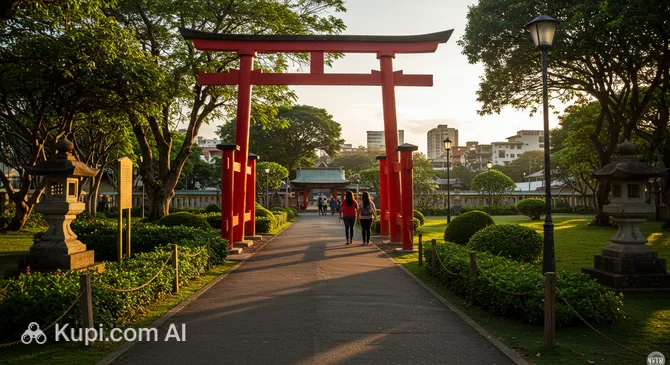
One of the most beloved recreational areas for local families is Saburo Hirao Park. Located in the southern part of the city on a former coffee plantation, this park is a delightful mix of nature and education. It features lush gardens, playgrounds with long slides that children adore, and shaded trails perfect for a relaxing walk. It is an excellent spot to escape the city heat and enjoy a picnic surrounded by native flora.

Saburo Hirao Park. Source: Kupi.Binoculars

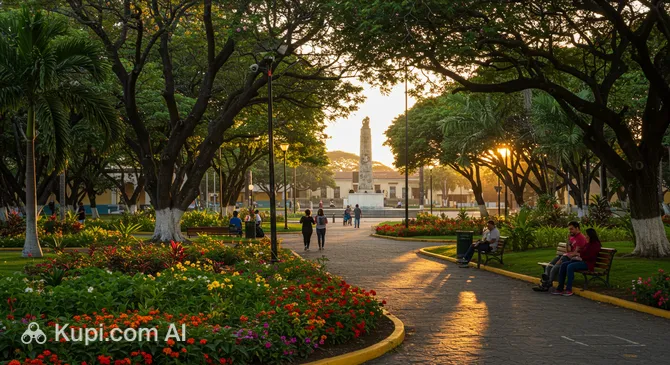
For those interested in the nation's patriotic history, the Monument to the National Heroes and Plaza of National Sovereignty is a significant landmark. This area pays tribute to the historical figures who shaped the region. The plaza offers a spacious, open environment where visitors can appreciate the solemn architecture and the surrounding greenery, making it a thoughtful stop for history enthusiasts.

Monument to the National Heroes and Plaza of National Sovereignty. Source: Kupi.Binoculars

San Salvador's museums are equally engaging, offering insights into everything from biodiversity to military history. Conveniently located within the Saburo Hirao Park is the Museum of Natural History of El Salvador. This institution is dedicated to the country's rich ecosystems and paleontological findings. Visitors can explore exhibits showcasing fossils found in the region, including remains of ancient mastodons, as well as displays on the diverse plant and animal life that thrives in El Salvador's tropical climate.

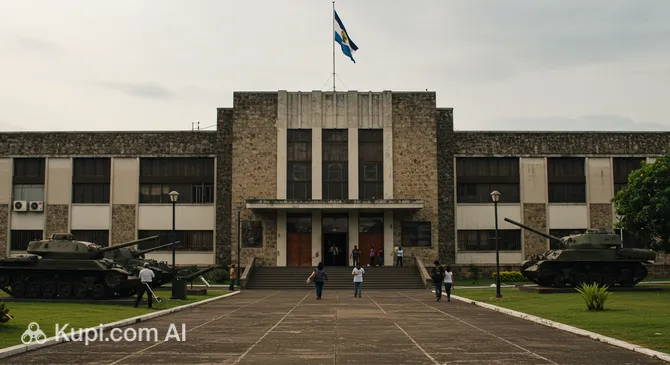
Another fascinating cultural venue is the Military Museum of the Armed Forces of El Salvador, housed in the historic El Zapote barracks. This museum provides a comprehensive look at the country's military past, featuring a collection of uniforms, weapons, and historical documents. A unique highlight of the collection is the "Popemobile," the specially modified truck used by Pope John Paul II during his visits to the country, which remains a cherished artifact for many locals.

Military Museum of the Armed Forces of El Salvador. Source: Kupi.Binoculars

For a truly authentic experience, consider visiting the Botanical Garden of La Laguna (Jardín Botánico La Laguna). Situated at the bottom of an extinct volcanic crater, this garden is a hidden gem often overlooked by hurried tourists. It offers a tranquil atmosphere with thousands of plant species, making it one of the most peaceful places to read a book or simply breathe in the fresh air right in the middle of the urban sprawl.

Getting Around

Navigating San Salvador is an adventure in itself, as the city does not rely on a metro or tram system. Instead, the public transport network is composed almost entirely of a vast and energetic fleet of buses and minibuses. These vehicles connect every neighborhood and are the lifeline of the city's daily commute. For a visitor, they offer an authentic glimpse into local life, though the system can initially seem chaotic to the untrained eye.

The most common mode of transport is the standard public bus, often recognizable as a colorful, modified former US school bus. Complementing these are the smaller "microbuses" or coasters, which are faster but tend to be more crowded. While there have been initiatives to implement a modern Bus Rapid Transit system (SITRAMSS) with dedicated lanes and card payments, its operation has been irregular. Therefore, tourists should primarily expect to use the traditional bus network where cash is the standard method of payment.

Fares are exceptionally low, typically ranging from $0.20 to $0.35 per ride, making it one of the most affordable ways to travel. Payment is made directly to the driver or a conductor upon boarding. Since electronic travel cards are not widely used for the general bus system, it is essential to carry small change. Coins (quarters and dimes) and one-dollar bills are the most practical currency to have on hand, as drivers often cannot break larger denominations.

Public transport generally operates from very early in the morning, around 4:00 AM, until approximately 8:00 PM or 9:00 PM. Service frequency drops significantly after dark, and some routes may stop running altogether in the evening. There are no fixed timetables for most routes; buses simply depart when full or at frequent intervals. To catch a bus, you can wait at designated stops (paradas), though in many areas, simply waving your hand at an approaching bus will signal the driver to stop.

For many international visitors, especially those unfamiliar with the complex route system or the Spanish language, ride-hailing apps are the recommended alternative. Services like Uber are widely available, safe, and offer the convenience of upfront pricing and GPS tracking. Traditional yellow taxis are also plentiful, but they do not use meters. If you choose to hail a taxi on the street, you must negotiate and agree on the fare with the driver before getting in to avoid overpaying.

While renting a car is an option, traffic in the city can be heavy and driving styles aggressive. Consequently, most tourists find that a combination of walking for short distances in the Historic Center and using ride-sharing apps for longer journeys provides the best balance of comfort and efficiency. If you do decide to try the local buses for the experience, avoid the morning and evening rush hours when vehicles are packed to capacity.

Accommodation

Finding the perfect place to stay in San Salvador is relatively easy, as the capital offers a wide spectrum of accommodation options to suit every budget and travel style. Whether you are a backpacker looking for a social hostel, a business traveler needing modern amenities, or a vacationer seeking a luxurious retreat, the city has something for you. The hospitality sector here has grown significantly, blending international standards with warm local service.

For those seeking comfort, safety, and proximity to the best dining and nightlife, the districts of San Benito (home to the famous Zona Rosa) and Colonia Escalón are the top recommendations. These neighborhoods are characterized by tree-lined streets, upscale shopping centers, and a high concentration of embassies. Here, you will find major international hotel chains and boutique properties that offer excellent security and amenities. Staying in these areas puts you within walking distance of some of the city's best restaurants and entertainment venues.

Travelers on a tighter budget or those who prefer a more historical atmosphere might consider staying closer to the Historic Center or the areas bordering the university districts. While these locations are busier during the day, they offer affordable guesthouses and hostels that provide easy access to key landmarks like the Metropolitan Cathedral and the National Palace. However, keep in mind that the Historic Center quiets down significantly at night compared to the lively vibe of San Benito.

The cost of accommodation in San Salvador is generally very reasonable. Budget travelers can find hostel dorm beds or simple private rooms ranging from $15 to $40 per night. Mid-range hotels, which often include breakfast and air conditioning, typically cost between $60 and $100. For a luxury experience with pools, gyms, and panoramic views of the volcano, expect to pay upwards of $120 per night. Since the US dollar is the official currency, pricing is transparent and easy to understand for many international visitors.

Booking Tip: While it is often possible to find a room upon arrival, it is highly recommended to book your accommodation in advance, especially if you plan to visit during the dry season (December to March) or the Easter holidays (Semana Santa). During these peak times, the best-value hotels fill up quickly. Most properties are listed on major online booking platforms, making it convenient to secure your stay before you travel.

Nearby Cities

For those looking to explore the surroundings, San Salvador serves as an excellent base for day trips to several interesting nearby locations:

One of the most popular neighbors is Santa Tecla. Located just a short drive from the capital, this city retains a distinct cultural identity with its preserved colonial-style architecture and cooler climate. It is particularly famous for Paseo El Carmen, a vibrant tourist corridor that comes alive on weekends with artisan markets, street performances, and a lively dining scene. Santa Tecla also serves as a gateway to the green slopes of the San Salvador Volcano, offering a quick escape into nature.

Another noteworthy destination is Mejicanos, situated immediately north of the city. While it is part of the metropolitan area, it holds a special place in the hearts of locals due to its culinary reputation. The town is renowned for serving some of the best yuca (cassava) in the country. Visitors often flock to the local "Yucódromos" to enjoy this traditional dish, served either fried or boiled with chicharrón and fresh salsa, providing an authentic taste of Salvadoran street food culture.

City Population Distance (km)
Santa Tecla 199,103 8
Mejicanos 140,751 5
Apopa 131,286 13
Delgado 120,200 9
Colón 96,989 14

These nearby destinations offer a glimpse into the diverse culture and landscapes of the region.

Shopping & Souvenirs

Shopping:

San Salvador stands out as a premier shopping destination in Central America, offering a diverse retail landscape that caters to all tastes and budgets. The city seamlessly blends the modern convenience of massive, American-style shopping malls with the vibrant, chaotic charm of traditional open-air markets. Whether you are looking for high-end international fashion brands, the latest electronics, or authentic handmade crafts, the capital provides an extensive array of options that reflect its status as a commercial hub.

For those who enjoy a contemporary shopping experience, the city's malls are world-class and serve as major social gathering spots. One of the most interesting centers to visit is Galerías Mall. This shopping complex is unique because it was built around "La Casona," a preserved 1950s mansion that now sits inside the mall, creating a fascinating contrast between historic architecture and modern retail. It houses a wide variety of international stores, a food court, and cinema, making it a favorite among locals.

Another upscale option is the recently developed Millennium Plaza. Located in the financial district, this mixed-use complex represents the modern face of San Salvador. It offers a curated selection of exclusive boutiques, dining options, and entertainment facilities in a sophisticated environment. The plaza is connected to other commercial areas via pedestrian bridges, allowing for a seamless shopping tour in the heart of the city.

If you are searching for authentic souvenirs and want to support local artisans, the National Craft Market (Mercado Nacional de Artesanías) is the place to go. Unlike the busy general markets, this space is dedicated specifically to Salvadoran culture. Here, you can browse through stalls overflowing with colorful textiles, hand-painted wood carvings, and pottery. It is a much more relaxed environment compared to the bustling downtown streets, allowing you to browse at your own pace.

When it comes to buying souvenirs, there are a few iconic items that every visitor should consider. El Salvador is world-famous for its high-quality coffee, and buying a bag of locally roasted beans is a must. Another popular item is the traditional cotton hammock, known for its vibrant colors and durability. You might also find beautiful garments dyed with indigo (añil), a natural blue dye that has been a part of the region's heritage since Mayan times. These unique products make for meaningful gifts that carry the spirit of the country.

Most shopping malls in San Salvador are open seven days a week, typically from 10:00 AM to 8:00 PM or 9:00 PM. Traditional markets tend to open earlier, around 8:00 AM, and close by late afternoon, usually around 5:00 PM. Since the US Dollar is the official currency, payment is straightforward for many travelers. Major credit and debit cards are widely accepted in malls, supermarkets, and established shops. However, if you plan to visit street markets or buy from small artisan stalls, it is essential to carry cash in small denominations.

Reached the end of the page?

That means the route is fully explored