Support

El Salvador

Cities in the country

About the Country

El Salvador, the smallest country in Central America, is nestled on the Pacific coast and is known as the "Land of Volcanoes". This destination attracts travellers with its compact size, allowing for the exploration of diverse landscapes—from volcanic peaks to sunny beaches—in a short amount of time. An atmosphere of authenticity and hospitality prevails here, revealing the heart of Central America in all its beauty.

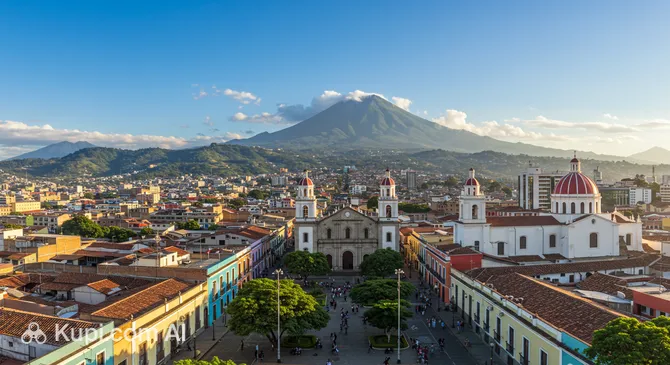
El Salvador's cultural heritage is rich and multifaceted, blending ancient Mayan traditions with a colonial past. Travellers can explore archaeological sites, such as Joya de Cerén, and charming colonial towns like Suchitoto. The nation's capital, San Salvador, is a dynamic centre where modernity intertwines with history, offering museums, galleries, and vibrant city life.

San Salvador. Source: Kupi.com Binoculars

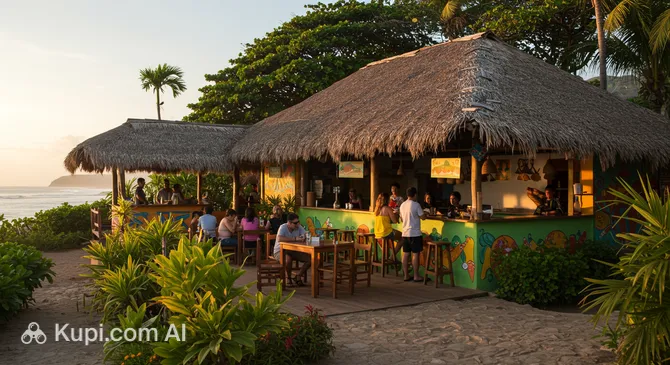
Nature has generously endowed El Salvador. The country prides itself on its volcanoes, many of which are accessible for hiking and offer breathtaking views. Fans of active recreation will appreciate the surfing opportunities on the beaches of La Libertad, as well as the picturesque lakes and coffee plantations spread across the fertile volcanic slopes. The tropical climate ensures warm weather year-round, making El Salvador an attractive destination to visit at any time.

Currency

In El Salvador, the official currency is the US dollar (USD). This was adopted on 1 January 2001, replacing the Salvadoran colón. A unique aspect of the country's financial system is that since 2021, Bitcoin (BTC) has also been recognised as legal tender. This gives travellers the choice between using traditional currency and cryptocurrency. The US dollar notes and coins in circulation are identical to those used in the United States.

For visitors from the UAE, it is convenient that the UAE Dirham is pegged to the US dollar, simplifying currency exchange. It is recommended to carry US dollars, which can be obtained before your journey. While in El Salvador, use official banks or exchange offices (casas de cambio) for any further currency needs and avoid street money changers. Credit cards such as Visa and MasterCard are widely accepted in hotels, restaurants, and large shops, particularly in tourist areas and the capital, San Salvador. However, it is always wise to have a supply of cash for smaller purchases at markets or in more remote regions. Regarding Bitcoin, acceptance levels can differ; although it is legal tender, not all establishments may be equipped to process it, but its use is expanding, especially in some tourist centres.

Visa Requirements

For citizens of the United Arab Emirates, a visa is not required to enter El Salvador for tourism purposes for a stay of up to 180 days. However, some sources indicate the visa-free stay is for 90 days. While UAE nationals can enter visa-free, residents of the UAE holding other passports may need to apply for a visa, potentially an eVisa, depending on their nationality. It is important to verify the specific requirements for your passport before travelling.

Regardless of visa status, all travellers will need a passport that is valid for at least six months from the date of arrival in El Salvador. It is also common for immigration officials to ask for proof of onward or return travel, confirmation of accommodation, and evidence of sufficient funds for your stay. As entry requirements can change, it is highly recommended to confirm the latest information with the nearest Embassy or Consulate of El Salvador before your trip.

We'll tell you if you need a visa

Specify where you are going, or
Your citizenship
Destination

Time Zones

When planning a trip to El Salvador, you will not need to worry about changing your watch when travelling within the country. The entire territory of El Salvador operates on a single time zone — Central Standard Time (CST), which is UTC-6. This means the time is the same in all cities and regions, including the capital, San Salvador. For travellers from the UAE, it is useful to know that El Salvador is 10 hours behind Gulf Standard Time (GST).

The absence of multiple time zones significantly simplifies planning your movements and activities during your journey through this picturesque Central American country.

How to Get There

The primary way to reach El Salvador is by air. The country's key international hub is the El Salvador International Airport Saint Óscar Arnulfo Romero y Galdámez (IATA: SAL). It is located near the capital, San Salvador, and handles flights from across North, Central, and South America. For travellers from the UAE, reaching El Salvador typically requires a connecting flight, often through major hubs in Europe or the USA. Airlines such as Emirates, Turkish Airlines, and KLM offer routes with connections in cities like Houston, Chicago, or Amsterdam.

For those who prefer travelling by land or are looking for more budget-friendly options, El Salvador can be reached by international buses from neighbouring countries such as Guatemala and Honduras. This is a popular way to travel throughout Central America, offering a closer look at the region. As for sea transport, while it is not the main method of arrival for most tourists, some cruise liners may call at ports in El Salvador, providing an opportunity to experience the country as part of a larger journey.

When planning your trip, it is always recommended to book flights and, if necessary, bus tickets in advance. This is particularly important if your travel dates coincide with the peak tourist season or national holidays, as it will not only help you secure better prices but also guarantee availability.

For clarity, here is a summary of the main airport:

Airport Name City Passenger Traffic
El Salvador International AirportSan SalvadorMajor

El Salvador, a compact and welcoming country in Central America, surprises visitors with its diverse range of tourist destinations. Here, travellers can discover lively urban centres, charming colonial towns nestled amidst volcanic landscapes and coffee plantations, as well as popular resorts on the Pacific coast that attract surfing enthusiasts and beach lovers.

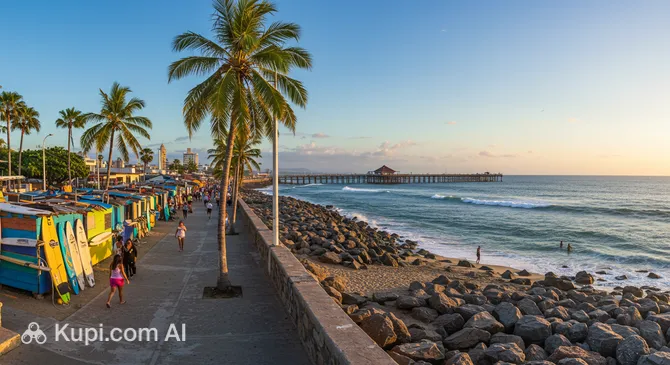
The country's cultural and business heart is undoubtedly its capital, San Salvador. This dynamic metropolis offers a chance to explore El Salvador's history and art, visit numerous museums and galleries, and enjoy the national cuisine; travellers are advised to verify halal options locally. For those dreaming of ocean waves and golden sands, the ideal choice is La Libertad, renowned for its beaches like El Tunco and El Zonte, which are considered some of the best surfing spots in the region.

San Salvador. Source: Kupi.com Binoculars

Other parts of El Salvador are no less appealing. For instance, the charming colonial town of Suchitoto, with its cobbled streets, colourful houses, and views over Lake Suchitlán, will transport you to a bygone era. Meanwhile, Santa Ana, the country's second-largest city, serves as an excellent starting point for exploring the volcano of the same name and the Cerro Verde National Park. Each of these towns and resorts offers its own unique experiences, ready to reveal the heart of El Salvador to you.

Top Attractions

El Salvador, a compact country in Central America, offers a surprising diversity of attractions. Here, everyone can find something to their liking, from iconic monuments to cosy parks that reflect the nation's culture and history.

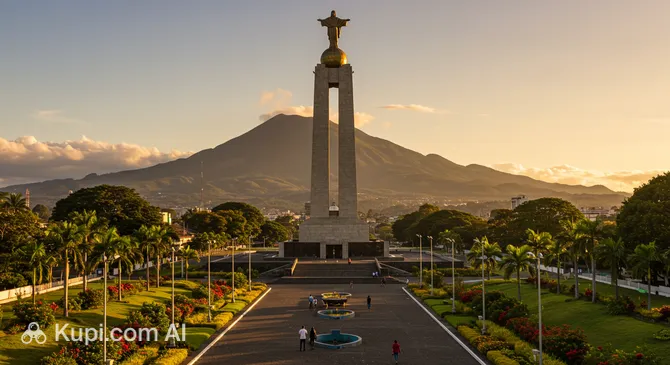
One of the main symbols of the capital, San Salvador, is the Monument to the Divine Savior of the World. This majestic monument, which depicts Jesus Christ standing on a globe, is not only a significant landmark but also a popular spot for photographs and a starting point for exploring the city.

Monument to the Divine Savior of the World. Source: Kupi.com Binoculars

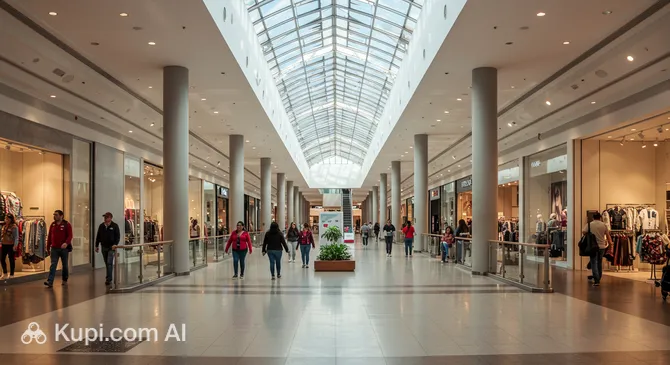
Nature lovers and families should visit Cuscatlan Park, also located in San Salvador. It is the largest urban park, offering extensive green spaces, relaxation areas, and playgrounds, and it often serves as a venue for cultural events and festivals.

Cuscatlán Park. Source: Kupi.com Binoculars

Equally interesting is Libertad Park in the city of Santa Ana. This historic square is surrounded by impressive architectural monuments, including the Cathedral and the National Theatre. It serves as the heart of the city's cultural life, attracting both locals and tourists with its vibrant atmosphere.

Liberty Park. Source: Kupi.com Binoculars

Best Time to Visit

When planning a trip to El Salvador, it's important to consider the two main climatic seasons, which will define the nature of your holiday. The high season, also known as the dry season or 'verano' (summer), runs from November to April. During this time, the weather is typically sunny, warm, and less humid, creating ideal conditions for beach holidays, surfing the famous Pacific waves, and exploring volcanoes and archaeological sites. The advantages of this period are the comfortable weather conditions for most activities. However, it's worth noting that this is also the most popular time for tourists, so prices for accommodation and services can be higher, and popular attractions may be more crowded. This period may also coincide with the celebration of Holy Week (Semana Santa), which features colourful processions and religious events.

The low season, or rainy season ('invierno' - winter), occurs from May to October. This time of year is characterised by daily, but most often brief, afternoon downpours. The mornings are usually sunny, and nature becomes incredibly lush and green. The main advantages of travelling during the low season are fewer tourists, lower prices for hotels and tours, and the chance to see the country in all its emerald glory. For surfers, this period can also be appealing due to the good waves. The downsides include potential inconveniences caused by the rain, especially if you plan to travel extensively in rural areas. Despite the rain, early August sees grand celebrations for the Fiestas Agostinas in San Salvador and other cities, dedicated to the country's patron saint.

Overall, the climate in El Salvador is tropical, with minor temperature fluctuations throughout the year. The coast is generally hotter and more humid, while the mountainous regions can be cooler, especially in the evenings. Therefore, when choosing the best time for your trip, consider your preferences: if you are looking for guaranteed sunshine and are prepared for the influx of tourists, opt for the dry season; however, if you wish to save money, enjoy the lush greenery, and don't mind occasional rain, consider the wet season. It is always a good idea to check the weather forecast for the specific regions you plan to visit closer to your travel date.

Traditions

The culture of El Salvador is rich and multifaceted, and its people are known for their friendliness and openness. Greetings are generally warm: a handshake accompanied by direct eye contact is a common custom, symbolising sincerity. When addressing strangers, particularly older people, it is customary to use the respectful forms of 'señor' or 'señora'. Hospitality plays an important role in Salvadoran society; it is a great honour to be invited into a local's home. While gifts are not obligatory, a small souvenir from your home country or something for the hosts' children will be received with gratitude.

In terms of daily attire, there are no strict requirements. However, similar to the etiquette for visiting a mosque, it is recommended to dress modestly when visiting churches and religious sites, ensuring shoulders and knees are covered. A neat appearance is appreciated in public places. At the dining table, Salvadorans generally follow standard rules of etiquette; it is considered polite to wait for the hosts to begin eating or to invite you to start your meal. Try to avoid pointing at people or objects with your index finger, as this can be seen as rude; it is better to use an open palm or a nod of the head instead. Also, bear in mind that while punctuality is valued in business, in informal social settings, the concept of 'Salvadoran time' (hora salvadoreña) allows for slight lateness.

To gain a deeper understanding of the country's culture, it is worth paying attention to local festivals. One of the most significant is Independence Day (15th September), which is celebrated throughout the country with parades, music, and public festivities. Also vibrant and colourful are the August Festivals (Fiestas Agostinas), held in honour of the Divine Saviour of the World, the patron of El Salvador. These are celebrated with particular splendour in the capital, San Salvador. Overall, showing respect for local traditions, being open, and smiling will help you connect with Salvadorans and make your journey more memorable. A few learned phrases in Spanish will also be highly appreciated.

Entertainment

El Salvador offers tourists a variety of exciting ways to spend their time, combining active recreation with deep cultural immersion. Thrill-seekers will appreciate the Pacific coast, known for its waves that are ideal for surfing, especially in the La Libertad area. Hiking and climbing the country's numerous volcanoes are also popular, offering breathtaking views from the top. The cultural programme can include visits to museums, the historical centres of cities like Suchitoto or Concepción de Ataco with their colonial architecture, and exploring Mayan archaeological sites, such as those near Chalchuapa.

As evening approaches, life buzzes in the capital, San Salvador, and other major cities like San Miguel or Santa Ana. Here you will find many restaurants offering both traditional Salvadoran dishes and international cuisine, as well as cafés with a lively atmosphere. While halal food options are not widespread, it is possible to find some, particularly Pakistani cuisine in the capital. For those interested in shopping, El Salvador has vibrant local crafts to offer: colourful textiles, hammocks, ceramics, carved wooden items and, of course, famous Salvadoran coffee. The main shopping areas and souvenir shops are concentrated in tourist centres and large cities.

For a family holiday, consider walks in the national parks, where you can enjoy nature and see the local flora and fauna. Some hotels also offer entertainment for children. When visiting cultural or historical sites, it is advisable to dress modestly out of respect for local customs. Overall, El Salvador has something interesting for every traveller, whether it's active outdoor adventures, discovering a rich culture, or simply a relaxing holiday.

Currency rates

Planning a trip? Excellent! To avoid any financial surprises on your journey, it's important to remember that currency exchange rates are constantly changing. Since 2001, the official currency of El Salvador has been the United States dollar (USD). This simplifies transactions for many international travellers, as there is no need to exchange money upon arrival if you already have US dollars.

Therefore, we strongly advise keeping track of the current exchange rates between your home currency, such as the UAE Dirham (AED), and the US Dollar both before departure and throughout your trip. For this, you can use the data provided below; we monitor exchange rates 24/7 to bring you the most up-to-date information.

USD currency exchange rate as of 02.01.2026

3.69 AED
~ 1 USD
383.37 AMD
~ 1 USD
1.51 AUD
~ 1 USD
1.71 AZN
~ 1 USD
2.95 BYN
~ 1 USD
1.38 CAD
~ 1 USD
1 EUR
~ 1.17 USD
1 GBP
~ 1.34 USD
328.84 HUF
~ 1 USD
90.44 INR
~ 1 USD
87.88 KGS
~ 1 USD
1451.48 KRW
~ 1 USD
509.94 KZT
~ 1 USD
3.61 PLN
~ 1 USD
79.26 RUB
~ 1 USD
3.77 SAR
~ 1 USD
1.29 SGD
~ 1 USD
43.16 TRY
~ 1 USD
42.50 UAH
~ 1 USD
12073.27 UZS
~ 1 USD

Reached the end of the page?

That means the route is fully explored