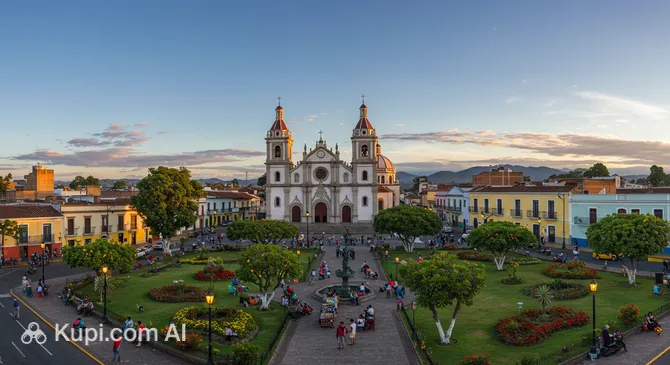
Located in western El Salvador, Santa Ana is a fascinating blend of industrial might and colonial grace. As the country's second-largest city, it serves as the administrative center of the department of the same name and is rightfully considered the regional coffee capital. The city is nestled in a fertile valley at an altitude of 665 meters above sea level, right at the foot of the majestic Santa Ana volcano, which provides a stunning natural backdrop.
Santa Ana. Illustration.
Source: Kupi.com AI
The rich history of the city dates back to 1569, when Spanish colonizers founded a settlement here. However, its true prosperity came in the 19th century, when the "coffee boom" transformed the city into a thriving economic hub. This legacy of the "Golden Age" of coffee can still be seen in the architecture of the city center, where a magnificent Neo-Gothic cathedral stands alongside an exquisite theater, creating an atmosphere of past grandeur and modern business rhythm.
Today, Santa Ana is more than just a tourist destination; it is a vibrant and energetic city with a population of about 245,000 people. While it is often seen as an important transport and trade hub on the Pan-American Highway, travelers will find a special charm in its chaotic but authentic urban environment and the chance to experience the genuine life of El Salvador, free from unnecessary polish.
Weather Overview
Santa Ana has a tropical climate characterized by a clear division into dry and rainy seasons. Thanks to its elevation of 665 meters above sea level, it is somewhat cooler and more comfortable here than in the country's coastal regions. For most of the year, the city enjoys warm and pleasant weather in Santa Ana, with average temperatures ranging from 23°C to 26°C.
The dry season lasts from November to April—this is the ideal time for sightseeing and hiking the volcanoes. During these months, there is almost no rainfall, and daytime temperatures can reach 30°C. The rainy season begins in May and continues until October; this period often sees powerful but brief downpours, especially in the afternoon, making the surrounding vegetation incredibly lush and green.
Average monthly temperature
Average monthly precipitation
Interesting Facts
Before the arrival of the Spanish, an ancient settlement of the Pipil Indians called Sihuatehuacán was located on the site of modern-day Santa Ana; the name translates to "city of priestesses."
In the late 19th century, the city gained worldwide fame as one of the largest centers for coffee production and export, which allowed local authorities to build ambitious structures such as the theater and the cathedral.
Santa Ana is an important hub on the legendary Pan-American Highway, which connects the city with the main economic centers of the Americas.
Just a few kilometers south of the city lies Lake Coatepeque, which is located in the caldera of an extinct volcano and is considered one of the most beautiful bodies of water in the world.
Despite its industrial status, the city remains the second most populous in El Salvador, surpassed only by the capital.
How to Get There
Santa Ana is one of the most accessible cities in the country due to its location on the western stretch of the Pan-American Highway. Travel to this region usually begins from the capital, with modern buses running regularly. More detailed information on routes and schedules can be found in the how to get to Santa Ana section.
While the city does not have its own airport, the nearest major air hub is San Salvador International Airport. From there, Santa Ana can be reached by taxi or pre-booked transfer in approximately 1.5–2 hours, depending on traffic. For independent travelers, regular buses are also available and are considered the most budget-friendly way to travel.
Railway service in the region is currently used primarily for freight, so buses and private cars remain the main land transport. Bus services connect Santa Ana not only with the capital but also with neighboring Guatemala, making the city a convenient stop for those traveling throughout Central America.
Station
Passenger traffic
Distance
1
237 km
Main Attractions
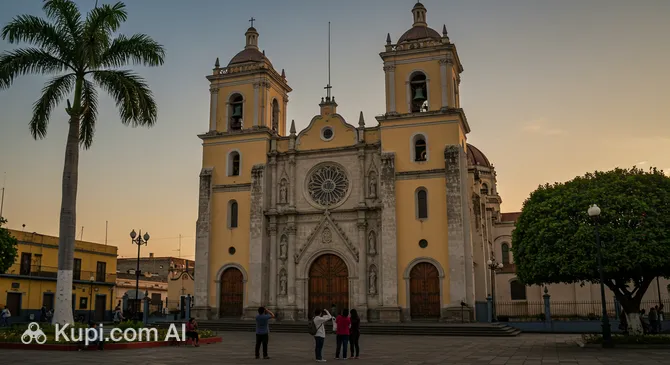
The heart of the city and its main architectural gem is the Cathedral of Santa Ana. This majestic Neo-Gothic temple impresses with its detail and elegance, standing out sharply against the rest of the buildings. Its snow-white facades and high spires are considered among the most beautiful in Central America, drawing the eyes of both the faithful and art lovers.
Cathedral of Our Lady Saint Anne. Illustration.
Source: Kupi.com AI
Traveller photos:
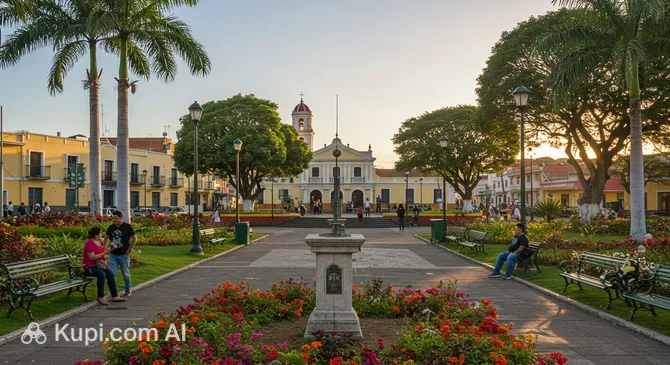
Just outside the cathedral lies Libertad Park—the central square where city life bustles. It is an ideal place to watch the locals, relax in the shade of the trees, and admire the ensemble of colonial buildings, including the City Hall and the famous theater. The park's atmosphere allows you to feel the spirit of old Santa Ana, which has preserved features from the era of the coffee barons' prosperity.
Liberty Park. Illustration.
Source: Kupi.com AI
Traveller photos:
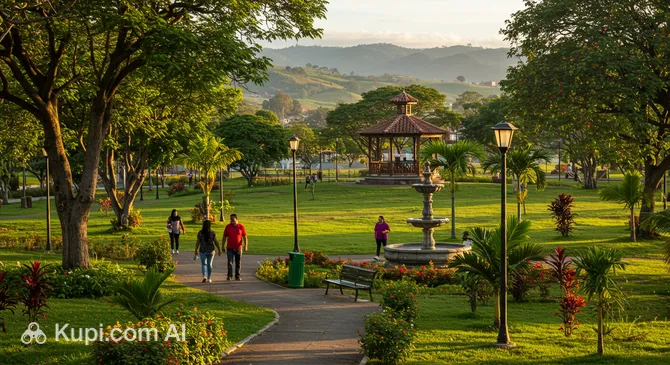
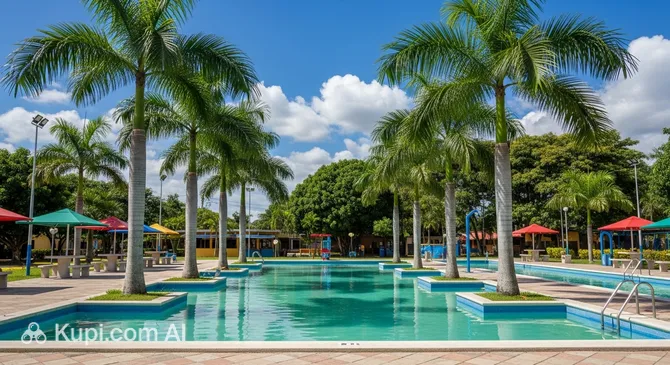
For those seeking outdoor relaxation without traveling far from the center, the Sihuatehuacán Recreational Park welcomes visitors. The park's name refers to the city's ancient name, and the grounds offer freshwater swimming pools and shaded paths for walking. It is a popular spot for local families to escape the tropical heat surrounded by lush greenery.
Sihuatehuacán Recreational Park. Illustration.
Source: Kupi.com AI
Traveller photos:
In addition to urban sites, Santa Ana serves as an excellent base for trips to natural wonders: the active Santa Ana volcano and the picturesque Lake Coatepeque are just a few kilometers away and should definitely be included in any traveler's El Salvador itinerary.
Local Cuisine
A gastronomic journey through Santa Ana is unthinkable without pupusas—the national dish of El Salvador. These thick corn tortillas filled with cheese, beans, or pork are sold here at every turn. No less popular are tamales and yuca frita (fried cassava), often served with pieces of pork and a tangy cabbage salad.
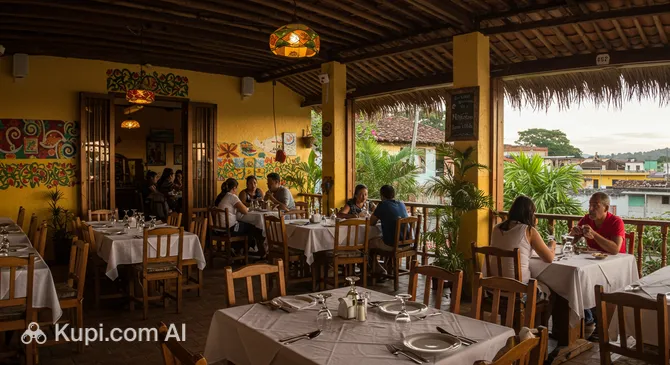
Coffee holds a special place in the city's culture. As a center of coffee production, Santa Ana offers drinks of the highest quality. Stop by Simmer Down to enjoy a cup of freshly roasted coffee in a pleasant setting. Here, the cult of this drink is taken to the absolute, and you will surely notice the difference in the aroma and taste of local beans.
Simmer Down. Illustration.
Source: Kupi.com AI
Traveller photos:
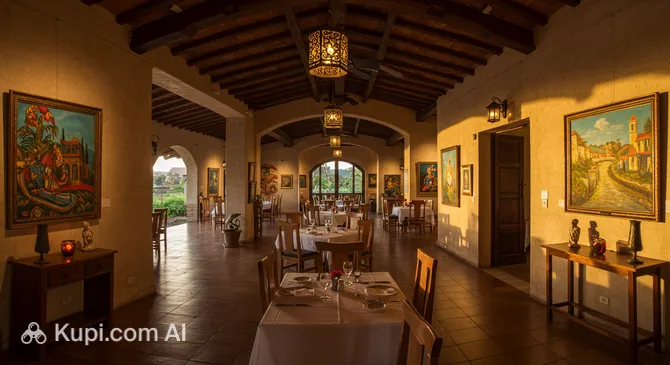
If you're looking for something with more modern cuisine, check out Artisan restaurant. Here, Salvadoran traditions meet current culinary trends, creating interesting flavor combinations. Local cuisine is also famous for sweets made from cane sugar, the production of which is developed in the surrounding areas.
Artisant. Illustration.
Source: Kupi.com AI
Traveller photos:
To immerse yourself in the city's true atmosphere, you should visit the local markets. These are the best places to taste street food and buy the freshest tropical fruits. In Santa Ana, the food culture is closely linked to the rhythm of a working city: in the morning and at lunch, many inexpensive "comedores" are open, where you can have a hearty and delicious meal alongside the locals.
Travel Tips
Preparing for your trip to Santa Ana will help you get the most out of this dynamic city. Here are some practical tips to make your stay here comfortable and safe.
Clothing and Essentials: Choose light clothing made from natural fabrics, as it can be very hot in the city during the day. However, for trips to the volcanoes, be sure to bring a windbreaker or a light sweater—the temperature is significantly lower at higher altitudes. Don't forget comfortable shoes for walking the cobbled streets of the center.
Transportation: Within the city, it is most convenient to move on foot or by taxi. Buses are very cheap but can be a challenge due to crowding. For trips to neighboring cities, use the official bus stations.
Finances: The official currency of El Salvador is the US Dollar (USD). Cards are accepted in large stores and hotels, but for markets, taxis, and street food, be sure to carry small cash.
Health and Safety: Drink only bottled water. In terms of safety, follow standard measures: do not display expensive equipment or large sums of money, and avoid walking in the outskirts after dark.
Communication: The main language is Spanish. English is understood in large hotels, but knowing basic Spanish phrases ("Hola", "Gracias", "¿Cuánto cuesta?") will help a lot in communication. Wi-Fi is available in cafes and hotels in the center.
Local Etiquette: Salvadorans are polite and friendly people. It is customary to say hello when entering a shop or cafe. A simple "Buenos días" (Good day) will open many doors for you.
What to Avoid: Try not to discuss political topics or take photos of people without their explicit consent, especially in residential areas.
Additional Tip: Be sure to visit one of the local "comedores" at lunchtime—this is the best way to try real home-cooked food at a minimal price.
May your time in Santa Ana be filled with pleasant discoveries and the bright flavors of Salvadoran coffee!
Entertainment & Nightlife
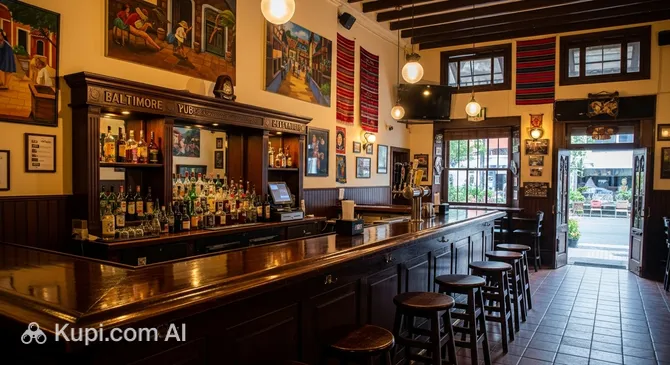
The entertainment scene in Santa Ana is more relaxed and local compared to the capital, but there are still places for a pleasant evening. The city center offers a selection of cozy bars and cafes where young people and expats gather. One popular spot is Baltimore Pub, known for its relaxed atmosphere and good selection of drinks.
Baltimore Pub. Illustration.
Source: Kupi.com AI
Traveller photos:
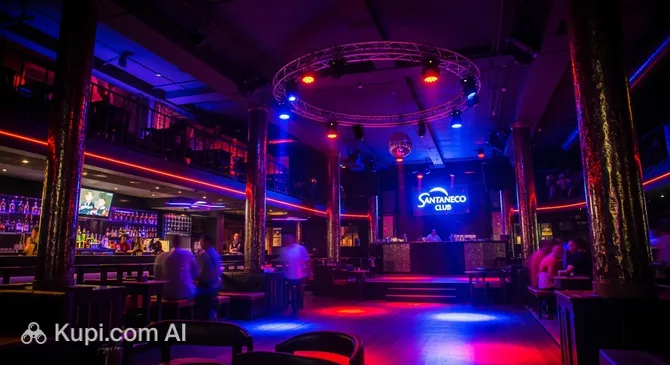
Fans of a more active nightlife should check out Santaneco Club. While the city's nightlife does not have the scale of the capital, you can dance to modern Latin American rhythms and experience the local flavor here. Keep in mind that most activity occurs on Friday and Saturday, while the city goes to sleep quite early on weekdays.
Santaneco Club. Illustration.
Source: Kupi.com AI
Traveller photos:
For daytime leisure and family relaxation, Apanteos Pool is an excellent choice, where you can spend time by the water and enjoy a sunny day. The city's cultural program often centers around the Santa Ana Theater, which occasionally hosts concerts and theatrical performances that are major events for the local intelligentsia.
Apanteos Pool. Illustration.
Source: Kupi.com AI
Traveller photos:
Regarding safety, tourists are advised to stick to the central, well-lit streets and use taxis to move between venues at night. Santa Ana is a city of hardworking people, so evening entertainment often starts early and ends before midnight.
Parks & Museums
Green spaces within Santa Ana itself are mainly concentrated in its historical core. The most visited spot is Libertad Park. Although it is more of a city square than a forest, the abundance of trees and benches makes it the main place for residents to relax in the shadow of colonial architecture.
For a proper stroll and swimming, Sihuatehuacán Recreational Park is ideal. This place combines features of a nature park and an active recreation area with pools, making it extremely attractive on hot days. You can enjoy tropical vegetation here without leaving the city limits.
The city's cultural and museum life is closely tied to its industrial past. Nearby, you can find small exhibits dedicated to the history of coffee cultivation, often located on the grounds of old plantations (fincas). In the very center, the Santa Ana Theater is worth noting—an architectural monument that is essentially an open-air museum in its own right, reflecting the wealth and ambitions of the city at the beginning of the 20th century.
While the scale of urban greenery may seem modest, Santa Ana more than makes up for it with its proximity to Cerro Verde National Park. This nature reserve overlooking the volcanoes is just a short drive from the city and is the primary destination for lovers of hiking and untouched nature.
Getting Around
The backbone of the public transport system in Santa Ana consists of buses and minibuses, which locals call busetas. This network densely covers both central districts and remote outskirts. Traveling by bus is the most economical way to see the city, though be prepared for vehicles to be very crowded during peak hours.
Fares for city transport are paid in cash to the driver or conductor. Prices are very affordable, costing only a few dozen cents. There are no special travel cards for tourists in the city, so it is always useful to carry small coins and US dollar bills.
As an alternative to buses, taxi services are widely available in the city. Cars can be found at special ranks near the main squares or called via mobile apps. Taxis are a more comfortable and faster option, especially if you need to reach a location with luggage or during the evening. Bicycle rentals are practically non-existent in the city due to chaotic traffic and the hilly terrain.
The historical center of the city is quite compact, so walking is the best way to see the main attractions. However, keep in mind that sidewalks in some places can be narrow and traffic can be quite intense. For trips outside the city, such as to the lake or the volcano, many tourists prefer to rent a car or hire a taxi for the day.
Accommodation
In Santa Ana, accommodation options are primarily geared toward budget travelers and those looking for mid-range housing. You won't find massive chain resorts here, but the city is rich in cozy guesthouses and small hotels, often located in restored colonial buildings. Apartments are also available for long-term stays, which are popular among specialists working in the coffee industry.
The historical city center is considered the most convenient area for tourists. Staying here puts you within walking distance of major attractions like the cathedral and the theater, as well as providing quick access to the best cafes and transport hubs. The outskirts of the city may offer lower prices, but they are often industrial zones and less attractive for walking.
Housing prices in Santa Ana remain quite affordable throughout the year. Nevertheless, if your trip coincides with major holidays or festivals, it is recommended to book in advance. Most hotels and guesthouses can be easily found on international booking platforms, and payment is generally accepted in both cash and credit cards.
Nearby Cities
Thanks to its location in the west of the country, Santa Ana serves as an excellent starting point for exploring the surroundings and neighboring towns, each with its own unique character. Just a few kilometers away are interesting places perfect for short day trips.
One of the most attractive destinations is Coatepeque, located on the shores of the volcanic lake of the same name. This is a popular holiday spot with many waterfront restaurants and opportunities for boat trips. If you are interested in pre-Columbian history, be sure to visit the town of Chalchuapa, home to the ruins of ancient Mayan settlements such as Tazumal.
It is also worth visiting small, cozy towns like San Sebastián Salitrillo, El Congo, or El Refugio. These places allow you to see the slow-paced life of the Salvadoran countryside and enjoy the peace away from the industrial noise of a large center.
City
Population
Distance
San Sebastian Salitrillo
18,566
8 km
Coatepeque
36,768
9 km
El Congo
24,219
11 km
Chalchuapa
90,000
12 km
El Refugio
10,348
16 km
Exploring the region around Santa Ana will provide a wealth of impressions: from majestic volcanic landscapes to mysterious archaeological zones, making your journey through El Salvador truly fulfilling.
Shopping & Souvenirs
Shopping in Santa Ana is primarily about exploring local markets and traditional goods. The city is not a mecca for high fashion, but it is famous for its handicrafts and, of course, its coffee. At the central markets, you can find excellent freshly roasted coffee beans, which will be the best souvenir from this trip.
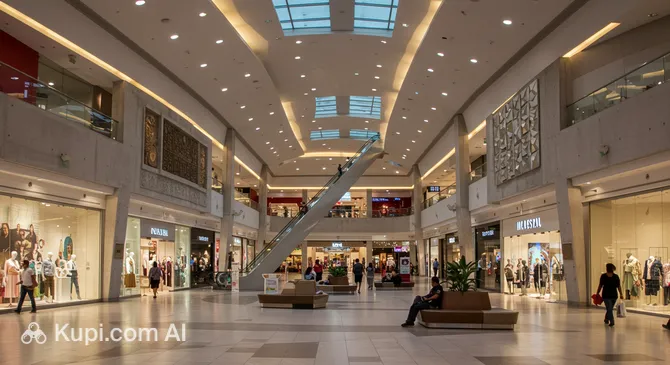
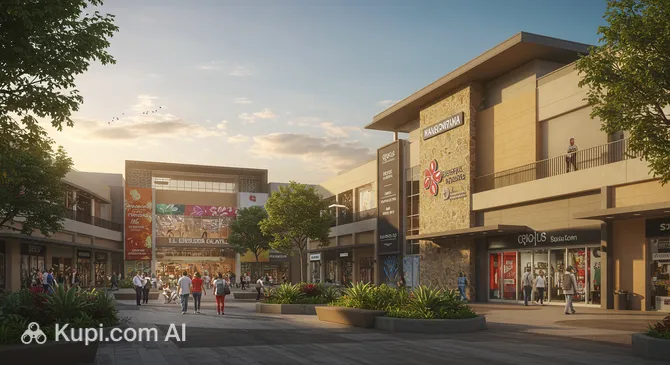
If you prefer a modern shopping format, there are several shopping centers in the city. Plaza Maya offers a standard set of stores with clothing and accessories, along with a food court where you can take a break after walking around town. Another notable spot is Plaza Crystal, which also features retail outlets and service centers.
Plaza Kristal. Illustration.
Source: Kupi.com AI
Traveller photos:
For souvenirs, shops in the historical center and at the markets are your best bet. Look for local textiles, ceramics, and handmade wooden items. Local sweets made from cane sugar are also popular. Shops in the city usually open early and close around 18:00–19:00, and US dollars are used as the primary currency and accepted everywhere.
Plaza Maya. Illustration.
Source: Kupi.com AI
Traveller photos:
Reached the bottom of the page?
Looks like you know this route inside out
We use cookies for your convenience.
Popular routes
Where travelers fly most — pick a route and check prices