Support

Nicaragua

Cities in the country

About the Country

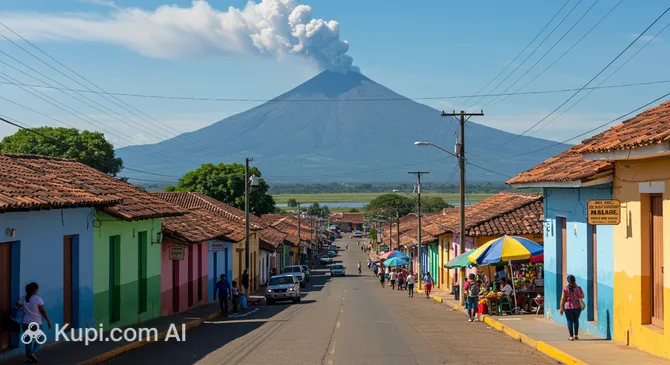
Nicaragua, the largest country in Central America, is often called the ‘land of lakes and volcanoes’, offering travellers a unique combination of natural wonders and a rich cultural heritage. Situated between the Pacific Ocean and the Caribbean Sea, it entices visitors with its diverse landscapes – from active volcanoes and dense tropical rainforests to serene lakes and picturesque beaches with excellent surfing conditions.

Nicaragua's history has left a noticeable mark on its colonial architecture and vibrant culture, which can be felt in every corner of the country. For travellers from the UAE, it is worth noting that UAE citizens can visit Nicaragua visa-free for up to 90 days. Flights from the UAE typically involve one or more stops, with carriers like Emirates, Turkish Airlines, and Qatar Airways operating on these routes. The capital, Managua, is the main economic and cultural centre, offering an introduction to the modern life of Nicaraguans. To immerse yourself in the colonial past and a tranquil atmosphere, you should visit cities like Granada, which charms with its beautifully preserved architecture, colourful streets, and old churches.

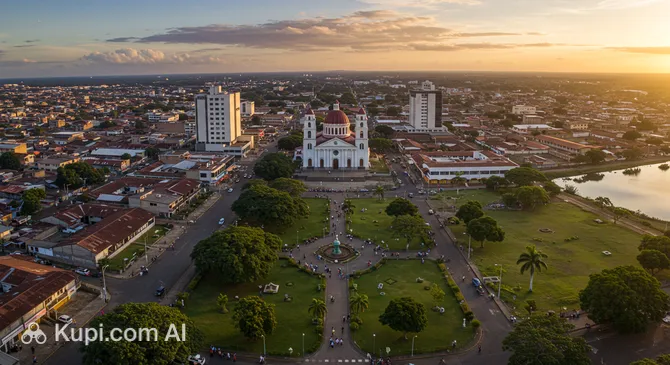
Managua. Source: Kupi.com Binoculars

The natural treasures of Nicaragua are a true paradise for lovers of outdoor activities and ecotourism. Here you can climb a volcano, explore coffee plantations, relax on the islands of Lake Nicaragua, or discover unique flora and fauna in numerous nature reserves. For Muslim travellers, the capital city of Managua is home to the Islamic Cultural Center of Managua (Mezquita de Managua), which serves as the main prayer centre for the country's Muslim community. While dedicated halal restaurants can be challenging to find, many establishments offer plentiful seafood and vegetarian options, and a Moroccan restaurant, Restaurante El Sultán, has been noted in Managua. Among the country's architectural gems is the majestic León Cathedral, a UNESCO World Heritage site. Nicaragua leaves the impression of an authentic, less-touristed, and very hospitable place, where every traveller will find something special for themselves.

Currency

The national currency of Nicaragua is the Nicaraguan córdoba, which has the international code NIO. Córdoba banknotes have a colourful design, often featuring images of national heroes, significant landmarks, or the country's rich flora and fauna. Modern banknotes are frequently made from polymer materials, making them more durable. Coins of various denominations are also in circulation.

You can exchange foreign currency (primarily US dollars) for local money at banks or official exchange bureaus, known as "casas de cambio". It is advisable to avoid exchanging currency with street money changers because of the risk of receiving an unfavourable rate or encountering fraud. Interestingly, US dollars are widely used, particularly in tourist areas, and are often accepted for payment in hotels, restaurants, and shops; sometimes, prices are quoted in dollars from the outset. Credit cards (mainly Visa and MasterCard) are accepted in most large hotels, restaurants, and supermarkets in cities and popular tourist destinations. Nevertheless, it is always useful to have cash córdobas with you for purchases at markets, in small shops, and when travelling to less tourist-heavy areas.

Visa Requirements

When planning a trip to Nicaragua, it is important to clarify the visa requirements in advance. For citizens of the United Arab Emirates, a visa is not required for tourist trips of up to 90 days. However, upon arrival, you will need to purchase a tourist card (tarjeta de turista).

Although a visa is not needed for UAE passport holders, it is a mandatory entry requirement to have a passport that is valid for at least six months from your date of entry. You may also be asked to provide proof of onward or return travel, confirmation of your hotel booking, and travel insurance.

As visa regulations can change, it is strongly recommended to check the most current information on the official website of the Nicaraguan Ministry of Foreign Affairs or with the nearest embassy or consulate before you travel. This will help you avoid any unforeseen issues and ensure a smoother journey.

We'll tell you if you need a visa

Specify where you are going, or
Your citizenship
Destination

Time Zones

The country observes Central Standard Time (CST), which is UTC-6. For travellers from the UAE, this means the local time in Nicaragua is 10 hours behind Gulf Standard Time (UTC+4). Nicaragua does not use daylight saving time, so the time zone remains consistent all year round.

How to Get There

The most convenient way to reach Nicaragua from the UAE is by air. The country's main gateway is the Augusto C. Sandino International Airport, located in the capital city, Managua. While there are no direct flights from the UAE, travellers can connect through major hubs in the United States, such as Miami, or via European cities. Airlines like Emirates, in partnership with carriers such as Avianca, offer routes with one or two stops. The airport accommodates flights from various countries across North, Central, and South America, ensuring good connectivity.

For those who prefer to travel by land, Nicaragua shares borders with Honduras to the north and Costa Rica to the south. International bus routes connect Nicaragua with its neighbouring countries, offering a more budget-friendly, though more time-consuming, travel option. Sea travel to Nicaragua is less developed for international passengers, although some cruise liners may call at the country's ports. Additionally, small local ferry services are available, for instance, to reach destinations like Ometepe Island.

Regardless of your chosen mode of transport, it is advisable to book your tickets well in advance, particularly if your trip falls within the peak tourist season (typically November to April). This will not only help you secure a better price but also guarantee availability. It is also essential to check the latest visa requirements. Citizens of the UAE can enter Nicaragua without a visa for up to 90 days, but passports must be valid for at least six months upon arrival. All other residents should verify the specific entry rules for their nationality before travelling.

For your reference, here is a summary of the main airports:

Airport Name City Passenger Traffic
Augusto C. Sandino International AirportManaguaMajor
Costa Esmeralda AirportTolaSmall

Nicaragua is a land of contrasts where every traveller can find something to their liking, from bustling urban centres to tranquil colonial towns and stunning natural landscapes. A rich history, vibrant culture, and the hospitality of its local people are interwoven here, making a journey through the country an unforgettable experience.

Managua. Source: Kupi.com Binoculars

The nation's capital, Managua, serves as its main economic and cultural hub. This dynamic city offers tourists modern conveniences, historical monuments that have survived earthquakes, and a vibrant evening scene. You will discover a completely different atmosphere in Granada, one of the oldest colonial cities in Central America. Its colourful streets, majestic churches, and location on the shores of Lake Nicaragua are captivating from the first moment. Here, you can take a horse-drawn carriage ride or embark on a boat trip around the famous Las Isletas archipelago. For visitors seeking familiar cuisine, Granada also offers international dining options, including restaurants with halal Arabian and Moroccan food.

Equally interesting is León, the intellectual heart of Nicaragua, known for its university, revolutionary history, and impressive cathedrals, including the largest in Central America. When planning a visit to these historic places of worship, it is advisable to dress modestly out of respect for local customs. The city is also famous for its vibrant arts scene and the unique opportunity to try volcano boarding on the slopes of Cerro Negro. If you wish to immerse yourself in local culture and crafts, head to Masaya. This city is renowned for its active volcano, a national park, and a bustling market where you can purchase unique handmade souvenirs. Each of these destinations offers a unique experience, introducing you to the multifaceted soul of Nicaragua.

Top Attractions

Nicaragua, the land of volcanoes and lakes, is rich not only in natural beauty but also in unique cultural and historical sites. There is something for everyone here, from majestic cathedrals to lively parks and unusual museums ready to tell their stories.

One of the country's main gems is León Cathedral. As the largest cathedral in Central America, it is renowned for its impressive architecture and the unique opportunity to walk on its brilliant white roof, which offers panoramic views of the city and the surrounding volcanoes. Its rich history attracts both pilgrims and architecture enthusiasts. Visitors are advised to dress modestly when exploring this significant religious site, ensuring shoulders and knees are covered.

León Cathedral. Source: Kupi.com Binoculars

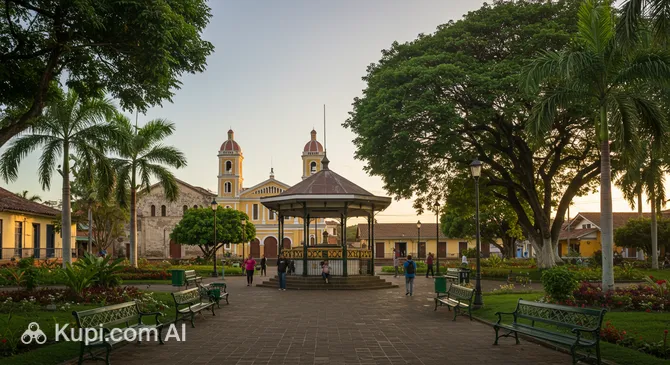
In the colonial city of Granada, a visit to Parque Central de Granada is essential. It is the heart of the city, where you can relax in the shade of ancient trees, observe the leisurely local life, and admire the colonial architecture of the surrounding buildings. You can also sample authentic street food; travellers looking for halal options are advised to check with vendors directly. The park frequently becomes a venue for various cultural events and festivals.

Central Park of Granada. Source: Kupi.com Binoculars

Overlooking the popular coastal town of San Juan del Sur is the impressive Christ of the Mercy statue. This monumental sculpture, located on a hilltop, is not only an important religious symbol but also one of the best viewpoints over Nicaragua's Pacific coast. The climb to the statue is rewarded with breathtaking views, especially at sunset.

Christ of Mercy. Source: Kupi.com Binoculars

For those with a sweet tooth and a taste for learning, Granada is home to the ChocoMuseo (Chocolate Museum). Here, you can not only discover the fascinating history of cacao and the bean-to-bar chocolate-making process but also participate in interactive workshops. Visitors can create their own chocolate bar and, of course, sample various types of this delicious treat.

Chocolate Museum Granada. Source: Kupi.com Binoculars

Best Time to Visit

When planning a trip to Nicaragua, it's important to consider the two main climate seasons. The high season, or dry season, lasts from approximately November to April. During this time, sunny, dry, and warm weather prevails, making it ideal for beach holidays on the Pacific coast, visiting colonial cities like Granada or Leon, and for active tourism, such as volcano hiking. However, this is also the period with the highest influx of tourists, which can mean higher prices for accommodation and services.

The low season, or rainy season, runs from May to October. Although the name 'rainy season' might sound off-putting, the rain often comes in short bursts, usually in the afternoon or at night, and nature is particularly lush and green during this time. The advantages of this period are fewer tourists and lower prices. The Caribbean coast has its own, more humid climate year-round, but even there, periods with less rainfall exist. An important factor that might influence your travel dates is the numerous local fiestas and religious festivals that take place throughout the year; Holy Week (Semana Santa) before Easter is celebrated particularly colourfully.

Overall, Nicaragua is welcoming all year round, but for sun-seekers and guaranteed dry weather, the best period to choose is from November to April. If you prefer a quieter holiday with lush landscapes and aren't deterred by the possibility of rain, the months from May to October can be an excellent choice. Bear in mind that the climate can vary slightly depending on the region: the Pacific coast is generally drier than the Caribbean, and it can be cooler in the central highland areas.

Traditions

Nicaraguans are an open and friendly people, and showing respect for their culture will make your journey even more pleasant. Greetings usually include a handshake, a smile, and direct eye contact; when addressing elders or people you don't know well, use the polite forms "señor" or "señora". Hospitality is very highly valued here. If you are invited into someone's home, it is a great sign of respect, and a small souvenir from your country or some sweets would be a nice gesture, although it is not strictly required. Nicaraguans greatly appreciate politeness, so simple words of thanks and a friendly attitude will always be well received.

In daily life, there are no special clothing requirements, but when visiting churches and religious shrines, you should choose more modest outfits that cover your shoulders and knees. At the dinner table, adhere to generally accepted rules of etiquette; it is considered polite to try all the dishes offered. Since some local dishes may contain pork, which is not halal, you may also find many vegetarian or seafood options available. To better understand the country's culture, try to experience one of the main holidays – for example, the colourful La Purísima at the beginning of December, dedicated to the Virgin Mary and accompanied by songs and treats, or Independence Day on 15 September. Try not to criticise local customs, ask for permission before taking photographs of people, and avoid discussing sensitive political topics to ensure your interactions with local residents are as comfortable as possible and leave only positive impressions.

Entertainment

Nicaragua offers tourists a diverse range of leisure activities to suit a variety of interests. Fans of active recreation will find plenty of opportunities here: from climbing volcanoes and hiking along scenic trails to surfing on the Pacific coast and exploring the rich underwater world. The country is famous for its natural beauty, so active entertainment is often linked to exploring its unique landscapes, lakes and nature reserves.

For connoisseurs of cultural experiences, Nicaragua offers an introduction to its colonial architecture, particularly in cities like Granada or León. Here, you can visit historic churches, small museums detailing the country's history and art, and local craft markets. When visiting religious sites, it is advisable to dress modestly. While major world-class theatres or concert venues are few, the authentic atmosphere and local festivals provide vibrant experiences. In the evenings, major cities, including the capital Managua, have cosy restaurants and lounges with live music. For Muslim travellers, finding halal food may be challenging, but it is not impossible, especially in larger cities where some restaurants may offer suitable options. Managua has a main mosque and Islamic cultural centre, with smaller prayer facilities also available in cities like Granada, Masaya, and Leon.

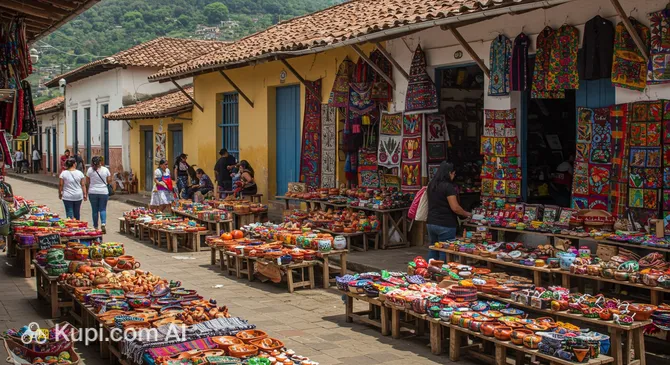
Shopping in Nicaragua is primarily an opportunity to purchase unique items from local artisans, such as hammocks, pottery, and goods made from leather and wood. Nicaraguan coffee is particularly popular and makes for an excellent souvenir, alongside other well-known local products like rum. The main shopping areas are concentrated in tourist centres and at markets. As for family entertainment, the country is more focused on nature and educational holidays. There are few specialised theme parks; however, nature walks, visits to volcanic parks or lake excursions can be exciting adventures for the whole family.

Currency rates

Planning a trip? That's wonderful! To ensure the financial side of your journey doesn't come as a surprise, it’s important to remember that currency rates are constantly changing. Therefore, we strongly advise you to monitor the latest rates, both before you fly and throughout your trip. You can use the data provided below for this; we monitor currency rates 24/7 and strive to provide the most up-to-date information.

Reached the end of the page?

That means the route is fully explored