Support

Rivas

About

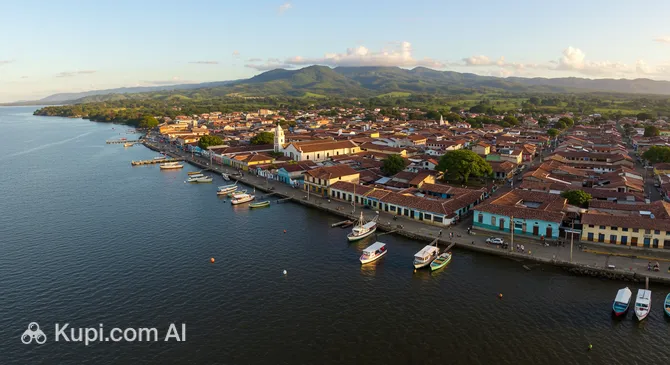
Welcome to Rivas, a captivating city located in the southwestern part of Nicaragua. Often referred to as the "City of Mangoes" due to the abundance of mango trees lining its streets, Rivas serves as a crucial geographical and cultural crossroads. Situated on the narrow isthmus between the vast Lake Nicaragua and the Pacific Ocean, this charming provincial capital offers a blend of colonial heritage and lively local atmosphere.

With a population of approximately 41,000 residents, Rivas maintains a friendly, small-town feel while acting as a bustling transit hub for travelers. The city enjoys a tropical savanna climate, characterized by warm temperatures year-round, making it a pleasant stop for those exploring the region. Its strategic location makes it the primary gateway to the stunning Ometepe Island and the famous surf beaches of the Pacific coast.

Rivas. Source: Kupi.Binoculars

The city itself is steeped in significant events that shaped the nation. Visitors interested in the past can explore the fascinating history of Rivas, particularly its role in the battles against William Walker in the 19th century. The city center features well-preserved colonial architecture, including the beautiful San Pedro Parish Church, which stands as a testament to the area's religious and architectural legacy. Another highlight is the Rivas Museum of Anthropology and History, which houses an impressive collection of pre-Columbian artifacts and colonial relics.

Whether you are passing through on your way to the twin volcanoes of Ometepe or planning to explore the local culture, Rivas offers an authentic slice of Nicaraguan life. Its vibrant markets, historic streets, and welcoming people make it a destination worth discovering on your Central American journey.

Weather Overview

Rivas experiences a consistent tropical climate with warm temperatures throughout the year, creating an inviting atmosphere for travelers. The average daily temperature generally hovers around 26°C to 28°C, with the warmest weather occurring in April and May when highs can reach approximately 30°C. Nights remain pleasant and mild, with temperatures rarely dropping below 24°C.

The city's weather is defined by two distinct periods: a dry season and a rainy season. Expect sunny skies and minimal rainfall from January through April, particularly in February and March which are the driest months. In contrast, the wet season runs from May to November, bringing frequent showers and higher humidity; during peak months like September and October, rain can occur on up to 29 days of the month. For a more detailed breakdown to help you pack, check the current weather in Rivas.

Interesting Facts

Beyond the main attractions, Rivas holds many fascinating secrets that reveal the deep historical roots of Nicaragua. This city is not just a waypoint; it is a place where geography and heroism have shaped the destiny of the entire nation.

  • The Canal That Never Was: Due to the unique geography of the Rivas Isthmus, which separates the massive Lake Nicaragua from the Pacific Ocean by only a narrow strip of land, this area was historically the top contender for an interoceanic canal. For centuries, engineers and world powers considered Rivas the ideal location for connecting the Atlantic and Pacific before the Panama Canal was ultimately constructed.

  • A Teacher’s Heroism: The city is the setting for one of the most famous acts of bravery in the country's history. During the 1855 Battle of Rivas, a local teacher named Emmanuel Mongalo y Rubio volunteered to run through a hail of bullets to set fire to the "Mesón de Guerra," a building where William Walker's filibusters were barricaded, forcing them to flee.

  • Ancient Royal Capital: Long before the arrival of the Spanish, the area was known as Nicaraocallí and served as the capital for the powerful indigenous chief Nicarao. It is believed that the famous first meeting between the Spanish conquistador Gil González Dávila and Chief Nicarao took place right here, an event that is central to the country's identity.

How to Get There

Reaching this strategic crossroads in southern Nicaragua is relatively straightforward, thanks to its proximity to major transit hubs. While the city itself does not host a large commercial air terminal, visitors have several convenient options for flying into the region. To find the best routes and plan your journey in detail, you can read more about how to get to Rivas.

The most common entry point for international travelers is Augusto C Sandino International Airport (IATA: MGA), located in the capital city of Managua. Situated approximately 87 km north of Rivas, this is the country's primary gateway. From the airport, a taxi or private shuttle generally takes about 2 to 2.5 hours to reach the city center via the Pan-American Highway. This airport handles a large volume of traffic and offers the widest range of flight connections.

Alternatively, many visitors choose to fly into Liberia Airport (IATA: LIR), officially known as Daniel Oduber Quirós International Airport, located in Liberia, Costa Rica. It is about 98 km south of Rivas. Although the physical distance is similar to the trip from Managua, travelers must factor in the border crossing at Peñas Blancas. The total travel time is typically around 2.5 to 3 hours, excluding the time spent at immigration. This option is particularly popular for those exploring the southern Pacific coast or combining a trip between the two countries.

For a much closer but more exclusive option, you can consider Costa Esmeralda Airport (IATA: ECI) in the nearby municipality of Tola. Located just 22.7 km from Rivas, this small airport primarily serves private charters and specific regional flights. The transfer from here is quick, taking only about 30 to 40 minutes by car.

For clarity, here is a summary of the main airports:

Airport Name City Passenger Traffic Km from City
Augusto C Sandino International Airport Managua High 87.0
Liberia Airport Liberia High 97.7
Costa Esmeralda Airport Tola Small 22.7
Nosara Beach Nosara Small 162.1
Fortuna Airport La Fortuna Small 172.8

Main Attractions

While Rivas is often seen as a transit point, the city and its immediate surroundings possess a rich collection of historical and cultural sites that warrant a closer look. Visitors who take the time to explore will discover colonial treasures, important religious sanctuaries, and scenic waterfronts that reflect the authentic spirit of the region.

San Pedro Parish Church stands as the architectural centerpiece of the city, dominating the main square with its dignified colonial presence. Although it has undergone several restorations due to seismic activity over the centuries, it retains a beautiful baroque style that captivates photographers and history enthusiasts alike. Inside, the church offers a serene atmosphere featuring lovely frescoes and religious iconography, making it a peaceful retreat from the bustling streets outside.

For a deep dive into the region's past, the Rivas Museum of Anthropology and History is an essential stop. Housed in the historic Hacienda Santa Ursula, this building is not only a museum but also a former battlefield where troops fought against the filibuster William Walker in 1855. Today, it displays a fascinating collection of pre-Columbian ceramics, indigenous statues, and colonial artifacts, providing tourists with a comprehensive narrative of the area's development from ancient times to the present day.

Just a short drive from the city center lies the Malecón de San Jorge, a vibrant waterfront promenade on the shores of Lake Nicaragua. While technically in the neighboring town of San Jorge, it serves as the recreational waterfront for Rivas locals and visitors. It is the perfect spot to enjoy a meal at a lakeside restaurant while taking in the breathtaking panoramic views of the majestic Concepción and Maderas volcanoes rising from the water on Ometepe Island.

Another site of immense cultural importance is the National Sanctuary of Jesus of the Rescue (Santuario Nacional de Jesús del Rescate), located in the Popoyuapa district. This church is the focal point of one of Nicaragua's most significant religious traditions. During the Lenten season, thousands of pilgrims arrive here in traditional ox carts from all over the country, a spectacle that has been declared a National Intangible Cultural Heritage. Visiting the sanctuary offers a unique insight into the deep-rooted faith and traditions of the local community.

Local Cuisine

The culinary scene in Rivas offers an authentic taste of traditional Nicaraguan flavors, deeply rooted in the region's agricultural heritage. As the "City of Mangoes," you will find an abundance of fresh fruit integrated into the local diet, but the true foundation of the cuisine relies on corn, beans, and locally raised meats. The food here is unpretentious, hearty, and packed with savory spices, reflecting the daily life of this bustling crossroads city.

One dish you simply must try while in Rivas is Sopa de Rosquillas. This savory soup is a regional specialty, particularly popular during the Lenten season but available year-round in traditional eateries. It features donut-shaped dumplings made from corn masa and cheese, floating in a rich chicken or beef broth. Another staple is the classic Gallo Pinto, a mixture of rice and red beans fried together with onions and peppers, typically served at breakfast with eggs, tortillas, and fried cheese.

For a quick and filling meal, look for Vigorón, often sold by street vendors around the main squares. This dish consists of boiled cassava (yuca) topped with crispy pork cracklings (chicharrón) and a tangy cabbage salad (curtido). Given the city's proximity to Lake Nicaragua and the Pacific, you can also find excellent Pescado Frito (fried fish), usually served whole with crispy plantain chips known as tajadas or tostones.

When it comes to beverages, Rivas stays true to national traditions. Non-alcoholic options are dominated by Pinolillo, a gritty and refreshing drink made from toasted corn and cacao, often served in a dried gourd called a jícara. Given the local abundance of fruit, fresh juices—especially mango and tamarind—are refreshing choices to beat the heat. For something stronger, locals typically enjoy the world-renowned Nicaraguan rum, Flor de Caña, or a cold national beer like Toña, which pairs perfectly with a salty evening meal.

The food culture in Rivas is best experienced in its lively Municipal Market and at local street stalls known as fritangas. The market is the hub of daily activity where you can find the freshest ingredients and small stalls serving affordable, home-style lunches. In the evenings, the fritangas come alive, filling the streets with the smoky aroma of grilled chicken, beef, and pork. Dining here is a casual, social affair, offering a genuine connection with the friendly local community.

Travel Tips

To help you navigate the bustling streets of Rivas and make the most of your visit to this strategic Nicaraguan crossroads, we have compiled a list of essential travel advice. Whether you are stopping over on your way to the coast or exploring the city's colonial charm, these practical tips will ensure a smooth and enjoyable experience.

  1. Clothing and Gear: Given the tropical savanna climate, lightweight and breathable clothing made of cotton or linen is essential to stay cool. A wide-brimmed hat and high-SPF sunscreen are must-haves for protection against the strong sun. If you plan to visit the San Pedro Parish Church, remember to dress modestly, covering your shoulders and knees. Comfortable walking shoes are recommended for exploring the city center, while sturdy sandals are great for the nearby beaches.

  2. Transportation: The city center is compact and walkable, but for a truly local experience, try the ciclo-taxis (bicycle taxis) that are ubiquitous in Rivas; they are an affordable and fun way to get around for short distances. Regular taxis are best for reaching the ferry port in San Jorge or the bus terminals. If you are heading to the Pacific beaches like San Juan del Sur or Tola, local buses ("chicken buses") are frequent and very cheap, though crowded.

  3. Finances: The local currency is the Nicaraguan Córdoba (NIO). While US dollars are widely accepted at hotels and larger businesses, it is crucial to carry Córdobas in small denominations for street food, ciclo-taxis, and market purchases. ATMs are readily available around the main square and near banks. Tipping is not strictly mandatory in small eateries, but a 10% tip is appreciated in sit-down restaurants.

  4. Health and Safety: Rivas is generally safe, but as a major transit hub, the bus terminal areas can be chaotic; keep a close eye on your luggage and valuables in these crowds. Pharmacies are plentiful in the city center, often marked with a green cross, and some stay open late. It is highly recommended to drink only bottled or purified water to avoid stomach issues.

  5. Communication: Spanish is the primary language, and English is not widely spoken outside of major tourist hotels or tour agencies. Learning a few basic phrases like "¿Cuánto cuesta?" (How much?) and "¿Dónde está...?" (Where is...?) will go a long way. Buying a local SIM card (Claro or Tigo) is easy at the central market and ensures you have data for maps and translation apps.

  6. Local Etiquette: Nicaraguans are polite and friendly. It is customary to greet people with a simple "Buenas" or a handshake when entering a shop or meeting someone. Locals appreciate it when visitors take an interest in their culture, so don't hesitate to ask about the fruit or the history of the city—people are usually happy to chat.

  7. What to Avoid: Avoid walking alone in poorly lit areas on the outskirts of the city after dark. Also, refrain from taking photographs of locals, especially in the market, without asking for permission first, as some may find it intrusive.

  8. Ferry Planning: Since Rivas is the gateway to Ometepe Island, many travelers head to the nearby port of San Jorge. A pro tip is to check the ferry schedule in advance and arrive at the dock at least 45 minutes early, especially during holidays or weekends, as boats can fill up quickly.

By keeping these tips in mind, you will be well-prepared to navigate Rivas with confidence and ease. Embrace the local rhythm, enjoy the fresh mangoes, and let the city's welcoming spirit make your stopover a memorable part of your Nicaraguan adventure.

Entertainment & Nightlife

While Rivas is not primarily known as a wild party destination like the nearby coastal town of San Juan del Sur, it offers a genuine and lively nightlife scene that reflects the authentic culture of Nicaragua. The entertainment here is less about flashy nightclubs and more about social gatherings, loud music, and cold drinks. The atmosphere is distinctively local, providing a great opportunity to mingle with residents and experience how Rivenses unwind after a long week.

The nightlife is generally concentrated in a few key areas, particularly along the main streets branching off from the Parque Central and near the Pan-American Highway. In the evenings, these zones come alive with music ranging from bachata and salsa to reggaeton. The vibe is casual and unpretentious; there is no strict dress code, and you will often find locals enjoying conversation at plastic tables set up on sidewalks or in open-air courtyards.

For those looking to enjoy the local scene, Mastersound Discobar is a well-known spot to grab a cold beer and enjoy the music. It is a staple of the city's social life, often serving as a meeting point for friends who want to dance or simply hang out. Another venue worth visiting is Hot Wings Rivas, which attracts a younger crowd looking for a vibrant atmosphere, modern tunes, and casual food. If you prefer a mix of dining and evening entertainment, Restaurante y Bar Fiori's offers a relaxed environment where you can enjoy a delicious dinner followed by drinks without moving to a different location.

When planning a night out, keep in mind that the best time to go is Friday or Saturday, as weeknights can be quite quiet. Prices are very affordable compared to tourist hotspots; a domestic beer usually costs between $1 and $2 USD. For transportation, while bicycle taxis are common during the day, it is safer and more practical to use official taxis at night. It is advisable to ask your hotel or restaurant to call a trusted driver for you rather than hailing one on the street late at night.

Regarding safety, the central areas are generally secure, but it is wise to avoid walking alone in dimly lit neighborhoods on the outskirts of the city. Stick to the busier streets where there is activity. In terms of daytime entertainment leading into the evening, sports fans should check the schedule for the Estadio Yamil Rios Ugarte. Baseball is a passion in this region, and attending a game is an electrifying experience filled with cheering crowds, music, and local food, serving as a perfect start to a night in the city.

Parks & Museums

While often viewed as a gateway to the Pacific beaches or Ometepe Island, Rivas offers its own set of cultural and recreational spaces that provide insight into the region's rich heritage. The city's layout, characterized by wide streets and colonial-style buildings, features green gathering spots and historical institutions that allow visitors to pause and connect with the local identity.

The crown jewel of the city's cultural offerings is the Rivas Museum of Anthropology and History. This institution is housed in the restored Hacienda Santa Ursula, a building of immense historical importance. It was here that one of the fiercest confrontations of the 1855 Battle of Rivas took place against the filibuster William Walker. Today, the museum preserves a vast collection of artifacts, including pre-Columbian ceramics, funerary urns, and impressive stone statues carved by the indigenous Nicarao people. The exhibits also cover the colonial period and the natural history of Nicaragua, making it a comprehensive stop for history enthusiasts.

The heart of social life in the city is the Parque Central, officially known as Parque Evaristo Carazo. This bustling square serves as the community's living room, shaded by the region's famous mango trees which offer respite from the tropical heat. It is surrounded by key landmarks, including the San Pedro Parish Church and the municipal library. Visitors can relax on the benches, observe the daily rhythm of local life, or purchase traditional snacks from the vendors who set up around the perimeter. The park also features monuments dedicated to national heroes, reflecting the city's patriotic spirit.

For those interested in smaller, quieter spaces, the city is dotted with minor plazas and green areas typical of provincial capitals. While Rivas does not have extensive botanical gardens, its proximity to the countryside means nature is never far away. The scenic roads leading out of the city toward San Jorge offer picturesque views of agricultural fields and the imposing volcanoes across the lake, effectively turning the surrounding landscape into a natural park for scenic drives and walks.

Getting Around

The public transport system in Rivas is straightforward, informal, and deeply integrated into the local way of life. Unlike larger metropolises, this compact city does not have a metro, tram, or train network. Instead, getting around relies heavily on a mix of road-based options that are affordable and offer a genuine slice of culture in Nicaragua. For most tourists, the system is easy to use once you understand that it operates without strict schedules or digital ticketing.

The most distinctive and popular mode of transport within the city limits is the ciclo-taxi (bicycle taxi). These three-wheeled pedicabs are ubiquitous in Rivas and serve as the primary way for locals to move between the market, the bus terminal, and the city center. They are an eco-friendly and leisurely way to travel short distances while avoiding the tropical heat. Drivers are usually friendly and can navigate the narrow streets with ease, offering a unique perspective of the town that you wouldn't get from a car window.

For slightly longer trips or when carrying heavy luggage, taxis are readily available. In Rivas, taxis often operate on a colectivo (shared) basis, meaning the driver may pick up other passengers heading in the same direction to maximize efficiency. This practice keeps fares low for everyone. If you prefer a private ride—for instance, to the San Jorge ferry port to catch a boat to Ometepe Island—you should specify this clearly. Since meters are rarely used, it is standard practice to negotiate and agree on the fare with the driver before entering the vehicle.

Connecting Rivas to nearby beaches and other cities are the iconic chicken buses (refurbished school buses) and smaller microbuses. The main bus terminal, located near the municipal market, is a chaotic but functional hub. These buses are the most economical way to reach destinations like San Juan del Sur or Tola. There is no need to buy tickets at a counter; payment is collected in cash by an assistant, known as the ayudante, during the journey. While these buses are frequent, they can be crowded and often wait until they are full before departing.

The payment system across all modes of transport is strictly cash-based. There are no travel passes, smart cards, or mobile apps for public transit here. Visitors must carry the local currency, the Córdoba, in small denominations and coins. Drivers and conductors often struggle to make change for large bills, so having the exact fare or close to it is highly recommended. Prices are very low by international standards, with inner-city rides often costing less than a dollar.

For tourists, the best advice is to embrace the local rhythm but remain attentive. Transport services are most active during daylight hours, starting as early as 5:00 AM. After sunset, the frequency of buses and ciclo-taxis drops significantly. If you need to travel at night, it is safer and more reliable to ask your hotel or restaurant to call a trusted taxi for you rather than flagging one down on the street. Additionally, given the compact size of the historic center, walking is often the most pleasant alternative for exploring the main sights.

Accommodation

Accommodation in Rivas largely reflects its status as a bustling transit hub and a historic provincial capital. Unlike the dedicated resort towns on the nearby Pacific coast, the city offers a more functional and authentic range of lodging options. Visitors will primarily find budget-friendly guesthouses, known locally as hospedajes, alongside a selection of comfortable mid-range hotels often housed in renovated colonial buildings. While ultra-luxury resorts are scarce within the city limits, the available accommodations provide a clean, safe, and welcoming base for exploring the area or resting before continuing your journey.

The most popular area to stay is the Historic Center, particularly the blocks surrounding the Parque Central and the San Pedro Parish Church. Staying here places you within walking distance of the main museums, colonial architecture, and the evening food market. This area tends to be quieter at night and offers more atmospheric stays in older properties with courtyards. Alternatively, travelers passing through quickly often choose hotels located near the Pan-American Highway or the main bus terminal. These locations are extremely convenient for catching early transport to the beaches or the Costa Rican border, though they can be noisier due to traffic.

Price ranges in Rivas are generally very affordable compared to the nearby tourist hotspots of Tola or San Juan del Sur. Budget travelers can find basic rooms with fans for as little as $10 to $20 USD per night. Mid-range options, which typically include air conditioning, private bathrooms, and occasionally a small swimming pool, usually range from $30 to $60 USD. Booking methods vary by category; while the established hotels appear on major online booking platforms, many of the smaller, family-run hospedajes operate on a walk-in basis or via direct phone contact.

Booking Tip: Rivas is the center of major religious festivities, particularly during the Lenten season and Holy Week (Semana Santa). During these times, especially for the pilgrimage to the Sanctuary of Jesus of the Rescue, the city fills up completely with visitors from across Nicaragua. If you plan to travel during Easter or Christmas, it is essential to book your accommodation several weeks in advance to secure a room.

Nearby Cities

For those looking to explore the surroundings, Rivas serves as an excellent base for day trips to several interesting nearby locations:

Located just under an hour away, Granada is one of the most visited destinations in the country. Famous for its well-preserved colonial architecture and colorful streets, it sits on the shores of Lake Nicaragua. Visitors can take a boat tour to explore the hundreds of small islets formed by ancient volcanic activity or wander through the historic city center to admire the cathedral and vibrant plazas.

A bit further north lies Masaya, known as the "City of Flowers" and the heart of Nicaraguan folklore. It is an ideal stop for those interested in culture and nature. The city hosts a renowned artisan market perfect for souvenir shopping, while the nearby Masaya Volcano National Park offers the rare opportunity to drive right up to the edge of an active smoking crater.

For travelers seeking a cooler climate, Jinotepe in the Carazo region offers a refreshing change of pace. Surrounded by coffee plantations, this town features a beautiful parish church and a more relaxed, local atmosphere compared to the larger tourist hubs. It provides a genuine glimpse into daily life in the Nicaraguan highlands.

City Population Distance (km)
Masaya 139582 66
Granada 105171 57
Diriamba 57542 66
Jinotepe 52175 62
Nindiri 38355 71

These nearby destinations offer a glimpse into the diverse culture and landscapes of the region.

Shopping & Souvenirs

Shopping in Rivas offers a functional and authentically local experience rather than a high-end retail therapy session. As a key transit hub and provincial capital, the city's commercial scene is designed primarily to serve the daily needs of its residents and the surrounding agricultural communities. While you won't find luxury boutiques or sprawling designer outlets here, the city provides an excellent opportunity to stock up on essentials, discover regional handicrafts, and immerse yourself in the bustling atmosphere of Nicaraguan commerce before heading to the beaches or Ometepe Island.

The primary shopping district is concentrated in the Historic Center, specifically the grid of streets surrounding the Municipal Market and extending toward the Parque Central. This area is a hive of activity where small family-run shops, known as pulperías, sit alongside hardware stores, pharmacies, and clothing vendors. For travelers, the streets near the bus terminal are particularly useful, lined with stalls selling everything from sunglasses and hats to mobile phone accessories and travel snacks.

Rivas does not feature the massive modern shopping malls found in the capital, Managua. However, there are smaller commercial plazas that offer a more orderly shopping environment. Plaza Rivas is one such spot, hosting a variety of services, fast-food outlets, and modern conveniences. For groceries and supplies, large supermarkets like La Colonia and Maxi Palí are located along or near the Pan-American Highway; these are the best places to purchase imported goods, toiletries, and bottled water at standard prices.

The true heartbeat of the city's commerce is the Mercado Municipal. This vibrant, somewhat chaotic market is a sensory overload of sights, sounds, and smells. It is the best place to find fresh tropical fruits—especially the region's famous mangoes—vegetables, and local cheeses. Beyond food, the market's labyrinthine alleys are packed with stalls selling affordable clothing, shoes, and household items. It is a fascinating place to observe local life, but be prepared for crowds and keep your valuables secure.

When it comes to souvenirs, Rivas offers several unique items that reflect the region's culture. The city is an excellent place to buy leather goods, such as belts, sandals, and wallets, often made by local artisans at very reasonable prices. You should also look for bags of rosquillas (corn and cheese biscuits), a beloved Nicaraguan snack that pairs perfectly with coffee. Additionally, vendors often sell pottery and hammocks sourced from the nearby artisan towns, providing a chance to pick up traditional handicrafts without traveling far.

Store opening hours in Rivas are generally from 8:00 AM to 5:00 PM or 6:00 PM, Monday through Saturday. The Municipal Market is most active in the morning, starting as early as 6:00 AM, and begins to wind down by mid-afternoon. On Sundays, many businesses in the city center close or operate with reduced hours, although supermarkets usually remain open. Cash is king in Rivas; while supermarkets and some larger hotels accept credit cards, small shops and market vendors deal exclusively in Nicaraguan Córdobas. It is advisable to carry small bills to make transactions smoother.

Regarding tax-free shopping, Nicaragua does not have a widely accessible VAT refund system for tourists in smaller cities like Rivas. The prices you see generally include the sales tax (IVA). Given the low cost of living and affordable prices for local goods, most visitors find that the value for money is already excellent without the need for tax rebates.
Reached the end of the page?

That means the route is fully explored