Support

Nosara

About

Welcome to Nosara, a serene and captivating destination located on the Nicoya Peninsula of the Guanacaste Province. Known for its laid-back atmosphere and commitment to wellness, this small town is a shining example of the "Pura Vida" lifestyle that defines Costa Rica. With a population of approximately 2,500 residents, Nosara maintains a close-knit community feel while offering world-class amenities for travelers seeking relaxation and connection with nature.
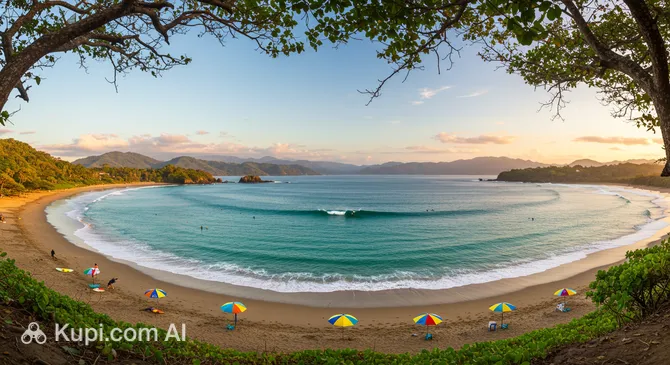
Nosara. Source: Kupi.Binoculars

Geographically, Nosara is nestled between lush tropical dry forests and the sparkling waters of the Pacific Ocean. It is situated within one of the world's five "Blue Zones," areas where people are known to live longer and healthier lives. The town's unique development regulations have prevented large-scale construction near the beach, preserving the pristine beauty of its coastline. Those interested in how this community evolved to protect its environment can explore the history of Nosara, which reveals a fascinating journey from a remote village to a premier eco-tourism hub.

Visitors are drawn to Nosara for its exceptional outdoor activities and natural wonders. Playa Guiones is renowned globally as a top surfing destination, offering consistent waves suitable for both beginners and pros. Just a short distance away lies the Ostional Wildlife Refuge, a critical nesting site for Olive Ridley sea turtles, where thousands of turtles come ashore during the famous arribadas. Additionally, the town is celebrated as a hub for yoga and holistic health, featuring numerous retreat centers tucked away in the jungle.

Whether you are looking to catch the perfect wave, practice yoga at sunrise, or simply unwind on uncrowded beaches, Nosara offers an unforgettable escape. Its blend of natural splendor and tranquil charm makes it a must-visit destination for anyone planning a trip to this beautiful region.
Weather Overview

Nosara enjoys a warm tropical climate defined by two distinct seasons, ensuring pleasant temperatures throughout the year. The dry season, typically lasting from January through March, is characterized by abundant sunshine and virtually no rainfall, with precipitation levels dropping to 0mm in January and February. During these months, average temperatures hover around 27°C to 28°C, with March often being the warmest month, seeing highs of up to 31.8°C.

The green season begins to set in around May and continues through November, bringing frequent rainfall that transforms the landscape into a lush paradise. October is generally the coolest and wettest month, with an average temperature of 25.7°C and rain occurring on approximately 31 days. To help you pack accordingly, you can consult the detailed guide on the weather in Nosara for specific monthly breakdowns.

Expect hot, sunny days perfect for the beach during the dry months, and warm temperatures with regular, refreshing showers during the green season.

Interesting Facts

Beyond its reputation as a yoga and surf paradise, Nosara hides unique characteristics that protect its environment and community. The town’s commitment to nature goes far deeper than visual aesthetics, influencing everything from its infrastructure to its daily water consumption.
  • The local tap water is rich in calcium and magnesium, a geological feature often credited for the region's status as a "Blue Zone." This high mineral content is believed to contribute to stronger bones and better heart health, supporting the exceptional longevity of the local population.

  • You will notice a distinct lack of streetlights along the coastal roads, which is an intentional measure to protect wildlife. Artificial lighting is kept to a minimum to ensure that hatching sea turtles are not disoriented by the glow and can safely find their way to the ocean by moonlight.

  • The community has historically resisted paving the main roads, preferring the dusty, bumpy gravel routes. This is often seen as a deliberate "filter" to slow down traffic and discourage mass tourism, helping to preserve the town's laid-back, slow-paced atmosphere.

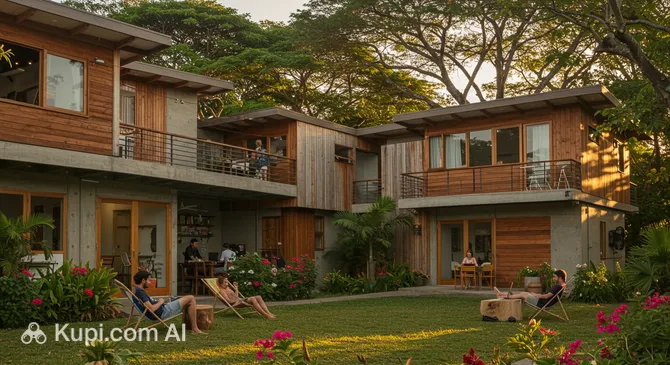
Nosara Socialtel. Source: Kupi.Binoculars

How to Get There

Reaching this coastal gem is part of the adventure, offering travelers a few distinct options depending on their starting point. To see all available routes and transport details, you can read more about how to get to Nosara. Most international visitors choose to arrive via the region's main hub or take a domestic flight directly to the town's airstrip.

For those flying internationally, the most practical entry point is Liberia Airport (LIR), officially known as Daniel Oduber Quirós International Airport. It is located in the city of Liberia, about 70 km from Nosara. As a major facility serving the Guanacaste province, it handles a large volume of passengers. The drive from Liberia to Nosara involves a mix of paved and unpaved roads and takes approximately 2 hours by taxi or shuttle. Alternatively, you can fly directly into Nosara Beach airport (NOB), which is conveniently situated just 1.2 km from the town center in Nosara itself. This small domestic airstrip connects the town with San Jose and other local destinations, making the final leg of the journey very short—roughly 20 minutes from the airstrip to your accommodation.

For clarity, here is a summary of the main airports:

Airport Name City Passenger Traffic Km from City
Liberia AirportLiberiaLarge69.7
Cobano AirportNandayureMedium67.5
Tambor AirportTamborSmall73.7
Nosara BeachNosaraSmall1.2
Fortuna AirportLa FortunaSmall129.1

Main Attractions

Nosara is a destination defined by its deep connection to nature, offering a mix of pristine beaches, wildlife conservation efforts, and vibrant community spots. While the town is small, its attractions are world-class, drawing surfers, nature lovers, and wellness enthusiasts from around the globe. Here are some of the top places to visit during your stay.

The crown jewel of the area is undoubtedly Playa Guiones. This expansive 7-kilometer stretch of white sand is famous for its consistent waves, making it one of the best surfing spots in the world for both beginners and seasoned pros. Beyond surfing, the beach is protected by a "green zone" buffer that prevents construction directly on the shoreline, ensuring a wild and unspoiled atmosphere perfect for long walks and spectacular sunsets.

For a truly unique natural phenomenon, a visit to the Ostional Wildlife Refuge is essential. Located just north of the main town, this protected beach is one of the few places on Earth where you can witness the arribada, the mass nesting of thousands of Olive Ridley sea turtles. While the turtles can be seen year-round, the peak season occurs during the rainy months, offering a humbling glimpse into the region's rich marine biodiversity.

Animal lovers should not miss the SIBU Wildlife Sanctuary, a rescue and rehabilitation center dedicated to protecting local wildlife, particularly howler monkeys. The sanctuary provides educational tours where visitors can learn about the threats these animals face and see the rehabilitation process in action. It is a heartwarming and educational experience that highlights the community's dedication to preserving the jungle ecosystem.

If you are looking for a change of pace and a lively social scene, Nosara Socialtel offers a modern twist on the traditional stay. This destination serves as a vibrant hub for travelers, combining comfortable accommodation with a dynamic atmosphere featuring pool areas and social events. It is an excellent spot to meet fellow explorers and experience the more energetic side of Nosara's tourism scene.

Local Cuisine

The culinary scene in Nosara is a delightful reflection of its "Blue Zone" status, blending traditional Costa Rican flavors with a strong emphasis on fresh, organic, and healthy ingredients. Because the town attracts a global community of surfers and yogis, you will find a unique gastronomic landscape where authentic local eateries, known as Sodas, sit comfortably alongside trendy juice bars and farm-to-table restaurants. The food here is not just fuel; it is a vibrant part of the "Pura Vida" lifestyle, often prepared with locally sourced produce and freshly caught seafood from the Pacific.

When it comes to must-try dishes, the Casado is the undisputed king of Costa Rican lunch tables. This hearty platter typically consists of rice, black beans, plantains, salad, a tortilla, and a choice of protein such as fish, chicken, or beef. In Nosara, the fish version is particularly popular due to the abundance of fresh catch like mahi-mahi or red snapper. For breakfast, you cannot miss Gallo Pinto, a savory mixture of rice and beans spiced with Lizano sauce, usually served with eggs and natilla (local sour cream). Given the coastal location, Ceviche is another staple, often made with sea bass marinated in lime juice, cilantro, and peppers, offering a refreshing zest perfect for hot beach days.

To quench your thirst, the options are as colorful as the sunsets. Non-alcoholic favorites include Pipa Fria, which is chilled coconut water drunk typically straight from the coconut—a perfect electrolyte boost after a surf session. You will also see Batidos everywhere; these fresh fruit smoothies can be made with water or milk and feature tropical fruits like mango, pineapple, and papaya. On the spirited side, the national liquor is Guaro, a sugar cane spirit often enjoyed as a Chiliguaro shot, mixed with tomato juice, lime, and hot sauce. For a more relaxed evening drink, an ice-cold Imperial beer is the standard local choice.

Dining in Nosara offers a mix of experiences. For the most authentic and affordable meals, head to the family-run Sodas, where the atmosphere is welcoming and the portions are generous. Conversely, the area around Playa Guiones features a variety of open-air restaurants and cafes that cater to the wellness crowd, offering everything from acai bowls to vegan gourmet dinners. Weekly farmers markets are also a central part of the food culture, allowing visitors to sample exotic fruits and homemade goods directly from local growers.

Travel Tips

Preparing for a trip to Nosara means getting ready for a dusty, dreamy adventure where the jungle meets the sea. These practical tips will help you navigate the unique rustic charm of this Guanacaste gem with ease and enjoy your vacation to the fullest.

  1. Clothing and Essentials: Pack lightweight, breathable clothing suitable for the tropical heat, along with a good pair of sandals for the beach and closed-toe shoes for hiking or riding. Since the roads are unpaved, a bandana or buff is an absolute must to protect your face from dust while traveling. Don't forget high-SPF sunscreen and insect repellent, as you will be surrounded by nature. Costa Rica uses Type A and B power outlets (standard US plugs), so bring an adapter if you are coming from Europe.
  2. Navigating the Roads: Public transport within the town is limited, and the roads are famous for being bumpy and unpaved. The most popular way to get around is by renting a golf cart or an ATV (quad), which handles the terrain much better than a standard car. If you decide to rent a car, a 4x4 SUV is strongly recommended. Taxis and "tuk-tuks" are also available for short trips between Playa Guiones, Playa Pelada, and the town center.
  3. Money Matters: The local currency is the Costa Rican Colón (CRC), but US Dollars are widely accepted in most hotels, restaurants, and tour agencies in Nosara. It is wise to carry some local cash for small purchases at "sodas" (local eateries) or for tipping. Credit cards are accepted almost everywhere, but ATMs can occasionally run out of cash or have long lines, so arrive with some cash on hand. Tipping around 10% is customary if a service charge isn't already included.
  4. Health and Safety: Nosara has well-stocked pharmacies and medical clinics available for minor emergencies, mostly located in the Guiones area. The town is generally very safe, but standard precautions apply: do not leave valuables unattended on the beach while swimming. Tap water in Nosara is generally safe to drink, but if you have a sensitive stomach, sticking to filtered or bottled water is a safe bet.
  5. Staying Connected: Spanish is the official language, but due to the large expat community and tourism, English is spoken almost everywhere in Nosara. Learning a few basic Spanish phrases is appreciated by locals. Wi-Fi is excellent in most hotels and cafes, making it a hub for digital nomads. For mobile data, you can buy a prepaid SIM card (Kolbi, Liberty, or Claro) at the airport upon arrival or at local supermarkets.
  6. Local Etiquette: The pace of life here is slow and relaxed; impatience is rarely well-received. The universal greeting and response to almost anything is "Pura Vida" (pure life), which implies "hello," "thank you," "you're welcome," or "everything is good." Smile, be polite, and embrace the laid-back rhythm. While beachwear is the norm, it is polite to throw on a shirt or cover-up when entering shops or restaurants.
  7. Respecting the Environment: Avoid driving fast on the dirt roads; speeding kicks up massive clouds of dust that coat homes, businesses, and pedestrians, which is considered very rude. Additionally, never feed the wildlife, especially the howler monkeys and coatis, as human food is harmful to their health and alters their natural behavior.
  8. The "Nosara Midnight": Be aware that the town shuts down early. This is an early-to-bed, early-to-rise community. Most people are asleep by 9:00 or 10:00 PM to wake up at dawn for the best surf conditions or morning yoga classes. Don't expect a late-night party scene; instead, prepare to synchronize your clock with the sun.

By keeping these tips in mind, you will settle into the local rhythm effortlessly. Nosara is a place to disconnect from stress and reconnect with nature, so pack your sense of adventure and get ready for a truly rejuvenating experience.

Entertainment & Nightlife

While Nosara is famous for its early-to-bed, early-to-rise culture centered around dawn surf sessions and yoga, the town still offers a charming and relaxed nightlife scene for those who aren't ready to turn in at sunset. You won't find thumping mega-clubs or neon-lit strips here; instead, the evening entertainment is defined by laid-back beach bars, acoustic live music, and social gatherings under the stars. The atmosphere is casually chic, where flip-flops are the standard dress code and the vibe is welcoming to everyone from backpackers to luxury travelers.

The heart of the action is undoubtedly located in the Playa Guiones area, specifically along the main road leading to the beach. This district serves as the town's social hub, where visitors gather after a day in the water to enjoy craft cocktails and local brews. One of the standout venues for a lively atmosphere is Nosara Socialtel. This spot has made a name for itself as a vibrant meeting place, often hosting DJ sets, pool parties, and social events that draw a spirited crowd looking to mingle and dance a bit later than the usual "Nosara midnight" curfew.

For a classic Nosara experience, The Gilded Iguana is an iconic venue that often features live bands and a bustling bar scene, serving as a cornerstone of the local community. It is the perfect place to grab a cold beer and swap surf stories with locals. Another must-visit for the evening transition is La Luna, located right on the beach at Playa Pelada. While primarily a restaurant, its lounge area is legendary for sunset drinks that often turn into relaxed evenings with the sound of waves crashing nearby.

Practicality is key when navigating Nosara at night. Most venues wind down by 10:00 PM or 11:00 PM, though a few designated spots might stay open until midnight on weekends. Prices are comparable to international tourist destinations, with cocktails averaging $10-$15 USD. Since street lighting is intentionally minimal to protect sea turtles, the roads are pitch black at night. It is essential to carry a flashlight or use your phone's light when walking. For longer distances, especially between Guiones and Pelada, the local "tuk-tuks" are the best way to get around safely and affordably.

During the daylight hours, entertainment shifts towards cultural and leisurely pursuits. Apart from the obvious beach activities, you can explore small art galleries and boutique shops scattered around the town center, offering handmade jewelry and local crafts. There are also opportunities to visit community centers that occasionally host farmers' markets or art workshops, providing a wholesome alternative to the adrenaline of surfing.

Parks & Museums

In Nosara, the concept of a "museum" is turned inside out; the town's true galleries are its living forests, and its most precious artifacts are the wildlife that inhabits them. While you will not find grand exhibition halls or sprawling history museums here, the region offers a profound cultural and natural immersion. The area is defined by its protected green spaces and a small but vibrant community of artists who draw inspiration from the surrounding jungle.

Nosara Biological Reserve is one of the most significant natural areas in the region, offering a pristine example of the complex ecosystem that defines the Nicoya Peninsula. Unlike the open beaches, this private reserve encompasses about 35 hectares of subtropical dry forest and mangrove wetlands along the southern side of the Nosara River. It is a haven for birdwatchers and hikers, featuring a network of trails that wind through the dense vegetation. Visitors here can often spot howler monkeys, armadillos, and coatis in a quiet, enclosed environment that feels worlds away from the surf breaks.

Another unique feature acting as the town's central park is the NCA (Nosara Civic Association) Trail System. This is not a single park but an extensive network of over 18 kilometers of eco-trails that connect the beaches of Guiones and Pelada with the commercial and residential areas. These trails traverse the "green buffer zone"—protected land that legally prevents construction near the shoreline. Walking these paths offers a functional and scenic way to explore the town while appreciating the community's dedication to maintaining a continuous biological corridor for local wildlife.

Culturally, the town's "museums" are often educational centers dedicated to conservation. The SIBU Wildlife Sanctuary stands out not just as a rescue center, but as an educational facility that teaches visitors about the impact of human development on local fauna. While it was mentioned as a top attraction, its role as a learning center cannot be overstated; it effectively functions as a living museum of local biology, offering detailed insights into the rehabilitation of injured animals and the ecology of the dry forest.

For art lovers, the cultural scene is decentralized, found in small art galleries and studios scattered throughout the Playa Guiones area. Local and international artists frequently exhibit works that reflect the "Pura Vida" lifestyle, ranging from colorful paintings of tropical landscapes to handmade jewelry and sculptures using local materials. These intimate spaces allow for direct interaction with creators, offering a personal glimpse into the artistic spirit that thrives in this coastal community.

Historically, the heart of the region lies inland at Nosara Pueblo (Nosara Town), distinct from the beach settlements. Here, near the small local airport, you can find the traditional Catholic Church and the central plaza. This area represents the authentic Costa Rican roots of the village, predating the tourism boom. It offers a quiet architectural contrast to the modern yoga studios and boutique hotels near the coast, providing a window into the daily lives of the long-standing local families.

For a truly immersive insider experience, explore the Boca Nosara (river mouth) by kayak or stand-up paddleboard. While not a park in the traditional sense, this mangrove estuary is a serene labyrinth of water and roots. It is best visited at high tide when you can paddle silently deep into the mangroves to spot herons, kingfishers, and crocodiles, offering a peaceful retreat that feels like entering a hidden world.

Getting Around

Public transport in Nosara is quite different from the extensive networks found in major cities. There are no metros, trams, or trains here. Instead, the system is rustic and limited, reflecting the town's small size and rural nature. The primary form of public transportation is the local bus service, which connects the main village (Nosara Pueblo) with the coastal areas of Playa Guiones and Playa Pelada, as well as providing links to the larger city of Nicoya. These buses are functional and inexpensive but run infrequently, making them more of a utility for locals than a convenient hop-on-hop-off option for tourists.

For getting around town comfortably, the most popular alternative to a standard taxi is the tuk-tuk. These small, three-wheeled motorized vehicles are everywhere and serve as the de facto taxi system for the area. They are perfect for navigating the narrow, unpaved roads and short distances between the beaches and restaurants. You can easily flag one down on the main road or ask your hotel to call one for you. They are generally safe, fun, and offer an open-air experience that suits the tropical climate.

When it comes to payment, cash is king. The local bus and tuk-tuks do not accept travel cards, digital passes, or credit cards via apps. You will need to pay in the local currency, the Colón, though some drivers may accept small denominations of US dollars. Prices for the bus are very low, typically costing less than a dollar per ride. Tuk-tuk rides vary by distance but usually range from $5 to $10 USD for a trip within the main tourist zones. It is standard practice to agree on the fare with the driver before getting into the vehicle to avoid any confusion upon arrival.

Because the public bus schedule can be restrictive, most visitors opt for private rentals to maintain independence. Golf carts and ATVs (quads) are the preferred modes of transport for tourists. These vehicles are well-suited for the bumpy, dusty dirt roads that characterize the town. Renting one allows you to explore the scattered layout of Nosara at your own pace, from the yoga studios in Guiones to the river mouth in the north. Bicycle rentals are also available and are a great eco-friendly option, though the heat and dust can make long rides challenging during the day.

A few practical tips will help you navigate the system smoothly. If you choose to rent a vehicle or ride in a tuk-tuk, always carry a bandana or scarf to cover your mouth and nose, as the roads can get extremely dusty, especially during the dry season. Operating hours for transport align with the town's rhythm; while tuk-tuks are available in the evenings, they may be harder to find late at night since the town generally sleeps early. Finally, standard taxis (red cars) do exist but are less common than tuk-tuks for short local trips, often being reserved for longer transfers to the airport or neighboring towns.

Accommodation

Accommodation in Nosara is defined by its commitment to sustainability and low-impact tourism, meaning you will not find massive high-rise all-inclusive chains here. Instead, the town offers a delightful array of boutique hotels, eco-lodges, surf camps, and luxury vacation rentals that blend seamlessly into the jungle canopy. From budget-friendly hostels designed for backpackers to high-end wellness resorts offering private villas, the options cater to a variety of travelers, all while maintaining a tranquil and intimate atmosphere.

Choosing the right area to stay depends largely on your plans for the trip. The most popular district for visitors is Playa Guiones, which serves as the main tourist hub. Staying here places you within walking distance of the best surf breaks, yoga studios, and a wide selection of restaurants and shops. For a quieter, more local experience, Playa Pelada offers a laid-back vibe with calm waters and spectacular sunsets, though it has fewer commercial amenities. If you are on a tighter budget or prefer a more authentic Costa Rican feel, Nosara Pueblo (the town center) is located further inland, about 5 kilometers from the beach, and offers more affordable guesthouses.

Among the notable places to stay, Nosara Socialtel stands out as a unique option for those seeking a lively atmosphere. Classified as a resort hotel, it combines the comfort of modern accommodation with a vibrant social scene, making it a favorite for travelers looking to meet new people while enjoying pool parties and organized events.

When planning your stay, keep in mind that Nosara is a premium destination, and prices tend to be higher than in other parts of Costa Rica. Budget options exist but are limited, while mid-range and luxury prices can rise significantly during the peak season. It is highly recommended to book well in advance, especially if you plan to visit during the dry season (December to April) or around holidays, as the best boutique hotels and rentals often sell out months ahead. Most accommodations can be booked via major online platforms, though many smaller eco-lodges appreciate direct inquiries.

Nearby Cities

For those looking to explore the surroundings, Nosara serves as an excellent base for day trips to several interesting nearby locations:

City Population Distance (km)
San Ramon80,566129
Santa Cruz55,10433
Liberia53,38277
Nicoya50,82528
Puntarenas41,52889

Among these options, Nicoya is a standout choice for a cultural excursion. Located just a short drive away, it is considered the historical heart of the peninsula and is central to the region's "Blue Zone" identity. Visitors can explore the colonial architecture, including the Parish of San Blas, which is one of the oldest churches in Costa Rica, and immerse themselves in the deep history of the Chorotega indigenous people.

Another fascinating destination is Santa Cruz, often referred to as the "Folklore City" of Costa Rica. It is the ideal place to experience authentic Guanacaste culture, famous for its traditional marimba music, vibrant festivals, and colorful rodeos. A visit here offers a lively contrast to the quiet beach life of Nosara, providing a taste of the country's rich agricultural and artistic heritage.

For those willing to travel a bit further, Liberia offers a mix of history and modern convenience. Known as the "White City" due to its whitewashed colonial buildings made of bahareque, it serves as the capital of the province. It is a great spot for shopping, dining, or using as a launching point to visit the nearby Rincón de la Vieja National Park, known for its volcanic activity and hot springs.

These nearby destinations offer a glimpse into the diverse culture and landscapes of the region.

Shopping & Souvenirs

Shopping in Nosara is a delightful reflection of the town’s bohemian and wellness-oriented spirit. You will not find sprawling shopping malls or international chain stores here. Instead, the retail scene is characterized by charming open-air boutiques, surf shops, and organic markets that blend seamlessly into the jungle surroundings. The experience is intimate and relaxed, offering a curated selection of goods that range from high-end beachwear and yoga apparel to locally made handicrafts and natural skincare products.

The primary shopping district is located in Playa Guiones. This area serves as the commercial heart of the town, where the dusty unpaved roads are lined with an eclectic mix of stores. You can wander between North Guiones and South Guiones, discovering hidden gems tucked away behind lush vegetation. This area is particularly famous for its surf shops, which offer not only board rentals and gear but also stylish clothing and accessories perfect for the coastal lifestyle. The atmosphere here is casual; it is quite common to shop while barefoot or still wearing your swimsuit cover-up.

While there are no large shopping malls in the traditional sense, the town features several small commercial plazas or "mini-centers." These open-air complexes typically house a cluster of businesses, including cafes, offices, and boutiques, all designed with rustic-chic architecture that respects the local aesthetic. These plazas are great places to browse for unique jewelry, home decor, and gifts without the hustle and bustle of a crowded city center.

A highlight for any visitor is the local market scene. The Tuesday Farmers Market is a beloved weekly event where the community gathers to buy and sell fresh produce. However, it is much more than just a vegetable stand; it is a vibrant showcase of local culture. Here, you can find organic coffee, homemade baked goods, artisanal cheeses, and natural health remedies. It is also an excellent spot to pick up handmade souvenirs directly from local artisans, ensuring that your purchase supports the community.

When searching for souvenirs to bring back from Costa Rica, focus on items that represent the region's natural beauty and artistic talent. Costa Rican coffee is a classic choice, and you can find high-quality organic blends roasted locally. Other popular items include handmade jewelry using local seeds and shells, wooden crafts, and eco-friendly yoga gear. For a unique treat, look for "Lizano" sauce (a local staple) or organic cacao products, which are abundant in this tropical climate.

Most shops in Nosara typically open around 9:00 AM or 10:00 AM and close by 6:00 PM or 7:00 PM, aligning with the town's early-to-bed rhythm. While credit cards are widely accepted in boutiques and established stores, it is essential to carry cash (Colones or US Dollars) when visiting the farmers markets or smaller roadside stands. Prices in Nosara can be higher than in other parts of the country due to the import of high-quality goods, but the uniqueness and quality of the products often justify the cost.

Reached the end of the page?

That means the route is fully explored