Support

Drake Bay

About

Nestled on the northern side of the **Osa Peninsula**, **Drake Bay** (Bahía Drake) offers a serene escape into one of the most biodiverse regions on the planet. This secluded village is a paradise for nature enthusiasts and those seeking a tranquil retreat away from the bustling crowds. As a prime destination in Costa Rica, it captivates visitors with its lush rainforests that tumble down to meet pristine beaches, creating a breathtaking backdrop for eco-tourism.

With a small local population of approximately **1,000 residents**, the area retains an intimate and authentic atmosphere. The geography is defined by rugged terrain and dense jungle, making it an adventure just to arrive, often involving a scenic boat ride up the Sierpe River or a short domestic flight. The climate is typically tropical, characterized by warm temperatures and a distinct wet season that feeds the vibrant greenery surrounding the bay.
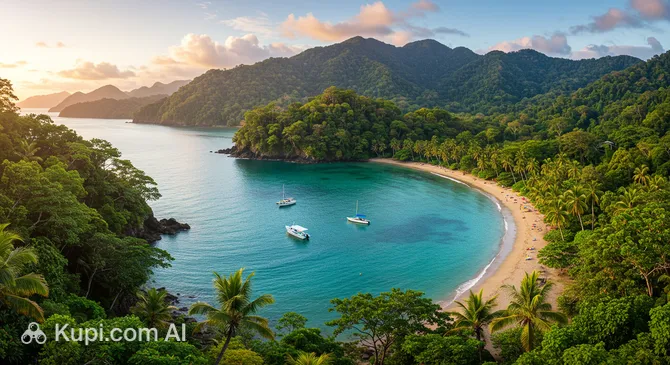
Drake Bay. Source: Kupi.Binoculars

The area holds a fascinating past, and exploring the history of Drake Bay reveals tales of exploration, as the bay is named after the famous Sir Francis Drake, who is believed to have anchored here in the 16th century. Today, it serves as the ideal gateway to the renowned **Corcovado National Park**, home to tapirs, jaguars, and scarlet macaws. Additionally, the nearby **Caño Island Biological Reserve** offers some of the best snorkeling and diving opportunities in the region, teeming with colorful marine life.

Whether you are hiking through primary rainforests or watching humpback whales migrate off the coast, Drake Bay promises an unforgettable experience. It is a destination that truly embodies the Pura Vida lifestyle, inviting travelers to disconnect from the modern world and immerse themselves in the wonders of nature.

Weather Overview

Drake Bay experiences a tropical climate characterized by consistent warmth and distinct rainfall variations throughout the year. Visitors can expect average temperatures to remain steady, generally hovering between **25°C and 27°C**. The warmest period tends to be around March, with daily highs reaching up to **29.4°C**, while nights remain pleasantly mild, rarely dipping below **23.6°C**.

Precipitation patterns significantly influence the travel experience in this lush region. The early months of the year, particularly from January to March, are the driest in terms of rainfall volume, with February seeing as little as **1mm** of accumulation. In contrast, the season from May to November brings more frequent and heavier rains, peaking in October with approximately **25mm**. To help you pack appropriately for your specific travel dates, it is useful to consult the detailed guide on weather in Drake Bay before your trip.

Interesting Facts

Beyond the lush rainforests and pristine beaches, Drake Bay holds fascinating secrets and legends that add depth to its natural beauty. Here are some intriguing details about this secluded paradise that many visitors might not know.

  • The Legend of Hidden Gold: While it is well-known that the bay is named after Sir Francis Drake, local legend persists that the famous privateer buried a substantial treasure here or on the nearby Caño Island in the 16th century. Despite numerous searches over the centuries, the fabled gold has never been recovered, keeping the mystery alive.

  • Mysterious Stone Spheres: The region surrounding the bay, particularly near the Sierpe River delta, is home to the enigmatic Diquís Stone Spheres. These perfectly round pre-Columbian artifacts range from a few centimeters to over two meters in diameter, and their original purpose and method of creation remain one of archaeology's great unsolved mysteries.

  • The "Wet Landing" Tradition: Unlike most tourist destinations with developed infrastructure, Drake Bay often requires a "wet landing." Because there are no large commercial docks, boats arriving from Sierpe typically pull directly onto the sand, requiring passengers to roll up their trousers and hop into the surf to reach the shore.

  • A Biodiversity Hotspot: Although the Osa Peninsula covers a tiny fraction of the Earth's surface, it is estimated to house 2.5% of the entire world's biodiversity. Drake Bay serves as the guardian to this biological wealth, where it is not uncommon to spot all four of Costa Rica's monkey species in a single afternoon.

How to Get There

Reaching this secluded paradise on the Osa Peninsula is an adventure in itself, often involving a mix of air, land, and water travel. Due to its remote location, planning your journey requires some attention to detail. For a comprehensive guide on all transport options, including driving directions and boat schedules, you can read more about how to get to Drake Bay.

The most convenient and time-efficient way to arrive is by flying directly into the local airstrip. Drake Bay (DRK) is located just 2.6 km from the main town area, making it the primary hub for visitors who wish to avoid long overland journeys. Travelers typically take a short domestic flight from San José to reach this small airfield. The transfer from the airstrip to most lodges takes only about 10 to 15 minutes by taxi or hotel shuttle.

If flights to the local airstrip are unavailable, another option on the peninsula is the Puerto Jimenez airport (PJM), located in the city of Puerto Jimenez, approximately 44.4 km away. While this airport handles slightly more traffic, the overland transfer to Drake Bay from here can be challenging and requires a sturdy 4x4 vehicle due to river crossings and rugged terrain. Alternatively, for those coming from Panama or the southern border region, the Enrique Malek Airport (DAV) in David is a significant regional hub, though it is situated about 139.6 km away in a neighboring country.

For clarity, here is a summary of the main airports:

Airport Name City Passenger Traffic Km from City
Enrique Malek Airport David Medium 139.6
Quepos Airport Quepos Small 95.9
Puerto Jimenez Puerto Jimenez Small 44.4
Drake Bay Drake Bay Small 2.6
Golfito Airport Golfito Small 53.1

There is no railway service connecting to Drake Bay or the surrounding Osa Peninsula. Consequently, if you are not flying, the most popular and scenic alternative is to travel by road to the town of Sierpe and take a boat down the Sierpe River. This "water taxi" ride takes approximately one hour and offers a spectacular introduction to the region's mangroves and wildlife. Driving directly to Drake Bay is possible but requires a 4x4 vehicle and is generally only recommended during the dry season due to river crossings that become impassable when water levels rise.

Main Attractions

Drake Bay is widely considered the gateway to some of Costa Rica's most pristine and wild landscapes. The attractions here are almost exclusively centered around nature, offering visitors a chance to immerse themselves in untouched rainforests and vibrant marine ecosystems. Here are the top places to explore during your stay.

Corcovado National Park is undoubtedly the region's crown jewel and the primary reason many travelers journey to this remote corner of the world. Often described as one of the most biologically intense places on Earth, the park is home to an incredible array of wildlife, including all four of Costa Rica's monkey species, scarlet macaws, tapirs, and even elusive jaguars. Most tours from Drake Bay head to the Sirena or San Pedrillo ranger stations, where guided hikes reveal the complex layers of this primary rainforest.

Just off the coast lies the Caño Island Biological Reserve, a marine paradise often compared to a miniature Cocos Island. This protected reserve is one of the best spots in the country for snorkeling and scuba diving, boasting crystal-clear waters and healthy coral reefs. Swimmers here frequently encounter sea turtles, white-tipped reef sharks, manta rays, and massive schools of colorful tropical fish. The island also holds archaeological significance, as pre-Columbian stone spheres and tombs have been discovered on its land.

For those looking for a relaxing day by the water, San Josecito Beach is widely regarded as the most beautiful beach in the area. Unlike the darker sands found closer to town, San Josecito features golden sand and calm, turquoise waters protected by rock formations, making it ideal for swimming and snorkeling. It serves as a popular picnic spot for boat tours and is also the rewarding endpoint for hikers traversing the coastal trails.

The Drake Bay Coastal Trail offers a fantastic way to explore the area independently. This public trail winds along the shoreline, passing through lush jungle, crossing suspension bridges over small rivers, and dipping onto secluded beaches like Cocalito. It is a haven for birdwatchers and nature photographers, offering chances to spot toucans, capuchin monkeys, and morpho butterflies without the need for a boat transfer.

Finally, exploring the Terraba-Sierpe National Wetlands offers a different kind of adventure. Accessible via boat from Drake Bay, this massive mangrove system—the largest in Costa Rica—is a maze of canals teeming with wildlife. A boat tour here is relaxing yet fascinating, providing close-up views of crocodiles, caimans, herons, and playful monkeys navigating the dense mangrove roots.

Local Cuisine

The culinary scene in **Drake Bay** is a delightful reflection of its remote coastal location and rich Costa Rican heritage. Due to the village's isolation, the emphasis is placed heavily on fresh, locally sourced ingredients, particularly seafood caught daily from the Pacific Ocean. Dining here is less about fine dining establishments and more about authentic, home-cooked flavors served in open-air settings surrounded by the sounds of the jungle and the sea.

Seafood lovers will find themselves in paradise, as the "catch of the day" is a staple on almost every menu. One dish you absolutely must try is **Ceviche**, prepared with ultra-fresh chunks of fish like mahi-mahi or snapper, "cooked" in lime juice and mixed with cilantro, onions, and sweet peppers. For a hearty meal, the traditional Costa Rican **Casado** is the go-to option for lunch or dinner. This balanced platter typically features rice, black beans, fried sweet plantains, a fresh salad, and a choice of protein—usually grilled fish, chicken, or pork chop—offering a perfect introduction to the local diet.

To quench your thirst in the tropical heat, locals and visitors alike turn to **Batidos**, refreshing fruit smoothies made from the abundance of local produce like mango, pineapple, papaya, and blackberry. These can be ordered with water (en agua) for a lighter taste or with milk (en leche) for a creamier treat. For something with a bit of a kick, try a cocktail made with **Guaro**, the national sugar cane liquor, or simply enjoy a cold Imperial beer while watching the sunset.

The food culture in Drake Bay is centered around "Sodas," which are small, family-run eateries that offer generous portions at affordable prices. These spots are the heart of the community, where you can rub shoulders with locals and enjoy the true flavor of Pura Vida. Additionally, many of the eco-lodges in the area provide excellent dining experiences, often featuring farm-to-table menus that highlight organic vegetables grown in their own gardens, ensuring that every meal is as fresh and sustainable as the environment around it.

Travel Tips

Visiting **Drake Bay** is a true adventure into the wild heart of Costa Rica, but its remote nature means you need to be better prepared than for a standard beach holiday. To help you navigate the unique logistics of the Osa Peninsula and focus on the incredible wildlife, here are some essential practical tips.

  1. Prioritize Quick-Dry Clothing and Waterproof Gear. Due to the high humidity and frequent rain showers, cotton clothes rarely dry out completely. Pack lightweight, synthetic fabrics that wick moisture. Since most arrivals involve a "wet landing" (jumping off a boat into knee-deep water), water shoes or sturdy sandals are a must. Additionally, bringing a dry bag to protect your electronics and passport during boat transfers is highly recommended.
  2. Prepare Your Finances Before Arrival. This is arguably the most critical tip: **there are no banks or ATMs in Drake Bay**. While many lodges and tour operators accept credit cards, smaller "sodas" (local eateries) and shops often operate on a cash-only basis. You should withdraw sufficient cash (Costa Rican Colones are best for small purchases, though US Dollars are widely accepted) in San José or Puerto Jiménez before you travel.
  3. Transportation is Rustic. Forget about ride-hailing apps or standard taxis here. The village is small enough to walk around, but the terrain is hilly and roads are unpaved. If you need a lift to a hotel further out, you will likely travel in a 4x4 taxi arranged by your lodge. If you are renting a car to drive here, a vehicle with high clearance and 4WD is absolutely mandatory, especially for crossing rivers during the rainy season.
  4. Health and Insect Protection. The biodiversity of the rainforest includes plenty of insects. Sandflies (locally known as purrujas) can be a nuisance on the beaches, especially at sunrise and sunset. Pack a strong insect repellent and perhaps some anti-itch cream. There is a small public health clinic (EBAIS) in the village for basic needs, but for serious emergencies, you would need to be transported to a larger hospital, so travel insurance is essential.
  5. Stay Connected (Or Disconnect). Wi-Fi is available in most hotels and restaurants, but speeds can be slow and outages do happen during storms. If you need mobile data, a **Kölbi** SIM card generally offers the most reliable coverage in this remote region compared to other providers. However, many visitors choose to embrace the isolation and disconnect from their devices to fully enjoy nature.
  6. Respect Local Wildlife and Etiquette. The local motto is Pura Vida (Pure Life), reflecting a relaxed and friendly attitude. When interacting with locals, a smile and a polite greeting go a long way. In terms of nature, never feed the animals, including monkeys and coatis, as it harms their health and alters natural behaviors. Flash photography is also often prohibited on wildlife tours to avoid startling the animals.
  7. Avoid Swimming in River Mouths. While the ocean beaches are inviting, you should strictly avoid swimming near where rivers flow into the sea, such as the mouth of the Agujitas River. These areas are known habitats for American crocodiles and occasionally bull sharks. Stick to the ocean waves or designated swimming spots recommended by locals.
  8. Bring a Good Flashlight or Headlamp. Street lighting is minimal to non-existent in many parts of Drake Bay. If you plan to walk to dinner or return to your lodge after sunset, a headlamp is indispensable for navigating the dark, uneven paths and spotting nocturnal creatures along the way.

By packing the right gear and embracing the rustic charm of the village, you will be perfectly set to enjoy one of the most magical places on Earth. Drake Bay rewards those who respect its wild nature with unforgettable encounters and a profound sense of peace.

Entertainment & Nightlife

Travelers looking for a vibrant party scene with thumping nightclubs and late-night discos might be surprised by the tranquility of **Drake Bay**. Nightlife here is defined not by neon lights, but by the sounds of the jungle and the rhythm of the ocean. The village of **Agujitas**, which serves as the main center of activity, offers a laid-back and intimate evening atmosphere where the primary entertainment involves sharing stories of the day's adventures over a cold drink and a fresh meal.

Instead of bustling club districts, the social scene revolves around open-air restaurants and the bars attached to various eco-lodges. These venues typically close relatively early, often around 9:00 PM or 10:00 PM, as most visitors plan to wake up at dawn for nature tours. **Kalaluna Bistro** is a popular spot for those seeking a relaxed evening; situated right by the water, it offers excellent cocktails and a view of the sunset that rivals any show. Another local favorite is **Claudio's Grill**, where you can enjoy hearty food and mingle with both locals and fellow travelers in a rustic, friendly setting.

For a truly unique "nightlife" experience, many visitors opt for a guided night tour. The rainforest comes alive after dark, and walking through the trails with a guide reveals a hidden world of nocturnal creatures, from colorful tree frogs to sleeping birds and insects. Additionally, **bioluminescence tours** are highly recommended; hopping on a boat to swim in waters glowing with plankton under the starry sky is an unforgettable way to spend an evening.

When venturing out at night, practical preparation is essential. The streets of Agujitas are dimly lit, so carrying a high-quality **flashlight or headlamp** is mandatory for safety and to avoid stepping on wildlife. The dress code is universally casual—shorts and sandals are the norm everywhere. Since there are no sidewalks, stick to the main paths and remain aware of your surroundings.

Transportation after dark is limited. Walking is common for short distances within the village, but if your lodge is further out, you should arrange a taxi in advance. Local taxis are typically 4x4 vehicles capable of navigating the rugged terrain. Always ensure you have enough cash (Colones or US Dollars) for dining and transport, as card machines can be unreliable and ATMs are non-existent.

While the nights are quiet, the daytime hours in Drake Bay are packed with activity. Before the sun sets, visitors spend their time exploring the vast wilderness of Corcovado National Park, snorkeling near Caño Island, or simply relaxing on the pristine beaches. The transition from an adrenaline-filled day to a peaceful, star-filled night is the essence of the Drake Bay experience.

Parks & Museums

While Drake Bay is not a destination characterized by manicured urban gardens or grand indoor exhibition halls, it serves as a gateway to some of the most spectacular "living museums" and natural reserves on the planet. The region's cultural heritage is deeply intertwined with its geography, where the dense rainforests and ancient archaeological sites tell stories that predate modern civilization. Visitors here trade concrete galleries for lush jungle trails and historical artifacts for biodiversity that is unrivaled in Costa Rica.

The most significant natural area is undoubtedly Corcovado National Park. Often cited as the crown jewel of Costa Rica's national park system, it encompasses a vast area of primary rainforest that hosts an astonishing variety of wildlife. Unlike a typical city park, this is a wild, untamed environment where visitors can hike trails near the Sirena or San Pedrillo ranger stations. It offers a profound immersion into nature, allowing tourists to walk amongst giants—massive ancient trees—while spotting tapirs, scarlet macaws, and all four species of Costa Rican monkeys in their natural habitat.

Another remarkable green space is the Drake Bay Coastal Trail (Sendero de Bahía Drake). This public trail functions as a scenic linear park, winding along the coastline from the main village of Agujitas towards San Josecito Beach. It is a favorite among hikers and nature lovers because it is free to access and offers breathtaking views of the Pacific Ocean on one side and the jungle on the other. The trail provides access to several secluded beaches and is an excellent spot for independent birdwatching, offering a more relaxed alternative to the intense trekking found in Corcovado.

In terms of museums and cultural history, the Caño Island Biological Reserve offers a unique blend of natural and archaeological significance. While primarily known today for its marine life, the island was once a vital ceremonial site and trading post for pre-Columbian indigenous groups. It is considered an archaeological site of great importance, where mysterious stone spheres and ancient tombs have been discovered. For tourists, it serves as a fascinating historical landmark where the past echoes through the undisturbed landscape, offering a glimpse into the region's ancient civilizations.

Although there is no brick-and-mortar museum in Drake Bay itself, the nearby Diquís Delta is home to the UNESCO World Heritage-listed Stone Spheres. These perfectly round petrospheres are a marvel of ancient engineering and a symbol of the Diquís culture. Visitors interested in history often take boat tours from Drake Bay to the Sierpe area to view these enigmatic artifacts. They represent the area's most profound cultural mystery, sparking imagination about the sophisticated societies that once thrived in these river deltas.

Architecturally, Drake Bay is defined by its lack of imposing structures. The "monuments" here are the rustic eco-lodges and suspension bridges that blend seamlessly into the forest canopy. The village retains a humble, authentic charm with simple wooden structures that prioritize function and harmony with nature over grandeur.

For a truly authentic experience, take a morning to explore the smaller, unnamed trails that branch off near the Rio Agujitas. Here, you can find small waterfalls and swimming holes that serve as the local community's recreational spots. These hidden gems offer a quiet respite and a chance to see the "backyard" of this rainforest community, away from the organized tours.

Getting Around

Travelers arriving in Drake Bay should immediately adjust their expectations regarding public transportation, as the infrastructure here is completely different from what one might find in a developed urban center. There is no metro, tram, trolleybus, or formal municipal bus network operating within the village. Instead, the transport "system" is informal, rustic, and heavily reliant on the specific geography of the area, where the jungle meets the ocean.

The primary way to navigate the immediate village of Agujitas is simply on foot. The town is small enough that most restaurants, small shops, and the main beach are within walking distance of the central lodging areas. However, the terrain can be steep, muddy, and unpaved, so walking requires a moderate level of fitness and sturdy footwear. For distances that are too far to walk, the main form of motorized transport is the local taxi service.

Taxis in this region are almost exclusively 4x4 vehicles, which are necessary to handle the rugged, unpaved roads and occasional river crossings. These are not standard city cabs with meters; they are often unmarked private vehicles or lodge shuttles operating as taxis. Finding one usually involves asking your hotel reception or a restaurant host to call a known driver for you, as you cannot simply flag them down on the street or find them waiting at a designated taxi rank.

A unique and essential feature of transport here is the use of boats, effectively serving as "water taxis." Since many eco-lodges and pristine beaches like San Josecito are located along the coast with no road access, small boats (pangas) are frequently used to shuttle visitors back and forth. These rides are often arranged through your accommodation or tour operators and offer a scenic, albeit sometimes wet, way to move between different points along the bay.

Regarding payment, the system is strictly cash-based. There are no electronic travel cards, transport apps, or ticket machines. You will not find services like Uber or other ride-sharing platforms operating in this remote area. It is essential to carry local currency or US dollars in small denominations to pay drivers directly. Prices for taxi rides are generally fixed per trip rather than per distance, but since there are no meters, you must always agree on the fare with the driver before getting into the vehicle.

For tourists, the best practical advice is to plan your movements in advance. Transport is not available 24/7, and finding a ride after dark (post-dinner) can be difficult if it has not been pre-arranged. If you are staying at a lodge outside the main village, ensure you have a return ride booked before you leave for the evening. While bike rentals are virtually non-existent due to the harsh and hilly terrain, the combination of walking and pre-booked 4x4 or boat transfers covers most needs for exploring this wild paradise.

Accommodation

Accommodation in **Drake Bay** is defined by its deep connection to nature, offering a range of experiences that differ significantly from typical resort destinations. Instead of high-rise chain hotels, the region specializes in intimate **eco-lodges**, rustic cabins (cabinas), and boutique retreats designed to blend seamlessly into the surrounding rainforest. The options cater to a wide spectrum of travelers, from backpackers seeking adventure on a budget to luxury seekers looking for all-inclusive seclusion in the jungle.

The location of your stay largely dictates the type of experience you will have. There are two primary areas to consider:

  • Agujitas (The Main Village): This is the heart of the community where the road ends and the boat dock is located. Staying here is convenient for independent travelers who want easy access to local "sodas" (restaurants), small grocery stores, and the public beach. Accommodation here tends to be more affordable, consisting of hostels, family-run guesthouses, and mid-range hotels.
  • Remote Coastal Lodges: Stretching along the coast away from the village towards San Josecito Beach, these properties are often accessible only by boat. These lodges offer a high degree of privacy and immersion in the wild. Because they are isolated from the town's amenities, they typically operate on an all-inclusive basis, providing all meals and organizing tours on-site.

For those on a **budget**, the village of Agujitas offers simple but comfortable "cabinas" and hostels. These usually provide basic amenities like fans (air conditioning is becoming more common but not guaranteed) and shared or private bathrooms. Prices in this category are generally wallet-friendly, making it possible to enjoy this remote paradise without spending a fortune. It is the best choice if you prefer to explore local dining options rather than being tied to a hotel meal plan.

The **mid-range to luxury** segment is dominated by the region's famous eco-lodges. These establishments are pioneers in sustainable tourism, often utilizing solar power and locally sourced materials. Staying in one of these lodges is an experience in itself, often featuring bungalows with ocean views, open-air showers, and sounds of the jungle as your morning alarm. Prices here are higher, often ranging from **$150 to over $400 per night**, but this frequently includes full board (three meals a day) and sometimes transfers, which is excellent value given the logistical challenges of the area.

Booking Tip: Due to the limited number of rooms and the high demand during the dry season (December to April), it is highly recommended to book your accommodation several months in advance. If you are choosing a remote lodge, check carefully if meals are included, as there are no restaurants within walking distance of these isolated spots. Additionally, while major lodges accept credit cards, smaller guesthouses in town may prefer or require cash, so it is wise to inquire about payment methods beforehand.

Nearby Cities

For those looking to explore the surroundings, Drake Bay serves as an excellent base for day trips to several interesting nearby locations:

City Population Distance (km)
San Marcos 163,745 112
San Isidro de El General 45,327 74
Coto Brus 38,453 81
La Uruca 31,728 127
Buenos Aires 29,454 62

San Isidro de El General is the most significant urban center in the Southern Zone and offers a complete change of scenery from the coast. Nestled in a valley beneath the Talamanca mountain range, it is the gateway to Mount Chirripó, the highest peak in the country. Visitors can enjoy a cooler climate, explore vibrant agricultural markets, and experience the daily life of a bustling Costa Rican city.

Located just a bit closer, Buenos Aires is a culturally rich destination known for its deep indigenous heritage. The town is surrounded by several indigenous territories belonging to the Bribri, Cabécar, and Boruca peoples. A visit here offers a unique opportunity to learn about traditional crafts, such as the famous Boruca masks, and to gain insight into the history and customs of the region's original inhabitants.

Coto Brus, particularly the town of San Vito, is another fascinating spot for a day trip. Founded by Italian immigrants in the 1950s, this area retains a distinct cultural flavor, offering excellent Italian cuisine alongside traditional Costa Rican dishes. It is also home to the Wilson Botanical Garden, a world-renowned research center that attracts birdwatchers and plant enthusiasts from around the globe.

These nearby destinations offer a glimpse into the diverse culture and landscapes of the region.

Shopping & Souvenirs

Shopping in **Drake Bay** is a modest and practical affair, reflecting the village's remote location on the Osa Peninsula. Visitors should not expect a destination filled with luxury boutiques, duty-free promenades, or high-street fashion brands. Instead, the retail experience here is authentic and small-scale, focused primarily on essential supplies for hikers, basic groceries, and unique locally crafted souvenirs that celebrate the region's rich biodiversity and cultural heritage.

The main commercial activity is concentrated entirely within the village of **Agujitas**. There is essentially one main unpaved road that winds through the settlement, serving as the "high street" where nearly all local businesses are located. A short walk along this dusty (or muddy, depending on the season) path will take you past the handful of grocery stores, tour operator offices, and small artisan shops that make up the town's retail sector.

Travelers looking for **shopping malls** or large department stores will not find them here. Drake Bay is a destination dedicated to nature and eco-tourism, and its infrastructure remains intentionally undeveloped to preserve the environment. There are no chain stores or commercial complexes; for extensive shopping needs, one would need to travel back to the capital, San José, or larger regional towns like San Isidro de El General.

In terms of markets, the village relies on small, family-run grocery stores known locally as supermercados or pulperías. These shops are vital hubs for both locals and tourists, stocking everything from fresh tropical fruits and vegetables to sunscreen, insect repellent, and cold beverages. While there isn't a traditional open-air flea market, these stores often serve as community meeting points and are the best places to stock up on snacks before a long hike in Corcovado National Park.

For those seeking **souvenirs**, the options are unique and often handmade. The most iconic items to look for are **Boruca masks**. These vibrancy colored, hand-carved wooden masks are created by the indigenous Boruca people of southern Costa Rica and depict traditional legends and animals. You can also find handmade jewelry crafted from local seeds, shells, and sea glass, as well as bags of organic Costa Rican coffee produced in the nearby highlands. Many eco-lodges also maintain small gift shops in their lobbies, offering curated selections of nature guidebooks and high-quality local crafts.

Opening hours in Drake Bay generally align with the sun. Shops typically open early, around **7:00 AM**, to cater to guides and tourists heading out on morning tours, and they usually close by **7:00 PM or 8:00 PM**. Regarding payment, **cash is king**. As there are **no ATMs** in the area, it is critical to arrive with sufficient funds. While some larger grocery stores may accept credit cards, internet connections can be unreliable, so carrying Costa Rican Colones or US small bills is the only way to guarantee you can make a purchase.

Tax-free shopping is not available in Drake Bay. The refund schemes for tourists are typically operational only in major authorized stores in the capital or at international airports. In this remote village, all prices generally include the necessary taxes, and there are no facilities to process VAT refunds.

Reached the end of the page?

That means the route is fully explored