Support

Liberia

About

Liberia, often affectionately known as La Ciudad Blanca (The White City), serves as the vibrant capital of the Guanacaste Province. Located in the northwest region of Costa Rica, this city acts as a crucial gateway for travelers exploring the country's stunning Pacific coastline and national parks. With a population of approximately 53,000 residents, it offers a perfect blend of modern amenities and traditional charm, characterized by its warm, dry climate and welcoming atmosphere.

Walking through the streets, visitors can admire the unique colonial architecture that reflects the rich history of Liberia. Many of the older structures are built with adobe and bahareque, showcasing the region's heritage. The city is deeply rooted in the local sabanero (cowboy) culture, which is celebrated in festivals and daily life, giving the town a distinct and authentic identity compared to the Central Valley.
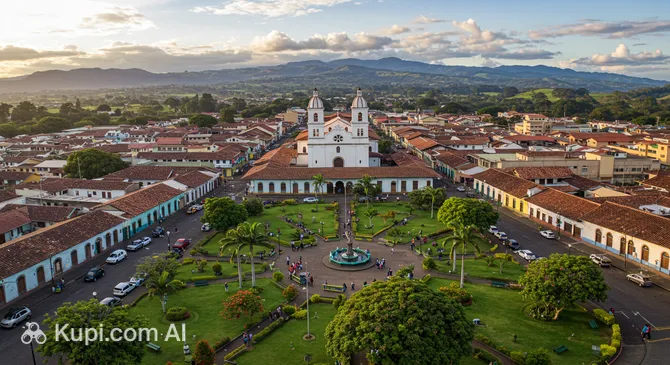
Liberia. Source: Kupi.Binoculars

Nature enthusiasts will find the city to be an excellent base for adventure. It is situated just a short drive from the majestic Rincón de la Vieja National Park, where tourists can witness volcanic activity, relax in natural hot springs, and hike through lush dry forests. Additionally, the city center features the Museo de Guanacaste, housed in a historical building, which offers fascinating insights into the civic and cultural development of the region.

Whether you are passing through on your way to the beaches of the Papagayo Peninsula or staying to soak up the local culture, Liberia provides a genuine taste of Guanacastecan life. It is a destination that invites you to slow down, enjoy the sunny weather, and experience the heart of the province.

Weather Overview

Travelers can expect a tropical climate with consistent heat, as the weather in Liberia remains warm year-round. Average temperatures generally hover between 25°C and 28°C, with the hottest days occurring in April, where highs can reach nearly 33°C. The city is famous for its sunny disposition, particularly during the peak travel months.

The year is divided into a distinct dry season and a wetter "green" season. From December to April, rainfall is virtually non-existent, and the days are bright and dry. Conversely, the period from May through November brings frequent precipitation, with October seeing rain on up to 28 days of the month. Despite the increase in wet days during this time, the temperatures remain pleasant, rarely dropping below 22°C at night.

Interesting Facts

Beyond the main attractions and historical sites, Liberia holds several fascinating secrets that reveal the true soul of Guanacaste. These unique details offer a deeper look into the traditions and daily life of this charming colonial city.
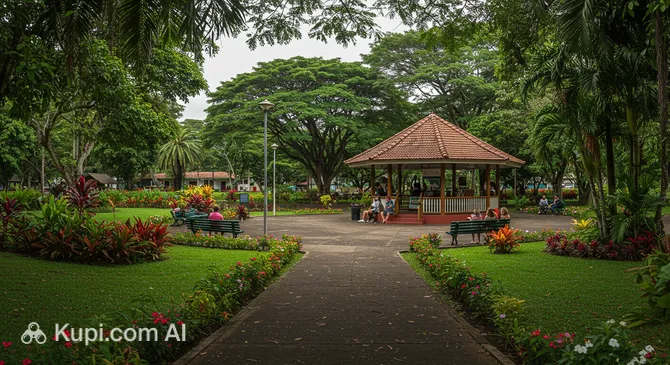
Mario Cañas Ruiz Park. Source: Kupi.Binoculars
  • While many know it as "The White City" due to its whitewashed houses, the nickname actually originated from the white gravel, known locally as cascajo, that was once used to pave the streets. This volcanic soil reflected the intense sun, giving the entire town a distinctive bright appearance long before modern paving existed.

  • The city is the undisputed capital of the sabanero (Costa Rican cowboy) culture, which is vividly celebrated during the traditional Topes. These are not just parades but grand equestrian events where hundreds of riders showcase their skills and horses directly on the city streets, turning the town into a lively display of folklore.

  • The heart of social life beats at Mario Cañas Ruiz Park, which is famous for its large mango trees that provide essential shade. It is a local tradition for musicians to gather at the central kiosk, filling the evening air with marimba music, a sound that is emblematic of the province.

  • Liberia preserves a unique architectural feature called the "Puerta del Sol" on its oldest homes along Calle Real. These corner doors were designed to open on two sides, allowing the morning sun to illuminate the interior and serving as a practical entrance for corner businesses in the 19th century.

How to Get There

Traveling to this key destination in Guanacaste is quite convenient, primarily due to its status as a major transportation hub in the region. Most visitors arrive by air, but the city is also well-connected by road for those exploring the country. You can find more about how to get to Liberia and plan your specific route to ensure a smooth arrival.

The most direct way to reach the city is by flying into Liberia Airport (IATA: LIR), also known as Daniel Oduber Quirós International Airport. This is a significant international gateway, handling a large volume of passengers annually. Since the airport is located just 12.3 km from the city center, the transfer is very quick. A taxi or shuttle ride to the downtown area typically takes approximately 15 to 20 minutes, making it the most practical option for international travelers.

For those coming from other parts of the region or utilizing domestic flights, there are smaller airstrips nearby, though they are located in neighboring towns. For instance, you can fly into Nosara Beach (IATA: NOB), which is situated in the town of Nosara, about 76.4 km away. The ground transfer from Nosara to Liberia is longer, taking around 2 hours. Another option is Fortuna Airport (IATA: FON) in La Fortuna, located roughly 96.0 km from Liberia, with a travel time of nearly 2 hours and 45 minutes by car.

For clarity, here is a summary of the main airports:

Airport Name City Passenger Traffic Km from City
Liberia Airport Liberia Large 12.3
Costa Esmeralda Airport Tola Small 109.3
Tambor Airport Tambor Small 109.5
Nosara Beach Nosara Small 76.4
Fortuna Airport La Fortuna Small 96.0

Main Attractions

For a change of pace and a taste of modern conveniences, travelers often visit Santa Rosa Plaza. This shopping center is a popular destination for both locals and tourists, offering a variety of retail stores, services, and dining options. It provides a comfortable environment to take a break from the heat, browse for souvenirs, or enjoy a casual meal in a contemporary setting.

Santa Rosa Plaza. Source: Kupi.Binoculars

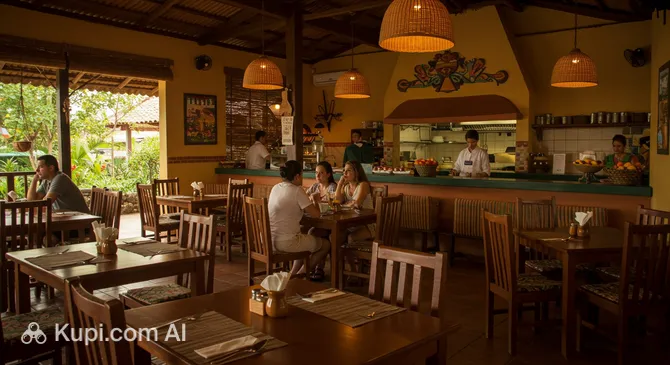
Those seeking a memorable dining experience should consider reserving a table at Sabor Porteño Restaurant. This establishment is well-regarded for its commitment to flavor and quality, serving a range of dishes that highlight the region's culinary heritage. It is a fantastic spot to enjoy a hearty meal and immerse oneself in the local gastronomy.

Sabor Porteño Restaurant. Source: Kupi.Binoculars

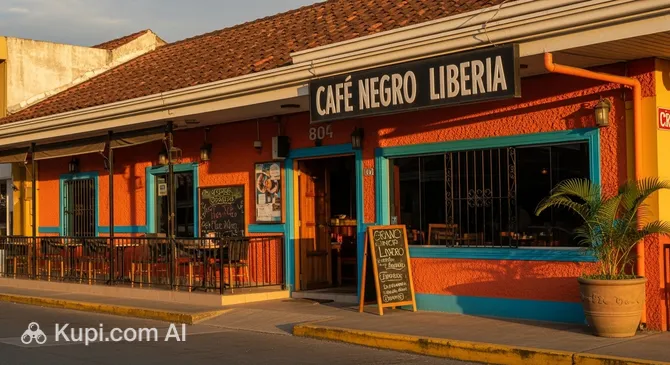
Coffee lovers looking to experience the city's cafe culture should stop by Café Negro Liberia. Known for its inviting ambiance and dedication to quality, this spot is a favorite for enjoying locally sourced coffee and delicious light bites. It is a perfect venue for unwinding after a day of exploration, offering a glimpse into the modern lifestyle growing within the traditional city.

Café Negro Liberia. Source: Kupi.Binoculars

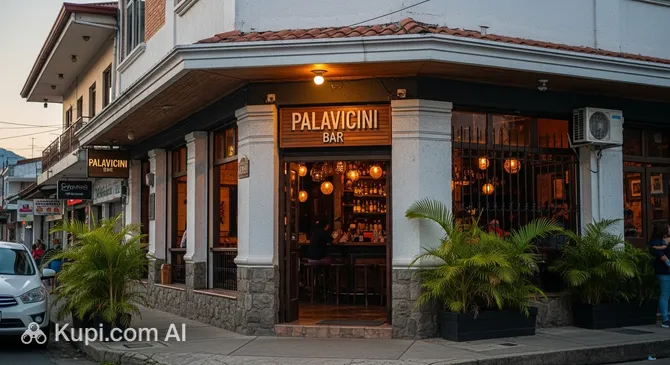
As the sun sets, Palavicini becomes a lively point of interest for those wishing to experience the local social scene. This bar attracts a mix of residents and visitors, creating a vibrant atmosphere perfect for enjoying refreshing beverages and conversation. It captures the spirited energy of the evening, offering an authentic slice of Guanacastecan nightlife.

Palavicini. Source: Kupi.Binoculars

Local Cuisine

The culinary landscape of Liberia is deeply rooted in the traditions of the Guanacaste province, where corn is considered a sacred ingredient. Often referred to as "the children of corn," the locals have perfected recipes that date back centuries. Visitors simply must try the famous Arroz de Maíz, a savory dish made with yellow corn and chicken, which offers a distinct flavor quite different from the traditional rice dishes found elsewhere in Costa Rica.

Another staple of the local gastronomy is the variety of corn-based snacks known as bocadillos. You will find bakeries and street vendors selling Rosquillas and Tanelas, which are cheesy corn pastries baked in clay ovens. These treats are best enjoyed in the late afternoon, traditionally dipped in a cup of hot coffee, providing a perfect blend of savory and sweet flavors that define the region's snack culture.

Given the city's warm climate, refreshing beverages are an essential part of daily life. Travelers should look for Resbaladera, a creamy, cold drink made from rice and barley with a hint of cinnamon and nutmeg. For a truly unique cultural experience during the dry season, you might encounter Vino de Coyol, a fermented sap extracted from the coyol palm tree, which is a celebrated seasonal tradition among the sabaneros.

When it comes to dining out, the most authentic experiences are often found in small, family-run eateries known as Sodas. These spots serve generous portions of Casado—a plate consisting of rice, beans, salad, plantains, and a choice of meat—at very affordable prices. The central market is also a bustling hub where you can taste local favorites prepared with fresh ingredients right before your eyes.

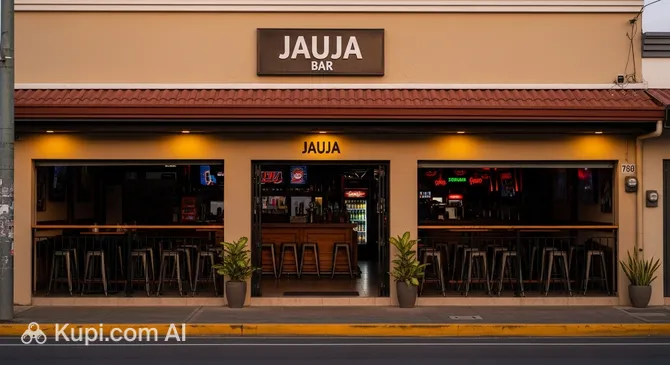
Jauja. Source: Kupi.Binoculars

For those looking to unwind after a day of exploring, the city offers welcoming spots to enjoy a cold beer or a cocktail. Jauja is a popular establishment where you can soak up the local vibe. It is a great place to mingle with residents and enjoy the relaxed evening atmosphere that characterizes this friendly colonial city.

Travel Tips

Welcome to Liberia, the sun-drenched capital of Guanacaste! To ensure your visit to this charming colonial city is as smooth and enjoyable as possible, we have compiled a list of essential travel insights. These practical tips will help you navigate the local customs, climate, and logistics like a seasoned pro.

  1. Dress for the Heat: Liberia is known for its intense tropical heat, especially during the dry season. Pack lightweight, breathable fabrics like cotton or linen to stay cool. A wide-brimmed hat, high-quality sunglasses, and strong sunscreen are absolute must-haves. Since you will likely be walking on hot pavement or dusty trails, bring comfortable, closed-toe walking shoes.

  2. Getting Around: The city is a major transportation hub. For travel within the city limits, official red taxis with yellow triangles on the doors are the safest and most reliable option; always ensure they use the meter (la maría). If you plan to explore the nearby beaches or Rincón de la Vieja, renting a car is highly recommended for flexibility. Public buses are affordable and connect to many destinations from the municipal terminal.

  3. Currency and Payments: The local currency is the Costa Rican Colón (CRC). While US dollars are widely accepted in hotels and larger restaurants, it is best to carry Colones for small purchases at sodas (local eateries) or street vendors. Credit cards are generally accepted, but always ask first. ATMs are readily available around the central park and shopping plazas.

  4. Health and Safety: Liberia is generally safe, but standard precautions apply. Avoid walking alone in poorly lit areas late at night. Pharmacies are easy to find in the city center; look for signs saying "Farmacia." While tap water in Costa Rica is generally potable, tourists with sensitive stomachs might prefer bottled water. In case of any emergency, dial 911 for assistance.

  5. Communication Essentials: Spanish is the official language. While many people in the tourism industry speak English, locals in markets or smaller shops may not. Learning a few basic phrases goes a long way. The most important phrase is "Pura Vida," used for hello, goodbye, thank you, or everything is good. For internet access, you can buy a prepaid SIM card (Kölbi, Claro, or Liberty) at the airport or local stores.

  6. Local Etiquette: Costa Ricans, or Ticos, are polite and friendly. When entering a shop or greeting someone, a simple "Buenos días" or "Buenas tardes" is customary. Handshakes are the standard greeting. Patience is a virtue here; the pace of life is relaxed, so do not rush service staff or get impatient with delays.

  7. What to Avoid: Never leave valuables visible inside a parked car, even for a few minutes. This is a common issue in tourist areas across the province. Also, avoid wearing expensive jewelry or flashing large amounts of cash in public spaces to stay low-profile.

  8. Timing Your Day: Due to the midday heat, locals often start their days early. Plan your outdoor activities or market visits for the morning (before 10:00 AM) or late afternoon (after 3:00 PM). Midday is best spent in a museum, a shaded café, or enjoying a long lunch, embracing the slower rhythm of the tropics.

Armed with these tips, you are ready to embrace the authentic spirit of Liberia. Whether you are sipping a cold drink in the park or exploring the historic streets, relaxing into the local "Pura Vida" lifestyle will make your adventure truly unforgettable.

Entertainment & Nightlife

Entertainment:

Entertainment in Liberia is deeply rooted in the region's rich sabanero (cowboy) heritage, offering a cultural experience that goes beyond typical tourist activities. The city comes alive during the famous Fiestas Cívicas de Liberia, usually held in late February or early March. This major event features colorful horse parades (topes), traditional bull riding, and street parties filled with marimba music, drawing visitors from all over the country to celebrate Guanacastecan traditions.

For a more relaxed evening, the local nightlife scene offers a friendly and authentic atmosphere. While not known for wild clubs, the city has several welcoming spots where locals gather to socialize. Popular venues like Palavicini and Jauja provide the perfect setting to enjoy a cold drink, listen to Latin music, and immerse yourself in the warm hospitality of the "White City" after the sun goes down.

Travelers looking for modern leisure amenities can spend time at Santa Rosa Plaza. This complex is a hub for contemporary entertainment, featuring a cinema where you can catch the latest films. It is also a great place for casual shopping or enjoying a meal in air-conditioned comfort, offering a pleasant break from the tropical heat of the afternoon.

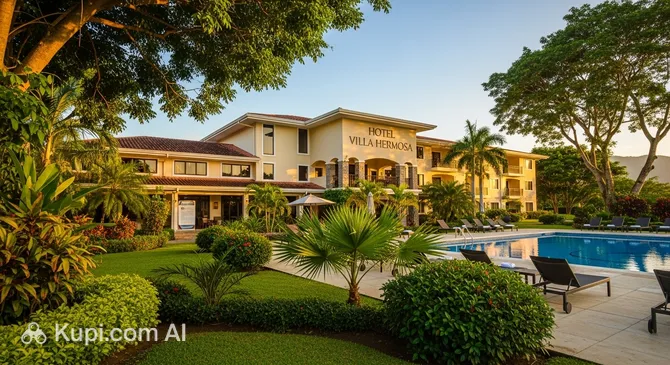
For those seeking a serene escape within the city, Hotel Villa Hermosa stands out as a peaceful retreat. Its resort-style setting and swimming pool make it an excellent spot for leisure and relaxation, allowing guests to unwind in a lush, quiet environment while still being close to the urban action.

Hotel Villa Hermosa. Source: Kupi.Binoculars

Parks & Museums

Liberia offers a compelling mix of accessible urban green spaces and cultural institutions that preserve the rich heritage of Guanacaste. While the city is often used as a transit point, those who take the time to explore its streets will find charming parks and museums that tell the story of the "White City" and its cowboy traditions.

The social heart of the city is undoubtedly Mario Cañas Ruiz Park. Located in the center of town, this bustling square is where the community comes to life. Shaded by massive mango trees, it provides a cool refuge from the midday sun and is a perfect spot for people-watching. In the evenings, the park transforms into a vibrant venue for local music and gatherings, offering tourists a genuine slice of daily life in Liberia.

Just a short distance from the urban center lies the majestic Rincón de la Vieja National Park. Although technically outside the city limits, it is the primary natural playground for visitors staying in Liberia. This expansive protected area is famous for its active volcanic features, including bubbling mud pots and fumaroles, as well as its dry tropical forest trails which lead to stunning waterfalls like La Cangreja.

For history enthusiasts, the Museo de Guanacaste is an essential stop. Housed in the former city barracks (El Cuartel), a building with significant architectural value, the museum showcases the civic and social history of the province. The exhibits often focus on the region's identity, displaying artifacts that trace the evolution of Guanacaste from the colonial era to the present day.

Another cultural gem is the Museo del Sabanero, often located within the Casa de la Cultura. This museum is dedicated to the sabanero (cowboy) culture that defines the region. Visitors can view a collection of traditional tools, saddles, and photographs that honor the skilled horsemen who worked the cattle ranches, providing deep insight into the folklore and traditions that are still celebrated in the city's festivals.

Architecturally, the Ermita de La Agonía is a standout landmark. This stunning colonial church, with its whitewashed adobe walls and simple yet elegant design, dates back to the mid-19th century. It serves as a museum of religious art and is a testament to the city's colonial past, offering a peaceful atmosphere and a glimpse into the spiritual history of the community.

For a truly authentic experience, take a stroll down Calle Real. This historic street is lined with some of the oldest adobe houses in the city, many of which have been restored. It acts as an open-air gallery of colonial architecture, where you can admire the unique "Puerta del Sol" corner doors and the traditional clay tile roofs that give Liberia its distinctive character.

Getting Around

Public transport in Liberia is relatively simple and straightforward, reflecting the city's size and its role as a regional transit hub rather than a bustling metropolis. The city does not have a metro, tram, or train system. Instead, the public transportation network relies almost entirely on a system of buses and a large fleet of taxis. For most visitors, the city center is compact enough to explore on foot, but buses are essential for reaching outlying neighborhoods or connecting to the nearby beaches and national parks.

The local bus system consists of various routes that connect the downtown area with residential districts and the airport. These buses are functional and frequent, though they can be basic in terms of comfort compared to luxury tourist coaches. The main hub for travelers is the Pulmitan de Liberia terminal, along with the Municipal Bus Terminal. From here, you can catch buses not only to local destinations but also to the capital, San José, and popular coastal towns. Minibuses or "colectivos" also operate on shorter routes, offering a quicker alternative to standard buses.

When it comes to payment, cash is the undisputed king of the local transport system. There are no digital travel cards, tap-to-pay systems, or mobile apps for paying bus fares within the city. You must pay the driver directly upon boarding. Fares are very affordable, typically costing a few hundred Colones (less than 1 USD). It is crucial to carry local currency in small denominations, as drivers often do not have change for large bills. For long-distance intercity buses departing from the terminal, you can purchase tickets at the counter, where credit cards are sometimes accepted.

For tourists, the most practical advice is to verify the destination sign on the front of the bus before boarding, as routes can sometimes be confusing. Stops in the city center are not always clearly marked with signage, so asking locals or the driver is a common and accepted practice. Buses generally operate from early morning, around 5:00 AM, until early evening, often winding down by 9:00 PM or 10:00 PM. If you are traveling later at night, you will need to rely on alternative transport methods.

Taxis are a very popular and convenient alternative to buses. Official taxis are red with a yellow triangle on the door and are widely available throughout the city. They are generally safe and reliable; always ensure the driver uses the meter, known locally as "la maría." Ride-sharing apps are also operational in the area and offer a familiar interface for international travelers, allowing for cashless payments and price transparency.

Given Liberia's location as the gateway to the Guanacaste province, car rentals are an extremely common choice for visitors. Numerous rental agencies have offices in the city and near the airport. While not public transport per se, renting a car is often the preferred method for tourists who want the freedom to explore the surrounding volcanic parks and Pacific beaches at their own pace, bypassing the schedules of the public bus network.

Accommodation

Accommodation in Liberia primarily caters to travelers using the city as a strategic gateway to the Guanacaste province or as a transit point near the international airport. The options available typically range from budget-friendly hostels and traditional family-run guesthouses to comfortable mid-range hotels. Unlike the sprawling all-inclusive resorts found on the nearby Pacific coast, stays here tend to be smaller, more functional, and focused on providing convenient access to the region's natural attractions.

There are two main areas where visitors usually choose to stay. The historic downtown area is perfect for those who wish to immerse themselves in the local culture, offering easy walking access to colonial streets, restaurants, and the central park. Alternatively, the zone surrounding the Daniel Oduber Quirós International Airport is dotted with modern hotels and lodges. These are particularly convenient for travelers with early morning flights or late arrivals, often providing shuttle services and business amenities.

For those seeking a comfortable retreat that captures the essence of the region, Hotel Villa Hermosa is a welcoming choice. Establishments like this often feature amenities such as swimming pools and lush gardens, offering a relaxing environment where guests can unwind after a day of hiking in the nearby national parks or exploring the city.

In terms of cost, lodging in Liberia is generally more affordable than in the popular beach towns of Guanacaste. Travelers can expect a good selection of budget and mid-range prices. However, during the dry season from December to April, and especially during the local Fiestas Cívicas in February, availability can tighten significantly. It is highly advisable to book your room well in advance during these peak periods. Most accommodations can be easily reserved through major online booking platforms.

Nearby Cities

For those looking to explore the surroundings, Liberia serves as an excellent base for day trips to several interesting nearby locations:

City Population Distance (km)
Santa Cruz 55,104 44
Nicoya 50,825 54
Quesada 42,060 116
Puntarenas 41,528 99
Esparza 28,644 111

Among the most popular choices for a cultural excursion is Santa Cruz, often referred to as the "Folklore City" of Costa Rica. Located less than an hour away, it offers a deep dive into the region's traditions, featuring authentic marimba music, traditional dance, and delicious local cuisine. It is an ideal spot to witness the vibrant heritage of Guanacaste firsthand.

Just a bit further south lies Nicoya, one of the oldest colonial settlements in the country. This historic town is famous for its beautiful colonial church, the Parroquia de San Blas, and serves as the gateway to the Nicoya Peninsula. It is also the center of a renowned "Blue Zone," an area celebrated for the remarkable longevity and health of its inhabitants.

For those willing to travel a bit further to reach the coast, Puntarenas offers a distinct change of scenery. This port city features the famous "Paseo de los Turistas," a waterfront promenade perfect for a leisurely stroll while enjoying a refreshing churchill (a local shaved ice dessert) and fresh seafood.

These nearby destinations offer a glimpse into the diverse culture and landscapes of the region.

Shopping & Souvenirs

Shopping:

Shopping in Liberia offers a practical and authentic experience rather than a luxury retail spree. As the commercial hub of the Guanacaste province, the city is the best place in the region to stock up on essentials, groceries, and beach gear before heading to the coastal resorts. While you will not find high-end designer boutiques, the city provides a charming mix of modern conveniences and traditional local commerce, allowing visitors to find everything from travel necessities to unique regional crafts.

The heart of the city's commercial activity is concentrated in the Downtown District, particularly along the blocks surrounding the central park and the historic Calle Real. Walking down these bustling streets, tourists can explore a variety of family-owned shops, shoe stores, and clothing boutiques. This area is perfect for observing daily local life while browsing for affordable goods and summer apparel suitable for the tropical climate.

For a more contemporary shopping experience with air-conditioned comfort, Santa Rosa Plaza is the primary destination. Located just south of the city center, this modern complex features a wide range of retail outlets, including electronics, fashion, and department stores. It serves as a convenient one-stop location where travelers can find familiar brands, access banking services, and visit a supermarket, making it a popular stop for those driving through the region.

To truly connect with the local culture, a visit to the Mercado Municipal (Municipal Market) is essential. This vibrant and bustling market offers a sensory overload of sights and smells, where vendors sell mounds of fresh tropical fruits, vegetables, and local meats. It is also an excellent place to find traditional "sodas" serving inexpensive local food. While it is not a souvenir market in the tourist sense, it is the best spot to buy authentic Costa Rican coffee beans and local cheeses directly from producers.

When searching for souvenirs, visitors should embrace the city's identity as the capital of the sabanero (cowboy) culture. Leather goods such as handcrafted belts, wallets, and traditional cowboy hats are excellent keepsakes. Additionally, look for Guaitil pottery, a distinctive ceramic art form crafted by the indigenous Chorotega people in nearby villages, which is often sold in local artisan shops. Bottles of Salsa Lizano, a staple Costa Rican condiment, also make for popular and tasty gifts to take home.

Most shops in Liberia typically operate from 9:00 AM to 6:00 PM or 7:00 PM, Monday through Saturday, with reduced hours or closures on Sundays. The larger shopping centers, however, usually remain open until 8:00 PM or 9:00 PM every day. While major stores and the mall widely accept credit cards (Visa and Mastercard), it is highly recommended to carry Costa Rican Colones in cash when visiting the Municipal Market or smaller street vendors, as they may not have card terminals.

Reached the end of the page?

That means the route is fully explored