Support

Quepos

About

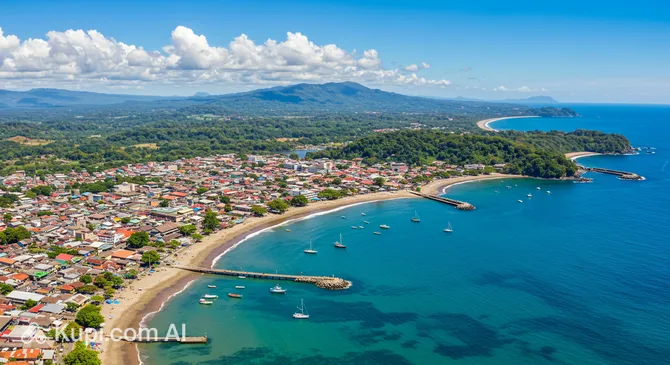
Quepos is a vibrant harbor town located on the central Pacific coast of Costa Rica. Often referred to as the gateway to the famous Manuel Antonio National Park, this lively destination serves as a perfect base for exploring the region's stunning natural beauty. With a population of approximately 20,000 residents, Quepos offers a mix of local authentic culture and modern tourism amenities, creating a bustling atmosphere that captivates visitors from around the globe.

Geographically situated in the Puntarenas province, the city enjoys a tropical climate characterized by lush green surroundings and warm temperatures year-round. While it was once a quiet village, the history of Quepos saw a significant transformation during the banana plantation era, evolving into the dynamic port town it is today. The town center is compact and walkable, filled with restaurants, shops, and a friendly local community.

Quepos. Source: Kupi.Binoculars

One of the city's main highlights is the sophisticated Marina Pez Vela, which has established Quepos as a world-class destination for sport fishing. Anglers flock here to catch marlin and sailfish, while other travelers enjoy the marina's scenic waterfront dining and spectacular sunsets. Just a short drive away lies Manuel Antonio National Park, renowned for its diverse wildlife—including monkeys and sloths—and its pristine, white-sand beaches meeting the rainforest.

Whether you are looking to embark on an exciting jungle adventure, enjoy fresh seafood by the ocean, or simply soak up the "Pura Vida" lifestyle, Quepos is an unmissable stop on your journey. Its unique blend of outdoor activities and convenient infrastructure makes it an ideal starting point for an unforgettable tropical vacation.

Weather Overview

Quepos enjoys a warm tropical climate with remarkably stable temperatures throughout the year, making it an inviting destination whenever you choose to visit. Daily averages consistently hover between 23.8°C and 25.1°C, ensuring a comfortable atmosphere for exploring the outdoors. March tends to be the warmest month, with average highs reaching 27.5°C, while the coolest nights are generally experienced in December, though temperatures rarely drop below 21.6°C.

While the heat remains constant, rainfall patterns vary significantly across the seasons. The months of January through March are the driest, with precipitation levels falling as low as 4mm in February. In contrast, the period from May to November sees an increase in moisture, peaking in October with around 31mm of rain. For those planning specific activities, checking the detailed weather in Quepos can help you navigate the wetter months, which keep the surrounding rainforests lush and vibrant. Expect consistent warmth year-round with a distinct dry spell early in the year and wetter conditions from May to November.

Interesting Facts

Beyond the main attractions, Quepos holds many fascinating secrets that reveal its rich heritage and unique character. This coastal town is more than just a transit point; it possesses a storied past and vibrant local quirks that often go unnoticed by the casual visitor.
  • The city derives its name from the indigenous Quepoa people, a subgroup of the Boruca, who inhabited this region long before the arrival of Spanish settlers. The Quepoa were known for their resilience and distinct culture, the legacy of which is honored in the town's identity today.

  • Much of the current downtown area sits on land that was reclaimed from mangrove swamps. In the 1930s, the United Fruit Company constructed the town on fill to create a logistical hub for the booming banana industry, transforming the landscape into a functional port city.

  • Quepos is frequently cited as the "Sailfish Capital of the World." Its waters are so prolific that the city hosts the prestigious Offshore World Championship, attracting top anglers from every corner of the globe to compete in these Pacific waters.

  • While most crowds head straight for the national park, locals prefer the tranquility of Nahomi Park. This public recreational area is situated on a small peninsula, offering panoramic views of the bay and the marina without the hustle and bustle of the main tourist spots.

Nahomi Park. Source: Kupi.Binoculars

How to Get There

Reaching this tropical destination is relatively straightforward, thanks to its popularity and well-established tourism infrastructure. Whether you prefer a quick domestic flight or a scenic drive through the lush landscapes, there are several convenient options. For a detailed breakdown of routes and transport methods, you can read more about how to get to Quepos to plan your journey effectively.

The most convenient entry point for those already in the country is the local Quepos Airport (IATA: XQP), also known as La Managua Airport. Located just 3.7 km from the town center, this small regional hub handles domestic flights, primarily from the capital. The short distance means a taxi ride to the heart of the city takes only about 10 to 15 minutes, making it the fastest way to start your vacation.

For international travelers, the main gateway is Juan Santamaria International Airport (IATA: SJO), situated in the city of Alajuela. Although it is approximately 62.4 km away from Quepos, it serves as the primary arrival point for visitors from abroad. The drive from the airport to Quepos is a popular route, typically taking around 2 hours by taxi or shuttle bus, offering travelers a chance to see the diverse Costa Rican countryside along the way.

For clarity, here is a summary of the main airports:

Airport Name City Passenger Traffic Km from City
Juan Santamaria International Airport Alajuela High 62.4
Cobano Airport Nandayure Low 106.6
Quepos Airport Quepos Low 3.7
Tambor Airport Tambor Low 99.5
Drake Bay Drake Bay Low 97.6

Main Attractions

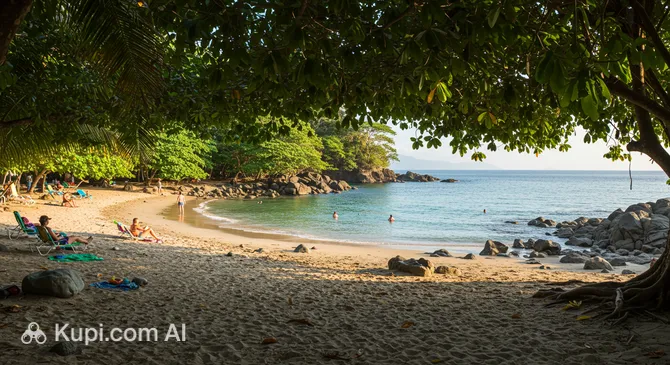
While Quepos is often viewed as the starting point for national park adventures, the town itself boasts several captivating spots that are well worth a visit. One of the area's best-kept secrets is Biesanz Beach, a secluded cove known for its tranquil atmosphere. Unlike the powerful waves found at other local beaches, the waters here are calm and clear, making it an excellent location for swimming, snorkeling, and kayaking. Surrounded by lush rainforest, it also offers a fantastic opportunity to spot monkeys and sloths in the trees right by the sand, providing a peaceful escape from the crowds.

Biesanz Beach. Source: Kupi.Binoculars

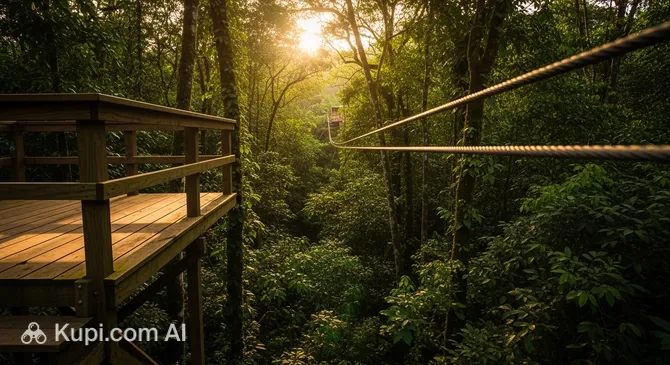
For those seeking an adrenaline rush amidst the treetops, El Santuario Canopy Adventure is a must-do experience. This attraction immerses visitors in the heart of the Costa Rican jungle, featuring a thrilling network of zip lines and suspension bridges. It is renowned for having one of the longest single zip line runs in the region, allowing thrill-seekers to soar high above the canopy while enjoying breathtaking views of the surrounding landscapes and diverse ecosystem.

El Santuario Canopy Adventure. Source: Kupi.Binoculars

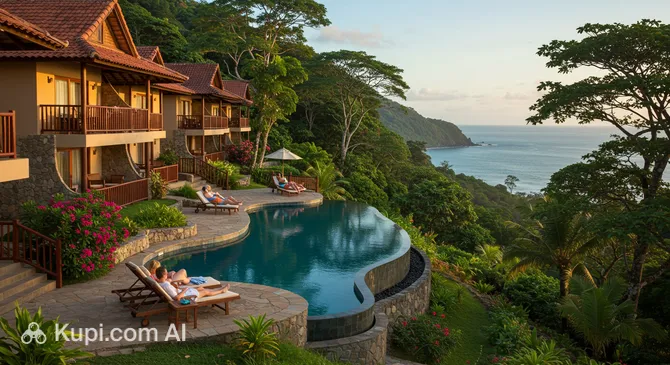
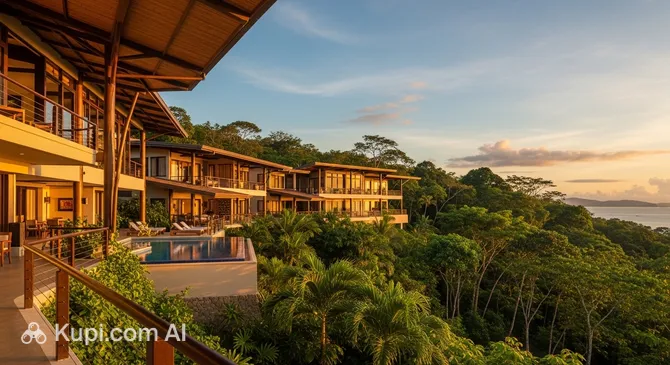
Travelers looking to experience the harmonious blend of luxury and nature often visit Tulemar Resort. While it is a premier accommodation, its expansive grounds are famous for their biodiversity and stunning vistas of the Pacific Ocean. The property is designed to integrate seamlessly with the environment, often serving as a sanctuary for local wildlife, including macaws and monkeys, which can frequently be seen wandering through the gardens.

Tulemar Resort. Source: Kupi.Binoculars

After a day of exploration, the local culinary scene offers its own delights. Tentación Restaurant is a popular stop for both locals and tourists, offering a vibrant atmosphere and a menu that highlights fresh ingredients. It is an ideal place to relax and enjoy the flavors of Quepos, rounding out a day of outdoor adventure with a taste of the town's modern hospitality.

Local Cuisine

The culinary scene in Quepos is a delightful reflection of its status as a bustling port town, heavily influenced by the abundance of fresh seafood from the Pacific. A must-try dish here is ceviche, typically made with freshly caught mahi-mahi or sea bass (corvina), "cooked" in lime juice and mixed with cilantro, onions, and sweet peppers. For a truly local experience, visit the seawall (malecón) or the weekend farmers' market, where vendors often serve this refreshing snack alongside pipa fría (chilled coconut water) straight from the shell.

For a hearty and authentic meal, look for a traditional soda—a small, family-run eatery offering home-style cooking. The staple dish to order is the Casado, a generous platter featuring rice, black beans, salad, fried sweet plantains, and a choice of protein such as fish, chicken, or pork chop. It is often accompanied by patacones, which are twice-fried green plantains served crispy and golden, perfect for dipping in bean purée or salsa.

When it comes to beverages, the tropical climate calls for batidos, fresh fruit smoothies made with water or milk and local favorites like mango, pineapple, blackberry, or soursop (guanábana). On the spirited side, the national liquor, Guaro (a sugar cane spirit), is widely available. You might try it in a "Chiliguaro," a popular spicy shot mixed with tomato juice and hot sauce, or simply enjoy a cold local beer like Imperial while watching the sunset.

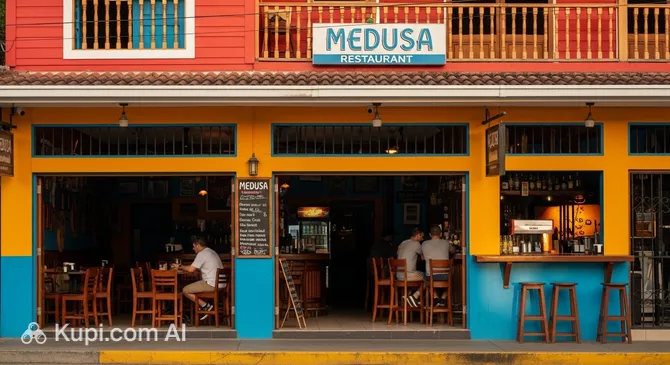
The dining atmosphere in Quepos ranges from casual street food to sophisticated international cuisine at the Marina Pez Vela. If you are looking to enjoy the town's vibrant social atmosphere and nightlife, Medusa Restaurant is a great place to unwind. Whether you are craving fresh seafood or international comfort food, the town offers a diverse gastronomic landscape that caters to every palate.

Medusa Restaurant. Source: Kupi.Binoculars

Travel Tips

Welcome to Quepos! Whether you are here to reel in a big catch at the marina or embark on a rainforest adventure in Manuel Antonio, a little preparation goes a long way. These practical tips are designed to help you navigate the local customs, climate, and logistics, ensuring your tropical getaway is as smooth and enjoyable as possible.

  1. Clothing and Gear: Given the tropical climate, pack lightweight, breathable fabrics like cotton or linen to stay cool. Since rain can occur unexpectedly, especially between May and November, a lightweight rain jacket or poncho is essential. Comfortable walking shoes or hiking sandals are a must for exploring the national park, while flip-flops are perfect for the beach. Don't forget high-SPF sunscreen, insect repellent, and a hat. Costa Rica uses the same power outlets as the US (Type A and B), so bring an adapter if your devices use different plugs.
  2. Transportation: Quepos is a compact town that is easy to explore on foot. To reach the famous Manuel Antonio National Park and beaches, the public bus is the most popular and affordable option; it runs frequently between downtown Quepos and the park entrance. Official red taxis are widely available and reliable for shorter trips. If you plan to explore remote waterfalls or neighboring towns, renting a car offers flexibility, though a 4x4 is recommended for unpaved roads.
  3. Finances: The local currency is the Costa Rican Colón (CRC), but US Dollars are widely accepted in tourist areas. It is best to carry smaller dollar bills ($1-$20) that are clean and untorn. Credit cards (Visa and Mastercard) are accepted in most hotels and restaurants, but cash is king for small local shops (sodas) and street vendors. ATMs are readily available in the town center. Tipping is appreciated; a 10% service charge is often added to restaurant bills, but leaving a little extra for good service is customary.
  4. Health and Safety: Quepos is generally safe for tourists, but standard precautions apply. Avoid walking alone in poorly lit areas at night and keep an eye on your belongings, especially on the beach. Tap water in Quepos is usually safe to drink, but travelers with sensitive stomachs may prefer bottled water. Pharmacies (Farmacias) are common in town for basic needs. For emergencies, the local hospital, Hospital Dr. Max Terán Valls, is located just outside the main town area.
  5. Communication: Spanish is the official language, but English is widely spoken in Quepos and Manuel Antonio due to the high volume of tourism. Learning a few basic phrases like "Hola" (Hello) and "Gracias" (Thank you) will be warmly received. Wi-Fi is standard in most cafes and accommodations. For mobile data, you can easily purchase a prepaid SIM card from providers like Kölbi, Liberty, or Claro at the airport or local shops.
  6. Local Etiquette: The Costa Rican philosophy of "Pura Vida" (Pure Life) isn't just a phrase; it's a lifestyle. It is used as a greeting, a farewell, and a way to say "everything is great." Locals are polite and friendly, so always greet people with a smile. Dress is casual, but it is polite to wear a shirt or cover-up when entering shops or restaurants directly from the beach.
  7. What to Avoid: Do not feed the wildlife. Whether it is the monkeys on the beach or raccoons near the park, feeding them is illegal and harmful to their health. Also, avoid leaving valuables visible in parked cars, as petty theft can happen near beach parking areas.
  8. Additional Tip: If you are in town on a Friday evening or Saturday morning, visit the Feria del Agricultor (Farmers Market) located near the seawall. It is the best place to buy exotic tropical fruits, homemade cheeses, and local crafts directly from farmers, offering a colorful and authentic slice of daily life in Quepos.

With these tips in hand, you are ready to embrace the laid-back rhythm of the Pacific coast. Enjoy the stunning sunsets, the warm hospitality, and the unforgettable adventures that await you in this beautiful corner of Costa Rica!

Entertainment & Nightlife

The nightlife in Quepos offers a relaxed yet vibrant atmosphere that perfectly complements its tropical setting. Unlike the high-energy clubbing scenes found in larger cities, the evening entertainment here revolves around open-air venues, social lounges, and enjoying the company of friends under the stars. The action typically begins around sunset, with visitors and locals alike gathering at the Marina Pez Vela to watch the sun dip below the horizon while enjoying handcrafted cocktails. This district is the heart of the town's upscale evening scene, featuring a variety of bars and restaurants that stay open late, offering a sophisticated yet comfortable environment.

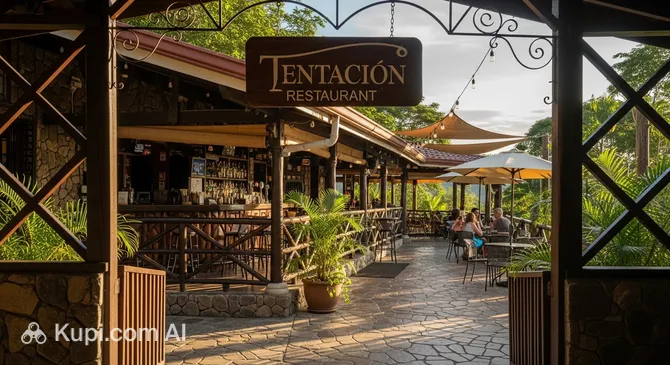
For a more authentic and lively local experience, the downtown area provides a bustling mix of music and culture. Here, you can find smaller bars and pubs where the "Pura Vida" spirit is in full swing. One popular spot to immerse yourself in this social vibe is Tentación Restaurant. Known for its welcoming ambiance, it serves as a great meeting point to enjoy refreshing drinks and mingle with a diverse crowd of travelers and residents. The dress code throughout the city is generally casual—shorts and flip-flops are acceptable in most places, though "resort casual" is common at the marina.

Tentación Restaurant. Source: Kupi.Binoculars

If you are looking for a laid-back place to start your evening or grab a late-night bite, Manuel Antonio Falafel Bar is a favorite among those who appreciate a chill atmosphere and hearty food. It is an excellent spot to refuel after a day of adventure before heading out to explore more of the town's nightlife. While Quepos doesn't have massive nightclubs, many bars host live music nights, ranging from acoustic sets to Latin rhythms that encourage spontaneous dancing.

When planning your night out, keep in mind that the peak hours are usually between 8:00 PM and 11:00 PM. Prices are reasonable, with local beers often costing between $3 and $5, and cocktails ranging from $8 to $12. In terms of safety, the main tourist areas like the marina and the central avenue are generally safe for walking in the early evening. However, as the night progresses, it is highly recommended to use red official taxis to get around, especially if you are traveling between downtown Quepos and the hotels on the road to Manuel Antonio, which can be dark and winding.

Before the sun goes down, daytime entertainment in Quepos is equally engaging, though more low-key than the adrenaline-pumping tours nearby. You can spend the afternoon strolling along the Malecón (seawall), browsing the boutique shops at the marina, or simply soaking up the local culture in the town square. While there are no large amusement parks or major museums within the town limits, the charm of Quepos lies in its bustling port atmosphere and the spontaneous interactions you'll have while exploring its colorful streets.

Parks & Museums

Quepos is a destination defined more by its "living culture" and outdoor splendor than by traditional indoor institutions. While the city may not have large history museums, its vibrant streets, historical architecture, and surrounding rainforests serve as an open-air gallery showcasing the region's rich heritage and biodiversity.

The most famous natural area nearby is undoubtedly Manuel Antonio National Park, but for a more local and relaxed experience, Nahomi Park is a true gem. Located on a small peninsula near the marina, this public park offers some of the best panoramic views of the coastline and the Pacific Ocean. It is a favorite spot for residents to enjoy a picnic, watch the sunset, or simply admire the rugged rock formations jutting out into the sea. For those willing to venture just outside the city, the Rainmaker Conservation Park offers a pristine rainforest experience with suspension bridges and waterfalls, often cited by nature lovers as a quieter, more authentic alternative to the busier national parks.

In terms of culture and art, the town's creative spirit is best experienced in its intimate galleries and artisan shops. Orozco Art Gallery is a notable stop for art enthusiasts. Run by local artist Roy Orozco, this studio showcases vibrant paintings that capture the essence of Costa Rica's wildlife and landscapes, offering a personal glimpse into the local artistic perspective. Another cultural highlight is the Mariposita Gift Shop & Gallery, which functions as a small cultural hub featuring handmade crafts, jewelry, and works by regional artisans, making it perfect for those looking to connect with the local creative community.

History buffs will appreciate the architectural legacy left by the United Fruit Company era. The town's layout and the "American Zone" (Zona Americana) feature distinctive wooden structures and the iconic Old Banana Port infrastructure, which tell the story of the city's transformation from a small village to a major agricultural hub. The Parroquia Inmaculada Concepción de María, the town's main church, also stands as a modest but significant historical landmark, reflecting the community's enduring traditions.

For an authentic insider experience, take a walk along the Malecón (seawall) in the late afternoon. It acts as a social center where fishermen bring in their daily catch and families gather, offering a genuine slice of daily life in this bustling port town.

Getting Around

Navigating Quepos is straightforward and convenient, primarily relying on a robust bus system that serves as the backbone of local mobility. As a relatively small coastal city, there are no metros, trams, or trains. Instead, the public transport network is focused on a fleet of buses that efficiently connect the downtown area with the marina, the hillside hotels, and the popular beaches leading to the national park. This specific route is the most important one for visitors, running frequently and offering a scenic, winding journey along the coast.

The payment system for public transport is traditional and cash-based. There are no electronic travel cards, tap-to-pay terminals, or mobile ticketing apps for local transit. Passengers simply board the bus and pay the driver directly upon entry. It is essential to carry local currency (Colones) in small denominations, as drivers often have limited change for large bills. The fares are very affordable, typically costing a small amount equivalent to less than a dollar, making it an economical choice for daily travel.

For tourists, the most practical advice is to use the main bus terminal located in the city center for the most comfortable boarding experience, although you can flag down buses at designated stops along the main road. The service is remarkably frequent, with buses departing approximately every 20 to 30 minutes from early morning—often starting as early as 5:30 AM—until late in the evening. There is no need to validate a ticket; your payment to the driver covers the single journey.

If you prefer more privacy or direct service, official taxis are a reliable alternative. These vehicles are easily recognizable by their red color and the yellow triangle emblem on the doors. While they are generally equipped with meters, it is advisable to confirm the use of the meter or agree on a fare before starting your trip. Ride-sharing apps are also active in the area, providing a familiar digital option for booking rides, though availability can vary compared to the abundance of street taxis.

For those interested in self-guided exploration, renting a car or a scooter is a popular option, giving you the freedom to visit nearby waterfalls or secluded beaches at your own pace. However, within the downtown area itself, the compact layout makes walking the most efficient way to get around. Most shops, restaurants, and the waterfront promenade are located within a short distance of each other, allowing you to soak in the local atmosphere without the need for a vehicle.

Accommodation

Travelers visiting Quepos will find a diverse array of accommodation options suited to every budget and preference. The city and its surroundings offer everything from affordable hostels and cozy guesthouses in the town center to world-class luxury resorts and private villas perched on the hillsides. Whether you are a backpacker looking for a social atmosphere or a family seeking a high-end retreat with all amenities, the area provides a comfortable base for your tropical adventures.

When choosing where to stay, location is a key factor. The downtown area of Quepos is particularly convenient for those relying on public transport, offering easy access to the bus station, supermarkets, and local restaurants. It is generally the hub for budget-friendly accommodation. Conversely, the winding road that connects Quepos to Manuel Antonio is home to the region's most exclusive properties. Staying in this area often guarantees spectacular ocean views and a greater sense of immersion in the rainforest, though it may require a short bus or taxi ride to reach the town center.

For visitors seeking a luxurious experience surrounded by nature, several well-known hotels stand out. Los Altos Resort is a prominent choice, often described as a private reserve where guests can enjoy upscale amenities while spotting wildlife right from their balconies. Another top-tier option is Tulemar Resort, which is renowned for its exclusive bungalows and direct access to a private beach, offering a perfect blend of comfort and seclusion.

Los Altos Resort. Source: Kupi.Binoculars

In terms of pricing, options are available for every wallet. Budget travelers can find hostel beds or simple rooms ranging from $15 to $50 per night. Mid-range hotels typically charge between $80 and $150, while luxury resorts and boutique hotels can range from $200 to over $500 per night, depending on the season and room type. Most accommodations can be easily booked via major online platforms or directly through their websites.

A crucial tip for planning your stay is to book well in advance, especially if you plan to visit during the dry season (December to April) or around major holidays like Easter and Christmas. During these peak times, the most popular hotels fill up months ahead of time, and prices tend to rise significantly. Securing your reservation early ensures you get the best choice of location and value for your trip.

Nearby Cities

For those looking to explore the surroundings, Quepos serves as an excellent base for day trips to several interesting nearby locations. While the coast offers sun and sand, heading inland reveals a different side of Costa Rica, characterized by rolling hills, agricultural heritage, and bustling valley towns.

One of the most appealing destinations for a cultural excursion is San Marcos. Situated in the heart of the famous Tarrazú region, it is globally renowned for producing some of the world's finest coffee. A visit here allows travelers to tour local plantations, taste exceptional brews, and enjoy the cooler, refreshing climate of the highlands. Another significant stop is San Isidro de El General, the main commercial hub of the southern zone. Nestled in a valley beneath the towering Talamanca mountains, this city offers a lively atmosphere with its large farmers' market (Feria del Agricultor) and serves as a gateway to exploring the cloud forests and rural landscapes that contrast sharply with the coastal plains.

City Population Distance (km)
San Marcos 163745 30
Mora 56919 50
San Isidro de El General 45327 51
Desamparados 33866 53
La Uruca 31728 37

These nearby destinations offer a glimpse into the diverse culture and landscapes of the region, providing a perfect complement to the beach activities in Quepos.

Shopping & Souvenirs

Shopping in Quepos offers a delightful mix of local authenticity and modern convenience, reflecting its dual identity as a traditional port town and a growing tourist hub. While you will not find massive department stores or sprawling shopping complexes here, the city provides a charming selection of boutiques, surf shops, and artisan markets. Visitors can easily find everything from practical beach gear and high-end resort wear to unique handcrafted souvenirs that capture the spirit of Costa Rica.

The main shopping activity is concentrated in the Downtown area, particularly along the grid of streets surrounding the central bus terminal and the waterfront. This walkable district is packed with small, family-owned businesses selling clothing, footwear, and electronics alongside pharmacies and supermarkets. For a more upscale experience, the Marina Pez Vela is the premier destination. This modern waterfront complex features a collection of sophisticated boutiques offering designer swimwear, jewelry, and high-quality fishing gear, all set against the backdrop of luxury yachts.

Quepos does not have traditional large-scale shopping malls found in big cities. However, the commercial centers within Marina Pez Vela and small plazas like Plaza Mucho Gusto serve a similar purpose on a smaller scale. These spots provide a comfortable, air-conditioned environment where you can browse for gifts, enjoy an ice cream, or pick up essentials in a more relaxed setting than the bustling downtown streets.

For a truly local experience, the Feria del Agricultor (Farmers Market) is an unmissable event. Held every Friday afternoon and Saturday morning near the seawall (Malecón), this vibrant market is the heart of the community. While it is primarily known for its mounds of fresh tropical fruits, vegetables, and homemade cheeses, you can often find vendors selling local handicrafts, organic soaps, and artisanal jewelry. It is the perfect place to mingle with residents and discover the flavors of the region.

When looking for the perfect keepsake to bring home, Costa Rican coffee is a top choice; look for beans from the nearby Tarrazú region, which are renowned worldwide. Other popular souvenirs include Boruca masks (colorful hand-painted wooden masks), intricate wooden bowls, and the traditional chorreador (a wooden stand with a cloth filter for making coffee). For a culinary memento, a bottle of Salsa Lizano—a vegetable-based sauce found in every local grocery store—is a must-have to recreate the taste of Costa Rica at home.

Most shops in Quepos typically open around 8:00 AM or 9:00 AM and close between 6:00 PM and 7:00 PM, though supermarkets and some stores in the Marina may stay open later. Sunday hours are often reduced. In terms of payment, US Dollars and Costa Rican Colones are widely accepted. Major credit cards (Visa and Mastercard) are commonly used in hotels, restaurants, and larger shops, but it is advisable to carry cash when visiting the farmers market or smaller local vendors.

Regarding tax-free shopping, Costa Rica does have a system allowing tourists to claim a refund on the 13% sales tax paid on goods. However, the process can be bureaucratic and is typically handled at the international airports upon departure. Given that most purchases in Quepos are relatively small souvenirs or consumables, most travelers find it unnecessary to pursue the refund, but it is an option for significant expenditures if you retain all official electronic receipts.

Reached the end of the page?

That means the route is fully explored