Support

Puerto Jimenez

About

Puerto Jimenez is widely regarded as one of the last frontiers for true adventure and untouched nature. As the largest town on the Osa Peninsula, it serves as the primary gateway to some of the most biodiverse regions on the planet. This vibrant town combines a laid-back, dusty charm with the excitement of ecotourism, making it an essential stop for travelers seeking to immerse themselves in the wild beauty of the tropics.

Located in the Puntarenas Province of Costa Rica, the town sits comfortably on the shores of the Golfo Dulce. With a population of approximately 12,836 residents, it maintains a close-knit community atmosphere while providing necessary amenities for visitors, such as supermarkets, banks, and a local airport. Its geographical position makes it the perfect launchpad for exploring the surrounding rainforests and marine environments.
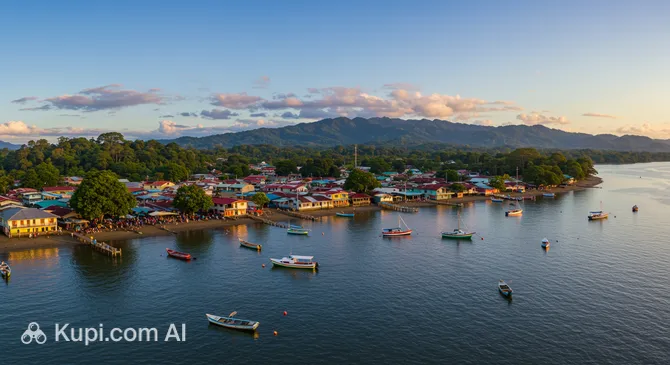
Puerto Jimenez. Source: Kupi.Binoculars

Although it is now celebrated as a hub for sustainability and conservation, the town has undergone a significant transformation over the decades. The history of Puerto Jimenez is deeply rooted in a past era of logging and gold mining, industries that once defined the region before the shift towards protecting its unparalleled natural resources took precedence.

Today, the town is most famous for being the main access point to the world-renowned Corcovado National Park, often described as the "crown jewel" of the country's national park system. Visitors flock here to spot scarlet macaws, tapirs, and all four species of Costa Rican monkeys. Additionally, the calm waters of the Golfo Dulce offer spectacular opportunities for kayaking, sport fishing, and spotting dolphins or migrating whales.

Whether you are preparing for a jungle trek or simply looking to relax by the water and watch a stunning sunset, Puerto Jimenez offers a unique blend of adventure and tranquility. It is a destination that invites you to disconnect from the hustle of modern life and reconnect with the natural world.

Weather Overview

Puerto Jimenez enjoys a tropical climate with consistent warmth throughout the year, creating an inviting environment for travelers regardless of the season. Temperatures remain remarkably stable, generally ranging from comfortable daily lows of around 23°C to daytime highs that peak near 29°C during March, which is typically the hottest month.

While the temperature stays steady, rainfall patterns define the rhythm of the year. The weather in Puerto Jimenez features a distinct drier period from January to March, where rainfall volume is minimal (around 2-3mm), making it a popular time for beach visits. In contrast, the months from May through November bring the wet season, characterized by frequent rain that nourishes the rainforest, with October seeing the highest precipitation levels of approximately 24mm.

Interesting Facts

Beyond the main attractions and jungle treks, Puerto Jimenez holds fascinating secrets that reveal its unique ecological and cultural identity. Here are some intriguing facts about this vibrant town on the Osa Peninsula:

  • One of the World's Few Tropical Fjords: While often referred to as a gulf, the body of water bordering the town, the Golfo Dulce, is technically considered a tropical fjord. It is one of only four such formations in the world, reaching depths of over 200 meters, which creates a sanctuary for migrating humpback whales and hammerhead sharks.

  • Natural Light Shows: The waters just off the town's pier are famous for bioluminescence. On dark, moonless nights, the movement of the water—or a splash from a paddle—can cause the microscopic plankton to glow, creating a magical, sparkling blue effect that is best experienced on a night kayak tour.

  • Urban Scarlet Macaws: Unlike many other regions where you must trek deep into the forest to spot wildlife, Puerto Jimenez has a thriving population of Scarlet Macaws right in the town center. It is common to see pairs of these magnificent birds noisily cracking almonds in the trees above the local soccer field or main street.

  • The "Wild West" Legacy: Before transforming into an eco-tourism hub, the town was known as the "Wild West" of Costa Rica during the gold rush of the 1960s and 70s. While large-scale mining has ceased, you can still find locals in the nearby village of Dos Brazos who practice traditional artisanal gold panning, keeping this part of history alive.

How to Get There

Reaching this remote corner of the Osa Peninsula is an adventure in itself, with options ranging from scenic domestic flights to an adventurous drive through the rainforest. While the journey was once difficult, improved infrastructure has made it much more accessible for visitors. You can find detailed information on all ways to reach the city in our dedicated guide.

The most direct and popular way to arrive is by flying into the local Puerto Jimenez airport (IATA: PJM). Located just 0.7 km from the town center, this small airstrip is the primary hub for visitors. A flight from the capital, San Jose, takes approximately 45 to 50 minutes, offering stunning aerial views of the coastline and jungle. Upon landing, you are practically in the town; a taxi or even a short walk can get you to most local accommodations in under 5 minutes.

Another common option is to fly into Golfito Airport (IATA: GLF), located in the city of Golfito across the Golfo Dulce. Although the airport is about 19.1 km away in a straight line, the journey involves a delightful mix of air and sea travel. After landing in Golfito, you take a short taxi ride to the docks and board a passenger ferry (lancha) that crosses the gulf to Puerto Jimenez in about 30 minutes. This route is often used when direct flights to Puerto Jimenez are full.

For travelers coming from neighboring Panama, the Enrique Malek Airport (IATA: DAV) in the city of David is a significant regional hub. Located approximately 97.3 km away, it serves as a gateway for those entering Costa Rica from the south. From David, the journey involves crossing the border at Paso Canoas and continuing by bus or rental car, which can take around 3 to 4 hours depending on border traffic.

For clarity, here is a summary of the main airports in the region:

Airport Name City Passenger Traffic Km from City
Enrique Malek Airport David Medium 97.3
Quepos Airport Quepos Small 135.3
Puerto Jimenez Puerto Jimenez Small 0.7
Drake Bay Drake Bay Small 41.9
Golfito Airport Golfito Small 19.1

While there are no railway services to Puerto Jimenez, the town is accessible by road via Route 245. This road has been paved in recent years, making the drive from the Inter-American Highway much smoother, though a 4x4 vehicle is still recommended if you plan to explore further into the Osa Peninsula. Public buses also run daily from San Jose, taking approximately 8 to 10 hours to complete the scenic journey.

Main Attractions

Corcovado National Park is the undisputed highlight for any traveler visiting this region and is often the primary reason for venturing to the Osa Peninsula. As one of the most biodiverse places on the planet, it offers an intense jungle experience where you can spot tapirs, jaguars, and all four native monkey species in their natural habitat. Puerto Jimenez acts as the main gateway for accessing the park's La Leona and Los Patos ranger stations, making it the ideal base for organizing guided multi-day treks into the heart of the rainforest.

For a scenic escape close to town, Playa Platanares (often referred to as Playa Preciosa) is a must-visit. This expansive stretch of dark volcanic sand is framed by swaying palms and lush vegetation, offering a tranquil setting for swimming and sunbathing. Unlike the busier beaches in other parts of the country, it remains relatively uncrowded, allowing visitors to enjoy long, peaceful walks along the shoreline while watching pelicans dive into the calm waters of the gulf.

Located just a short drive south of the town center, Cabo Matapalo is a rugged and beautiful cape where the Golfo Dulce meets the open Pacific Ocean. It is a world-class destination for surfers, boasting famous breaks like Pan Dulce and Backwash Bay. Even for non-surfers, the area is captivating due to its dramatic coastal scenery, tide pools, and the abundance of wildlife; it is common to see scarlet macaws and sloths in the trees lining the road to the cape.

The Golfo Dulce itself is a massive natural attraction that offers more than just a view. Taking a boat tour or a mangrove kayaking trip here is one of the best ways to experience the marine ecosystem up close. The gulf is a sanctuary for spinner and bottlenose dolphins, which can often be seen frolicking alongside boats. During the migration season, it also serves as a nursery for humpback whales, providing spectacular opportunities for whale watching in calm, protected waters.

Local Cuisine

Local Cuisine:

The culinary scene in Puerto Jimenez is a delightful reflection of its coastal location and tropical abundance. Situated on the edge of the Golfo Dulce, the town offers an authentic taste of Costa Rica, where the ingredients are fresh and the atmosphere is unpretentious. Seafood lovers will find themselves in paradise here, as the daily catch often goes straight from the local fishing boats to the kitchen, ensuring exceptional quality in every bite.

At the heart of the local diet is the Casado, the quintessential Costa Rican meal typically served for lunch. While it is a staple across the country, in Puerto Jimenez, the best version features fresh grilled fish (pescado) or garlic shrimp. The dish is a feast on a single plate, consisting of rice, black beans, sweet fried plantains, a fresh cabbage salad, and often a slice of local white cheese or avocado. For a lighter option or a refreshing snack, Ceviche is a must-try. Prepared with firm white fish like sea bass (corvina) or tilapia, it is "cooked" in lime juice and mixed with chopped onions, sweet peppers, and cilantro, usually served with crackers or fried plantain chips known as patacones.

Breakfast in town is powered by Gallo Pinto, a savory mixture of rice and black beans stir-fried with onions, peppers, and the famous Salsa Lizano—a slightly sweet and tangy condiment found on almost every table. This hearty dish is typically accompanied by eggs, corn tortillas, and natilla (a type of sour cream), providing the perfect fuel for a day of trekking in the rainforest.

To beat the tropical heat, locals and visitors alike turn to Batidos. These fresh fruit smoothies are ubiquitous and made from the region's bountiful produce, such as mango, pineapple, papaya, and soursop (guanábana). You can order them with water for a refreshing drink or with milk for a creamier texture. Another essential experience is drinking a Pipa Fría—ice-cold coconut water drank directly from a green coconut, often sold by street vendors who chop the top off right in front of you.

When it comes to alcoholic beverages, the local favorite is Imperial, the national lager that pairs perfectly with a sunset view over the gulf. For a more spirited taste of local culture, try a Chiliguaro. This popular shot is made from Guaro (a sugar cane liquor) mixed with tomato juice, lime, and hot sauce, offering a spicy kick somewhat similar to a Bloody Mary.

The food culture in Puerto Jimenez is best experienced at a traditional Soda. These small, family-run open-air eateries offer the most authentic flavors and generous portions at affordable prices. While there are restaurants catering to tourists with international fusion menus—often highlighting fresh tuna and mahi-mahi—the sodas are where the community gathers, offering a genuine glimpse into the daily life of the Osa Peninsula.

Travel Tips

Visiting Puerto Jimenez is an immersion into the wild heart of Costa Rica, and a little preparation goes a long way in this remote setting. To help you navigate the gateway to the Osa Peninsula with ease, we have compiled these essential practical tips.

  1. Pack for the Jungle: Due to the high humidity, lightweight, quick-drying clothing is your best friend here. Essential gear includes sturdy hiking boots if you plan to trek in Corcovado, a high-quality rain poncho (as showers can occur even in the dry season), and a waterproof bag for your electronics.
  2. Getting Around: The town center is compact and easily navigated on foot or by bicycle, which can be rented locally. However, for trips to trailheads like Carate or surfing spots in Matapalo, a 4x4 vehicle is mandatory due to river crossings and rugged roads; alternatively, you can hire local "colectivo" taxis which are accustomed to the terrain.
  3. Cash and Banking: While the Costa Rican Colón is the official currency, US dollars are widely accepted in tourism businesses. There are ATMs (Banco Nacional and BCR) in town, but they can occasionally run out of cash or have long queues, so it is wise to arrive with sufficient cash, especially for tipping guides and paying at small sodas.
  4. Health and Safety: A local clinic (Ebais) and pharmacies are available in the town center for minor issues, but serious medical emergencies may require transport to Golfito or San Jose. Insect repellent is crucial here to protect against mosquitoes and sandflies, and you should always stay hydrated to prevent heat exhaustion.
  5. Communication: Spanish is the primary language, and while tour guides typically speak excellent English, learning a few basic phrases will be appreciated by locals in shops and restaurants. For mobile connectivity, a Kölbi SIM card offers the most reliable coverage on the Osa Peninsula compared to other providers.
  6. Local Etiquette: The lifestyle here is defined by the "Pura Vida" attitude—relaxed, friendly, and unhurried. It is customary to greet people with a polite "Buenas" when entering a shop or passing someone on the street; patience is also a virtue, as service can be slower than in big cities.
  7. Wildlife Precautions: Never feed the animals, no matter how close the monkeys or coatis approach; this is strictly prohibited to protect their health. Additionally, avoid swimming near river mouths or estuaries, as American Crocodiles are common inhabitants of these waters.
  8. Stock Up Early: If you are heading to accommodations in more remote areas like Cabo Matapalo or near the park entrance, buy your groceries, water, and supplies in Puerto Jimenez first. Shops outside the main town are scarce, carry limited stock, and are often significantly more expensive.

With these tips in mind, you are fully prepared to embrace the raw beauty and adventure that Puerto Jimenez has to offer. Enjoy the rhythm of the rainforest and the warm hospitality of this unique corner of the world.

Entertainment & Nightlife

Nightlife in Puerto Jimenez is a reflection of its adventurous spirit: laid-back, rustic, and intimately connected to the surrounding nature. Unlike the high-energy party scenes found in other Costa Rican tourist hubs, the evening atmosphere here is defined by early nights and relaxed social gatherings. Since most visitors are waking up before dawn for jungle treks in Corcovado, the "nightlife" typically winds down by 9:00 PM or 10:00 PM, focusing more on swapping stories over cold beers than dancing until sunrise.

The center of activity lies primarily along the Main Street leading down to the public pier. Here, you will find a mix of open-air restaurants and local bars where the dress code is always "jungle casual"—hiking boots and flip-flops are the norm. The crowd is a friendly blend of eco-tourists, biological researchers, and locals unwinding after a day of work. While there are no large nightclubs or neon-lit districts, the charm lies in the authentic, unpretentious vibe where travelers from around the world mingle with the welcoming community.

For a lively evening in town, Juanita's Mexican Bar and Grille is a popular meeting point. Known for its frosty margaritas and hearty portions, it offers a cheerful atmosphere where you can enjoy a drink while watching the town's slow-paced life go by. Another favorite spot is Pizzamail.it, which, despite its focus on food, serves as a relaxed hub for evening drinks. It has a cozy, open vibe that encourages conversation, making it a great place to meet fellow travelers. If you are looking for a special weekly event, the Pearl of the Osa restaurant at the nearby Iguana Lodge often hosts a famous Tuesday night beach barbecue with a bonfire, offering a slightly more upscale yet rustic island vibe just a short taxi ride from the center.

For those seeking a bit more excitement, the legendary Friday Night Market at Martina's Bar is the main social event of the week. Located on the road toward Playa Matapalo (about a 15-20 minute drive from town), this venue comes alive with local artisans selling crafts, live music, and a dance floor that stays busy later than anywhere else in the region. It is the one place where the quiet Osa Peninsula truly feels like a party destination, drawing crowds from all over the area.

Safety in Puerto Jimenez is generally good, but the streets can be poorly lit once you leave the main commercial strip. It is advisable to take a taxi if you are heading to venues on the outskirts or returning late, rather than walking in the dark. Taxis are readily available near the main supermarket or can be called by your restaurant server. Prices are reasonable, typically ranging from $2 to $5 for short trips within town, though rides to Matapalo or Martina's will cost significantly more.

Regarding daytime entertainment, do not expect movie theaters, shopping malls, or amusement parks. The "entertainment" here is entirely nature-based. Days are spent kayaking through the mangroves of the Golfo Dulce, taking chocolate tours, or visiting the Jagua Arts & Crafts gallery near the airport to see beautiful local handmade goods. The town itself is quiet during the heat of the day, with most action happening on the water or deep in the rainforest.

Parks & Museums

In Puerto Jimenez, the concept of parks and museums is redefined by the wild nature of the Osa Peninsula. Rather than manicured city gardens or static indoor exhibits, the town offers vast, living landscapes and cultural centers where history and biology come alive. The entire region functions as an open-air gallery of biodiversity, inviting visitors to step directly into the exhibits.

Corcovado National Park is the most significant natural area associated with the town. While it is a vast reserve rather than a city park, it serves as the community's backyard and primary green space. Known globally for its intense biodiversity, it offers a raw and immersive experience where the rainforest meets the sea. Visitors here don't just walk through a park; they enter a complex ecosystem home to jaguars, tapirs, and endless bird species, making it a bucket-list destination for nature lovers.

Closer to the town center, the Mangroves of the Golfo Dulce act as a serene, aquatic park. These dense, flooded forests are crucial nurseries for marine life and offer a quieter, more contemplative nature experience. Exploring this area, typically by kayak, reveals a hidden world of herons, kingfishers, and crabs. It is a peaceful counterpoint to the dense jungle, highlighting the delicate balance between the land and the fjord.

While Puerto Jimenez does not have traditional historical museums, Rancho Raices de Osa offers a compelling cultural experience that rivals any history exhibit. This family-run farm serves as a living museum of local heritage, focusing on the traditional cultivation of cacao and sugar cane. Through interactive tours, visitors learn about the agricultural past of the region, process chocolate by hand, and understand the deep connection between the local people and the land.

For those interested in the artistic side of the peninsula, Jagua Arts & Crafts functions as a cultural gallery. Located near the airport, this space showcases the work of local artisans, featuring handmade jewelry, wood carvings, and textiles. It provides a window into the creative spirit of the community and offers a narrative of the region's culture through art, emphasizing sustainability and the use of natural materials.

Another fascinating spot is the Osa Interactive Gardens, which operates as a museum of natural history. This sanctuary focuses on the smaller wonders of the rainforest, particularly butterflies and orchids. Walking through the gardens offers an educational close-up view of life cycles and plant species that might be missed on a faster trek, making it an excellent stop for families or those looking to learn about the micro-ecosystems of the Osa.

For a truly authentic experience, take a walk to the Public Pier at sunset. While not officially a park, this waterfront area serves as the town's communal plaza where locals gather to fish and socialize. It offers the best vantage point for watching the sky turn fiery orange over the gulf, often accompanied by the sight of dolphins breaking the surface nearby.

Getting Around

The public transport system in Puerto Jimenez is reflective of its status as a remote outpost on the Osa Peninsula; it is modest, functional, and tailored to the rugged terrain rather than urban convenience. Visitors should not expect a complex network of metros, trams, or city buses. Instead, the town is compact enough that walking is the primary mode of transportation within the center itself. Most shops, restaurants, and the waterfront are located within a few blocks of the main street, making it easy to navigate on foot without the need for a vehicle.

For travel beyond the immediate town center, particularly to trailheads or nearby villages, the primary form of public transport is the "colectivo." These are often modified trucks with bench seating in the back or large 4x4 taxis that operate on specific routes, such as the journey to Carate (the gateway to Corcovado National Park) or Dos Brazos. These services typically run once or twice a day, usually departing early in the morning and returning in the afternoon. They serve as a lifeline for both locals and hikers, capable of handling the unpaved and often river-crossed roads that standard buses cannot traverse.

A unique and vital component of the local transport network is the maritime service connecting the town to Golfito across the gulf. Passenger ferries, locally known as "lanchas," operate several times a day from the public pier. This 30-minute boat ride is a scenic and efficient alternative to the long overland drive around the gulf. It is widely used by residents for commuting and by tourists connecting to other regional transit hubs. The schedule is generally fixed, with boats leaving in the early morning, midday, and afternoon.

The payment system for all forms of local transport is strictly cash-based. There are no electronic travel cards, apps, or tap-to-pay systems available here. You will need to pay the driver or boat captain directly in the local currency (Colones). While US dollars are sometimes accepted, the exchange rate offered may not be favorable, and smaller bills are essential as drivers rarely carry large amounts of change. Prices are relatively low but can vary depending on the distance and road conditions for the overland routes.

Official red taxis are available and can be found parked near the main supermarket or the airstrip. They are a reliable option for shorter trips or if you miss the collective transport. However, given the rough nature of the roads outside town, ensure the taxi is a 4x4 vehicle if you plan to venture far. "Pirate" or informal taxis also exist, but for safety and fair pricing, it is recommended to stick to the official red cars or arrange transport through your hotel.

For those preferring more independence, bicycle rentals are a popular and eco-friendly alternative for getting around the town and visiting nearby beaches like Playa Platanares. Several local hostels and shops offer daily rentals. Car rentals are also available, but renting a 4x4 is practically mandatory if you intend to explore the peninsula, as the roads can be challenging, especially during the rainy season.

Accommodation

Puerto Jimenez offers a diverse range of accommodation options that cater to everyone from backpackers preparing for a jungle trek to luxury travelers seeking a sustainable escape. The town is known for its authentic, rustic charm, so while you won't find high-rise hotel chains, you will discover a wealth of eco-conscious stays, family-run cabins, and vibrant hostels that fit perfectly with the surrounding environment.

For those prioritizing convenience and budget, the Town Center is the most practical area to stay. Being close to the airstrip, the public pier, and the supermarkets makes it the ideal base for organizing tours to Corcovado National Park. Here, you will find numerous "cabinas" (small, locally-owned inns) and hostels that offer affordable beds, communal kitchens, and a great social atmosphere. This area is perfect for travelers who plan to spend most of their time exploring and just need a comfortable place to sleep and recharge.

If you are looking for a more immersive nature experience, the Outskirts and the Road to Carate offer spectacular options. Heading south from the town towards Cabo Matapalo, the accommodation shifts to secluded eco-lodges and boutique bungalows nestled directly in the rainforest or along the beach. These properties often provide a more tranquil and upscale experience, with sounds of the jungle replacing the bustle of the town. Staying here usually requires a 4x4 vehicle or taxi transfers, but the reward is waking up to the sight of scarlet macaws and monkeys right outside your window.

Booking Advice: Puerto Jimenez is a popular destination, especially during the dry season (January to April). It is highly recommended to book your accommodation at least a few months in advance if you plan to visit during these peak months or around major holidays like Easter and Christmas. The best eco-lodges and top-rated hostels fill up quickly.

Price Range and How to Book:

  • Budget: Generally ranges from $15 to $50 USD per night. Hostels and simple cabinas are widely available and can often be booked upon arrival, though online platforms are increasingly used.
  • Mid-Range: Typically falls between $60 and $150 USD per night. This includes comfortable hotels and private bungalows, often featuring air conditioning and swimming pools.
  • Luxury: Expect to pay $250+ USD per night. High-end eco-resorts in this category often include meals and guided activities in their rates.

While major booking platforms are effective for mid-range and luxury options, many smaller, local cabinas in town may prefer direct bookings via WhatsApp or email. Additionally, while credit cards are accepted at larger establishments, it is wise to carry cash for smaller guesthouses.

Nearby Cities

For those looking to explore the surroundings, Puerto Jimenez serves as an excellent base for day trips to several interesting nearby locations. While the Osa Peninsula itself is a major attraction, the adjacent regions offer a change of pace, featuring unique history, agriculture, and cultural heritage.

One of the most intriguing stops is Palmar Sur, located approximately 50 km away. This town is famous for being the heart of the Diquís Delta, home to the mysterious Pre-Columbian stone spheres. These perfectly round ancient artifacts are a UNESCO World Heritage site and offer a fascinating glimpse into the region's archaeological past. Palmar Sur also serves as a gateway to the Sierpe wetlands, where visitors can embark on boat tours through extensive mangrove forests teeming with wildlife.

Heading into the highlands, Coto Brus offers a refreshing contrast to the coastal heat. Situated about 57 km from Puerto Jimenez, this area is renowned for its cooler climate and rolling hills covered in coffee plantations. It is an excellent destination for those interested in agro-tourism and birdwatching, particularly at the nearby Wilson Botanical Garden. The region has a distinct cultural history, heavily influenced by Italian immigrants who settled there in the mid-20th century.

Another notable location is Buenos Aires, roughly 70 km away. This town is culturally significant as it sits within a region inhabited by several indigenous groups, including the Bribri, Cabécar, and Boruca peoples. It provides a unique opportunity to learn about Costa Rica's indigenous heritage and traditions, set against a backdrop of vast pineapple plantations and mountain scenery.

City Population Distance (km)
San Marcos 163,745 147
San Isidro de El General 45,327 103
Coto Brus 38,453 57
Buenos Aires 29,454 70
Palmar Sur 29,000 50

These nearby destinations offer a glimpse into the diverse culture and landscapes of the region, allowing travelers to experience a different side of Costa Rica beyond the beaches and rainforests of the Osa Peninsula.

Shopping & Souvenirs

Shopping in Puerto Jimenez is a low-key and practical affair, reflecting the town's role as a gateway to the wild Osa Peninsula. You will not find luxury boutiques, designer brands, or sprawling retail complexes here. Instead, the shopping scene is focused on essentials for jungle expeditions, local provisions, and authentic handcrafted souvenirs. It is the perfect place to stock up on supplies before heading into Corcovado National Park or to find a unique, locally made memento that supports the community.

The primary commercial hub is concentrated along the Main Street (Calle Principal), which runs through the center of town down to the public pier. This dusty but lively strip is lined with a variety of small businesses, including pharmacies, hardware stores, and clothing shops selling beachwear and hiking gear. A stroll down this street allows you to find almost everything you need, from waterproof bags and hiking boots to sunscreen and insect repellent.

There are no shopping malls in Puerto Jimenez. The closest equivalents are the large supermarkets, such as Super 96 and BM Supermercado. These are the go-to spots for travelers renting homes or preparing for multi-day treks. They are well-stocked with groceries, fresh produce, toiletries, and beverages. For many visitors, a trip to these air-conditioned stores is a daily ritual to grab snacks and cold drinks to beat the tropical heat.

For a more cultural shopping experience, the local markets are a highlight. While there isn't a permanent daily artisan market in the center, the Friday Night Market at Martina's Bar (located just outside of town on the road to Playa Matapalo) is legendary. It features dozens of local vendors selling handmade jewelry, organic skincare products, and local art. Within the town itself, you can often find small fruit stands selling seasonal tropical delights like mammón chino (rambutan), mangoes, and avocados directly from local farmers.

When it comes to souvenirs, the best items to bring back are those that reflect the region's biodiversity and artistry. Local chocolate is a top choice, as the Osa Peninsula has a rich history of cacao cultivation; look for bars made by local cooperatives. Handmade jewelry crafted from seeds, sea glass, and coconut shells is also popular. For high-quality local art, the Jagua Arts & Crafts gallery near the airport offers beautiful wood carvings, masks, and paintings created by artists from the peninsula, ensuring your purchase directly supports the local creative economy.

Most shops in Puerto Jimenez open early, typically around 7:00 AM or 8:00 AM, catering to the early-rising nature of the town, and close by 6:00 PM or 7:00 PM. Supermarkets generally stay open later, often until 8:00 PM or 9:00 PM. regarding payment, cash is king. While the larger supermarkets and some tourist-oriented shops accept credit cards, many smaller stalls, soda restaurants, and artisan vendors only take cash. Both Costa Rican Colones and US Dollars (in small denominations) are widely accepted.

Tax-free shopping is not a feature of Puerto Jimenez. The prices you see usually include the sales tax (VAT). While Costa Rica has a system for refunding taxes to tourists on substantial purchases made at authorized retailers, this is rarely applicable in the small, informal shops of Puerto Jimenez. It is best to assume that the price listed is the final price.

Reached the end of the page?

That means the route is fully explored