Support

Tambor

About

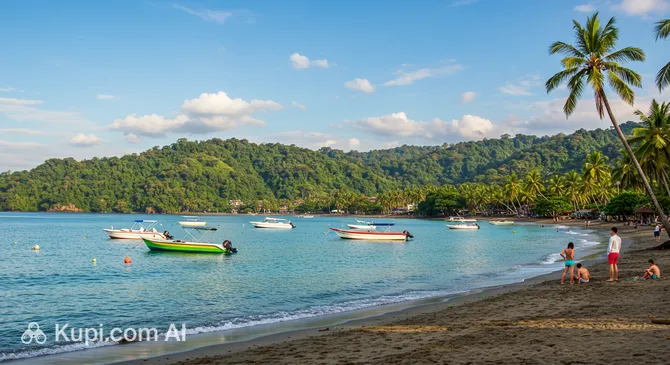
Welcome to Tambor, a serene village nestled in the lush landscapes of the Nicoya Peninsula. Known for its laid-back atmosphere and stunning natural surroundings, this destination offers a perfect escape for travelers seeking tranquility away from the bustling tourist hubs. The village is situated in a wide, horseshoe-shaped valley that opens up to the calm waters of Bahía Ballena, or Whale Bay, creating a picturesque setting that feels both secluded and inviting.

Tambor. Source: Kupi.Binoculars

Located in the Puntarenas Province of Costa Rica, Tambor is defined by its unique geography. The name "Tambor" translates to "drum," which is said to refer to the rumbling sound of the waves beating against the shore or the drum-like shape of the valley itself. With a modest population of approximately 2,800 residents, the town maintains a cozy, community-oriented vibe. The climate here is typically tropical, with warm temperatures year-round that make it an ideal spot for beach lovers and outdoor enthusiasts.

While the history of Tambor began as a quiet fishing village, it has evolved into a beloved vacation spot without losing its authentic charm. The area is famous for its dark volcanic sand beaches and gentle surf, making it one of the safest places for swimming in the region. Visitors are often delighted by the rich biodiversity, including the frequent sightings of scarlet macaws and humpback whales in the bay during migration seasons.

Whether you are looking to relax on the gray sands of Playa Tambor, explore the nearby Curú Wildlife Refuge, or simply enjoy the slow pace of local life, this destination promises a refreshing experience. We invite you to discover the peaceful rhythm of Tambor and immerse yourself in the Pura Vida lifestyle.

Weather Overview

Travelers visiting this part of the Nicoya Peninsula can expect a mild and consistent climate that supports its lush environment. The area typically experiences average temperatures ranging from 20°C to 22°C throughout the year, with daytime highs reaching up to 25°C during the warmest months like March and April.

The precipitation patterns are quite distinct, dividing the year into two main phases. Expect drier conditions from January through March, while the months from May to October bring frequent rains, often with nearly daily showers that keep the landscape vibrant. To help select the best time for your visit, you can review the detailed weather in Tambor.

Interesting Facts

Beyond the main attractions, Tambor holds many fascinating secrets that reveal the depth of its natural heritage. Here are some intriguing details about this coastal gem that often go unnoticed by the casual visitor.
  • The calm waters of Bahía Ballena are not just for swimming; they occasionally display a magical phenomenon known as bioluminescence. On particularly dark nights, the plankton in the bay can emit a soft, glowing light when disturbed, creating a surreal, glittering effect in the water that is best experienced from a kayak.

  • While the presence of Scarlet Macaws is a highlight for many, few realize that their thriving population here is a result of a massive conservation success story. These birds were once locally extinct, but thanks to a dedicated reintroduction program at the nearby Curú Wildlife Refuge, they have reclaimed the skies and can now be seen flying in pairs throughout the village.

  • The distinct horseshoe shape of the bay is actually the remnant of a submerged volcanic caldera. This geological history explains not only the protected, pool-like calmness of the water but also the mineral-rich composition of the dark sands that line the coast, distinguishing it from the white-sand beaches typical of the outer peninsula.

How to Get There

Planning a trip to this beautiful coastal village on the Nicoya Peninsula involves choosing between a scenic overland journey or a quick flight. For a detailed breakdown of all transport options, routes, and tips, you can read more about how to get to Tambor. The destination is well-connected, offering flexibility for different travel styles and budgets.

Most international visitors begin their journey at Juan Santamaria International Airport (SJO), located in the city of Alajuela. As the primary hub for the country, it welcomes flights from around the globe. Although it is situated on the mainland, it serves as the main transfer point for reaching the peninsula. From here, travelers can arrange a domestic connection or take a shuttle bus to the port of Puntarenas for a ferry crossing.

For the most direct and time-saving route, you can fly into Tambor Airport (TMU), which is located within the town itself. This small regional airport receives regular domestic flights from San José and other local hubs. Landing here places you just minutes away from the main resorts and beaches, making it an excellent choice for those eager to start their vacation immediately.

For clarity, here is a summary of the main airports in the region:

Airport Name City Passenger Traffic
Juan Santamaria International Airport Alajuela Large
Cobano Airport Nandayure Medium
Quepos Airport Quepos Small
Tambor Airport Tambor Small
Fortuna Airport La Fortuna Small

The city of Tambor does not have a railway station, and train travel is not a standard method for tourists visiting this part of Costa Rica. The most common ways to arrive are by domestic flight, rental car, or shuttle bus, often involving the scenic ferry ride across the Gulf of Nicoya. We recommend checking local schedules for ferries and buses in advance to ensure a smooth trip.

Main Attractions

While Tambor is a peaceful village, it serves as a gateway to some of the most captivating natural wonders on the Nicoya Peninsula. The primary allure for many is Playa Tambor itself. This expansive beach, situated within the calm horseshoe of Bahía Ballena, features distinctive gray volcanic sand and gentle waters. Unlike the rough surf found elsewhere in Costa Rica, the bay here is like a giant swimming pool, making it exceptionally safe for swimming, kayaking, and paddleboarding. It is the perfect spot for a relaxing day under the sun or a leisurely walk at low tide.

For nature enthusiasts, the nearby Curú Wildlife Refuge is an absolute must-visit. Although it is a private reserve, it plays a crucial role in the region's conservation efforts and offers visitors a chance to see Costa Rica's biodiversity up close. The refuge combines tropical forests, mangroves, and pristine beaches, linked by a network of easy-to-navigate trails. It is one of the best places in the country to spot white-faced monkeys, spider monkeys, deer, and the vibrant scarlet macaws that have been successfully reintroduced to the area.

Another highlight accessible from Tambor is a boat excursion to the idyllic Tortuga Island (Isla Tortuga). Famous for its white sandy beaches and crystal-clear turquoise waters, this island feels like a different world compared to the volcanic coast of the mainland. Day trips typically include opportunities for snorkeling among colorful coral reefs, followed by a barbecue lunch on the beach. It is a classic tropical experience that contrasts beautifully with the rugged charm of Tambor's immediate surroundings.

Memo. Source: Kupi.Binoculars

After a day of exploring nature, experiencing the local culinary scene is a treat in itself. The village offers authentic spots where you can taste traditional Costa Rican dishes. One such place is Memo, a restaurant known for its welcoming atmosphere and hearty meals that reflect the local flavor. It is a great stop for travelers looking to engage with the community and enjoy a satisfying dinner.

Another excellent option for dining is Doña Tina. This establishment is appreciated by locals and visitors alike for its genuine hospitality and delicious preparations. Visiting these local eateries provides a deeper connection to the town's culture, allowing you to experience the "Pura Vida" lifestyle through its food and people.

Local Cuisine

The culinary scene in Tambor is a delightful reflection of its coastal location and rich Costa Rican heritage. As a village with deep roots in fishing, the local tables are often graced with the freshest catches of the day. A must-try starter is ceviche, typically made with locally caught sea bass (corvina) "cooked" in lime juice and mixed with finely chopped onions, sweet peppers, and cilantro. It is usually served with soda crackers or fried plantain chips, offering a refreshing zest that perfectly complements the tropical heat.

For a hearty main course, you cannot miss the traditional Casado. This quintessential Costa Rican meal is a lunchtime staple that provides a balanced combination of rice, black beans, salad, fried sweet plantains, and a choice of protein—most commonly fish, chicken, or beef. It is a flavorful and satisfying dish that represents the heart of home-cooked local cuisine. Another seaside favorite is Pargo Frito (whole fried red snapper), which is crispy on the outside and tender on the inside, often accompanied by patacones (fried green plantains).

Doña Tina. Source: Kupi.Binoculars

To quench your thirst, locals and visitors alike turn to batidos, fresh fruit smoothies made from an abundance of tropical produce such as mango, pineapple, papaya, or watermelon. These can be blended with water for a light refreshment or with milk for a creamier treat. For an adult beverage, you might try a Guaro Sour, a cocktail made from the national sugar cane liquor, or simply enjoy a cold Imperial beer while watching the sunset over the bay.

The food culture here is unpretentious and relaxed, largely centered around "sodas"—small, family-run eateries that offer authentic flavors at affordable prices. Places like Doña Tina are perfect examples of this warm hospitality, serving generous portions of traditional food in a welcoming setting. Similarly, Memo offers a friendly atmosphere where you can enjoy these local specialties, ensuring that every meal connects you deeper with the spirit of the village.

Travel Tips

To make the most of your getaway to Tambor, a few practical insights can help ensure your trip is as relaxing as the destination itself. While this village is known for its tranquility, being prepared for the logistics of the Nicoya Peninsula will make your experience much smoother and more enjoyable.

  1. Clothing and Gear: The climate is tropical and warm year-round, so pack light, breathable clothing and swimwear. Sandals are perfect for the beach, but you should bring sturdy hiking shoes if you plan to explore the trails at the Curú Wildlife Refuge. If you are visiting during the rainy season (May to October), a lightweight waterproof jacket or poncho is essential.

  2. Transportation: Public transport within the village is limited. Renting a car—preferably a 4x4 vehicle—is highly recommended for navigating the unpaved roads often found on the peninsula. If you are driving from the mainland, remember that the ferry from Puntarenas to Paquera is a key part of the journey; booking your ferry ticket online in advance is wise to avoid long queues.

  3. Finances: The local currency is the Costa Rican Colón (CRC), though US dollars are widely accepted in tourism businesses. Cash is king in smaller sodas (local eateries) and shops. Be aware that ATMs are scarce in Tambor itself; it is best to withdraw cash in the nearby town of Cóbano (about 15-20 minutes away) to ensure you have enough funds on hand.

  4. Health and Safety: Tambor is a safe destination, but it is always good practice to use insect repellent to protect against mosquitoes, especially at dawn and dusk. While tap water is generally potable in the country, sticking to bottled or filtered water is recommended for short trips to avoid any stomach sensitivity. The nearest pharmacy and medical clinic are located in Cóbano.

  5. Communication: Spanish is the primary language. While hotel staff and tour guides usually speak English, it is less common among locals in smaller shops. Learning basic phrases like "Hola" (Hello) and "Gracias" (Thank you) is appreciated. Local SIM cards (like Kölbi or Liberty) can be purchased at the airport or in larger towns for reliable mobile coverage.

  6. Local Etiquette: The culture is warm and polite. The phrase "Pura Vida" (pure life) is used for everything from "hello" to "you're welcome." It reflects the relaxed pace of life here, so try not to rush—things often happen on "island time." Always greet people when entering a business or boarding a bus.

  7. What to Avoid: Do not feed the wildlife. You will likely see monkeys, raccoons, and scarlet macaws, but feeding them is illegal and harmful to their health. Also, avoid leaving valuables visible in your car, even if it is locked, particularly when parking near beaches or trailheads.

  8. Additional Tip: Wake up early! The wildlife in Tambor is most active shortly after sunrise. An early start not only beats the midday heat but also gives you the best chance to see the magnificent scarlet macaws flying overhead or hear the howler monkeys calling from the trees.

With these tips in hand, you are ready to embrace the laid-back rhythm of Tambor with confidence. We hope your visit is filled with seamless adventures, stunning sunsets over Bahía Ballena, and the warm hospitality that makes this region so special.

Entertainment & Nightlife

Entertainment in Tambor is defined by the same relaxed and natural rhythm that characterizes the daytime. Visitors expecting a bustling metropolis with neon-lit districts and thumping nightclubs might be surprised, as the nightlife here is low-key and intimate. The "nightlife district" is essentially the main village road and the beachfront, where the sound of waves replaces loud music, and the entertainment revolves around socializing, dining, and stargazing.

For a genuine local experience, the evening scene centers on open-air restaurants and bars where travelers and residents gather to share stories. Places like Memo transform into cozy social hubs after dark. Here, you can enjoy a cold drink and a hearty meal in an unpretentious setting. Similarly, Doña Tina offers a welcoming atmosphere that feels like visiting a friend's home, perfect for a quiet night out tasting local flavors.

If you are looking for more traditional entertainment such as stage shows, live music, or a dance floor, these are typically found within the large all-inclusive resorts in the area. Outside of these hotel complexes, the vibe is strictly casual. The dress code is informal everywhere—shorts and sandals are the norm. Most local venues close relatively early, often by 9:00 PM or 10:00 PM, reflecting the early-to-rise culture of the countryside.

Regarding safety and logistics, Tambor is generally safe for evening walks, but the streets can be poorly lit. It is highly recommended to carry a flashlight or use your phone's light when walking back to your accommodation. Taxis are not always waiting on street corners at night; it is best to ask your restaurant or hotel reception to call one for you in advance. Prices are reasonable, but always agree on the fare before starting the trip.

During the daylight hours, entertainment shifts from social gatherings to outdoor adventure. There are no shopping malls, movie theaters, or amusement parks in the traditional sense. Instead, the "amusement" is provided by the natural world—kayaking in the bay, horseback riding along the beach, or taking boat tours. The village offers a pure escape where the primary attraction is the environment itself.

Parks & Museums

In Tambor, the concept of a "green space" extends far beyond manicured city gardens; here, the entire village is immersed in a sprawling natural landscape. Visitors will not find concrete plazas or enclosed botanical conservatories. Instead, the region offers vast, open-air sanctuaries where the lush tropical dry forest meets the sea, serving as the primary playground for exploration and relaxation.

The most significant natural area in the immediate vicinity is the Curú Wildlife Refuge (Refugio Nacional de Vida Silvestre Curú). While often highlighted as a top attraction, it functions primarily as a vital biological corridor and park. This semi-private reserve protects a diverse range of ecosystems, including mangroves, tropical forests, and marine habitats. For hikers and nature lovers, it offers a network of well-marked trails ranging from easy walks to challenging climbs. These paths wind through the forest, providing intimate encounters with nature where you can observe howler monkeys, white-tailed deer, and iguanas in their native environment, free from cages or barriers.

Another key natural site is the Tortuga Island Biological Reserve (Isla Tortuga), located a short boat ride across the bay. While famous for its beach, the island is a protected zone that strictly limits human development to preserve its ecological integrity. The "park" here extends underwater, where volcanic rock reefs host a kaleidoscope of marine life, including angelfish, porcupine fish, and moray eels. On land, the island offers hiking trails that lead to viewpoints overlooking the Gulf of Nicoya, allowing visitors to appreciate the undisturbed flora of the insular ecosystem.

Regarding cultural institutions, Tambor is a quiet village that does not possess traditional museums or formal art galleries. The "museums" here are living ones, found in the biodiversity of the forests and the geological history etched into the landscape. Travelers seeking art and history should look to the local community itself. Small artisan shops in the village and nearby towns often display handmade crafts, jewelry made from local seeds, and wood carvings, which serve as small-scale galleries showcasing the region's artistic heritage and connection to nature.

In terms of historical and architectural landmarks, the village is modest. There are no grand colonial cathedrals or ancient ruins. However, the geological architecture of the valley is a monument in its own right. The entire bay sits within a prehistoric volcanic caldera, a massive natural amphitheater that has shaped the history and settlement of the area. Standing on the beach and looking at the surrounding cliffs provides a glimpse into the violent geological past that created this peaceful haven.

For an authentic experience close to nature, seek out the Cóbano Waterfall (Catarata de Cóbano), located just a short drive inland. Often overlooked by tourists sticking to the beach, this natural site features a refreshing cascade that tumbles into a swimming hole. It is a favorite spot for locals to cool off and offers a serene setting to enjoy the sounds of the jungle away from the coast.

Getting Around

Given the small size and laid-back nature of Tambor, the public transport system is quite different from what you might find in a bustling metropolis. There is no metro, tram, or extensive city bus network here. Instead, the village relies primarily on a regional bus service that connects the communities of the Nicoya Peninsula. The main bus route passing through the town is the line that runs between Paquera (where the ferry from the mainland arrives) and Cóbano. These buses are the lifeline for locals and tourists alike who are traveling without a rental car.

The buses are generally large and recognizable, often operated by local transport companies. They make stops along the main road that cuts through the village. While there are designated stops, in practice, drivers may sometimes stop if you wave them down from a safe spot on the roadside. The frequency of these buses is relatively low, often timed to coincide with the arrival and departure of the ferries at the Paquera dock. Therefore, missing a bus can mean a wait of several hours for the next one.

Payment on these buses is straightforward and traditional. There are no travel cards, apps, or digital passes. You simply pay the driver in cash upon boarding. The currency used is the Costa Rican Colón. Fares are very affordable, typically costing a modest amount for the short ride between Tambor and neighboring towns. It is highly recommended to carry small bills and coins, as drivers may not have change for large denominations.

For those seeking more flexibility, official taxis are a viable alternative. These are typically red cars with a yellow triangle on the door. Taxis do not usually have meters in this rural area, so it is essential to negotiate and agree on the fare with the driver before you get in. You can find them parked near the airport, large resorts, or the town center. If you are staying at a hotel, the reception can easily call a trusted driver for you.

Because public transport schedules can be limiting, many visitors opt for private rental options. Renting a car—specifically a 4x4 vehicle—is the most popular way to get around, as it allows you to explore hidden beaches and unpaved roads at your own pace. Additionally, renting ATVs (quad bikes) or golf carts is a common and fun way to navigate the immediate area of the village and the beach. These rentals are widely available at local agencies and offer a convenient way to travel short distances without relying on the bus.

A practical tip for tourists is to always check the latest bus schedule at your accommodation or a local shop, as times can change seasonally. Public transport generally stops running in the early evening, so if you plan to stay out late for dinner or drinks, you should arrange a taxi in advance. Remember that the pace of life here is relaxed; buses may arrive a few minutes late, so patience is a key part of the travel experience in this coastal haven.

Accommodation

Accommodation in Tambor caters to a diverse range of travelers, offering everything from luxurious stays to modest, nature-centric lodgings. The area is particularly famous for being home to one of the first large-scale all-inclusive resorts in Costa Rica, which set the tone for the destination's development. However, beyond the resort gates, visitors can find charming boutique hotels, family-run bed and breakfasts, and vacation rentals that provide a more intimate connection with the local community and environment.

The most popular area to stay is undoubtedly along the shores of Bahía Ballena. Properties located here often offer direct access to the dark volcanic sands of Playa Tambor, making them ideal for beach lovers and families who want the ocean at their doorstep. For those seeking peace and quiet away from the coastline, the hills surrounding the valley offer secluded eco-lodges and cabins. These spots often feature stunning panoramic views of the bay and are surrounded by lush forest, providing excellent opportunities for birdwatching right from your balcony.

Pricing in Tambor varies significantly depending on the type of experience you choose. The large all-inclusive resorts command a higher price point but offer the convenience of having meals, drinks, and entertainment included in the rate. In contrast, local guesthouses and cabins (often referred to as "cabinas") offer budget-friendly options for backpackers and independent travelers. Mid-range options are also available, often in the form of small villas or apartments that provide a balance of comfort and value.

When planning your stay, it is highly recommended to book well in advance if you are visiting during the dry season (December to April) or during major holidays like Easter (Semana Santa) and Christmas. These peak periods see a surge in domestic and international tourism, filling up the best spots quickly. While major resorts and hotels can be booked through standard online platforms, smaller family-owned establishments may sometimes offer better rates or availability if you contact them directly.

Nearby Cities

For those looking to explore the surroundings, Tambor serves as an excellent base for day trips to several interesting nearby locations. The area offers easy access to vibrant cities and towns, each with its own unique character and attractions.

One of the most notable nearby destinations is Alajuela, known as the "City of Mangoes." It is a hub of culture and history, home to the Juan Santamaría Cultural Historical Museum and a bustling central market where visitors can taste local flavors. Another appealing option is Naranjo, which is famous for its rich coffee heritage. Travelers can visit local plantations to learn about the coffee production process and enjoy stunning views of the surrounding valleys.

City Population Distance (km)
Mora 56919 16
Alajuela 48326 4
San Rafael 45965 16
Naranjo 42713 17
Santo Domingo 40072 18

These nearby destinations offer a glimpse into the diverse culture and landscapes of the region, making them perfect for a short excursion.

Shopping & Souvenirs

Shopping in Tambor is a low-key affair that mirrors the village's relaxed, small-town atmosphere. Visitors should not expect sprawling commercial centers or high-end luxury boutiques. Instead, the shopping experience here is focused on essentials and authentic local finds. The village is primarily geared towards outdoor activities and relaxation, so retail options are limited to small convenience stores, souvenir stands, and basic grocery outlets. For many travelers, this simplicity is part of the charm, offering a break from the commercialism of larger tourist hubs.

There is no specific "shopping district" or pedestrian high street in Tambor. Most commercial activity is concentrated along the main road that runs through the village and connects to the ferry terminal at Paquera. Here, you will find a few "pulperías" (small corner stores) stocking snacks, drinks, and basic toiletries. For more substantial shopping needs, such as pharmacies, banks, or larger supermarkets, locals and tourists typically make the short 20-minute drive to the nearby town of Cóbano, which serves as the commercial hub for the southern Nicoya Peninsula.

Travelers looking for shopping malls will not find them in Tambor or the immediate vicinity. The region is dedicated to eco-tourism and nature conservation, preventing the development of large retail complexes. If you are in need of specialized gear, electronics, or branded clothing, it is best to purchase these items in the capital, San José, or at the airport before traveling to the peninsula.

While there are no formal marketplaces, the local roadside stands offer a delightful alternative. As you drive along the peninsula, you will frequently encounter vendors selling fresh tropical fruits like mangoes, pineapples, and coconuts, often harvested from nearby farms. These informal stops are perfect for stocking up on healthy snacks and getting a taste of the local agriculture. Occasionally, you may also find small flea markets or pop-up stalls near the beach on weekends, where local artisans display their wares.

When it comes to souvenirs, the best items to bring back are those that reflect the artistry and nature of Costa Rica. Look for handmade wooden carvings, often crafted from local timber, or colorful jewelry made from seeds and sea glass. Costa Rican coffee is another excellent gift; even in small village shops, you can often find high-quality local blends. Brightly colored sarongs and hammocks are also popular purchases that capture the laid-back beach vibe of the area.

Store opening hours in Tambor are generally from around 8:00 AM to 6:00 PM or 7:00 PM, though some smaller family-run shops may close for a lunch break or have irregular hours. Regarding payment, cash is definitely the preferred method in this rural area. While some larger hotels and established businesses accept credit cards, smaller vendors, fruit stands, and souvenir stalls will likely only take Costa Rican Colones or US dollars in small denominations. It is highly advisable to carry enough cash for your daily expenses.

Regarding tax-free shopping, the refund system in Costa Rica is generally designed for purchases made in specific authorized stores, usually located in larger cities or shopping centers, and processed at international airports. It is unlikely that the small shops and artisan stands in Tambor participate in this scheme, so tourists should not expect to claim VAT refunds on local purchases made within the village.
Reached the end of the page?

That means the route is fully explored