Support

Golfito

About

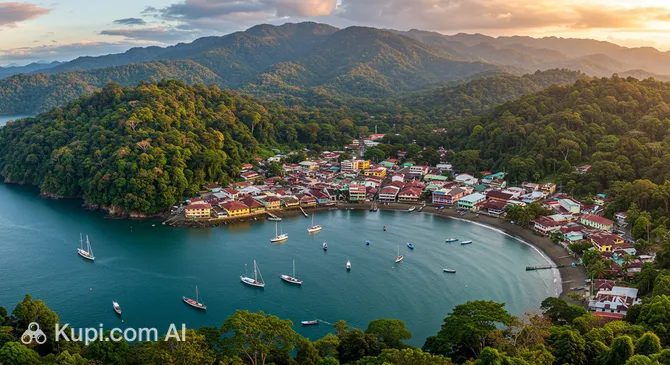
Golfito is a captivating port town nestled along the calm waters of the Golfo Dulce. As the most southern port in Costa Rica, it serves as a vital gateway to some of the country's most pristine natural areas. The city offers a unique blend of tropical wilderness and local culture, providing a distinct atmosphere compared to the more tourist-heavy regions of the north.

Golfito. Source: Kupi.Binoculars

Located in the Puntarenas Province, this community is home to approximately 11,200 residents and is surrounded by steep, jungle-covered hills that reach right down to the bay. The town's layout and architecture are deeply rooted in its past. Learning about the history of Golfito allows visitors to appreciate its origins as a major banana port for the United Fruit Company, a legacy that is still visible in the style of the local buildings and the town's linear structure.

Today, Golfito is renowned for its world-class sport fishing and serves as a launching point for eco-adventures into the nearby Piedras Blancas National Park, a biodiversity hotspot teeming with exotic wildlife. It is also well-known domestically for its duty-free shopping zone, the Depósito Libre. Whether you are seeking an immersive nature experience or simply passing through on your way to the Osa Peninsula, Golfito invites you to discover the authentic charm of the southern zone.

Weather Overview

Golfito experiences a tropical climate defined by consistent warmth and significant humidity throughout the year. Visitors can expect steady temperatures, with daily averages generally hovering around 24°C to 25°C. The days are typically warm, reaching highs of approximately 28°C, while nights remain pleasant with lows rarely dropping below 21°C.

Precipitation patterns show a distinct variation in intensity, even though moisture is present year-round. The early months of the year, specifically from January to March, represent the drier period with minimal rainfall volume, often as low as 3mm to 4mm per month. In contrast, the rainfall increases noticeably from May through November, peaking in October. For travelers planning outdoor excursions, checking the detailed weather in Golfito is recommended, as rain showers are frequent even during the drier months.

Interesting Facts

To uncover the true character of this port city, one must look past the marina and into its unique historical and geographical context. Beyond the main attractions, Golfito holds many fascinating secrets that distinguish it from any other destination in the region.

  • A Tale of Two Towns: The city's layout is a living museum of the United Fruit Company era, distinctly divided into two zones. The "American Zone" still features large, stilt-supported wooden houses and manicured lawns that resemble a 1950s suburb, contrasting sharply with the "Pueblo Civil" where the local workers lived. This architectural segregation remains a visible reminder of the town's origins.

  • The Duty-Free Phenomenon: Golfito is famous among locals for the Depósito Libre, a massive duty-free shopping zone created by the government to boost the economy after the banana industry declined. Costa Ricans travel from across the country, often making it a weekend pilgrimage, specifically to purchase tax-free appliances and goods unavailable elsewhere at such prices.

  • Gateway to a Tropical Fjord: The city sits on the edge of the Golfo Dulce, which is widely considered one of only four tropical fjords in the world. This deep basin reaches depths of over 200 meters and serves as a critical nursery for hammerhead sharks and a birthing ground for humpback whales from both hemispheres.

  • Built from Scratch: Unlike most towns in Costa Rica that grew from colonial settlements, Golfito was purpose-built in the late 1930s. Before the arrival of the banana company, the area was largely uninhabited mangrove and jungle, meaning the city's entire infrastructure was planned and constructed in a single wave of development.

How to Get There

Reaching this southern destination is an adventure that brings you closer to nature. For a detailed guide on all available transport options, you can read more about how to get to Golfito.

The most convenient entry point is the local Golfito Airport (GLF), which is located approximately 9.4 km from the town center. This small regional hub handles around 18,000 passengers annually and offers a quick connection for travelers. The journey from the airport to the city by taxi or bus is relatively short, typically taking about 20 minutes. Another option for international or regional travelers is to fly into Enrique Malek Airport (DAV) in the city of David. Located about 78.3 km from Golfito, this airport serves a larger volume of traffic. However, the transfer by road from David takes approximately 2 hours and 20 minutes due to the distance and border crossing.

For clarity, here is a summary of the main airports in the region:

Airport Name City Passenger Traffic Km from City
Enrique Malek Airport David Large 78.3
Bocas Del Toro Bocas del Toro Medium 125.0
Puerto Jimenez Puerto Jimenez Small 22.0
Drake Bay Drake Bay Small 59.2
Golfito Airport Golfito Small 9.4

The city of Golfito does not have a railway station, as train travel is not a primary mode of transport in this region. Visitors typically arrive by road via the scenic Costanera Sur highway or by boat across the Golfo Dulce. Local buses and taxis are widely available to help you navigate the area once you have arrived.

Main Attractions

Golfito National Wildlife Refuge is an essential stop for nature enthusiasts visiting the area. Encompassing the steep, jungle-clad hills that rise immediately behind the town, this protected area was originally established to safeguard the local water supply. Today, it offers rugged hiking trails that wind through dense rainforest, providing opportunities to spot diverse wildlife such as howler monkeys, toucans, and scarlet macaws. The hike to the radio tower is particularly popular, rewarding energetic visitors with sweeping panoramic views of the bay and the town below.

Just a short distance from the city limits lies Piedras Blancas National Park, a vast expanse of tropical rainforest that rivals the famous Corcovado in biodiversity but with fewer crowds. This park is a critical habitat for elusive species like jaguars and ocelots, as well as a sanctuary for countless bird species. Visitors can explore its network of trails to witness towering ancient trees and pristine waterfalls, making it a perfect destination for those seeking a deep immersion into Costa Rica's wild southern zone.

For a relaxing day by the water, Playa Cacao is a favorite local getaway located just a quick boat ride across the bay from the main docks. Unlike the open ocean beaches, the water here is calm and lake-like, making it ideal for swimming and kayaking. The beach is lined with small, family-run restaurants where you can enjoy fresh seafood while looking back at the scenic view of Golfito nestled against the mountains. Its tranquil atmosphere makes it an excellent spot to unwind and appreciate the natural beauty of the gulf.

The Golfo Dulce itself is one of the region's primary attractions, serving as a massive marine playground. As one of only a few tropical fjords in the world, its deep, nutrient-rich waters attract a wealth of marine life. Boat tours are highly recommended for spotting large pods of spinner dolphins, sea turtles, and, during the migration seasons, majestic humpback whales. For a magical experience, night tours are occasionally available to witness the water glowing with bioluminescence.

Local Cuisine

The culinary scene in Golfito is inextricably linked to the calm waters of the Golfo Dulce and the lush mangroves that line its shores. Unlike the more commercialized dining experiences found in northern resorts, the food culture here is authentic, rustic, and deeply connected to the daily catch. Visitors can expect a "sea-to-table" experience where freshness is not a luxury but a standard, with menus dominated by the bounty of the surrounding ocean.

The absolute must-try delicacy in this region is Ceviche de Piangua. These black clams are harvested by hand from the mud of the local mangrove roots, a traditional practice that supports many families in the area. The clams are marinated in fresh lime juice with chopped onion, sweet pepper, and cilantro (coriander), creating a dark, flavorful, and slightly briny cocktail that is unique to Costa Rica's Pacific coast. It is typically served in a small glass or bowl, accompanied by crackers or patacones (fried green plantains) to scoop up the savory juice.

For a hearty main course, the classic choice is Pescado Entero (whole fried fish), usually Red Snapper caught just hours before reaching your plate. It is traditionally served with a side of rice, beans, and a fresh cabbage salad. Another local favorite is seafood soup, often prepared with a Caribbean-influenced coconut milk base that adds a rich, creamy texture to the broth, teeming with shrimp, fish, and mussels.

To quench your thirst in the tropical heat, locals turn to Refrescos Naturales, refreshing drinks made from water or milk blended with fresh seasonal fruits like cas (Costa Rican guava), guanabana (soursop), or watermelon. For a more spirited experience, the sunset hour at the marinas calls for an ice-cold Imperial beer or a cocktail made with Guaro, the national sugar cane liquor, while watching the yachts dock for the evening.

Dining in Golfito offers two distinct atmospheres. You can choose the open-air restaurants at the marinas, which offer international fusion dishes and views of sportfishing boats, or visit the traditional Sodas—small, family-run eateries where the food is inexpensive and home-cooked. For a truly unique local vibe, some visitors head to the "runway bar" near the airport to enjoy bocas (small appetizers) while watching small planes land, or take a short boat ride to the rustic beach shacks across the bay for a lunch with your toes in the sand.

Travel Tips

Welcome to Golfito, the gateway to Costa Rica's wild southern zone! This unique port town, sandwiched between the calm waters of the Golfo Dulce and lush rainforest hills, operates at a different pace than the rest of the country. To help you navigate the local customs, fluctuating weather, and logistics of this frontier destination, here are some essential practical tips for your journey.

  1. Clothing and Gear: Due to the high humidity and tropical climate, prioritize lightweight, breathable fabrics that dry quickly. Even in the "dry" season, rain showers can occur, so packing a waterproof poncho or a light rain jacket is non-negotiable. For footwear, bring sturdy hiking boots if you plan to explore the Wildlife Refuge, and comfortable sandals for the marina areas. Don't forget a high-quality insect repellent, as the town is surrounded by dense jungle.

  2. Transportation: While the town is linear and walkable in sections, the distances can be long in the heat. Official red taxis are readily available and affordable for getting between the "American Zone" and the commercial center. A unique feature of Golfito is the reliance on water taxis, known locally as lanchas. You will need these to cross the bay to secluded beaches like Playa Cacao or to reach nearby eco-lodges; always negotiate the price before boarding.

  3. Finances: The local currency is the Costa Rican Colón (CRC). While US dollars are accepted in larger hotels and the duty-free zone, smaller sodas (local eateries) and boat captains prefer Colones. There are ATMs available in the town center and near the Depósito Libre. It is wise to carry small bills, as breaking large denominations can be difficult for small vendors. Tipping is appreciated, though a 10% service charge is automatically added to restaurant bills.

  4. Health and Safety: Golfito is generally safe, but standard precautions apply; do not leave valuables unattended on the beach or in unlocked cars. The town has a major regional hospital, Hospital de Golfito, which provides emergency services. Pharmacies are available in the downtown area but may close early in the evening. Tap water in Costa Rica is generally potable, but in rural coastal areas like this, sticking to bottled or filtered water is recommended for short-term visitors to avoid stomach upset.

  5. Communication: Spanish is the primary language. While staff at sportfishing lodges and the marina often speak English, it is less common among taxi drivers and shopkeepers. Learning basic phrases like "Cuanto cuesta?" (How much?) and "Donde esta...?" (Where is...?) will be very helpful. For mobile data, a prepaid SIM card from Kölbi usually offers the best coverage in the southern zone's remote areas.

  6. Local Etiquette: The local vibe is laid-back and friendly, embodying the Pura Vida lifestyle. It is polite to greet people with a "Buenos días" or "Buenas tardes" when entering a shop or boarding a boat. Locals are proud of their natural surroundings, so showing respect for the environment by not littering is crucial. When taking photos of people, always ask for permission first.

  7. What to Avoid: Be extremely cautious about swimming in estuaries or near river mouths (bocas), as these areas are habitats for American Crocodiles. Stick to designated swimming beaches or ask locals about safe spots. Additionally, avoid buying souvenirs made from turtle shells, feathers, or other wildlife products, as this is illegal and harms the local ecosystem.

  8. Shopping Tip: If you plan to visit the famous Depósito Libre (Duty-Free Zone), be aware of the specific rules. You must purchase a registration ticket (TAC) at the office the day before you intend to shop. This government regulation is designed to ensure visitors stay overnight and contribute to the local economy, so plan your itinerary accordingly.

Armed with these tips, you are ready to embrace the authentic charm of Golfito. Whether you are here to haggle for duty-free goods, hook a marlin, or simply listen to the sounds of the rainforest meeting the sea, this southern outpost promises an adventure unlike any other in Costa Rica. Enjoy your stay in the beautiful Golfo Dulce!

Entertainment & Nightlife

Golfito offers a nightlife experience that is distinctly different from the high-energy party towns found elsewhere on the Pacific coast. Instead of neon-lit nightclubs and thumping bass, the evening atmosphere here is defined by a relaxed, maritime charm. The social scene revolves largely around the waterfront, where the day's rhythm slows down to match the gentle lapping of the Golfo Dulce against the docks. It is a place where entertainment means sharing stories of the day's catch, enjoying a cold drink while watching the sunset, and soaking in the humid tropical evening.

The heart of the action for travelers is undoubtedly the marina district. This area serves as the social hub for sport fishermen, yacht crews, and eco-tourists. Venues here are open-air, capitalizing on the stunning bay views and the cooling sea breeze. The vibe is incredibly casual; there is no need to dress up, as shorts and sandals are the standard attire. Banana Bay Marina is a local institution, famous for its floating restaurant and bar where visitors can dine literally on the water. It is the perfect spot to grab a burger or fresh seafood while surrounded by bobbing boats. Nearby, the Fish Hook Marina offers a slightly more polished but equally laid-back setting, often hosting a mix of locals and international visitors enjoying happy hour cocktails.

For those seeking a more authentic, local experience, the area known as the "Pueblo Civil" (Civilian Town) offers a few traditional cantinas and bars. These spots are livelier and often play a mix of Reggaeton, Salsa, and Bachata at higher volumes. While these venues offer a glimpse into the local culture, they are less frequented by tourists. Another notable mention is Latitude 8, a popular spot that often bridges the gap between a relaxed dining venue and a place to enjoy a few evening drinks with friends.

When planning a night out, timing is key. The town tends to go to sleep relatively early, with most activity peaking between 6:00 PM and 9:00 PM. By midnight, many places are winding down. Prices are generally reasonable, especially for domestic beers and local spirits. For safety and convenience, it is highly recommended to use the official red taxis to move between the marinas and the town center after dark. While the marina areas are well-lit and secure, the stretches of road connecting the different zones of Golfito can be dark and isolated, making walking less advisable at night.

During the daylight hours, entertainment in Golfito shifts from relaxation to commerce and nature. The Depósito Libre de Golfito (Duty-Free Zone) is a major attraction in itself, drawing crowds who come to browse tax-free electronics and appliances in a shopping mall-style environment. For those who prefer the outdoors, the daytime offers opportunities to explore the nearby hiking trails or take boat excursions, but as the sun sets, the focus inevitably returns to the water's edge for a tranquil evening under the stars.

Parks & Museums

Golfito is a destination where the boundaries between lush wilderness and industrial history are beautifully blurred. While the city does not feature the traditional array of indoor museums found in larger capitals, it compensates with a landscape that serves as a living gallery of 20th-century history and some of the most biodiverse botanical sanctuaries in Costa Rica. Visitors here can step directly from a historic architectural zone into the dense embrace of a tropical rainforest.

Golfito National Wildlife Refuge is the defining green space of the city, acting as a towering emerald backdrop that rises steeply from the edge of the town. Spanning over 2,800 hectares, this protected area was originally established to safeguard the local water supply but has become a premier destination for hikers and birdwatchers. The refuge offers rugged trails that climb through primary rainforest, offering a chance to spot scarlet macaws, toucans, and all four of Costa Rica's monkey species. The hike to the "Radio Tower" is a local favorite, rewarding those who tackle the steep ascent with breathtaking panoramic views of the Golfo Dulce and the marinas below.

Just a short boat ride across the bay lies the enchanting Casa de Orquídeas (Orchid House), a must-visit botanical garden for nature lovers. Although technically accessible only by water, it is an integral part of the Golfito experience. This private reserve has been lovingly cultivated for decades and features an immaculately maintained collection of hundreds of orchid species, bromeliads, and ornamental plants. Guided tours here are highly educational, providing insight into the complex medicinal uses of local flora and offering a sensory experience of the region's rich botanical diversity.

In terms of cultural heritage, the city itself functions as an open-air museum known as the Zona Americana. Rather than enclosed galleries, this neighborhood showcases the preserved legacy of the United Fruit Company era. Walking through these wide, manicured streets feels like stepping back into the 1950s. The area is characterized by large, uniform wooden houses built on stilts to maximize ventilation and protect against flooding—a distinct architectural style that reflects the town's origins as a planned company enclave. For tourists, it offers a fascinating contrast to the more chaotic layout of typical Costa Rican towns.

Another significant historical landmark is the Old Banana Pier area. While much of the original heavy machinery is gone, the imposing structure of the docks and the remnants of the railway tracks serve as a monument to the industry that birthed the city. This area reflects the gritty history of the banana trade and provides a tangible connection to the past. It is a poignant spot to walk along the water, imagining the era when "The Great White Fleet" ships anchored here to transport fruit to the rest of the world.

For a touch of local social culture, the Parque Central acts as the town's communal living room. Located near the water, it is a simple yet vibrant space where locals gather for events, casual sports, and evening conversations. It lacks the grandeur of European plazas but offers an authentic slice of daily life in the Southern Zone, often shaded by large tropical trees that provide respite from the midday sun.

Insider Tip: For the best experience at Casa de Orquídeas, arrange your boat trip for the early morning hours. Not only are the temperatures more comfortable, but many of the exotic flowers are most fragrant and fully open at this time, and you are more likely to see hummingbirds flitting among the blooms.

Getting Around

Public transport in Golfito is straightforward and functional, reflecting the town's unique geography as a linear settlement stretching along the coast. Visitors will not find complex subway systems, trams, or trains here. Instead, the city relies on a combination of road-based vehicles and maritime vessels to connect the different neighborhoods, commercial zones, and nearby coastal communities.

The backbone of local mobility is the municipal bus service. A single bus route runs back and forth along the main coastal road, connecting the southern residential area known as the "Pueblo Civil" with the northern "Zona Americana," the airport, and the Duty-Free Zone (Depósito Libre). These buses are frequent during daylight hours, typically passing every 15 to 20 minutes. They are easily recognizable and offer an authentic and inexpensive way to traverse the town's elongated layout.

For payment, the system operates exclusively on cash. There are no electronic travel cards, mobile apps, or pre-paid passes for local transit in Golfito. Passengers simply board the bus and pay the driver directly. The fare is very low, usually a small amount in local currency. It is essential to carry coins or small bills (1,000 or 2,000 Colones notes), as drivers often cannot change large denominations. Tickets are not usually issued for these short local hops; payment is made upon entry.

Official red taxis are the most convenient alternative to the bus. They are abundant and can be hailed on the street or found at designated stands near the supermarket, the hospital, and the airport. These taxis are regulated and generally safe. While they are equipped with meters (known locally as "marías"), it is common practice for drivers to offer a fixed rate for short, standard trips within the town limits. It is advisable to confirm the price or ask the driver to use the meter before starting your journey.

A distinctive feature of Golfito's "public transport" is the network of water taxis, or lanchas. Because the bay is the region's highway, these boats are treated much like buses for reaching destinations that are difficult or impossible to access by road, such as Playa Cacao or the town of Puerto Jiménez across the gulf. The main departure point is the municipal dock (Muellecito). Public ferry boats run on a scheduled timetable to Puerto Jiménez, while private water taxis can be hired on demand for other locations.

Regarding alternatives, car rentals are available and can be useful if you plan to explore the surrounding region or drive to the border, but they are not necessary for navigating the town itself. Bicycles are also used by locals, as the flat coastal road is conducive to riding, although the tropical heat and humidity can make this challenging for those unaccustomed to the climate. Ride-sharing apps are not widely established or reliable in this part of the province compared to the capital, so sticking to official taxis is the best practice.

Travelers should note that public transport operating hours are generally aligned with the rhythm of the day. Local buses and the public ferry to Puerto Jiménez run primarily from early morning until late afternoon. After sunset, the frequency of buses drops significantly, and water taxis become much more expensive private charters. For evening travel between restaurants or the marina, arranging a red taxi is the most reliable option.

Accommodation

Finding accommodation in Golfito is an experience that mirrors the town's unique character, blending rugged adventure with tropical tranquility. Unlike the polished, large-scale resorts found in the northern Pacific region of Costa Rica, the lodging scene here is more intimate and specialized. Visitors can choose between historic guesthouses, specialized sportfishing lodges, and secluded eco-retreats hidden in the surrounding rainforest.

For many international travelers, the highlight of staying in Golfito is the selection of sportfishing lodges and marina hotels. These properties are typically located right on the waterfront of the Golfo Dulce, catering to anglers and those seeking a higher level of comfort. They often feature amenities such as swimming pools, air-conditioned rooms, and on-site restaurants that serve the fresh catch of the day. Staying here places you in the social heart of the town, where the atmosphere is lively, and boat tours are easily accessible.

If you prefer a deep immersion in nature, consider booking one of the eco-lodges located on the outskirts of town or across the bay. Many of these unique accommodations are accessible only by boat, offering a sense of isolation and peace that is hard to find elsewhere. Nestled between the jungle and the sea, these lodges focus on sustainability and wildlife viewing. Guests often wake up to the sounds of howler monkeys and can explore private trails or kayak in the calm waters directly from their doorstep.

For budget-conscious travelers and those visiting specifically for the Depósito Libre (Duty-Free Zone), the town center and the historic "American Zone" offer a variety of affordable hotels and cabinas. Some of these are housed in the restored wooden buildings from the United Fruit Company era, providing a charming glimpse into the past with their high ceilings and stilt architecture. These options are generally simpler but offer convenient access to shops, local eateries, and the bus terminal.

When planning your stay, keep in mind that Golfito is located in one of the most humid regions of the country. While eco-lodges often rely on natural ventilation and fans to maintain an authentic connection with the environment, travelers sensitive to heat may want to prioritize hotels with air conditioning. Additionally, accommodation can fill up quickly on weekends due to the influx of local shoppers visiting the duty-free complex, so making reservations in advance is highly recommended.

Nearby Cities

For those looking to explore the surroundings, Golfito serves as an excellent base for day trips to several interesting nearby locations:

Just a scenic drive into the adjacent highlands lies Coto Brus, a region distinct for its cooler mountain climate and rich history. Often centered around the town of San Vito, this area is celebrated for its unique Italian heritage and agricultural traditions. It is a fantastic destination for nature enthusiasts, hosting the renowned Wilson Botanical Garden, where visitors can explore world-class collections of tropical plants and enjoy exceptional birdwatching opportunities away from the coastal heat.

Further inland, San Isidro de El General acts as the vibrant commercial hub of the Southern Zone. Situated in a valley at the foot of Costa Rica's highest peaks, this bustling city offers a lively atmosphere with its large agricultural markets and diverse dining options. It serves as a strategic point for witnessing the dramatic transition from the coast to the rugged Talamanca mountain range, offering a glimpse into the daily life of the country's interior.

City Population Distance (km)
San Marcos 163745 154
Puerto Limon 105000 154
San Isidro de El General 45327 107
Coto Brus 38453 38
Matina 37721 164

These nearby destinations offer a glimpse into the diverse culture and landscapes of the region.

Shopping & Souvenirs

Shopping in Golfito offers a distinctive experience that sets it apart from typical tourist destinations in Costa Rica. While you will not find high-end fashion boutiques or sprawling luxury avenues here, the city is famous domestically as a commercial hub due to its special economic status. For international visitors, the shopping scene is primarily functional, focused on provisioning for ocean adventures or stocking up on essentials, though the unique duty-free zone provides an interesting cultural insight into the region's economy.

The town's commercial activity is concentrated along the main coastal road that connects the two distinct halves of the city. In the "Pueblo Civil" or downtown area, you will find a variety of small, locally-owned shops, pharmacies, and supermarkets. This is the best place to purchase groceries, beach gear, and everyday necessities. The atmosphere here is bustling and authentic, with vendors often selling fresh fruit and snacks directly on the sidewalks, offering a glimpse into the daily life of the local residents.

Golfito does not have traditional shopping malls in the western sense. However, the Depósito Libre de Golfito functions as a massive, open-air commercial complex that attracts shoppers from all over the country. Organized like a shopping village, it consists of numerous individual stores arranged in a loop. While its primary appeal is to locals buying household appliances and electronics, tourists can also find excellent deals on imported liquors, chocolates, perfumes, and cosmetics.

For a taste of local flavor, the weekly Feria del Agricultor (Farmers Market) is a must-visit. Typically held on weekends, this market is where the region's agricultural bounty is on full display. Stalls are piled high with exotic tropical fruits like rambutans (mamón chino), mangoes, and papayas, as well as fresh vegetables and homemade cheeses. It is a vibrant, colorful spot to interact with local farmers and pick up healthy snacks for your travels.

When it comes to souvenirs, options in Golfito are somewhat limited compared to major tourist hubs, but they are authentic. The shops at the marinas often carry high-quality fishing apparel and local handicrafts. You may find traditional Boruca masks, which are colorful, hand-carved wooden masks made by the indigenous Boruca people who live in the nearby mountains. These make for unique and culturally significant keepsakes. Additionally, bags of locally grown coffee and bottles of "Chiliguaro" (a spicy local liquor mix) are popular gifts to take home.

Store hours in the town center generally run from 8:00 AM to 6:00 PM, Monday through Saturday, with some supermarkets staying open later. Payment methods vary; while the Duty-Free Zone and larger grocery stores accept credit cards, smaller shops and market vendors prefer cash. It is advisable to carry Costa Rican Colones, especially for small purchases, though US dollars are widely accepted in the larger establishments.

The most unique aspect of shopping here is the Tax-Free status of the Depósito Libre. If you plan to shop here, be aware of the strict regulations. Visitors must purchase a "TAC" (shopping authorization ticket) at the administrative office the day before they intend to shop. This rule is strictly enforced to encourage overnight tourism in the area. The zone is typically closed on Mondays, so plan your itinerary carefully if you wish to take advantage of the duty-free prices on luxury goods or beverages.
Reached the end of the page?

That means the route is fully explored