Support

David

About

Welcome to David, the vibrant capital of the Chiriquí Province and a vital commercial hub in western Panama. Known officially as San José de David, this bustling city serves as the economic heart of the region, offering a lively atmosphere where traditional culture meets modern convenience. It is the third-largest urban area in the country, playing a crucial role in the agricultural and commercial sectors.

Geographically, David is situated on a coastal plain, characterized by a warm tropical climate that distinguishes it from the cooler, mountainous areas nearby. With a population of approximately 145,000 residents, the city is a dynamic mix of busy streets, shopping districts, and quiet residential neighborhoods. Its location makes it a strategic gateway for travelers heading to the lush highlands of Boquete or the pristine islands of the Gulf of Chiriquí.

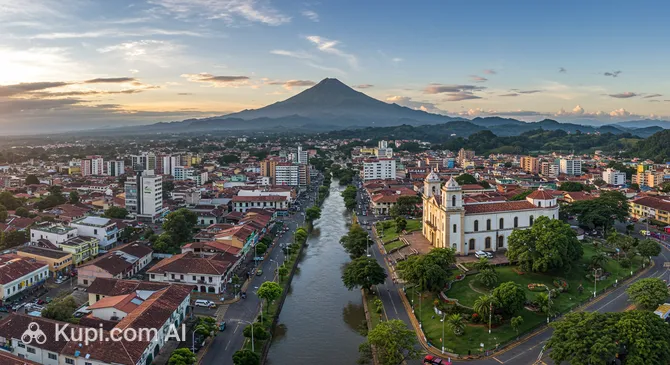
David. Source: Kupi.Binoculars

While it is often viewed as a transit point, the city has its own unique charm. The history of David dates back to the colonial era, and remnants of its past can still be appreciated in the architecture of the older districts. The city layout radiates from its central plaza, maintaining a classic Spanish colonial design structure that invites exploration on foot.

Visitors should take time to relax in Miguel de Cervantes Saavedra Park, a popular gathering spot filled with shade trees and local vendors, or visit the historic San José Cathedral nearby. Whether you are looking for authentic local cuisine, affordable shopping, or a comfortable base for your adventures in Chiriquí, David offers a welcoming and authentic Panamanian experience.

Weather Overview

David enjoys a warm tropical climate year-round, making it a sun-soaked destination for much of the year. Visitors can expect consistent heat, with average monthly temperatures generally hovering between 24.5°C and 27.0°C. The warmest period typically occurs in March, where daytime highs can reach up to 31.7°C, creating hot conditions perfect for those who love the heat.

The city experiences distinct seasonal variations regarding rainfall. The dry season, spanning from January through March, sees very little precipitation, with months like February recording as little as 1mm of rain and only about 7 wet days. In contrast, the wet season usually begins in May and lasts through November, characterized by frequent rainfall that can occur on up to 30 or 31 days per month. For a more detailed breakdown of what to expect during your specific travel dates, you can check the current weather in David.

Generally, you should expect warm days with occasional rain during the green season and hot, dry conditions at the start of the year. Even in the cooler months like October and November, temperatures remain mild with lows rarely dropping below 21.5°C, so light and breathable clothing is recommended regardless of when you choose to visit.

Interesting Facts

Beyond the bustling commercial streets and modern shopping centers, David holds fascinating secrets that reveal its deep historical roots and cultural significance. The city is more than just a transit hub; it is a place where legends of the past and unique local traditions quietly thrive.
  • The Mystery of the Name: The origin of the city's name remains a subject of historical debate. While many believe it was named after the biblical King David due to the strong Spanish Catholic influence of the time, some local historians suggest it might actually be a Hispanicized derivation of "Tavida," the name of an indigenous chief who ruled the region prior to the arrival of the conquistadors.

  • A Forgotten Railway Hub: David was once the heart of the historic Chiriquí Railway (Ferrocarril de Chiriquí), the only public railway system ever built in the interior of Panama. Operating for much of the 20th century, it connected the city to the port of Pedregal and the highlands of Boquete. Today, an old steam locomotive displayed at the fairgrounds serves as a nostalgic monument to this bygone era of transport.

  • The Cowboy Capital: This city is the epicenter of Panama’s "vaquero" (cowboy) culture. Unlike the canal-centric culture of the capital, David prides itself on a heritage of cattle ranching and horsemanship. This tradition culminates every March during the International Fair of David, where the city transforms into a lively showcase of livestock, rodeos, and agricultural pride that draws visitors from all over Central America.

  • A Colonial Time Capsule: While most of David features modern construction, the neighborhood of Barrio Bolívar serves as a living museum. It is one of the few areas where you can still find authentic 19th-century houses built with the traditional "quincha" method (wattle and daub). This district has been declared a National Monument, preserving the original colonial layout and atmosphere that has largely vanished from the rest of the city.

How to Get There

Reaching the capital of Chiriquí is relatively straightforward, thanks to its status as a major transportation hub in western Panama. Whether you are arriving from Panama City or crossing the border from Costa Rica, you have several options. For a complete overview of routes and transport methods, you can read more about how to get to David.

The most convenient entry point is Enrique Malek Airport (IATA: DAV), which is located directly in the city of David. It is a significant regional hub, handling flights mainly from Panama City and select international connections. Since the airport is situated just 1.4 km from the city center, the transfer is exceptionally quick; a taxi ride typically takes only about 5 minutes.

If you are exploring the wider region, you might also consider Golfito Airport (IATA: GLF). Please note that this airport is located in Costa Rica, approximately 86 km away in a straight line. The journey to David involves crossing the international border, so travel times can vary significantly depending on customs procedures. Another option in Costa Rica is Puerto Jimenez (IATA: PJM), located roughly 95 km away. While geographically close, the road trip involves driving around the Golfo Dulce and crossing the border, resulting in a journey of several hours.

For clarity, here is a summary of the main airports in the vicinity:

Airport Name City Passenger Traffic Km from City
Enrique Malek Airport David Medium 1.4
Bocas Del Toro Bocas del Toro Medium 106.1
Puerto Jimenez Puerto Jimenez Small 95.5
Drake Bay Drake Bay Small 136.3
Golfito Airport Golfito Small 86.1

The city of David does not have a railway station, as the region's historic rail lines are no longer in commercial use for passengers. Travelers looking for ground transportation typically rely on the robust network of buses connecting David to Panama City and other provincial capitals, or they choose to drive via the Inter-American Highway which runs directly through the city.

Main Attractions

While David is often recognized as a commercial hub, it possesses several distinct landmarks that offer a glimpse into its rich cultural heritage and daily life. A visit usually begins at the Parque Miguel de Cervantes Saavedra, the city's beating heart. Unlike typical urban squares, this park is famous for the large, friendly iguanas that freely roam the grounds and inhabit the ancient trees, delighting visitors of all ages. It is the perfect spot to observe local life, enjoy a "raspado" (shaved ice) from a street vendor, and escape the midday heat in the shade.

Just across from the park stands the Catedral de San José, a significant religious and architectural monument. The structure is admired for its blend of colonial and modern styles, featuring a detached bell tower that has become a symbol of the city. Inside, the cathedral offers a serene atmosphere with beautiful stained glass and a wooden altar that reflects the craftsmanship of the region. It serves as a peaceful sanctuary amidst the bustling commercial streets surrounding it.

For a deeper dive into the region's past, travelers should head to the Museo de Historia y Arte José de Obaldía. Located in the historic Barrio Bolívar, this museum is housed in a beautifully preserved colonial-era home that once belonged to the founder of the province. The exhibits showcase a fascinating collection of religious art, archaeological artifacts, and historical items that tell the story of the Chiriquí province, making it an essential stop for history enthusiasts.

Nature lovers and adventure seekers often visit the Puerto Pedregal, located just a short drive from the city center. This historic port serves as the gateway to the Gulf of Chiriquí's marine treasures. From here, you can arrange boat tours to explore the intricate mangrove estuaries or set off for the pristine nearby islands. It is a vital connection point that highlights David's strategic importance as a coastal city and offers a refreshing escape to the water.

Local Cuisine

As the commercial center of Chiriquí, known as Panama's "breadbasket," David benefits from an abundance of fresh agricultural produce. The local cuisine is defined by high-quality ingredients sourced from the surrounding fertile lands, including fresh vegetables, dairy products, and some of the best beef in the country. Dining here is often a hearty affair, reflecting the region's strong cowboy culture and love for savory, filling meals.

Visitors eager to taste authentic regional flavors should try the almojábano, a savory S-shaped corn fritter made with local cheese, which is a beloved breakfast staple in Chiriquí. Another classic dish is bistec picado, chopped steak stewed with onions and peppers, typically served with a side of patacones (fried green plantains) or fresh corn tortillas. The abundance of tropical fruits also means that fresh juices and "batidos" (fruit shakes) are available everywhere, offering a refreshing break from the tropical heat.

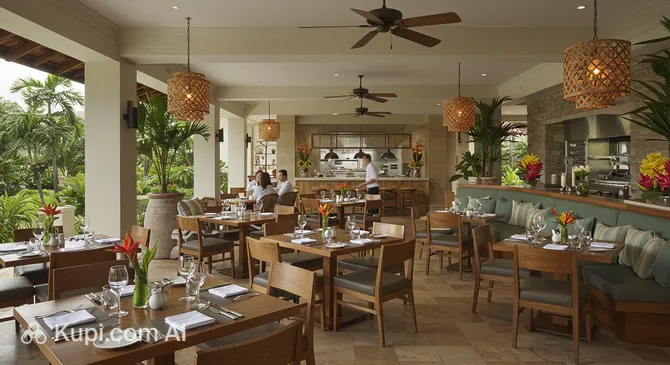
The city's dining scene offers a mix of traditional fondas and modern establishments. For a reliable meal in a comfortable setting, travelers can visit the Aranjuez Hotel & Suites, which is known for its welcoming atmosphere and varied menu. It serves as a great spot to enjoy both local and international dishes while unwinding after a day of exploration.

Aranjuez Hotel & Suites. Source: Kupi.Binoculars

Beyond traditional Panamanian fare, David has a growing international culinary presence. A popular choice for those seeking global flavors is Rincon Libanes, where you can enjoy authentic Lebanese cuisine. This diversity highlights the city's role as a crossroads for commerce and culture, ensuring that every palate can find something to enjoy.

Travel Tips

Planning a trip to David is an exciting opportunity to experience the authentic lifestyle of western Panama, but a little preparation goes a long way in this bustling commercial hub. To help you navigate the city's tropical heat and vibrant streets with ease, here are some essential practical tips for your journey.

  1. Clothing and Gear: David is widely known as one of the hottest cities in Panama, so lightweight, breathable fabrics like cotton or linen are essential. Pack a wide-brimmed hat, sunglasses, and strong sunscreen for the day. However, always carry a light jacket or sweater, as shopping malls, cinemas, and hotel lobbies often blast air conditioning at very low temperatures. If you plan to visit the Catedral de San José, ensure your shoulders and knees are covered out of respect.
  2. Transportation: The city is relatively easy to navigate. Yellow taxis are abundant and affordable; they do not use meters, so it is standard practice to agree on the fare before getting in (usually $2–$3 for short trips within the city). For exploring the wider Chiriquí province, renting a car is highly recommended. Public buses are reliable and depart frequently from the main terminal to nearby destinations like Boquete or the beach.
  3. Finances: Panama uses the US Dollar for paper currency, while coins are locally minted Balboas (equivalent in value and size to US coins). While major supermarkets, hotels, and restaurants in David accept credit cards, many smaller fondas (local eateries) and street vendors operate on a cash-only basis. ATMs are widely available throughout the city, particularly around the central plaza and banking district.
  4. Health and Safety: David is generally safe for tourists, but standard precautions apply; avoid walking in poorly lit areas late at night and keep valuables secure. Tap water in David is generally considered safe to drink, but travelers with sensitive stomachs should stick to bottled water. For medical needs, major pharmacy chains like Farmacias Arrocha are well-stocked, and some locations operate 24 hours a day.
  5. Communication: Spanish is the official language, and while staff at major hotels may speak English, it is less common in local shops and transport services. Learning basic phrases like "Hola" (Hello), "Cuanto cuesta?" (How much?), and "Gracias" (Thank you) will be greatly appreciated. It is advisable to purchase a local SIM card (Tigo or +Móvil) at the airport or a local mall to stay connected, as reliance on Wi-Fi alone can be limiting.
  6. Local Etiquette: Panamanians are polite and value greetings. When entering a shop, elevator, or taxi, always say "Buenas" (short for good morning/afternoon/evening). Dress standards in David are casual but neat; unlike beach towns, walking around the city center shirtless or in swimwear is frowned upon. Men often wear long pants even in the heat, though shorts are acceptable for tourists.
  7. What to Avoid: Do not lose your patience if service is slower than what you are used to; the pace of life here is more relaxed ("tranquilo"). Also, avoid taking photos of indigenous Ngäbe-Buglé people without asking for permission first, as it is considered disrespectful.
  8. Beat the Heat: Locals often take a break during the hottest part of the day (roughly 12:00 PM to 2:00 PM). Follow their lead by scheduling your outdoor activities for the early morning or late afternoon, and use the midday hours for lunch or visiting air-conditioned museums and malls.

By keeping these tips in mind, you will be well-equipped to enjoy everything David has to offer, from its historic neighborhoods to its modern amenities. Embrace the warmth of the climate and the people, and you are sure to have a memorable stay in the heart of Chiriquí.

Entertainment & Nightlife

While David is primarily known as a commercial and agricultural hub, its nightlife offers a surprisingly vibrant and authentic experience for those looking to unwind after sunset. Unlike the high-octane party scene of Panama City, the evening atmosphere here is more relaxed and "tranquilo," characterized by friendly local crowds, cold beer, and the rhythmic beats of salsa, merengue, and reggaeton. The city comes alive late in the week, with Thursday through Saturday being the prime nights to explore the local entertainment scene.

The heart of the action is often centered around the city's major hotels and casinos, which serve as the primary anchors for nightlife. Fiesta Casino, located within the Gran Hotel Nacional, is a staple of David's evening entertainment. Open 24 hours, it draws a diverse mix of locals and visitors who come to try their luck at the slot machines and gaming tables or simply to enjoy live music and drinks in a safe, air-conditioned environment. It is a bustling spot that captures the city's love for gaming and social gathering.

For those seeking a more energetic vibe with dancing and DJs, Club David is a popular destination. Known for its spacious dance floor and lively ambiance, this venue plays a mix of current international hits and Latin favorites, making it a great place to mingle with the local youth and expatriates. Another excellent option for a fun night out is Ankara Fun Zone, a lively bar that combines entertainment with a friendly atmosphere, perfect for grabbing cocktails and socializing without the intensity of a full nightclub.

Beyond the late-night clubs, the city offers plenty of options for evening relaxation. The area around the central park and the main commercial avenues is dotted with open-air bars and "terrazas" where you can enjoy the tropical breeze. The dress code in David is generally casual; jeans and a nice shirt are standard for men, while women often dress up a bit more for clubs. Prices are very reasonable compared to the capital, with beers and cocktails costing significantly less than in Panama City or the beach resorts.

For daytime or early evening entertainment, visitors can head to the Chiriqui Mall or other modern shopping centers, which house cinemas showing the latest Hollywood blockbusters, often in English with Spanish subtitles. These air-conditioned venues provide a welcome escape from the midday heat. Safety in David is generally good, but as with any city, it is advisable to take precautions at night. The best way to get around after dark is by using the ubiquitous yellow taxis; they are affordable and easy to hail, ensuring you get back to your accommodation safely.

Parks & Museums

While David is primarily a bustling commercial center, the city offers several refreshing green spaces and cultural institutions that provide a welcome respite from the tropical heat and a deeper understanding of the region's heritage. Exploring these parks and museums allows visitors to connect with the local rhythm of life and discover the rich history of the Chiriquí province.

Parque Miguel de Cervantes Saavedra remains the undisputed center of social life in David, but for travelers seeking a quieter atmosphere, Parque de las Madres is an excellent alternative. Located in the Doleguita neighborhood, this park is dedicated to mothers and features a prominent monument honoring them. It is generally more tranquil than the central plaza, offering wide paved paths and shaded benches that make it a favorite spot for local families to enjoy an evening stroll or for joggers to get their exercise away from the heavy city traffic.

Another significant area for outdoor recreation is the Feria Internacional de David Grounds. Although it hosts the massive country fair every March, during the rest of the year, the extensive grounds often serve as a large park-like space. It is home to the historic steam locomotive mentioned in local history, but it also offers ample space for walking and enjoying the greenery. The area's open layout allows for a breezy escape, and it serves as a venue for various smaller cultural and agricultural events throughout the year.

For culture enthusiasts, the Museo de Historia y Arte José de Obaldía is the city's premier institution. Housed in a colonial-style building with a beautiful internal courtyard, the museum offers an intimate look at Chiriquí's past. The collection includes pre-Columbian pottery, religious art, and period furniture that recreates the lifestyle of the 19th-century elite. It is particularly interesting for its focus on the regional history that is often overshadowed by the narratives of Panama City and the Canal.

Beyond traditional museums, the Barrio Bolívar itself functions as an open-air gallery of architecture and history. Walking through its cobblestone streets, visitors can admire the preserved "quincha" (wattle and daub) houses that survived the modernization of the city. Additionally, the Culturama center often acts as a beacon for the arts in David. This cultural foundation promotes local literature, painting, and music, frequently hosting small exhibitions, book launches, and talks that provide insight into the contemporary artistic pulse of the province.

For a truly authentic experience, look for La Guaricha, a unique cultural space that blends a park setting with art and gastronomy. It is a favorite among local students and artists, often hosting live music, poetry readings, and outdoor cinema nights in a relaxed, garden-like environment. It offers a side of David that few tourists see—creative, youthful, and deeply connected to the local community.

Getting Around

Navigating the city of David is a straightforward and authentic experience, as the public transport system is far less complex than in major metropolises. The city does not have a metro, tram, or trolleybus network. Instead, mobility relies almost entirely on a comprehensive system of buses and a vast fleet of taxis. The central hub for all transit is the Terminal de Transporte de David, a bustling station where both inner-city routes and regional connections converge.

The local bus service is the most economical way to get around. These buses, often smaller coasters or colorful modified vans known locally as "chivas," connect the city center with outlying neighborhoods and nearby towns. They do not operate on a strict minute-by-minute schedule but generally run frequently from early morning until around 8:00 PM or 9:00 PM. Destinations are usually painted clearly on the front windshield, making it easy to identify the right route.

When it comes to payment, cash is the only accepted method for local public transport. There are no electronic travel cards, apps, or pre-paid passes for city buses. Fares are very affordable, typically costing less than a dollar for a ride within the city limits. It is essential to carry small change—coins and one-dollar bills—as drivers often do not have change for large denominations. You usually pay the driver or the assistant ("pavo") upon exiting the vehicle.

For a more direct and comfortable option, yellow taxis are ubiquitous and serve as the primary alternative to buses. They do not use meters; instead, fares are based on zones or are negotiated before the trip begins. A standard ride within the city center is generally inexpensive, usually ranging between $2.00 and $3.00. While ride-sharing apps like Uber have begun to establish a presence, the traditional yellow taxi remains the king of the road here due to its sheer availability and low cost.

Tourists should be aware that while the city center is walkable, the heat can make walking long distances uncomfortable. Renting a car is a popular alternative for those who want the freedom to explore the surrounding province at their own pace, and major rental agencies have offices at the airport and in the city center. However, for short trips within David, flagging down a yellow taxi is usually the most practical and hassle-free choice.

A unique feature of the transport system here is the informal nature of stops outside the main terminal. While there are designated bus stops, in many residential areas, you can simply wave a hand to flag down a passing bus. Conversely, when you want to get off, a loud "Parada, por favor" (Stop, please) is the standard way to alert the driver. This flexibility makes getting around David a bit of an adventure, offering a genuine slice of local life.

Accommodation

Accommodation in David is designed primarily to serve its role as a commercial crossroads and regional capital. Visitors will find a practical selection of lodging options ranging from backpacker-friendly hostels to comfortable, modern business hotels. While the city lacks the sprawling all-inclusive resorts found in Panama's beach destinations, it excels in offering clean, reliable, and value-for-money places to stay. Most establishments prioritize essential amenities like air conditioning and Wi-Fi, which are crucial for travelers navigating the tropical climate.

For those who want to be in the center of the action, the Downtown area (El Centro) and the neighborhoods surrounding Parque Miguel de Cervantes Saavedra are the best choices. Staying here puts you within walking distance of banks, restaurants, supermarkets, and the historic Barrio Bolívar. It is the most convenient location for travelers without a car who want to explore the city on foot. Alternatively, visitors arriving by car often prefer the hotels located along the Inter-American Highway. These properties typically offer secure parking, larger swimming pools, and easy access to the road for day trips to Boquete or the coast.

The price range for accommodation in David is generally very affordable compared to Panama City or tourist hotspots like Bocas del Toro. Budget travelers can find hostels and simple guesthouses for as little as $15 to $30 per night. Mid-range hotels, which often include breakfast and a pool, typically range from $40 to $80. There are also a few higher-end options geared towards business executives, where rates can go upwards of $90, offering enhanced services and on-site dining.

Booking Tip: While it is often possible to find a room as a walk-in guest during the wet season, booking in advance is highly recommended if you are visiting between January and March. This is particularly important in mid-March during the Feria Internacional de David, when the city fills up with visitors from across the country and hotels are often sold out weeks ahead of time. Most properties are listed on major online booking platforms, making it easy to secure your reservation before arrival.

Nearby Cities

For those looking to explore the surroundings, David serves as an excellent base for day trips to several interesting nearby locations:

Just a short drive north of the city lies Boquete, a charming mountain town nestled in the highlands. Famous for its cool climate, world-class coffee plantations, and vibrant flower festivals, it offers a refreshing contrast to the heat of the lowlands. Visitors can hike the trails of the Barú Volcano National Park, tour coffee estates, or simply enjoy the scenic beauty of the Caldera River valley.

For lovers of the ocean, Boca Chica is the gateway to the pristine Gulf of Chiriquí National Marine Park. Located about an hour south of David, this small fishing village provides access to dozens of uninhabited islands with white sand beaches and crystal-clear waters. It is an ideal spot for snorkeling, sport fishing, or relaxing on the secluded shores of islands like Boca Brava and Bolaños.

Another worthwhile destination is Volcán, often referred to as "Little Switzerland" due to its alpine-style architecture and mountainous backdrop. Situated on the other side of the volcano from Boquete, this agricultural hub offers stunning landscapes, fresh produce, and access to the La Amistad International Park. It is a quieter, more rural alternative for those seeking tranquility and connection with nature.

City Population Distance (km)
Colón 204000 299
La Chorrera 68896 299
Aguadulce 51668 209
Chitre 46191 226
Santiago 45955 161

These nearby destinations offer a glimpse into the diverse culture and landscapes of the region.

Shopping & Souvenirs

Shopping in David reflects its status as the commercial powerhouse of western Panama. As the primary economic hub for the Chiriquí province, the city attracts shoppers from surrounding towns and even across the border from Costa Rica. Visitors will find a diverse retail landscape that ranges from bustling open-air commercial streets and traditional markets to modern plazas and large department stores, offering everything from electronics and fashion to local artisanal goods.

The heart of the city's traditional commerce beats along Calle 4ta (Fourth Street) and the surrounding blocks near the central park. This vibrant district is a sensory overload of shoe stores, clothing boutiques, fabric shops, and general merchandise retailers. It is the best place to experience the local hustle, where music blasts from storefronts and vendors sell fresh fruit and lottery tickets on the sidewalks. This area is particularly good for finding affordable clothing and experiencing the day-to-day life of the locals.

For a more modern and air-conditioned shopping experience, Plaza Terronal is one of the most popular destinations. Located just off the Inter-American Highway, this large outdoor shopping center features a variety of international chains, big-box retailers, and supermarkets. Another key location is the Chiriquí Mall, a large enclosed complex that houses a cinema, a food court, and numerous specialty stores. These malls are excellent for purchasing travel essentials, electronics, or branded apparel in a comfortable environment.

To discover the authentic flavors and crafts of the region, a visit to the Mercado Público de David (San Mateo Market) is essential. While primarily a produce market overflowing with fresh tropical fruits, vegetables, and spices, it is also a great spot to find local food stalls. Although it is less focused on souvenirs than markets in tourist towns, the vibrant atmosphere provides a genuine glimpse into the region's agricultural richness.

When looking for souvenirs, travelers should leverage David's location as the capital of a cowboy and coffee region. High-quality coffee from the nearby highlands of Boquete and Volcán is widely available in local supermarkets and specialty shops at better prices than at the airport. Additionally, due to the strong "vaquero" culture, visitors can find excellent leather goods, such as handmade belts, boots, and saddles. Indigenous handicrafts from the Ngäbe-Buglé people, such as the colorful "chacaras" (woven bags) and "naguas" (traditional dresses), can also be found in specific artisan shops or from street vendors near the park.

Most shops in David operate from 9:00 AM to 6:00 PM, Monday through Saturday. The larger shopping plazas and supermarkets often stay open later, until 8:00 PM or 9:00 PM, and many remain open on Sundays with slightly reduced hours. Payment methods are straightforward: major credit cards (Visa and Mastercard) are accepted in malls, supermarkets, and hotels. However, for smaller shops along Calle 4ta, market stalls, and street vendors, cash is essential. Prices are typically fixed in stores, but some friendly negotiation is acceptable with street vendors.

Regarding taxes, Panama applies a 7% transfer tax (ITBMS) on most goods and services, which is usually added at the register rather than included in the sticker price. While David itself does not offer a specific tax-free shopping scheme for tourists within the city, many visitors take advantage of the city's proximity to the Paso Canoas border area (about an hour away), which is a well-known duty-free shopping zone for purchasing liquor, perfumes, and electronics at reduced rates.
Reached the end of the page?

That means the route is fully explored