Support

San José

About

Welcome to San José, the vibrant capital and largest city of Costa Rica. Nestled in the fertile Central Valley and surrounded by majestic mountains and volcanoes, this bustling metropolis serves as the political, economic, and cultural heart of the nation. Unlike the coastal resort areas, San José offers a unique urban atmosphere where traditional Latin American charm blends with modern development.

Geographically, the city sits at a moderate elevation, which blesses it with a mild, spring-like climate year-round, distinct from the tropical heat of the lowlands. With a metropolitan population of approximately 1.5 million people, it is a lively hub of activity within the San José Province. The city acts as the primary gateway for international travelers, making it a strategic starting point for exploring the rest of the country.
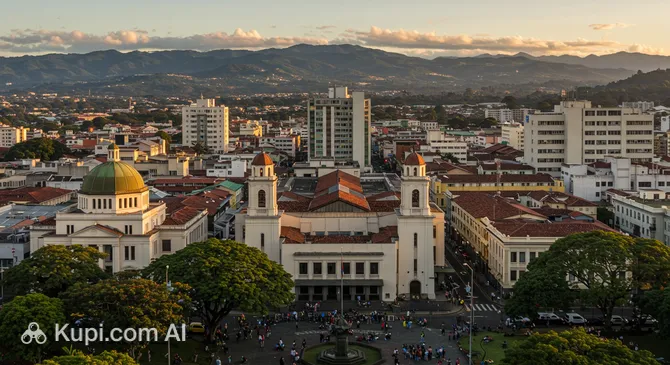
San José. Source: Kupi.Binoculars

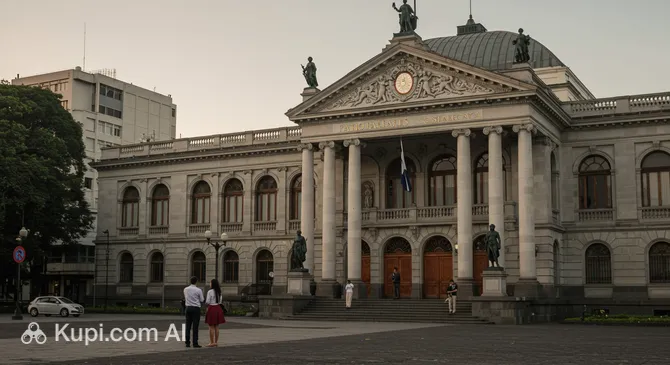
While many visitors use the capital as a transit point, the city itself holds plenty of treasures. Those interested in the history of San José will find a fascinating narrative of growth from a small colonial village to a modern capital. The city center is home to impressive architecture and cultural landmarks, including the exquisite National Theatre (Teatro Nacional), which is widely considered the finest historic building in the capital.

Culture enthusiasts should not miss the Pre-Columbian Gold Museum, located beneath the Plaza de la Cultura, offering a deep dive into the region's indigenous heritage. For a taste of local life, the Central Market (Mercado Central) provides a sensory experience with its narrow alleyways filled with food stalls, spices, and local crafts. Whether you are staying for a few days or just passing through, San José offers a rich cultural introduction to this beautiful country.
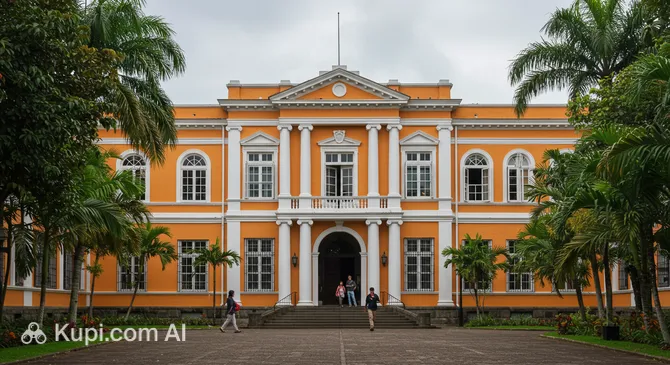
Weather Overview

San José enjoys a pleasant, moderate climate year-round, often described as "eternal spring" due to its elevation in the Central Valley. The temperatures remain remarkably consistent throughout the year, with average daily highs typically hovering between 23°C and 25°C and comfortable lows around 16°C to 18°C. This stability makes the city an inviting destination at any time, though the experience varies significantly depending on rainfall.

The year is divided into two distinct periods: the dry season and the rainy season. The dry months, running roughly from December through April, are characterized by sunny skies and minimal precipitation, with February being the driest month. This is widely considered the best time for outdoor exploration. Conversely, the "Green Season" from May to November sees a dramatic increase in rainfall, with precipitation occurring on up to 30 days a month in September and October. For a detailed monthly breakdown to help plan your packing, you can consult the full guide to the weather in San José.

Expect warm days with clear mornings even during the wetter months, though afternoon showers become the norm. While April is generally the warmest month with an average temperature of 21.2°C, the coolest period around December and January remains mild, averaging about 19.8°C. Travelers should pack layers for the cooler evenings and reliable rain gear if visiting between May and November.

Interesting Facts

Beyond the main attractions, San José holds many fascinating secrets that often surprise visitors. Digging a little deeper into the city's past and present reveals unique quirks and historical milestones that set it apart from other Latin American capitals.
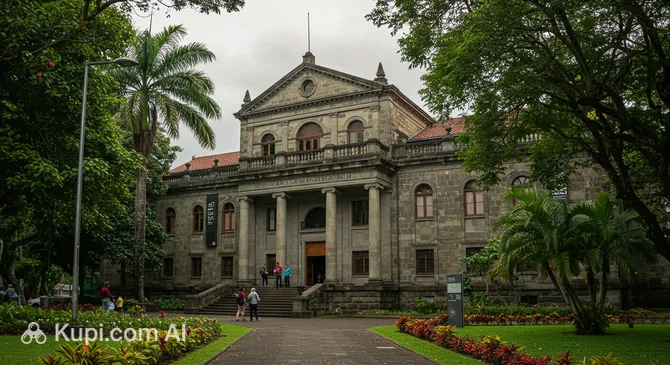
National Museum of Costa Rica. Source: Kupi.Binoculars
  • San José is often cited as one of the first cities in the world to be illuminated by electric energy. Local history proudly claims it was the third city globally, following Paris and New York, to light up its public spaces, marking a significant technological leap for the region in the late 19th century.

  • Navigating the city offers a unique challenge because standard street addresses are rarely used by locals. Instead of relying on street names and numbers, residents use a system based on landmarks and cardinal directions, often giving directions such as "200 meters north of the Metropolitan Cathedral of San José."

  • The city houses a powerful symbol of peace at the National Museum of Costa Rica. The building was originally the Bellavista Fortress, a military barracks, until the country famously abolished its army in 1948. The keys to the fortress were symbolically handed over to turn the site into a center of culture rather than conflict.

  • If you hear locals referring to "Chepe," they are talking about their capital city. This affectionate nickname is derived from the Spanish diminutive for the name José, reflecting the familiar and informal atmosphere that pervades the metropolis.

How to Get There

Reaching the Costa Rican capital is relatively straightforward, as it serves as the central transportation hub for the entire country. Most international visitors will arrive by air, though the city is also well-connected by road to neighboring regions. For a complete overview of all transport methods, including bus schedules and driving tips, you can read more about how to get to San José.

The most significant entry point is Juan Santamaria International Airport (IATA: SJO). It is important to note that the city of San José does not have its own major international airport within the city limits; instead, this facility is located in the city of Alajuela, which is about 15 km from San José. As the country's primary gateway, it handles a large volume of passenger traffic. Travelers should expect the journey to the city center to take approximately 45 minutes by taxi or shuttle, depending on traffic conditions.

For those traveling domestically or from specific regional locations, Quepos Airport (IATA: XQP) is another option, although it is significantly smaller and further away. Located in Quepos, this regional airport is about 54 km from San José. The transfer from here to the capital typically takes around 1 hour and 40 minutes by road. While less common for direct international arrivals, it serves as a connection point for travelers exploring the Pacific coast before heading to the capital.

For clarity, here is a summary of the main airports:

Airport Name City Passenger Traffic Km from City
Juan Santamaria International Airport Alajuela Large 14.9
Cobano Airport Nandayure Small 113.4
Quepos Airport Quepos Small 53.8
Tambor Airport Tambor Small 103.4
Fortuna Airport La Fortuna Small 80.3

Main Attractions

San José is a city where history and modernity converge, offering a wealth of cultural experiences for travelers. While it serves as a bustling capital, its true charm lies in its museums, theaters, and green spaces that tell the story of the nation. Exploring these sites provides a deeper understanding of Costa Rican heritage beyond the beaches and rainforests.

One of the city's most prized architectural jewels is the National Theater of Costa Rica. Constructed in the late 19th century funded by a tax on coffee exports, this Neoclassical masterpiece is a testament to the country's rich history of coffee production. Visitors are often captivated by its lavish interior, which features Italian marble, exquisite statues, and a famous ceiling mural known as the "Allegory of Coffee and Bananas." Whether you catch a performance or take a guided tour, it remains a must-see landmark.

National Theater of Costa Rica. Source: Kupi.Binoculars

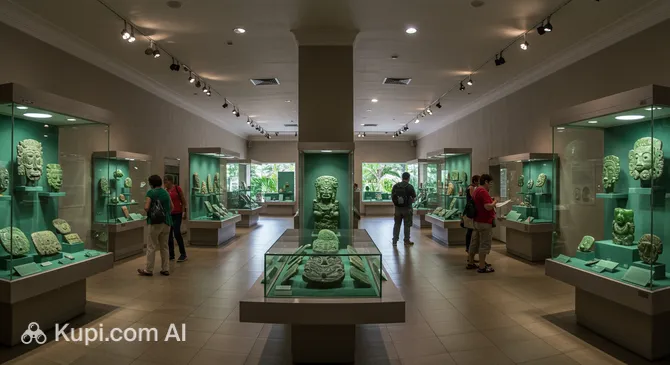
For a deep dive into the region's ancient past, the Jade Museum is an essential stop. Housed in a modern building designed to resemble a block of raw jade, it holds the world's largest collection of pre-Columbian jade artifacts. The museum displays over 7,000 pieces, offering a fascinating look into the social, spiritual, and artistic lives of the indigenous peoples who inhabited the area long before Spanish arrival.

Jade Museum. Source: Kupi.Binoculars

Located beneath the Plaza de la Cultura, the Pre-Columbian Gold Museum offers a sparkling journey through history. This underground museum protects an extensive collection of gold objects dating back to 500 AD. Beyond the impressive gold figurines and jewelry, the exhibits also include ancient ceramics and stone statues, providing a comprehensive context for the metallurgical skills of early Costa Rican societies.

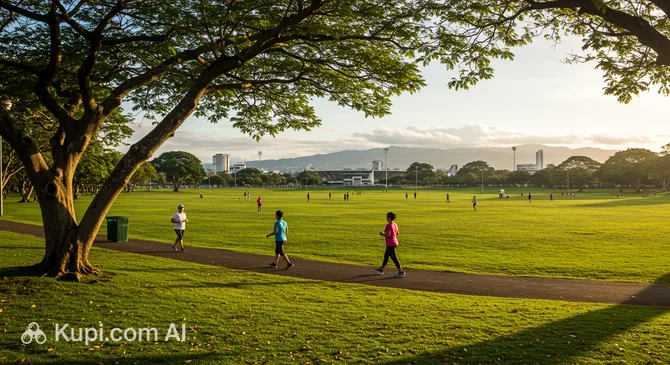
If you are looking to escape the urban bustle, La Sabana Metropolitan Park is known as the "lungs of San José." This vast urban park is a favorite among locals for jogging, picnicking, and sports. It features a large artificial lake and serves as a tranquil green oasis where tourists can relax and observe local life, all while being surrounded by native trees and birds right in the city center.

Local Cuisine

The culinary landscape of San José is a flavorful reflection of Costa Rica's agricultural bounty, characterized by hearty ingredients, fresh tropical fruits, and a reliance on farm-to-table freshness rather than intense spice. The city's food scene ranges from humble, traditional eateries known as "sodas" to sophisticated fusion restaurants in trendy neighborhoods like Barrio Escalante, offering travelers a diverse gastronomic journey.

No visit to the capital is complete without trying the national breakfast dish, Gallo Pinto. This savory mixture of rice and black beans is seasoned with onions, peppers, and the ubiquitous Salsa Lizano, typically served with eggs, sour cream (natilla), and fried plantains. For lunch, the standard is the Casado, a substantial platter featuring rice, beans, salad, a vegetable hash (picadillo), and a choice of meat, fish, or chicken. Another local favorite, particularly in bars, is Chifrijo, a layered bowl of rice, beans, fried pork (chicharrón), and pico de gallo, which is said to have originated right here in San José.

When it comes to beverages, the city takes great pride in its world-renowned coffee. You will find it everywhere, from historic cafes to modern brew bars, often prepared using the traditional chorreador drip method. For something refreshing and cold, locals drink refrescos or naturales, which are fresh fruit juices made with water or milk using blackberry, cas, or soursop (guanábana). On the spirited side, the local liquor is Guaro, a sugar cane spirit often enjoyed as a shot mixed with tomato juice and spices, known as a Chiliguaro.

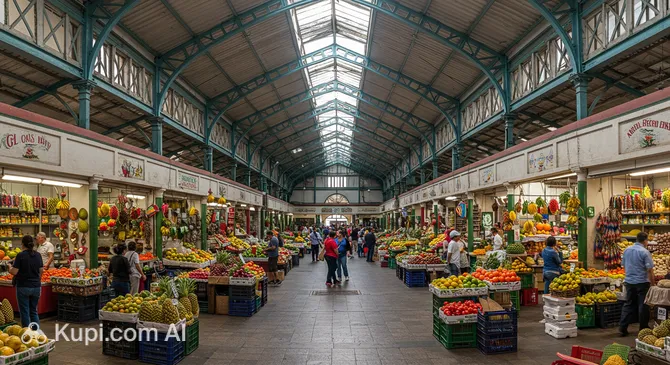
San José Central Market. Source: Kupi.Binoculars

To truly understand the local food culture, you must visit the bustling San José Central Market. This maze of narrow alleys is packed with small food stalls serving authentic dishes at affordable prices, offering a sensory explosion of aromas and flavors. It is the perfect place to sit shoulder-to-shoulder with locals and enjoy a steaming bowl of Olla de Carne (beef and vegetable stew). For a more contemporary dining experience with international options, visitors often head to modern centers like Escazú Village, where the city's evolving palate is on full display.

Travel Tips

San José is a dynamic metropolis that rewards the prepared traveler with its rich culture and urban energy, but it can be a bit overwhelming for first-time visitors. To help you navigate the capital like a local and ensure a smooth experience, here are some essential practical tips to keep in mind.

  1. Clothing and Gear: Due to the city's "eternal spring" climate, the best strategy is to dress in layers. Mornings can be warm, but evenings often get chilly, so bring a light jacket or sweater. If you are visiting during the green season (May to November), a sturdy umbrella or a waterproof poncho is absolutely essential. Comfortable, closed-toe walking shoes are a must for navigating the uneven sidewalks of the city center.

  2. Transportation: While public buses are cheap, the system can be confusing as there is no single central station; stops are scattered throughout the city. For convenience and safety, ride-hailing apps like Uber are widely used and often preferred over hailing taxis on the street. If you do take a traditional red taxi, ensure it has a yellow triangle on the door and that the driver uses the meter (la maría). Avoid renting a car just for exploring the city, as traffic is heavy and parking is scarce.

  3. Finances: The local currency is the Costa Rican Colón (CRC). While US dollars are accepted in many larger establishments, you will likely receive change in colones at a lower exchange rate. It is best to use local currency for small purchases like bus fares or snacks at the market. Credit cards are widely accepted, but always carry some cash. In restaurants, a 10% service charge is typically added to the bill automatically, so additional tipping is optional but appreciated for good service.

  4. Health and Safety: San José is generally safe, but like any major capital, it requires vigilance. Stick to well-lit areas at night and be mindful of your belongings in crowded places like Avenida Central to avoid pickpockets. Tap water in San José is generally safe to drink, but those with sensitive stomachs might prefer bottled water. Pharmacies (farmacias) are abundant, and many chains like Fischel or La Bomba have 24-hour locations.

  5. Communication: The official language is Spanish. While many people in the tourism industry speak English, it is less common among bus drivers or market vendors. Learning basic phrases like "Hola" (Hello) and "Gracias" (Thank you) goes a long way. For mobile data, you can buy a prepaid SIM card (Kölbi, Liberty, or Claro) at the airport or phone shops; you will need your passport. WhatsApp is the primary method of communication here for everything from booking tours to contacting businesses.

  6. Local Etiquette: Costa Ricans, or Ticos, are polite and non-confrontational. The phrase "Pura Vida" is used for everything—hello, goodbye, thank you, and "everything is good." When greeting someone, a handshake or a light "air kiss" on the right cheek is common. It is polite to say "Buenos días" or "Buenas tardes" when entering a shop or boarding a bus.

  7. What to Avoid: Do not assume pedestrians have the right of way. Drivers can be aggressive, so always make eye contact and wait for a clear gap before crossing the street. Additionally, avoid leaving any bags or valuables visible inside a parked car, even for a few minutes, as "smash and grab" theft can occur.

  8. Navigation Hack: Since the city relies on landmarks rather than street numbers for addresses, getting around can be tricky. A practical tip is to download Waze, which is more popular and often more accurate than other map apps for navigating local traffic. If you need to give directions to a taxi driver, have the name of a nearby landmark (like a church, park, or popular business) ready.

By keeping these practicalities in mind, you will be well-equipped to look past the hustle and bustle and discover the genuine warmth of San José. Embrace the Pura Vida lifestyle, enjoy the excellent coffee, and let the city's unique rhythm guide your adventure.

Entertainment & Nightlife

Nightlife & Entertainment:

When the sun sets over the Central Valley, San José transforms from a bustling commercial hub into a vibrant playground for night owls. The city's nightlife is diverse, catering to everyone from craft beer enthusiasts and foodies to salsa dancers and electronic music fans. Unlike the laid-back beach towns, the capital offers a more cosmopolitan evening experience, with distinct districts each offering a unique atmosphere.

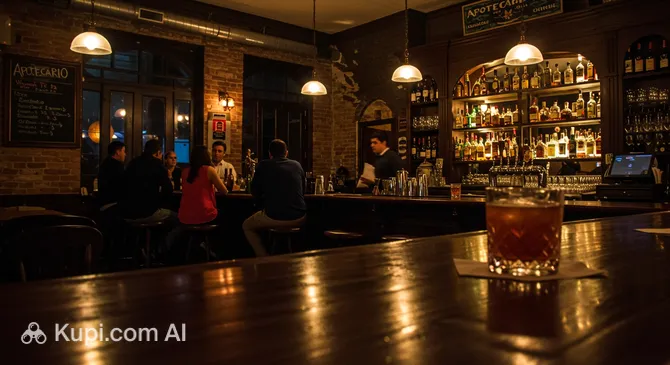
For a trendy and sophisticated night out, Barrio Escalante is the undisputed heart of the city's culinary and social scene. This neighborhood, specifically along the "Paseo Gastronómico," is lined with converted historic houses that now serve as stylish gastropubs, artisan breweries, and cocktail bars. It is a safe and walkable area where the crowd is a mix of young professionals, expats, and tourists. Here, you can visit Apotecario, a venue celebrated for its unique artisanal beverages, including craft beers and kombucha cocktails, set in a quirky, industrial-chic space.

Apotecario. Source: Kupi.Binoculars

If you are looking for a more upscale dining and drinking experience in the same area, Isolina Restaurant offers a refined ambiance perfect for starting the evening. The dress code in Barrio Escalante is generally smart-casual; while you don't need a suit and tie, locals tend to dress up a bit more than they would at the beach. Most bars here stay open until midnight or 1:00 AM on weekends.

For those who want to dance until dawn, the energy shifts to larger venues and clubs. Pepper Disco Club is one of the city's premier nightlife destinations, known for hosting major events, international DJs, and live concerts. It attracts a lively crowd ready to party. Another option for a distinct local flavor is The Caribbean Bar, where the rhythms of reggae and dancehall create a spirited atmosphere. When visiting clubs, it is advisable to arrive by 10:00 PM to avoid long lines, and be prepared for a cover charge.

Pepper Disco Club. Source: Kupi.Binoculars

Safety and Practical Tips: While districts like Barrio Escalante are generally safe for walking between venues, it is crucial to use caution when moving between different neighborhoods at night. The most reliable way to get around is by using ride-hailing apps like Uber, which are widely available and trackable. Avoid hailing random taxis on the street late at night. Prices for drinks and cover charges in San José are comparable to other major Latin American cities; expect to pay between $5 and $10 for a cocktail in trendy areas.

Beyond the nightlife, San José offers engaging entertainment during the day. Families and thrill-seekers should head to Parque Diversiones, the country's leading amusement park, which features roller coasters, water rides, and a replica of a traditional Costa Rican town. For a more educational yet fun experience, the Children's Museum (Museo de los Niños) is housed in a former prison and provides interactive exhibits that captivate both kids and adults alike.

Parque Diversiones. Source: Kupi.Binoculars

Parks & Museums

Beyond its bustling avenues and commercial districts, San José reveals a greener, more contemplative side through its historic parks and world-class museums. For travelers seeking a break from the urban pace or a deeper connection with the country's heritage, the capital offers intimate sanctuaries and cultural institutions that preserve the artistic and natural history of the nation.

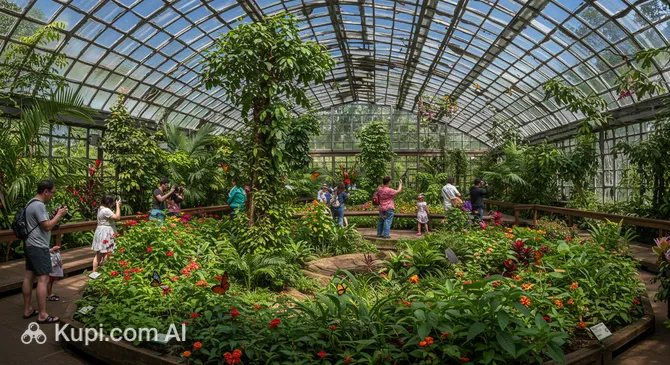
For a refreshing escape into nature without leaving the city, the Spirogyra Butterfly Garden is a hidden gem located near the downtown area. This tranquil oasis serves as a lung for the city and a sanctuary for various butterfly species. Walking through its trails, visitors can observe the life cycle of these colorful insects in a lush environment that feels miles away from the city noise. It is an excellent spot for families and nature photographers looking for a quick immersion in Costa Rica's famous biodiversity.

Spirogyra Butterfly Garden. Source: Kupi.Binoculars

Those interested in civic history should stroll through Parque Nacional. Considered one of the most significant public spaces in the capital, it is surrounded by important government buildings and features the iconic National Monument, a bronze statue depicting the Central American nations driving out William Walker's filibusters in 1856. The park's shaded pathways and ponds make it a pleasant place to relax and admire the statues that commemorate key figures in Costa Rican history.

Parque Nacional. Source: Kupi.Binoculars

San José's museum scene is equally impressive. Housed in the beautiful former airport terminal building within La Sabana Park, the Costa Rican Art Museum (Museo de Arte Costarricense) is a must-visit for art lovers. The building itself is an architectural landmark, and it holds an extensive collection of works by Costa Rican artists from the 19th and 20th centuries. A highlight is the "Golden Room" (Salón de Oro), a former diplomat's lounge adorned with a stunning stucco bas-relief mural depicting the country's history.

Costa Rican Art Museum. Source: Kupi.Binoculars

Another essential institution is the National Museum of Costa Rica. Located in the Bellavista Fortress, which still bears the bullet holes from the 1948 civil war, this museum offers a comprehensive journey through time. Its exhibits range from pre-Columbian stone spheres and gold artifacts to displays on colonial history and the nation's decision to abolish its army. The entrance leads through a beautiful butterfly atrium, blending natural beauty with historical learning.

For a unique scientific experience, the La Salle Natural Science Museum boasts one of the most complete collections of taxidermy in Latin America. With over 70,000 specimens on display, including dinosaurs, exotic birds, and marine life, it provides a fascinating educational stop, particularly for those curious about the diverse fauna found not just in Costa Rica, but around the globe.

Insider Tip: If you are visiting the National Museum, take a moment to walk across the Plaza de la Democracia y de la Abolición del Ejército right outside. This terraced open space offers excellent views of the mountains surrounding the city and is a perfect spot to watch the sunset over the western hills.

Getting Around

The public transport system in San José is primarily based on an extensive network of buses, supplemented by a commuter train service. Unlike many other capital cities, San José does not have a subway (metro) or tram system. The bus network is the backbone of daily mobility, connecting the city center with surrounding neighborhoods and provinces. These buses are operated by various private companies, meaning there is no single central bus station. Instead, terminals and stops are distributed throughout the downtown area, often organized by the geographic direction of the destination.

For inter-city travel within the Greater Metropolitan Area, the Interurbano train service operated by INCOFER is a popular alternative to road traffic. While the rolling stock is older and the frequency is lower than the bus service, the train effectively connects San José with key neighboring cities like Heredia, Cartago, and Alajuela. It is particularly useful during peak rush hours (mornings and late afternoons) when the roads are heavily congested. Tourists often find the train ride to be a somewhat scenic and authentic way to see the city from a different perspective.

The payment system in San José is currently in a transition phase. For the vast majority of bus routes, cash is still the only accepted method of payment. You pay the driver directly upon boarding. Fares are regulated and generally very affordable, ranging from roughly 200 to 700 colones (less than $1.50 USD) for local trips. It is crucial to carry coins or small bills (1,000 or 2,000 colones notes), as drivers often do not have change for larger denominations. For the train, the system is more modern; you can pay using a contactless credit or debit card directly at the turnstile or with a rechargeable INCOFER card.

Navigating the bus system can be challenging for first-time visitors due to the lack of unified signage and the scattered nature of bus stops. A highly recommended tool for tourists is the Moovit app, which provides reliable routes, schedules, and stop locations. Alternatively, asking locals is always a good option; most are friendly and willing to direct you to the correct "parada" (bus stop). Be aware that buses do not run 24 hours a day; most services start as early as 5:00 AM but wind down by 10:00 PM or 11:00 PM.

If you prefer a more direct and private mode of transport, red taxis are ubiquitous. They are official, insured, and must use a meter (locally called "la maría"). Always ensure the meter is running when you start your journey. Ride-sharing apps like Uber and DiDi are also extremely popular, widely available, and often cheaper than traditional taxis. They offer the added benefit of GPS tracking and upfront pricing, which removes the language barrier and the need to handle cash. Car rentals are available but are generally not recommended for exploring the city center due to heavy traffic and very limited parking.

Accommodation

Finding the perfect place to stay in San José is relatively easy, as the city offers a wide spectrum of accommodation options to suit every budget and travel style. The capital's hospitality scene ranges from vibrant backpacker hostels and converted colonial mansions in historic districts to towering international chain hotels and luxury resorts. Whether you are looking for a quick overnight stop before heading to the coast or a comfortable base for exploring the Central Valley, you will find ample choices.

For those who want to be in the heart of the action, the downtown area (El Centro) and the historic neighborhood of Barrio Amón are excellent choices. Staying here places you within walking distance of the main museums and cultural landmarks. Barrio Amón, in particular, is famous for its late 19th-century architecture, where many former coffee baron mansions have been transformed into charming boutique hotels and bed-and-breakfasts. This area offers a unique sense of place and history that modern districts cannot match.

Travelers seeking a more modern, tranquil, and business-friendly environment often prefer the western side of the city, particularly around La Sabana Metropolitan Park. This area, along with the adjacent neighborhood of Rohrmoser, is known for its wide boulevards, safety, and proximity to the park's green spaces. It is a strategic location that offers quicker access to the airport while still being just a short taxi ride from the city center.

La Sabana Metropolitan Park. Source: Kupi.Binoculars

If you prefer upscale amenities, shopping, and contemporary dining, the suburbs of Escazú and Santa Ana are the most prestigious areas. Although slightly removed from the downtown core, these neighborhoods offer high-end hotels and extended-stay apartments. They are hubs for modern commerce and entertainment, centered around complexes like Escazú Village, making them ideal for travelers who prioritize comfort and access to international services.

Booking Tips and Prices: Accommodation prices in San José are generally reasonable compared to North American or European capitals. Budget travelers can find hostel beds for under $20 USD, while mid-range hotels typically range from $60 to $120 USD per night. Luxury options can exceed $150 USD. While it is often possible to find a room upon arrival, it is highly recommended to book in advance, especially during the dry season (December to April), when tourism is at its peak. Most properties can be easily booked via major online platforms.

Nearby Cities

For those looking to explore the surroundings, San José serves as an excellent base for day trips to several interesting nearby locations:

City Population Distance (km)
San Rafael 45965 10
Santo Domingo 40072 6
Desamparados 33866 5
San Vicente 30998 6
Curridabat 28817 6

Beyond the immediate suburbs, the Central Valley is dotted with historic cities that offer a distinct change of pace from the capital. One of the most popular day trips is to Cartago, the country's first capital. Located just east of San José, it is famous for the Basilica of Our Lady of the Angels, a major pilgrimage site, and the atmospheric Ruins of the Parish of Santiago Apostle. The city also serves as the gateway to the breathtaking Irazú Volcano, allowing visitors to combine colonial history with natural wonders in a single trip.

Just a short drive north lies Heredia, affectionately known as the "City of Flowers." This charming city retains much of its colonial architecture, particularly around its central park, which features the historic Fortin de Heredia. It is an excellent destination for those interested in Costa Rica's coffee culture, as the surrounding hills are covered in lush coffee plantations that offer educational tours and tastings.

Another worthwhile stop is Alajuela, known as the "City of Mangoes." While often visited solely for its proximity to the airport, the city center boasts the Juan Santamaría Cultural Historical Museum and a laid-back local vibe. It is the perfect starting point for visiting the active Poás Volcano National Park, where visitors can peer into one of the world's largest open craters on a clear morning.

These nearby destinations offer a glimpse into the diverse culture and landscapes of the region.

Shopping & Souvenirs

Shopping in San José offers a delightful mix of the traditional and the modern, reflecting the city's role as the commercial heartbeat of Costa Rica. Visitors can transition from haggling for handcrafted leather goods in bustling historic markets to browsing international luxury brands in contemporary air-conditioned malls within the same afternoon. Whether you are looking for authentic local crafts or standard travel necessities, the capital provides the widest variety of options in the country.

For a truly local experience, the main artery of commerce is Avenida Central. This pedestrianized boulevard runs through the center of the city and is always teeming with activity. It is lined with a diverse array of department stores, shoe shops, and electronics vendors. Walking along this street not only offers shopping opportunities but also a chance to enjoy street performers and observe the daily life of Josefinos. It is the perfect place to find affordable clothing and soak in the urban atmosphere.

When it comes to traditional goods and souvenirs, the historic San José Central Market is the undisputed king. While it is famous for its food, the market is also a treasure trove for shoppers. Here, you can find stalls overflowing with leather bags, hammocks, and handmade jewelry. It is also the best place to buy fresh coffee beans directly from local producers, often at much better prices than in tourist gift shops.

For those who prefer a modern retail experience, the city and its suburbs boast several world-class shopping centers. Lincoln Plaza, located in the Moravia district, is one of the most popular destinations. This multi-story mall features a wide selection of international fashion brands, a cinema, and numerous dining options, all housed in a spacious, contemporary building.

Lincoln Plaza. Source: Kupi.Binoculars

Another excellent option for upscale shopping and dining is Escazú Village. Situated in the affluent suburb of Escazú, this open-air complex combines retail stores with residential and office spaces, creating a sophisticated lifestyle center. It is a great spot to find designer clothing, home decor, and gourmet food items in a relaxed, stylish environment.

If you are hunting for the perfect souvenir to take home, Costa Rican coffee should be at the top of your list. Look for brands like Britt or 1820, or buy unbranded bags from the market. Another iconic keepsake is a miniature oxcart (carreta), painted with intricate, colorful geometric patterns, symbolizing the country's agricultural heritage. Wooden crafts, particularly bowls and jewelry boxes made from local hardwoods, are also popular and widely available.

Practical Information: Most shopping malls in San José operate from 10:00 AM to 8:00 PM or 9:00 PM, seven days a week. Street shops and markets, however, tend to close earlier, usually around 6:00 PM, and may have reduced hours on Sundays. Major credit cards (Visa and Mastercard) are widely accepted in malls and larger stores, but it is advisable to carry cash (colones) when shopping at the Central Market or smaller street vendors. While Costa Rica does have a tax refund system for tourists, the process can be complex; it is best to ask for a "factura electrónica" (electronic invoice) if you plan to attempt a claim at the airport.

Reached the end of the page?

That means the route is fully explored