Support

Changuinola

About

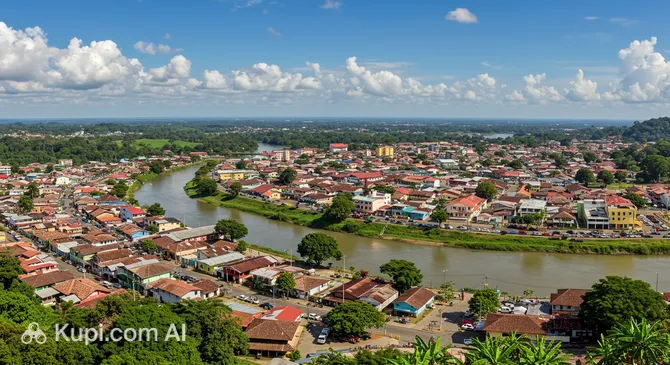
Changuinola is a vibrant city located in the northwest corner of Panama, serving as the commercial heartbeat of the Bocas del Toro province. While it is often viewed as a gateway to the nearby Caribbean archipelago or a transit point to Costa Rica, the city possesses a distinct character defined by its lush surroundings and bustling daily life. Situated inland from the coast, it offers travelers an authentic glimpse into the region's agricultural heritage away from the typical tourist trails.

Changuinola. Source: Kupi.Binoculars

The city is enveloped by vast green expanses of banana plantations, which have been the economic engine of the area for decades. This industry has deeply influenced the development and history of Changuinola, attracting a diverse population that today numbers over 30,000 residents. The climate here is typically tropical and humid, fostering a rich environment where nature thrives alongside urban activity.

For nature enthusiasts, Changuinola is a strategic base for exploring some of the country's most impressive ecological sites. It provides easy access to the San San Pond Sak Wetlands, an internationally recognized Ramsar site famous for its biodiversity and for being a habitat for the elusive West Indian manatee. Nearby, the majestic Changuinola River offers opportunities for boat tours where visitors can observe exotic birds and immerse themselves in the dense tropical rainforest.

Whether you are interested in eco-tourism or simply experiencing the local culture of a hardworking Panamanian town, Changuinola is worth a visit. Its unique blend of commercial energy and proximity to pristine natural reserves makes it a fascinating stop for those looking to explore the mainland treasures of Bocas del Toro.

Weather Overview

The climate in this region is typically tropical, defined by consistent warmth and high humidity levels throughout the year. Because the city is surrounded by lush rainforests and banana plantations, the weather in Changuinola is often wet, contributing to the area's vibrant green landscapes. Travelers should be prepared for rain at any time, as precipitation is a frequent occurrence regardless of the season.

Temperatures remain remarkably stable year-round, creating a warm atmosphere that varies little from month to month. The average temperature generally hovers around 24°C to 26°C. Daytime highs typically reach between 26.3°C and 28.1°C, with May and September being the warmest months. Evenings are mild and comfortable, with minimum temperatures rarely dropping below 21°C, ensuring that it never feels truly cold.

Rainfall patterns indicate that wet weather is a standard part of daily life here. The data shows a very high frequency of precipitation, with the number of wet days ranging from 22 to 30 days per month. The period from June through October is particularly consistent, often seeing rain almost every day. While this keeps the environment lush, visitors should pack waterproof gear and expect warm days interspersed with frequent showers.

Interesting Facts

Beyond its reputation as a commercial hub and banana capital, Changuinola holds fascinating secrets that reveal its deep industrial roots and cultural significance. This city offers more than just a stopover, boasting unique engineering quirks and connections to rare traditions found nowhere else in the region.

  • The Bridge of Many Lives: One of the city's most iconic landmarks is the bridge crossing the Changuinola River. Originally constructed solely for banana trains, it was later adapted for vehicular traffic. Its narrow structure means it functions as a one-lane bridge where cars must wait their turn to cross, driving over a surface that still whispers of its railway origins.

  • Gateway to a Monarchy: Changuinola is the primary access point for travelers wishing to visit the Naso people along the Teribe River. The Naso are distinct for maintaining one of the few remaining traditional monarchies in the Americas, with a King who governs their territory within Panama.

  • A Water Labyrinth: The landscape surrounding the city is crisscrossed by an intricate network of canals. These were not built for drainage or tourism, but were originally dug to transport heavy bunches of bananas from the plantations to processing plants by boat, creating a unique industrial water maze that still exists today.

  • Ancient Name Origins: The name "Changuinola" is widely believed to be derived from the Changuina indigenous tribe, who inhabited the area centuries ago. While the tribe is no longer present as a distinct group, their name endures as a testament to the region's pre-colonial history.

How to Get There

Reaching this northwestern corner of Panama is an adventure that often involves a mix of air and ground travel. While the city is tucked away in the Bocas del Toro province, it remains accessible for travelers coming from other parts of the country or neighboring Costa Rica. For a detailed breakdown of routes and transport modes, you can read more about how to get to Changuinola and plan your journey accordingly.

The city of Changuinola does not have its own major commercial airport listed for international tourist traffic, so most visitors arrive via nearby regional hubs. The closest option is Bocas Del Toro (IATA: BOC), located in the city of Bocas del Toro (Isla Colón), approximately 28 km from Changuinola. Since this airport is situated on an island, the journey involves a scenic combination of transport: a water taxi to the mainland port of Almirante followed by a bus or taxi ride to Changuinola. The total travel time is roughly 1 hour and 10 minutes.

For those arriving from the Pacific side or seeking more flight connections, Enrique Malek Airport (IATA: DAV) in the city of David is a significant regional gateway. It is located about 117 km from Changuinola. Travelers landing here can take a bus or rent a car for a drive across the mountain range, which typically takes around 3 hours and 20 minutes. This route offers spectacular views of the Panamanian highlands before descending into the Caribbean lowlands.

For clarity, here is a summary of the main airports serving the region:

Airport Name City Passenger Traffic Km from City
Enrique Malek Airport David Medium 117.1
Bocas Del Toro Bocas del Toro Medium 28.4
Puerto Jimenez Puerto Jimenez Small 135.2
Drake Bay Drake Bay Small 150.4
Golfito Airport Golfito Small 116.6

Changuinola does not have an active passenger railway station connecting it to the rest of Panama. While the city is famous for its historic "banana trains," these are industrial networks rather than public transport for tourists. Consequently, the primary way to reach the city is by road. Regular bus services connect Changuinola with Panama City, David, and the border town of Guabito for those entering from Costa Rica.

Main Attractions

While Changuinola is primarily known as a commercial and agricultural hub, it serves as an excellent gateway to some of the most diverse natural wonders in Panama. The city's location offers easy access to protected wetlands, indigenous territories, and vast international parks, making it a strategic starting point for eco-conscious travelers and adventure seekers.

San San Pond Sak Wetlands is arguably the most significant natural attraction in the immediate vicinity. This internationally recognized Ramsar site is a haven for biodiversity, comprised of mangroves, lagoons, and coastal forests. It is most famous for being a sanctuary for the West Indian manatee, and visitors can take boat tours through the winding canals to spot these gentle giants in their natural habitat. The wetlands are also home to sea turtles during nesting season and a wide variety of tropical bird species, offering a tranquil escape into nature just a short distance from the city center.

For a deep dive into local culture and pristine rainforests, Soposo Rainforest Adventures offers a unique experience along the Teribe River. This eco-tourism project is managed by the Naso indigenous community, one of the few remaining groups in the region with a traditional monarchy. Visitors can travel by boat to their community to learn about Naso traditions, hike through the lush jungle, and swim in fresh river waters. It provides an authentic look at the harmonious relationship between the indigenous people and their environment.

La Amistad International Park, a UNESCO World Heritage Site shared between Panama and Costa Rica, dominates the mountainous landscape to the west. While the park is vast and remote, the Changuinola area serves as a point of reference for accessing its Caribbean slopes. The park is renowned for its incredible biodiversity, housing cloud forests that shelter jaguars, tapirs, and the resplendent quetzal. Exploring the edges of this park offers hikers a chance to witness untouched wilderness that has remained largely unchanged for centuries.

The city itself is defined by the historic Banana Plantations that surround it. While not a traditional tourist "attraction," the endless sea of green banana trees is the defining feature of Changuinola's landscape and history. Driving through these plantations offers a glimpse into the "green gold" industry that built the town. The network of canals and the old bridges originally designed for fruit transport add a unique industrial charm to the area, telling the story of the region's agricultural development.

Local Cuisine

The culinary scene in Changuinola offers a genuine taste of the Caribbean coast, distinct from the flavors found in the rest of the country. Because the city is located in the Bocas del Toro province, the local diet is heavily influenced by Afro-Caribbean traditions, where coconut milk, fresh seafood, and aromatic spices play a central role. Food here is hearty and unpretentious, designed to fuel the daily life of a hardworking agricultural community.

A staple you must try is the region’s famous Rice and Beans. Unlike the "arroz con frijoles" found in other parts of Panama, this dish is cooked slowly in fresh coconut milk, giving it a rich, slightly sweet, and creamy texture that pairs perfectly with stewed chicken or beef. Another highlight is the abundance of plantains, most commonly served as patacones (fried green plantains). In Changuinola, they are often thick, crispy, and served as a generous side dish to almost every meal.

Given the city's proximity to both the river and the sea, freshwater and saltwater fish are common on local menus. For a truly traditional experience, look for Rondón, a flavorful soup made with a coconut milk base, fish, snails, yams, plantains, and dumplings. It is a "run-down" stew that represents the soul of Bocas del Toro cooking. While it is more common on the islands, many local cooks in Changuinola prepare excellent versions using fresh catch from the nearby river mouths.

To quench your thirst, the local fruit selection provides excellent options. Freshly squeezed juices, known as chichas, are made from tropical fruits like pineapple, passion fruit, and papaya. For something uniquely Caribbean, try Icing Glass (Isinglass), a spiced seaweed drink believed by locals to have revitalizing properties. It has a thick, shake-like consistency with hints of nutmeg and cinnamon.

Dining in Changuinola is a casual affair. You won't find many fine-dining establishments; instead, the city is dotted with fondas—small, family-run eateries that serve affordable and authentic home-cooked meals. These spots are where the locals eat, offering a cafeteria-style service where you can choose from various pots simmering with stews, rice, and lentils. Eating at a fonda is the best way to experience the true daily rhythm and flavors of this vibrant city.

Travel Tips

To help you navigate Changuinola with ease and make the most of your visit to this bustling commercial hub, we have compiled a set of essential travel guidelines. Whether you are passing through on your way to the archipelago or staying to explore the mainland's natural wonders, these practical tips will ensure a smoother and more enjoyable experience.

  1. Clothing and Gear: Given the region's high humidity and frequent rainfall, lightweight and breathable fabrics like cotton or moisture-wicking synthetics are your best bet. A sturdy raincoat or poncho is an absolute necessity, regardless of the season, as showers can occur unexpectedly. If you plan to visit the wetlands or plantations, pack comfortable, closed-toe walking shoes or hiking boots to navigate muddy terrain. Since Changuinola is a working city rather than a beach resort, casual but modest city wear is appropriate; save the swimwear for the islands.
  2. Transportation: The most common and convenient way to get around the city is by yellow taxi. These are abundant and relatively inexpensive. It is common practice to share a taxi with other passengers heading in the same direction. Ride-hailing apps are generally not available here, so rely on flagging down cabs. For longer distances or trips to the border, local buses are a reliable and budget-friendly option, departing frequently from the main terminal.
  3. Finances: Panama uses the US Dollar as its paper currency, while local coins (Balboas) circulate alongside US coins. While larger supermarkets and hotels may accept credit cards, cash is king in Changuinola, especially at small shops, fondas, and for taxi fares. ATMs are available in the city center, so it is wise to withdraw cash upon arrival. Tipping is not strictly mandatory in small eateries but leaving loose change or 10% in nicer restaurants is appreciated.
  4. Health and Safety: Pharmacies are readily available in the downtown area for basic supplies, but carry any specific prescription medications you need. Due to the tropical climate and surrounding wetlands, insect repellent is crucial to protect against mosquitoes. While tap water in Panama is often potable, tourists are advised to stick to bottled water in Changuinola to avoid any stomach discomfort. The city is generally safe, but exercise standard caution: keep valuables secure and avoid unlit areas at night.
  5. Communication: The primary language is Spanish. While some locals may speak English due to the Caribbean influence in the province, it is less widespread here than in the tourist-heavy Bocas Town. Learning a few basic phrases like "¿Cuánto cuesta?" (How much is it?) and "Gracias" (Thank you) will go a long way. Prepaid SIM cards from providers like Tigo or +Móvil are easy to buy at grocery stores and offer good data coverage for maps and translation apps.
  6. Local Etiquette: Panamanian culture places a high value on politeness. Always greet people with a friendly "Buenas" (short for good morning/afternoon/evening) when entering a shop, boarding a taxi, or asking for directions. It is polite to ask for permission before taking photographs of locals, particularly if you encounter members of the indigenous Ngäbe or Naso communities in the area.
  7. What to Avoid: Do not expect the "island time" or beach vibe found in the nearby archipelago; Changuinola is an industrious commercial center with its own faster pace. Avoid walking on the narrow bridges designated for banana trains or heavy machinery, as these are active industrial routes and can be dangerous for pedestrians.
  8. Border Crossing Tip: If Changuinola is your stopover before heading to Costa Rica, be aware that the Guabito-Sixaola border is just a short drive away (about 30 minutes). The border crossing closes in the early evening (usually around 5:00 PM), so plan your transport early in the day to avoid getting stuck overnight.

By keeping these tips in mind, you will be well-prepared to navigate the unique atmosphere of Changuinola. Embracing the local rhythm and being prepared for the tropical elements will allow you to focus on the rich culture and stunning biodiversity that this corner of Bocas del Toro has to offer.

Entertainment & Nightlife

Unlike the backpacker-fueled party scene of the nearby islands, the nightlife in Changuinola offers a more authentic and local experience. As a bustling commercial hub, the city winds down from its industrious days with entertainment that caters primarily to residents and workers relaxing after a shift. The atmosphere here is grounded and unpretentious, characterized by cold beers, Latin rhythms, and lively social gatherings rather than flashy tourist spectacles.

The center of activity is undoubtedly Avenida 17 de Abril, the city's main commercial artery. This thoroughfare and its immediate surroundings host the majority of the town's evening entertainment options. Here, you will find a mix of sports bars, casinos, and dance halls where the music pumps loud and the energy is high. The vibe is distinctly Panamanian, with a heavy rotation of reggaeton, salsa, bachata, and typical pindín music filling the air.

For those looking to dance, Tropical Night Club is a well-known local staple. It opens its doors in the evening and often stays active until the early morning hours, drawing a crowd ready to move to DJ sets featuring international and Caribbean hits. It is a place to experience how the locals party, with a dress code that is casual but neat. If you prefer a mix of gaming and socializing, the city has a strong casino culture. Big Win Casino and Ibiza Casino are popular venues where you can try your luck at slot machines or simply sit at the bar to watch sports on big screens while enjoying air-conditioned comfort.

Practical advice for a night out in Changuinola includes carrying cash, as many smaller bars and taxis may not accept cards. The average price for drinks is significantly lower than in the tourist hotspots of Bocas Town, making it an affordable place to socialize. Taxis are the best way to get around at night; they are yellow, plentiful, and cheap. For safety, it is advisable to take a taxi door-to-door rather than walking long distances after dark, especially away from the well-lit main avenue.

During the day, entertainment in Changuinola shifts towards community and sports. Baseball is a massive passion in the Bocas del Toro province, and catching a game at the Calvin Byron Stadium is a thrilling experience when the local team is playing. The energy in the stands is electric, offering a fantastic cultural immersion. For a more relaxed afternoon, Plaza Changuinola serves as a central meeting point for families and friends, surrounded by shops and eateries where you can observe the daily rhythm of this hardworking city.

Parks & Museums

Unlike traditional tourist destinations filled with manicured city gardens and grand exhibition halls, Changuinola offers a different kind of experience where nature itself is the main park and history is etched into the industrial landscape. The city does not boast extensive urban green spaces or formal museums; instead, its "green zones" are vast, wild protected areas on its outskirts, and its cultural heritage is best experienced through direct interaction with local communities and the omnipresent legacy of the banana industry.

San San Pond Sak Wetlands serves as the region's most significant natural area, functioning as a massive, wild park for eco-tourism. While not a city park with benches and fountains, this protected reserve offers a raw immersion into the Caribbean wetlands. Visitors can navigate through extensive mangrove tunnels and lagoon systems that act as a sanctuary for wildlife. It is a place to appreciate the sheer density of tropical flora, offering a stark and beautiful contrast to the ordered rows of the banana plantations nearby.

Another key natural expanse is the edge of the Palo Seco Protection Forest. Situated to the south of the city, this area acts as a biological corridor connecting the lowlands to the highlands. It is a rugged, verdant landscape ideal for those who prefer "parks" that are untamed and teeming with biodiversity. The forest is characterized by its cloud forest vegetation and serves as a critical habitat for migratory birds, making it a green escape for nature lovers willing to venture just outside the city limits.

In terms of museums and galleries, Changuinola is unconventional; it lacks standard indoor museums. However, the Soposo Rainforest Adventures operates as a "living museum" of the Naso indigenous culture. Located along the Teribe River, this initiative allows visitors to step into a world that has preserved its traditions for centuries. Rather than looking at artifacts behind glass, guests can observe traditional thatch architecture, learn about medicinal plants directly from community elders, and witness the crafting of local handicrafts, providing a cultural education that is interactive and deeply personal.

The city's history is visually narrated by its Industrial Architecture. The entire town can be viewed as an open-air exhibit of the early 20th-century fruit trade. The most prominent "monument" is the massive Puente Torres (Tower Bridge) over the Changuinola River. This imposing steel structure, originally built for banana trains, remains a marvel of functional engineering. Its shared use for vehicles and its narrow, railway-influenced design offer a tangible link to the era when the railroad was the lifeline of the province.

For a unique insider experience, take a drive or a guided boat ride through the Banana Canals. These waterways are not just irrigation ditches but a historic transportation network unique to this part of Panama. Watching the local workers navigate these channels offers a glimpse into the daily rhythm of the city that you won't find in any guidebook, revealing the authentic heartbeat of Changuinola beyond the main roads.

Getting Around

The public transport system in Changuinola is straightforward and relies entirely on road networks, as there are no metro lines, trams, or passenger railway services available. The city is designed around functionality, serving the needs of local workers and commuters. For tourists, getting around is relatively simple, with the primary options being a network of buses and a large fleet of taxis that operate throughout the urban area and surrounding communities.

The backbone of local transportation is the bus system, which connects the city center with outlying neighborhoods, the nearby port town of Almirante, and the border town of Guabito. Most local buses are small minibuses or "coasters" rather than large city coaches. These vehicles typically congregate at the main bus terminal, known locally as the "Terminal de Transporte," which serves as the central hub for all incoming and outgoing routes. Destinations are usually displayed on a placard in the front window, and the service is frequent, departing as soon as the vehicle fills up.

Taxis are the most popular and convenient alternative to buses for navigating the city itself. You will easily recognize them by their yellow color. In Changuinola, taxis often operate on a "colectivo" (shared) basis, meaning the driver may pick up other passengers along the route if they are heading in the same general direction. This system keeps fares extremely low compared to private hires. If you prefer a private ride, you must negotiate this with the driver beforehand, usually for a slightly higher fee.

Payment for all forms of public transport is exclusively in cash. There are no electronic travel cards, transport apps, or tap-to-pay systems. Fares are generally fixed based on zones or routes. For local bus trips, the cost is very low, often under a dollar, while taxi rides within the city limits are also quite affordable. It is essential to carry small bills (US dollars) and coins, as drivers often do not have change for large denominations like $20 or $50 bills.

For tourists, a key piece of advice is to pay the driver upon exiting the vehicle for local bus trips, whereas for longer intercity routes departing from the terminal, you might buy a ticket at a counter or pay the assistant on the bus. Transport services start running very early in the morning, often before dawn, to accommodate plantation workers, but frequency drops significantly after dark. If you need to travel late at night, securing a taxi is the only reliable option.

Ride-sharing apps like Uber or Cabify generally do not operate in this region, so you will need to rely on flagging down taxis on the street or calling a local dispatch number. Bicycle rentals are not a standard feature of the city's transport infrastructure, as the roads can be busy with heavy trucks and industrial machinery. Walking is feasible in the commercial center, but the heat and humidity often make vehicular transport the more comfortable choice.

A unique feature of driving in Changuinola is the experience of crossing the historic bridges over the Changuinola River. These structures were originally built for the banana trains and have been adapted for road traffic. They are often one-lane bridges with planked surfaces, requiring vehicles to take turns crossing. While not a "transport mode" in itself, navigating these bridges is a distinct part of the local travel experience that reminds visitors of the city's industrial railway heritage.
Accommodation

Accommodation in Changuinola reflects its status as a commercial hub and transit point rather than a luxury leisure destination. The options here are practical, functional, and generally affordable, catering largely to business travelers connected to the agricultural industry and tourists stopping over on their way to the archipelago or the Costa Rican border. Visitors will mostly find budget to mid-range hotels and simple guesthouses. Unlike the nearby islands, high-end luxury resorts and boutique hotels are not part of the city's landscape.

The most convenient area to stay is along the main commercial strip, Avenida 17 de Abril. Staying in this downtown zone places you within walking distance of restaurants, supermarkets, banks, and the main bus terminal, making it the best choice for travelers relying on public transport. For those seeking a slightly quieter atmosphere, there are a few options located on the outskirts near the Changuinola River, where the setting is greener and less chaotic, yet still easily accessible by a short taxi ride.

Prices in Changuinola are significantly lower than in the tourist-heavy Bocas Town, offering great value for money. Most rooms fall into the budget category, providing essential amenities such as air conditioning, cable TV, and private bathrooms. While the larger, more established hotels appear on major online booking platforms, many smaller hospedajes (guesthouses) and family-run inns still rely on direct phone bookings or walk-ins. It is important to note that while the main hotels accept credit cards, smaller establishments often prefer or strictly require cash payments.

Booking Tip: Although the city rarely sells out completely, it is advisable to book in advance if you plan to arrive late in the evening. Many reception desks in Changuinola do not operate 24/7, and securing your room beforehand ensures a smooth check-in after a long day of travel.

Nearby Cities

For those looking to explore the surroundings, Changuinola serves as an excellent base for day trips to several interesting nearby locations.

David is the most significant urban center in the vicinity and serves as the capital of the Chiriquí province. Located across the central mountain range, it offers a distinct contrast to the Caribbean lowlands with its bustling commercial areas, modern shopping centers, and access to the Pacific coast. It is an ideal destination for travelers seeking urban amenities or a starting point to explore the cooler highlands of Boquete.

While not a large metropolis, the nearby port town of Almirante is a crucial stop for any visitor in the region. Situated just a short drive from Changuinola, it acts as the primary gateway to the famous Bocas del Toro archipelago. From here, visitors can easily catch a water taxi to the islands to enjoy pristine Caribbean beaches, coral reefs, and the vibrant island culture for a day before returning to the mainland.

City Population Distance (km)
Colón 204000 284
David 144858 116
La Chorrera 68896 305
Aguadulce 51668 252
Chitre 46191 280

These nearby destinations offer a glimpse into the diverse culture and landscapes of the region.

Shopping & Souvenirs

Shopping in Changuinola offers a practical and authentic glimpse into the daily life of the Bocas del Toro province. Unlike the tourist-centric boutiques found on the nearby islands, this city serves as the commercial engine for the entire region. It is the "city of supplies" where locals come to stock up on essentials, meaning travelers can find a wide variety of goods—from electronics and hardware to clothing and groceries—often at prices significantly lower than in the archipelago. The experience here is less about luxury browsing and more about immersing yourself in the bustling energy of a working Panamanian town.

The heart of the city's retail activity is concentrated along Avenida 17 de Abril. This main thoroughfare is a vibrant strip lined with a chaotic but colorful mix of storefronts and vendors. Walking down this street, you will find everything from shoe stores and pharmacies to shops selling affordable fashion and mobile accessories. It is a lively district where music often blares from speakers, and the sidewalks are busy with pedestrians, making it the prime location to witness the commercial rhythm of the city.

For a more modern shopping experience, Plaza Changuinola stands out as the city's primary commercial complex. This plaza serves as a central meeting point and houses a variety of establishments in a more organized setting. Here, you can visit large supermarkets like Romero or Super 99 to resupply on food and travel necessities, or browse through department stores that offer air-conditioned comfort. It is also a good spot to find ATMs and fast-food outlets.

While there is no formal "tourist market," the area surrounding the Terminal de Transporte functions as a vibrant hub for fresh produce. This informal market zone is where local farmers gather to sell the fruits of the region's fertile soil. It is an excellent place to buy inexpensive, high-quality tropical fruits such as pineapples, papayas, and the ubiquitous bananas that the province is famous for. The atmosphere is raw and authentic, offering a sensory overload of sights and smells.

When looking for keepsakes, keep an eye out for Ngäbe handicrafts. Women from the indigenous Ngäbe-Buglé communities frequently sell their wares on the sidewalks near the main commercial areas. Look for chácaras (sturdy, expandable bags made from natural plant fibers) and intricate beaded jewelry, known as chaquiras. Additionally, given the region's agricultural heritage, locally produced cacao and chocolate make for delicious and authentic gifts to take home.

Most shops in Changuinola operate from approximately 8:00 AM to 7:00 PM, Monday through Saturday. On Sundays, many smaller businesses close, and hours for larger stores may be reduced. When it comes to payment, cash is king. While the large supermarkets and the plaza's department stores usually accept credit cards, smaller vendors, street stalls, and independent shops deal exclusively in cash. The US Dollar is the standard currency used for all transactions.

Regarding taxes, Panama applies a 7% ITBMS (sales tax) to most goods. Changuinola is a standard commercial city and not a duty-free zone like the one found in Colón or at the immediate border crossings. Tax refund procedures for tourists are generally not available in local stores here. However, due to the city's nature as a wholesale and supply hub, the base prices for many items are already quite competitive, offering good value without the need for tax exemptions.

Reached the end of the page?

That means the route is fully explored