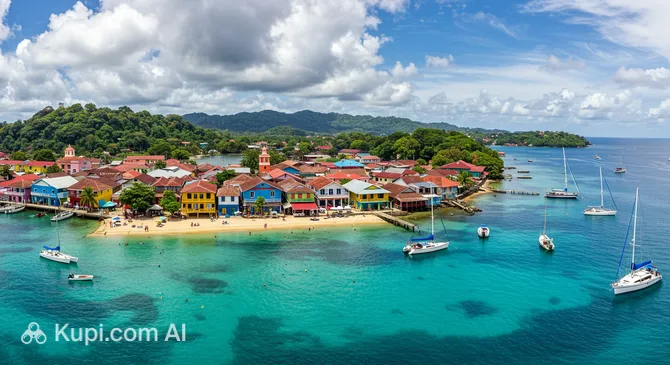
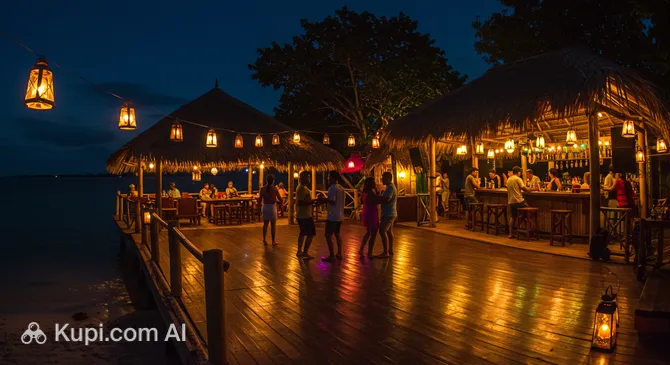
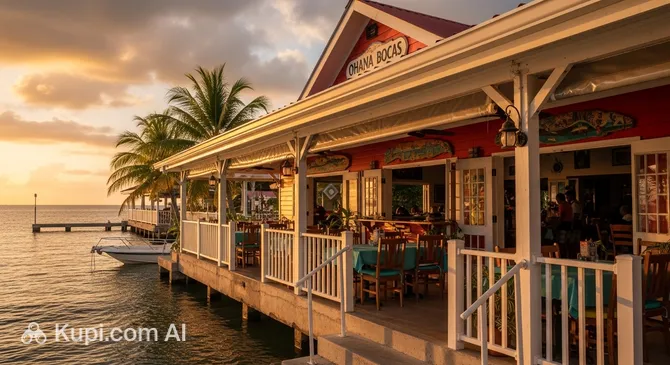
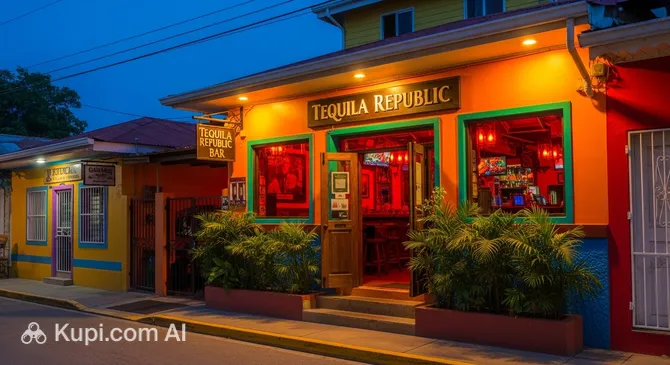
While Bocas del Toro is primarily celebrated for its turquoise waters and island rhythms, the town and its surroundings offer distinct green spaces and unique cultural venues that provide a deeper understanding of the region. From central plazas to eco-conscious projects, visitors can explore the natural beauty and heritage that define this Caribbean province.
Parque Simón Bolívar serves as the beating heart of Bocas Town. Located centrally on Isla Colón, this modest but charming square is surrounded by colonial-style buildings and offers a shaded respite from the tropical sun. It is a gathering place where locals meet, children play, and artisans often sell handmade crafts. For tourists, it provides a perfect vantage point to observe daily island life and admire the surrounding historical architecture.
Just a short boat ride from the town lies the magnificent Bastimentos National Marine Park. Although it encompasses a large area beyond the city limits, it is the region's premier natural sanctuary and a must-visit for nature enthusiasts. The park protects a vast expanse of mangroves, coral reefs, and pristine beaches like Red Frog Beach. It is a haven for biodiversity, where you can spot sloths, capuchin monkeys, and the famous red frogs, offering a stark, wild contrast to the bustle of the town center.
For a more curated nature experience, Finca Los Monos Botanical Garden offers a lush escape on Isla Colón. Spanning roughly 10 hectares, this garden is a living library of tropical flora, featuring heliconias, gingers, palms, and fruit trees. It is also an excellent spot for birdwatching, with hummingbirds and honeycreepers frequently visiting the colorful blooms. A guided tour here provides valuable insight into the local ecosystem and the medicinal uses of native plants.
In terms of museums, Bocas del Toro offers unconventional experiences that reflect its commitment to sustainability and the environment. The Plastic Bottle Village is a fascinating and thought-provoking attraction located on the island. Created to raise awareness about plastic pollution, this "museum" consists of structures, including a castle and dungeon, built entirely from discarded plastic bottles. It serves as an educational site demonstrating creative reuse and the scale of human consumption.
While traditional indoor museums are scarce, the region's Cacao Plantations serve as living museums of indigenous culture and agriculture. Tours, such as those run by the Ngäbe indigenous communities, allow visitors to step back in time and learn about the ancient process of chocolate making. These experiences preserve centuries-old traditions and offer a cultural immersion that is as educational as any gallery visit.
The town itself acts as an Open-Air Museum of Caribbean Victorian architecture. As you walk through the streets, you will notice the distinct wooden houses built on stilts, painted in vibrant colors with intricate fretwork. These structures date back to the banana boom of the early 20th century and stand as a testament to the diverse historical influences—from West Indian immigrants to North American fruit companies—that shaped the town's identity.
For a truly authentic experience, take a walk to the far end of the town towards the isthmus at dusk. This quieter area offers a glimpse into the unfiltered local lifestyle, where the jungle meets the sea, and you might spot locals fishing traditionally off the docks, far removed from the main tourist strip.