Support

Puerto Limon

About

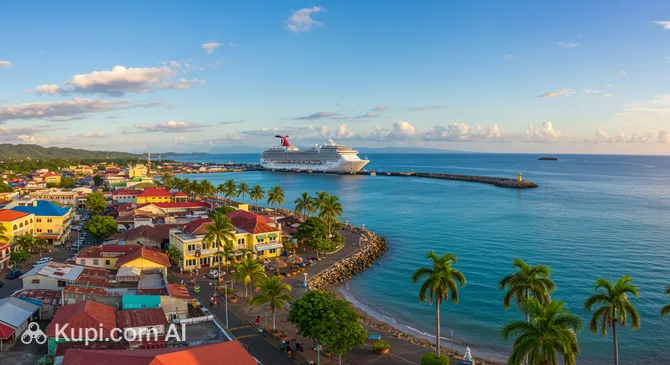
Puerto Limón, often simply referred to as Limón, is the vibrant capital of the Limón Province and serves as the country's main port on the Caribbean Sea. Unlike the Pacific coast, this city offers a distinct cultural atmosphere heavily influenced by Afro-Caribbean traditions, creating a unique rhythm of life that sets it apart from the rest of Costa Rica. With a population of approximately 105,000 residents, it is a bustling urban hub surrounded by lush tropical vegetation and the warm waters of the Atlantic.

Puerto Limon. Source: Kupi.Binoculars

The city is not just a commercial center but also a place with a fascinating heritage. Exploring the history of Puerto Limon reveals a past deeply connected to the construction of the Atlantic Railroad and the banana trade, which brought together a diverse mix of people from Jamaica, Europe, and China. This multicultural background is evident today in the local cuisine, the English-based creole dialect spoken by many, and the colorful architecture seen throughout the downtown area.

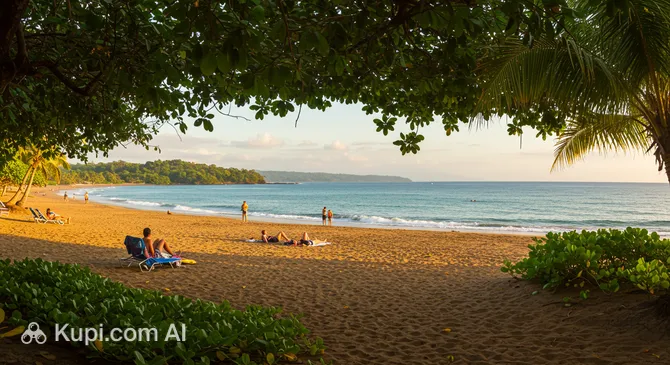
Travelers visiting Puerto Limón should take a stroll through Parque Vargas, a waterfront park famous for its tropical trees and the occasional sloth hanging from the branches. Just a short distance from the city center lies Playa Bonita, a popular beach where visitors can relax and watch the waves. Whether you are stopping by on a cruise or starting an adventure into the Caribbean lowlands, Puerto Limón invites you to experience its warm hospitality and rich cultural tapestry.

Weather Overview

Puerto Limón features a warm, tropical climate with temperatures that remain remarkably consistent throughout the year. Visitors can expect a steady rhythm of warmth, with average temperatures generally hovering between 23°C and 25°C. The coolest evenings rarely drop below 20°C, while daytime highs in the warmest months, such as May and September, typically reach up to 28°C, providing a comfortable atmosphere for exploring the coast.

Rainfall is a frequent occurrence in this lush region, contributing to the vibrant greenery that surrounds the city. The weather in Puerto Limón is characterized by a high number of wet days, ranging from 21 to 30 days per month depending on the season. While showers are common year-round, they often pass quickly or occur in the afternoons, allowing travelers to enjoy the tropical environment despite the regular precipitation.

Interesting Facts

Beyond its reputation as a bustling port, Puerto Limón holds fascinating stories that weave together exploration, geology, and local culture. The city offers a glimpse into a side of the country that is distinct from the Pacific coast, filled with unique historical milestones and natural phenomena.
  • Christopher Columbus anchored just offshore at Isla Uvita in 1502 during his final voyage, and it is widely believed that the gold ornaments worn by the indigenous people he met here inspired the name "Costa Rica," or Rich Coast.

  • The city is one of the few places in the world where you can see the dramatic effects of tectonic activity firsthand; the massive 1991 earthquake physically lifted the coastline by over a meter, permanently exposing ancient coral reefs that were once underwater.

  • While sloths are typically elusive in the wild, Balvanero Vargas Park serves as a unique urban sanctuary where these slow-moving creatures freely inhabit the trees, often visible to pedestrians strolling below.

  • Surfing enthusiasts know the region for a powerful reef break at Playa Bonita known as "The Bomb," which offers some of the heaviest and most challenging waves on the Caribbean side of the country.

Playa Bonita. Source: Kupi.Binoculars

How to Get There

Reaching the Caribbean coast of Costa Rica is an adventure that often begins in the central valley or neighboring regions. While the city is a major maritime port, most visitors arrive by road, enjoying the lush scenery along the way. You can read more about how to get to Puerto Limon and explore the various transport options available for your journey.

The city of Puerto Limon does not have its own international airport, so most travelers choose to fly into the country's main hub. The Juan Santamaria International Airport (SJO) is located in the city of Alajuela, approximately 128 km from Puerto Limon. This is a large international gateway welcoming millions of passengers annually. From the airport, the journey to the Caribbean coast by taxi or shuttle bus takes about 3.5 hours.

For those traveling regionally, Bocas Del Toro (BOC) in the city of Bocas del Toro is another nearby option, situated about 113 km away. Although it is relatively close, it serves a medium volume of traffic and may involve border logistics if coming from Panama. Alternatively, domestic travelers might consider Quepos Airport (XQP) in Quepos, located roughly 134 km from the city. The travel time from these locations by road is generally between 3 and 4 hours.

For clarity, here is a summary of the main airports:

Airport Name City Passenger Traffic Km from City
Juan Santamaria International Airport Alajuela Large 128.0
Bocas Del Toro Bocas del Toro Medium 112.7
Quepos Airport Quepos Small 133.9
Drake Bay Drake Bay Small 155.3
Golfito Airport Golfito Small 148.7

Main Attractions

While many visitors use the city as a transit point, taking the time to explore its streets reveals a collection of landmarks that showcase its rich Afro-Caribbean heritage and coastal beauty. From religious architecture to local culinary hotspots, the attractions here offer an authentic glimpse into the daily life of the province.

Sacred Heart Cathedral. Source: Kupi.Binoculars

One of the most prominent architectural landmarks is the Sacred Heart Cathedral. Located in the heart of the city, this church stands out with its angular, modern design and imposing tower. It serves as the spiritual center for the local Catholic community and offers tourists a quiet place to observe the city's religious traditions. The structure is known for its high ceilings and stained glass, providing a peaceful retreat from the bustling port activity outside.

For those looking to experience the coastline beyond the main tourist hubs, Piuta Beach is a favorite among locals. Situated slightly north of the city center, this area is less about swimming—due to the rocky shore and strong currents—and more about the atmosphere. It is a vibrant spot where families gather for picnics, music, and social events, especially on weekends. Walking along the promenade here offers excellent views of the ocean and a chance to mingle with residents enjoying the fresh sea breeze.

Piuta Beach. Source: Kupi.Binoculars

No visit to Limón is complete without tasting its iconic cuisine, and El Patty is a legendary stop for food lovers. This establishment is famous for serving the traditional "patty," a golden pastry filled with spiced meat, peppers, and onions, reflecting the region's Jamaican roots. It is a simple yet essential culinary experience, offering a quick and delicious bite that perfectly encapsulates the spicy and savory flavors of the Caribbean coast.

Local Cuisine

The culinary landscape of Puerto Limón is a vibrant reflection of its Afro-Caribbean roots, offering flavors that are distinct from the rest of the country. While the Pacific coast relies heavily on savory corn and bean combinations, the kitchen here is ruled by the fragrant aroma of coconut milk, fresh seafood, and aromatic spices like thyme and Scotch bonnet peppers. Dining in this city is not just about sustenance; it is an immersion into a rich cultural heritage where every bite tells a story of the diverse communities that settled the coast.

The undisputed star of the local table is Rice and Beans. Unlike the "Gallo Pinto" found elsewhere in Costa Rica, this dish is cooked slowly in coconut milk, giving it a creamy texture and a slightly sweet, nutty flavor. It is typically served with "Caribbean chicken" stewed in a dark, spicy sauce, or with fresh fish. Another must-try delicacy is Rondón, a hearty seafood soup whose name comes from "run down," implying that the cook uses whatever fresh catch and tubers (like yuca, taro, and plantains) are available that day. For a quick snack, the spicy meat-filled Patí remains a local favorite, often followed by the sweet, plantain-filled tart known as Plantintá.

To quench your thirst in the tropical heat, locals turn to a traditional beverage known as Agua de Sapo (Frog Water). Despite its quirky name, it is a refreshing non-alcoholic drink made from cane sugar (tapa de dulce), lime juice, and plenty of fresh ginger, served ice-cold. It provides a zesty kick that pairs perfectly with the rich, spiced food. For those seeking something stronger, the local beer culture is lively, often enjoyed at open-air bars where reggae and calypso music set the mood.

Cyro's Chicken. Source: Kupi.Binoculars

The dining scene in Puerto Limón ranges from casual street stalls to established eateries. Travelers looking for a hearty, no-nonsense meal often visit places like Cyro's Chicken, a popular spot known for serving generous portions of poultry that capture the home-cooked essence of the region. It is a great example of the unpretentious, flavor-first approach of local restaurants. For visitors wanting to explore a different side of the city's nightlife and dining, Tsunami Sushi Bar offers a modern atmosphere where one can enjoy drinks and fusion dishes, providing a contrast to the traditional Caribbean fare.

Travel Tips

Planning a trip to Puerto Limón is the first step toward experiencing the authentic rhythm of Costa Rica's Caribbean coast, but a little preparation goes a long way in ensuring a smooth journey. To help you navigate the unique climate, culture, and logistics of this vibrant port city, here are some practical tips to keep in mind before you arrive.

  1. Clothing and Gear: Given the tropical rainforest climate, lightweight and breathable fabrics like cotton or linen are your best friends. However, rain is frequent year-round, so packing a sturdy umbrella or a light rain poncho is essential. Comfortable walking shoes are a must for navigating the city streets, and don't forget sun protection and insect repellent for excursions into the nearby nature parks.
  2. Transportation: Within the city center, many attractions are walkable, but for longer distances or to reach beaches like Playa Bonita, red taxis are the most reliable option. Ensure the taxi has a yellow triangle on the door and a meter (maria). Public buses are affordable and connect Limón to nearby towns like Puerto Viejo, but they can be crowded. Car rental is only recommended if you plan to explore the wider province independently.
  3. Finances: The local currency is the Costa Rican Colón (CRC), though US dollars are widely accepted in tourist areas and larger establishments. It is wise to carry small bills in Colones for street food, taxis, and small shops. ATMs are readily available in the city center. Credit cards are accepted in hotels and restaurants, but cash is king for local vendors. A 10% service charge is often added to restaurant bills, but a small extra tip is appreciated for good service.
  4. Health and Safety: Puerto Limón is a busy port city, so standard urban precautions apply. Stick to well-lit, populated areas, especially at night, and avoid displaying expensive jewelry or electronics. Pharmacies (marked as "Farmacia") are common and can provide over-the-counter remedies for minor ailments. For emergencies, dial 911. While tap water is generally safe in Costa Rica, sensitive travelers might prefer bottled water.
  5. Communication: Spanish is the official language, but Limón is unique for its widespread use of Limonese Creole (Mekatelyu), an English-based dialect. Because of this heritage, many locals speak or understand English quite well, making communication easier here than in other parts of the country. A simple "Hola" or "Buenos días" is always a good icebreaker. Prepaid SIM cards from providers like Kölbi or Claro can be bought at the airport or local shops for data access.
  6. Local Etiquette: The vibe here is relaxed and friendly, operating on "Caribbean time." Patience is a virtue, as service may be slower than you are used to. Greetings are polite and expected; use the famous phrase "Pura Vida" (pure life) to say hello, goodbye, or thank you—it instantly connects you with the locals. When taking photos of people, always ask for permission first.
  7. What to Avoid: Do not wander onto the beaches alone at night, as they can be unsafe after dark. Also, avoid engaging in any transactions involving illicit substances; Costa Rica has strict drug laws, and offers from street peddlers should be firmly but politely declined.
  8. Local Insight: If you are visiting in October, you are in for a treat with the Carnaval de Limón, a massive street festival celebrating Afro-Caribbean culture. Regardless of when you visit, try to buy your spices and hot sauces from the central market; they are fresher and far cheaper than those found in souvenir shops.

By keeping these practicalities in mind, you will be well-equipped to embrace the warmth and spontaneity of Puerto Limón without worry. Whether you are here for the culture, the food, or the nature, a respectful and prepared approach will ensure your visit is as enjoyable and memorable as possible.

Entertainment & Nightlife

Puerto Limón comes alive after sunset with a rhythm that is distinctly Caribbean. Unlike the polished club scenes found in other major cities, the nightlife here is driven by the vibrant sounds of Reggae, Calypso, and Dancehall music. The atmosphere is relaxed and unpretentious, with much of the social activity taking place in open-air bars and lively street corners. The energy is contagious, centered around music, dancing, and socializing with a friendly local crowd that welcomes visitors to join in the fun.

One of the main hubs for evening entertainment is the area surrounding Playa Bonita. While it is a popular beach destination by day, the neighborhood transforms at night into a bustling district where bars and restaurants play loud music and serve cold drinks. Closer to the city center, the waterfront boulevard known as the Tajamar and the streets near the central market offer a variety of traditional "sodas" and bars where you can experience the authentic pulse of the city.

Tsunami Sushi Bar. Source: Kupi.Binoculars

For a specific venue that combines a modern atmosphere with local flavor, travelers often visit the Tsunami Sushi Bar. It is a great spot to enjoy cocktails and socialize in a comfortable setting before heading to more rustic venues. Another popular gathering place is Piuta Beach, particularly on weekends. The promenade here becomes a social hotspot where families and friends congregate to enjoy the sea breeze, music, and street food, creating a festive environment that lasts well into the night.

When heading out, dress casually and comfortably; the humid tropical climate and the laid-back vibe make fancy attire unnecessary. Friday and Saturday nights are the best times to experience the full energy of the city. Prices for drinks and cover charges are generally very affordable compared to tourist-heavy zones. However, it is wise to bring cash in the local currency, as many smaller establishments may not accept credit cards.

Safety should be a priority when enjoying the nightlife. It is recommended to stick to well-populated and well-lit areas, avoiding lonely streets or unlit beach sections after dark. For transportation, always rely on official red taxis to get around, especially if you are moving between the downtown area and the beaches. They are readily available and provide a safe way to return to your accommodation.

While the city is famous for its nights, daytime entertainment is more low-key and culturally focused. There are no large amusement parks or major commercial entertainment centers. Instead, visitors can explore the local culture through small museums, historical buildings, or by attending events at the local stadiums. The true charm of the city during the day lies in its parks and natural surroundings, offering a peaceful contrast to the energetic nights.

Parks & Museums

While Puerto Limón is primarily known as a bustling port city, it possesses green spaces and cultural institutions that offer a deeper understanding of its unique Caribbean heritage. Visitors can step away from the busy streets to enjoy the shade of tropical trees or explore the historical narratives that have shaped this diverse province.

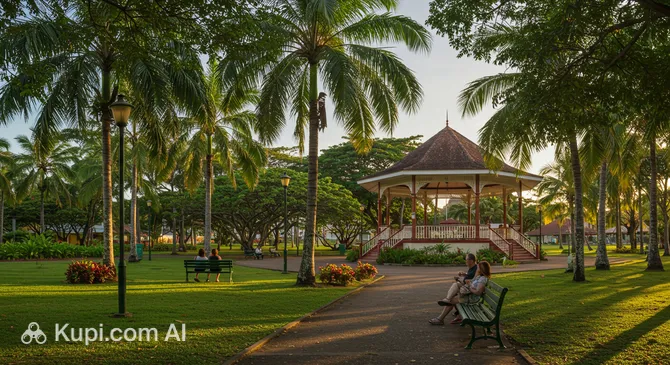
The most iconic green space in the city is Balvanero Vargas Park, commonly known as Parque Vargas. Located at the eastern tip of the city, right along the waterfront, this park is a lush urban oasis filled with massive tropical trees, including palms and ficus. It offers a refreshing sea breeze and scenic views of the rocky coastline. The park is famous for its resident wildlife; sharp-eyed visitors can often spot two-toed and three-toed sloths resting high in the branches, as well as owls and other birds inhabiting the canopy. The central bandstand and the neocolonial design elements reflect the city's golden era in the early 20th century.

Balvanero Vargas Park. Source: Kupi.Binoculars

For those interested in the region's history, the Museo Etnohistórico de Limón is a significant cultural landmark. Housed in the old Post and Telegraph building—a beautiful structure featuring Art Nouveau architecture—the museum preserves the memory of the province. Its exhibits focus on the diverse groups that settled the area, including the Afro-Caribbean, Chinese, and indigenous populations. Visitors can learn about the construction of the Atlantic Railroad, the banana industry, and the social evolution of Limón, making it an essential stop for anyone wanting to comprehend the cultural mosaic of the Caribbean coast.

Getting Around

The public transport system in Puerto Limón is straightforward and functional, relying primarily on a network of buses and taxis to serve the local population and visitors. Unlike larger capital cities, there is no metro, tram, or light rail system here. The city is relatively compact, making it easy to navigate, with the local bus service acting as the main artery connecting the downtown area with the port, residential neighborhoods, and popular nearby beaches like Playa Bonita.

For travelers, the bus system is the most economical way to get around. Payment is almost exclusively handled in cash using the local currency, the Costa Rican Colón. There are no electronic travel cards, passes, or mobile ticketing apps for urban transport. When you board the bus, you simply pay the driver directly. Fares are very affordable, usually costing the equivalent of less than a dollar for a ride within the city limits. It is highly recommended to carry small bills or coins, as drivers may not have change for large denominations.

Navigating the bus stops can be a bit of an adventure, as they are not always clearly marked with signage. In the city center, the main stops are often clustered near the Central Market or along the main avenues. It is practical advice to ask a local or your accommodation staff for the specific location of the bus you need, as routes are often identified by a placard in the windshield rather than a number. Buses typically run from early morning, around 5:00 AM, until roughly 10:00 PM, though frequency drops significantly after dark.

Taxis are a widely used alternative and are often the best choice for convenience and safety, especially at night. Official taxis are easily recognizable: they are red cars with a yellow triangle on the doors. While they are equipped with meters (known locally as "la maría"), drivers may not always use them, so it is wise to confirm that the meter is on or negotiate the fare before getting in. Ride-sharing apps are available in the country but can be less reliable in Limón than in the central valley, making the red taxis the most dependable private option.

For those staying strictly within the historic center and the waterfront area, walking is a viable and pleasant option during the day. However, renting a car is popular for tourists who plan to explore the wider province or travel further down the coast to towns like Puerto Viejo. While there is no commuter train service today, you may spot railway tracks running through the city; these are remnants of the historic Atlantic Railroad. Occasionally, a tourist train operates for cruise ship passengers, but this is a specific excursion and not part of the public transit network.

Accommodation

Accommodation in Puerto Limón reflects its character as a working port city rather than a dedicated beach resort. Unlike the extensive luxury developments found on the Pacific coast, the options here are generally more functional and modest. Travelers will primarily find budget-friendly hostels, small family-run guesthouses, and mid-range hotels designed to cater to business travelers and transit passengers. Large all-inclusive resorts are virtually non-existent within the city limits, with most visitors seeking that experience heading further south to towns like Puerto Viejo or Cahuita.

For those deciding where to base themselves, there are two main areas to consider. The City Center is the most convenient location for travelers relying on public transport. Staying near the central market or the main bus terminals offers easy access to shops, restaurants, and transport links to other parts of the Caribbean coast. This area is bustling and noisy but places you in the heart of the action.

Alternatively, the area around Playa Bonita, located a few kilometers north of the downtown core, offers a more relaxed atmosphere. This neighborhood is quieter and sits directly across from the ocean, making it a better choice for those who prefer to be away from the urban clamor. While it requires a short taxi ride to reach the main commercial district, the trade-off is the sound of the waves and a breezier, more scenic environment.

Booking Tip: While finding a room is usually straightforward, the city fills up completely during the annual Carnaval de Limón in October. If you plan to visit during this vibrant festival, it is essential to book your accommodation several months in advance, as prices rise and availability disappears quickly.

In terms of pricing, Puerto Limón is generally quite affordable. Most properties fall into the budget to mid-range categories. Booking can be done through major online platforms for the larger established hotels, but many smaller guesthouses still operate more traditionally. For these smaller spots, it is often possible to find a room upon arrival, though calling ahead or booking online where possible is always recommended for peace of mind.

Nearby Cities

For those looking to explore the surroundings, Puerto Limon serves as an excellent base for day trips to several interesting nearby locations:

One of the closest options for a quick visit is Matina. Located just a short distance from the coast, this town holds historical significance as one of the earliest centers of cacao production in Costa Rica during the colonial era. Today, it offers a glimpse into the agricultural heart of the region, surrounded by vast plantations that continue to drive the local economy. It is a quieter alternative to the bustling port, perfect for seeing the rural side of the Caribbean province.

Further inland lies Guápiles, a vibrant commercial hub that serves as the gateway between the Caribbean lowlands and the central highlands. While often a transit point, it is surrounded by lush nature and sits near the foothills of the central mountain ranges. It provides easy access to nearby rainforests and rivers, making it a strategic stop for those interested in the ecological diversity of the area or simply wanting to experience the daily life of a busy Costa Rican town.

City Population Distance (km)
San Isidro de El General 45327 99
Guácimo 41266 74
Matina 37721 29
Guapiles 36469 86
Cariari 34176 87

These nearby destinations offer a glimpse into the diverse culture and landscapes of the region.

Shopping & Souvenirs

Shopping:

Shopping in Puerto Limón offers a distinct contrast to the upscale commercial centers found in the country's capital. Instead of designer boutiques and international chains, visitors will encounter a lively, authentic atmosphere driven by the city's role as a working port. The experience here is less about luxury retail and more about immersing oneself in the local rhythm, discovering goods that reflect the region's Afro-Caribbean heritage, and finding practical items amidst the bustle of daily life.

The main commercial pulse of the city beats in the downtown area, particularly along the grid of streets surrounding the central park and the waterfront. A stroll down these avenues reveals a vibrant mix of clothing stores, shoe shops, and bazaars selling everything from electronics to beachwear. When cruise ships are in port, the streets near the pier often transform into pop-up marketplaces, where local artisans and vendors set up stalls to offer their wares to passing travelers.

Travelers should be aware that Puerto Limón does not feature the massive, modern shopping malls seen in the Central Valley. The retail landscape is primarily composed of standalone storefronts and smaller commercial plazas, such as Plaza Caribe. These compact centers typically house supermarkets, pharmacies, banks, and a selection of apparel outlets, serving the functional needs of residents rather than providing a large-scale recreational shopping experience.

The true highlight of the local shopping scene is the Mercado Municipal (Central Market). Located in the heart of the city, this historic building is a sensory adventure filled with the sights and smells of the Caribbean. Inside, visitors can wander through narrow aisles stacked high with fresh tropical fruits, root vegetables, and aromatic spices. It is not just a place to buy food; it is a cultural hub where one can find traditional herbal remedies, small eateries, and stalls selling affordable local crafts.

For those seeking souvenirs, the best items to bring back are those that capture the flavor and spirit of the coast. Costa Rican coffee is always a popular choice, but looking for locally roasted varieties adds a special touch. Other excellent keepsakes include wooden handicrafts, jewelry made from coconut shells or seeds, and colorful hammocks. Culinary travelers should look for bottles of authentic Caribbean hot sauce or bags of local cacao, which make for unique and spicy gifts.

Store hours in the city generally run from 8:00 AM to 6:00 PM, Monday through Saturday. Many smaller shops and market stalls may close early or remain closed entirely on Sundays. While major supermarkets and larger retail stores readily accept credit cards, cash is the preferred method of payment in the Central Market and with street vendors. Both Costa Rican Colones and US Dollars are widely accepted, especially in the tourist zones near the port.

Regarding taxes, Costa Rica includes a Value Added Tax (VAT) in the final price of most goods. While a tax refund system exists for foreign tourists shopping at authorized retailers, it is not widely advertised or utilized in the smaller, traditional shops of Puerto Limón. Visitors should generally expect the price displayed on the shelf to be the final amount they will pay.

Reached the end of the page?

That means the route is fully explored