Support

La Fortuna

About

La Fortuna de San Carlos, widely known simply as La Fortuna, is one of the most vibrant and essential destinations for travelers visiting Costa Rica. Nestled in the Northern Highlands within the Alajuela province, this charming town serves as the gateway to some of the country's most spectacular natural wonders. Despite its modest population of approximately 15,000 residents, the town buzzes with energy, offering a perfect blend of local culture and world-class eco-tourism facilities.
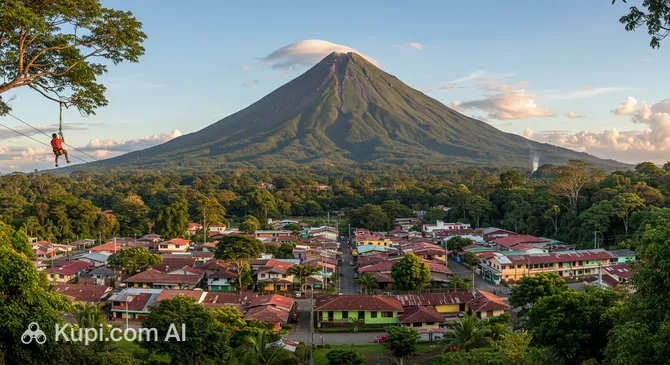
La Fortuna. Source: Kupi.Binoculars

The geography of the region is defined by lush rainforests and fertile lands, thanks to the tropical climate that keeps the scenery vibrantly green year-round. While the town itself is relatively small and walkable, the history of La Fortuna is deeply intertwined with the geological forces of the region. It transformed from a quiet agricultural community into a major tourism hub following the activity of the nearby volcano in the late 20th century, which drew global attention to its unique landscape.

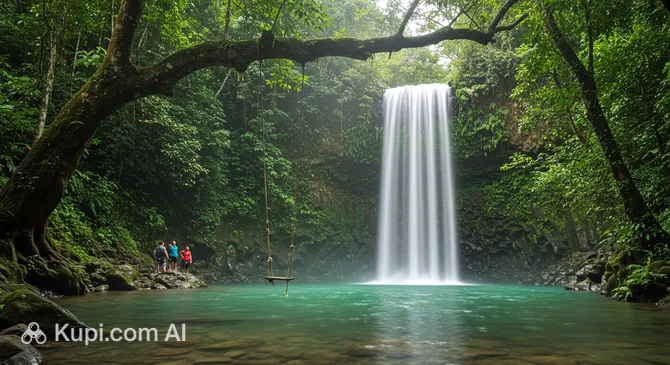
The undisputed star of the area is the majestic Arenal Volcano, whose iconic cone shape dominates the skyline and provides a stunning backdrop for the town. Adventure seekers are also drawn to the breathtaking La Fortuna Waterfall, which plummets 70 meters into an emerald pool perfect for a refreshing swim. After a day of exploration, visitors often relax in the area's famous volcanic hot springs, which are naturally heated by the geothermal activity underground.

Whether you are seeking adrenaline-filled activities like zip-lining through the canopy or a peaceful retreat in nature, La Fortuna offers an unforgettable experience. Its welcoming atmosphere and unparalleled access to the wild make it a must-visit stop on any Costa Rican itinerary.
Weather Overview

La Fortuna enjoys a warm, tropical climate year-round, making it a lush destination regardless of when you visit. The temperatures are remarkably consistent, with average daily values hovering between 22°C and 25°C. April tends to be the warmest month, seeing highs up to 28.9°C, while the coolest nights occur in January and February, when temperatures can dip to around 19.3°C.

Rainfall is a key characteristic of the region, contributing to its vibrant green landscapes. The area experiences a distinct rhythm in precipitation; the months of February and March are typically the driest, with only 8 to 10 wet days on average. In contrast, the "green season" from May through November brings more frequent showers, with months like June, September, and October often recording up to 30 wet days. Travelers planning a trip should consult the detailed guide to the weather in La Fortuna to pack appropriately for the conditions.

Interesting Facts

Beyond the iconic volcano and world-famous hot springs, La Fortuna holds many fascinating secrets and local stories that add depth to its natural beauty. From its miraculous history to hidden swimming spots, there is much more to this town than meets the eye.

El Salto Rope Swing. Source: Kupi.Binoculars
  • The town's name, "La Fortuna," which translates to "The Fortune," is not just a pleasant moniker but a reference to a specific historical event. Originally called "El Burío," the town was renamed after the massive 1968 eruption of the Arenal Volcano. While the eruption devastated the neighboring villages of Tabacón and Pueblo Nuevo, the geography of the area miraculously spared this community, leading residents to declare their survival a true fortune.

  • While many visitors head deep into the rainforest to spot wildlife, one of the densest populations of sloths can be found right on the edge of town. The Bogarin Trail was once a simple cattle pasture but has been regenerated into a lush forest sanctuary where dozens of sloths now reside, proving how quickly nature can recover when protected.

  • Locals have their own favorite alternative to the expensive thermal resorts. The El Salto Rope Swing is a natural swimming hole located under a bridge just outside of town. It is a popular, free gathering spot where the cool river waters offer a refreshing break from the tropical heat, distinct from the geothermal springs found elsewhere.

  • Although coffee is often associated with Costa Rica, La Fortuna's volcanic soil is also perfect for growing cacao, a sacred crop in ancient times. You can explore this rich heritage at the Rainforest Chocolate Tour, where you will learn that for centuries, cacao beans were so valuable in this region that they were used as currency before they became a sweet treat.

How to Get There

Reaching this iconic destination in the Northern Highlands is an adventure in itself, with several viable routes depending on your starting point. Whether you are arriving from overseas or traveling from another part of the country, you can find more about how to get to La Fortuna to plan your journey efficiently.

Most international travelers choose to fly into Juan Santamaria International Airport (SJO), which serves as the primary gateway to the country. It is important to note that this airport is not located in La Fortuna, but in the city of Alajuela, approximately 71 km away. A transfer by taxi or shuttle from here typically takes around 2 hours, winding through scenic roads. Alternatively, visitors focusing on the Pacific coast might arrive at Liberia Airport (LIR) in the city of Liberia. This major hub is about 99 km from La Fortuna, with a travel time of roughly 3 hours by road. For those looking to skip the long drive, the local Fortuna Airport offers domestic connections directly to the town, located just over 7 km from the center, making for a quick 30-minute final transfer.

For clarity, here is a summary of the main airports:

Airport Name City Passenger Traffic Km from City
Juan Santamaria International AirportAlajuelaVery High71.2
Liberia AirportLiberiaHigh99.3
Cobano AirportNandayureLow99.4
Tambor AirportTamborLow90.5
Fortuna AirportLa FortunaLow7.3

The city of La Fortuna does not have a railway station, and trains are not a standard option for reaching this part of Costa Rica. Instead, the vast majority of visitors arrive via the well-maintained road network. Public buses, private shuttles, and rental cars are the standard modes of transport, offering flexibility to enjoy the lush landscapes along the way.

Main Attractions

Attractions:

La Fortuna is synonymous with outdoor adventure and natural beauty. While the Arenal Volcano serves as the constant backdrop, the town offers a diverse array of activities ranging from adrenaline-pumping excursions to educational cultural tours. Visitors can easily fill their days exploring the lush rainforests, engaging with local wildlife, or simply soaking in the geothermal waters that define the region.

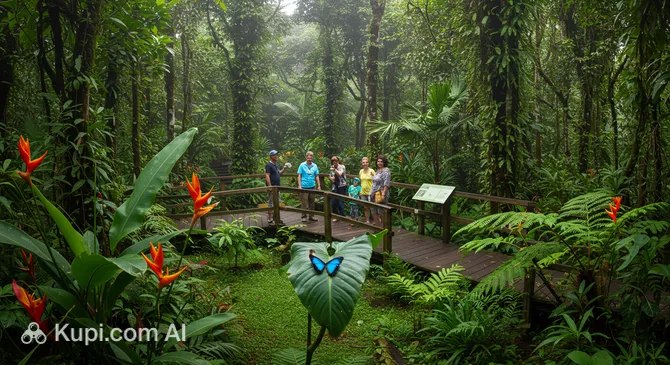
For nature enthusiasts, Ecocentro Danaus is a premier destination for witnessing Costa Rica's incredible biodiversity. This biological reserve and butterfly garden is a sanctuary for a wide variety of flora and fauna. Visitors walking its trails can spot sloths, caimans, and colorful frogs in their natural habitat. It is also an excellent spot for birdwatching and learning about conservation efforts in the area, offering both day and night tours to see the forest come alive.

Ecocentro Danaus. Source: Kupi.Binoculars

If you are looking for a thrill, Ecoglide Arenal Park offers one of the most exciting ways to experience the rainforest canopy. This park is famous for its zip-lining tours, which allow you to fly through the trees while enjoying spectacular views of the volcano. The park focuses on safety and ecology, ensuring that your adventure has minimal impact on the environment while providing a rush of adrenaline with its cables and Tarzan swing.

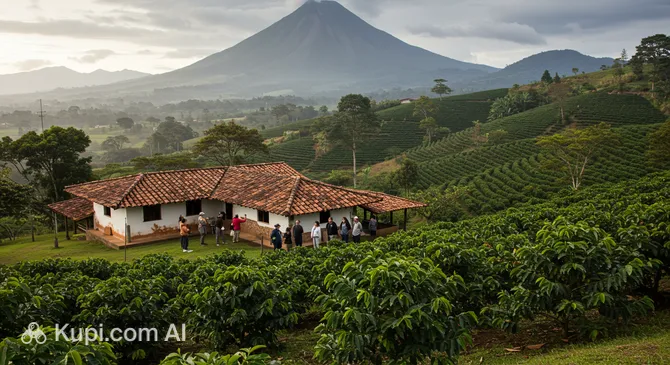
To understand the local culture and agriculture, a visit to the North Fields Coffee Tour is highly recommended. This family-run farm provides an intimate look at the entire coffee production process, from bean to cup. Guests can walk through the plantation, learn about traditional roasting methods, and, of course, sample some of the finest fresh coffee and chocolate. It is a sensory experience that connects tourists with the rich agricultural heritage of the Alajuela province.

After a day of hiking or zip-lining, nothing beats relaxing in the volcanic hot springs. Termalitas del Arenal offers a more local and accessible take on the thermal experience. With a variety of pools at different temperatures set amidst tropical gardens, it is the perfect place to unwind and let the mineral-rich waters soothe your muscles. It is a favorite among those seeking a laid-back atmosphere to enjoy the region's geothermal gifts.

Local Cuisine

The culinary scene in La Fortuna is as vibrant and diverse as its landscape, offering a delicious mix of traditional Costa Rican flavors and international cuisine. Located in the heart of the fertile Northern Highlands, the town benefits from fresh local produce, including tropical fruits, root vegetables, and high-quality beef from the surrounding farms of San Carlos. Whether you are looking for a quick bite or a gourmet dinner, the options here cater to every palate.

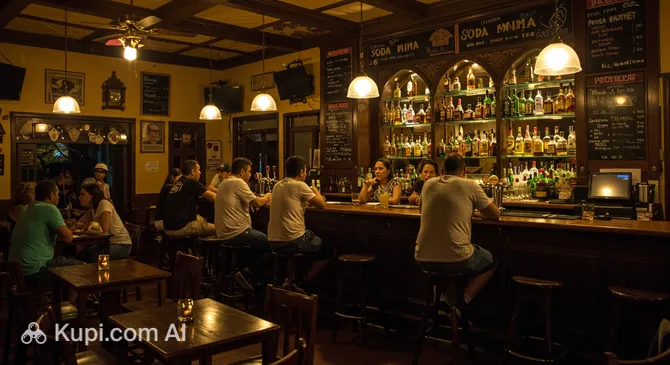
For an authentic taste of local culture, visitors must dine at a traditional "Soda". These small, family-run eateries serve hearty, home-style meals at affordable prices. The staple dish to try is the Casado, a generous platter featuring rice, black beans, plantains, salad, and a choice of meat or fish. Soda Mima is a beloved spot among locals and tourists alike, known for its welcoming atmosphere and massive portions that provide perfect fuel after a day of hiking.

Soda Mima. Source: Kupi.Binoculars

Another excellent option for traditional food is Soda El Turnito, where the flavors are genuine and the service is friendly. Beyond the main meals, don't miss the chance to try a batido, a fresh fruit smoothie made with water or milk and local fruits like guanabana, mango, or blackberry.

Given the region's agricultural roots, coffee and chocolate are not just crops but a way of life. To truly appreciate these ingredients, you can combine education with tasting at the Don Juan Coffee and Chocolate Tour. Here, you can learn about the processing of these beans and sample some of the freshest products directly from the source, an essential experience for any food lover visiting the area.

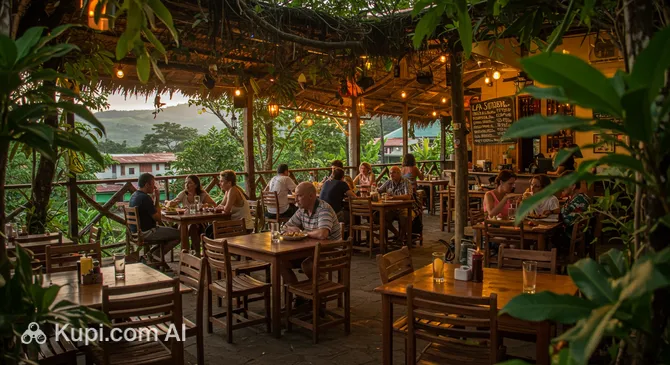
As a major tourism hub, La Fortuna also offers a variety of modern and international dining experiences. For those craving something different, La Street Bistro offers a fusion of flavors in a trendy setting, perfect for a relaxed evening. Meanwhile, if you are in the mood for comfort food, La Cava Pizzeria serves up delicious wood-fired pizzas that rival those found in larger cities, proving that this small town has a surprisingly cosmopolitan kitchen.

La Street Bistro. Source: Kupi.Binoculars

Travel Tips

Welcome to La Fortuna! To ensure your adventure around the majestic Arenal Volcano is as seamless as it is spectacular, we have compiled a list of essential practical advice to help you navigate the region with confidence.

  1. Clothing and Gear: Given the tropical rainforest climate, the weather can change rapidly. Pack lightweight, quick-drying clothing and comfortable hiking shoes with good grip. A waterproof rain jacket or poncho is absolutely essential, regardless of the season, as sudden showers are common. Don't forget water shoes for waterfalls and hot springs, and bring a standard US-style power adapter (Type A or B) if you are traveling from Europe.
  2. Transportation: While the town center is small and walkable, most major attractions like the waterfall and national park are spread out. Renting a car (preferably a high-clearance vehicle or 4x4) offers the most freedom. Alternatively, official red taxis are reliable and readily available. Many tourists also rely on the extensive network of shuttle buses provided by tour operators for specific excursions.
  3. Finances: The local currency is the Costa Rican Colón (CRC), but US Dollars are widely accepted in La Fortuna; just ensure bills are in good condition and small denominations. Credit cards are accepted at most hotels and restaurants, but it is wise to carry some local cash for small "sodas" or souvenir stands. A 10% service charge is typically included in restaurant bills, so additional tipping is optional but appreciated.
  4. Health and Safety: La Fortuna is generally safe, but standard precautions apply. Pharmacies are available around the central park area for basic needs. While tap water is often potable in this area, those with sensitive stomachs might prefer bottled water. Insect repellent is a must-have to protect against mosquitoes, especially during dusk and dawn or when hiking deep in the forest.
  5. Communication: Spanish is the official language, but English is widely spoken in the tourism industry here. A local SIM card (from providers like Kölbi, Liberty, or Claro) is easy to buy and provides good data coverage for maps and translation apps. Free Wi-Fi is standard in almost all hotels and cafes.
  6. Local Etiquette: The phrase "Pura Vida" (pure life) is more than a motto; it is a greeting, a thank you, and a state of mind. Use it freely to interact with locals; it instantly breaks the ice. Costa Ricans (Ticos) are polite and friendly, so a smile and a calm demeanor go a long way.
  7. What to Avoid: Strictly avoid feeding the wildlife, including the coatis and monkeys you may see on the roadside; human food harms them and disrupts the ecosystem. Also, never ignore safety warning signs at swimming holes or near volcanic areas—currents can be strong, and the terrain can be unpredictable.
  8. Pro Tip: The Arenal Volcano is notoriously shy and often hides behind clouds by mid-morning. For the best chance of seeing the iconic cone in all its glory, try to wake up early, around 6:00 AM. The views are often clearest just after sunrise.

With these tips in hand, you are ready to embrace the "Pura Vida" lifestyle and make the most of your journey through Costa Rica's adventure capital. Enjoy the lush landscapes and the warm hospitality that make La Fortuna truly special!

Entertainment & Nightlife

Unlike the bustling party scenes found in coastal resorts or the capital, the nightlife in La Fortuna is characterized by a relaxed, "Pura Vida" atmosphere that perfectly complements its adventurous days. After the sun sets behind the volcano, the town shifts into a lower gear, where entertainment focuses on socializing, dining, and enjoying the natural geothermal wonders under the stars. The primary hub for evening activity is the area surrounding the central Parque de La Fortuna, where locals and tourists gather to enjoy the cool evening breeze.

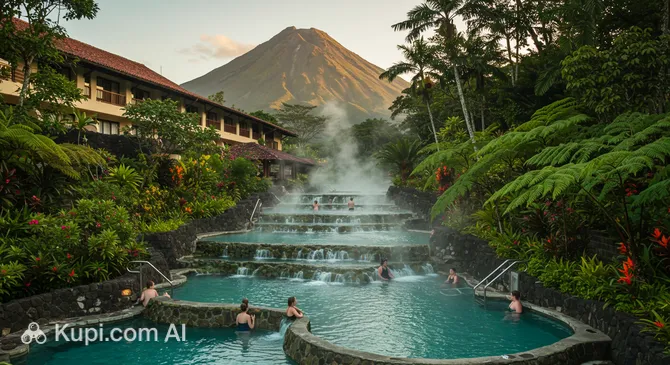
For many visitors, the ultimate nightlife experience does not involve a dance floor, but rather a soak in the region's famous thermal waters. Many hot spring resorts stay open until 9:00 PM or 10:00 PM, offering a magical setting with illuminated pools and swim-up bars. Termalitas del Arenal is a fantastic option for an evening visit. Here, you can relax in the mineral-rich waters while enjoying a drink in a laid-back environment that feels worlds away from the typical nightclub scene.

Termalitas del Arenal. Source: Kupi.Binoculars

If you prefer a more traditional night out with music and cocktails, the streets radiating from the church and park are lined with lively venues. The vibe is casual and welcoming; there is no strict dress code, and hiking shorts are as common as evening wear. La Street Bistro is a popular spot that comes alive at night, offering a vibrant setting where you can enjoy craft beers and fusion dishes while mingling with fellow travelers. Similarly, La Cava Pizzeria provides a cozy yet spirited atmosphere, perfect for lingering over dinner and drinks late into the evening.

Safety in La Fortuna is generally good, and the town center is well-lit and walkable at night. However, if your accommodation is located on the outskirts or along the road to the volcano, it is advisable to take a taxi rather than walk along the dark shoulders of the highway. Official red taxis are easy to hail near the park, and most restaurants can call one for you. Prices are reasonable, but it is always best to ensure the meter is running or agree on a fare beforehand.

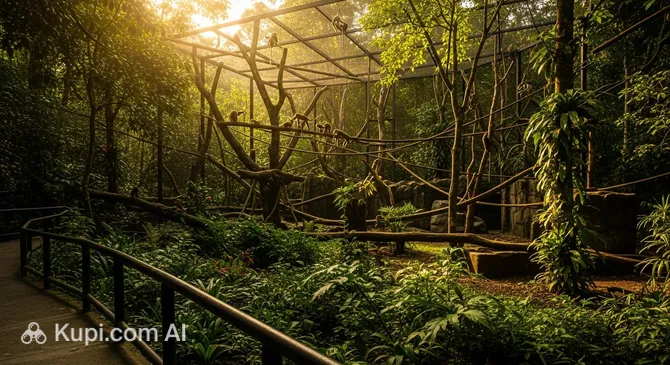
While the nights are for relaxation, the daytime offers a different kind of excitement. Beyond the adrenaline sports, there are plenty of family-friendly attractions to fill the hours before sunset. Animal lovers should visit the Arenal Jungle Zoo, which offers a chance to see reptiles, birds, and mammals up close in a well-maintained environment. These daytime excursions set the perfect pace for a trip that balances exploration with the town's tranquil evening charm.

Arenal Jungle Zoo. Source: Kupi.Binoculars

Parks & Museums

In La Fortuna, the concept of a "museum" is turned inside out; here, the exhibits are alive, breathing, and growing under the tropical sun. Rather than enclosed halls filled with artifacts, the city's cultural and natural heritage is best experienced through its lush reserves and "living museums" dedicated to the region's agricultural roots. The green spaces are not just parks but vibrant ecosystems, while the galleries are the fertile plantations that tell the story of Costa Rica's history.

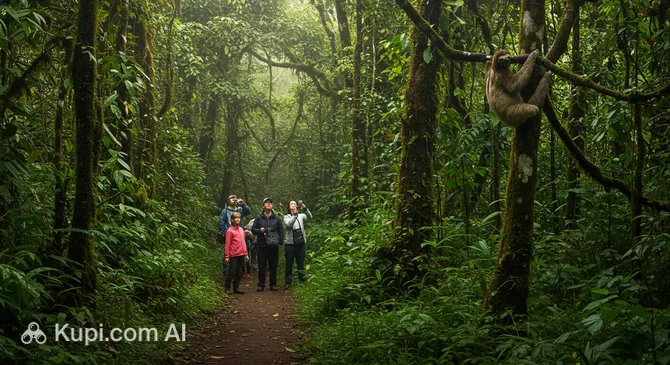
For those eager to spot wildlife without venturing too far into the rugged wilderness, the Sloth Watching Trail, La Fortuna is a pristine example of a protected natural area within reach. This privately protected reserve is designed to offer visitors a high probability of sighting two-toed and three-toed sloths in their natural habitat. The trail winds through secondary forest, providing a safe haven not only for these slow-moving mammals but also for colorful toucans, red frogs, and iguanas. It is a peaceful walk that highlights the community's dedication to preserving nature alongside tourism.

Sloth Watching Trail, La Fortuna. Source: Kupi.Binoculars

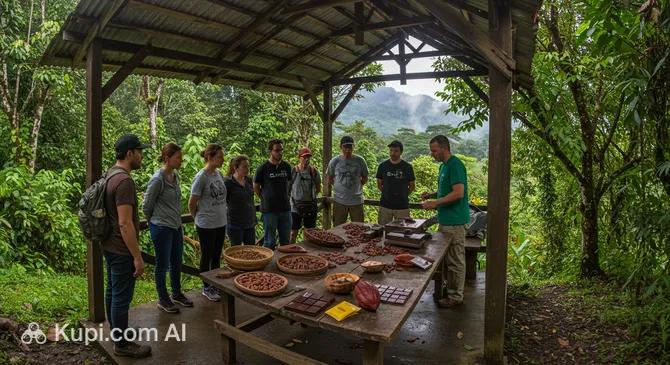
While La Fortuna does not boast traditional art museums, it offers immersive cultural experiences that trace the history of its most precious crops. The Rainforest Chocolate Tour functions as a historical museum of cacao, a fruit considered "a gift of the Gods" by indigenous cultures. Visitors are taken on a journey through time, learning about the ancient significance of cacao in pre-Columbian Mesoamerica before participating in the hands-on process of harvesting, fermenting, and grinding the beans to create traditional chocolate.

Similarly, the Don Juan Coffee and Chocolate Tour offers a comprehensive look at the country's agricultural identity. This family-owned farm acts as a cultural center where the "Grano de Oro" (Golden Grain—coffee) takes center stage. The tour preserves the folklore and traditions of the Costa Rican "campesino" (farmer), showcasing the iconic colorful oxcarts and the meticulous labor involved in producing world-class coffee. It is an educational experience that connects the palate with the heritage of the land.

Rainforest Chocolate Tour. Source: Kupi.Binoculars

In terms of architectural landmarks, the town is dominated by the charming Parroquia San Juan Bosco. Located directly in front of the central park, this Catholic church is the heart of the community. Its simple yet elegant design features a beautiful garden and a spire that points towards the volcano. The church grounds and the adjacent central park are the primary gathering spots for locals, offering a clear view of the Arenal Volcano on sunny days, framing the man-made structure against the majestic power of nature.

For a more active way to experience the region's natural "galleries," many travelers turn to the Desafio Adventure Company. While not a park itself, this operator specializes in taking visitors deep into the remote canyons and river valleys that are otherwise inaccessible. Their excursions into the "Lost Canyon" provide a raw and authentic encounter with the rainforest's geology, acting as a gateway to the hidden waterfalls and cliffs that define the landscape of Alajuela.

Getting Around

The public transport system in La Fortuna is quite different from what you might find in a large metropolis. Given the town's relatively small size and rural setting, there is no metro, tram, or train service. Instead, the local transportation network relies entirely on the road infrastructure. For visitors, this means getting around involves a mix of public buses, official taxis, and privately operated shuttle services, which often function as the primary mode of transit for tourism-related activities.

Public buses are the most economical option, though they are geared more towards connecting La Fortuna with neighboring towns (like Tilarán, San Ramón, or Ciudad Quesada) rather than providing frequent stops within the tourist zone itself. There is no central bus terminal building; instead, the main bus stop is located just south of the central park (Parque de La Fortuna). These buses are generally comfortable and reliable, but their schedules can be infrequent, often running only a few times a day to specific destinations.

Regarding payment, the system is traditional and cash-based. There are no electronic travel passes, smart cards, or mobile apps for paying bus fares in La Fortuna. You must pay the driver directly upon boarding. It is highly recommended to carry local currency (Costa Rican Colones) in small denominations, as drivers often cannot change large bills. Fares are very affordable, typically costing less than a dollar for short local trips, but prices vary depending on the distance traveled.

For tourists, the most practical advice is to use the public bus primarily for inter-city travel or getting to specific drop-off points like the entrance to the Waterfall or the hot springs located along the main road. However, be aware that public buses may not stop directly at every hotel or attraction entrance. Operating hours generally run from early morning until early evening, so if you plan to stay out late for dinner or a night tour, you will need an alternative way to return to your accommodation.

Because the public bus network does not cover all the scattered attractions around the Arenal Volcano, official taxis are an essential part of the transport mix. These are easily recognizable: they are red cars with a yellow triangle on the door. They are safe, regulated, and should always use a meter (locally called "la maría"). If a taxi does not have a meter, negotiate the price firmly before getting in. Ride-sharing apps like Uber are available but can sometimes have fewer drivers or longer wait times compared to the capital city.

Given the limitations of public transit for sightseeing, many visitors opt for alternatives such as renting a car or booking shared shuttle vans. Renting a car provides the most freedom to explore the area's spread-out waterfalls, hiking trails, and hot springs at your own pace. Additionally, the town center is flat and compact, making it very popular for bike rentals; cycling is a pleasant way to navigate the immediate vicinity of the town and reach nearby swimming spots.

Finally, a unique feature of transport here is the prevalence of "tourist shuttles." While not public transport in the strict sense, these shared vans operate almost like a bus service for travelers, offering door-to-door connections between hotels and major attractions. They are more expensive than public buses but offer air conditioning and direct routes, bridging the gap in the local infrastructure for visitors.

Accommodation

Accommodation in La Fortuna is as diverse as its natural attractions, catering to every type of traveler, from backpackers on a shoestring budget to honeymooners seeking absolute luxury. The town has developed a robust infrastructure that includes friendly hostels, mid-range family hotels, and world-class resorts, many of which are destinations in themselves.

The location of your stay largely depends on your transportation plans and budget. Downtown La Fortuna is the hub for budget and mid-range options. Staying here places you within walking distance of the central park, supermarkets, restaurants, and the bus stop. It is the most convenient area for those without a rental car, offering a lively local atmosphere. In contrast, the road leading west towards the volcano and Lake Arenal is lined with upscale resorts and lodges. These properties are often set on expansive grounds with direct views of the Arenal Volcano and frequently feature their own private hot springs, offering a more secluded and tranquil experience.

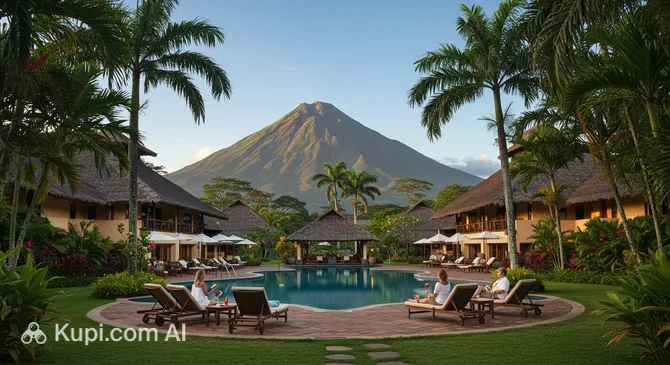
For travelers looking for a comfortable stay with scenic surroundings, La Pradera del Arenal Hotel is a well-regarded option. Situated just outside the main hustle of the town, it strikes a balance between accessibility and nature, offering cabins and rooms that face the volcano, allowing guests to wake up to the majestic sight of the cone.

La Pradera del Arenal Hotel. Source: Kupi.Binoculars

Another unique category of accommodation involves staying directly at the thermal parks. Termalitas del Arenal, primarily known for its recreational pools, also offers lodging facilities. Staying at such a location provides the distinct advantage of having unlimited access to the thermal waters, often allowing guests to enjoy the pools early in the morning or late at night when day visitors have departed.

Booking Tips and Prices:

Prices in La Fortuna vary significantly. A bed in a dormitory can cost as little as $15 USD per night, while luxury thermal resorts can exceed $500 USD per night. The "Green Season" (May to November) often sees lower rates, while the dry high season (December to April) commands premium prices. It is highly recommended to book in advance, especially if you plan to visit during Christmas, Easter, or the peak dry months, as the best-rated hotels sell out quickly. Most properties can be booked via major online platforms, though some smaller family-run lodgings may offer better rates if you contact them directly.

Nearby Cities

Nearby Cities:

For those looking to explore the surroundings, La Fortuna serves as an excellent base for day trips to several interesting nearby locations. While the town itself is a major attraction, the wider region offers a chance to experience the authentic culture and diverse landscapes of the Alajuela province and beyond.

Quesada, often referred to as Ciudad Quesada, is the bustling commercial capital of the San Carlos canton. Located relatively close to La Fortuna, it provides a stark contrast to the tourist-focused atmosphere of the volcano area. Here, visitors can immerse themselves in genuine Tico daily life, visit the impressive Cathedral of San Carlos Borromeo, or explore the local markets known for high-quality leather goods and dairy products.

Another culturally rich destination is San Ramon, affectionately known as the "City of Poets and Presidents." This town is celebrated for its deep historical roots and intellectual heritage. A day trip here might include a visit to its stunning Gothic-revival church and the regional museum, or a tour of the surrounding coffee plantations that thrive in the cool mountain air. For those willing to travel a bit further to the coast, Puntarenas offers a classic port city experience with fresh seafood and ocean views.

City Population Distance (km)
San Ramon80,56646
Naranjo42,71351
Quesada42,06028
Puntarenas41,52858
Palmares34,71651

These nearby destinations offer a glimpse into the diverse culture and landscapes of the region, allowing travelers to broaden their understanding of Costa Rica beyond the rainforests of La Fortuna.

Shopping & Souvenirs

Shopping in La Fortuna is a delightful, low-stress experience that mirrors the town's laid-back atmosphere. Unlike major metropolitan areas filled with high-end fashion boutiques and sprawling commercial centers, the retail scene here is intimate and authentic. Visitors will find a treasure trove of local craftsmanship, focusing primarily on artisanal goods, outdoor gear suitable for the rainforest, and high-quality agricultural products that define the region.

The main hub for shopping is concentrated around the central Parque de La Fortuna and the streets immediately radiating from it. A stroll around the church and the park reveals numerous souvenir shops, art galleries, and small boutiques. This walkable district allows tourists to browse for colorful t-shirts, handmade jewelry, and wood carvings without the need for transportation. As you move slightly further out along the main road (Route 142), you will find larger souvenir stores and supermarkets that cater to both locals and visitors stocking up on supplies.

Travelers should not expect to find large, American-style shopping malls in this rural town. The retail landscape is characterized by small, open-air commercial plazas rather than enclosed complexes. These plazas often host a mix of pharmacies, banks, and clothing stores, providing all the essentials in a convenient setting. The charm of shopping here lies in exploring independent storefronts rather than navigating department stores.

For those seeking the most authentic edible souvenirs, the best strategy is to buy directly from the producers. Coffee and chocolate are the region's "black gold," and purchasing them at the source ensures freshness and supports local farmers. The gift shop at the North Fields Coffee Tour is an excellent place to pick up bags of gourmet coffee that you have seen processed right on the farm. Similarly, the Don Juan Coffee and Chocolate Tour offers a variety of organic chocolate bars and coffee blends that make for perfect gifts to bring back home.

North Fields Coffee Tour. Source: Kupi.Binoculars

Beyond food, popular souvenirs include traditional Costa Rican crafts. Look for items made from Balsa wood, which is lightweight and often carved into colorful masks or animal figurines. Ceramics and vibrant paintings depicting the Arenal Volcano are also widely available. It is worth visiting the local artisan markets or stands that often pop up on weekends near the central plaza, where you can sometimes meet the artists themselves.

Most shops in La Fortuna operate from approximately 9:00 AM to 7:00 PM, though many souvenir stores and mini-markets near the center stay open later, until 8:00 PM or 9:00 PM, to accommodate tourists returning from evening tours. Payment is easy, with US Dollars and Costa Rican Colones accepted almost everywhere. Major credit cards (Visa and Mastercard) are widely used, even for relatively small purchases, though carrying some cash is advisable for small vendors.

Regarding taxes, the 13% Value Added Tax (VAT) is typically included in the final price displayed on shelf tags in supermarkets and shops, so the price you see is usually the price you pay. Costa Rica does not have a widespread, instant tax-refund system for general tourists in small towns like La Fortuna, so visitors should not expect to claim VAT refunds on standard souvenirs or clothing purchases at the airport.

Reached the end of the page?

That means the route is fully explored