Support

Managua

About

Welcome to Managua, the vibrant capital and largest city of Nicaragua. As the economic and cultural heartbeat of the nation, this bustling metropolis offers a unique atmosphere where urban energy meets tropical nature. Situated on the southern shores of Lake Managua (Xolotlán), the city is home to over a million residents and serves as the primary gateway for travelers exploring the country.

The history of Managua is a fascinating tale of resilience and transformation. Having evolved from a small indigenous fishing town into a sprawling modern capital, the city has weathered natural challenges to become a dynamic center of commerce and life. Its layout and architecture tell the story of its past, blending newer developments with remnants of previous eras.

Managua. Source: Kupi.Binoculars

Visitors will find plenty of intriguing sights to explore. The Puerto Salvador Allende is a favorite among locals and tourists alike, offering a lively waterfront boardwalk lined with restaurants, kiosks, and beautiful views of the lake. For a touch of heritage, the historic center features the iconic shell of the Old Cathedral of Managua, while the Tiscapa Lagoon Natural Reserve provides a green oasis with panoramic views over the city and distant volcanoes.

Whether you are interested in local culture, seeking culinary delights, or simply passing through on your way to other destinations, Managua invites you to discover its hidden gems and warm hospitality. It is a city that rewards the curious traveler with authentic experiences and a deep dive into the local lifestyle.

Weather Overview

Managua experiences a tropical climate characterized by consistent warmth and two distinct seasons. Travelers can generally expect high temperatures year-round, making lightweight clothing suitable for any visit. The weather in Managua is defined by a clear shift between dry months and a period of frequent rainfall, which significantly shapes the local atmosphere.

The dry season typically spans from December to April, offering the most stable conditions for outdoor exploration. During months like January and February, rainfall is virtually non-existent with 0 wet days recorded, and the skies remain clear. As the season progresses, the heat intensifies; April is often the hottest month, with average temperatures reaching 29.6°C and daily highs peaking around 34.8°C.

From May through October, the city enters its wet season. While the air remains warm with average temperatures hovering between 26.8°C and 29.1°C, the frequency of rain increases dramatically. September and October are particularly active, with precipitation occurring on up to 25 to 26 days per month. Despite the regular showers, the city stays green and vibrant, though visitors should come prepared for humid conditions and sudden downpours.

Interesting Facts

Beyond the main attractions, Managua holds many fascinating secrets that reveal the city's resilient spirit and unique character. From its distinctive way of giving directions to its volcanic geography, there are several surprising details to discover.
  • One of the most famous quirks of the city is its lack of formal street names and numbers. Locals navigate using a unique system based on reference points, such as "three blocks from where the little tree stood" or "towards the lake," which often bewilders but charms first-time visitors.

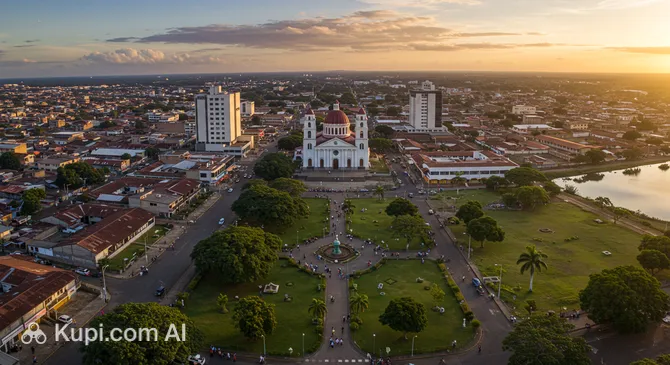
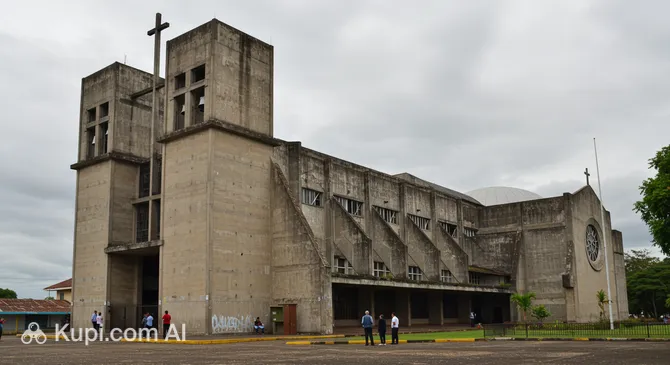
  • The Metropolitan Cathedral of the Immaculate Conception of Mary is an architectural marvel distinguished by its roof, which features 63 illuminated domes. These cupolas are said to symbolize the number of Catholic parishes that existed in Nicaragua at the time the cathedral was built.

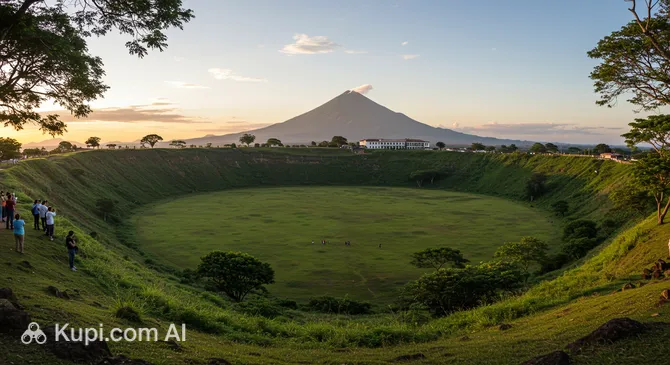
  • Nature is deeply integrated into the urban landscape, as evidenced by the Tiscapa Lagoon Natural Reserve. This popular spot is actually a flooded volcanic crater located right in the heart of the city, serving as a reminder of the region's intense geological activity.

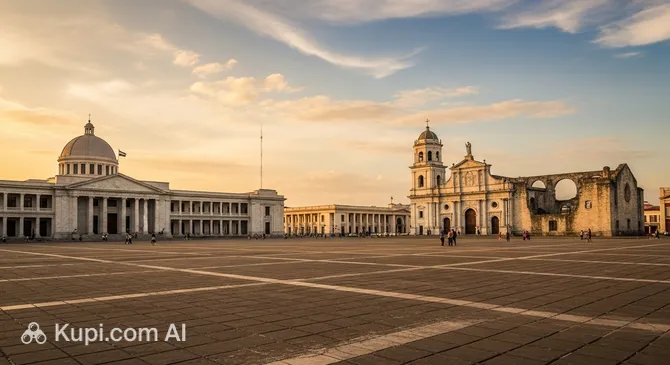
  • The historic Revolution Square offers a glimpse into how the 1972 earthquake permanently altered the city's layout. Unlike traditional dense downtowns, this spacious plaza is surrounded by the preserved shells of former grand buildings, standing as a testament to the capital's history of survival and rebuilding.

Metropolitan Cathedral of the Immaculate Conception of Mary (Managua Cathedral). Source: Kupi.Binoculars

How to Get There

Reaching the Nicaraguan capital is relatively straightforward, with air travel being the most convenient method for international visitors. Most travelers arrive directly at the city's main hub, but there are regional alternatives depending on your itinerary. For a complete overview of all transport options, you can read more about how to get to Managua.

The primary entry point is Augusto C Sandino International Airport (MGA), located directly in Managua. It is the busiest airport in the country, handling a significant volume of international and domestic flights. Situated just 8 km from the city center, it offers quick access to the capital's main districts. A journey by taxi or bus from here typically takes around 30 minutes, making it the most efficient choice for those heading straight to the city.

For travelers planning a broader trip through the region, Liberia Airport (LIR) is another significant hub, although it is located in the city of Liberia, approximately 184.5 km from Managua. While it is a major airport with high passenger traffic, the transfer to Managua is substantial, taking about 5 hours by road. This option is often chosen by those combining a visit to Costa Rica with their Nicaraguan adventure.

Additionally, Costa Esmeralda Airport (ECI) serves the Pacific coast area. It is located in the city of Tola, about 79 km from Managua. This is a smaller facility, primarily catering to tourists visiting the nearby beaches and resorts. The drive to the capital from here takes approximately 2 hours and 20 minutes.

For clarity, here is a summary of the main airports available in the wider region:

Airport Name City Passenger Traffic Km from City
Augusto C Sandino International Airport Managua High 8.0
Liberia Airport Liberia High 184.5
Costa Esmeralda Airport Tola Low 78.9
Nosara Beach Nosara Low 245.0
Fortuna Airport La Fortuna Low 256.7

Main Attractions

Managua offers a diverse array of sights that blend history, nature, and modern recreation. From the haunting beauty of architectural ruins to lively parks and green sanctuaries, the city's landmarks provide a deep insight into its cultural evolution and daily life. Exploring these locations allows travelers to connect with both the past and the vibrant present of the Nicaraguan capital.

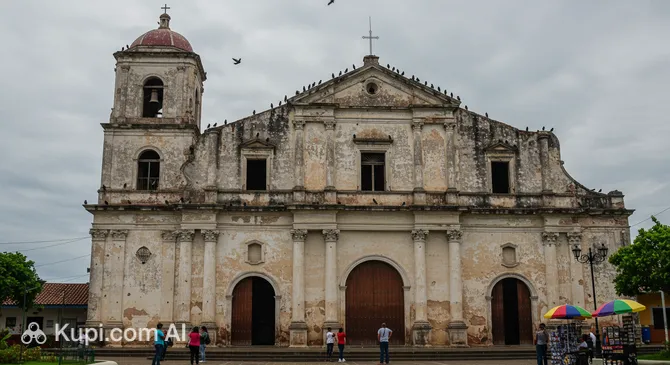
One of the most striking landmarks is the Old Cathedral of Managua (Catedral de Santiago). Located near the lakefront, this neoclassical building was severely damaged during the 1972 earthquake but remains standing as a poignant symbol of the city's history. Visitors are drawn to its hollowed-out shell and intricate facade, which offer a dramatic backdrop for photography and a tangible connection to the capital's resilience.

Old Cathedral of Managua. Source: Kupi.Binoculars

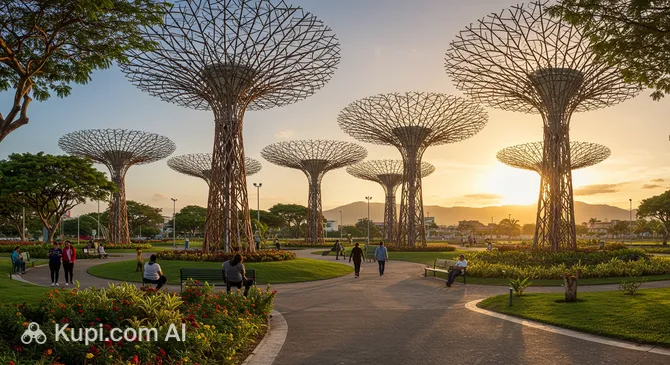
For those seeking outdoor leisure and family-friendly activities, the Luis Alfonso Velásquez Flores Park is the largest urban park in the city. This expansive recreational area features sports courts, playgrounds, and a boating lake, making it a hub of activity for locals and tourists alike. It is a perfect spot to observe local life, enjoy a walk, or attend various cultural events that frequently take place within its grounds.

Luis Alfonso Velásquez Flores Park. Source: Kupi.Binoculars

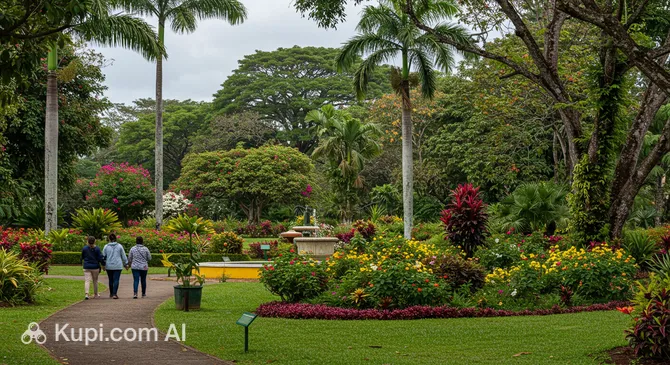
Nature enthusiasts will appreciate a visit to the National Arboretum. This botanical sanctuary is dedicated to preserving Nicaragua's diverse flora, housing hundreds of species of trees from the country's different ecological zones. It provides a peaceful escape from the urban bustle, offering educational trails where visitors can learn about the native ecosystem and enjoy the shade of towering trees.

National Arboretum. Source: Kupi.Binoculars

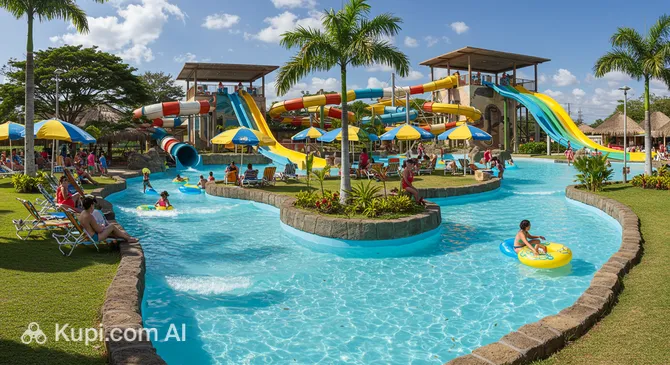
Another popular destination for relaxation is the Parque Acuático, located along the vibrant Paseo Xolotlán. This water park is an excellent place to cool off in the tropical heat, featuring slides and pools that appeal to visitors of all ages. Its location on the waterfront allows for a pleasant combination of aquatic fun and scenic strolls along the lake, with plenty of nearby kiosks and cafes to enjoy.

Parque Acuático. Source: Kupi.Binoculars

Local Cuisine

The culinary scene in Managua is a flavorful reflection of Nicaragua’s heritage, blending indigenous corn-based traditions with Spanish influences. The city is a fantastic place to dive into authentic "Nica" cuisine, which is known for being hearty, savory, and generous in portion. Whether you are dining in an upscale restaurant or grabbing a bite at a local market, the food here is prepared with pride and fresh local ingredients.

No visit to the capital is complete without trying the national dish, Gallo Pinto, a delicious mixture of fried rice and red beans typically served with eggs, cheese, or plantains for breakfast. Another weekend staple is the Nacatamal, a large dumpling made of seasoned corn dough filled with pork, potatoes, and herbs, all steamed within a plantain leaf. For meat lovers, Managua is famous for its high-quality beef, particularly the Churrasco, a tender cut of grilled steak often served with a chimichurri-style sauce.

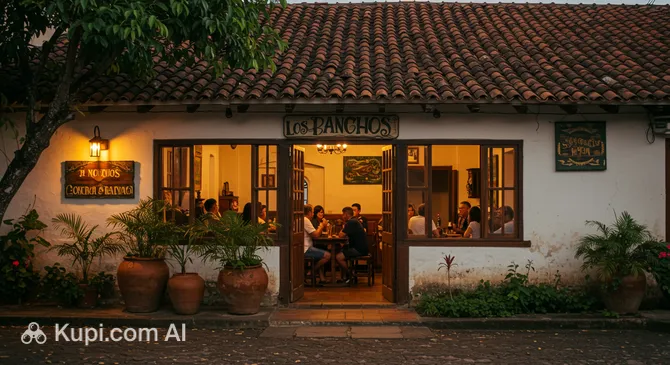
For a classic dining experience centered around these grilled specialties, Los Ranchos is a legendary establishment in the city. It is widely regarded for its expertise in preparing meats and offers a traditional atmosphere where visitors can enjoy one of the best steaks in town.

Los Ranchos. Source: Kupi.Binoculars

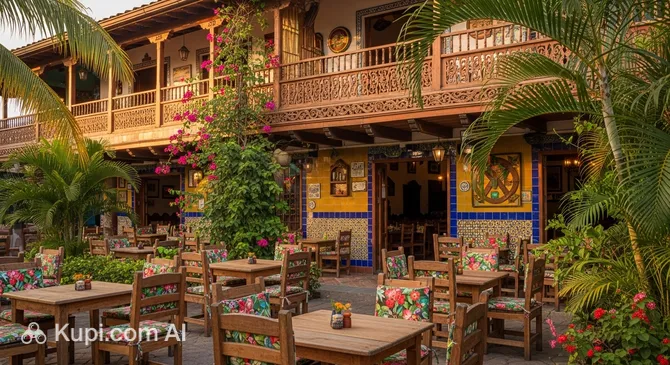
Street food culture is vibrant and essential to the Managua experience. As evening falls, "Fritangas" (food stalls) open up across neighborhoods, serving grilled meats, fried cheese, and plantains in two forms: Tajadas (crispy fried green plantain chips) or Maduros (sweet, soft ripe plantains). If you prefer a sit-down environment to explore these local flavors, El Patio de la Abuela is a popular spot that serves authentic Nicaraguan home-style cooking in a comfortable setting.

El Patio de la Abuela. Source: Kupi.Binoculars

To quench your thirst, try the traditional non-alcoholic drink Pinolillo, made from toasted corn and cacao, usually served in a dried gourd called a jícara. For something stronger, Nicaragua is renowned for its premium rum, Flor de Caña, which can be enjoyed neat or in cocktails. The local beer, Toña, is also a favorite for cooling off in the tropical heat. Visitors looking to enjoy a drink in a lively atmosphere might head to places like Chichen Itza Bar or La Estación Central to experience the local nightlife.

Travel Tips

Exploring Managua is an adventure that requires a bit of local know-how to truly enjoy its unique rhythm and hidden charms. To help you navigate the Nicaraguan capital with confidence and ease, here are some essential practical tips for your journey.

  1. Clothing and Gear: Given the tropical heat, lightweight and breathable fabrics like cotton or linen are your best friends. Pack comfortable walking shoes, as pavements can be uneven. If you are visiting during the wet season (May to October), a waterproof jacket or umbrella is essential. While casual wear is the norm, remember to dress modestly when visiting churches, covering shoulders and knees.
  2. Transportation: Public buses are colorful and cheap but can be crowded and confusing for first-time visitors. The most convenient way to get around is by taxi. Important: Taxis in Managua do not use meters, so you must negotiate and agree on the fare before getting in. For added safety, ask your hotel or restaurant to call a radio taxi for you, or use ride-hailing apps available in the region.
  3. Finances: The local currency is the Nicaraguan Córdoba (C$), though US dollars are widely accepted at hotels, large restaurants, and supermarkets. However, it is wise to carry Córdobas for small purchases, street food, and taxis. ATMs are readily available at shopping malls and gas stations. Tipping around 10% is customary in restaurants if service is not already included.
  4. Health and Safety: It is recommended to drink bottled water rather than tap water to avoid stomach issues. Pharmacies are common and often marked with a green cross; many in the city center are open 24/7. Regarding safety, avoid walking alone at night, even short distances. Stick to well-lit areas and keep expensive electronics or jewelry out of sight.
  5. Communication: Spanish is the official language, and English is not widely spoken outside of major hotels and tourist businesses. Learning a few basic phrases like "Buenos días" (Good morning) and "Gracias" (Thank you) will go a long way. Buying a local SIM card from providers like Claro or Tigo is affordable and easy to do at the airport or shopping centers to stay connected.
  6. Local Etiquette: Nicaraguans are generally warm and polite. Greetings are important; a handshake and a friendly "Hola" are standard when meeting someone. If you are invited to a local's home, it is polite to arrive a few minutes late rather than strictly on time, adhering to the relaxed "Latino time" culture.
  7. What to Avoid: Avoid taking photos of government buildings, military personnel, or police officers, as this is strictly prohibited and can lead to trouble. Also, avoid hailing unmarked cars; always look for official taxis which typically have red license plates and the coop number painted on the side.
  8. Navigating the City: Be prepared for Managua's unique address system. Instead of street names and numbers, locals use reference points (e.g., "from the big tree, 2 blocks south"). It is helpful to have the specific location of your destination marked on a digital map on your phone to show drivers, as this bridges the gap between the traditional system and modern navigation.

By keeping these practical tips in mind, you will be well-prepared to experience the warmth and vibrancy of Managua safely. Embrace the local customs, enjoy the tropical atmosphere, and let the city's unique character surprise you.

Entertainment & Nightlife

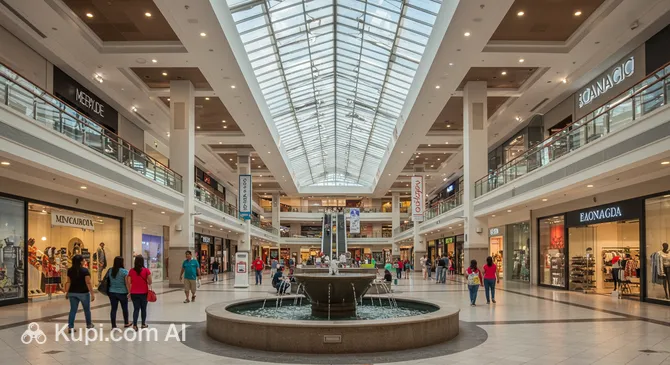
For those looking to indulge in some retail therapy, Managua offers several modern commercial hubs that serve as gathering spots for locals. Metrocentro is one of the city's most prominent shopping malls, conveniently located in the heart of the capital. It features a wide variety of international brand stores, a cinema, and numerous dining options, making it a perfect place to escape the heat and enjoy a leisurely afternoon. Nearby, Plaza Eclipse provides additional options for shopping and entertainment, catering to diverse tastes and budgets.

Metrocentro. Source: Kupi.Binoculars

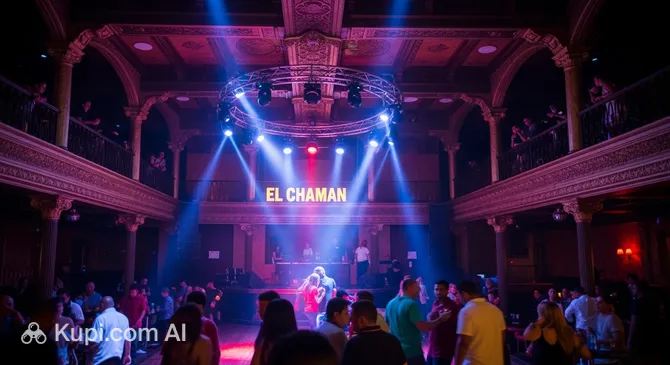
When the sun sets, the city transforms into a lively center for nightlife, with music and dancing playing a central role in the local culture. El Chaman is a legendary nightclub known for its energetic atmosphere and eclectic mix of music, ranging from electronic beats to Latin rhythms. It is a favorite among those who want to dance the night away in a vibrant setting. Another popular venue is the Lounge BB Club, which offers a stylish environment for enjoying cocktails and socializing with friends.

El Chaman. Source: Kupi.Binoculars

Travelers interested in the arts should not miss the PAC Cultural Center. This institution is a hub for contemporary artistic expression in Managua, hosting rotating exhibitions, workshops, and cultural events. It provides a unique insight into the creative pulse of Nicaragua, showcasing works by both established and emerging artists. A visit here offers a thoughtful counterpoint to the city's bustling commercial and nightlife scenes.

PAC Cultural Center. Source: Kupi.Binoculars

Parks & Museums

Managua’s green spaces and cultural institutions offer a fascinating window into the city’s soul, blending volcanic geology with deep-rooted history. From hilltop reserves offering panoramic views to squares surrounded by architectural heritage, the capital provides diverse settings for exploration and reflection. Whether you are looking to delve into the nation's past or simply enjoy a quiet afternoon outdoors, these locations are essential stops on your itinerary.

Dominating the city’s skyline, the Tiscapa Lagoon Natural Reserve is more than just a geological wonder; it is a historical park of great significance. Perched on the lip of an extinct volcanic crater, this reserve offers some of the best views of Managua and the lake beyond. Visitors can explore walking trails, learn about the site's history, or admire the iconic silhouette sculpture of General Augusto C. Sandino that stands guard over the city. For the adventurous, a canopy tour provides a thrilling way to experience the lush vegetation surrounding the lagoon.

Tiscapa Lagoon Natural Reserve. Source: Kupi.Binoculars

In the heart of the historic center lies Revolution Square (Plaza de la Revolución), a vast open space that serves as a testament to the city's resilience. This plaza is an open-air museum in itself, flanked by the ruins of the Old Cathedral and the imposing Palacio Nacional de la Cultura. The Palace houses the National Museum, where visitors can journey through Nicaragua’s timeline, viewing pre-Columbian ceramics, paleontological exhibits, and contemporary art, all within one of the few monumental buildings to survive the 1972 earthquake.

Revolution Square. Source: Kupi.Binoculars

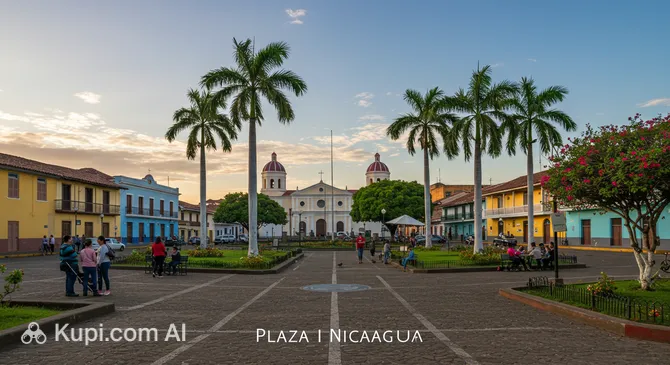
For a more relaxed urban experience, Plaza Nicaragua offers a pleasant environment for locals and tourists to unwind. This promenade is designed as a community hub, featuring green areas and space for leisure walks. It is a great spot to observe daily life in the capital, enjoy the tropical breeze, and take a break from the bustling city streets in a well-maintained setting.

Plaza Nicaragua. Source: Kupi.Binoculars

Another unique cultural landmark worth mentioning is the Acahualinca Footprints Museum (Museo Sitio Huellas de Acahualinca). Located near the lakefront, this site preserves the fossilized footprints of people and animals fleeing a volcanic eruption over 6,000 years ago. It provides a rare and tangible connection to the ancient inhabitants of the region, making it a compelling destination for history enthusiasts.

Getting Around

Navigating Managua requires a bit of adventurous spirit, as the city lacks a subway or tram system. The public transport network relies almost entirely on buses, supplemented by a vast fleet of taxis and motorized rickshaws. While the system might seem chaotic to first-time visitors, it is incredibly affordable and covers nearly every corner of the sprawling capital.

The backbone of local transport is the urban bus system. These buses, often recognizable by their specific color schemes depending on the route, connect the city's various districts. There are no fixed timetables, but frequencies are generally high during the day. However, travel can be slow due to heavy traffic and frequent stops. It is important to know that Managua does not have a metro, light rail, or trolleybus network; the bus is the primary mass transit option.

For payment on the official city buses, cash is generally not accepted. Instead, Managua utilizes an electronic card system known as the TUC card (Tarjeta de Uso Común) or MPESO. Tourists must purchase this rechargeable card to board. The fare is exceptionally low, fixed at a subsidized rate (often around 2.50 córdobas), making it one of the cheapest public transport rides in the region. You cannot pay the driver directly, so having a card with credit is essential before you board.

Travelers can buy and recharge TUC cards at numerous authorized agents throughout the city, often found in small convenience stores (pulperías), pharmacies, or dedicated kiosks marked with the MPESO logo. To validate your ride, simply tap the card on the reader located at the front of the bus upon entry. If you find yourself without a card, it is sometimes possible to ask a fellow passenger to tap theirs for you in exchange for the cash equivalent, though this relies on the kindness of strangers.

Taxis are a very popular alternative and operate differently than in many other capitals. Most taxis in Managua function as "colectivos" (collective taxis), meaning the driver may pick up other passengers going in the same direction along the way. Taxis do not use meters. You must negotiate and agree on the fare with the driver before getting into the vehicle. Fares are typically calculated per person and by zone.

For short distances within neighborhoods, you will see Caponeras (motorized tricycles or tuk-tuks). These are ideal for "last-mile" trips, such as getting from a bus stop to a specific house or market. They are inexpensive and offer a breezy, albeit bumpy, way to move around local areas. Like taxis, the price should be agreed upon in advance.

Regarding ride-hailing apps, global giants like Uber generally do not operate in Managua. However, alternative apps such as inDriver or local taxi dispatch services are available and can be a safer, more comfortable option for tourists who prefer fixed prices and tracked rides. Car rentals are available at the airport and city center but are recommended only for those comfortable with aggressive driving styles and complex navigation.

Buses typically run from early morning (around 5:00 AM) until about 9:00 PM or 10:00 PM. However, for safety reasons, tourists are advised to use private taxis or ride-hailing apps after dark rather than public buses. During the day, keep an eye on your belongings, as buses can get very crowded.
Accommodation

Where to Stay:

Finding the right place to stay in Managua is relatively easy, as the city offers a broad spectrum of accommodation options to suit various needs and budgets. From high-end international business hotels to charming family-run guesthouses and backpacker hostels, the capital is well-equipped to host travelers. Unlike traditional tourist cities where accommodation is clustered around a single historic center, Managua’s lodging is spread across several key districts, each offering a different vibe and level of convenience.

For those seeking comfort and modern amenities, the area surrounding the Metrocentro shopping mall and the highway to Masaya is the most popular choice. This district is considered the new downtown and is home to major luxury chains and business hotels. Staying here places you within walking distance of shopping centers, cinemas, and a variety of dining options. It is an ideal location for business travelers or tourists who prefer a lively, urban atmosphere with easy access to transport.

Travelers looking for a quieter, more residential feel often prefer the neighborhoods of Los Robles and Bolonia. These areas are characterized by tree-lined streets and host a number of mid-range boutique hotels and bed-and-breakfasts. These districts are known for their safety and are packed with trendy cafes, bars, and some of the city's best restaurants. It is a great compromise between accessibility and relaxation, offering a more local experience than the large hotel chains.

Budget travelers and backpackers will find plenty of affordable hostels, particularly near the UCA bus terminal and in the university areas. These accommodations often provide dormitory beds, communal kitchens, and a social atmosphere, making them perfect for meeting other travelers before heading out to Granada or Leon. While basic, they are generally clean and friendly, often organizing shuttles to major attractions or the airport.

Booking Tips and Prices:

Accommodation prices in Managua are generally very reasonable compared to North American or European standards. You can find comfortable mid-range rooms for a fraction of what they would cost elsewhere. While it is possible to find a room upon arrival, it is highly recommended to book in advance, especially if you are visiting during the dry season (December to April) or if your trip coincides with major business conferences. Most hotels and hostels can be booked via major online platforms, though some smaller, family-run establishments may still appreciate direct contact via email or WhatsApp for the best rates.

Nearby Cities

For those looking to explore the surroundings, Managua serves as an excellent base for day trips to several interesting nearby locations:

City Population Distance (km)
Masaya 139582 23
Tipitapa 108457 26
Granada 105171 36
Ciudad Sandino 75083 14
Diriamba 57542 28

Just a short drive from the capital lies Masaya, known as the "City of Flowers." It is a top destination for those interested in Nicaraguan culture and nature. The city is famous for its vibrant Artisan Market, where visitors can buy leather goods, ceramics, and hammocks. Nearby, the Masaya Volcano National Park offers the rare opportunity to drive right up to the edge of an active crater and peer into the smoking mouth of the volcano.

A little further south is the stunning colonial city of Granada. Founded in 1524, it is one of the oldest cities in the Americas and features colorful Spanish-style architecture, historic churches, and cobblestone streets. Situated on the shores of Lake Nicaragua, it is also the jumping-off point for boat tours to the beautiful Isletas de Granada, a group of small islands formed by ancient volcanic activity.

For travelers interested in folklore and a cooler climate, Diriamba is another excellent option. Located in the highlands, it is known as the "Cradle of the Güegüense," a satirical drama declared a Masterpiece of the Oral and Intangible Heritage of Humanity by UNESCO. The city offers a more relaxed pace and a chance to experience the authentic traditions of the Carazo region.

These nearby destinations offer a glimpse into the diverse culture and landscapes of the region.

Shopping & Souvenirs

Shopping in Managua offers a fascinating contrast between modern convenience and traditional commerce. The city serves as the primary commercial hub for the country, providing everything from high-end international brands in air-conditioned malls to handcrafted artisanal goods in bustling local markets. Whether you are looking to update your wardrobe with the latest fashions or search for unique cultural treasures, the capital has a diverse range of options to satisfy every type of shopper.

For a contemporary retail experience, the city's shopping centers are the go-to destinations. Metrocentro is widely considered the heart of modern shopping in Managua. Located centrally, it houses a vast array of department stores, electronics shops, and fashion boutiques, making it a convenient one-stop location for travelers. It is also a popular social gathering spot, offering a comfortable escape from the tropical heat.

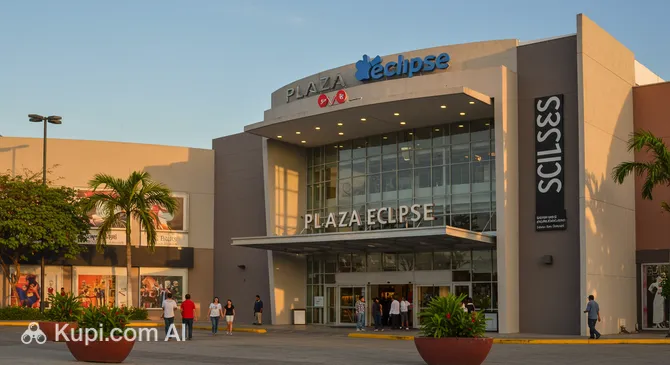
Another notable destination is Plaza Eclipse, which offers a mix of shopping and entertainment options. These malls are not just about buying goods; they are lifestyle hubs where locals and visitors alike come to dine, watch movies, and enjoy a polished urban atmosphere. The areas surrounding these centers, particularly along the Masaya Highway, are lined with additional commercial plazas and standalone stores.

Plaza Eclipse. Source: Kupi.Binoculars

To truly experience the local culture, a visit to the city's markets is essential. The Mercado Roberto Huembes is the most recommended market for tourists. Unlike the chaotic and overwhelming Mercado Oriental, Huembes is cleaner, safer, and easier to navigate. It features a dedicated "Arts and Crafts" section where you can find a comprehensive selection of Nicaraguan handicrafts from all over the country without having to travel to the individual artisan towns.

When looking for souvenirs, Managua is an excellent place to purchase authentic Nicaraguan goods. Popular items include high-quality leather products like bags and belts, colorful hand-woven hammocks from Masaya, and intricate pottery. Nicaragua is also famous for its premium rum and cigars, which can be bought at competitive prices in supermarkets or specialty shops within the city. Coffee lovers should not leave without a bag of locally grown beans, which are renowned for their rich flavor.

Most shopping malls and supermarkets in Managua operate daily, typically opening around 10:00 AM and closing between 8:00 PM and 9:00 PM. Markets, however, start their day much earlier, often at sunrise, and begin to wind down by late afternoon, around 4:00 PM or 5:00 PM. While credit and debit cards are widely accepted in malls, restaurants, and larger stores, cash is king in the markets and smaller street stalls. It is advisable to carry small denominations of Nicaraguan Córdobas for these transactions.

Regarding taxes, Nicaragua employs a Value Added Tax (IVA) of 15%, which is usually included in the marked price of goods in supermarkets and malls. Unlike some European destinations, there is no formal or widely accessible tax-refund system for tourists upon departure. Visitors should plan their budget assuming that the price they see on the shelf is the final price they will pay.

Reached the end of the page?

That means the route is fully explored