Support

Balboa

About

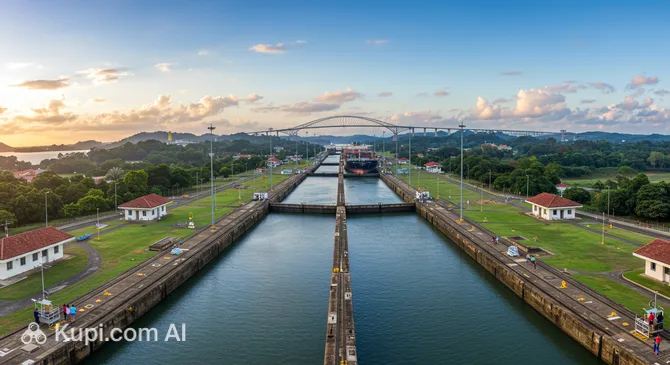
Balboa is a historic and scenic district located at the Pacific entrance of the famous Panama Canal. Unlike the towering skyscrapers of the nearby capital, this area is characterized by its lush greenery, orderly layout, and distinct architectural style. Situated within Panama, Balboa serves as a major port and a window into the country's pivotal maritime heritage.

Although the registered population is modest, with around 2,700 residents, the area is rich in significance. It was formerly the administrative center of the Canal Zone, and this legacy is evident in its town planning. Visitors interested in the past can explore the history of Balboa to learn more about its transformation from a swampy area to a model town named after the Spanish conquistador Vasco Núñez de Balboa.

Balboa. Source: Kupi.Binoculars

The district is home to several notable landmarks that attract travelers from around the world. The imposing Panama Canal Administration Building stands atop a hill, offering impressive murals and views of the area. Nearby, the Goethals Memorial honors the chief engineer of the canal. The neighborhood's wide boulevards and tropical gardens make it a pleasant contrast to the busy city center, inviting leisurely exploration.

Whether you are watching massive ships navigate the waterway or admiring the colonial-style homes, Balboa offers a unique glimpse into life along the canal. It is a must-visit destination for anyone looking to understand the engineering marvel that connects two oceans.

Weather Overview

Balboa enjoys a tropical climate characterized by consistent warmth and a distinct rhythm of rainfall. Temperatures remain fairly stable year-round, with daily averages hovering around 26°C to 27°C. The warmest days usually occur in March and April, where maximum temperatures can reach nearly 30°C, while nights remain pleasant with lows around 24°C.

Precipitation patterns vary significantly depending on the season. The driest months are typically February and March, offering the most sunshine and fewest wet days. Conversely, the period from May through November is much wetter, with rain occurring almost daily during the peak of the season in July and August. For more specific forecasts and monthly averages, you can consult the weather in Balboa to help pack the right gear for your visit.

Interesting Facts

Beyond the main attractions, Balboa holds many fascinating secrets that reveal its unique role in history. From architectural marvels designed for the tropics to hidden artistic treasures, there is much to discover in this planned township.

Goethals Monument. Source: Kupi.Binoculars
  • The town was meticulously designed with climate control in mind long before air conditioning became common. The layout of the wide central boulevard, known as "The Prado," was specifically aligned to channel cooling breezes from the bay directly toward the administrative and residential buildings.

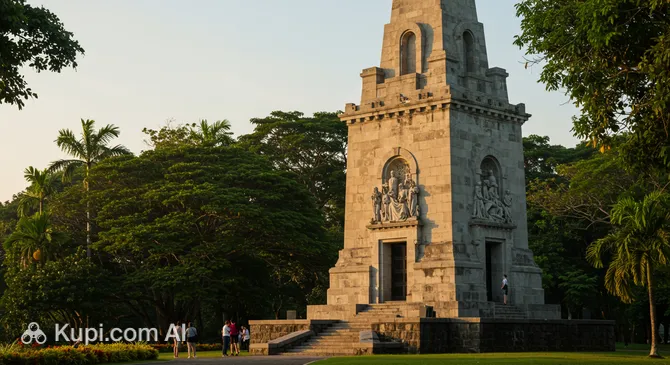
  • The Goethals Monument is highly symbolic in its design. The tall white marble shaft represents the Continental Divide that was severed to create the canal, while the fountains at its base symbolize the waters of Gatun Lake and the operation of the locks.

  • Inside the Administration Building, the famous rotunda murals have a surprising origin. They were not painted on-site but were created by artist William B. Van Ingen in his New York City studio and subsequently shipped to Panama to be installed, immortalizing the monumental labor of the canal's construction.

  • Overlooking the district is Ancon Hill, which has transformed significantly over time. While it is now a protected nature reserve teeming with sloths, toucans, and deer, it originally served as a rock quarry that provided the essential material for building the Canal's locks.

How to Get There

Reaching this historic district is convenient due to its proximity to major transit hubs in Panama. For a comprehensive overview of all travel options, routes, and tips, you can read more about how to get to Balboa.

The most common entry point for international travelers is Tocumen International Airport (PTY). It is located in Panama City, approximately 23 km from Balboa. As the region's major hub, it handles a high volume of global connections. The journey from the airport to Balboa by taxi or bus typically takes around 55 minutes, depending on traffic conditions.

Travelers may also arrive at Panama Pacifico Airport (BLB), which is situated directly in Balboa, roughly 6 km from the main areas of interest. This airport generally serves regional flights and offers a quick transfer time of about 30 minutes. Another nearby option is Marcos A. Gelabert International Airport (PAC) in Panama City. Located just 1.6 km away, it is extremely close to Balboa, with a transfer time of approximately 25 minutes.

For clarity, here is a summary of the main airports:

Airport Name City Passenger Traffic Km from City
Tocumen International Airport Panama City Large 23.2
Panama Pacifico Airport Balboa Medium 6.2
Marcos A. Gelabert International Airport Panama City Medium 1.6
Bocas Del Toro Bocas del Toro Small 298.4
Rio Hato (Scarlett Martinez International) Penonome Small 89.8

Main Attractions

Balboa offers a fascinating mix of historical landmarks and natural beauty, making it a rewarding destination for sightseeing. The attractions here largely reflect the area's deep connection to the Panama Canal and its unique tropical environment, providing visitors with both scenic views and cultural insights.

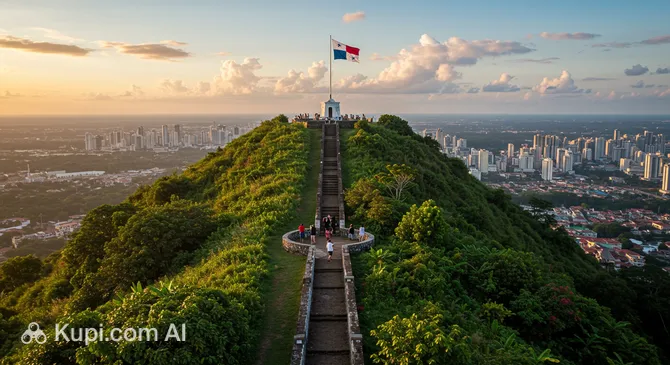
Ancon Hill. Source: Kupi.Binoculars

One of the most popular spots for both locals and tourists is Ancon Hill. This towering hill serves as a natural lookout point, offering spectacular panoramic views of Panama City, the bay, and the canal locks. It is also a protected nature reserve where hikers can frequently spot wildlife such as sloths, toucans, and deer along the paved path. The summit provides a peaceful, green escape just minutes away from the urban center.

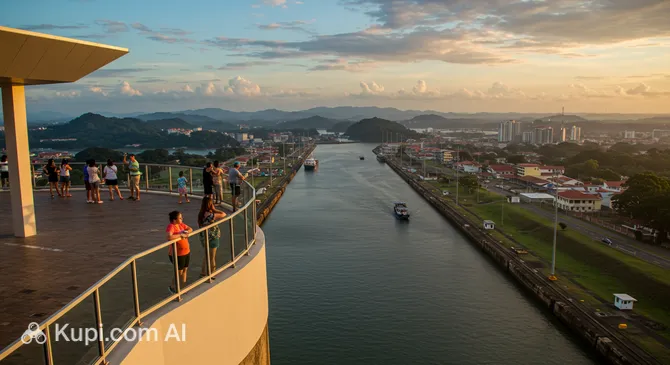
For those seeking impressive vistas of engineering marvels, the Mirador de las Américas is a must-see location. Situated near the entrance to the canal, this lookout point offers a dramatic vantage point of the iconic Bridge of the Americas. It is an excellent spot for photography, allowing visitors to watch massive ships pass beneath the bridge as they navigate the waterway connecting the oceans.

Mirador de las Américas. Source: Kupi.Binoculars

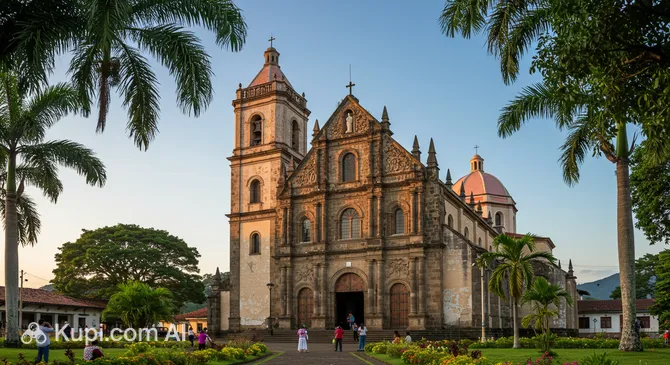
Another significant site is the Don Bosco Minor Basilica. This religious landmark is known for its striking architecture and spiritual importance within the community. The basilica attracts many pilgrims and visitors who come to admire its design and experience its serene atmosphere. It stands as a beautiful testament to the cultural and religious depth of the area.

Don Bosco Minor Basilica. Source: Kupi.Binoculars

Finally, history enthusiasts should visit the Goethals Monument. Dedicated to George Washington Goethals, the chief engineer of the Panama Canal, this distinct white marble structure is surrounded by well-kept gardens. Its design is rich in symbolism, representing the Continental Divide and the waters of the canal, offering a meaningful tribute to the massive effort that shaped the region.

Local Cuisine

The culinary scene in Balboa is a delightful reflection of its maritime heritage and tropical location. Being situated so close to the canal and the Pacific Ocean, fresh seafood is a staple here, often prepared with vibrant Caribbean and Latin American flavors. The dining atmosphere ranges from relaxed, open-air eateries to charming spots where you can enjoy a meal while soaking in the lush, green surroundings of the district.

When it comes to signature dishes, ceviche is an absolute must-try. In this region, raw fish or shrimp is cured in fresh lime juice with onions and hot peppers, typically served with salty crackers or fried green plantains known as patacones. Another classic comfort food is Sancocho, a hearty chicken soup flavored with culantro (a local herb similar to cilantro) and root vegetables like yam. For a taste of casual but delicious seafood, visitors often head to Maagoo’s Fish Tacos & More, which is celebrated for its fresh catch and laid-back vibe.

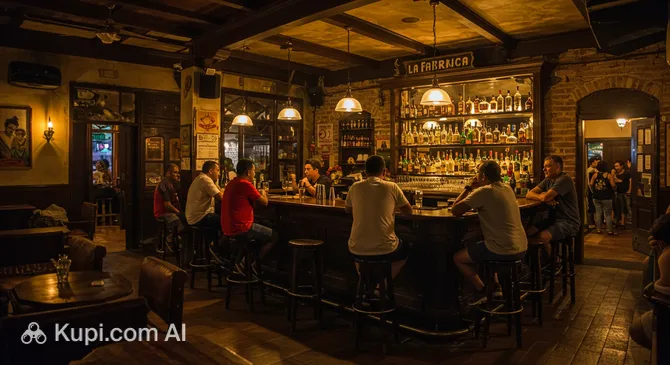
To quench your thirst, you should try the local fruit juices, known as chichas, made from fresh pineapple, papaya, or passion fruit. On the alcoholic side, the national spirit, Seco Herrerano, is widely available, often mixed with milk and ice to create a smooth cocktail. Given the district's name, it is also fitting to enjoy a cold Balboa beer, a local lager that pairs perfectly with the warm weather. For those interested in craft beverages and a lively atmosphere, La Fábrica is a popular gastropub offering a great selection of drinks and artisanal bites.

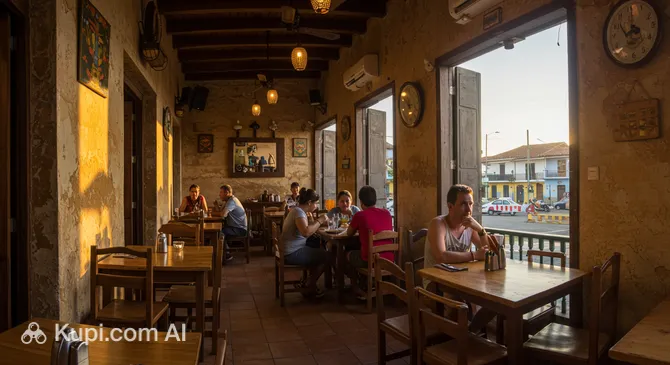
En La Fonda. Source: Kupi.Binoculars

The food culture in Balboa is welcoming and unpretentious. Locals often frequent traditional eateries to enjoy generous portions of home-style cooking. A perfect place to experience this authentic atmosphere is En La Fonda. This restaurant offers a colorful immersion into Panamanian traditions, serving classic dishes like Ropa Vieja (shredded beef) in a setting decorated with local folklore elements, making it a feast for both the palate and the eyes.

Travel Tips

Welcome to Balboa, where the legacy of the Canal Zone meets the vibrant rhythm of the tropics. To help you make the most of your visit to this historic district and ensure a smooth journey, here are some practical tips covering everything from packing essentials to local customs.

  1. Clothing and Gear: Given the tropical climate, lightweight and breathable fabrics like cotton or linen are your best friends. Since rain can be sudden and heavy, especially between May and November, always carry a compact umbrella or a light rain poncho. Comfortable walking shoes are essential for exploring the boulevards or hiking up Ancon Hill. While casual wear is acceptable, dress modestly when visiting religious sites like the Don Bosco Minor Basilica.

  2. Transportation: Balboa is well-connected to the rest of the capital. Ride-hailing apps like Uber and Cabify are the most convenient and safe ways to get around. If you prefer public transit, the Metro Bus system is efficient, but you will need to purchase a rechargeable card (tarjeta) beforehand. While renting a car offers freedom, be prepared for heavy traffic during rush hours in the greater metropolitan area.

  3. Finances: Panama uses the US Dollar as its paper currency. You will encounter local coins called "Balboas" which are equal in value and size to US coins and are used interchangeably. Credit cards are widely accepted in restaurants and shops in Balboa, but it is wise to carry smaller bills for taxis, street vendors, or small cafes. ATMs are readily available throughout the district.

  4. Health and Safety: Tap water in Balboa and Panama City is generally safe to drink, though those with sensitive stomachs might prefer bottled water. Pharmacies (farmacias) are easy to find, and chains like Arrocha often have extended hours. Balboa is considered one of the safer areas, but standard precautions apply: keep valuables secure and avoid walking alone in unlit or isolated areas at night.

  5. Communication: Spanish is the official language, but due to Balboa's history as part of the former Canal Zone, English is widely understood and spoken by many residents and service workers. For mobile data, you can easily purchase a prepaid SIM card from providers like Tigo or +Móvil at supermarkets or the airport. Wi-Fi is commonly available in cafes and hotels.

  6. Local Etiquette: Panamanians are polite and value greetings. A simple "Buenos días" (Good morning) or "Buenas tardes" (Good afternoon) when entering a shop or getting into a taxi goes a long way. Dress neatly when walking around the city; swimwear and shirtless attire are strictly for the beach and are frowned upon in urban settings.

  7. What to Avoid: Avoid wearing camouflage clothing, as it is restricted to security forces in Panama and can cause unnecessary confusion or trouble with authorities. Also, be mindful not to photograph police officers or specific security checkpoints around the Canal infrastructure without permission.

  8. Wildlife Tip: If you plan to hike Ancon Hill to see sloths or toucans, start your walk early in the morning (around 7:00 AM). This not only helps you beat the midday heat but also significantly increases your chances of spotting active wildlife before they retreat into the shade.

By keeping these practicalities in mind, you can focus on enjoying the unique architecture, lush greenery, and fascinating history of Balboa. Have a wonderful and hassle-free trip!

Entertainment & Nightlife

While Balboa is primarily known for its tranquil, residential atmosphere and historic significance, the area transforms as the sun sets, offering a distinct slice of Panamanian nightlife. Unlike the chaotic energy of some downtown districts, the evening scene here is often more relaxed and curated, blending historic architecture with modern entertainment. It is an excellent destination for those who appreciate craft beverages, live music, and unique venues that reflect the local culture.

One of the standout locations for a lively evening is La Fábrica. This gastropub and brewery has become a favorite gathering spot for both locals and visitors. With its industrial-chic decor and a welcoming outdoor patio, it is the perfect place to sample artisanal beers brewed on-site. The atmosphere is casual yet vibrant, often featuring live bands or DJ sets that keep the energy high without being overwhelming. It is an ideal spot to start your night with dinner and drinks before moving on to later entertainment.

La Fábrica. Source: Kupi.Binoculars

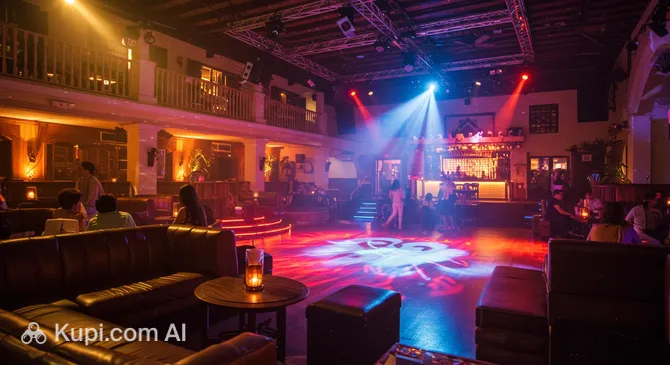
For those seeking a more intense nightlife experience, the Teatro Amador offers a spectacular setting. Housed in a beautifully restored historic theater, this venue is one of the premier nightclubs in the region. The architecture itself is a conversation starter, preserving the elegance of the early 20th century while hosting contemporary electronic music events, salsa nights, and concerts. The crowd here is stylish and diverse, drawn by the high-quality sound system and the unique opportunity to party in a designated heritage building.

Teatro Amador. Source: Kupi.Binoculars

When planning a night out in Balboa, it is helpful to know that the vibe is generally "smart-casual." While places like the brewery are relaxed, nightclubs may have a dress code prohibiting shorts or flip-flops. The best time to experience the nightlife is from Thursday to Saturday when the venues are most active. Prices are comparable to the city center; expect to pay moderate prices for craft cocktails and cover charges for clubs, especially when international DJs are performing.

Safety in Balboa is generally good, as it is one of the more orderly districts. However, for late-night transportation, it is highly recommended to use ride-sharing apps like Uber or call a radio taxi rather than walking long distances in the dark, simply for convenience and peace of mind. Public transport slows down significantly at night, so a pre-arranged ride is the most reliable option for getting back to your accommodation.

Regarding daytime entertainment, Balboa offers a different pace. While it lacks large amusement parks, the entertainment here is deeply rooted in culture and nature. Visitors can spend their days exploring the lush surroundings or watching the ships at the canal. For a more structured cultural experience, the area serves as a gateway to nearby museums and galleries in the Amador and Casco Viejo areas, which are just a short drive away, offering a rich complement to the district's evening offerings.

Parks & Museums

Balboa is widely recognized as a "garden city," where urban planning and nature coexist in perfect harmony. The district was meticulously designed to integrate lush green spaces with residential and administrative areas, resulting in a serene environment that invites visitors to explore its outdoor offerings and cultural heritage.

The heart of the district's greenery is The Prado, a grand boulevard lined with towering royal palms and expansive lawns. It serves as the central spine of the town, connecting the Administration Building to the lower residential areas. This open-air green space is perfect for a leisurely stroll, offering a sense of the orderly, tropical aesthetic that defines the area. It is not just a street but a linear park where locals often walk their dogs or enjoy the shade of massive mango and mahogany trees.

Just a short distance from the center of Balboa lies the Amador Causeway. While technically stretching into the bay, it is the natural recreational extension for anyone staying in Balboa. This long breakwater connects four small islands and offers one of the best walking, jogging, and cycling paths in the country. With the Panama Canal entrance on one side and the Pacific Ocean on the other, it provides fresh sea breezes and stunning views, serving as a vibrant waterfront park for the community.

Although Balboa is more famous for its living history than traditional museums, the Panama Canal Administration Building offers a museum-quality experience that should not be missed. The building's rotunda houses the famous Van Ingen Murals, a set of four massive paintings that vividly depict the monumental construction of the canal. These artistic masterpieces provide a compelling visual narrative of the excavation and engineering efforts, serving as a poignant tribute to the workers who shaped the isthmus.

For a deeper dive into the region's natural history, the BioMuseo is located nearby on the Amador Causeway. Designed by the renowned architect Frank Gehry, this colorful, crumpled-roof structure is an architectural marvel in itself. Inside, the galleries tell the story of how the rise of the Isthmus of Panama changed the world's biodiversity and climate. It is a world-class educational venue that perfectly complements the ecological richness seen around Balboa.

For an authentic insider experience, visit the Ascanio Arosemena Training Center (formerly Balboa High School). It occasionally hosts historical exhibits and is home to an eternal flame monument dedicated to the students of the 1964 events. It is a quiet, poignant site that offers a deeper, more solemn perspective on the area's complex history, often overlooked by the average tourist.

Getting Around

The public transport system in Balboa is fully integrated into the broader network of the capital, offering visitors efficient and affordable ways to get around. The district is strategically located next to the Albrook Grand Transport Terminal, which serves as the central hub for the entire country. This proximity means that travelers in Balboa have immediate access to the modern Metro de Panamá and an extensive network of buses that connect to every corner of the metropolitan area.

The backbone of local transit is the Metro Bus system. These modern, air-conditioned buses operate on major routes throughout the district and connect Balboa to the city center and the Amador Causeway. For rapid transit, the Panama Metro (subway) is an excellent option. The nearest station is Albrook, the terminus of Line 1, which provides a quick and traffic-free journey to downtown areas. The metro is clean, safe, and reliable, making it a favorite choice for tourists and locals alike.

To use public transport, cash is not accepted directly on buses or at metro turnstiles. You must purchase a rechargeable card known as the Tarjeta Metrobus or Rapi-Pass. These cards are available for a small fee at the Albrook terminal, metro stations, and many supermarkets. Fares are remarkably low, typically costing just 35 cents for a metro ride and 25 cents for a standard bus trip. Remember to tap your card upon entering the metro or bus; for the metro, you must also tap out when exiting the station.

For those who prefer more direct transportation, taxis are plentiful in Balboa. Official yellow taxis can be hailed on the street, but they do not use meters, so it is crucial to negotiate and agree on the fare before getting in. Alternatively, ride-sharing apps like Uber and Cabify are widely used and often recommended for tourists. They offer the advantage of fixed pricing, GPS tracking, and the convenience of paying via credit card without the need for language proficiency.

A unique and historic transport feature accessible from the Balboa area is the Panama Canal Railway. While it is primarily a tourist attraction rather than a daily commuter service, this vintage train offers a luxurious daily journey between the Pacific and Atlantic oceans. Departing from a station near Albrook, the train follows a scenic route alongside the canal and through the lush jungle, providing a nostalgic and memorable way to experience the isthmus.

While Balboa’s wide, tree-lined boulevards like The Prado are perfect for walking, the distances between major attractions can be significant. Therefore, combining walking with taxis or public transit is usually the best strategy. For visitors planning to explore the nearby Amador Causeway, renting a bicycle is a popular and enjoyable alternative, allowing you to ride along the oceanfront path with stunning views of the ships entering the canal.

Accommodation

Finding accommodation in Balboa offers a unique opportunity to experience the historic charm of the former Canal Zone. Unlike the high-rise density of downtown Panama City, the options here are generally quieter and more atmospheric. The accommodation landscape primarily consists of bed and breakfasts, small inns, and vacation rentals housed in restored colonial-style wooden buildings. These properties allow visitors to stay in the distinctive "Canal Zone" architecture, surrounded by mango trees and tropical greenery, providing a peaceful retreat just minutes from the city center.

For those seeking larger, full-service hotels, the most convenient area is the adjacent neighborhood of Albrook. Located just a stone's throw from the heart of Balboa, this area features modern mid-range and business hotels, often situated near the Albrook Mall and the domestic airport. Staying here offers the best of both worlds: easy access to the transport hubs and shopping, while being within walking distance or a short taxi ride of Balboa's historic boulevards and the Amador Causeway.

When planning your stay, it is advisable to book well in advance, especially if you plan to visit during the dry season (from January to April). This is the peak tourist period in Panama, and the unique heritage properties in Balboa tend to have limited capacity and fill up quickly. Online booking platforms are the most common and efficient way to secure reservations, though some smaller family-run guest houses may also accept direct inquiries.

In terms of pricing, accommodation in and around Balboa typically falls into the mid-range category. You can find comfortable and authentic stays that are more affordable than the luxury towers in the financial district but slightly pricier than budget hostels found in other parts of the capital. Whether you choose a historic inn or a modern hotel nearby, staying in this area provides a strategic and scenic base for exploring the canal and the surrounding nature.

Nearby Cities

For those looking to explore the surroundings, Balboa serves as an excellent base for day trips to several interesting nearby locations:

Just a few kilometers away lies Panama City, the vibrant capital that offers a stunning contrast to the quiet, orderly streets of Balboa. Visitors can easily spend a day exploring the UNESCO-listed historic district of Casco Viejo, which is filled with restored colonial buildings, charming plazas, and trendy rooftop bars. The city also boasts a modern skyline, world-class dining, and extensive shopping malls, providing a dynamic urban experience close to home.

For a coast-to-coast adventure, a trip to Colón on the Caribbean side is a popular choice. Located about an hour away, it serves as the gateway to the Atlantic entrance of the Panama Canal. Travelers often visit to see the impressive Gatun Locks in action or to shop in the Colón Free Trade Zone, the largest of its kind in the Western Hemisphere. The nearby historic fortifications of Portobelo and San Lorenzo also make this region fascinating for history buffs.

Heading west, La Chorrera offers a taste of authentic local culture and gastronomy. This bustling town is famous across the country for its "bollos" (corn rolls) and "chicheme," a sweet, refreshing corn-based drink that is a must-try for foodies. Nature lovers can also visit El Chorro de La Chorrera, a scenic waterfall located nearby, which provides a refreshing natural escape from the metropolitan area.

City Population Distance (km)
Panama City 1500189 5
San Miguelito 315019 11
Colón 204000 58
Tocumen 74952 26
La Chorrera 68896 25

These nearby destinations offer a glimpse into the diverse culture and landscapes of the region, ranging from modern urban centers to historic Caribbean ports.

Shopping & Souvenirs

Shopping:

Shopping in Balboa is a unique experience that differs significantly from the bustle of downtown commercial districts. Instead of high-end fashion avenues or crowded retail streets, the area offers a more relaxed atmosphere focused on traditional crafts and cultural souvenirs. While the district itself is primarily residential and administrative, it is strategically located next to the country’s largest retail hub, giving visitors the best of both worlds: access to authentic local artisan goods and modern conveniences just minutes away.

Within Balboa itself, the shopping scene is dominated by the search for authentic Panamanian handicrafts. The district does not have a traditional "high street" lined with boutiques. Instead, commerce is concentrated in specific pockets, particularly around the community centers and the artisan markets. This makes for a much more laid-back browsing experience, where you can take your time admiring the craftsmanship without the pressure of crowds.

For those looking for a comprehensive shopping experience, the massive Albrook Mall is the primary destination. Although technically situated in the adjacent Albrook area, it is virtually inseparable from Balboa’s daily life, located just a short drive or bus ride away. This is the largest shopping center in Panama and one of the biggest in Latin America. It features hundreds of stores ranging from international brands to budget-friendly outlets, along with a vast food court and cinema. It is easily recognized by the giant animal statues that mark its various entrances, serving as a convenient landmark for meeting points.

The true gem of shopping in Balboa, however, is the Balboa Artisan Market (Mercado de Artesanías). Located in the heart of the district, this market is one of the best places in the country to find genuine indigenous art. Unlike some tourist traps, the vendors here are often the artisans themselves. It is a colorful and vibrant space where you can find high-quality traditional items, making it an essential stop for anyone wanting to take a piece of Panamanian culture home.

When it comes to souvenirs, the most iconic item to look for is the Mola. These are intricate, multi-layered textile artworks created by the Guna women, featuring geometric patterns or designs inspired by nature. They can be bought as raw fabric squares or incorporated into pillows, bags, and clothing. Other popular purchases include the "Sombrero Pintado" (a traditional woven hat), hand-carved Tagua nuts (often called vegetable ivory), and vibrant woven baskets made by the Emberá-Wounaan people.

Most shops and stalls in Balboa operate from around 9:00 AM to 6:00 PM, though the Albrook Mall stays open later, typically until 8:00 PM or 9:00 PM. Regarding payment, the US dollar is the standard currency. While the large mall and established stores accept credit cards, cash is king at the artisan markets. It is advisable to carry small bills when shopping for handicrafts, as this makes transactions smoother and sometimes allows for a bit of friendly bargaining with the vendors.

Tourists should be aware that Panama has a sales tax (ITBMS) of 7% on most goods and services, which is usually added at the register. While there is no widespread, instant tax-refund system for casual tourists in every shop, the prices for clothing and electronics in the nearby commercial areas are generally considered competitive for the region.
Reached the end of the page?

That means the route is fully explored