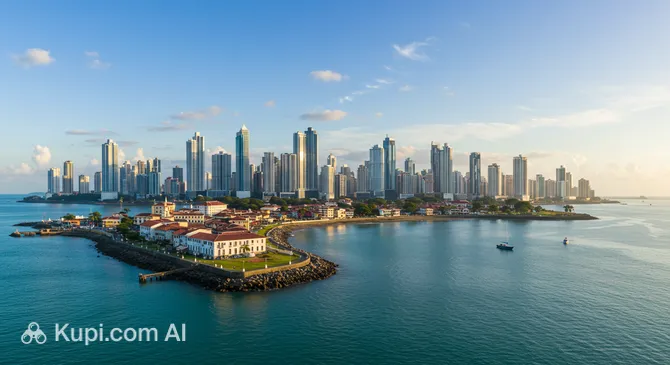
Panama City stands as a vibrant crossroads of the world, offering a unique blend of modern sophistication and rich cultural heritage. As the capital of Panama, this bustling metropolis is strategically located at the Pacific entrance of the famous Panama Canal. With a population of approximately 1.5 million people, it serves as the political, cultural, and financial hub of the country, presenting a skyline that rivals those of major global cities.
Panama City. Illustration.
Source: Kupi.com AI
The city's atmosphere is defined by its striking contrasts. Travelers can marvel at gleaming skyscrapers in the business district and then wander through the charming, cobblestone streets of Casco Viejo, a UNESCO World Heritage site filled with colonial architecture. For those keen to understand the roots of this diverse metropolis, exploring the history of Panama City reveals a fascinating narrative of resilience, trade, and transformation over the centuries.
Beyond its urban allure, the city is a gateway to incredible sights. The Miraflores Locks offer a front-row seat to the engineering marvel of the canal, while the Amador Causeway connects small islands to the mainland, providing spectacular views of the bay and the city skyline. Whether you are seeking world-class dining, vibrant nightlife, or a touch of tropical nature within the city limits, Panama City invites you to experience its dynamic rhythm and warm hospitality.
Weather Overview
Panama City experiences a tropical climate defined by consistent warmth and distinct wet and dry seasons. Temperatures are remarkably stable throughout the year, with daily averages hovering around 26°C to 27°C. Visitors can typically expect daily highs to reach approximately 29°C to 30°C, while nights remain comfortable with lows rarely dropping below 24°C.
The rainfall patterns are the main differentiator for travelers planning their visit. The early months of the year, particularly February and March, represent the dry season with significantly fewer wet days and minimal precipitation. In contrast, the period from May through November brings the wet season, where rain is a daily occurrence, although often in short, intense bursts. For a specific forecast to help plan your packing, you can check the current weather in Panama City. Generally, expect warm temperatures year-round, with dry, sunny conditions in the first quarter and frequent rainfall for the rest of the year.
Average monthly temperature
Average monthly precipitation
Interesting Facts
Beyond the famous canal and skyline, Panama City holds many fascinating secrets and unique distinctions that often surprise visitors. Here are some intriguing facts to know before you explore this dynamic capital.
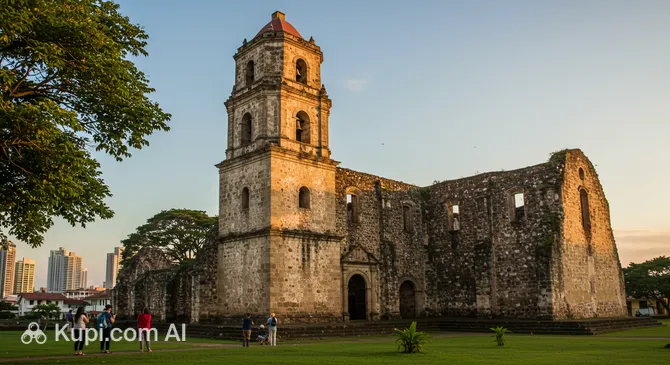
Panama Viejo. Illustration.
Source: Kupi.com AI
Traveler photos:
It is the only capital city in the world that boasts a tropical rainforest within its city limits. The Metropolitan Natural Park serves as a massive green lung, offering hiking trails and wildlife spotting just minutes from the downtown skyscrapers.
A famous legend surrounds the Golden Altar inside the Church of San Jose. It is said that local priests painted the magnificent gold structure black to disguise it as worthless wood, successfully hiding it from the pirate Henry Morgan when he sacked the city in 1671.
The Flat Arch (Arco Chato) played a pivotal role in history. Its ability to stand for centuries without support was used as evidence that the region was seismically stable, which helped convince the US Congress to build the interoceanic canal in Panama rather than Nicaragua.
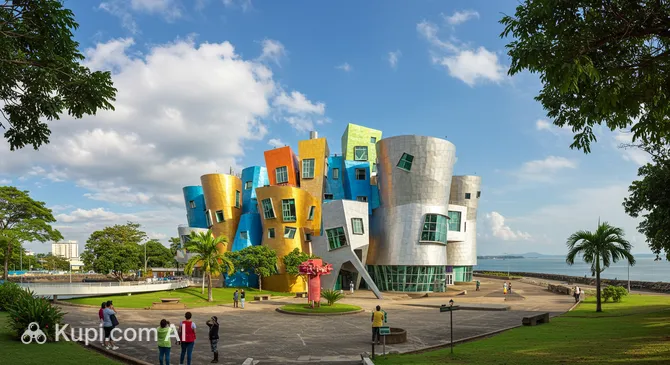
The vibrant Biomuseo is the first and only building in Latin America designed by the world-renowned architect Frank Gehry. Its colorful, fragmented roof is intended to represent the diverse flora and fauna that emerged when the Isthmus of Panama rose from the sea.
Panama Viejo holds the distinction of being the first permanent European settlement founded on the Pacific coast of the Americas, established in 1519.
How to Get There
Reaching this dynamic capital is a straightforward experience for travelers, with air travel serving as the primary gateway for international arrivals. As a major hub for the Americas, the city is well-connected to destinations across the globe. For a comprehensive guide on logistics and transportation options, you can read more about how to get to Panama City to help plan your arrival smoothly.
The most significant entry point is Tocumen International Airport (PTY), located approximately 18 km from the city center. As a large international hub, it handles the vast majority of flights entering the country. The journey to downtown typically takes around 45 to 50 minutes by taxi or shuttle, depending on traffic conditions. For domestic flights or shorter regional hops, travelers often use Marcos A. Gelabert International Airport (PAC). Conveniently situated just 4 km from the center, this airport offers a quick transfer time of about 25 to 30 minutes.
Another option for specific airlines and charter flights is Panama Pacifico Airport (BLB). It is important to note that this airport is not in Panama City itself but in the city of Balboa, roughly 11 km away. The transfer from Balboa to Panama City generally takes approximately 35 to 40 minutes by road.
For clarity, here is a summary of the main airports:
Panama City is a treasure trove of historical landmarks and cultural institutions, particularly concentrated in the revitalized district of Casco Viejo (Casco Antiguo). Walking through these streets offers a journey through time, where colonial architecture meets modern restoration. Here are some of the most compelling places to visit to truly understand the character of the capital.
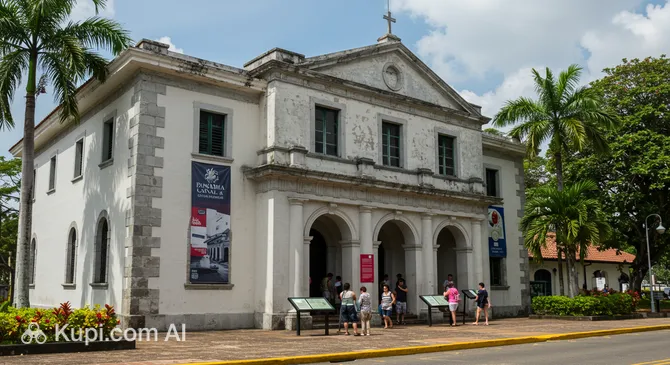
One of the most essential stops for any visitor is the Panama Canal Museum. Housed in a beautifully restored building that once served as the headquarters for the French canal company, this museum offers a comprehensive look at the monumental efforts to connect the Atlantic and Pacific oceans. Tourists are drawn here not just for the technical details, but for the human stories and political history that shaped the nation.
Panama Canal Museum. Illustration.
Source: Kupi.com AI
Traveler photos:
Just a short walk away, you will find the National Theatre of Panama. This architectural gem is renowned for its stunning neoclassical facade and opulent interior. Visitors are often captivated by the magnificent ceiling frescoes painted by the famous Panamanian artist Roberto Lewis. Attending a performance here or simply taking a guided tour allows you to appreciate the artistic soul of the city.
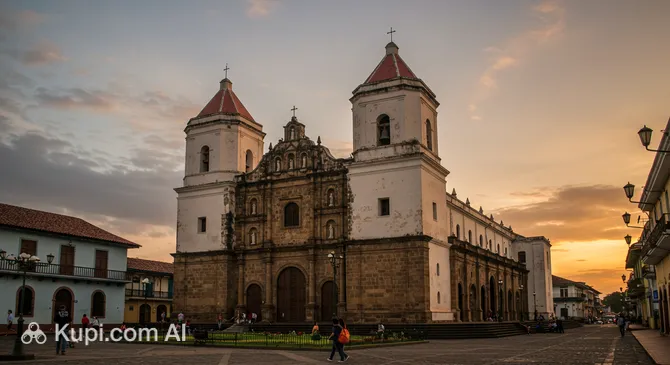
Dominating the main square of the old quarter is the Metropolitan Cathedral Basilica of Santa Maria the Ancient. It is one of the largest churches in Central America and stands as a testament to the city's spiritual heritage. The cathedral is interesting for its unique architectural mix, featuring a stone facade flanked by two white bell towers inlaid with mother-of-pearl, making it a perfect subject for photography.
Metropolitan Cathedral Basilica of Santa Maria the Ancient. Illustration.
Source: Kupi.com AI
Traveler photos:
For a blend of history and scenic views, a stroll along Las Bóvedas Walkway is unforgettable. This structure was originally built as a sea wall and dungeon to defend the city from pirate attacks. Today, the top of the wall serves as a charming promenade. It is a favorite spot for tourists to enjoy a cool breeze and take in panoramic views of the modern city skyline across the bay.
Local Cuisine
Local Cuisine:
The culinary landscape of Panama City is a flavorful reflection of its cultural diversity, blending Spanish, Indigenous, African, and Afro-Caribbean influences. A staple that every visitor must try is Sancocho de Gallina, a hearty chicken soup cooked with starchy root vegetables like ñame and flavored with culantro, a distinct local herb. It is considered the ultimate comfort food and is widely available throughout the city, from humble local eateries known as fondas to upscale restaurants.
Given the city's location between two oceans, seafood is exceptionally fresh and popular. Ceviche is a local favorite, typically made with corvina (sea bass) or shrimp marinated in lime juice, onions, and peppers. For a true taste of this dish, many head to the bustling Seafood Market (Mercado de Mariscos) near the entrance of the old town. Fried plantains, known as patacones, are the ubiquitous side dish served with almost every meal, offering a crispy and savory complement to the main courses.
When it comes to beverages, the national spirit is Seco Herrerano, a sugarcane liquor often mixed with milk and ice to create a drink called "Seco con Vaca," or simply with cranberry juice. Coffee lovers are also in for a treat, as Panama produces some of the world's most prized beans. You can learn more about this rich tradition and taste the famous Geisha variety at the Geisha Experience, which offers a deep dive into the country's coffee culture.
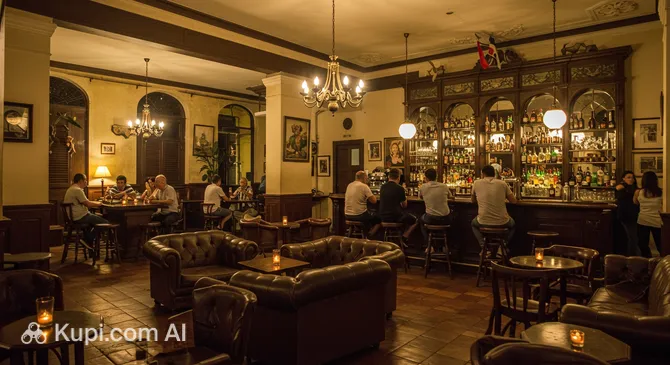
The dining scene in Panama City is vibrant and varied. In the historic district of Casco Viejo, you will find a high concentration of trendy dining spots nestled in restored colonial buildings. For instance, La Pulpería - Casco Antiguo offers a charming atmosphere to enjoy a meal in the heart of the old quarter. The area is also famous for its nightlife and craft beer scene. A popular stop for locals and tourists alike is La Rana Dorada, a beloved microbrewery known for its distinct pale ales and lively ambiance.
La Rana Dorada. Illustration.
Source: Kupi.com AI
Traveler photos:
For those interested in the specific flavors of Afro-Panamanian cuisine, which is rich in coconut and spices, places like La Tapa Del Coco provide an authentic gastronomic journey. Whether you are grabbing a quick empanada from a street vendor or sitting down for a fusion dinner in a rooftop lounge, the city's food scene promises to be a highlight of your trip.
Travel Tips
To help you navigate the vibrant streets of Panama City with confidence and ease, we have compiled a list of essential practical advice. Whether you are here for the history, the business, or the tropical atmosphere, these tips will ensure your stay is as smooth and enjoyable as possible.
Clothing and Gear: Panama is hot and humid year-round, so pack lightweight, breathable fabrics like cotton or linen. However, indoor venues like malls, cinemas, and buses often blast air conditioning, so always carry a light sweater or jacket. Comfortable walking shoes are a must, especially for the cobblestone streets of Casco Viejo. Since rain can occur suddenly, particularly from May to November, a compact umbrella or rain poncho is essential. For visiting churches, dress modestly by covering shoulders and knees.
Transportation: The city boasts the first metro system in Central America, which is clean, safe, and efficient; you will need to purchase a recharge card at any station to use it. For direct transport, ride-hailing apps like Uber are widely used and generally recommended over traditional yellow taxis, as they offer fixed pricing and overcome language barriers. If you do take a yellow taxi, be aware they do not use meters, so you must agree on the fare before getting in.
Finances: Panama uses the US Dollar as its legal tender for paper currency. You will also see local coins called "Balboas," which are equal in value and size to US coins. Credit cards are widely accepted in hotels, restaurants, and malls, but it is crucial to carry small bills (ones, fives, and tens) for taxis, street vendors, and small cafes. Many places may refuse $50 or $100 bills. ATMs are plentiful, and tipping around 10% is standard in restaurants if the service charge isn't already included.
Health and Safety: Panama City is generally safe for tourists, but standard urban precautions apply. Stick to well-lit, populated areas like the Amador Causeway, the banking district, and Casco Viejo. Be very careful not to wander into the El Chorrillo neighborhood, which borders Casco Viejo, as it is considered unsafe for tourists. Tap water in Panama City is generally safe to drink, which is a rarity in the region, but bottled water is available everywhere if you prefer. Pharmacies like "Farmacias Arrocha" are common and often have English-speaking pharmacists.
Communication: Spanish is the official language. While many professionals and people in the tourism industry speak English, it is not spoken everywhere. downloading a translation app and learning basic phrases like "Hola" (Hello), "Por favor" (Please), and "Gracias" (Thank you) will go a long way. For mobile data, you can easily buy a prepaid SIM card from providers like Tigo or +Móvil at the airport or shopping malls; you will need your passport to register it.
Local Etiquette: Panamanians are polite and warm. It is customary to greet people with a "Buenas" (short for good morning/afternoon/evening) when entering a shop or elevator. Dress codes in the city are "smart casual"; wearing beachwear (flip-flops and swim trunks) away from the beach or pool is frowned upon and may mark you as a tourist. When meeting locals, a handshake is common, though friends often greet with a light kiss on the cheek.
What to Avoid: Do not lose your patience if service is slower than what you are used to; the pace of life here is more relaxed. Avoid taking photos of indigenous people, such as the Guna women selling molas in the old town, without asking for permission first and offering a small tip, as it is considered disrespectful.
Traffic Tip: Traffic jams in Panama City can be intense, especially during rush hours (7:00 AM – 9:00 AM and 4:00 PM – 7:00 PM). If you have a dinner reservation or a flight to catch, always add an extra 30 to 45 minutes to your estimated travel time to avoid stress.
By keeping these practical points in mind, you will be well-equipped to embrace the local rhythm of Panama City. Enjoy the warmth of the people, the delicious flavors, and the unforgettable sights of this cosmopolitan capital!
Entertainment & Nightlife
Panama City comes alive after dark, transforming from a bustling business hub into a vibrant playground of lights and music. The epicenter of the nightlife scene is undoubtedly Casco Viejo (the Old Quarter). Here, the contrast between restored colonial buildings and modern chic creates a unique atmosphere. You can easily hop from a relaxed plaza cafe to a high-energy rooftop bar within minutes. While the modern districts like Punta Pacifica offer glitzy clubs, the historic quarter remains the favorite for its walkable streets and diverse options.
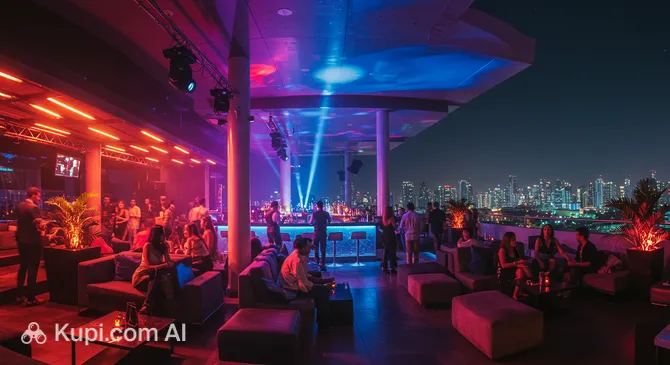
Rooftop bars are a signature of the city's evening culture, offering cool breezes and stunning views of the illuminated skyline. A prime example is Sama Sky Lounge, located in the heart of the old town. It is the perfect spot for sipping cocktails while gazing at the bay and the modern city towers. The crowd here is typically a mix of young professionals, expats, and tourists, fostering a cosmopolitan and trendy vibe. For those looking to dance late into the night, Alejandro's offers a lively environment often featuring Latin beats and international hits.
Sama Sky Lounge. Illustration.
Source: Kupi.com AI
Traveler photos:
If you prefer a more laid-back evening centered around craft beer, the historic district has plenty to offer. La Rana Dorada Casco is a must-visit for beer enthusiasts. Distinct from its other locations, this spot sits right in the action, serving signature pale ales and stouts in a friendly, pub-style setting. It is a great place to start your night before heading to a club or a late-night dinner.
When planning a night out, keep in mind that the action usually starts late. Bars get busy around 10:00 PM, while clubs peak well after midnight. The dress code is generally "smart casual"—men should avoid shorts and flip-flops, especially in rooftop bars and clubs where long pants and closed shoes are often required. Prices can vary; a beer might cost $4-$6, while cocktails in upscale lounges range from $10 to $15. For transportation, using ride-hailing apps like Uber is the safest and most reliable way to get around at night. Walking between venues within Casco Viejo is safe due to the high police presence, but avoid wandering into surrounding neighborhoods.
Before the sun sets, the city offers diverse entertainment options beyond historical sightseeing. Shopaholics will find paradise at Multiplaza Panama, a massive mall featuring luxury brands and a cinema. Families traveling with children can head to Crazy Park Panama or Funlandia for indoor amusement and games, providing a fun break from the tropical heat.
Parks & Museums
Beyond its bustling commerce and historic streets, Panama City offers an impressive array of green spaces and cultural institutions that provide a deeper understanding of the region's biodiversity and heritage. From lush tropical forests within the city limits to world-class museums showcasing indigenous art, the capital invites visitors to explore its natural and artistic side.
For nature lovers, the Metropolitan Natural Park is an absolute must-visit. As the only protected wildlife refuge in a Central American capital, it serves as a massive green lung for the city. Visitors can hike along well-marked trails like the Mono Titi Road to spot sloths, toucans, and monkeys in their natural habitat. The park also features a lookout point that offers a stunning contrast of the dense rainforest canopy against the modern city skyline, making it a perfect escape for a morning hike.
Another beloved green space is Omar Park, often referred to as the "Central Park" of Panama City. Located in the San Francisco district, this expansive recreational area is the heart of local life. It features jogging tracks, outdoor gym equipment, and plenty of open fields for picnics. It is less of a tourist trap and more of a genuine slice of local culture, where you can watch families and fitness enthusiasts enjoying the outdoors away from the traffic.
Biomuseo. Illustration.
Source: Kupi.com AI
Traveler photos:
On the cultural front, the Biomuseo stands out as an architectural and educational marvel. Located on the Amador Causeway, this colorful building designed by Frank Gehry tells the story of how the Isthmus of Panama rose from the sea, uniting two continents and changing the world's biodiversity forever. Inside, interactive exhibits guide you through the country's ecological history, while the surrounding botanical park offers a pleasant walk with views of the ships entering the canal.
For a more intimate look at Panama's indigenous heritage, the Mola Museum (MUMO) in Casco Viejo is a hidden gem. This beautifully curated museum is dedicated to the "mola," the intricate textile art created by the Guna women. The exhibits explain the complex reverse-appliqué technique and the cultural significance behind the geometric and nature-inspired designs. It is a quiet, air-conditioned sanctuary that offers a profound appreciation for the country's living traditions.
History enthusiasts will appreciate a visit to Plaza de Francia, located at the very tip of the Casco Viejo peninsula. This square pays homage to the French role in the construction of the canal. Large stone tablets recount the history of the 22,000 workers who lost their lives during the French attempt, mostly due to yellow fever and malaria. The plaza is surrounded by the famous Las Bóvedas vaults and offers one of the best sunset views in the city.
Nearby, the Plaza de la Independencia (Independence Square) marks the historic heart where Panama declared its independence from Colombia in 1903. It is surrounded by significant buildings, including the cathedral and the Canal Museum, making it a central point for any walking tour of the old quarter.
For a unique cultural experience that feels like a step back in time, consider visiting Mi Pueblito. Nestled at the foot of Ancon Hill, this open-air museum features life-sized replicas of traditional villages representing the three main cultures of Panama: Afro-Caribbean, Interiorano (countryside), and Indigenous. It is a charming spot to see traditional architecture and dress without leaving the city limits.
Lastly, no visit is complete without a walk along the waterfront at the Photo Parador – Cinta Costera. While technically a promenade, this area functions as a linear park connecting the modern city with the old town. It is the perfect place to snap a photo with the colorful "Panama" sign, enjoy the sea breeze, and watch the city light up as evening falls.
Getting Around
Navigating Panama City is surprisingly efficient compared to many other capitals in the region, thanks to a modernized public transportation network that includes a reliable metro system and an extensive fleet of buses. For tourists, the combination of these two modes offers a cost-effective and safe way to explore major districts, from the historic center to the bustling commercial areas.
The crown jewel of the local transport network is the Panama Metro, notable for being the first rapid transit system in Central America. Currently, it operates two main lines that connect key parts of the city. Line 1 runs north to south, linking the Albrook Transport Terminal with the northern suburbs, making stops at popular tourist areas like Vía Argentina and 5 de Mayo (near Casco Viejo). Line 2 serves the eastern sector and connects with Line 1. The trains are modern, clean, and fully air-conditioned, providing a welcome respite from the tropical heat. Operating hours are generally from 5:00 AM to 10:00 PM or 11:00 PM, depending on the day.
Complementing the metro is the Metro Bus system. These distinct white and orange buses have largely replaced the colorful but chaotic "Diablos Rojos" (Red Devils) of the past. Metro Buses are air-conditioned and operate on scheduled routes throughout the city and the corridors (highways). Stops are marked with "Metro Bus" signs. While the route map can be complex for first-time visitors, apps like Google Maps or specialized local transit apps are very accurate in helping you find the right bus number and stop.
To use either the metro or the bus, you must purchase a rechargeable Metrobus card (often called a Rapi-Pass). Cash is not accepted on board buses or at metro turnstiles. You can buy these cards at self-service machines located in all metro stations and at the Albrook Terminal. The card itself costs approximately $2.00, and you will need to load credit onto it. Fares are very affordable: a standard metro ride costs $0.35 (Line 1) or $0.50 (Line 2), while a regular bus fare is $0.25. Buses using the highway corridors (Corredor Norte or Sur) cost slightly more, typically around $0.75.
A crucial tip for travelers is to buy one card per person if you plan to transfer frequently, although technically one card can be swiped multiple times for a group. However, having your own card simplifies the transfer process. Be sure to validate your card upon entering the bus or metro station. On the metro, you do not need to swipe out to exit unless the specific station requires it, but generally, it is an entry-only validation system.
For those who prefer more direct transport, ride-sharing apps like Uber are widely available, legal, and often recommended for tourists over traditional street taxis. They offer the advantage of fixed pricing, GPS tracking, and cashless payment, overcoming potential language barriers. Traditional yellow taxis are plentiful but do not use meters. If you choose to hail one, you must negotiate and agree on the fare with the driver before getting into the car to avoid being overcharged. A typical ride within the city center might cost between $3.00 and $5.00, depending on traffic and distance.
The central hub for all public transport is the Albrook Transport Terminal (Gran Terminal Nacional de Transporte). Located next to the Albrook Mall, this massive station connects the metro, city buses, and intercity buses heading to other parts of Panama. It is a convenient starting point for many journeys, but it can be crowded, so keep an eye on your belongings while navigating through the terminal.
Accommodation
Panama City offers a diverse array of accommodation options that cater to every type of traveler, ranging from ultra-modern skyscrapers to charming colonial mansions. The choice of where to stay largely depends on the experience you are seeking: the historic atmosphere of the Old Quarter or the cosmopolitan vibe of the business districts. Whether you are looking for five-star luxury, a boutique experience, or a budget-friendly hostel, the capital provides a welcoming base for your adventures.
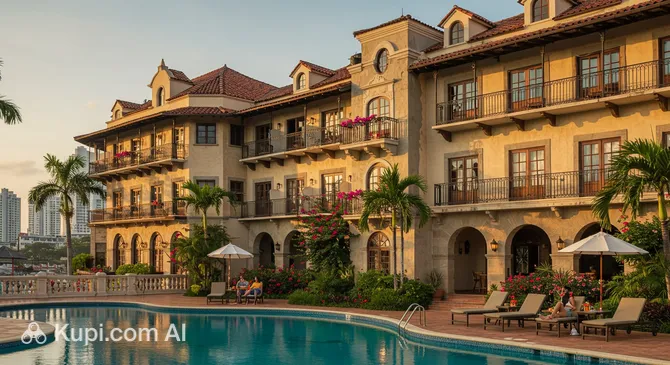
For those who wish to immerse themselves in the city's rich heritage, Casco Viejo (Casco Antiguo) is the premier choice. This UNESCO World Heritage site is home to numerous boutique hotels nestled within restored 17th and 18th-century buildings. Staying here places you within walking distance of the city's best museums, plazas, and nightlife. A standout property in this area is Hotel La Compañia, which is celebrated for its unique architecture that thoughtfully blends three distinct historical periods into a luxurious guest experience.
Hotel La Compañia. Illustration.
Source: Kupi.com AI
Traveler photos:
On the other hand, if you prefer contemporary luxury and panoramic views of the Pacific Ocean, the modern districts along the bay are ideal. The skyline is dotted with international hotel chains that offer world-class amenities, including rooftop pools which are perfect for cooling off after a day of sightseeing. Located near the bustling Cinta Costera, Bahía Suites Hotel provides a strategic base for travelers who want easy access to both the financial center and the historic district, offering a comfortable retreat in the heart of the action.
Bahía Suites Hotel. Illustration.
Source: Kupi.com AI
Traveler photos:
Travelers on a budget or those looking for a more bohemian vibe might consider the El Cangrejo neighborhood. This area is known for its lively street life, diverse dining options, and a wide selection of mid-range hotels and hostels. Regardless of where you choose to stay, it is advisable to book well in advance if you are visiting during the dry season (December to April), as the best properties tend to fill up quickly due to the influx of international visitors.
Nearby Cities
For those looking to explore the surroundings, Panama City serves as an excellent base for day trips to several interesting nearby locations. Whether you are interested in seeing the Caribbean side of the isthmus or tasting local delicacies in the interior, these neighboring cities offer a different perspective on Panamanian life.
One of the most significant destinations is Colón, located on the Caribbean coast at the northern entrance of the Panama Canal. A trip here allows visitors to witness the massive ships navigating the Gatun Locks and to explore the rich Afro-Caribbean culture that defines the region. It is also a gateway to historical sites like the San Lorenzo Fort and the famous Colón Free Trade Zone, which attracts shoppers from all over the world.
Heading west towards the interior, La Chorrera offers a taste of local tradition and gastronomy. This bustling town is renowned across the country for its "bollo preñao" (corn buns stuffed with meat) and "chicheme," a sweet, refreshing corn-based drink. Stopping here provides a genuine culinary experience and a glimpse into the daily life of the Panama Province outside the capital's skyscrapers. Similarly, Chilibre to the north serves as a key access point to the lush Chagres National Park and Alajuela Lake, connecting travelers to the region's abundant nature.
These nearby destinations offer a glimpse into the diverse culture and landscapes of the region, ranging from coastal trade hubs to agricultural towns rich in local flavor.
Shopping & Souvenirs
Panama City is a vibrant destination for retail therapy, serving as a major shopping hub for the entire region. From sprawling modern malls featuring international luxury brands to quaint streets lined with artisan boutiques, the city offers a diverse range of options for every type of shopper.
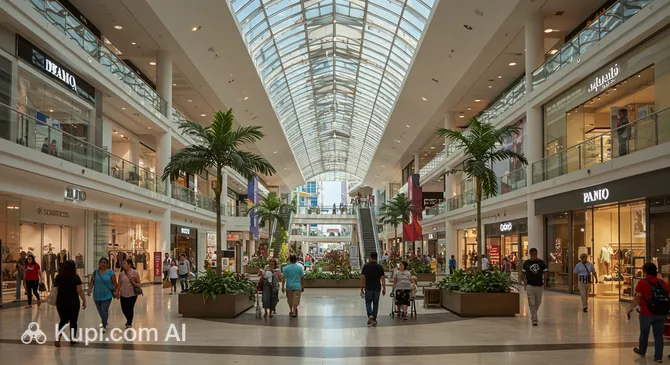
For those seeking high-end fashion and a premium atmosphere, Multiplaza Panama is the premier destination. Located in the heart of the city, this sophisticated mall is home to designer labels, upscale department stores, and a variety of dining choices, making it a favorite among locals and tourists alike.
Multiplaza Panama. Illustration.
Source: Kupi.com AI
Traveler photos:
Another top spot for a modern shopping experience is AltaPlaza Mall. Known for its contemporary architecture and relaxed vibe, it offers a wide selection of popular clothing stores, electronics, and entertainment facilities, perfect for a family outing or a casual afternoon of browsing.
Beyond the malls, visitors should not miss the chance to purchase authentic Panamanian crafts. The most famous souvenir is the mola, a colorful and intricate textile art made by the Guna indigenous people, often sold in the historic Casco Viejo district or at the National Handicrafts Market. Other treasured items include the traditional Sombrero Pintao and hand-carved tagua nut figures.
Most shops and malls operate daily, typically opening around 10:00 AM and closing by 8:00 PM or 9:00 PM. Visitors should be aware that a 7% sales tax (ITBMS) is applied to most goods, although essential items like food and medicine are generally exempt.