Support

Greenland

About the Country

Greenland is a land of contrasts and incredible scale, the largest island on the planet, luring travellers with its pristine arctic beauty. A vast portion of its enormous territory is covered by a massive ice sheet, which creates unique landscapes and defines the harsh yet mesmerising climate. It is an amazing place where nature displays all its power and majesty.
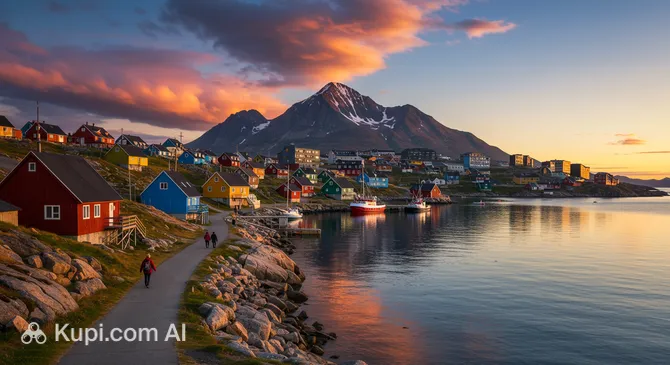
Nuuk. Source: Kupi.com Binoculars

Greenland's main treasures are its natural wonders: giant icebergs breaking away from glaciers, deep picturesque fjords, the chance to witness the northern lights, and a rich animal world that includes whales, seals, and polar bears. Travellers are drawn here to feel the breath of the Arctic, embark on an expedition with dog sleds or kayaks, explore ice caves, or simply enjoy the silence and stillness of the boundless expanses. One of the most impressive sites is Ilulissat, which is famous for its ice fjord, a designated UNESCO World Heritage Site.

Greenland's culture is inextricably linked to its Inuit heritage, which is carefully preserved and passed down from generation to generation, blending harmoniously with a modern way of life. The country's capital, Nuuk, is not only an administrative but also a cultural centre, where you can delve deeper into the island's history and traditions, for instance, by visiting the Greenland National Museum and Archives. Greenland leaves an unforgettable impression with its stark beauty, serenity, and unique atmosphere of unity with nature.
Currency

The official currency of Greenland is the Danish krone (international code DKK). Although Greenland is an autonomous territory, it uses the same banknotes and coins as Denmark. Danish banknotes feature a modern design, depicting various Danish bridges and archaeological artefacts. Some Danish coins, such as the 1, 2, and 5 kroner denominations, have a distinctive hole in the centre.

You can exchange foreign currency for Danish kroner at banks in major towns, such as the capital Nuuk, or at some hotels. It is recommended to exchange money at official institutions to avoid unfavourable rates. Credit cards, mainly Visa and Mastercard, are widely accepted in most hotels, restaurants, and shops in cities and tourist centres. However, it is always useful to carry some cash, especially if you plan to visit smaller settlements or make small purchases where card terminals may not be available.

Visa Requirements

When planning a trip to Greenland, it is essential to check the visa requirements in advance. As an autonomous territory of Denmark, Greenland has its own immigration rules, which differ from those for Denmark and the Schengen Area. For citizens of the United Arab Emirates, the good news is that a visa is not required for visiting Greenland. The UAE is listed among the countries whose citizens are exempt from the visa requirement for short stays.

For residents of the UAE holding other passports, a visa may be necessary. It is important to note that a standard Schengen visa is not valid for entry to the island; if a visa is required, it must be issued specifically for Greenland. Applications for a Greenlandic visa are processed by Danish embassies or consulates, which in the UAE is handled by VFS Global. To enter, you will need a valid passport with a duration that covers your intended period of stay. Other supporting documents, such as return tickets, proof of accommodation, and travel medical insurance, might also be required. As visa regulations can change, we strongly recommend that all travellers verify the current information on the official websites of the Danish diplomatic missions or their affiliated visa application centres before planning a trip to Greenland.

We'll tell you if you need a visa

Specify where you are going, or
Your citizenship
Destination

Time Zones

When planning a trip to Greenland, it is important to remember that this vast island covers several time zones. The main part of the country, including the capital Nuuk and most settlements on both the west and east coasts (for example, Ittoqqortoormiit), has been on UTC-2 year-round since 2023. This change has significantly simplified travel planning for most travellers.

However, other time zones are still in use in Greenland. For instance, the Danmarkshavn station in the northeast uses UTC+0. Thule Air Base (Pituffik) in the northwest of the island observes Atlantic Time, which is UTC-4 for standard time and moves to UTC-3 during the summer. Therefore, if your itinerary includes visiting these specific areas or involves complex domestic flights, it is always advisable to check the local time in advance to avoid any confusion with transport and event schedules.

How to Get There

Reaching Greenland, the vast, ice-covered island, is primarily done by air. For travellers from the UAE, the journey requires connecting flights as there are no direct services. The most common routes involve flying from Dubai (DXB) or Abu Dhabi (AUH) to hubs in Denmark or Iceland, such as Copenhagen (CPH) or Reykjavik (KEF), with airlines like Emirates or Etihad. From there, connecting flights will take you to Greenland's main gateways. These include Kangerlussuaq Airport, historically a key international hub, and Nuuk Airport, which serves the capital city. For travellers' convenience, major transit hubs like Copenhagen Airport have prayer room facilities, often signed as a 'Silent Lounge'.

Besides air travel, some tourists arrive in Greenland on cruise ships, particularly during the summer months. This offers a chance to enjoy the spectacular views of the coastline and fjords. However, there are no regular international passenger ferry services as a primary means of getting to the country. As Greenland is an island with no land borders, travel by train or bus is not possible. Given the remote nature and specific logistics of the destination, it is strongly recommended to book your flights or a place on a cruise ship well in advance, especially if your trip is during the peak tourist season (summer), when demand is high and availability is limited.

For your reference, here is a summary of the main airports:

Airport Name City Passenger Traffic
Nuuk AirportNuukMajor
Kangerlussuaq AirportKangerlussuaqMedium
Pituffik Space BaseDundasMedium
Ilulissat AirportIlulissatMinor
Sisimiut AirportSisimiutMinor

Greenland, the world's largest island, offers unique experiences when visiting its Arctic towns and settlements. There is no extensive road network between populated areas, so travel between them is often by water or air, which is an adventure in itself. Greenland's towns are not bustling metropolises, but rather cosy communities living in harmony with the harsh yet spectacular natural landscape.

Nuuk. Source: Kupi.com Binoculars

The capital and largest city, Nuuk, is the country's cultural and economic centre. Here, modern buildings stand alongside traditional, colourful houses, and museums tell the story of Inuit history and culture. Another iconic town is Ilulissat, famous for its ice fjord, a UNESCO World Heritage Site where you can watch giant icebergs. Sisimiut, the second-largest town, attracts lovers of outdoor activities and cultural tourism, offering hiking, dog sledding, and an introduction to local crafts.

For many travellers, an introduction to Greenland begins in Kangerlussuaq, which has the main international airport and provides access to the ice cap and wilderness. It is also worth visiting Qaqortoq, a charming town in the south with its "Stone and Man" project, where sculptures are carved directly into the rocks. Every settlement in Greenland has its own unique character and offers unforgettable experiences of the Arctic world.

Top Attractions

Greenland, the world's largest island, beckons travellers with its pristine Arctic nature and unique culture. Although the human presence here is not as significant as on the mainland, the island offers incredible attractions that allow you to connect with its icy heart and rich history.

One of the best places to discover the island's heritage is the Greenland National Museum and Archives in Nuuk. Here, you can trace the history of Greenland from ancient settlements to the present day, see unique artefacts, including the famous Qilakitsoq mummies, and understand how the culture and daily life of Greenlanders were shaped by the harsh Arctic conditions.

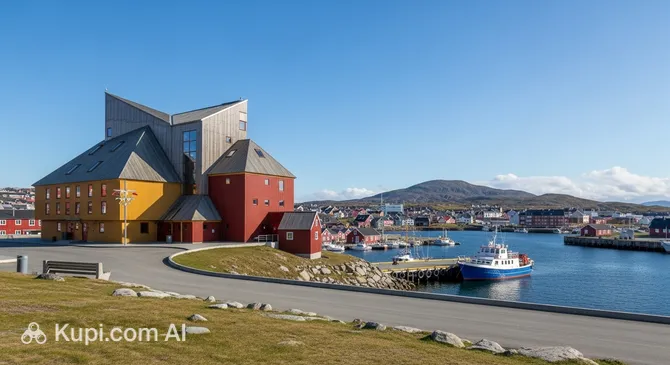
Greenland National Museum and Archives. Source: Kupi.com Binoculars

Beyond its cultural sites, Greenland's main attractions are undoubtedly its natural wonders. Vast glaciers, including the famous ice sheet, give birth to icebergs of incredible shapes and sizes that drift through deep fjords. Travellers come here to witness breathtaking landscapes, watch for whales, seals, and other Arctic wildlife, and, with luck, experience the magical Northern Lights. Exploring these icy expanses and coastal waters offers a truly unforgettable experience.

Best Time to Visit

Choosing the best time to travel to Greenland largely depends on your interests, as each season offers its own unique experiences. Summer (June-August) is considered the high season and is ideal for most tourist activities, such as hiking, kayaking, and whale watching under the midnight sun. During this time, the weather is at its mildest, though it remains very cool by UAE standards, with coastal temperatures ranging from 0°C to +10°C, and occasionally higher. However, you should be prepared for more tourists and, consequently, higher prices for flights and accommodation. Mosquitoes can also be active in the summer, especially in July.

The winter season, or low season, lasts from approximately October to April and attracts those who dream of seeing the Northern Lights—one of the most breathtaking natural phenomena, most vivid on dark winter nights. This is also the time for dog sledding, snowmobiling, and experiencing the unique winter culture. Temperatures can drop to -20°C, -30°C, or even lower, and daylight hours are very short, particularly in the north where the polar night occurs. The advantages of this period are fewer tourists and the chance to see Greenland in its pristine, wintry splendour. The shoulder seasons (May and September) can offer a compromise: fewer crowds than in summer and the possibility of enjoying some summer or winter activities. However, the weather can be unstable, and some tourist services may be limited.

In addition to weather conditions, events can also influence your travel dates. For example, on 21 June, National Day is celebrated across Greenland with various cultural activities. For winter sports enthusiasts, the Arctic Circle Race, a ski marathon usually held in March-April near Sisimiut, might be of interest. Given Greenland's vast size, the climate can vary significantly between the southern, northern, eastern, and western regions, as well as between the coast and the inland ice sheet. Therefore, when planning your itinerary, always check the specific weather conditions and the availability of activities for the particular places you intend to visit.

Traditions

The culture of Greenland is a unique blend of ancient Inuit traditions and European, mainly Danish, influences. A handshake is a common gesture when greeting locals, and a simple "Aluu" (Hello) in Greenlandic will be appreciated. Greenlanders value directness in communication but are also quite reserved. Hospitality is one of the most important values here. If you are invited to someone's home, for example, in Nuuk or another settlement, it is a great honour, and it is not customary to refuse. A small souvenir from your country or some sweets would be a nice gesture of appreciation, and always remember to take off your shoes when entering a home.

There are no special dress code requirements in Greenland, even when visiting churches; the main thing is that your clothing is warm and practical for the Arctic climate. At the dinner table, Greenlanders are open and welcoming, and will gladly offer you local delicacies such as seal, whale, or reindeer meat. For Muslim travellers, it is important to note that while reindeer can be prepared as halal, traditional meats like seal and whale are generally not permissible. Showing interest is a sign of respect, but you can politely enquire about fish, seafood, or vegetarian options, which are often available. In larger towns, it may be possible to find imported halal products. Greenlanders have a deep respect for their natural surroundings, so treating the environment with care is an unspoken rule. It is also wise to be reserved in your behaviour, avoid being too loud, and always ask for permission before taking photographs of people.

To gain a deeper understanding of Greenland's culture, it is worth paying attention to local festivals. One of the most vibrant is the National Day of Greenland, celebrated on 21 June, the day of the summer solstice. This is a time of colourful festivals with traditional music, dancing, kayaking competitions, and displays of national costumes. Christmas is also celebrated with a special flair, combining Danish and local customs, such as decorating windows with orange Christmas stars. While there are very few Muslims in Greenland and no official mosques, prayer can be performed in private spaces. Showing sincere interest in local customs and avoiding imposing your own views on sensitive topics will help make your journey truly unforgettable.

Entertainment

Greenland offers unique entertainment opportunities, primarily linked to its incredible natural environment. Outdoor activities here provide unforgettable experiences: from glacier hiking and dog sledding in winter to kayaking among icebergs and whale watching in the summer. Trekking through the Arctic tundra and, of course, hunting for the Northern Lights during the darker months are also popular. Although there are no ski resorts in the traditional sense, opportunities for extreme skiing and heli-skiing attract adventure seekers.

The cultural programme in Greenland focuses on discovering Inuit culture and the island's history. In towns, especially in the capital Nuuk, you can visit museums such as the Greenland National Museum and Archives, which displays exhibits detailing the lives of indigenous peoples and the island's history. You can also find local art galleries and workshops where traditional crafts are made. Shopping in Greenland is primarily about authentic souvenirs: items made from bone, soapstone (tupilaks), traditional clothing, and jewellery. The main souvenir shops and stores are located in the larger towns.

Nightlife in Greenland is quite understated, centred mainly around hotel restaurants and a few independent establishments in larger towns like Nuuk. Here, you can socialise with local residents in a cosy atmosphere and try local cuisine. While finding certified halal food can be challenging, many dishes are based on fish and seafood, which are generally permissible. It is always advisable to inquire with restaurants beforehand about ingredients and preparation methods. As there are no dedicated mosques, visitors can find prayer times and Qibla direction through mobile applications. There are no specialised family entertainment centres like theme parks in Greenland. However, the island's nature itself—with its giant icebergs, opportunities to see wildlife, and unique landscapes—will be an incredible adventure for both children and adults.

Currency rates

Planning a trip? That's wonderful! To ensure the financial aspects of your journey do not come as a surprise, it is important to remember that currency exchange rates are constantly changing. Therefore, we strongly advise keeping an eye on the latest rates, both before you fly and throughout your trip. To help with this, you can use the data provided below — we monitor currency rates 24/7 and strive to provide the most current information.

DKK currency exchange rate as of 02.01.2026

1 AED
~ 1.72 DKK
60.29 AMD
~ 1 DKK
1 AUD
~ 4.22 DKK
1 AZN
~ 3.72 DKK
1 BYN
~ 2.15 DKK
1 CAD
~ 4.61 DKK
1 EUR
~ 7.43 DKK
1 GBP
~ 8.53 DKK
51.71 HUF
~ 1 DKK
14.22 INR
~ 1 DKK
13.82 KGS
~ 1 DKK
228.26 KRW
~ 1 DKK
80.19 KZT
~ 1 DKK
1 PLN
~ 1.76 DKK
12.46 RUB
~ 1 DKK
1 SAR
~ 1.69 DKK
1 SGD
~ 4.92 DKK
6.79 TRY
~ 1 DKK
6.68 UAH
~ 1 DKK
1 USD
~ 6.33 DKK
1898.65 UZS
~ 1 DKK

Reached the end of the page?

That means the route is fully explored