Support

Kangaatsiaq

About

Welcome to Kangaatsiaq, a colorful and serene settlement located in the western part of Greenland. Known locally as the "Little Promontory," this charming town offers visitors a genuine glimpse into the traditional Arctic lifestyle, far removed from the bustle of larger tourist hubs. With its vibrant houses scattered across the rocky terrain, Kangaatsiaq is a picturesque destination that embodies the quiet beauty of the Qeqertalik municipality.
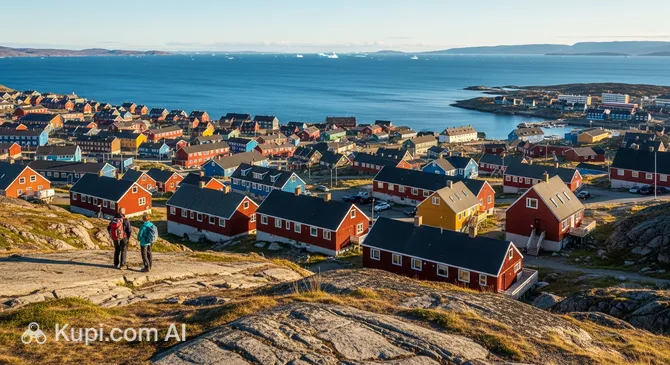
Kangaatsiaq. Source: Kupi.Binoculars

Home to a close-knit community of approximately 600 residents, the town is situated within a vast archipelago south of Disko Bay. The local atmosphere is defined by its deep connection to the surrounding nature and the sea. While the settlement officially received town status in 1986, the history of Kangaatsiaq is rooted in centuries of Inuit hunting and fishing traditions, which remain a vital part of daily life for the locals.

For nature enthusiasts, the area is a paradise of untouched wilderness. The waters surrounding the town are teeming with marine life, making it an excellent spot for observing whales and seals in their natural habitat. In winter, the landscape transforms into a snowy wonderland perfect for dog sledding and cross-country skiing, while summer offers endless opportunities for sailing among majestic icebergs and hiking through the rugged tundra.

If you are seeking an authentic Arctic adventure where time seems to slow down, Kangaatsiaq is the perfect place to explore. Whether you are interested in local culture or simply want to breathe the crisp polar air, this welcoming community invites you to experience the heart of the North.

Weather Overview

The climate in this region is distinctly Arctic, characterized by long, freezing winters and short, cool summers. To ensure you pack the right gear for your expedition, it is essential to review the current weather in Kangaatsiaq before your departure.

Winter dominates much of the year, with February typically being the coldest month, featuring average temperatures around -16.9°C and lows dropping to -19.2°C. As the season shifts, the weather warms slightly, reaching its peak in July when average temperatures hover around 6.7°C. Expect cool summers with minimal rainfall and very cold, dry winters.

Although the total precipitation volume is quite low, averaging just 1mm to 2mm per month, precipitation events are relatively frequent. August is often the dampest month in terms of frequency, with up to 12 wet days, while the spring months like February and May tend to be drier.

Interesting Facts

Beyond the main attractions, Kangaatsiaq holds many fascinating secrets that reveal the true nature of this remote destination in Greenland. While it may appear quiet on the surface, the town is defined by unique geographical features and local customs that often surprise visitors.

  • The Winter "Ice Highway": When winter arrives, the ocean waters freeze over to create a natural road system. Locals switch from boats to dog sleds and snowmobiles, traveling across the solid sea ice to reach nearby settlements and hunting grounds.

  • No Runway, No Rush: Unlike many other regional towns, Kangaatsiaq does not have an airstrip for fixed-wing planes. Access is exclusively by helicopter or sea, a logistical quirk that has helped preserve the town's tranquility and authentic Arctic charm.

  • A Maze of Thousands: The town sits at the heart of an archipelago containing thousands of unnamed islands and skerries. This intricate geography creates a paradise for kayakers but remains a navigational challenge that only experienced locals can fully master.

  • Wildlife in the Backyard: The immediate vicinity is not just home to marine life; the hinterlands support herds of wild reindeer. These animals are integral to the community, providing essential resources for traditional food and clothing.

How to Get There

Reaching this remote settlement is an authentic Arctic experience, involving travel by air and sea. Since there are no direct international flights to the town itself, visitors typically route their journey through major Greenlandic hubs before making the final connection. You can find more specific details and route options on our page about how to get to Kangaatsiaq.

The city of Kangaatsiaq does not have its own airport for fixed-wing aircraft. The closest and most convenient option is Aasiaat Airport (IATA: JEG), located in the city of Aasiaat, approximately 53.7 km away. Since there are no roads connecting towns in Greenland, you cannot take a taxi or bus from the airport to Kangaatsiaq. Instead, travelers transfer to a helicopter service or take a passenger boat, such as those operated by Disko Line, to reach the settlement.

Most international travelers will first arrive at Kangerlussuaq Airport (IATA: SFJ), the primary international gateway located in Kangerlussuaq, about 185.5 km from Kangaatsiaq. This large hub handles the majority of flights arriving from Denmark and Iceland. From here, you would typically catch a domestic flight to Aasiaat and then proceed by sea or helicopter to your final destination.

For clarity, here is a summary of the main airports in the region:

Airport Name City Passenger Traffic Km from City
Kangerlussuaq Airport Kangerlussuaq High 185.5
Ilulissat Airport Ilulissat Medium 142.1
Sisimiut Airport Sisimiut Medium 151.6
Aasiaat Airport Aasiaat Small 53.7
Qaarsut Airport Qaarsut Small 272.3

Main Attractions

Unlike larger tourist hubs, the main appeal of Kangaatsiaq lies not in grand monuments or busy museums, but in its raw, untouched environment and authentic cultural experiences. The "attractions" here are the landscapes themselves, the rich wildlife, and the warm, traditional lifestyle of the local community. Visitors come here to disconnect from the modern world and immerse themselves in the quiet majesty of Greenland.

The Kangaatsiaq Archipelago is undoubtedly the area's most significant natural feature. The town is the gateway to a vast system of thousands of unnamed islands, skerries, and bays that stretch south of Disko Bay. This intricate maze of waterways offers some of the best kayaking and boating opportunities in the region. Exploring these protected waters allows you to navigate close to icebergs and discover secluded inlets that few travelers ever see, making it a dream destination for adventurers seeking solitude and discovery.

The region is also a prime location for Marine Wildlife Watching. The nutrient-rich waters surrounding the settlement attract a diverse array of marine life, making it a fantastic spot for observation. During the summer months, humpback, minke, and fin whales are frequently spotted swimming through the fjords. Seals are also a common sight, often seen resting on the ice or rocky shores. For nature lovers, the chance to witness these animals in their natural habitat, undisturbed by mass tourism, is a highlight of any visit.

For a deep dive into local heritage, experiencing Traditional Inuit Culture is a must. The community preserves a strong bond with its ancestry, keeping history alive through storytelling and social customs. Visitors may have the chance to witness traditional drum dancing or observe the demonstration of ancient hunting skills that are still vital to daily life. The town is also known for its talented artisans who craft beautiful tupilaks and clothing from seal skin, offering a glimpse into the region's artistic soul.

Beyond the sea, the Hinterland Hiking Trails offer limitless freedom for trekkers. There are no marked tourist paths here; instead, you can walk freely across the tundra, following routes used by local hunters for generations. The backcountry is home to herds of wild reindeer, arctic foxes, and hares. Hiking here provides panoramic views of the ice-filled sea and the rugged terrain, allowing you to experience the vastness of the wilderness on your own terms.

Local Cuisine

The local cuisine of Kangaatsiaq is a testament to the resourcefulness of its people and the bounty of the surrounding Arctic wilderness. In a settlement where supermarkets are supplied by sea and weather dictates availability, the food culture relies heavily on fresh, locally hunted game and fish. For visitors, this offers a unique opportunity to taste ingredients that are organic, wild, and harvested directly from the pristine waters and tundra of Greenland.

One of the most traditional dishes you are likely to encounter is suaasat, a hearty soup that serves as the national dish of Greenland. It is typically made from seal meat, though reindeer, muskox, or seabirds can also be used, boiled with onions and potatoes or rice. Another culinary staple is mattak, a delicacy consisting of whale skin with a thin layer of blubber. Rich in Vitamin C and traditionally eaten raw, it has a nutty flavor and is considered a treat during celebrations and social gatherings.

Seafood lovers will find themselves in paradise here. The cold waters produce fish with exceptional texture and flavor. You should try dried cod or halibut (tørfisk), which is preserved in the open air and eaten as a savory snack, often accompanied by seal fat. During the summer, fresh trout and lumpfish roe are also popular additions to the local diet, often prepared simply to highlight their natural freshness.

When it comes to beverages, coffee plays a central role in social life. The tradition of "kaffemik"—an open-house gathering to celebrate birthdays or milestones—revolves around endless pots of strong coffee and an array of homemade cakes. For something stronger, you might find Greenlandic coffee, a warming cocktail made with coffee, whiskey, Kahlua, and Grand Marnier, topped with whipped cream. Additionally, the tap water in Kangaatsiaq is essentially melted ice cap water, making it some of the purest and most refreshing water you will ever drink.

Travelers should be aware that Kangaatsiaq does not have a bustling restaurant scene due to its small population. There are very few commercial dining establishments; instead, the heart of the food culture beats at Brættet (The Board). This is the local open-air market where hunters and fishermen sell their fresh catch of the day. For tourists, buying fresh ingredients here to cook at a guesthouse, or being invited to a local home for a meal, is the most authentic way to experience the true flavors of the town.

Travel Tips

Visiting a remote settlement like Kangaatsiaq requires a bit more preparation than a standard city break, as the infrastructure is designed for self-sufficient local living rather than mass tourism. These practical tips will help you navigate the unique challenges of the Arctic environment and ensure a smooth, respectful, and enjoyable stay in this authentic Greenlandic community.

  1. Dress for the Arctic Elements: Regardless of the season, the weather can change rapidly. Bring a multi-layered clothing system consisting of thermal base layers (wool is best), a warm insulating middle layer, and a windproof and waterproof outer shell. Sturdy, waterproof hiking boots are essential, as there are few paved roads and you will mostly be walking on rocky terrain or dirt paths. If visiting in winter, extreme cold-weather gear is mandatory.

  2. Getting Around on Foot: Kangaatsiaq is a small town with a population of around 600, so there is no public transportation system like buses or metros, and car rentals are non-existent. The entire settlement is easily walkable, and walking is the best way to soak in the atmosphere. For travel to nearby islands or settlements, you will rely on boats or the local helicopter service.

  3. Cash is Essential: The local currency is the Danish Krone (DKK). While the main supermarket, Pilersuisoq, accepts international credit cards (often with a PIN), smaller vendors, local fishermen at the market (Brættet), and artisans selling handicrafts usually deal exclusively in cash. There are no dedicated banks, so it is highly advisable to withdraw sufficient cash in a larger town like Aasiaat or Kangerlussuaq before arriving.

  4. Healthcare and Pharmacy: The town has a small nursing station capable of handling minor issues and basic emergencies, but there is no full-scale hospital. Serious medical cases require evacuation by helicopter to Aasiaat or Nuuk, which depends heavily on weather conditions. Bring a complete personal first-aid kit and an ample supply of any prescription medications you need, as the local selection is limited.

  5. Staying Connected: The primary language is Greenlandic (Kalaallisut), and most locals also speak Danish. English is understood by younger generations and officials, but less so by the elderly. For mobile data, you can buy a prepaid SIM card from Tusass (Tele-Post) at the local store. Be aware that Wi-Fi is rarely free and can be expensive and slower than what you are used to.

  6. Respect Sled Dogs: You will see many sled dogs chained outside houses. It is critical to remember that these are working animals, not pets. Never approach, touch, or feed them without the owner's explicit permission and presence. They can be aggressive and dangerous to strangers. Keep a safe distance when walking past dog lots.

  7. Shopping Logistics: The Pilersuisoq store is the heart of commerce, selling everything from groceries to rifles. Be mindful of its opening hours, which can be shorter on weekends. Additionally, the sale of alcohol is often restricted to specific hours during the week and may be prohibited entirely on Sundays or during certain local events, so plan accordingly if you wish to buy beer or wine.

  8. Ask Before You Snap: The locals in Kangaatsiaq are friendly and welcoming, but they value their privacy. Always ask for permission before taking close-up photographs of people or their private homes. A simple smile and a gesture with your camera is usually enough to establish a respectful interaction.

By keeping these tips in mind, you will be well-equipped to embrace the slow, rhythmic pace of life in Kangaatsiaq. Respecting the local customs and being prepared for the isolation will allow you to connect deeply with the stunning nature and the warm-hearted people who call this remote archipelago home.

Entertainment & Nightlife

When the sun goes down in Kangaatsiaq, do not expect to find neon signs, bustling nightclub districts, or a row of cocktail bars. In this small settlement of roughly 600 people, "nightlife" is defined by tranquility, nature, and intimate community gatherings rather than commercial entertainment. The evening atmosphere here is incredibly peaceful, offering a rare chance to disconnect from the noise of the modern world and experience the Arctic silence in its purest form.

Because there are no dedicated nightclubs or disco venues, social life revolves around informal gatherings. The local guesthouse or accommodation often serves as the primary meeting point for the few visitors and locals looking for a warm meal or a place to socialize in the evening. It is not a party venue, but rather a cozy spot where you can exchange stories with travelers or residents over a cup of coffee or a simple dinner. Another focal point for community events is the local Community Hall (Forsamlingshuset), which occasionally hosts traditional dances, bingo nights, or festive celebrations that visitors are sometimes welcome to observe.

For those looking to enjoy a drink, options are limited. There are no standalone bars, so most evening entertainment is self-made. Visitors typically purchase beer or wine at the local Pilersuisoq supermarket during opening hours and enjoy it in the comfort of their lodging or while watching the night sky. It is important to note that alcohol sales in Greenland are often restricted to specific hours and may be closed on weekends or during certain holidays, so it is wise to plan your purchases in advance.

The true "nightlife" in Kangaatsiaq is found outdoors. In the winter months, the lack of light pollution makes the town a prime location for viewing the Northern Lights (Aurora Borealis). Simply stepping outside your door can provide a spectacular light show that rivals any club. Conversely, during the summer, the Midnight Sun means the "night" never truly arrives, creating a surreal atmosphere where you can take walks, watch icebergs, or read a book by natural light at 2:00 AM.

Practical advice for evenings here is simple: dress warmly and bring cash. The dress code is always functional and casual; heavy wool sweaters and thermal boots are the standard attire. Safety is not a matter of avoiding crime, as the town is very safe, but rather navigating the environment. Be cautious of slippery icy paths and, most importantly, keep a safe distance from sled dogs, which are often chained near houses and can be aggressive. Taxis do not exist, but the entire town is walkable within 15 minutes.

During the day, entertainment is equally low-key and cultural. While there is no large formal museum complex, the town itself serves as a living exhibit of history. You can explore the harbor area to watch fishermen bring in their catch or walk among the colorful wooden houses to soak in the authentic atmosphere of a traditional hunting settlement. Daytime is also perfect for taking short hikes into the surrounding tundra to spot local wildlife or simply enjoying the panoramic views of the archipelago.

Parks & Museums

In a settlement as intimate and remote as Kangaatsiaq, the definitions of "parks" and "museums" shift away from grand urban institutions to something more organic. Here, the town does not feature manicured botanical gardens or sprawling art complexes; instead, the vast Arctic tundra serves as a boundless natural park, and the settlement itself functions as a "living museum" where traditional hunting and fishing lifestyles are practiced daily amidst the colorful wooden houses.

The Tundra Hinterland is essentially the town's backyard and its most significant green space. Since there are no fences or restricted zones, the open nature begins immediately where the houses end. This area functions as a massive, wild park where locals and visitors alike go to hike, breathe the fresh polar air, and enjoy unparalleled freedom. In late summer and autumn, the terrain comes alive with locals picking crowberries and blueberries, turning a simple walk into a delicious foraging experience.

The Harbor and Old Colonial Area act as the community's historical heart. While there is no formal history museum, walking through this part of town offers a glimpse into the past when the settlement was established as a trading post. The area is a hub of activity where hunters prepare their boats and fishermen unload their catch, much as they have done for generations. The blend of well-preserved older buildings and the rugged coastline creates a historic atmosphere that tells the story of survival and commerce in Greenland better than any static display.

A significant cultural landmark is the Kangaatsiaq Church. With its simple yet striking design and bright colors, it stands out against the rocky landscape and serves as a focal point for the community. Although primarily a place of worship, it offers visitors insight into the spiritual life of the settlement. The interior is peaceful and welcoming, often filled with the sound of choir singing, which is a cornerstone of local culture.

The center of social and cultural life is often the Community Hall (Forsamlingshuset). This venue serves as the gathering place for celebrations, traditional festivities, and public meetings. While it is not a tourist attraction in the conventional sense, it is where the town's heritage is most vibrant. If you are fortunate enough to visit during a local event, the hall becomes a showcase of community spirit, music, and dance.

Regarding local art, you will not find a dedicated commercial gallery or formal "Arts and Crafts Workshop." However, the town is home to many skilled local artisans who work from their homes. These craftsmen and women create intricate tupilaks from reindeer antler, carve soapstone, or sew traditional clothing from seal skin. Engaging with locals is the best way to discover these unique works, as the creation of art here is a personal and traditional practice rather than a mass-market industry.

Getting Around

Because Kangaatsiaq is a small settlement with a population of roughly 600 people, it does not have a formal public transport system found in larger cities. There are no buses, trams, metros, or trains operating within the town. The infrastructure is designed for a close-knit community where distances are short, and the terrain is rugged. Consequently, the concept of a "public transport network" as understood in metropolitan areas does not apply here.

The primary and most reliable mode of transportation within the town is walking. The settlement is compact, and you can walk from one end to the other in about 15 to 20 minutes. There are no paved roads connecting Kangaatsiaq to other towns, and within the settlement itself, the roads are gravel or dirt tracks. Therefore, visitors should be prepared to explore the entire area on foot, which is the best way to appreciate the colorful architecture and the surrounding views.

Regarding the payment system, since there are no public buses or trains, there are no travel passes, transport cards, or mobile ticketing apps to worry about. Transportation within the town is entirely free of charge because it relies on your own two feet. You do not need to budget for daily commute costs or figure out complex zone systems.

Taxis and ride-sharing services like Uber are nonexistent. You will not find taxi stands or car rental agencies in Kangaatsiaq. While you may see locals driving ATVs (All-Terrain Vehicles), cars, or pickup trucks, these are private vehicles used for hauling goods or personal transport. Tourists generally do not rent vehicles here due to the lack of infrastructure and the small size of the road network.

In terms of seasonal transport, the methods of getting around change drastically with the weather. In winter, when the ground is covered in snow and the sea freezes, dog sleds and snowmobiles become the standard way to travel across the terrain and to nearby hunting grounds. While these are not "public transport" in the conventional sense, local operators may offer sled transfers or tours for visitors. In summer, the "highway" is the water, and small private boats are used extensively to navigate between the islands of the archipelago.

Practical advice for navigating the town focuses on footwear rather than tickets. The roads can be muddy in summer and icy in winter. It is essential to wear sturdy, waterproof hiking boots with good grip. If you are visiting during the winter months, bringing crampons (ice cleats) for your boots is highly recommended to prevent slipping on the icy paths that connect the houses and the harbor.

Accommodation

Accommodation options in Kangaatsiaq are extremely limited, reflecting the settlement's small size and remote nature. Visitors should not expect international hotel chains, luxury resorts, or extensive tourist facilities. Instead, lodging is primarily provided by a small local guesthouse or through private room rentals. These accommodations are typically simple and rustic, offering a cozy and authentic base where you can experience the genuine hospitality of the local community.

Given the compact layout of the town, there are no specific "tourist districts" to choose from. Whether you stay near the harbor or closer to the heliport, you will be within a 10 to 15-minute walk of all key locations, including the Pilersuisoq supermarket and the harbor front. The convenience of staying anywhere in the settlement means you are never far from the water or the open tundra, making the location of your lodging less critical than availability.

Booking Tip: Due to the scarcity of beds—often fewer than a dozen available for visitors in the entire town—it is critical to book your accommodation well in advance. During the summer season or when visiting workers are in town, the guesthouse can be fully booked for weeks. Do not arrive without a confirmed reservation, as there are no alternative hotels nearby.

Travelers should be prepared for a price range that is relatively high compared to the level of luxury provided, a common trait in remote parts of Greenland due to high operational costs. Facilities are generally basic, often featuring shared bathrooms and communal kitchen areas rather than private suites. While some bookings can be made through regional tourism operators, it is often necessary to contact the accommodation provider directly by phone or email to secure your stay.

Nearby Cities

For those looking to explore the surroundings, Kangaatsiaq serves as an excellent base for day trips to several interesting nearby locations:

Aasiaat: Located approximately 51 km away, this is the closest town and a frequent transit point for travelers in the region. Known as the "Town of a Thousand Islands," it boasts a vast archipelago ideal for kayaking and whale watching. The town also features a museum and a notable collection of paintings by the artist Per Kirkeby, offering a touch of culture amidst the nature.

Ilulissat: Situated about 139 km to the north, this destination is world-famous for its UNESCO-listed Icefjord. Visitors can witness massive icebergs calving from the Sermeq Kujalleq glacier, a truly spectacular sight. The town itself is a bustling tourism hub with cafes, museums, and opportunities for hiking to the historic Sermermiut settlement.

Sisimiut: Lying 153 km south of Kangaatsiaq, this is the second-largest city in Greenland. It sits uniquely at the boundary between the dog-sledding districts of the north and the kayaking waters of the south. It is a favorite spot for adventure seekers, offering excellent backcountry hiking and skiing opportunities.

City Population Distance (km)
Nuuk 18326 467
Sisimiut 5582 153
Ilulissat 4737 139
Aasiaat 3069 51
Maniitsoq 2534 323

These nearby destinations offer a glimpse into the diverse culture and landscapes of the region.

Shopping & Souvenirs

Shopping in Kangaatsiaq is a unique experience defined by necessity and local craftsmanship rather than commercial consumerism. As a remote settlement with a small population, the retail scene is limited to essential goods, but the true treasure lies in the authentic handmade items created by local artisans. Visitors should not expect a typical shopping spree but rather an opportunity to acquire practical supplies and genuine cultural artifacts directly from the people who make them.

There is no designated shopping district or high street in the town. The commercial heart of the community is the local Pilersuisoq store. This all-encompassing general store serves as the lifeline for the residents, stocking everything from groceries and household items to hunting gear, rifles, and clothing. It is the central hub where you can purchase daily necessities and observe the flow of local life.

Travelers should be aware that there are no shopping malls, department stores, or fashion boutiques in Kangaatsiaq. The infrastructure is designed to support the subsistence lifestyle of the Arctic, so you will not find international brands or luxury retail chains here. If you need specialized equipment or specific luxury items, it is best to purchase them in larger towns like Aasiaat or before arriving in Greenland.

The most vibrant and authentic "shopping" spot is Brættet (The Board), the local open-air market located near the harbor. Here, local hunters and fishermen sell their fresh catch of the day, which often includes seal, whale meat, halibut, cod, and seabirds. While you might not be buying raw meat to take home, visiting the market is a cultural highlight that offers insight into the local diet and economy.

For souvenirs, the best items to look for are traditional Inuit handicrafts. The locals in Kangaatsiaq are skilled artisans known for carving intricate tupilaks (spirit figures) from reindeer antler, bone, tooth, or soapstone. You may also find beautiful beadwork and clothing items made from seal skin. Since there are no dedicated souvenir shops, the best way to find these treasures is to ask at your guesthouse or the community hall if there are any local artists currently selling their work.

Regarding logistics, the Pilersuisoq store typically operates from morning until late afternoon, with reduced hours on Saturdays and often closing on Sundays. While the main store accepts international credit cards (PIN required), cash is essential for almost everything else. If you plan to buy handicrafts from a local artist or visit the open-air market, you must have Danish Krone (DKK) on hand, as private sellers cannot process card payments.

An advantage for visitors is that Greenland is generally a VAT-free zone. This means there is no sales tax added to the price of goods. Consequently, there is no need for a tax-refund system for tourists, as the prices you see are already free of value-added tax. However, be mindful of import regulations in your home country regarding products made from animal parts like seal or whale.

Reached the end of the page?

That means the route is fully explored