Support

Kangerlussuaq

About

Kangerlussuaq serves as the primary gateway for many travelers arriving in Greenland, acting as the country's main air transport hub. Unlike most Greenlandic settlements located on the coast, this unique community is situated inland at the head of a fjord of the same name. Its location, approximately 160 kilometers from the coastline, grants it a more stable continental climate, often resulting in clearer skies and warmer summer temperatures than other parts of the country.

With a population of around 500 residents, the settlement has a distinct atmosphere that blends the hustle of an international airport with the tranquility of the Arctic wilderness. While it is a modern logistical center today, the area has deep roots as a former American airbase known as Sondrestrom. Delving into the history of Kangerlussuaq reveals how this strategic military past shaped the infrastructure and character of the town that visitors see today.
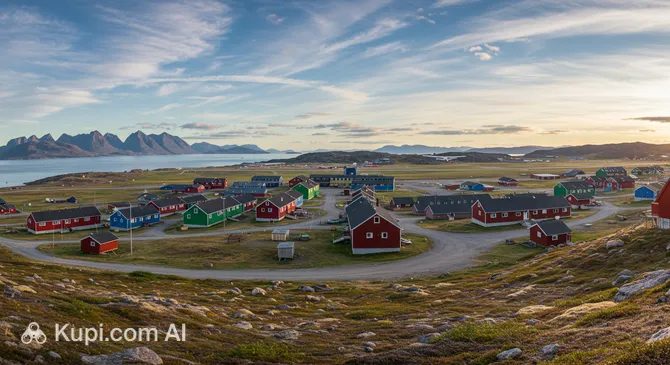
Kangerlussuaq. Source: Kupi.Binoculars

The town is celebrated for offering some of the easiest access to the massive Greenland Ice Sheet. Travelers can take a drive to Point 660, where they can literally walk onto the ice cap, or visit the spectacular Russell Glacier, which towers over the landscape with its vertical ice walls. The surrounding tundra is also a haven for wildlife enthusiasts, providing excellent opportunities to spot grazing musk oxen, reindeer, and arctic hares in their natural habitat.

Whether you are stopping over on your way to other destinations or planning a dedicated Arctic adventure, Kangerlussuaq offers a remarkable introduction to the raw beauty of the north. It is a place where civilization meets the untamed wild, inviting you to witness the grandeur of nature up close.

Weather Overview

Kangerlussuaq benefits from a continental climate that differs significantly from the coastal regions of Greenland. Because it is situated far inland, the area enjoys more stable weather with clearer skies, making it a reliable destination for flights and outdoor adventures. For a comprehensive breakdown of seasonal conditions and forecasts, you can consult the guide to the weather in Kangerlussuaq.

Winters here are undeniably cold, with average temperatures in January and February dipping to around -18.2°C and -20.3°C respectively. Despite the freezing conditions, the air is typically dry, and precipitation is minimal during these months, often resulting in crisp, clear days. As the season shifts, temperatures gradually climb, moving from the deep freeze of March to averages just above freezing by May.

The summer season brings a pleasant transformation, with July seeing average temperatures of 9.8°C and highs reaching up to 13.4°C. While the actual volume of rainfall remains low throughout the year, the warmer months from June to August tend to have a higher number of wet days. Generally, you can expect mild summers with frequent but light showers and very cold, dry winters.

Interesting Facts

Beyond the main attractions, Kangerlussuaq holds many fascinating secrets that reveal its unique position in the Arctic. From its surprising origins to remnants of aviation history, there is much more to this settlement than meets the eye.

  • The Longest Road: Kangerlussuaq is home to the longest road in Greenland, stretching approximately 40 kilometers from the settlement to the edge of the Ice Sheet. In a country where towns are almost never connected by roads, this route is a unique engineering anomaly. It was significantly extended and improved by a major car manufacturer in roughly the late 1990s and early 2000s to facilitate extreme cold-weather vehicle testing.

  • An Introduced Population: While the area is famous for its musk oxen, these prehistoric-looking animals are not originally native to this specific valley. In the early 1960s, scientists transplanted just 27 musk oxen here from Northeast Greenland. The population thrived in the stable climate and has since exploded into the thousands, creating one of the largest and healthiest herds in the world.

  • Arctic Desert Climate: Despite being the gateway to a massive ice cap, the area is climatologically classified as an Arctic desert. It receives extremely low annual precipitation—often less than 150 millimeters—which is less than some parts of the Sahara. This lack of moisture is exactly why Kangerlussuaq enjoys such a high number of clear flying days compared to the foggy coast.

  • A Ghostly Relic: Hikers venturing into the tundra near the town can discover the preserved wreckage of a Lockheed T-33 Shooting Star. The American jet trainer crashed during a snowstorm in 1968; while the pilot ejected safely, the aircraft remains lying on the rocks, serving as a stark, open-air memorial to the region's military history.

How to Get There

Reaching this unique Arctic destination is unlike traveling to almost anywhere else in the world. As the primary transport hub for the entire country, the settlement is exceptionally well-connected by air, making it the first stop for most international visitors. For detailed logistics and travel advice, you can read more about how to get to Kangerlussuaq.

The vast majority of travelers arrive directly at Kangerlussuaq Airport (SFJ). It serves as the main international gateway, handling daily flights from Copenhagen and frequent connections from Iceland. Conveniently, the airport is located just 0.6 km from the town center. Because the settlement essentially grew around the runway, the transfer time is negligible; a taxi or hotel shuttle takes just a few minutes, and many accommodations are within comfortable walking distance.

While there are other airports in the region, such as Sisimiut Airport (JHS) and Ilulissat Airport (JAV), it is important to note that there are no roads connecting these towns to Kangerlussuaq. Sisimiut Airport is located in the city of Sisimiut, approximately 132 km away, while Ilulissat Airport serves Ilulissat, about 249 km to the north. Consequently, you cannot take a taxi or bus between these locations; travel from these neighboring airports requires a domestic flight or a helicopter transfer.

For clarity, here is a summary of the main airports in the region:

Airport Name City Passenger Traffic Km from City
Kangerlussuaq Airport Kangerlussuaq Large 0.6
Ilulissat Airport Ilulissat Medium 249.3
Sisimiut Airport Sisimiut Small 132.1
Aasiaat Airport Aasiaat Small 210.1
Maniitsoq Heliport Maniitsoq Small 204.6

Kangerlussuaq does not have a railway station, and there is no rail network in Greenland due to the rugged terrain and ice cap. The primary methods of transportation between settlements remain aviation and, during the summer months, coastal ferries.

Main Attractions

Kangerlussuaq is arguably the best place in Greenland to experience the Arctic wilderness without needing a boat or a helicopter. The area's unique geography allows adventurers to travel directly from the settlement to the edge of the ice cap by road, offering unparalleled access to some of nature's most dramatic features.

One of the most impressive sights is the Russell Glacier. Located approximately 25 kilometers from the town, this active glacier presents a vertical wall of ice that can reach up to 60 meters in height. Visitors are often awestruck by the sheer scale of the jagged blue and white cliffs. In the summer months, you can hear the thunderous sound of the ice cracking and calving, a powerful reminder of nature's dynamic force. It is easily accessible by 4x4 vehicles, making it a must-see for anyone visiting the area.

For those who want to get even closer to the frozen giants, Point 660 offers a rare opportunity to walk directly onto the Greenland Ice Sheet. Unlike most other locations where the ice cap is difficult to reach, the road here leads right to the edge. The landscape transitions from rolling tundra to an endless expanse of ice, where you can safely explore the undulating surface. It is a surreal experience to stand on a body of ice that covers roughly 80% of the country.

To understand the human history of the region, a visit to the Kangerlussuaq Museum is essential. Housed in a building that was once part of the American airbase, the museum chronicles the story of the settlement from its days as "Bluie West Eight" during World War II to its current role as a civilian hub. The exhibits feature military memorabilia, Inuit artifacts, and displays about the local flora and fauna, providing a comprehensive context for the town's unique existence.

Hikers looking for a panoramic perspective should head to Sugar Loaf (known locally as Sukkertoppen). This distinctively shaped hill offers a rewarding climb that takes about an hour or two depending on your pace. From the summit, you are treated to sweeping views of the fjord, the river valley, and the distant ice cap. It is an excellent spot for photography and for appreciating the vast, open scale of the Arctic landscape.

Local Cuisine

The culinary experience in Kangerlussuaq is defined by its proximity to the vast Arctic wilderness, offering a unique opportunity to taste ingredients sourced directly from the surrounding tundra. Unlike the coastal towns where seafood dominates the menu, this inland settlement is famous for its high-quality game meat. The cuisine here is hearty and warming, designed to provide sustenance in the cold climate, with a focus on traditional Greenlandic flavors prepared with a modern touch.

The undisputed star of the local food scene is the musk ox. With one of the world's largest populations of these animals grazing in the nearby valleys, musk ox features prominently on menus. Visitors should not miss the chance to try a musk ox burger, a local favorite, or enjoy a tender steak, which offers a rich flavor often described as a blend between beef and venison. Reindeer is another staple, frequently served as a roast, dried as jerky, or cooked in a traditional soup known as suaasat, which is typically thickened with rice or barley.

For a distinctively local drink, travelers often indulge in Greenlandic Coffee after dinner. This popular alcoholic beverage is as much a performance as it is a drink; it combines hot coffee with whiskey, Kahlua, and Grand Marnier, topped with a generous amount of whipped cream. It is often served flaming to symbolize the Northern Lights. On the non-alcoholic side, the local water is exceptional—sourced from glacial melt, it is some of the purest and most refreshing water you will ever drink.

Dining in Kangerlussuaq is a cozy and communal affair, with options largely concentrated around the airport complex and a few standalone establishments. The airport cafeteria itself is a culinary landmark for travelers, famous for offering quick access to authentic local dishes like the musk ox burger. For a more scenic meal, many tourists take a short trip to Restaurant Roklubben (The Rowing Club) on the shores of Lake Ferguson, where seasonal menus featuring local herbs, berries, and meats are served against a backdrop of stunning nature.

Travel Tips

Visiting Kangerlussuaq offers a unique opportunity to experience the Arctic wilderness right from the moment you step off the plane, but this remote settlement requires some specific preparation. To help you navigate the gateway to Greenland with ease and safety, here are some practical tips to keep in mind.

  1. Clothing and Gear: The climate here is continental, meaning winters are severely cold and dry, while summers can be surprisingly warm. In winter, thermal base layers and a heavy parka are non-negotiable. In summer, while t-shirts might suffice during the day, the most critical accessory is a mosquito head net and strong repellent; the insects in the valley can be intense in June and July.
  2. Transportation: Kangerlussuaq is small enough that you can walk between the airport, the main accommodations, and the supermarket. There is no public metro or tram system. For longer distances, such as visiting the harbor or Kelly Ville, local taxis are available. To reach the major attractions like the Ice Sheet or Russell Glacier, you must book a guided tour or rent a specialized vehicle, as these are located roughly 25 to 40 kilometers away on gravel roads.
  3. Finances: The official currency is the Danish Krone (DKK). International credit cards (Visa and Mastercard) are widely accepted at the airport, hotels, and the main supermarket. There is an ATM located within the airport terminal. Greenland is generally expensive, so plan your daily budget accordingly, especially for meals and tours. Tipping is not mandatory but is appreciated for exceptional service.
  4. Health and Safety: The local clinic provides basic medical care, but for serious emergencies, evacuation to Nuuk or Denmark is required. Pharmacies are not open 24/7, so bring essential prescription medications with you. In terms of safety, the biggest danger is often the wildlife; musk oxen frequently wander near or into the town. They may look calm, but they are unpredictable and fast—always maintain a safe distance of at least 100 meters.
  5. Communication: As the international hub, English is widely spoken and understood by almost everyone working in tourism and at the airport. The local language is Greenlandic (Kalaallisut), and Danish is also official. Wi-Fi is available in hotels and the airport but is often expensive and data-capped. Buying a local SIM card (Tusass) at the airport post office is a cost-effective way to stay connected.
  6. Local Etiquette: The atmosphere is relaxed and informal. A friendly "Hello" or the local "Aluu" is a great way to greet people. When entering private homes or even some tourist accommodations and lodges, it is customary to remove your shoes at the entrance to keep the floors clean from gravel and snow.
  7. What to Avoid: Do not attempt to pet or approach sled dogs. They are working animals, not pets, and can be aggressive if strangers get too close. Also, avoid walking on the road to the Ice Sheet without informing someone of your plans; the weather can change rapidly, and the distances are deceivingly long.
  8. Drink the Tap Water: You do not need to buy bottled water here. The tap water in Kangerlussuaq is sourced from a freshwater lake and is some of the cleanest and tastiest water in the world. Bring a reusable bottle to fill up and stay hydrated during your hikes.

By following these simple guidelines, you will be well-equipped to enjoy the rugged beauty and fascinating history of Kangerlussuaq. Whether you are here for a quick stopover or a deep dive into the tundra, respecting the local environment and customs will ensure a memorable and hassle-free adventure.

Entertainment & Nightlife

Entertainment and nightlife in Kangerlussuaq differ significantly from what you might expect in a typical tourist destination. Given the settlement's small population of around 500 people and its primary function as an airport hub, you will not find bustling nightclubs, discos, or neon-lit party districts here. Instead, the evening atmosphere is defined by cozy social gatherings, warm meals after a cold day on the ice, and the shared camaraderie of travelers from around the world.

The center of social life is undoubtedly the area within and immediately surrounding the airport terminal. Since the entire town essentially grew to support the airfield, the main "district" for evening activity is the airport complex itself. The vibe is incredibly casual and unpretentious; the dress code is almost exclusively "Arctic practical," meaning hiking boots, wool sweaters, and fleece jackets are the standard attire everywhere you go.

For a drink and a chance to meet fellow adventurers, the bar at Hotel Kangerlussuaq is the most popular venue in town. Located directly inside the terminal building, it serves as the local "living room." Here, you can enjoy a cold draft beer or a Greenlandic coffee while chatting with a mix of scientists returning from the ice cap, hikers finishing the Arctic Circle Trail, and flight crews on layover. The atmosphere is relaxed, and it is the best place to hear stories about the day's excursions.

If you are looking for a more scenic evening experience, Restaurant Roklubben (The Rowing Club) is the premier choice. Situated about 5 kilometers from the airport on the banks of Lake Ferguson, it offers a rustic and charming setting. While it is primarily a restaurant known for its musk ox and reindeer dishes, it is also a wonderful spot to enjoy a glass of wine in a tranquil environment. The venue often hosts Greenlandic buffets and is a favorite for those wanting to escape the industrial feel of the airport.

Another casual spot is the Airport Cafeteria, which functions as a central meeting point. While it is more of a diner than a nightlife spot, it remains a buzz of activity into the evening. It is a good place to grab a quick, relatively affordable burger and observe the unique flow of life in this transit town. Prices for alcohol and dining in Kangerlussuaq are generally high, consistent with the rest of Greenland, so budget accordingly.

When it comes to safety and logistics, the main concern at night is not crime, but nature. Kangerlussuaq is extremely safe for tourists, but the streets are dimly lit, and musk oxen frequently wander into the settlement after dark. These large animals can be dangerous if surprised, so always carry a flashlight and stay alert when walking between buildings. If you plan to visit Restaurant Roklubben, you will need to arrange a taxi or a shuttle, as it is too far to walk safely at night, especially in winter.

During the daylight hours, entertainment is more about exploration than urban amusements. While there are no cinemas or theaters, visitors can explore the local souvenir shops inside the airport, which sell high-quality Inuit crafts, tupilaks, and fur products. For a dose of culture, the local museum offers an interesting look into the area's military past, providing a perfect way to spend a few hours before the evening sets in.

Parks & Museums

In Kangerlussuaq, the concept of a "city park" is redefined by the sheer scale of the Arctic wilderness that surrounds the settlement. Rather than manicured gardens and fenced playgrounds, the town is enveloped by a vast, open-air natural reserve where the tundra serves as a boundless green space. Cultural heritage here is intimately tied to aviation history and the settlement's unique origins as a military base, offering a distinct perspective compared to traditional Greenlandic towns.

Lake Ferguson (Tasersuatsiaq) serves as the local equivalent of a recreational park and is a favorite retreat for residents and visitors alike. Located just a few kilometers south of the airport, this freshwater lake is surrounded by rolling hills and scrubland. In the summer, it is a tranquil spot for picnics, kayaking, and fishing, while the shores offer easy hiking trails. It is one of the few places where you can enjoy a sense of lush greenery and calm waters, contrasting with the rugged, icy landscapes found further inland.

For those seeking a nature walk with spectacular views, the Black Ridge area provides an accessible escape directly from the town center. This ridge offers a network of informal trails that lead up to elevated viewpoints overlooking the fjord and the airport runway. It is an excellent area for spotting local flora, such as the national flower Niviarsiaq, and keeping an eye out for arctic hares and musk oxen that frequently graze on the slopes. The experience here is less about structured paths and more about roaming freely in the raw Arctic environment.

The cultural centerpiece of the town is the Kangerlussuaq Museum. Situated west of the airport in the area known as "Old Camp," the museum is housed in the former base commander's residence. It offers a deep dive into the settlement's past as the American airbase Bluie West Eight. Visitors can explore rooms restored to their 1960s appearance, view dioramas of Inuit life, and examine artifacts from the early days of aviation in the Arctic. It provides essential context for understanding why this community exists in such a remote location.

While there are no dedicated art galleries in the traditional sense, the Kangerlussuaq Airport Terminal itself functions as a cultural venue. As the crossroads of the country, the terminal features displays of Greenlandic art, including intricate tupilaks (spirit figures carved from bone or antler) and seal skin creations in the various shops. It is also common to find temporary exhibitions or information panels detailing the scientific research conducted on the nearby ice sheet, effectively turning the transit hub into a living showcase of local culture and science.

Architecturally, the settlement is a preserved snapshot of Cold War military design. The Old American Base Buildings scattered throughout the town are historical landmarks in their own right. These utilitarian, wooden structures painted in muted colors reflect the pragmatic American construction style of the mid-20th century, which stands in stark contrast to the colorful Danish colonial houses seen in coastal Greenlandic towns. Walking among them feels like stepping onto a film set from a bygone era.

For a truly authentic experience, take a walk towards the Kelly Ville research settlement (approx. 15 km away) or simply explore the gravel roads leading towards the harbor. Along these routes, you can often find "garnet rocks"—stones embedded with semi-precious red garnets—lying right on the ground. It is a small but thrilling reminder of the geological richness of the area, allowing you to engage with the land in a very personal way.

Getting Around

The public transport system in Kangerlussuaq is reflective of its size and unique function as an airport settlement. Travelers should not expect the complex infrastructure found in large cities; there are no metros, trams, trolleybuses, or trains operating here. Instead, the local transport network is straightforward, consisting primarily of a limited local bus service and taxis that cater to the needs of residents, airport staff, and visitors.

The main form of shared transport is the local town bus. This service typically runs a loop connecting key locations such as the airport terminal, the supermarket (Pilersuisoq), the "Old Camp" accommodation area, and the harbor. The frequency of the bus is generally aligned with the daily rhythm of the community rather than a strict high-frequency tourist schedule. It is a practical option for getting from the airport to hostels located a few kilometers away if you prefer not to walk.

Regarding payment, the system is traditional and cash-based. There are no electronic travel cards, mobile apps, or ticket vending machines. You simply pay the driver directly upon boarding. The fare is fixed and relatively low, usually around 20 to 30 DKK for a single trip. It is highly recommended to have small change in Danish Krone (DKK) ready, as drivers may not always be able to break large banknotes, and credit card terminals on the bus are not guaranteed.

For tourists, the most practical advice is to check the bus schedule posted at the bus stop outside the airport terminal or ask at the accommodation reception. Service hours are limited, often stopping in the early evening and running less frequently on weekends. If you are staying at the main hotel connected to the airport, you likely won't need the bus at all, as most amenities are within the same building complex.

Taxis serve as the primary alternative and offer more flexibility, especially if you wish to visit locations like Restaurant Roklubben at Lake Ferguson, which is too far to walk comfortably for dinner. Taxis are reliable and can be found waiting outside the airport arrivals hall or booked via telephone. While they accept credit cards, confirming this with the driver before starting your journey is always a good practice.

For those seeking a more active way to get around, bicycle rentals are a popular option during the summer months. Mountain bikes can be rented from the tourist office or some local accommodations. This is not just for commuting; many visitors rent bikes to ride part of the road toward the Ice Sheet. However, for general navigation within the central area, walking is the most common and easiest method, as the distance between the airport and most service buildings is quite short.

A unique feature of transport here is the specialized fleet of off-road vehicles used for tourism. While not "public transport" in the traditional sense, the heavy-duty 4x4 trucks and buses designed to navigate the gravel road to the Ice Sheet are the only way to reach the major natural attractions. These must be booked as part of a guided tour, as the terrain is unsuitable for standard rental cars or public buses.

Accommodation

Accommodation in Kangerlussuaq is primarily functional and designed to cater to the unique flow of travelers passing through this Arctic hub. The options are limited compared to larger tourist destinations, ranging from a full-service hotel to simpler hostels and lodges. There are no 5-star luxury resorts here; instead, the focus is on providing comfortable, warm, and practical bases for transit passengers, researchers, and adventure tourists preparing for expeditions to the Ice Sheet.

The most convenient area to stay is undoubtedly the airport complex itself. Since the town is built around the runway, staying here means you are just steps away from check-in counters, the supermarket, and the main dining options. This is ideal for short layovers. Alternatively, travelers looking for a quieter experience or lower rates often choose the area known as Old Camp, located about 2 kilometers west of the terminal. This area offers a more historical feel, utilizing renovated buildings from the former American airbase.

For those prioritizing comfort and convenience, Hotel Kangerlussuaq is the premier choice. Uniquely located directly inside the airport terminal building, it allows guests to go from their room to the departure gate without ever stepping outside into the cold. It offers standard hotel amenities, private bathrooms, and soundproofed rooms to ensure a good night's sleep despite the proximity to the runway. It serves as the central meeting point for many visitors.

Travelers on a budget or those seeking a more social atmosphere often opt for the local lodges, such as Polar Lodge or the Old Camp hostel. These establishments typically offer simpler accommodations with shared facilities, including bathrooms and kitchenettes. They are popular among hikers and tour groups, providing a cozy, communal vibe where you can swap stories with fellow adventurers. Polar Lodge is conveniently situated just a short walk from the airport, while Old Camp requires a longer walk or a quick taxi ride.

A critical tip for booking accommodation in Kangerlussuaq is to reserve well in advance. Because the settlement serves as the primary bottleneck for air traffic in Greenland, bad weather can cause flight cancellations that strand hundreds of passengers at once. When this happens, every available bed in town fills up instantly. Securing your room months ahead of your trip is highly recommended, especially during the peak summer season and the winter research season.

Price-wise, accommodation falls into the mid-to-high range, which is standard for Greenland. Even budget options can seem expensive compared to European or North American hostels. Booking is typically done via online travel platforms or by contacting the providers directly. Given the limited capacity of the town, "walking in" without a reservation is risky and not advised.

Nearby Cities

For those looking to explore the surroundings, Kangerlussuaq serves as an excellent base for day trips to several interesting nearby locations:

Sisimiut is the closest city, situated approximately 130 kilometers to the west on the coast. As the second-largest city in Greenland, it offers a vibrant atmosphere where modern industry meets traditional hunting culture. It is a popular destination for those wanting to experience a coastal settlement with colorful houses, a bustling harbor, and extensive backcountry trails perfect for hiking or winter snowmobiling.

Further north lies Ilulissat, arguably the most famous tourist destination in the country. Known for its UNESCO-listed Icefjord, this town offers spectacular views of massive icebergs breaking off from the Sermeq Kujalleq glacier. A visit here provides a breathtaking contrast to the inland tundra of Kangerlussuaq, showcasing the sheer power of the high Arctic ice.

For a taste of urban Greenlandic life, Nuuk, the capital, is located to the south. It is the cultural and political heart of the nation, home to the National Museum of Greenland and the Katuaq Cultural Centre. Exploring Nuuk offers insight into the country's history and modern development, set against the backdrop of one of the largest fjord systems in the world.

City Population Distance (km)
Nuuk 18326 320
Sisimiut 5582 130
Ilulissat 4737 247
Aasiaat 3069 210
Maniitsoq 2534 203

These nearby destinations offer a glimpse into the diverse culture and landscapes of the region, though travelers should note that travel between these cities is typically done by air due to the lack of connecting roads.

Shopping & Souvenirs

Shopping in Kangerlussuaq is a unique experience shaped by its size and location. As a settlement of roughly 500 people, it does not have bustling shopping streets, department stores, or designer boutiques. Instead, the retail scene is functional and concentrated, catering primarily to the needs of local residents and the flow of international travelers passing through the airport. Visitors will find that shopping here is less about browsing fashion and more about discovering authentic Arctic craftsmanship and stocking up on outdoor essentials.

The primary "shopping district" is undoubtedly the Kangerlussuaq Airport Terminal itself. Because the town functions as a transit hub, the terminal building houses the largest concentration of shops. Here, you can find high-quality souvenir stores offering Greenlandic art, books, and clothing. Just across the street from the airport lies the Pilersuisoq, the national supermarket chain. This is the commercial heart of the community, selling everything from fresh groceries and bakery items to rifles, snowmobile parts, and winter clothing. It acts as a general store where you can buy supplies for a hike or everyday necessities.

There are no shopping malls in Kangerlussuaq. The concept of a mall does not exist in a settlement of this size. The airport terminal essentially fulfills this role, providing a warm, indoor space where travelers can browse different stalls and shops while waiting for their flights. For all intents and purposes, the airport and the nearby supermarket complex constitute the entire commercial center of the town.

While there are no formal open-air markets, the airport terminal often functions as a marketplace for local culture. You may find displays of local handicrafts where the connection between the artist and the product is very close. The focus here is on quality and authenticity rather than mass-produced trinkets. It is a place where you can find items that are truly representative of the region's hunting and gathering heritage.

When it comes to souvenirs, Kangerlussuaq is an excellent place to purchase Qiviut, the inner wool of the musk ox. Since the area is home to a large population of musk oxen, you can find garments made from this incredibly soft and warm fiber, which is considered one of the finest wools in the world. Other recommended buys include tupilaks (traditional figures carved from reindeer antler, bone, or tooth), seal skin mittens, and jewelry made from local stones like tugtupite. These items are not just keepsakes but pieces of Greenlandic culture.

Store opening hours generally align with flight schedules and standard business days. The shops inside the airport are typically open when flights are operating, which can mean early mornings and late afternoons, especially during the busy summer season. The Pilersuisoq supermarket usually opens around 9:00 AM and closes between 5:00 PM and 6:00 PM, with reduced hours on weekends. Credit cards, particularly Visa and Mastercard, are widely accepted in the airport shops and the supermarket. However, it is always wise to carry some cash in Danish Krone (DKK) for smaller purchases.

For international travelers leaving Greenland, tax-free shopping is available in the departure lounge of the airport. Here, you can purchase alcohol, tobacco, perfumes, and chocolates at duty-free prices before boarding your flight. Some souvenir shops may also offer tax-free services for expensive handicraft items being exported, so it is worth asking the staff at the counter if they provide forms for VAT refunds or if the price is already adjusted for export.

Reached the end of the page?

That means the route is fully explored