Support

Sisimiut

About

Welcome to Sisimiut, a vibrant and captivating destination located approximately 40 kilometers north of the Arctic Circle. As the second-largest city in Greenland, it offers a unique blend of modern urban life and deep-rooted traditional Inuit culture. The city is situated in a magnificent coastal landscape, characterized by its colorful wooden houses that dot the rocky terrain, creating a picturesque contrast against the snowy peaks and the sea.

Home to a population of around 5,600 people, Sisimiut acts as a central hub for the Qeqqata Municipality. Despite its latitude, the city boasts the northernmost ice-free harbor in the country, which remains open year-round, fueling a thriving fishing industry and a lively atmosphere. The climate here marks the transition between the Arctic and the sub-Arctic, offering visitors distinct seasonal experiences, from the Midnight Sun in summer to the Northern Lights in winter.
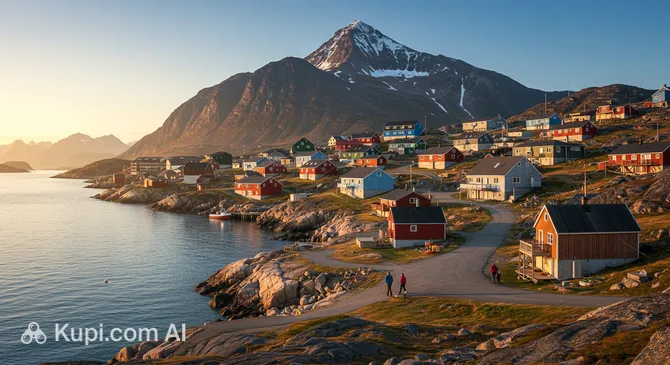
Sisimiut. Source: Kupi.Binoculars

The city preserves its heritage with pride. The old colonial quarter, which houses the Sisimiut Museum, features several well-preserved 18th-century buildings that provide a glimpse into the past. Travelers can explore the fascinating history of Sisimiut to understand how it evolved from an ancient settlement and whaling station into a modern center for education and commerce.

For outdoor enthusiasts, Sisimiut is a true paradise. It serves as the endpoint for the world-famous Arctic Circle Trail, a 160-kilometer hiking route that connects the city with Kangerlussuaq. Furthermore, Sisimiut is the southernmost town in the country where sled dogs are permitted, making it a prime location to experience authentic dog sledding excursions across the snowy backcountry.

Whether you are looking to hike through pristine valleys, experience the thrill of a winter safari, or simply enjoy the warm hospitality of the locals, Sisimiut invites you to discover the heart of the Arctic. It is a destination that promises unforgettable adventures and a deep connection with nature.

Weather Overview

The climate in this region is defined by its location just north of the Arctic Circle, offering distinct seasonal experiences for travelers. To help plan your activities, it is helpful to review the detailed weather in Sisimiut, which varies significantly throughout the year. Winters are characteristically cold, with February being the coldest month, featuring average temperatures around -19.0°C and lows dropping to -21.1°C.

In contrast, the summer months bring milder conditions, with July seeing average temperatures of 7.1°C and highs reaching up to 9.4°C. Expect cool summers with occasional light rain and cold winters with consistent snow cover, as precipitation remains generally low at about 1mm to 3mm per month despite frequent wet days.

Interesting Facts

Beyond its colorful houses and snowy peaks, Sisimiut holds a collection of intriguing stories and cultural milestones that define its unique character. Here are some fascinating details about this Arctic city that often go unnoticed.

  • The Meaning of the Name: The name Sisimiut roughly translates to "the people at the fox dens." This title pays homage to the region's abundant wildlife, specifically the Arctic foxes that have historically inhabited the rocky terrain surrounding the settlement.

  • A Historic Landmark: The town is home to the picturesque Blue Church, also known as Bethel Church. Consecrated in 1775, it holds the title of the oldest intact church building in Greenland, having survived centuries of harsh Arctic weather.

  • Reviving a Tradition: While kayaking is synonymous with Inuit culture, the skill nearly vanished in the 20th century. Sisimiut played a pivotal role in the revival of this heritage and is now home to a thriving kayak club dedicated to teaching and preserving traditional rolling techniques.

  • The Toughest Race: Every winter, the city hosts the Arctic Circle Race, widely considered the world's toughest cross-country ski competition. Athletes cover 160 kilometers over three days, sleeping in tents in the freezing wilderness, a challenge that draws participants from around the globe.

How to Get There

Reaching this Arctic destination is an adventure in itself, primarily relying on air travel due to the rugged terrain of the region. For a comprehensive guide on all available transport methods, you can read more about how to get to Sisimiut. The journey typically involves connecting through larger hubs before landing directly in the town, offering spectacular aerial views of the coastline and ice sheet along the way.

The city is served by its own local aviation hub, Sisimiut Airport (JHS), which is conveniently located just 2.9 km from the center. Travelers arriving here can expect a quick and easy transfer; the journey by taxi or shuttle bus typically takes around 25 minutes, accounting for wait times and short travel distance. As the primary gateway for residents and visitors, Sisimiut Airport handles regional flights and provides a vital link to the rest of the country.

Most international travelers will first arrive at Kangerlussuaq Airport (SFJ), the main international gateway for Greenland. Located in the settlement of Kangerlussuaq approximately 129 km away, it serves as the central hub for flights arriving from Denmark and Iceland. Since there are no roads connecting the two towns, passengers transfer at Kangerlussuaq Airport to a smaller aircraft for the final leg of the trip to Sisimiut.

For clarity, here is a summary of the main airports in the vicinity:

Airport Name City Passenger Traffic Km from City
Kangerlussuaq Airport Kangerlussuaq High 129.0
Ilulissat Airport Ilulissat Medium 278.5
Sisimiut Airport Sisimiut Small 2.9
Aasiaat Airport Aasiaat Small 202.1
Maniitsoq Heliport Maniitsoq Small 173.4

Main Attractions

Exploring Sisimiut offers a fascinating mix of historical heritage, modern culture, and breathtaking nature. The city’s attractions are conveniently located, allowing visitors to easily walk between the historic colonial quarter and the vibrant modern centers. Here are some of the top places to visit during your stay.

One of the most significant highlights is the Sisimiut Museum, situated in the old colonial harbor. This open-air museum comprises a collection of well-preserved historical buildings dating back to the 18th and 19th centuries, including the Old House and the Commander's House. Visitors are welcomed by a distinctive gate made of large whale jawbones, a replica of an original arch from the early 1900s. The exhibitions provide a deep insight into Inuit culture, the history of trade and shipping, and archaeological finds from the Saqqaq culture, making it an essential stop for history buffs.

For a taste of contemporary life, travelers should visit the Taseralik Culture Centre. Located on the edge of the Nalunnguarfik lake, this modern facility serves as the cultural heart of the city. It hosts art exhibitions, theatre performances, and concerts, acting as a gathering place for locals and tourists alike. The center also features a café with panoramic views of the surrounding landscape, offering a perfect spot to relax and soak in the atmosphere of modern Greenlandic creativity.

Nature lovers and hikers will find Palasip Qaqqaa, also known as Priest Mountain, to be an irresistible challenge. Rising behind the town, this peak offers one of the most popular hiking routes in the area. The climb takes a few hours, but the effort is rewarded with spectacular views over Sisimiut, the coastline, and the vast backcountry. It is an excellent way to experience the rugged beauty of the region and capture stunning photographs of the Arctic scenery.

To see local craftsmanship in action, a visit to the Sisimiut Arts and Crafts Workshop is highly recommended. Here, local artists work with traditional materials such as reindeer antler, musk ox bone, and soapstone to create intricate sculptures and jewelry. It is not just a shop but a working studio where you can observe the artistic process firsthand. This is the ideal place to find authentic souvenirs, including unique "tupilaks," and to support the local artisan community.

Local Cuisine

The culinary landscape of Sisimiut is deeply connected to the surrounding Arctic environment, offering a unique "fjord-to-table" experience. The local diet relies heavily on the harvest from the sea and the backcountry, resulting in fresh, high-quality ingredients that define the region's gastronomy. Visitors can expect hearty meals designed to provide warmth and energy, featuring robust flavors that are distinct to Greenland.

Seafood lovers will be in paradise, as the cold waters provide an abundance of snow crab, shrimp, and Greenlandic halibut. For a truly authentic taste, you must try suaasat, a traditional thick soup often made with seal meat, rice, and onions, seasoned simply with salt and pepper. Another local specialty is musk ox, served in various forms ranging from tender steaks and burgers to dried meat, known locally as panertut, which serves as a popular and nutritious snack for hikers.

When it comes to beverages, the most famous local drink is undoubtedly Greenlandic Coffee. This is not just a drink but a performance; it is typically prepared tableside with a blend of coffee, whiskey, Kahlua, and Grand Marnier, topped with whipped cream and set aflame to represent the Northern Lights. For a non-alcoholic option, the local tap water is exceptionally pure, often sourced directly from glacial melt, offering a crisp and refreshing taste found nowhere else.

Dining in Sisimiut is a cozy affair, with most culinary options centered around hotel restaurants and the local cultural hub. The atmosphere is generally relaxed and informal. Locals and tourists often gather at the café in the Taseralik Culture Centre to enjoy light meals with a view of the lake, or visit the town's hotel restaurants which frequently host Greenlandic buffets, allowing you to sample a wide variety of local delicacies in one sitting.

Travel Tips

Visiting Sisimiut requires a bit more preparation than the average city break due to its remote Arctic location and unique environment. To help you navigate the local customs and harsh climate with ease, here are some essential practical tips for your journey.

  1. Dress for the Arctic Elements: Regardless of the season, the weather can change rapidly. The key is layering: start with thermal wool base layers, add a warm fleece or sweater, and finish with a windproof and waterproof outer shell. Sturdy, waterproof hiking boots are a must for the rocky terrain. Don't forget a hat, gloves, and sunglasses (snow blindness is a real risk). For electronics, bring a travel adapter for Type K (or Type C/F) sockets, which are standard in Greenland.

  2. Getting Around Town: Sisimiut is compact and hilly, making walking the most common way to get around, though it can be a workout. There is no public train or metro system. For longer distances or airport transfers, local taxis are reliable and readily available. Note that there are no roads connecting Sisimiut to other towns; travel outside the city limits is done by boat, helicopter, or dog sled/snowmobile in winter.

  3. Money Matters: The local currency is the Danish Krone (DKK). Major credit cards (Visa and Mastercard) are widely accepted in hotels, restaurants, and supermarkets. However, it is wise to carry some cash for small purchases at local markets or when buying souvenirs from independent artisans. ATMs are available in the town center, but it is better to withdraw money during banking hours in case of any issues. Tipping is not mandatory but is appreciated for exceptional service.

  4. Health and Safety: Sisimiut is a very safe town with low crime rates. The local hospital provides basic medical care and has a pharmacy section, but for serious emergencies, evacuation to Nuuk or Iceland may be necessary, so comprehensive travel insurance is essential. In an emergency, dial 112. Be cautious when walking on icy roads in winter, and if you plan to hike into the backcountry, always inform someone of your route and estimated return time.

  5. Staying Connected: The official languages are Greenlandic (Kalaallisut) and Danish. English is widely spoken by those working in the tourism industry and by younger generations, so you will generally get by easily. For mobile data, roaming charges can be steep; consider buying a local prepaid SIM card from Tusass (Tele-Post) upon arrival. Wi-Fi is available in most hotels and the cultural center, though speeds may be slower than what you are used to.

  6. Respect Local Etiquette: Greenlanders are friendly but value privacy. Always ask for permission before taking photographs of locals, especially children. It is customary to remove your shoes when entering a private home, and this rule often applies to certain hostels or guesthouses as well—look for a rack of shoes at the entrance as a clue.

  7. Strict Rule on Sled Dogs: Never approach or touch the sled dogs you see chained around the outskirts of the town. These are working animals, not pets, and they can be aggressive and dangerous. Admire them from a safe distance or interact with them only under the direct supervision of their owner during a guided tour.

  8. Shopping Hours: Be aware that opening hours can be limited compared to larger European cities. Most shops close early on Saturdays (often around 1:00 PM or 2:00 PM) and remain closed on Sundays. If you need supplies for a Sunday hike, make sure to purchase them on Friday or Saturday morning.

By keeping these practicalities in mind, you will be well-equipped to embrace the rugged beauty and warm hospitality of Sisimiut. Pack your sense of adventure and get ready to experience life just north of the Arctic Circle!

Entertainment & Nightlife

While Sisimiut is better known for its outdoor adventures than its party scene, the town offers a cozy and welcoming nightlife that perfectly reflects its warm community spirit. The evening entertainment options are concentrated in the town center, making it easy to hop from one venue to another. You won't find sprawling nightlife districts here; instead, the action revolves around a few key local favorites where residents and visitors mingle freely. The atmosphere is generally relaxed and informal, with a focus on good conversation, live music, and enjoying the company of others after a long day in the Arctic wilderness.

For those looking to experience the local vibe, Pub Raaja is a must-visit institution. Located centrally, it is often considered the heart of the town's social scene, especially on weekends when live bands frequently take the stage, playing everything from rock to popular Greenlandic tunes. If you are in the mood for dancing, Starlight is the town's primary nightclub, where the energy picks up late into the night. For a more laid-back evening, the bar at Hotel Sisimiut offers a sophisticated yet comfortable setting to enjoy a cocktail or a local beer, often serving as a gathering spot for travelers and locals alike.

The nightlife culture in Sisimiut is casual, so there is no need to dress up; jeans and hiking boots are the standard attire almost everywhere. Venues typically stay open late on Fridays and Saturdays, often until 3:00 AM, while weeknights are much quieter. Prices for alcohol can be higher than in Europe or North America, with a beer typically costing between 60 and 80 DKK. Most places accept credit cards, but carrying some cash is always a good idea for cover charges or smaller purchases.

Safety is rarely a concern in Sisimiut, even at night. The town is small and the streets are generally safe for walking, though you should always exercise common sense. The biggest hazard is often the weather; icy roads and low temperatures require you to dress warmly and wear shoes with good grip, even for a short walk between bars. If you prefer not to walk, local taxis are reliable and can be hailed or called to take you back to your accommodation safely.

Beyond the late-night scene, the city offers engaging daytime entertainment. The Taseralik Culture Centre is the hub for arts and cinema, screening the latest movies and hosting theatre performances and concerts throughout the year. It is a fantastic place to spend an afternoon or early evening. Additionally, the Sisimiut Museum provides a fascinating cultural diversion, offering deep insights into the region's heritage before you head out for the night.

Parks & Museums

In Sisimiut, the boundary between urban life and the untamed wilderness is beautifully blurred. Unlike traditional cities with manicured botanical gardens, this Arctic town regards the surrounding landscape as its primary park. The cultural scene is equally compelling, deeply rooted in Inuit heritage and colonial history, offering visitors a profound connection to the region's past and present.

While you won't find fenced city parks here, Tele Island (Sallinnguit) serves as a magnificent natural recreation area. Accessible via a bridge from the mainland, this rocky island is a favorite spot for locals and visitors to enjoy a peaceful walk. It is historically significant, containing archaeological ruins from the Thule culture and earlier settlements. As you wander along the trails, you are treated to panoramic views of the sea and the colorful town, making it a perfect location for photography and spotting marine wildlife along the coast.

Another central green space—or rather, "white space" in winter—is the area around Nalunnguarfik Lake. Located in the heart of the town, this freshwater lake acts as a natural gathering point. In the summer, the grassy banks are perfect for picnics and leisurely strolls, offering a quiet respite from the bustling harbor. During the winter months, the frozen lake transforms into a lively playground where families gather for ice skating and hockey, embodying the community spirit of the city.

For a deep dive into the region's heritage, the Sisimiut Museum is the undisputed highlight. Situated in the historic colonial quarter near the harbor, it is an open-air museum consisting of several buildings from the 18th and 19th centuries. The exhibitions are extensive, covering everything from early Inuit culture and colonial trade to modern industrial development. A particularly interesting feature for tourists is the reconstructed peat house, which offers a tangible sense of how families lived in this harsh climate centuries ago.

Art enthusiasts will find a modern sanctuary at the Taseralik Culture Centre. While it functions as a cinema and theatre, it is also the city's premier gallery space. The center regularly hosts rotating art exhibitions featuring works by Greenlandic and international artists. The architecture itself is notable, designed to harmonize with the surrounding nature, and the large windows allow natural light to flood the exhibition spaces, creating an inspiring atmosphere for appreciating local creativity.

Among the architectural gems, the Bethel Church, widely known as the Blue Church, stands out as a symbol of the town. Consecrated in 1775, it is the oldest surviving church in Greenland. Its distinctive blue wooden façade and white trim make it a photographer's dream. The church was originally prefabricated in Norway before being shipped to Sisimiut, a testament to the logistical challenges of the 18th century. It remains a cherished landmark and an active place of worship.

For a truly authentic experience, take a walk across the bridge to Tele Island at sunset. It is one of the best places in town to watch the sun dip below the horizon over the Davis Strait, and if you are lucky, you might spot seals playing in the water below the bridge, a quiet moment that feels worlds away from modern life.

Getting Around

Navigating the public transport system in Sisimiut is a straightforward experience, reflecting the town's compact size and remote location. Unlike large metropolitan capitals, there is no complex network of subways, trams, or trains here. Instead, the city relies on a simple yet effective local bus service that connects the harbor, the town center, and the residential areas on the outskirts. For most visitors, this bus provides a reliable way to get from one end of the town to the other, especially when carrying groceries or during inclement weather.

The local bus runs on a loop system, stopping at designated shelters throughout the town. While there are no high-tech apps for tracking the bus in real-time, schedules are typically posted at the main stops and are generally adhered to. The frequency is sufficient for the town's pace of life, with buses usually running once or twice an hour during the day. However, service is often reduced on weekends and holidays, so it is wise to check the timetable in advance if you have a tight schedule.

Regarding payment, simplicity is key. You purchase your ticket directly from the bus driver upon boarding. The fare is affordable, typically a fixed price for a single journey regardless of the distance. While digital payments are becoming more common in Greenland, it is highly recommended to carry cash, specifically Danish Krone (DKK) coins, for bus fares. Travel passes or multi-trip cards are generally designed for residents commuting daily and are not typically necessary for short-term tourists.

For those seeking more flexibility, taxis are the most popular alternative to the bus. Taxis in Sisimiut are reliable, comfortable, and readily available. You can hail one on the street, find them at designated ranks near the harbor and airport, or book one by phone. unlike the bus, taxis almost universally accept credit cards, making them a convenient option for travelers who haven't visited an ATM. They are particularly useful for airport transfers or for getting back to your accommodation after a night out.

In the summer months, renting a bicycle is a fantastic way to explore the city at your own pace. Several local businesses and the youth hostel offer mountain bike rentals, which are well-suited for the hilly terrain and gravel paths. This eco-friendly option allows you to easily reach sights like Tele Island or the start of hiking trails without waiting for a bus or taxi.

Ultimately, because Sisimiut is quite compact, walking remains the primary mode of transport for many visitors. Most major attractions, hotels, and shops are within walking distance of each other. However, be prepared for a workout; the town is built on rocky, undulating terrain with plenty of hills and stairs. In winter, the roads can be icy, so while walking is free and scenic, sturdy footwear with good grip is essential for safety.

Accommodation

Accommodation in Sisimiut is characterized by a small but high-quality selection of options that cater to adventurous travelers. Unlike major tourist hubs with endless rows of resorts, this Arctic town offers a more intimate hospitality landscape. Visitors can choose from comfortable mid-range hotels, functional seamen's homes, a youth hostel for budget-conscious travelers, and a growing number of private apartment rentals. The focus here is on warmth, practicality, and providing a cozy base for outdoor expeditions.

Given the compact size of the town, location is rarely an issue; almost every accommodation is within walking distance of the main sights, the harbor, and the hiking trails. However, where you stay can determine your view. Properties located near the harbor offer a lively atmosphere and immediate access to boat tours, while those situated on the slightly elevated outskirts of town provide quieter surroundings and spectacular panoramic views of the colorful houses and the mountain peaks, often making them better spots for viewing the Northern Lights in winter.

The most prominent establishment in town is Hotel Sisimiut. It serves not only as a place to sleep but also as a social hub for tourists, housing a popular restaurant and an adventure tour operator. It is well-suited for travelers looking for standard hotel amenities and easy access to organized excursions. Another well-regarded option is Hotel SØMA Sisimiut (formerly the Seamen's Home), located right by the harbor. Known for its reliability and cleanliness, it offers a cafeteria-style restaurant and a distinctively local atmosphere, often frequented by fishermen and passing travelers.

When planning your trip, it is crucial to book your accommodation well in advance. Sisimiut has limited bed capacity, and rooms fill up quickly during the peak summer hiking season (July and August) and during major winter events like the Arctic Circle Race. Last-minute bookings can be extremely difficult to secure, especially for larger groups.

Regarding costs, travelers should be prepared for the general price level of Greenland, which is typically higher than in Europe or North America. Most options fall into the mid-to-high price range, though the youth hostel offers a more affordable alternative. Booking is easily done via major online travel platforms or by contacting the hotels directly, which can sometimes yield better availability or package deals for tours and lodging.

Nearby Cities

For those looking to explore the surroundings, Sisimiut serves as an excellent base for day trips to several interesting nearby locations. While the vast distances and lack of inter-city roads in Greenland make traditional driving trips impossible, the coastal ferry and regional flights open up a world of adventure in the neighboring towns, each offering a distinct slice of Arctic life.

Located to the south, Maniitsoq is often referred to as the "Venice of Greenland" due to the many small islands and canals that define its layout. It is situated in an area of rugged beauty, characterized by dramatic, steep mountains that plunge directly into the sea, making it a premier destination for heli-skiing enthusiasts and whale watchers. A bit further north lies Ilulissat, the country’s most famous tourist destination. Here, visitors can witness the awe-inspiring Ilulissat Icefjord, a UNESCO World Heritage site where massive icebergs break off from the glacier and float majestically out to sea.

Another noteworthy stop is Aasiaat, located at the southern entrance of Disko Bay. Known as the "Town of a Thousand Islands," it offers a more relaxed pace and is a fantastic spot for kayaking and spotting whales in the calm waters. Whether you are seeking dramatic natural wonders or a glimpse into different local communities, these towns are well worth the journey.

City Population Distance (km)
Nuuk 18326 321
Ilulissat 4737 276
Aasiaat 3069 200
Maniitsoq 2534 173
Paamiut 1429 584

These nearby destinations offer a glimpse into the diverse culture and landscapes of the region, allowing travelers to broaden their understanding of life along the Greenlandic coast.

Shopping & Souvenirs

Shopping in Sisimiut is a distinct experience that reflects the city's role as a modern Arctic hub with deep traditional roots. While you will not find international fashion chains or sprawling department stores here, the city offers a functional and fascinating selection of goods. The retail scene is primarily focused on high-quality outdoor gear suitable for the harsh climate, daily necessities, and, most notably, exquisite local handicrafts that make for unique mementos.

The main shopping activity is concentrated along the central road, Aqqusinersuaq, and its connecting streets in the town center. This area is compact and easily walkable, housing a variety of independent boutiques, sports shops, and souvenir outlets. A stroll down the main street allows you to browse everything from heavy-duty winter parkas and hiking boots to Danish-inspired home decor and books about Greenland.

Although Sisimiut does not have shopping malls in the traditional sense, the large supermarkets, Pisiffik and Brugseni, serve a similar purpose. These are not just grocery stores but multi-department retailers where you can purchase clothing, electronics, kitchenware, and even rifles for hunting. They act as commercial anchors for the community and are good places to stock up on supplies if you are planning a trekking expedition.

For a truly authentic local experience, you must visit Brættet (The Board). This is the local open-air market where fishermen and hunters sell their fresh catch of the day. Depending on the season, you can find fresh halibut, cod, snow crab, seal meat, and musk ox. While you might not be buying raw meat to take home, visiting Brættet offers a vivid glimpse into the culinary culture and daily life of the residents.

When it comes to souvenirs, Sisimiut is famous for its high-quality musk ox wool, known as qiviut. It is one of the softest and warmest fibers in the world. The city is home to a specialized shop dedicated to qiviut products, where you can buy hats, scarves, and sweaters that are locally produced. Other popular items include tupilaks (grotesque figures carved from bone or antler), jewelry made from reindeer antler or claws, and intricate beadwork. Be sure to check import regulations for your home country regarding products made from seal skin or whale bone before purchasing.

Store opening hours in Sisimiut are generally from 10:00 AM to 5:30 PM on weekdays. On Saturdays, shops typically close early, often around 1:00 PM or 2:00 PM, and most retail stores remain closed on Sundays, with the exception of the larger supermarkets which stay open later and on weekends. Credit cards (Visa and Mastercard) are widely accepted in almost all shops, hotels, and restaurants, though carrying some cash in Danish Krone (DKK) is recommended for small purchases at the open-air market or from individual artisans.

Regarding taxes, Greenland is not part of the EU and does not have a Value Added Tax (VAT) system like European countries. Therefore, there is no tax-refund scheme for tourists to claim money back at the airport. The price you see on the tag is the final price. However, this also means you are shopping in a tax-free environment relative to sales tax, though import duties can make certain imported goods more expensive.

Reached the end of the page?

That means the route is fully explored