Support

Niaqornaarsuk

About

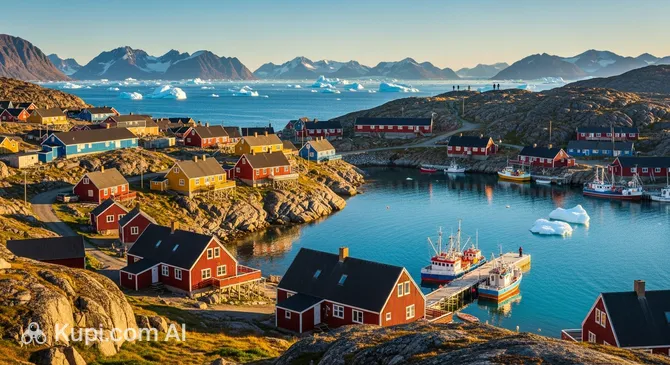
Nestled in the Qeqertalik municipality, Niaqornaarsuk is a captivating settlement that offers visitors a glimpse into the authentic Arctic lifestyle. Located on the northern coast of the Arfersiorfik Fjord in western Greenland, this village is defined by its stunning natural surroundings and a strong sense of community. With a population of approximately 267 residents, it remains a quiet and intimate destination for those seeking to escape the bustle of larger towns.

Niaqornaarsuk. Source: Kupi.Binoculars

The local culture is intrinsically tied to the sea and the land. To understand the deep connection the residents have with their environment, one should explore the history of Niaqornaarsuk. Although the settlement as it stands today was formalized in 1939, the area's heritage is deeply rooted in traditional hunting and fishing practices, which continue to shape the daily rhythm of life here.

Travelers are drawn to the area's rugged beauty and peaceful atmosphere. The vast Arfersiorfik Fjord provides breathtaking opportunities for boating and photography, especially during the long summer days when the sun barely sets. Hiking enthusiasts will appreciate the untouched terrain surrounding the village, where the Arctic tundra meets the rocky coastline, offering a pristine environment for exploration.

Whether you are looking for a peaceful retreat or an adventure off the beaten path, Niaqornaarsuk welcomes you with open arms. It is a place where time seems to slow down, allowing you to fully immerse yourself in the majestic landscapes of the North.

Weather Overview

The climate in this settlement is distinctly Arctic, characterized by significant seasonal contrasts. Winters are long and freezing, with February typically being the coldest month, seeing average temperatures dip to around -19.4°C. In contrast, the short summer season brings a welcome thaw, particularly in July, when maximum temperatures can reach approximately 11.7°C.

Although the actual volume of precipitation remains low throughout the year, the frequency of damp days increases during the warmer months. August, for instance, sees about 12 wet days on average, compared to the drier winter period. To help plan your activities, it is advisable to consult the current weather in Niaqornaarsuk before your trip. Expect cool summers with frequent light showers and very cold, dry winters.

Interesting Facts

Beyond its scenic fjords and colorful houses, Niaqornaarsuk holds fascinating secrets that reveal the deep resilience and heritage of its people. From ancient naming traditions to unique architectural preservation, this settlement offers more than meets the eye.

  • A Name Etched in Stone: The name Niaqornaarsuk translates to "the rather big head-like one" or "the odd, head-like object." This curious moniker refers to the distinct shape of the promontory on which the oldest part of the village sits, perfectly describing the rugged geography that defines the settlement's layout.

  • The "Illu Qarmagaq" Time Capsule: Unlike many modernizing towns, Niaqornaarsuk is home to a meticulously reconstructed turf house, known locally as Illu Qarmagaq. Built in the 1990s using traditional materials like stone and sod, this structure serves as a tangible link to the past, allowing visitors to experience exactly how Inuit families lived and survived the Arctic winters in the early 20th century.

  • The Place of the Whales: The village is situated at the mouth of the Arfersiorfik Fjord, whose name literally means "the place where the whale was spotted." True to its name, this 152-kilometer-long waterway is a historical hotspot for marine life, connecting the open Davis Strait all the way to the Inland Ice.

  • A Center for Salted Delicacies: While many Greenlandic factories focus on frozen exports, the local Royal Greenland facility in Niaqornaarsuk specializes in producing salted fish. Without heavy freezing machinery, the community has mastered the art of salting cod and roe, a traditional method that creates a distinct product prized in international markets.

How to Get There

Reaching the remote settlement of Niaqornaarsuk is an adventure in itself, immersing travelers in the Arctic wilderness from the moment they arrive. Since there are no roads connecting settlements in Greenland, the journey typically involves a combination of flights and sea or helicopter transfers. You can read more about how to get to Niaqornaarsuk and the specific logistics involved in our detailed guide.

The settlement does not have its own airport. The closest and most practical regional hub is Aasiaat Airport (JEG), located in the town of Aasiaat, approximately 54.5 km from Niaqornaarsuk. This airport serves as a key connection point for the southern Disko Bay area. From Aasiaat, visitors usually continue their journey to the settlement via a scheduled settlement ferry (Disko Line) or a helicopter transfer, depending on the season and weather conditions.

Most international travelers will first land at Kangerlussuaq Airport (SFJ) in Kangerlussuaq, which is the main international gateway for the country, situated about 164 km away. It handles the majority of flights arriving from Denmark and Iceland. From here, you would typically catch a domestic connection to Aasiaat. Another option is Ilulissat Airport (JAV), located 133.8 km away in Ilulissat, which is a major hub for tourism in the region.

For clarity, here is a summary of the main airports in the region:

Airport Name City Passenger Traffic Km from City
Kangerlussuaq Airport Kangerlussuaq High 163.9
Ilulissat Airport Ilulissat High 133.8
Sisimiut Airport Sisimiut Moderate 147.6
Aasiaat Airport Aasiaat Moderate 54.5
Qaarsut Airport Qaarsut Low 279.1

Main Attractions

Although Niaqornaarsuk is a small settlement, its charm lies in its authenticity and the stunning natural environment that surrounds it. Visitors here will not find grand museums or amusement parks, but rather a genuine connection to Greenlandic culture and the raw beauty of the Arctic landscape. The attractions here are intimate, historical, and deeply connected to the daily lives of the residents.

The most dominant feature of the area is the majestic Arfersiorfik Fjord. This extensive waterway, which stretches deep inland towards the Greenland Ice Sheet, offers spectacular scenery and is the lifeblood of the community. It is an excellent location for boat tours, where tourists can navigate between floating icebergs and, with some luck, spot whales surfacing in the calm waters. The fjord provides a perfect backdrop for photography and a serene environment for kayaking enthusiasts seeking solitude.

In the heart of the village stands the Niaqornaarsuk Church. Like many churches in Greenland, it is a colorful wooden structure that serves as a central gathering place for the community. Its simple yet striking architecture stands out against the rocky terrain and snow, making it a picturesque landmark. Visitors are often welcomed to admire the building, which offers a quiet space for reflection and a chance to observe the importance of faith and tradition in settlement life.

For a fascinating look into the past, travelers should visit the Illu Qarmagaq, a reconstructed traditional turf house. Built to preserve the heritage of the region, this structure replicates the sod and stone dwellings that Inuit families lived in for centuries. Stepping inside provides a tangible sense of history, allowing visitors to appreciate the ingenuity and resilience required to survive the harsh Arctic winters before the arrival of modern housing.

Finally, the area surrounding the settlement offers incredible opportunities for Arctic Hiking. There are no marked tourist trails, but the open tundra invites exploration. Hiking up the hills behind the village rewards visitors with panoramic views of the colorful houses clustered by the shore and the endless expanse of the fjord system. It is a wonderful way to experience the silence of the Arctic and observe local flora and birdlife.

Local Cuisine

The culinary experience in Niaqornaarsuk is deeply rooted in the Arctic environment and the subsistence lifestyle of its residents. In a settlement of this size, you will not find commercial restaurants or fine dining establishments. Instead, the local cuisine is defined by the catch of the day, harvested directly from the Arfersiorfik Fjord and the surrounding tundra. Food here is fresh, organic, and prepared using traditional methods passed down through generations.

One of the most iconic dishes you might encounter is suaasat, a hearty traditional soup often considered the national dish of Greenland. Typically made from seal meat, it is thickened with rice or barley and seasoned simply with onions, salt, and pepper. Another staple is mattak, the skin and blubber of a whale, usually eaten raw. It is prized for its nutty flavor and high vitamin C content, historically essential for survival in the Arctic winter. Given the local fish factory's specialization, you are also likely to find excellent quality salted or dried fish, known as tørfisk, which serves as a chewy, protein-rich snack.

When it comes to beverages, coffee is the undisputed king of social life. The tradition of kaffemik—an open-house social gathering celebrating birthdays or milestones—is central to the community. If you are lucky enough to be invited, you will be served strong coffee accompanied by an abundance of cakes and possibly local savory delicacies. For a warming treat, you might also hear of "Greenlandic Coffee," a potent mix of hot coffee, whiskey, Kahlúa, and Grand Marnier, topped with whipped cream, though this is more commonly found in larger towns or tourist lodges.

For visitors, dining in Niaqornaarsuk requires a bit of planning. Since there are no street food stalls or cafes, tourists typically rely on self-catering using supplies from the local Pilersuisoq store, which stocks imported goods alongside local produce. Alternatively, if you are staying in a guesthouse or with a local family, meals are often provided by your hosts. This offers the most authentic way to taste the local flavors, as home-cooked meals feature the freshest ingredients prepared with genuine Greenlandic hospitality.

Travel Tips

Visiting a remote settlement like Niaqornaarsuk requires a bit more preparation than your average city break, but the reward is an authentic insight into Arctic life that few travelers ever see. To help you make the most of your journey to this peaceful corner of the Qeqertalik municipality, here are some practical tips to ensure a safe and comfortable stay.

  1. Dress for the Arctic Elements: Regardless of when you visit, the weather can change rapidly. The key is layering. Bring thermal underwear (wool is best), a warm middle layer, and a high-quality windproof and waterproof outer shell. Even in summer, temperatures can be cool, so a hat and gloves are recommended. Sturdy, waterproof hiking boots are essential, as the terrain in the village is rocky and unpaved.

  2. Getting Around on Foot: Niaqornaarsuk is a small settlement with no paved roads, so there is no public transport, taxi service, or car rental. Walking is the only way to get around the village itself. To travel to neighboring towns or settlements, you will rely on the Disko Line ferries or helicopter transfers, which must be booked well in advance.

  3. Cash is King: The local currency is the Danish Krone (DKK). While the local grocery store, Pilersuisoq, typically accepts major credit cards (Visa/Mastercard), connection issues can occur. There are no banks or ATMs in the settlement. It is highly advisable to withdraw sufficient cash in Aasiaat or Kangerlussuaq before you arrive to cover small purchases, souvenirs, or tips.

  4. Health and Medical Facilities: The settlement has a small nursing station for basic care, but there is no hospital or pharmacy. For serious medical emergencies, patients are evacuated to Aasiaat or Nuuk. Ensure you have comprehensive travel insurance that covers medical evacuation. Bring a personal supply of any prescription medications you need, as well as a basic first-aid kit.

  5. Staying Connected: The main language is Greenlandic (Kalaallisut). Danish is widely understood, while English proficiency varies, though younger generations are often helpful. A friendly "Aluu" (Hello) or "Qujanaq" (Thank you) goes a long way. Mobile coverage is provided by Tusass; buying a prepaid SIM card in a larger town upon arrival in Greenland is the best way to get data, as Wi-Fi is rarely free.

  6. Respect Local Etiquette: The community is tight-knit and welcoming but values privacy. Always remove your shoes when entering a local home or the community hall; this is a strict rule in Greenland. Smile and greet people you pass on the paths. If you wish to photograph locals, especially children or people working, always ask for permission first.

  7. What to Avoid: Do not wander off into the wilderness alone without informing your host or a local contact of your plans. The terrain can be deceptive, and weather conditions can shift instantly. Also, avoid walking on sea ice unless you are with an experienced local guide who knows the safe routes.

  8. Shop Like a Local: The Pilersuisoq store is the heart of the village, selling everything from food to rifles. Be aware of its opening hours, as it closes early and may be closed on Sundays or holidays. Also, note that alcohol sales in Greenlandic settlements often have restricted hours, so check the signs in the store if you plan to buy beer or wine.

By packing the right gear and approaching the local culture with curiosity and respect, you will find Niaqornaarsuk to be a warm and inviting destination despite the chilly latitude. Embrace the slower pace of life, and you will leave with unforgettable memories of true Greenlandic hospitality.

Entertainment & Nightlife

Travelers looking for a vibrant clubbing scene or late-night cocktail bars will find that entertainment in Niaqornaarsuk follows a different, much quieter rhythm. As a small settlement with a population of fewer than 300 people, there are no commercial nightclubs, pubs, or dedicated nightlife districts. Instead, the evening atmosphere is defined by profound silence, natural wonders, and tight-knit community gatherings.

In the absence of restaurants or bars, the "nightlife" here is predominantly outdoors and dictated by the season. During the winter months, the pitch-black skies serve as a world-class canvas for the Northern Lights (Aurora Borealis). The lack of light pollution makes the area around the harbor and the rocky outskirts of the village ideal for viewing this celestial display. In summer, the Midnight Sun keeps the surroundings illuminated 24 hours a day, allowing for "night" hikes and boat trips under a golden glow that never fades.

For social entertainment, the local Community Hall (often referred to as the Forsamlingshus) is the central hub of the village. This is where residents gather for special events, traditional Greenlandic dances, celebrations, or community bingo nights. While these are not commercial tourist events, they represent the heart of social life in the settlement. If you are fortunate enough to be visiting during a festive period, this is where the excitement happens.

If you wish to enjoy a drink in the evening, you must plan ahead. There are no bars serving alcohol, so visitors typically purchase supplies at the local Pilersuisoq store. Be aware that alcohol sales in Greenland often have restricted hours, typically stopping earlier than the store's closing time and remaining closed on Sundays. Most travelers enjoy a quiet evening in their guesthouse or accommodation, perhaps sharing a drink while overlooking the Arfersiorfik Fjord.

Safety during evening walks is less about crime—which is virtually non-existent—and more about the environment. The paths in Niaqornaarsuk are not fully paved or well-lit, so carrying a flashlight is essential in autumn and winter to avoid slipping on ice. Additionally, it is crucial to keep a safe distance from sled dogs. These are working animals, often chained outside homes, and can be dangerous if approached; never try to pet them.

Regarding daytime entertainment, the settlement does not feature theaters, amusement parks, or large museums. The entertainment lies in observing the authentic Arctic lifestyle. You might spend time watching fishermen return with their catch at the harbor or cheering on a local match at the village football pitch, which is often the liveliest spot in town during the day. For a cultural experience, simply walking through the colorful rows of houses offers a living museum of modern Inuit life.

Parks & Museums

In a remote settlement like Niaqornaarsuk, the definitions of "parks" and "museums" shift away from urban norms. You will not find manicured botanical gardens or sprawling exhibition halls here. Instead, the entire surrounding wilderness serves as a boundless natural park, and the village itself acts as a living museum, preserving traditions that have sustained the Inuit people for millennia.

The most significant "green space" is the Arctic Tundra that envelops the settlement. Unlike fenced city parks, this vast, open terrain offers unlimited freedom for hikers. The hills rising immediately behind the village are covered in moss, lichen, and wildflowers during the short summer. A climb to the higher ridges rewards visitors with silence found nowhere else and panoramic views of the colorful houses contrasting against the steel-grey waters of the fjord.

Another natural area of note is the rocky coastline along the Arfersiorfik Fjord. While not a sandy beach in the tropical sense, the shoreline serves as a recreational area for locals and visitors alike. It is a place to observe the tides, watch for drifting ice, and see local fishermen launching their dinghies. The connection between the land and the sea here is seamless, offering a raw, uncurated nature experience that is perfect for photography and meditation.

For cultural history, the Illu Qarmagaq (Turf House) is the settlement's primary heritage site. This reconstructed dwelling is a faithful replica of the traditional sod and stone houses that were common in Greenland until the mid-20th century. It serves as a small, informal museum where you can step inside to feel the insulation provided by the peat walls and imagine the communal life of families who survived harsh winters in such compact spaces. It provides a tangible link to the architectural ingenuity of the past.

The Niaqornaarsuk Church also functions as a custodian of local culture. While primarily a place of worship, its interior reflects the community's history and values. The simple yet beautiful decor, often featuring traditional beadwork or local craftsmanship, offers insight into the spiritual life of the village. It stands as a monument to the community's resilience and cohesion, acting as a gathering point for both celebration and mourning.

As an insider tip, treat the area around the drying racks near the harbor as an open-air gallery. Here, you can observe the traditional method of drying fish (tørfisk), a practice that has remained unchanged for centuries. Seeing the rows of cod drying in the crisp Arctic wind offers a genuine glimpse into the subsistence lifestyle that defines Niaqornaarsuk, far more vivid than any static museum display.

Getting Around

Visitors arriving in Niaqornaarsuk will quickly realize that the public transport system described in standard guidebooks does not apply here. As a small settlement with a compact footprint, there are no subways, trams, extensive bus networks, or even paved roads suitable for conventional urban traffic. The primary and most reliable mode of transport within the village is simply walking, as the entire settlement can be traversed on foot in a short amount of time.

Because there is no internal transit network, there is no need to worry about purchasing travel passes, validating tickets, or navigating complex zone systems. The concepts of "rush hour" or "missing the last bus" are virtually non-existent. Transport costs within the settlement are effectively zero, as you will be relying entirely on your own two feet to move between the harbor, the store, and your accommodation.

For travel out of the village or to neighboring settlements, the "public transport" consists of scheduled ferries and helicopters. Tickets for these services—operated primarily by Disko Line and Air Greenland—must be purchased in advance, typically online or at transit hubs in larger towns like Aasiaat. There are no ticket machines or sales counters within the village itself, so digital planning prior to your arrival is essential to ensure you have a confirmed seat.

In terms of alternatives, you will not find ride-hailing apps, taxi ranks, or car-sharing services. During the winter months, the frozen terrain opens up unique local transport methods: dog sleds and snowmobiles become the engines of the community. While these are not "public transport" in the regulated sense, local operators can often be hired for transfers or tours. In summer, private boat charters replace taxis for reaching specific fishing spots or nearby scenic locations.

Practical advice for navigating the settlement revolves around footwear rather than route maps. Since the paths can be rocky, uneven, and often covered in snow or ice depending on the season, high-quality hiking boots with good grip are indispensable. Although the village is small, the terrain can be steep, so allow extra time to get around if you are carrying heavy luggage or equipment.

Accommodation

Finding accommodation in Niaqornaarsuk requires a different mindset compared to visiting larger tourist hubs. As a remote settlement with a small population, there are no commercial hotels, luxury resorts, or hostels in the traditional sense. Instead, lodging options are limited and primarily consist of small guesthouses, private rooms offered by locals, or arrangements made through the village authorities.

Because the settlement is compact, location is rarely a concern. Whether you stay near the harbor or further up the hill, you will be within walking distance of the Pilersuisoq grocery store, the community hall, and the surrounding nature. The experience is intimate and immersive, often involving a stay in a family home where facilities like bathrooms and kitchens may be shared with your hosts.

Booking accommodation in advance is mandatory. You cannot simply arrive and expect to find a room available, as capacity is extremely limited. It is highly recommended to coordinate your stay through a travel agency in Aasiaat or by contacting the local settlement office before your journey to Greenland. Prices tend to be fixed and can be relatively high due to the scarcity of options and the cost of maintaining facilities in the Arctic. Payment is often expected in cash (DKK) or via bank transfer prior to arrival, as credit card facilities for lodging may not exist.

Nearby Cities

While Niaqornaarsuk is a remote settlement nestled in the Qeqertalik municipality, it is part of a broader network of Greenlandic towns and villages. In the Arctic, "nearby" is a relative term, often measured in boat hours or helicopter minutes rather than highway kilometers. The settlement relies heavily on its larger neighbors for transport connections, commerce, and medical services. Below are the most significant towns in the region that travelers might pass through or visit in conjunction with their stay.

The most important connection for the settlement is Aasiaat. Located approximately 53 km away, it serves as the regional capital and the primary transit hub for the southern Disko Bay area. Most visitors to Niaqornaarsuk will transfer here, either by ferry or helicopter. Aasiaat is known as the "Town of Whales" and offers a variety of services, including a hospital, larger supermarkets, and an airport, making it the lifeline for the smaller surrounding communities.

Further north lies the famous town of Ilulissat, situated about 131 km from the settlement. This is the tourism capital of Greenland, renowned worldwide for its UNESCO-listed Icefjord. While it is further away, many travelers combine a trip to the quiet authenticity of Niaqornaarsuk with the spectacular icebergs and tourist infrastructure of Ilulissat.

To the south, the second-largest city in the country, Sisimiut, is located roughly 148 km away. It is an adventure hub known for its backcountry skiing and hiking trails. Although there is no direct road between them, the coastal ferry route connects these destinations during the ice-free months, allowing for a broader exploration of the western coast.

For those looking to explore further afield, Maniitsoq (314 km) offers rugged alpine landscapes and is often called the "Venice of Greenland" due to its archipelago setting. Finally, the capital city, Nuuk, lies approximately 455 km to the south. As the administrative and cultural center, it is a stark contrast to the quiet village life, offering museums, shopping centers, and fine dining.

Here is a summary of the nearby cities, their populations, and their distances from Niaqornaarsuk:

City Population Distance (km)
Aasiaat 3,069 53
Ilulissat 4,737 131
Sisimiut 5,582 148
Maniitsoq 2,534 314
Nuuk 18,326 455

Shopping & Souvenirs

Shopping in Niaqornaarsuk is an experience defined by simplicity and necessity rather than commercial variety. As a small settlement with fewer than 300 residents, you will not find high streets lined with boutiques or sprawling retail complexes. Instead, commerce here functions to serve the daily needs of the community, offering visitors a fascinating look at the logistics of life in a remote Arctic village. The shopping scene is concentrated entirely around the supply of essential goods and the trade of local resources.

The "shopping district" is effectively a single building: the local Pilersuisoq store. This chain is the lifeline of settlements across Greenland, acting as a supermarket, department store, and logistics hub all rolled into one. Here, you can find everything from fresh produce (when supplies arrive) and canned goods to rifles, clothing, and household hardware. For tourists, a visit here is less about retail therapy and more about observing how the village sustains itself through imported goods.

There are absolutely no shopping malls or large commercial centers in Niaqornaarsuk. The retail infrastructure is strictly functional. Travelers accustomed to browsing fashion outlets or electronics stores will find the absence of consumerism refreshing. The focus here is on survival and community, with the store serving as a social meeting point as much as a place of business.

While there is no formal marketplace, the concept of "The Board" (Brættet) exists in spirit if not always in a physical structure. This is where local hunters and fishermen sell their fresh catch of the day, such as seal, whale, or halibut. In a settlement of this size, transactions are often informal, taking place directly at the harbor or from the back of a boat. Witnessing this trade offers a genuine insight into the subsistence economy that drives the region.

For those seeking souvenirs, you won't find kitschy gift shops. Instead, look for authentic local handicrafts made by residents. Skilled artisans in the village often create intricate beadwork, knitted wool items, or traditional carvings known as tupilaks made from reindeer antler or bone. These items are rarely displayed in a shop window; you are more likely to find them by asking your guesthouse host or noticing a sign in a local window. Purchasing these goods directly supports the local families.

Opening hours are limited and strictly observed. The Pilersuisoq store typically opens around 09:00 or 10:00 and closes by late afternoon, often with reduced hours on Saturdays and closures on Sundays. Payment is generally made in Danish Krone (DKK). While the store usually accepts major credit cards (Visa and Mastercard), technical disruptions can occur due to the remote location, so carrying cash is highly recommended, especially for buying handicrafts from locals.

Regarding Tax-Free shopping, this concept is not applicable within the settlement. There is no VAT in Greenland, but prices can be high due to shipping costs. Refund schemes for tourists are generally only found in larger towns or airports with specific tourist shops, so do not expect tax refund forms when buying supplies or crafts in Niaqornaarsuk.
Reached the end of the page?

That means the route is fully explored