Support

Aasiaat

About

Aasiaat, often affectionately called the "Town of Whales," is a captivating destination located at the southern entrance of the spectacular Disko Bay. Situated within a vast archipelago known as the "Land of a Thousand Islands," this town offers a truly authentic Arctic experience, far removed from the busy tourist trails. With its colorful wooden houses scattered across the rocky terrain and a friendly local atmosphere, Aasiaat invites visitors to experience the genuine rhythm of life in Greenland.

Geographically, the town is unique because it is not located on the mainland but on the island of Aasiaat itself, surrounded by a maze of smaller islands and waterways. This location creates a sheltered environment that stands in contrast to the open sea. The climate here is Arctic, characterized by snowy winters perfect for dog sledding and cool summers where the sun never sets. With a population of approximately 3,000 residents, it serves as an important educational and administrative hub for the region while maintaining a close-knit community feel.
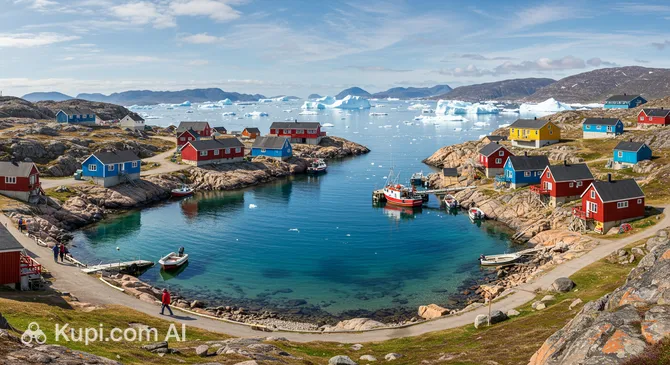
Aasiaat. Source: Kupi.Binoculars

The town was originally founded in the 18th century, and its development has been deeply tied to the sea and trade. You can delve deeper into the origins and development of the settlement by reading about the history of Aasiaat, which traces its journey from a small trading post to a modern town. Today, the old colonial harbor remains the heart of the city, where the past meets the present.

For travelers, Aasiaat is a premier destination for nature lovers. The surrounding waters are teeming with marine life, making it one of the best places in the country for whale watching; humpback whales are frequently spotted playing just off the coast during the summer months. The archipelago also offers world-class opportunities for kayaking, where you can paddle through calm waters amidst icebergs and varied birdlife. Culturally, the town surprises visitors with the Aasiaat Museum and the local community hall, which houses a remarkable collection of paintings by the renowned artist Per Kirkeby.

Whether you are seeking the thrill of navigating through an icy archipelago or simply wish to enjoy the tranquility of the Midnight Sun, Aasiaat welcomes you with open arms. It is a place where nature is grand, the culture is rich, and the welcome is always warm.

Weather Overview

The climate in Aasiaat is distinctly Arctic, defined by cold winters and cool, short summers. The coldest period of the year typically occurs in February, where average temperatures drop to around -16.3°C, creating a frozen landscape perfect for traditional winter activities. In contrast, the summer months offer a milder experience, with July being the warmest time of year, reaching average highs of approximately 10.0°C.

Precipitation levels are generally quite low in terms of volume, often remaining under 2mm per month. However, the frequency of wet days varies, with late summer and autumn seeing more frequent occurrences compared to the drier spring months. To pack appropriately for your specific travel dates, it is best to consult the detailed guide on the weather in Aasiaat.

Overall, visitors should expect cool summers with occasional light precipitation and very cold, dry winters that require heavy thermal clothing.

Interesting Facts

Beyond the scenic views and coastal charm, Aasiaat holds several fascinating secrets that give it a unique character. From its curious name to its vibrant cultural scene, there are plenty of surprising details to discover about this Arctic settlement.

  • The Mystery of the Spiders: The name "Aasiaat" literally translates to "Spiders" in the local dialect. This moniker remains a bit of a mystery to this day, as spiders are rarely seen in the town's Arctic climate, leading to various local legends about how the settlement earned its unusual title.

  • A Musical Hotspot: Despite its remote location, the town is a beating heart for Greenlandic music. It hosts the popular Nipiaa Rock Festival, a multi-day event that draws bands and music lovers from all over the country to celebrate modern and traditional sounds under the midnight sun.

  • A Kayaker's Labyrinth: While many Arctic towns face the open ocean, Aasiaat is shielded by an immense archipelago. The surrounding waters are dotted with thousands of small islands, creating a vast, protected maze that allows kayakers to paddle for days without ever encountering rough open seas.

  • A Youthful Spirit: Aasiaat is distinctively youthful compared to other settlements. As the educational capital of North Greenland, it is home to a large high school that attracts students from villages across the entire northern region, doubling the town's energy and population during the academic year.

How to Get There

Reaching the island town of Aasiaat is an adventure in itself, typically involving a journey by air or sea along Greenland's stunning western coast. Due to its archipelago location, there are no roads connecting it to other towns, making flights and coastal ferries the primary modes of transport. For a detailed guide on planning your trip, you can read more about how to get to Aasiaat.

The most direct way to arrive is via Aasiaat Airport (JEG), which is conveniently located on the same island as the town. It is a regional airport that handles domestic connections. Since the airport is situated just 3.3 km from the city center, the transfer is quick and easy; a ride by taxi or shuttle bus typically takes approximately 5 to 10 minutes.

Most international travelers will first land at Kangerlussuaq Airport (SFJ), the primary international gateway for Greenland. Located in Kangerlussuaq about 209 km away, this major hub handles the bulk of incoming traffic from abroad. From here, visitors catch a connecting domestic flight to Aasiaat. Another key transit point is Ilulissat Airport (JAV) in the neighboring town of Ilulissat, located roughly 93 km north, which also offers frequent connections to the region.

For clarity, here is a summary of the main airports serving the region:

Airport Name City Passenger Traffic Km from City
Kangerlussuaq Airport Kangerlussuaq High 209.5
Ilulissat Airport Ilulissat Medium 93.4
Sisimiut Airport Sisimiut Medium 199.1
Aasiaat Airport Aasiaat Medium 3.3
Qaarsut Airport Qaarsut Small 226.2

Greenland does not have a railway system, so there are no train stations in Aasiaat or the surrounding towns. Travel between settlements is conducted exclusively by plane, helicopter, or boat.

Besides flying, the Arctic Umiaq Line coastal ferry, Sarfaq Ittuk, is a popular way to reach Aasiaat during the warmer months. The ferry stops at the town's harbor, offering a scenic and slower-paced alternative for those wishing to experience the coastline from the water.

Main Attractions

Aasiaat may be a small town, but it punches above its weight when it comes to cultural depth and natural beauty. Unlike the steep, imposing fjords found elsewhere in Greenland, this area is defined by its vast archipelago and accessible terrain, offering a different kind of Arctic charm. The attractions here range from historical insights into colonial life to world-class opportunities for outdoor adventure.

Aasiaat Museum is an essential stop for anyone wanting to understand the region's past. Housed in the former colony manager’s residence, which dates back to 1860, the museum presents a fascinating timeline of local history. Exhibits range from Paleo-Inuit artifacts and traditional hunting tools to displays about the Danish colonial era. It is particularly interesting for its focus on the personal stories of the people who have inhabited this harsh but beautiful environment for centuries.

For art lovers, the Community Hall (Forsamlingshuset) holds a surprising treasure. In 1969, the renowned Danish artist Per Kirkeby visited Aasiaat and created a series of 24 paintings specifically for this hall. These works are permanently installed here, turning a modest local gathering place into a significant cultural landmark. It is a rare opportunity to see major works of art in such a remote and intimate setting, blending modern expressionism with the spirit of the Arctic.

The Aasiaat Archipelago is arguably the town's greatest natural attraction. Known as the "Land of a Thousand Islands," the waters surrounding the town are protected from the open ocean, creating a calm and labyrinthine environment perfect for kayaking. Tourists flock here to paddle among the icebergs and islands, often accompanied by the sight of humpback whales, which are known to frequent these sheltered waters in summer. It offers one of the most serene and accessible ways to experience the marine nature of the region up close.

A walk through the Old Colonial Harbor offers a picturesque glimpse into the town's architectural heritage. This area is the historic heart of Aasiaat, featuring well-preserved wooden buildings from the 18th and 19th centuries that evoke the atmosphere of the original settlement. A prominent landmark in the town is the Aasiaat Church, a distinctive black wooden building consecrated in 1965. With its unique architecture and dark facade, it stands as a central gathering point for the community, beautifully contrasting with the colorful historic homes nearby.

Local Cuisine

The culinary scene in Aasiaat is deeply rooted in the Arctic environment, offering a taste of Greenland that is both authentic and fresh. As a town surrounded by a vast archipelago, the local diet is heavily reliant on the harvest from the sea. While you won't find a wide array of international restaurant chains here, you will discover honest, hearty cuisine where the ingredients—often caught just hours before serving—take center stage.

Aasiaat is particularly famous for its snow crabs. The town is home to a major crab processing plant, making this delicacy a local staple rather than a rare luxury. Visitors should not miss the opportunity to try fresh snow crab, known for its sweet, juicy meat. Another must-try traditional dish is suaasat, the national soup of Greenland. Typically made from seal meat (though sometimes reindeer or seabirds), it is a rich, thick broth cooked with onions and potatoes or rice, providing essential warmth and nutrition in the cold climate. For the adventurous eater, mattak—raw whale skin with a thin layer of blubber—is a chewy delicacy rich in vitamins that offers a true taste of Inuit tradition.

When it comes to drinks, the most iconic experience is ordering a Greenlandic Coffee. Far more than just a beverage, its preparation is often a performance: a blend of hot coffee, whiskey, Kahlua, and Grand Marnier is topped with whipped cream and set aflame, symbolizing the Northern Lights. For something non-alcoholic, nothing beats the purity of local water, often sourced from melted icebergs, which is incredibly crisp and clean.

Dining out in Aasiaat is a cozy affair. Restaurant Nanoq is a popular spot for both locals and tourists, located near the harbor. Here, you can enjoy a mix of international dishes and local specialties, such as reindeer steaks or muskox burgers, while looking out over the water. For a more casual and traditional atmosphere, the cafeteria at the Seamen’s Home (Sømandshjemmet) serves generous portions of home-style food and is a great place to mingle with the community. To see where the locals get their ingredients, visit Brættet, the open-air market near the harbor where hunters and fishermen sell their daily catch of fish, seal, and birds directly to the public.

Travel Tips

Visiting Aasiaat offers a unique glimpse into life in the Arctic, but traveling to a remote island settlement requires a bit more preparation than a standard city break. To help you navigate the "Town of Whales" with ease and respect for the local culture, here are some practical tips to keep in mind before you pack your bags.

  1. Clothing and Gear: The weather in the Disko Bay region can change rapidly, so the key to comfort is layers. Even in summer, bring a windproof and waterproof jacket, warm sweaters, and a hat. Sturdy, waterproof hiking boots are essential, as the terrain in and around the town is rocky and often uneven. If you visit in winter, heavy thermal gear, insulated boots, and crampons for icy streets are mandatory.

  2. Transportation: Aasiaat is a small, compact town, and the best way to get around is on foot. There is no public metro or extensive bus network, though taxis are available if you need to transport luggage or travel to the airport. Car rentals are generally not necessary for tourists. To explore the surrounding archipelago, you will rely on boats or water taxis, which are the true "highways" of the region.

  3. Finances: The local currency is the Danish Krone (DKK). Major credit cards (Visa, Mastercard) are widely accepted in supermarkets, hotels, and restaurants. However, it is wise to carry some cash for smaller purchases, especially if you plan to buy fresh catch at the open-air market (Brættet) or handicrafts from local artisans. There is an ATM in town, but bringing some currency with you is always a good backup.

  4. Health and Safety: Aasiaat is a very safe town with low crime rates, but the Arctic environment poses natural risks. Be cautious when walking on slippery rocks or near the water's edge. There is a local hospital that provides medical assistance, and you can find basic over-the-counter medicines at the supermarket. Travel insurance that covers medical evacuation is highly recommended due to the remote location.

  5. Communication: The official languages are Greenlandic (Kalaallisut) and Danish. While many people working in tourism and younger generations speak English, it is not universally spoken by older residents. Learning a simple greeting like "Aluu" (Hello) or "Qujanaq" (Thank you) goes a long way. For mobile data, you can purchase a prepaid SIM card from the local telecommunications provider, Tusass, as roaming charges for foreign carriers can be extremely high.

  6. Local Etiquette: The atmosphere in Aasiaat is relaxed and informal. It is customary to greet people you pass on the street with a smile or a nod. If you are invited into a local home, always remove your shoes at the door. Ask for permission before taking photographs of locals, especially children or people working at the harbor, to respect their privacy.

  7. What to Avoid: Never approach or try to pet sled dogs. Unlike domestic pets, these are working animals and can be dangerous/aggressive towards strangers. Additionally, avoid walking on the designated dog sled tracks in winter, as this can ruin the trail and create safety hazards for the mushers.

  8. Shopping Hours: Be aware that opening hours can be shorter than on the mainland. Most shops close early on Saturdays and may be completely closed on Sundays. If you arrive on a weekend, plan your grocery shopping accordingly to ensure you have supplies.

By keeping these practicalities in mind, you will be well-equipped to enjoy the stunning natural beauty and warm hospitality of Aasiaat. Embrace the slower pace of life, respect the power of nature, and your Arctic adventure is sure to be an unforgettable experience.

Entertainment & Nightlife

Entertainment in Aasiaat reflects the town’s close-knit community and its isolation in the Arctic. You will not find sprawling nightclub districts or neon-lit strips here; instead, the nightlife is intimate, authentic, and centered around a few key gathering spots where locals and visitors mix freely. The atmosphere is consistently relaxed and informal, with social life peaking on weekends or when live music events are scheduled.

For a complete evening out, Restaurant Nanoq is the premier venue. While it functions as a popular restaurant serving dinner, it often transitions into a lively social hub later in the night, particularly on weekends. It is the town's main spot for dancing and occasional live music events, turning a quiet evening into a festive celebration of Greenlandic music and social life.

If you are looking for a more casual "pub" atmosphere to enjoy a cold draft beer and play a game of billiards, venues like Nanuaraq or Tulugaq are the places to go. These spots serve as the local living rooms where fishermen and residents gather to unwind. They offer a down-to-earth vibe that is perfect for mingling with the community and experiencing the genuine day-to-day social culture of the town.

For a quieter setting, the bar at Hotel Nattoralik offers a more subdued environment compared to the bustling pub scene. It is a suitable choice for a relaxed drink or a nightcap where you can enjoy a conversation without the backdrop of loud music. It is important to note that the other major accommodation, the Seamen’s Home (Sømandshjemmet), is typically alcohol-free, so Hotel Nattoralik is the better option for an evening cocktail.

The cultural calendar peaks in late summer, usually in September, with the Nipiaa Rock Festival. This is the biggest event of the year, drawing crowds for several days of concerts featuring popular bands from across Greenland. If your trip coincides with this festival, you will experience the absolute peak of Aasiaat’s nightlife and energy.

When planning a night out, keep in mind that alcohol prices are significantly higher than in many other parts of the world due to import taxes. The dress code is universally casual and practical; jeans, sweaters, and sturdy boots are standard attire. Bars typically close around midnight or 1:00 AM on weekends. While walking is generally safe, the icy terrain can be treacherous; for a safe and warm ride home, you can call Aasiaat Taxa.

During the daytime, entertainment shifts towards cultural and outdoor activities. The Aasiaat Museum offers a deep dive into local heritage, while the Community Hall occasionally screens films or hosts bingo nights, which are popular local pastimes. For a more active form of entertainment, the "amusement park" here is the surrounding nature itself—skiing, dog sledding, and snowmobiling provide the adrenaline rush during the day.

Parks & Museums

In Aasiaat, the distinction between the town and nature is beautifully blurred. While you will not find manicured botanical gardens or fenced city parks here, the settlement is surrounded by an immense, open-air wilderness that functions as a playground for locals and visitors alike. The cultural scene is equally intimate, centered around well-preserved historical buildings that house the town's artistic and heritage treasures.

The Great Arctic Outdoors serves as the city's primary "green" space. Unlike urban centers where nature is contained, here the entire island of Aasiaat acts as a natural park. Just a few steps from the town center, the infrastructure gives way to rolling rocky terrain covered in moss, lichen, and wildflowers during the summer. This area is crisscrossed by informal hiking trails that locals use for walking, berry picking—particularly for crowberries and blueberries in autumn—and picnicking. It offers a peaceful escape with uninterrupted views of the Disko Bay and the drifting icebergs.

The Coastal Boardwalk and Harbor Area offer a more structured outdoor experience. While not a park in the traditional sense, the areas along the waterfront provide the best vantage points for enjoying the fresh sea air. It is a favorite spot for evening strolls, where the Midnight Sun creates a spectacular display of colors over the water. In winter, these same open spaces become the starting points for dog sledding trips and cross-country skiing, transforming the landscape into a winter sports haven.

Aasiaat Museum is the cultural anchor of the town. Located in the historic Old Colonial Harbor, the museum is situated within the former colony manager's residence, a building that dates back to 1860. It offers a comprehensive look into the region's history, featuring exhibits on the Paleo-Inuit cultures that first inhabited the area, as well as the later development of the Danish colony. Visitors can explore a collection of traditional kayaks, hunting equipment, and clothing, providing a deep understanding of the ingenuity required to survive in the Arctic.

For art aficionados, the Community Hall (Forsamlingshuset) is a must-visit destination that rivals traditional galleries. It houses a permanent collection of 24 paintings by the famous Danish artist Per Kirkeby, who spent time in the town in 1969. These works are not hidden away in a vault but are part of the daily life of the community, decorating the walls of the hall where local events take place. The paintings capture the essence of the Greenlandic landscape and light, making the hall a unique intersection of local social life and high art.

The Old Colonial Harbor stands as an open-air museum of architecture. This district contains the oldest buildings in Aasiaat, many of which are protected. Walking among these colorful wooden structures gives you a sense of the town's 18th-century origins. A notable landmark here is the Aasiaat Church. Known for its distinct white-trimmed black wooden facade, the church is an architectural centerpiece that has served the community since the mid-20th century and contains an altar piece painted by a local artist.

For a truly local experience, hike to the water reservoir located on the outskirts of the town. It is a popular spot for residents to stretch their legs and offers one of the best panoramic views of the archipelago. From this elevated vantage point, you can see the intricate maze of islands that protects the harbor, and on a clear day, you might even spot whales breaching in the distance.

Getting Around

Due to the compact size and remote island location of Aasiaat, the public transport system here is quite different from what you might find in a typical European city. There are no metros, trams, or trains, and the road network is limited strictly to the town itself. For most visitors, the primary and most enjoyable way to navigate the settlement is simply on foot. The town is small enough that you can walk from the harbor to the airport in less than an hour, and most major sights, accommodations, and shops are within easy walking distance of each other.

The main form of motorized public transport within the town is the taxi service. Taxis serve as the de facto bus system, offering a reliable and warm way to get from point A to point B, especially during the colder months or when carrying luggage. Aasiaat Taxa is the local provider, and their cars are frequently seen driving around the town. You can hail them if you see one available, but it is generally more practical to call their dispatch number to book a ride. Taxis are modern, comfortable, and accustomed to driving in Arctic conditions.

Regarding payment, the system is straightforward. Taxis run on meters, and the prices are fixed based on distance and time. You can pay using the local currency, the Danish Krone (DKK). Most taxis are equipped with card terminals that accept major international credit cards like Visa and Mastercard, making it convenient for tourists who may not be carrying large amounts of cash. However, carrying some small change is always a good backup plan in case of technical issues with the terminals.

Since Aasiaat is the "Capital of the Archipelago," the water acts as the region's highway. While not a "bus" in the traditional sense, water taxis and small charter boats are essential for getting around the surrounding islands. If you wish to visit nearby settlements or explore the archipelago, you will need to arrange transport by sea. These services are typically booked in advance through the tourist office or local boat operators. Unlike the town taxis, boat transfers can be quite expensive, so it is advisable to check prices and share the cost with other travelers if possible.

In the winter months, the definition of public transport expands to include snowmobiles and dog sleds. While dog sledding is often viewed as a tourist activity, for locals, it remains a practical method of traversing the frozen terrain and sea ice. Snowmobiles are widely used for personal transport when the roads are snowed over. As a tourist, you generally cannot rent a snowmobile to drive yourself without a guide, but you can book tours that function as transport to specific scenic locations.

Practical advice for navigating the town is simple: dress for the weather. Since walking is the most common option, sturdy, non-slip boots are your most important "transport ticket," especially in winter when streets can be icy. If you need a taxi for an early morning flight departure, it is highly recommended to book it the night before to ensure availability, as the fleet is relatively small. Overall, the transport experience in Aasiaat is stress-free, personal, and deeply connected to the surrounding nature.

Accommodation

Accommodation in Aasiaat is characterized by its small-scale, cozy nature rather than extensive luxury. As a remote island community, the town offers a limited but sufficient selection of places to stay, ranging from standard hotels and a traditional Seamen’s Home to smaller guesthouses and private apartment rentals. The focus is on warmth, cleanliness, and practical comfort, providing a safe haven from the Arctic elements.

Given the compact size of Aasiaat, there is no "bad" location to stay; almost every accommodation option is centrally located. The most popular area is near the harbor, which serves as the hub of activity and offers scenic views of the water and fishing boats. Staying here puts you within easy walking distance of the museum, the community hall, and the local shops, making it convenient for exploring the town on foot.

Two of the most well-known establishments define the hospitality scene here. Hotel Nattoralik is the town's primary hotel, offering standard amenities and an on-site restaurant that doubles as a social venue. It is a solid choice for travelers seeking a classic hotel experience. Another excellent option is the Seamen’s Home (Sømandshjemmet). True to Greenlandic tradition, this establishment offers simple, clean rooms and a welcoming cafeteria. It is known for its friendly atmosphere and is a great place to meet both locals and fellow travelers, though it is typically an alcohol-free environment.

Due to the limited number of beds available in the town, it is highly recommended to book your accommodation well in advance. This is particularly important during the summer peak season (June to August) and when major local events, such as the Nipiaa Rock Festival, are taking place. Showing up without a reservation can be risky, as options can be completely sold out.

Travelers should be prepared for a price range that reflects the high cost of operations in the Arctic. Accommodation is generally considered mid-range to expensive by international standards, even for basic facilities. Most places can be booked via online travel platforms or by contacting the property directly via email or phone, which is often the most reliable way to secure specific requirements in this remote region.

Nearby Cities

When exploring Greenland, the concept of a "nearby" city is quite different from what travelers might be used to. Due to the vast Arctic landscape and the absence of a road network connecting settlements, traveling between towns is an adventure in itself, typically requiring a flight or a scenic ferry ride along the coast. Aasiaat serves as an excellent gateway to the Disko Bay region and beyond, with several fascinating settlements located within a reachable distance by air or sea.

The closest major town is Ilulissat, famous for its massive icefjord, located just under 100 kilometers to the north. Further south lies Sisimiut, the second-largest city in the country, offering a different coastal vibe. Below is a list of cities in the region, along with their population and distance from Aasiaat, to help you plan your onward journey.

City Population Distance (km)
Sisimiut 5,582 200
Ilulissat 4,737 91
Maniitsoq 2,534 367
Uummannaq 1,407 222
Upernavik 1,092 471

Travelers often combine a visit to Aasiaat with a trip to Ilulissat to experience the full diversity of the Disko Bay area, or head south to Sisimiut to cross the Arctic Circle. Always check flight schedules and ferry timetables in advance, as connections can vary by season.

Shopping & Souvenirs

Shopping in Aasiaat offers a distinctively local experience that contrasts sharply with the commercial hubs of larger cities. As a remote island community, the town does not feature high streets lined with international fashion chains or sprawling luxury malls. Instead, the shopping scene is focused on practical daily necessities and authentic craftsmanship, offering visitors a chance to discover unique items that reflect the culture of Greenland.

The main commercial activity is concentrated in the town center, located just a short walk from the Old Colonial Harbor. There is no designated "shopping district" in the traditional sense; rather, the few available shops are clustered within a small radius, making it easy to explore everything on foot. A stroll through these streets allows you to observe the daily rhythm of the locals as they run errands, providing a genuine glimpse into life in a modern Arctic settlement.

You will not find large shopping malls in Aasiaat. The closest equivalents are the major supermarkets, Pilersuisoq and Pisiffik. In this region, these stores function as "all-in-one" department stores. Beyond just groceries, they stock a surprising variety of goods, ranging from clothing, winter gear, and household items to electronics and even rifles for hunting. For tourists, these are good places to pick up snacks, basic supplies, or even a warm sweater if the weather proves colder than expected.

For a taste of the local trade, visit Brættet (The Board), the town's open-air market located near the harbor. While it is primarily a place for hunters and fishermen to sell their daily catch of seal, whale, fish, and seabirds, it is a fascinating cultural stop. While you cannot buy fresh meat to take home internationally, the market is the vibrant heart of the town's food culture. Occasionally, you may find locals selling homemade crafts or seasonal berries here as well.

When it comes to souvenirs, quality over quantity is the rule. The best keepsakes are those made from local natural materials. Look for tupilaks (traditional figures carved from bone or antler), jewelry made from muskox horn, and intricate beadwork. Anuni is a local shop where you can find Greenlandic designs and sewing, offering a nice selection of clothing and handicrafts. Additionally, the shop at the Aasiaat Museum often sells books and locally made items. Be aware that souvenirs made from certain animal parts (like whale bone or seal skin) may require special permits to be exported to your home country.

Opening hours in Aasiaat are generally limited compared to mainland Europe. Most shops are open from Monday to Friday, typically between 9:00 AM or 10:00 AM and 5:30 PM. On Saturdays, shops often close early, around 1:00 PM or 2:00 PM, and most are closed on Sundays. Payment is straightforward, with the Danish Krone (DKK) being the official currency. Major credit cards like Visa and Mastercard are widely accepted in stores and hotels, though carrying some cash is recommended for smaller transactions at the market.

Regarding tax-free shopping, it is important to note that the country has no Value Added Tax (VAT) on goods. The price you see on the shelf is the final price. Because there is no sales tax charged, there is no tax refund system available for tourists at the airport or upon departure.

Reached the end of the page?

That means the route is fully explored