Support

Kitsissuarsuit

About

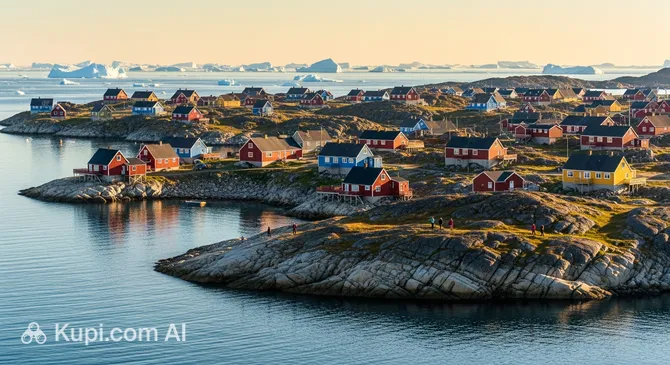
Welcome to Kitsissuarsuit, a small and authentic settlement that offers a truly unique glimpse into the traditional Arctic lifestyle. Located on a small archipelago in the southern part of Disko Bay, this remote community is a hidden gem in Greenland. Often referred to by its Danish name, Hunde Ejlande (Dog Islands), the village is known for its peaceful atmosphere and the stunning natural beauty that surrounds it on all sides.

Kitsissuarsuit. Source: Kupi.Binoculars

With a population of approximately 40 residents, Kitsissuarsuit is one of the smaller settlements in the region, creating an intimate and close-knit environment. The daily life here is dictated by the seasons and the sea, maintaining a strong connection to the old ways of living. Visitors interested in the past can explore the history of Kitsissuarsuit, which has long served as a strategic stopover for whalers and fishermen navigating these icy waters.

Despite its small size, the settlement offers memorable experiences for travelers seeking solitude and nature. The surrounding waters of Disko Bay are perfect for spotting whales and observing massive icebergs drifting from the north. Birdwatching is another popular activity, as the islands attract various Arctic seabirds. Whether you are looking to disconnect from the modern world or simply wish to experience the warmth of genuine Greenlandic hospitality, Kitsissuarsuit awaits with its quiet charm and breathtaking horizons.

Weather Overview

The climate in Kitsissuarsuit is distinctly Arctic, characterized by long, freezing winters and short, cool summers. The coldest time of year is typically February, when average temperatures drop to approximately -15.5°C, making warm, insulated clothing essential for any visit. In contrast, the summer season brings a thaw, with July seeing the warmest conditions as daily averages rise to a modest 7.2°C.

Precipitation remains relatively low in volume throughout the year, rarely exceeding a few millimeters per month, though the area experiences a fair number of "wet days" with light snow or drizzle. Expect cool summers with occasional light precipitation and very cold, dry winters. To help you pack the right gear for your specific travel dates, you can check the detailed weather in Kitsissuarsuit.

Interesting Facts

Beyond the main attractions of the region, Kitsissuarsuit holds many fascinating secrets that reveal the depth of its heritage. This remote archipelago community is more than just a scenic stop; it is a place where history and tradition are woven into the very landscape.

  • The "Dog Islands" Moniker: You may often hear the settlement referred to by its Danish name, Hunde Ejlande, which translates to "Dog Islands." This distinctive title is believed to stem from the historical prevalence of sled dogs in the area, which were essential for winter travel and survival, often vastly outnumbering the human residents.

  • A Haven for Dutch Whalers: Long before the official trading station was established in 1830, these islands served as a strategic anchorage for Dutch whalers in the 18th century. The sheltered waters provided a safe harbor for their ships, making the area a bustling hub of maritime activity centuries before modern infrastructure arrived.

  • Life on the Archipelago: Unlike many settlements situated on the mainland coast of Greenland, Kitsissuarsuit is located entirely on a small group of islands. This geographic separation has helped preserve a very traditional lifestyle, where the sea is the only "highway" and daily life is intimately tied to the rhythms of the ocean.

How to Get There

Reaching the remote settlement of Kitsissuarsuit is an adventure that typically begins with a flight to one of Greenland's regional hubs, followed by a scenic transfer by sea or helicopter. Since the village is located on an island in Disko Bay, there are no direct roads leading to it from the mainland. You can check all ways to reach the city to plan the most convenient route for your journey.

The settlement of Kitsissuarsuit does not have its own airport. The closest and most logical entry point is Aasiaat Airport (JEG) in the neighboring town of Aasiaat, located approximately 20.3 km away. From Aasiaat, travelers must arrange a boat transfer or a helicopter ride to cross the bay. The journey typically takes around 50 minutes, depending on weather and sea conditions. This airport is a key regional link, handling a moderate flow of passengers traveling to the southern part of Disko Bay.

For most international visitors, the trip starts at Kangerlussuaq Airport (SFJ), the primary international gateway for the country. Situated about 229 km from Kitsissuarsuit, it serves as the main hub for flights arriving from Denmark and Iceland. From here, you would connect to a domestic flight to Aasiaat. Another significant option for tourists is Ilulissat Airport (JAV), located roughly 92.5 km away, which is popular for its proximity to the Icefjord.

For clarity, here is a summary of the main airports:

Airport Name City Passenger Traffic Km from City
Kangerlussuaq Airport Kangerlussuaq Large 229.3
Ilulissat Airport Ilulissat Large 92.5
Sisimiut Airport Sisimiut Medium 214.2
Aasiaat Airport Aasiaat Medium 20.3
Qaarsut Airport Qaarsut Small 209.9

Main Attractions

While Kitsissuarsuit is a tiny settlement with a population of only about 40 people, its charm lies in its authenticity and unspoiled natural surroundings. You will not find grand museums or bustling amusement parks here; instead, the "attractions" are the peaceful rhythm of daily life, the stunning Arctic landscape, and the deep cultural heritage of the Inuit people. Visitors come here to slow down and experience a side of Greenland that few get to see.

One of the most prominent landmarks in the village is the Kitsissuarsuit Church. Like many settlements in Greenland, the church acts as the visual and spiritual center of the community. Painted in traditional bright colors that stand out against the rocky terrain and snow, this modest wooden structure offers a perfect photo opportunity and a chance to appreciate the local architecture. It is a symbol of the community's resilience and history, having served generations of families living on these remote islands.

The surrounding waters of Disko Bay are arguably the area's greatest spectacle. Since the settlement is situated on an archipelago, you are constantly surrounded by the sea, which serves as a highway for massive icebergs drifting from the Ilulissat Icefjord. The views from the shore are mesmerizing, with the shapes and colors of the ice changing throughout the day. In the summer months, these nutrient-rich waters attract whales, and it is not uncommon to spot humpback or minke whales breaching just off the coast, offering a world-class wildlife experience right from land.

For those who enjoy exploring on foot, the Island Terrain offers excellent hiking opportunities. The islands are relatively flat compared to the mountainous mainland, making them accessible for walking. As you explore the rocky coastline and tundra, keep an eye out for the rich birdlife. The archipelago is a nesting ground for various Arctic seabirds, making it a fantastic spot for birdwatchers. The silence of the hike, broken only by the wind and the calls of birds, provides a profound sense of solitude and connection with nature.

Finally, a walk down to the Small Harbor provides insight into the traditional hunter-gatherer lifestyle that still sustains the village. Here, you can observe local fishermen preparing their boats or returning with the day's catch, which might include halibut, seal, or crab. Seeing racks of drying fish and the specialized gear used for Arctic waters gives visitors a genuine appreciation for the skills required to thrive in this environment. It is a living exhibition of Greenlandic culture that has remained largely unchanged for decades.

Local Cuisine

In a settlement as small and remote as Kitsissuarsuit, the local cuisine is not defined by restaurant menus but by the daily catch and the changing seasons. The food culture here is deeply rooted in the Arctic environment, relying heavily on hunting and fishing. Visitors should expect a diet centered around fresh seafood, marine mammals, and game, prepared in traditional ways that have sustained the Inuit people for centuries. The ingredients are organic and wild, harvested directly from the surrounding waters of Disko Bay.

One of the most authentic dishes to try is Suaasat, a hearty traditional soup often made from seal meat, though reindeer or seabirds are sometimes used as the base. It is typically thickened with rice or barley and seasoned simply with onions, salt, and pepper to warm the soul during cold days. Another local staple is Mattak, a delicacy consisting of raw whale skin and blubber. Rich in vitamins and prized for its unique texture and nutty flavor, it is often served as a celebratory treat. You will also frequently encounter dried fish, particularly cod or halibut, which serves as a nutritious and portable snack known locally as tørfisk.

When it comes to beverages, coffee is the undisputed king of social life in Greenland. If you are lucky, you might be invited to a Kaffemik, a traditional social gathering where strong coffee is served alongside an abundance of homemade cakes and local specialties. For something stronger, the famous Greenlandic Coffee is a popular treat in the region, combining hot coffee with whiskey, Kahlúa, and Grand Marnier, topped with whipped cream—though in a small village, availability may depend on your host or the supplies at the local store.

It is important for travelers to understand that Kitsissuarsuit does not have commercial restaurants, cafes, or street food markets. The "dining scene" takes place exclusively in private homes or the local community hall. Tourists typically eat meals prepared by their guesthouse hosts, offering a rare opportunity to taste home-cooked dishes made from the freshest possible ingredients. This intimate setting transforms every meal into a cultural exchange, allowing you to learn about the origins of the food directly from the people who harvested it.

Travel Tips

Visiting a settlement as remote and intimate as Kitsissuarsuit requires a bit more preparation than your average holiday, but the reward is an authentic experience in the heart of the Arctic. To help you make the most of your journey to this "Dog Island" community, here are some essential practical tips to ensure a smooth and respectful visit.

  1. Clothing and Gear: The weather in Disko Bay can change rapidly, so the key to comfort is layering. Bring thermal underwear (preferably wool), a warm mid-layer, and a high-quality windproof and waterproof outer shell. Sturdy, waterproof hiking boots are essential for walking on the rocky and often snowy terrain. Since there are no streetlights outside the main paths, a headlamp is highly recommended if you are visiting during the darker autumn or winter months.

  2. Transportation: Within the settlement itself, there is no public transport because the village is small enough to walk everywhere in just a few minutes. There are no paved roads for cars, and you won't find taxis or rental agencies. To leave or enter the island, you will rely on Air Greenland helicopter transfers or chartered boats from Aasiaat. Always book these transfers well in advance, as availability is limited and weather-dependent.

  3. Finances: The local currency is the Danish Krone (DKK). While the local Pilersuisoq store may accept credit cards (Visa/Mastercard), the connection can be unreliable due to the remote location. Crucially, there are no ATMs in Kitsissuarsuit. You must withdraw sufficient cash in Aasiaat, Ilulissat, or Kangerlussuaq before you arrive to cover souvenirs, tips, or private purchases from locals.

  4. Health and Safety: Medical facilities are extremely limited, typically consisting of a small nursing station or a health aide. For any serious medical issues, evacuation to the hospital in Aasiaat is required. Bring a fully stocked personal first-aid kit and an ample supply of any prescription medications you need, as there is no pharmacy on the island. Always have travel insurance that covers medical evacuation.

  5. Communication: The main languages spoken are Greenlandic (Kalaallisut) and Danish. English proficiency varies; younger residents may speak it, but older generations often do not. Learning a few words like Aluu (Hello) and Qujanaq (Thank you) goes a long way. Mobile coverage via Tusass is generally available but can be slow. It is wise to buy a SIM card at the airport upon arrival in Greenland, as you cannot buy one in the village.

  6. Local Etiquette: In small Greenlandic settlements, the atmosphere is very communal and private. Always remove your shoes when entering a private home or the local accommodation; this is a strict rule to keep interiors clean from mud and snow. Be respectful when taking photos—always ask for permission before photographing locals, especially children or people working with their catch.

  7. What to Avoid: Never approach or try to pet the sled dogs. In Kitsissuarsuit, these are working animals, not pets, and they can be aggressive towards strangers. Keep a safe distance at all times. Additionally, avoid walking on sea ice unless you are with a local guide who knows the currents and thickness, as it can be deceptive and dangerous.

  8. Shop Hours and Supplies: The village relies on a single store, Pilersuisoq, for all supplies. Opening hours can be short and strictly observed, often closing for lunch or on weekends. Since supply ships can be delayed by weather/ice, the selection of fresh produce might be limited. If you have specific dietary requirements, it is best to bring those snacks or items with you from a larger town.

By keeping these tips in mind, you will be well-equipped to embrace the slow, peaceful rhythm of life in Kitsissuarsuit. Respecting the local customs and coming prepared for the isolation will allow you to connect deeply with this extraordinary community and the stunning Arctic nature that surrounds it.

Entertainment & Nightlife

Travelers looking for bustling nightlife, cinemas, or shopping malls will not find them in Kitsissuarsuit. With a population of just around 40 people, this settlement offers a different kind of entertainment—one that is deeply connected to nature and the local community. The "nightlife" here is defined not by neon lights, but by the celestial displays above and the quiet companionship of the villagers.

During the winter months, the dark skies become a canvas for the Northern Lights (Aurora Borealis). Since the settlement is far from any major light pollution, the visibility of the dancing green and purple lights is exceptional. Simply stepping outside your accommodation on a clear night can provide a spectacular show that rivals any theatrical performance. Conversely, in the summer, the Midnight Sun ensures that daylight lasts for 24 hours, allowing for late-night hikes, boat trips, or simply watching the icebergs drift in Disko Bay under a golden glow that never fades.

Social life in the village revolves around the community hall and private homes. The most traditional form of social entertainment in Greenland is the Kaffemik. This is an open-house gathering to celebrate birthdays, confirmations, or other milestones, where hosts serve coffee and cakes to anyone who drops by. While these are private events, the warm hospitality of the locals often extends to respectful visitors, offering a unique chance to experience authentic Inuit culture and hear stories from life on the edge of the world.

For active entertainment, the seasons dictate the schedule. In winter, dog sledding is not just transport but a thrilling activity that connects you with the landscape. In summer, the focus shifts to the sea, with opportunities for kayaking or joining local fishermen on their boats. On special occasions, such as the National Day on June 21st, the entire village gathers for celebrations involving traditional singing, dancing, and communal eating, providing a vibrant splash of color and joy in this remote outpost.

Parks & Museums

Travelers arriving in Kitsissuarsuit expecting ticketed museums or manicured botanical gardens will find something quite different. As a remote settlement with a population of approximately 40 residents, there are no official cultural institutions, art galleries, or designated city parks. Instead, the village serves as a living open-air museum where the traditional Greenlandic way of life is practiced daily, and the surrounding archipelago acts as a vast, untamed nature reserve open to everyone.

For those interested in history and heritage, the settlement itself offers an intimate look into the past. Walking between the colorful wooden houses is like stepping back in time, revealing an architectural style that has remained largely unchanged for decades. The local church stands as a significant cultural landmark, serving as the heart of the community. Nearby, the village cemetery provides a quiet place for reflection and offers insight into the generations of families who have thrived in this harsh environment. While there are no glass display cases, the harbor area functions as a dynamic exhibit of hunting and fishing culture, where ancient skills are still essential for survival in Greenland.

The concept of a "park" in Kitsissuarsuit is defined by the wild, uncultivated landscape rather than paved paths and benches. The entire island group is accessible for exploration, offering hiking terrain that ranges from rocky shorelines to mossy tundra. During the summer, the hills are dotted with Arctic wildflowers and berries, creating a natural garden that contrasts with the icy waters. The surrounding Disko Bay serves as a spectacular marine park, where visitors can observe drifting icebergs and migrating whales directly from the shore, offering a connection to nature that far exceeds what any urban green space could provide.

Getting Around

Given the extremely small size and remote island location of Kitsissuarsuit, there is no conventional public transport system within the settlement itself. Visitors will not find buses, trams, subways, or even paved roads suitable for standard vehicular traffic. The village is entirely pedestrian-friendly, and walking is the primary and most practical way to navigate. You can walk from one end of the settlement to the other in roughly 10 to 15 minutes, making specialized urban transport unnecessary.

For transport connecting Kitsissuarsuit to the outside world—specifically neighboring towns like Aasiaat—the "public transport" consists of scheduled boats and helicopters. During the summer months (typically June to September), Disko Line operates passenger ferries that serve as the main bus service on the water. In the winter, when the sea freezes, the primary mode of public transit shifts to helicopters operated by Air Greenland. These services are lifelines for the locals, carrying passengers, mail, and essential supplies.

Regarding payment and ticketing, there are no local ticket machines, travel cards, or "tap-to-pay" terminals within the village. Tickets for both the ferry and the helicopter must be purchased in advance. It is highly recommended to book your tickets online through the official websites of Disko Line or Air Greenland before you travel. Prices are fixed and can be quite high compared to standard European public transport; a short boat ride or helicopter hop can cost significantly more than a cross-country train ticket elsewhere.

For tourists, the most important practical advice is to treat these connections like international flights rather than a local bus ride. Schedules are strictly adhered to, but they are also subject to rapid cancellation due to weather conditions such as fog or high winds. Always have a digital or printed copy of your ticket. If you are stuck or need to adjust your travel plans while in the village, the local Pilersuisoq store usually acts as the unofficial information hub where you can ask for assistance.

Alternatives to walking are limited but unique to the Arctic environment. There are no taxis, car-sharing apps (like Uber), or bike rental stations in Kitsissuarsuit. However, during the winter, dog sleds and snowmobiles become the de facto vehicles for local travel and hunting trips. While these are generally private property and not a public taxi service, tourists can often arrange tours or transfers with local mushers to experience this traditional mode of transport across the sea ice.

Accommodation

Finding accommodation in Kitsissuarsuit is a unique experience that reflects the settlement's small size and authentic character. Travelers should not expect standard hotels, luxury resorts, or international chains here. Instead, the options are limited to modest guesthouses or private accommodation arrangements (homestays). These facilities offer a cozy, "bed and breakfast" style atmosphere where you are often staying in a building that feels like a private home, providing a warm shelter from the Arctic elements.

Because the village is situated on a small island with no cars or sprawling districts, "location" is never an issue. Wherever you stay, you will be just a few steps away from the harbor, the local Pilersuisoq store, and the surrounding nature. The entire settlement is walkable in minutes, meaning any accommodation you secure will be conveniently placed for exploring the coastline, watching the sunset over Disko Bay, or connecting with the locals.

Booking accommodation in Kitsissuarsuit requires advance planning. Unlike larger towns where you might find a room on arrival, the limited number of beds here means they can fill up quickly, especially during the summer high season or when contractors are working in the area. It is highly recommended to book your stay well before your trip. Often, bookings are managed through tourist providers in the neighboring town of Aasiaat or by contacting local community representatives directly.

Regarding costs, prices are generally in the mid-range category. While the amenities are basic compared to international standards, the cost reflects the logistics of operating in such a remote location. Payment methods can be limited; while some arrangements might be prepaid online through tour operators, it is wise to carry enough cash (Danish Krone) to cover your stay or any incidental expenses, as card terminals may not always be available or reliable.

Nearby Cities

For those looking to explore the surroundings, Kitsissuarsuit serves as an excellent base for day trips to several interesting nearby locations. While the settlement itself offers tranquility, the neighboring towns provide a contrast with their vibrant cultural scenes and additional services.

The closest and most accessible destination is Aasiaat, located just a short boat ride away. Known as the "Town of Whales," it sits at the entrance of a vast archipelago and serves as the educational and administrative center of North Greenland. Visitors can explore the local museum, admire the paintings by renowned artist Per Kirkeby in the community hall, or simply enjoy the bustle of a larger harbor town before returning to the quiet of the Dog Islands.

Further north lies the world-famous town of Ilulissat, home to the UNESCO World Heritage-listed Icefjord. Although it requires a longer journey by boat or helicopter, it is a must-see for the colossal icebergs that calve from the Sermeq Kujalleq glacier. The town offers a wider range of dining options, souvenir shops, and the chance to visit the Knud Rasmussen Museum, making it a spectacular excursion for those willing to travel a bit further.

City Population Distance (km)
Sisimiut 5582 215
Ilulissat 4737 90
Aasiaat 3069 20
Maniitsoq 2534 384
Uummannaq 1407 206

These nearby destinations offer a glimpse into the diverse culture and landscapes of the region.

Shopping & Souvenirs

Shopping in Kitsissuarsuit is a unique experience defined by the settlement's remote nature and small population. Visitors should not expect a commercial shopping district, high-street fashion brands, or duty-free luxury goods. Instead, the retail options are purely functional, designed to sustain the local community with daily essentials. For tourists, this offers a fascinating look into how logistics and supply chains operate in the High Arctic, where a single shipment can determine the inventory for weeks.

The entire commercial life of the village revolves around the local branch of Pilersuisoq, the national chain of general stores found in settlements across Greenland. Located centrally within the village, this is the only "supermarket" and general store in Kitsissuarsuit. It functions as a lifeline for the residents, stocking a surprising variety of goods in a small space—from canned food, frozen meats, and fresh produce (when supplies arrive) to clothing, hardware, and hunting gear. For visitors, this is the place to buy snacks, toiletries, or ingredients for a simple meal.

There are absolutely no shopping malls or department stores in Kitsissuarsuit. The settlement's infrastructure is built for survival and community living rather than consumerism. If you require specialized equipment, electronics, or a wider selection of goods, you must purchase them in larger towns like Aasiaat or Ilulissat before traveling to the island.

While there is no formal marketplace with stalls, the concept of the "Brættet" (open-air market) exists here in its most primal form. This is where local fishermen and hunters sell their fresh catch of the day. In a village of this size, it might simply be a designated spot near the harbor or a small shed where seal meat, halibut, or seabirds are sold shortly after being caught. It is a cash-only, raw, and authentic interaction where you can see the local food culture firsthand.

For souvenirs, you will not find a dedicated gift shop. However, Kitsissuarsuit is home to skilled artisans who keep traditional Inuit crafts alive. The best way to find unique items is to ask your guesthouse host or a local guide. You may find residents who create intricate beadwork, carvings made from reindeer antler or soapstone, and small items made from seal skin. Buying directly from the maker not only provides you with a meaningful keepsake but also directly supports the local economy.

Opening hours for the Pilersuisoq store are generally limited compared to urban centers. It typically opens in the morning around 10:00 AM, closes for a lunch break, and reopens for a few hours in the afternoon, often closing by 4:00 PM or 5:00 PM. Weekend hours are even shorter. Regarding payment, while the store may have a card terminal, connection issues are common in such remote locations. It is critically important to bring sufficient cash in Danish Krone (DKK) for all your purchases, especially if buying crafts or food from locals, as they will not accept credit cards.

Tax-free shopping and VAT refunds are not applicable in Kitsissuarsuit. The focus here is on the essentials of life, and the greatest "luxury" you can buy is likely a freshly caught fish or a handmade carving with a story behind it.
Reached the end of the page?

That means the route is fully explored