Support

Iginniarfik

About

Welcome to Iginniarfik, a serene and picturesque settlement that offers visitors a genuine glimpse into life in the Arctic. Located in the Qeqertalik municipality of western Greenland, this small village is characterized by its peaceful atmosphere and stunning natural surroundings. With a population of approximately 80 residents, Iginniarfik provides an intimate and authentic experience far removed from the bustle of mass tourism.

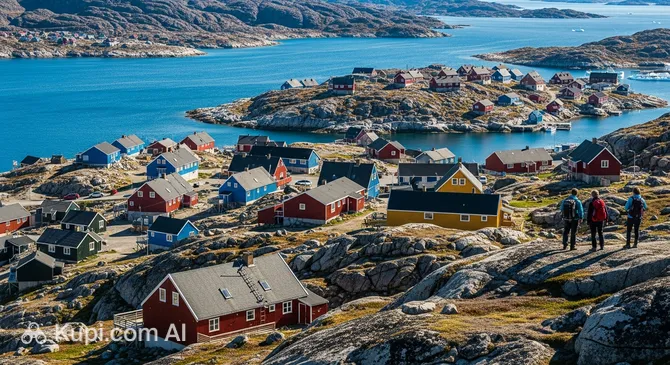
Iginniarfik. Source: Kupi.Binoculars

The settlement is situated in a region known for its rugged beauty and deep connection to the land. Exploring the history of Iginniarfik reveals a community deeply rooted in traditional hunting and fishing practices, which remain vital to the local lifestyle today. The name of the village itself is often interpreted as "the place where one shoots," reflecting its heritage as a prime location for hunters in the past.

For nature enthusiasts, Iginniarfik is a hidden gem. The surrounding landscape invites travelers to embark on scenic hiking adventures, offering panoramic views of the fjords and the vast, open wilderness. During the winter months, the dark skies become a perfect canvas for the mesmerizing Northern Lights, while the midnight sun in summer allows for endless exploration of the tundra.

If you are seeking a destination that combines tranquility with raw natural beauty, Iginniarfik is the perfect choice. Whether you are arriving by helicopter or boat during the summer, a visit to this charming settlement promises a unique and unforgettable Arctic adventure.

Weather Overview

The climate in this remote settlement is typically Arctic, meaning visitors should be prepared for significant seasonal variations. To help you plan your journey, checking the detailed forecast for the weather in Iginniarfik is essential, as conditions can change rapidly in this northern environment.

Winters are long and cold, with February often being the coldest month. During this time, average temperatures drop to approximately -18.9°C, and lows can plunge to -21.7°C. The air is generally dry and crisp, with very little precipitation falling as snow during the coldest spells.

Summer brings milder conditions, transforming the landscape. July is usually the warmest month, with average temperatures rising to 7.8°C and occasional highs reaching nearly 11°C. While precipitation remains low year-round, the summer months of July and August tend to see a slightly higher frequency of wet days compared to the winter.

Interesting Facts

Beyond the scenic views and quiet atmosphere, Iginniarfik holds several fascinating details that reveal the resilience and unique lifestyle of its residents. From its distinct travel logistics to its hidden geographical advantages, there is more to this small settlement than meets the eye.

  • Seasonal Transport Shift: Iginniarfik is part of a unique logistical network in the Aasiaat Archipelago where the mode of transport changes completely with the seasons. The local heliport is primarily operational during the winter and spring when sea ice blocks the waters; once the ice melts in summer and autumn, helicopters are replaced entirely by ferries and boats.

  • A Sheltered Microclimate: Unlike some of its wind-swept neighbors, Iginniarfik is known for having a relatively milder local climate. This is largely due to the settlement's specific location in a hollow on the south side of the Alanngorsua peninsula, where it is protected by a steep mountain section to the north.

  • The Multipurpose Heart: In a community this small, buildings often serve double duties. The local school, Atuarfik Iginniarfik, is not just a place for education; it also houses the settlement's nursing station and the school chapel, effectively functioning as the central hub for mind, body, and spirit.

  • The Ghost Neighbor: Just 5 kilometers south of Iginniarfik lies the abandoned settlement of Tununngasoq. This proximity offers a hauntingly beautiful hiking destination for those interested in seeing the remnants of Greenland's past, where nature is slowly reclaiming the empty structures.

How to Get There

Traveling to this remote settlement is a true Arctic adventure, requiring a combination of flights and local transport. Since there are no direct roads connecting the villages in Greenland, the journey typically involves flying to a regional hub and then transferring to a helicopter or boat. You can read more about how to get to Iginniarfik on our detailed page, but here is an overview of the main connections.

The city of Iginniarfik does not have its own airport, but the most convenient regional entry point is Aasiaat Airport (IATA: JEG) in the city of Aasiaat, located approximately 65.9 km away. This airport serves as a vital hub for the Qeqertalik region. From Aasiaat, travelers generally continue their journey to Iginniarfik via a scheduled helicopter service in the winter or a passenger ferry during the summer months when the waters are ice-free.

For international travelers, the primary gateway to the country is Kangerlussuaq Airport (IATA: SFJ), situated about 164.3 km from the settlement. This is the main international hub for Greenland, receiving flights from Copenhagen and other destinations. Most visitors will fly into Kangerlussuaq and then take a domestic connection to Aasiaat. Another significant option in the wider region is Ilulissat Airport (IATA: JAV), located 149.0 km away, which is a major tourist center and offers frequent connections to the rest of the country.

For clarity, here is a summary of the main airports:

Airport Name City Passenger Traffic Km from City
Kangerlussuaq Airport Kangerlussuaq High 164.3
Ilulissat Airport Ilulissat Medium 149.0
Sisimiut Airport Sisimiut Medium 135.4
Aasiaat Airport Aasiaat Small 65.9
Qaarsut Airport Qaarsut Small 289.2

Main Attractions

Although Iginniarfik is a small settlement with a modest population, it offers a wealth of natural beauty and cultural authenticity for visitors willing to venture off the beaten path in Greenland. The attractions here are not grand museums or monuments, but rather the stunning landscape, the quiet rhythm of traditional life, and the remnants of history scattered across the tundra.

One of the most compelling excursions for hikers is a trip to Tununngasoq. Located just a few kilometers south of the main village, this abandoned settlement stands as a silent witness to the changing demographics of the region. Walking among the empty structures offers a poignant glimpse into the past and provides excellent opportunities for photography, with the decaying buildings set against a backdrop of pristine Arctic wilderness.

For those who wish to understand the heart of the community, the local Church and School Complex is significant. In Iginniarfik, the school (Atuarfik Iginniarfik) and the church chapel share facilities, functioning as the central hub for the residents. While it is a modest structure compared to the cathedrals of larger cities, it represents the vital spirit of the village, serving as a place for education, healthcare, and worship.

The Alanngorsua Peninsula itself serves as a vast, open-air attraction for outdoor enthusiasts. The terrain surrounding the settlement is ideal for hiking, offering varied difficulty levels and rewarding views. During the late summer and autumn, the hillsides are often dotted with crowberries and blueberries, allowing visitors to partake in the local tradition of berry picking while enjoying panoramic vistas of the intricate coastline.

Finally, Iginniarfik Fjord (Iginniarfiup Kangerlua) provides a stunning maritime setting. Whether viewed from the shore or explored by boat during the ice-free months, the fjord is teeming with Arctic beauty. Visitors can often spot drifting icebergs and, with some luck, marine wildlife such as seals or whales. The waterfront is also the best place to observe the daily activities of local hunters and fishermen, which remain the backbone of the local economy.

Local Cuisine

The culinary experience in Iginniarfik is defined by its isolation and deep connection to the Arctic environment. In a settlement of this size, there are no commercial restaurants or street food vendors; instead, the local cuisine is a direct reflection of the hunting and fishing culture that sustains the community. For visitors, this offers a rare opportunity to taste ingredients that are harvested from the immediate surroundings, often prepared in traditional ways that have sustained the Inuit people for centuries.

The staple of the local diet is undoubtedly the "catch of the day," which varies depending on the season. You are likely to encounter suaasat, a traditional Greenlandic soup often considered the national dish. It is typically made from seal meat, though reindeer, seabirds, or whale meat can also be used, boiled with onions and potatoes to create a hearty, warming meal perfect for the cold climate. Another delicacy to look out for is mattak, the skin and blubber of a whale, which is usually eaten raw and is prized for its high vitamin C content and unique texture.

Fish plays a central role in the daily menu, with cod, halibut, and arctic char being the most common varieties. Preservation techniques are still widely used, so you might be offered nikku (dried meat) or dried fish, which serves as a high-energy snack for hunters and hikers alike. During the late summer, the hills around Iginniarfik provide a sweet addition to the diet in the form of crowberries and blueberries, often eaten fresh or used in desserts and baking.

When it comes to beverages, coffee is the undisputed king of social life. The tradition of kaffemik—a social gathering involving coffee and an array of homemade cakes—is central to Greenlandic hospitality. While you won't find a cocktail bar in the village, you might experience "Greenlandic Coffee" at a guesthouse or private gathering; this popular drink mixes hot coffee with whiskey, Kahlua, and Grand Marnier, topped with whipped cream to represent the northern lights.

Since Iginniarfik lacks formal dining establishments, tourists typically rely on their accommodation providers for meals. Many guesthouses offer full-board options where hosts prepare home-cooked dishes using local ingredients. For those self-catering, the local Pilersuisoq store is the only place to purchase groceries, offering a mix of imported goods and local supplies. Embracing this simple, community-focused approach to food is an essential part of the authentic experience in this remote settlement.

Travel Tips

Visiting a remote settlement like Iginniarfik is a truly unique experience that requires a different mindset compared to standard city tourism. With a population of fewer than 80 people and no road connections to the outside world, preparation is key to enjoying the profound silence and authentic lifestyle of this Arctic community.

  1. Dress for the Arctic Elements:Regardless of the season, the weather can change in an instant. Layering is essential; start with thermal wool underwear, add a fleece mid-layer, and finish with a windproof and waterproof outer shell. In summer, a mosquito head net and insect repellent are absolute must-haves, as the Arctic midges can be intense. Sturdy, waterproof hiking boots are necessary for the unpaved and often rocky terrain.

  2. Walking is the Only Way: Forget about metros, taxis, or car rentals—they simply do not exist here. The settlement is small enough to navigate entirely on foot. Transportation in and out of Iginniarfik is limited to helicopters (winter) and small passenger boats (summer), so all your travel arrangements must be booked well in advance through regional operators like Disko Line.

  3. Cash and Currency: The local currency is the Danish Krone (DKK). While the local Pilersuisoq store typically accepts major credit cards (Visa/Mastercard), connection issues can occur. There are no ATMs in the village. It is highly recommended to withdraw sufficient cash in a larger town like Aasiaat or Ilulissat before you arrive to cover tips, souvenirs from locals, or emergency purchases.

  4. Health and Self-Sufficiency: There is no pharmacy or hospital in Iginniarfik. A small nursing station is available for basic needs, but serious emergencies require helicopter evacuation. You must bring a fully stocked personal first-aid kit, including any prescription medications you need, as you cannot buy them locally. The environment is safe from crime, but exercise caution when hiking alone in the wilderness.

  5. Staying Connected: English is not widely spoken, especially among the older generation; knowing a few words of Danish or Greenlandic (Kalaallisut) will be appreciated. Do not expect to buy a SIM card here. Purchase a Tusass prepaid SIM card in your arrival airport (Kangerlussuaq) or a larger town before heading to the settlement. Wi-Fi is rare and often slow, so download offline maps and translation apps beforehand.

  6. Respect Local Privacy: In such a tight-knit community, private life and public space often overlap. Always greet people you pass with a smile or a nod. It is polite to remove your shoes when entering a private home or guesthouse. Crucially, ask for permission before taking photographs of locals or their children; never treat the residents as part of the scenery.

  7. Keep Your Distance from Sled Dogs: You will likely see sled dogs chained outside homes. These are working animals, not pets, and they can be dangerous. Never approach, pet, or feed them without the owner's explicit permission and supervision. Keep a safe distance at all times to avoid provoking them.

  8. Shop Like a Local: The village relies on the single Pilersuisoq store for almost everything. Opening hours can be limited, and stock depends on the arrival of supply ships. If you have specific dietary requirements, bring those items with you. Embracing the limited selection is part of the adventure!

By packing the right gear and respecting the local rhythm of life, your stay in Iginniarfik will be a peaceful and rewarding escape. Embrace the isolation, disconnect from the digital world, and enjoy the rare privilege of experiencing the Arctic on its own terms.

Entertainment & Nightlife

When it comes to nightlife in Iginniarfik, it is important to manage expectations before you arrive. This is a remote settlement with a population of fewer than 80 people, meaning you will not find the bustling bars, nightclubs, or entertainment districts typical of larger towns or cities. The "nightlife" here is defined by the profound silence of the Arctic, the company of the locals, and the spectacular natural phenomena that light up the sky.

For visitors, evening entertainment is primarily self-made or nature-focused. During the winter months, the lack of light pollution makes Iginniarfik a world-class destination for viewing the Northern Lights (Aurora Borealis). Simply stepping outside your accommodation offers a front-row seat to this mesmerizing display. Conversely, during the summer, the Midnight Sun ensures that the day never truly ends, allowing for late-night hikes or photography sessions under a golden glow that persists through the night.

Social life in the village revolves around community gatherings rather than commercial venues. While there are no pubs, the local Community Hall (Forsamlingshuset) occasionally hosts events such as traditional Greenlandic dances, bingo nights, or celebrations for special occasions like confirmands or national holidays. Another central hub is the Atuarfik Iginniarfik (the local school), which sometimes serves as a venue for village meetings and social activities. Travelers are often welcomed warmly if such an event coincides with their visit, offering a rare glimpse into authentic local culture.

If you wish to enjoy a drink in the evening, you must plan ahead. There are no bars serving alcohol, so you will need to purchase supplies at the local Pilersuisoq store during its opening hours. It is common for visitors to enjoy a quiet evening at their guesthouse, perhaps sharing stories with hosts or fellow travelers. Please note that alcohol sales in Greenland can be subject to specific hours, so it is wise to check the store's schedule upon arrival.

Regarding safety and logistics, getting around at night is entirely a matter of walking. There are no taxis or public transport services. The village is very safe from a crime perspective, but the terrain can be uneven and slippery, especially in winter. It is essential to carry a flashlight or headlamp during the dark season, as street lighting is minimal. Additionally, always be aware of your surroundings regarding wildlife; while rare in the settlement, stray dogs or wild animals can be a concern in the outskirts.

During the daytime, entertainment shifts to outdoor exploration. Without museums or theaters, visitors spend their time hiking the surrounding hills, watching the fishermen at the harbor, or exploring the nearby abandoned settlement of Tununngasoq. The pace of life is slow, inviting you to disconnect and appreciate the raw beauty of the environment.

Parks & Museums

In a settlement as intimate and remote as Iginniarfik, you will not find manicured city parks, botanical gardens, or ticketed museums. Instead, the entire region serves as a boundless natural playground, and the landscape itself acts as a living museum of Arctic history. The "green spaces" here are the rolling tundra hills that stretch endlessly toward the horizon, while the cultural heritage is preserved not in glass cases, but in the wooden structures and the stories of the community.

Nature as a National Park

While there are no designated urban parks, the Alanngorsua Peninsula functions as one vast, open-air nature reserve. Stepping off the main paths of the village, you are immediately immersed in the Arctic tundra. During the summer, this landscape transforms into a vibrant carpet of mosses, lichens, and wildflowers, including the national flower of Greenland, the Niviarsiaq (River Beauty). It is the perfect setting for unstructured exploration, where the "amenities" are fresh air, silence, and the chance to spot Arctic hares or foxes in their natural habitat.

The Iginniarfik Waterfront serves as the community's connection to the sea and a scenic spot for relaxation. Unlike a sandy beach for sunbathing, this rocky shoreline is a place of observation and activity. Here, you can watch the shifting ice floes in the fjord and observe the daily rhythm of hunters preparing their boats. It offers an authentic look at the maritime lifestyle that defines the settlement, set against a backdrop of dramatic water and sky.

Cultural and Historical Heritage

There is no dedicated indoor museum in Iginniarfik, but the abandoned settlement of Tununngasoq offers a poignant "open-air museum" experience. Located a short hike or boat ride away, these empty buildings stand as a time capsule of a bygone era. Walking among the weathering structures allows visitors to physically touch history and reflect on the centralization policies that changed the map of Greenland. It is a hauntingly beautiful site where the past is slowly being reclaimed by nature.

Within the village, the Church and School Chapel represents the cultural heartbeat of the community. While it is an active place of worship rather than a museum, the architecture and the interior reflect the modest yet resilient spirit of the congregation. The building is a focal point for local traditions, including the celebration of national holidays and confirmation ceremonies, which are deeply rooted in the local culture.

Architecture and Landmarks

The village itself is an architectural landmark of traditional Arctic Urban Planning. The brightly colored wooden houses—painted in shades of red, blue, green, and yellow—create a striking contrast against the snow in winter and the rocky terrain in summer. These colors historically indicated the function of the building (e.g., yellow for hospitals, red for churches or trade), and while strict adherence to this code has faded, the vibrant aesthetic remains a defining feature of the settlement's visual history.

Insider Tip

For a unique cultural insight, pay attention to the drying racks outside local homes. These wooden frames, often draped with drying fish (nikku) or seal meat, are not just for food preservation; they are a testament to the subsistence hunting culture that has survived for centuries. Viewing them offers a direct link to the culinary heritage of the Inuit people without entering a formal exhibition.
Getting Around

Navigating Iginniarfik is a refreshingly simple experience, primarily because there is no public transport system within the settlement itself. Due to its small size and remote location, visitors will not find buses, trams, metros, or even paved roads suitable for standard vehicular traffic. The village is compact enough that the entire area can be explored comfortably on foot, and walking remains the primary mode of transportation for locals and tourists alike.

Since there is no internal transit network, there is no need to worry about purchasing travel passes, validating tickets, or downloading transport apps for getting around the village. The concept of "fares" or "zones" does not apply here. Your mobility is free of charge, relying solely on your own energy and willingness to explore the rugged terrain.

While standard alternatives like taxis, car-sharing services, or bike rentals are non-existent, the environment dictates its own unique forms of transport. In the winter months, when snow covers the ground, dog sleds and snowmobiles become the practical equivalents of cars. These are generally privately owned by residents for hunting and travel, but tourists can often arrange dog sledding excursions through local tour operators or guesthouses to experience this traditional method of Arctic travel.

During the summer, the waterways act as the local highways. Small private boats are used extensively by residents to navigate the surrounding fjords and reach nearby hunting grounds. While there is no scheduled "water taxi" service within the village harbor itself, getting from the heliport or the ferry landing to your accommodation is usually a short walk, or your host may assist with luggage using an ATV (All-Terrain Vehicle), which is one of the few motorized vehicles you might see on the gravel paths.

Practical advice for moving around Iginniarfik centers on footwear rather than tickets. The terrain can be uneven, rocky, and, depending on the season, icy or muddy. It is essential to bring sturdy, waterproof hiking boots with good ankle support. In winter, attaching anti-slip spikes or crampons to your boots is highly recommended to safely navigate the snowy paths. Always remember that in this remote setting, you are the engine of your own transport, so dress appropriately for the elements.

Accommodation

Accommodation in Iginniarfik is extremely limited, reflecting the settlement's small size and remote location. Visitors should not expect standard commercial hotels, luxury resorts, or international chains. Instead, the lodging options are primarily small, family-run guesthouses or private homestays (Bed & Breakfast style). These accommodations offer a unique opportunity to experience the local way of life firsthand, often providing a cozy and authentic atmosphere that larger establishments cannot match.

Given the compact nature of the village, the concept of "best areas" to stay is not applicable in the traditional sense. The entire settlement is walkable, so any accommodation you secure will be conveniently located near the harbor, the heliport, and the local Pilersuisoq store. Staying anywhere in the village guarantees you are just steps away from the surrounding nature and the daily activities of the community.

Booking Tips and Practicalities

Due to the scarcity of rooms, it is absolutely essential to book your accommodation well in advance. You cannot simply arrive in Iginniarfik and expect to find a vacancy. Many travelers arrange their stays through regional tour operators in Aasiaat or via the transport provider Disko Line, which often coordinates logistics for the settlements.

Regarding prices and amenities, travelers should anticipate:

  • Price Range: Costs are generally in the mid-to-high range, typical for Greenland, due to the high cost of maintaining facilities in such a remote area.
  • Facilities: Expect shared bathrooms and communal living areas. Luxury amenities are not available, but heating and comfort are prioritized.
  • Dining: Since there are no restaurants in the village, accommodation often includes full board (breakfast, lunch, and dinner) or access to a kitchen. Confirming meal arrangements with your host before arrival is crucial.
  • Payment: While some bookings can be made online through regional agencies, you may need to pay in cash (DKK) or via bank transfer if dealing directly with locals. Always clarify payment methods beforehand.

Nearby Cities

For those looking to explore the surroundings, Iginniarfik serves as an excellent base for day trips to several interesting nearby locations. While the settlement itself offers tranquility, the wider region connects travelers to some of Greenland's most vibrant towns, each offering unique cultural and natural attractions.

Aasiaat is the closest significant town and serves as the educational and administrative center of the region. Known as the "Town of Whales," it offers excellent opportunities for whale watching, particularly during the summer months. Visitors can explore the local museum, admire the extensive collection of paintings by Danish artist Per Kirkeby at the community hall, or simply enjoy the archipelago's intricate waterways by boat.

Further north lies the famous town of Ilulissat, home to the UNESCO World Heritage-listed Ilulissat Icefjord. It is the premier destination for witnessing massive icebergs breaking off from the Sermeq Kujalleq glacier. Beyond the ice, the town boasts a rich history as the birthplace of polar explorer Knud Rasmussen, with a dedicated museum housed in his former home.

Sisimiut, the second-largest city in Greenland, is located to the south and offers a perfect blend of traditional hunting culture and modern urban life. It is a hub for adventure tourism, known for its backcountry hiking trails and the challenging Arctic Circle Race. The town's historic colonial quarter features well-preserved 18th-century buildings that provide a glimpse into the country's architectural past.

City Population Distance (km)
Nuuk 18326 448
Sisimiut 5582 136
Ilulissat 4737 146
Aasiaat 3069 64
Maniitsoq 2534 305

These nearby destinations offer a glimpse into the diverse culture and landscapes of the region, allowing travelers to experience the contrast between small settlement life and the bustling activity of Greenland's larger towns.

Shopping & Souvenirs

Shopping:

General Overview

Shopping in Iginniarfik is a unique experience defined by the settlement's remote location and small population. Visitors should adjust their expectations accordingly; this is not a destination for retail therapy or luxury goods. The "shopping scene" is purely functional, designed to sustain the local community of approximately 80 residents. For tourists, this offers a fascinating look at the logistics of Arctic life, where a single supply chain serves the entire village.

Main Shopping Areas/Streets

There are no shopping districts, high streets, or promenades in Iginniarfik. The commercial activity of the village is concentrated entirely in one location: the local branch of the national retail chain, Pilersuisoq. This all-purpose store acts as the supermarket, hardware store, bakery, and post office rolled into one. It is the social and commercial heart of the settlement, where you can find everything from groceries and rifles to clothing and household essentials.

Shopping Malls

There are no shopping malls or department stores in Iginniarfik. The nearest facilities resembling a larger shopping center would be found in larger towns like Ilulissat or Nuuk, which are hundreds of kilometers away. Travelers should ensure they arrive with all specialized equipment, electronics, and personal items they might need, as these cannot be purchased locally.

Markets

Unlike larger Greenlandic towns which often feature a "Brættet" (open-air market) for fresh catch, Iginniarfik does not have a formal marketplace. Instead, the trade of fresh food is informal. You may see hunters returning to the harbor with seal, fish, or seabirds, and sales often happen directly at the waterfront or through word-of-mouth within the community. Observing this direct "sea-to-table" exchange is a cultural experience in itself, even if you are not buying raw ingredients to cook.

Souvenirs

While there are no dedicated souvenir shops, Iginniarfik is a great place to find authentic, handmade Greenlandic crafts. Local artisans often create beautiful items such as tupilaks (traditional figures carved from bone, antler, or soapstone), intricate beadwork, or warm knitted goods using muskox wool (qiviut). To purchase these, you typically need to ask your guesthouse host or a local guide to introduce you to the craftspeople, as sales usually take place in private homes rather than in a store.

Opening Hours and Payment

The Pilersuisoq store generally operates with limited hours compared to urban supermarkets. It is typically open on weekdays from morning until late afternoon (e.g., 10:00 to 17:00), with reduced hours on Saturdays and often closed or very limited hours on Sundays. Regarding payment, the Danish Krone (DKK) is the official currency. While the store usually accepts major credit cards (Visa/Mastercard), the internet connection required for terminals can be unreliable. It is highly recommended to carry sufficient cash for small purchases and for buying souvenirs directly from locals.

Tax-Free

Greenland is not part of the EU VAT area, and the tax system is different. There is no sales tax (VAT) added to goods in the store, so the price you see is the price you pay. Consequently, there is no "Tax-Free Shopping" refund system for tourists (like Global Blue) available in Iginniarfik or the rest of the country.

Reached the end of the page?

That means the route is fully explored