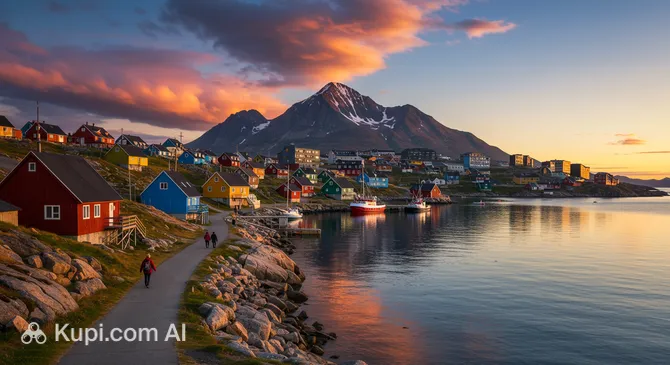
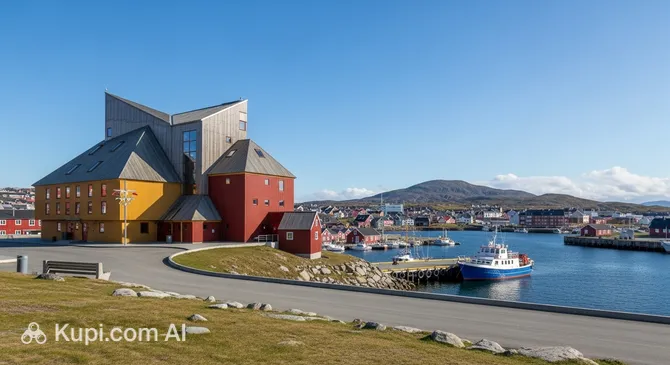
Shopping in Nuuk offers a unique blend of modern convenience and deep-rooted cultural heritage. As the commercial hub of the country, the capital boasts the widest selection of goods in Greenland, ranging from the latest international fashion trends to exclusive local handicrafts. While it is not a sprawling shopping metropolis, the city provides an intimate and high-quality retail experience where visitors can find everything from practical outdoor gear to distinctively Arctic souvenirs that cannot be found anywhere else in the world.
The heart of the city's retail scene is the central pedestrian street, Imaneq. This vibrant thoroughfare runs through the middle of the downtown area and is lined with a variety of boutiques, sports shops, and cafes. It is the perfect place for a stroll, allowing you to browse for high-quality winter clothing, Danish design products, and books about the Arctic region. The street is lively throughout the year, serving as a meeting place for locals and a primary destination for tourists looking to soak in the urban atmosphere.
Dominating the skyline on Imaneq is the Nuuk Center (NC), the first and largest shopping mall in Greenland. This modern glass structure houses approximately 25 stores, including fashion outlets, electronics retailers, and a large supermarket. It serves as a warm and convenient refuge from the cold, where you can shop for essentials or simply enjoy a coffee while watching the world go by. The center acts as a focal point for the community and is often the best place to find imported goods and everyday necessities.
For a truly authentic glimpse into Greenlandic life, a visit to Brættet (The Board) is essential. This open-air market is where local hunters and fishermen sell their fresh catch of the day. While you might not be shopping for raw seal meat, whole salmon, or reindeer to take home, the market is a fascinating cultural experience. It is the epicenter of the local food system, bustling with activity and offering a raw, unfiltered look at the subsistence lifestyle that still thrives in the capital.
When it comes to souvenirs, Nuuk is a treasure trove of artisanal craftsmanship. The most iconic items to look for are Tupilaks, small, grotesque figures traditionally carved from bone, reindeer antler, or soapstone. Another prized local product is Qiviut, the inner wool of the musk ox. It is incredibly soft, lightweight, and warmer than sheep's wool, making it a luxurious, albeit expensive, keepsake. Travelers should also look for jewelry made from Tugtupite, a rare pink gemstone found in Southern Greenland. However, be mindful when purchasing items made from seal skin, whale bone, or ivory; strictly check the import regulations of your home country, as many nations have bans or require special CITES permits for these materials.
Store opening hours in Nuuk generally follow a standard Scandinavian pattern. Most shops are open from 10:00 AM to 5:30 PM on weekdays, with slightly extended hours on Fridays. On Saturdays, shops typically close earlier, often around 1:00 PM or 2:00 PM, though the Nuuk Center usually remains open until late afternoon. On Sundays, most retail stores are closed, except for larger supermarkets and some bakeries. Payment is straightforward, with the Danish Krone (DKK) being the official currency. Major credit and debit cards, such as Visa and Mastercard, are widely accepted even in small boutiques, though having some cash is useful for the open-air market.
Tourists often ask about tax-free shopping, but it is important to note that Greenland operates outside the EU VAT area and, in fact, has no Value Added Tax (VAT) system. This means that the price you see on the tag is the final price, and there is no tax to be refunded at the airport upon departure. While this simplifies the process, it also means that goods—especially imported ones—can be expensive due to shipping costs and import duties rather than sales tax.