Support

Paamiut

About

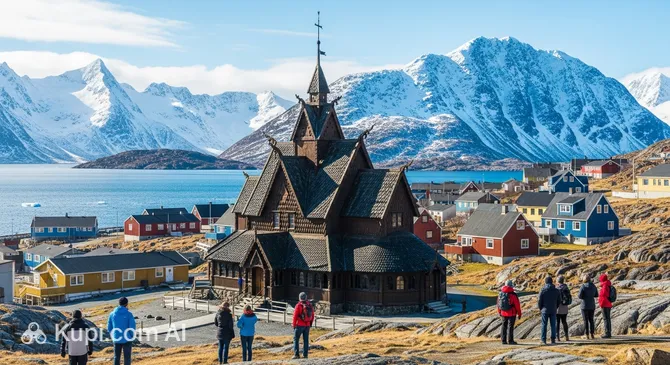
Paamiut. Source: Kupi.Binoculars

Welcome to Paamiut, a captivating town located in the southwestern part of Greenland. Known for its mysterious rolling fog and the genuine warmth of its inhabitants, this settlement offers a unique glimpse into authentic Arctic life. With a population of approximately 1,400 people, it is a close-knit community situated in the Sermersooq municipality, positioned right at the mouth of the majestic Kuannersooq fjord.

The town's name translates to "those who reside by the mouth," reflecting its strategic geographical position. While the climate is often characterized by misty weather, which locals believe brings good luck, the natural surroundings are breathtakingly wild. Visitors interested in the past can explore the fascinating history of Paamiut, which dates back to its establishment as a trading station in 1742, originally named Frederikshaab.

One of the town's most distinctive features is its reputation as a prime location to spot white-tailed eagles. These magnificent birds are frequently seen soaring above the town, adding to the area's allure. Additionally, the town center is adorned with a beautiful wooden church built in 1909. This structure is a proud landmark, celebrated for its unique architecture that blends Norwegian style with local charm.

Whether you are a nature enthusiast looking to hike the surrounding trails or a traveler seeking the quiet beauty of the North, Paamiut provides an unforgettable experience. The combination of traditional culture, stunning fjords, and abundant wildlife makes it a destination truly worth visiting.

Weather Overview

The climate in this region is defined by its Arctic nature, bringing distinct seasonal changes that shape the local lifestyle. Winters are typically cold with frequent snowy days, while summers are cool and relatively stable. For a comprehensive breakdown of what to expect during your stay, visit our guide to the weather in Paamiut.

During the winter, especially in February, temperatures average around -10.6°C, with lows dipping to -13.4°C. Conversely, the summer season sees a pleasant rise in temperature; July is usually the warmest time, with daily highs averaging 10.3°C. Expect cool summers with light but frequent precipitation and cold winters where the thermometer stays well below freezing.

Precipitation levels remain low in volume throughout the year, fluctuating between 2mm and 4mm per month. However, the number of wet days is significant, ranging from 9 days in spring to 15 days in January, so waterproof clothing is recommended regardless of when you visit.

Interesting Facts

Beyond the characteristic mists and charming wooden houses, Paamiut hides several fascinating secrets that even seasoned travelers might miss. This town is not just a gateway to the wild; it possesses unique quirks and local legends that define its true character.

  • The Eagle Capital: Paamiut is widely known as the "Eagle Town" of Greenland due to its exceptionally high population of white-tailed eagles. These majestic birds are so common here that they are often seen perched on rocks and buildings throughout the settlement, much like pigeons in other cities, making it arguably the best place in the country for birdwatchers.

  • The "Stretched" Church: The town's iconic church, Fredens Kirke, is famous for its Norwegian stave style, but few know it was physically altered decades after its construction. Built in 1909, the church was actually cut in half and extended by approximately 6 meters in the 1980s to accommodate a growing congregation, a feat of engineering that maintained its fairytale "Hansel and Gretel" appearance.

  • The Sheep and Mosquito Theory: Visitors often notice that mosquitoes can be more prevalent here than in other southern towns. A popular local explanation claims this is because Paamiut, unlike nearby settlements, does not have sheep farming. Locals believe that sheep trample the wet ground and drink from water holes, destroying mosquito breeding grounds—so without the sheep, the insects thrive.

  • A Ghostly Welcome: As ships approach the harbor, they often pass the rusting wreck of the Greenland Star, a vessel that ran aground in 1984. On foggy days, the ship's silhouette creates a spooky, atmospheric greeting that has become a somber landmark for those arriving by sea.

How to Get There

Reaching this remote destination requires some planning due to its isolated location on the coast. For a detailed overview of all routes and transport modes, you can check all ways to reach the city. Most travelers arrive by air or sea, often connecting through larger regional hubs.

The city of Paamiut does not have its own major international airport, so most visitors fly into Nuuk Airport (GOH) in the capital city of Nuuk, which is located approximately 265 km north of Paamiut. Since there are no inter-city roads in Greenland, you cannot take a taxi or bus between these locations; instead, the onward journey is typically completed by a short domestic flight or a coastal ferry.

Another option for entering the region is Narsarsuaq Airport (UAK), situated in Narsarsuaq, about 244 km south of Paamiut. This airport serves as a key gateway for southern Greenland. Similar to connections from Nuuk, travel from Narsarsuaq to Paamiut requires a transfer to a plane or boat, as the rugged terrain prevents ground transportation.

For clarity, here is a summary of the main airports:

Airport Name City Passenger Traffic Km from City
Nuuk Airport Nuuk Large 265.1
Narsarsuaq Airport Narsarsuaq Medium 243.7

Main Attractions

One of the most photogenic spots in the city is Fredens Kirke (Peace Church). With its vibrant red facade and intricate yellow detailing, this 1909 structure stands out beautifully against the rugged landscape. The architecture is inspired by the Norwegian stave style, featuring a high-pitched roof and charming wooden craftsmanship. Inside, the atmosphere is serene and welcoming, offering a quiet space for reflection and a chance to admire the detailed interior woodwork that defines this beloved local landmark.

For those interested in local heritage, the Paamiut Museum offers a deep dive into the town's past. Housed in a cluster of historic buildings from the colonial era, including the former carpenter's workshop, the museum showcases a variety of exhibits. Visitors can explore a reconstruction of a traditional Inuit peat house and view authentic kayaks that demonstrate the ingenuity of early Arctic life. The collection also features geology displays and intricate soapstone carvings made by local artisans.

Nature lovers will find plenty to explore on the surrounding hiking trails, many of which follow ancient routes used for centuries. A rewarding choice is the trek to the elevated viewpoints overlooking the town, which rewards walkers with panoramic views over the colorful settlement and the glittering fjord. The hinterland is crisscrossed with paths that range from easy strolls to more challenging treks, offering a chance to experience the silence and vastness of the wilderness.

The waterfront provides a different kind of charm, particularly around the colonial harbor area. A stroll here reveals the maritime soul of the community, where fishing boats constantly come and go. In the summer months, the fjord becomes a prime location for whale watching. Humpback and minke whales are frequent visitors to these deep waters, and seeing them breach near the coast is a mesmerizing experience for any traveler.

Local Cuisine

The culinary scene in Paamiut is a direct reflection of its surroundings, heavily reliant on the bounty of the sea and the rugged wilderness. In this part of Greenland, "farm-to-table" is replaced by "fjord-to-plate," with a focus on ultra-fresh ingredients caught or hunted by the locals themselves. Visitors should expect hearty, warming meals designed to fuel the body against the Arctic climate, often featuring flavors that are unique to the polar north.

Seafood is the undisputed star of the local diet. Paamiut is known for its fishing industry, particularly for shrimp and snow crabs, which are often served simply to highlight their natural sweetness. For a truly traditional experience, you must try suaasat, the national soup of Greenland. It is typically made from seal meat, though reindeer or seabirds are sometimes used, boiled with onions and potatoes or rice. Another local delicacy for the adventurous palate is mattak, raw whale skin with a thin layer of blubber, prized for its crunchy texture and high vitamin C content.

When it comes to beverages, the most refreshing option flows directly from the tap. The local water is essentially melted glacial ice, offering a purity and crispness that bottled water elsewhere cannot match. On the warmer side, Greenlandic coffee is a popular treat for tourists. This is not just a morning caffeine fix but a spectacle; it is a potent blend of coffee, whiskey, Kahlua, and Grand Marnier, topped with whipped cream and often set aflame before serving.

Dining out in Paamiut is a cozy and intimate affair due to the town's small size. You won't find large restaurant chains or bustling food markets here. Instead, the social hub for dining is often the restaurant at the local hotel, which serves a mix of Danish-style European dishes and Greenlandic specialties. For a quick bite, local grill bars offer casual comfort food like burgers and hot dogs. However, the true heart of Greenlandic food culture is the kaffemik—a social gathering in a private home celebrating birthdays or special events, featuring an abundance of cakes, coffee, and sometimes traditional savory dishes.

Travel Tips

Visiting Paamiut is a unique adventure into the heart of the Arctic, but the remote location requires some specific preparation to ensure a smooth journey. To help you make the most of your stay in this foggy and fascinating settlement, here are some essential practical tips to keep in mind.

  1. Clothing and Gear: The weather in Paamiut can change rapidly, often shifting from sunshine to dense fog within minutes. It is crucial to dress in layers, starting with wool or thermal underwear, followed by a fleece, and topped with a high-quality windproof and waterproof jacket. Since you will likely be walking on uneven terrain or rocky trails, bring comfortable, sturdy hiking boots with good ankle support.
  2. Transportation: Paamiut is a small town, and the best way to get around is on foot. Most attractions, the harbor, and the hotel are within walking distance of each other. There is no public metro or bus system, and car rental is generally not available or necessary for tourists. If you need a ride with luggage, there are local taxis available, but it is wise to book them in advance through your accommodation.
  3. Finances: The official currency is the Danish Krone (DKK). Major credit cards (Visa, Mastercard) are widely accepted at the main supermarket (Pilersuisoq) and the hotel. However, it is highly recommended to carry some cash for smaller purchases, local handicrafts, or if the electronic payment systems go offline due to connectivity issues. There is an ATM available in the town, usually located at the bank or the main store.
  4. Health and Safety: Paamiut is a very safe town with low crime rates, but nature presents the biggest risks. Be cautious when hiking near the coast, as rocks can be slippery and the water is dangerously cold. There is a local hospital (health center) that handles basic medical needs and emergencies. Pharmacies are typically integrated into the hospital or the main store, so bring a supply of any prescription medications you need, as specific brands may not be available.
  5. Communication: The primary language is Greenlandic (Kalaallisut), and Danish is spoken by almost everyone. English is fairly well understood by younger people and those working in tourism, but less so by the older generation. To stay connected, you can purchase a prepaid SIM card from the telecommunications provider Tusass at the local post office or store, as roaming charges can be steep.
  6. Local Etiquette: Greenlanders are friendly but value privacy. When entering a private home, or even some public buildings and accommodations, it is customary to remove your shoes at the door. A friendly nod or smile is a common greeting. If you are invited to a "kaffemik" (coffee gathering), it is polite to bring a small gift and not overstay your welcome, as guests often rotate throughout the day.
  7. What to Avoid: Do not take photographs of locals, especially children, without asking for permission first; while people are generally welcoming, they appreciate respect for their personal space. Also, avoid walking on the fragile Arctic vegetation whenever possible—stick to established paths to preserve the slow-growing flora.
  8. Additional Tip: Keep an eye on the sky and the rooftops! Paamiut is known for its high concentration of white-tailed eagles. Unlike in other parts of the world where they are elusive, here they are often seen perching on buildings or lamp posts right in town, offering rare photo opportunities without needing a zoom lens.

With these tips in hand, you are ready to embrace the slow pace and raw beauty of this coastal community. Enjoy the fresh air, the friendly smiles, and the unforgettable wilderness that waits right at your doorstep in Paamiut.

Entertainment & Nightlife

Entertainment and nightlife in Paamiut reflect the town's small size and close-knit community spirit. Unlike bustling metropolises with dedicated clubbing districts, the evening scene here is low-key, intimate, and centered around a few key social hubs. Visitors should not expect neon-lit streets or large dance clubs; instead, the "nightlife" is characterized by cozy gatherings where locals and travelers mix in a warm, informal atmosphere.

The main center of social activity in the evenings is typically the Hotel Ivaana. As the primary accommodation in town, its restaurant and bar area serve as the living room for the community. Here, you can enjoy a quiet drink, play a game of billiards, or chat with locals about their day. On weekends, the atmosphere can become livelier, occasionally featuring live music or local events that draw a friendly crowd. It is the best place to experience the authentic, unpretentious hospitality of the region.

Aside from the hotel, there is usually a local pub or "bodega" in the town center, often located near the harbor or the main store. These venues are simple and traditional, offering a selection of Danish and Greenlandic beers. The vibe is casual, and there is absolutely no dress code—hiking boots and wool sweaters are the standard attire for a night out. Opening hours can vary, but Friday and Saturday nights are generally when these spots stay open late, sometimes until midnight or slightly later.

For practical advice, travelers should be aware that alcohol in Greenland can be expensive compared to many other countries due to import costs and taxes. It is best to head out around 9:00 PM if you want to socialize, as the town quiets down relatively early on weeknights. Getting around at night is easy; the town is small enough to walk everywhere, but be sure to wear reflective gear or carry a flashlight, as street lighting can be sparse in some areas.

Safety is rarely a concern in terms of crime, as Paamiut is a peaceful settlement where everyone knows everyone. You can feel safe walking alone at night, but the primary hazards are environmental. In winter, the streets can be icy and slippery, and the temperatures drop significantly after dark. If you need a ride, you can call a local taxi, though availability may be limited late at night, so it is often wiser to arrange transport in advance if you are staying far from the center.

During the day, entertainment options focus on culture and nature. The Paamiut Museum is a highlight for history buffs, offering insights into the town's colonial past and Inuit heritage. For those seeking active entertainment, the local sports hall is a hub of activity, often hosting football matches and community gatherings. Additionally, simply exploring the surrounding nature trails provides a peaceful retreat before the evening sets in.

Parks & Museums

While Paamiut may not feature manicured botanical gardens or sprawling urban parklands found in larger cities, its "green spaces" are the vast, untamed wilderness that begins right where the pavement ends. The town is a living museum in itself, with a historic center that tells the story of colonial life and Inuit resilience against the backdrop of the Arctic sky.

Nature and Open Spaces

The true parklands of Paamiut are the surrounding hiking trails that crisscross the hinterland. These natural areas serve as the community's recreational grounds, offering everything from gentle walks to challenging treks. In summer, the hillsides transform into a lush carpet of moss, lichen, and Arctic wildflowers, providing a stark and beautiful contrast to the rocky terrain. Locals and visitors alike use these paths to escape into the silence of nature, often rewarded with panoramic views of the fjord and the drifting icebergs.

Another significant natural area is the coastal shoreline near the harbor. While not a traditional beach for sunbathing, this area acts as a promenade for the town. It is a place to breathe in the crisp sea air, watch the fishing boats navigate the waters, and observe the abundant birdlife. The rugged beauty of the coastline, with its dark rocks and crashing waves, offers a serene environment for contemplation and photography, effectively functioning as the town's most popular open-air leisure space.

Museums and Culture

The cultural heart of the town is the Paamiut Museum. Unlike a single building, this museum is comprised of a cluster of preserved historic structures in the old colonial district, creating an immersive "open-air" feel. The main exhibitions are housed in the former trade manager's residence and the old carpenter's workshop. Inside, visitors can discover a diverse collection that ranges from local geology and minerals—highlighting the region's mining history—to intricate Inuit artifacts. The museum also proudly displays soapstone carvings, a craft for which the local artisans are renowned.

Although primarily a place of worship, Fredens Kirke (Peace Church) stands as a significant cultural and architectural monument. Built in 1909, this striking wooden church is a masterpiece of Norwegian stave style architecture. Its vivid red exterior and detailed white and yellow ornamentation make it the crown jewel of the town's skyline. For tourists, it serves as a gallery of religious art and craftsmanship, offering a glimpse into the spiritual history of the community.

Historical Heritage

Beyond the museum walls, the Old Colonial Harbor area itself is a protected historical site. Walking through this district allows you to see the evolution of Danish colonial architecture in Greenland. The well-preserved wooden buildings, dating back to the 18th and 19th centuries, offer a tangible connection to the past. The layout of these structures reflects the town's origins as a trading post, and their survival against the harsh elements is a testament to the craftsmanship of the era.

Insider Tips

For a truly authentic cultural experience, look for the local Brættet (Open Market). While not a museum, this is where the living culture of Paamiut is most visible. Here, local hunters and fishermen sell the day's fresh catch, ranging from redfish and catfish to seal meat. It is a fascinating spot to observe the local diet and the community's deep connection to the land and sea, offering a raw and unfiltered look at Arctic life that you won't find in a guidebook.
Getting Around

Due to the compact size and small population of Paamiut, the city does not possess a complex public transport infrastructure. There is no metro, tram, trolleybus, or scheduled city bus network within the settlement. The town is geographically small, meaning that for the vast majority of visitors, the primary and most efficient mode of transportation is simply walking.

The only motorized form of public transport available to tourists is the local taxi service. Taxis are reliable and serve as the main alternative to walking, especially when carrying luggage or during inclement weather. Since there are no designated taxi ranks where cars wait for passengers, you generally need to book a ride by telephone. It is advisable to ask your hotel reception or a local host to assist you with calling a cab if you do not speak the local language.

Regarding the payment system, there are no travel passes, transport cards, or mobile ticketing apps used in the city. Payment for taxi rides is straightforward and is typically made directly to the driver at the end of the journey. The standard currency is the Danish Krone (DKK). While some taxis may accept credit cards, it is highly recommended to carry cash, particularly in smaller denominations, to ensure you can pay without issues.

For those planning to explore, the most practical advice is to rely on your own two feet. The distances between the harbor, the heliport, the hotel, and the main attractions are short and easily manageable. Because the terrain can be uneven and icy in winter, sturdy footwear is more important than a bus schedule. Taxis usually operate throughout the day, but late-night availability can be limited, so pre-booking is essential if you have an early morning departure or a late arrival.

Alternatives such as car-sharing apps (like Uber), electric scooter rentals, or formal bike sharing systems do not exist here. Car rental for tourists is also generally unavailable due to the lack of a road network connecting the town to other settlements. Consequently, the transport experience in Paamiut is defined by its simplicity, offering a pace of life where the lack of traffic is a feature rather than a drawback.

Accommodation

Accommodation in Paamiut is quite limited, reflecting the town's small population and remote location. Travelers should not expect a wide variety of international hotel chains, luxury resorts, or backpacker hostels. Instead, the options are functional and cozy, primarily centered around a single main hotel and a handful of private guesthouses or rental properties. The focus here is on providing a warm, comfortable base for Arctic exploration rather than high-end luxury.

The most prominent establishment in the city is Hotel Ivaana. As the primary accommodation provider, it serves as the social and logistical hub for visitors. It typically offers standard modern amenities, including en-suite bathrooms and Wi-Fi, and houses a restaurant that is popular with both guests and locals. Staying here offers the convenience of having dining and social options under one roof, which is a significant advantage in a small settlement.

In terms of location, the town is compact and easily walkable, so almost any accommodation will be convenient. Staying near the center or the harbor places you within a short distance of the main attractions, such as the museum, the historic church, and the local supermarket. There are no distinct tourist districts; the entire town is essentially one neighborhood where nature is never more than a few minutes away.

Booking Tip: Due to the very low number of available rooms, it is crucial to book your stay well in advance. During the summer peak season or when local events are taking place, the limited capacity can fill up rapidly. Do not count on finding a room upon arrival without a reservation.

Price Range and Booking: Accommodation prices generally fall into the mid-range to high category, which is standard for Greenland due to the high costs of logistics and heating. Budget options are rare. While the main hotel may be listed on some major online booking platforms, it is often effective to book directly or through a travel agency specializing in Greenlandic tours to ensure availability.

Nearby Cities

For those looking to explore the surroundings, Paamiut serves as an excellent base for day trips to several interesting nearby locations. While the vast distances and rugged terrain of Greenland often require travel by air or coastal ferry, these neighboring towns are well worth the journey for a short visit to experience the diversity of the region.

To the north lies Nuuk, the vibrant capital of Greenland. A trip here offers a fascinating contrast to the quiet life of Paamiut, featuring a bustling cultural scene, gourmet restaurants, and the National Museum. It is the perfect spot to witness the blend of ancient Inuit traditions and modern Arctic living. To the south, travelers can visit Qaqortoq, often described as the most beautiful town in the country. Famous for its "Stone & Man" art project—where sculptures are carved directly into the bedrock—and its proximity to natural hot springs, it offers a colorful and artistic atmosphere.

City Population Distance (km)
Nuuk 18326 265
Sisimiut 5582 584
Qaqortoq 3093 241
Maniitsoq 2534 413
Tasiilaq 2018 715

These nearby destinations offer a glimpse into the diverse culture and landscapes of the region.

Shopping & Souvenirs

Shopping in Paamiut is a modest but authentic experience that reflects the town's remote location and close-knit community. Visitors should not expect bustling shopping streets, designer boutiques, or large malls. Instead, the retail scene is functional, catering primarily to the daily needs of the locals, while offering a few hidden gems for those seeking genuine Arctic souvenirs.

The primary destination for almost all goods is the local branch of Pilersuisoq, the national supermarket chain of Greenland. In a small settlement like this, the store serves as a general emporium, stocking everything from groceries and fresh produce to clothing, hardware, and even rifles. It is a fascinating place to wander through, offering a glimpse into the logistics of life in the North, where a single shop must provide for an entire community.

For travelers looking to take a piece of the Arctic home, Paamiut is renowned for its skilled artisans, particularly in soapstone carving. The region is known for the high quality of its soapstone, and local artists create intricate sculptures depicting wildlife, Inuit legends, and everyday scenes. You can often find these unique pieces, along with traditional beadwork and tupilaks (protective spirit carvings), for sale at the Paamiut Museum or in the lobby of the local hotel. Since there are no dedicated souvenir shops, purchasing directly from local craftspeople is also common and supports the local economy.

A visit to the town is not complete without stopping by Brættet, the local open-air market. While you might not be looking to buy fresh seal meat, whale blubber, or whole fish, this is the cultural heart of the town's food supply. It is where hunters and fishermen sell their daily catch directly to the community. Observing the trade here offers a raw and unfiltered look at the subsistence lifestyle that still thrives in this part of the world.

When shopping in Paamiut, keep in mind that the currency is the Danish Krone (DKK). While the main supermarket accepts credit cards, it is highly recommended to carry cash, especially if you plan to buy handicrafts from local artists or visit the open market. Opening hours can be limited, particularly on weekends, so it is wise to check the times upon arrival.

Reached the end of the page?

That means the route is fully explored