Support

Maniitsoq

About

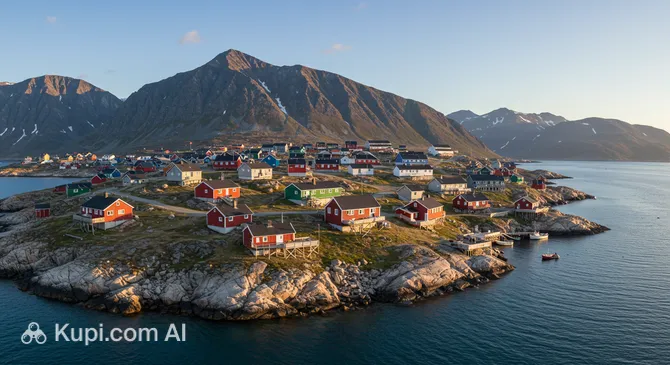
Maniitsoq is a captivating destination located on the western coast of Greenland, offering a distinct and picturesque atmosphere. Often referred to as the "Venice of Greenland", the town is situated on an archipelago where small islands are connected by a network of bridges and natural canals. This unique layout, combined with the surrounding alpine landscape, makes it one of the most scenic towns in the region.

Geographically, Maniitsoq is part of the Qeqqata municipality and sits amidst a rugged terrain of steep peaks and deep fjords. With a population of approximately 2,500 residents, it is a vibrant community that balances modern life with traditional Arctic culture. The climate here is characteristically Arctic, providing snowy winters ideal for sports and cool, fresh summers perfect for exploration.

Maniitsoq. Source: Kupi.Binoculars

The area is rich in heritage, originally established in the 18th century. Visitors can explore the fascinating history of Maniitsoq to understand its development from a colonial settlement formerly known as Sukkertoppen (Sugar Loaf), named after the distinctively shaped mountains nearby.

For nature lovers and adventure seekers, Maniitsoq is a paradise. It is widely considered one of the best places in the country for whale watching, with frequent sightings of humpback whales in the local waters. The region is also a world-class destination for heli-skiing on pristine glaciers and offers exceptional opportunities for river angling. The breathtaking Eternity Fjord (Kangerlussuatsiaq) is another highlight, featuring towering cliffs and spectacular glaciers.

Whether you are looking to experience the thrill of outdoor adventures or simply want to admire the dramatic beauty of the Arctic coast, Maniitsoq invites you to discover its rugged charm and welcoming spirit.

Weather Overview

Maniitsoq features a distinct Arctic climate characterized by significant seasonal contrasts. The winter months are cold and crisp, with February typically being the coldest month, seeing average temperatures around -14.6°C and lows dropping to -17.0°C. Conversely, the summer season offers milder conditions, with July being the warmest month, averaging 7.8°C and occasionally reaching highs of 10.5°C.

Although the total volume of precipitation is quite low, ranging from 2mm to 5mm per month, visitors should be prepared for frequent precipitation days throughout the year. To help plan your activities around these patterns, it is useful to consult the detailed guide on the weather in Maniitsoq. Generally, you can expect cool summers with occasional light rain and cold winters that provide a stable snow cover for outdoor adventures.

Interesting Facts

Beyond the main attractions, Maniitsoq holds many fascinating secrets that highlight its unique position in the Arctic. From geological anomalies to surprising climate records, this town offers curious travelers a deeper look into life on the rugged west coast.

  • A 3-Billion-Year-Old Mystery: Just southeast of the town lies the massive "Maniitsoq Structure," a circular geological formation over 100 kilometers wide. For years, scientists proposed it was the oldest meteorite impact crater on Earth, dating back 3 billion years. While recent research suggests it may have been formed by ancient plate tectonics, it remains a world-famous site for geologists studying the planet's early history.

  • An Unexpected Heat Record: Despite its location near the Arctic Circle, the town is known for a surprising weather event. In 2013, it recorded a temperature of 25.9°C, which stands as one of the highest temperatures ever officially measured in Greenland. This record highlights the dramatic seasonal contrasts of the region, where summers can occasionally feel surprisingly warm.

  • The Sled Dog Boundary: Maniitsoq is situated south of the designated "sled dog district," marking a distinct cultural line on the coast. Unlike settlements further north, the traditional working sled dog culture is not practiced here. Instead, because the sea waters around the town rarely freeze solid, boat travel is the preferred mode of transport throughout the winter.

  • True to Its Name: The name Maniitsoq translates to "The Uneven Place," a description that perfectly matches the town's urban design. Because the settlement is built on a series of rocky islands and steep hills, residents rely on a labyrinth of wooden staircases rather than flat sidewalks to navigate between houses, creating a unique vertical community.

How to Get There

Reaching this scenic town on the west coast of Greenland requires a bit of planning, as there are no roads connecting settlements in the country. The primary mode of transport is air travel, often involving a connection through one of the larger international hubs. For a complete guide on logistics and routes, you can read more about how to get to Maniitsoq via various transport methods.

The town is directly served by the Maniitsoq Heliport (JSU), which is conveniently located just 1.9 km from the center. Despite its name in the official records, this facility handles domestic traffic essential for the community. The transfer to the town center is very short, taking just a few minutes by taxi. Alternatively, the distance is walkable in approximately 20 to 25 minutes. This is the final landing point for most visitors arriving by air.

Since direct international flights to Maniitsoq are not available, travelers typically fly into Kangerlussuaq Airport (SFJ). Located in the city of Kangerlussuaq about 203 km away, this is the main international hub for Greenland, handling the majority of long-haul traffic. From here, you can take a domestic flight to Maniitsoq. Alternatively, you can connect through Nuuk Airport (GOH) in the capital city of Nuuk, which lies approximately 148 km to the south.

For clarity, here is a summary of the main airports serving the region:

Airport Name City Passenger Traffic Km from City
Nuuk Airport Nuuk Large 148.3
Kangerlussuaq Airport Kangerlussuaq Large 203.4
Sisimiut Airport Sisimiut Medium 175.3
Maniitsoq Heliport Maniitsoq Small 1.9

It is important to note that there is no railway system in Greenland due to the challenging arctic terrain. Consequently, there are no train stations in or around Maniitsoq. Besides flying, the only other way to reach the town is by sea. During the warmer months, coastal ferries such as the Arctic Umiaq Line provide a scenic route along the western coast, connecting Maniitsoq with other major towns like Nuuk and Sisimiut.

Main Attractions

While Maniitsoq is often celebrated for its adventurous outdoor activities, the town and its surroundings offer specific landmarks and locations that define its character. From cultural heritage sites to awe-inspiring natural wonders, these attractions provide a deeper connection to the region's unique identity.

Maniitsoq Museum is an essential stop for anyone interested in the cultural history of the area. Housed in a cluster of well-preserved colonial buildings dating back to the mid-19th century, the museum creates a charming atmosphere right by the harbor. Inside, visitors can explore exhibits detailing the region's transition from a small settlement to a major fishing hub, as well as displays of traditional Greenlandic arts, crafts, and carvings. It offers a quiet and educational retreat where you can learn about the local way of life before heading out into the wild.

For those seeking dramatic natural beauty, the Eternity Fjord (Kangerlussuatsiaq) is arguably the most spectacular sight in the region. Located north of the town, this deep fjord cuts through high, rugged mountains and is lined with hanging glaciers that drop precipitous icefalls toward the water. A boat tour here is an unforgettable experience, offering tourists the chance to navigate through a landscape of towering vertical cliffs and silence broken only by the sound of cracking ice.

The Apussuit Glacier is another major draw, particularly for adventure enthusiasts. Situated between Maniitsoq and Kangerlussuatsiaq, this vast ice cap is renowned for offering summer skiing and snowmobiling opportunities. Unlike many other glacial areas, Apussuit is relatively accessible and serves as a playground for those looking to experience the Arctic snow even during the warmer months. The panoramic views from the top of the glacier provide a stunning perspective of the endless white expanse meeting the dark blue ocean.

Finally, the town's namesake features, the Sugar Loaf Mountains, are a visual highlight that cannot be missed. These two distinct, cone-shaped peaks gave the town its former Danish name, Sukkertoppen. They dominate the skyline and serve as a constant reminder of the volcanic geological history of the area. Hiking in the vicinity of these peaks offers travelers exceptional vantage points for photography and a chance to appreciate the rugged terrain that makes Maniitsoq "The Uneven Place."

Local Cuisine

The culinary scene in Maniitsoq is a direct reflection of its identity as a fishing community and its location in the pristine Arctic wilderness. For food lovers, this means the ingredients are exceptionally fresh, often caught or hunted just hours before reaching the plate. The local diet is heavily centered around the ocean's bounty, with seafood playing the starring role in almost every meal.

One of the most authentic dishes to try is suaasat, a traditional Greenlandic soup. It is typically made from seal, whale, reindeer, or seabirds, simmered with onions and potatoes, and seasoned simply with salt and pepper. For a true taste of the Arctic, adventurous travelers should sample mattak—whale skin with a thin layer of blubber. It is usually eaten raw and is prized for its nutty flavor and high vitamin C content. If you prefer something more familiar, the local cod, halibut, and redfish are exquisite, often served pan-fried or as dried fish (tørfisk), which is a popular chewy snack among locals.

Beyond seafood, the region offers delicious game meat. Reindeer and muskox are culinary staples, known for their lean, flavorful meat. You will often find them served as steaks, in hearty stews, or even as burgers in local grill bars. These meats are organic and free-range by nature, having grazed on the wild herbs and mosses of the backcountry, which gives them a distinct and rich taste.

When it comes to drinks, the most readily available beverage is also the purest: tap water. In Maniitsoq, the water comes from mountain lakes and glaciers, offering a crisp, clean taste that bottled water cannot match. For a warming treat after a day in the cold, ask for a Greenlandic Coffee. This popular alcoholic drink combines hot coffee, whiskey, Kahlua, and Grand Marnier, topped with whipped cream. It is often served with a small performance where the alcohol is set aflame, symbolizing the Northern Lights.

The food culture in Maniitsoq is relaxed and informal. As a small town, it does not have a vast array of restaurants, but the quality is high. The main dining hub is typically the restaurant at Hotel Maniitsoq, which serves a mix of Danish classics and Greenlandic specialties with a view of the harbor. For a glimpse into daily life, visitors should stop by Brættet, the local open-air market. Here, professional hunters and fishermen sell their fresh catch of the day directly to the community. While it is not a restaurant, it is the best place to see the raw ingredients that define the local gastronomy.

Travel Tips

Planning a trip to the rugged and beautiful Maniitsoq requires a bit of preparation to ensure a smooth adventure. Here are some essential practical tips to help you navigate the "Venice of Greenland" comfortably and respectfully.

  1. Clothing and Gear: The weather can change rapidly, so the "layering principle" is essential regardless of the season. Bring wool or thermal base layers, a warm fleece, and a windproof and waterproof outer shell. Since the town is built on uneven rocky terrain with many staircases, sturdy, non-slip walking shoes or hiking boots are absolutely necessary. In summer, don't forget a mosquito net or strong repellent, as the insects can be intense.

  2. Transportation: Maniitsoq is a compact town best explored on foot, but be prepared for a workout due to the steep hills. There is no public bus system, nor is there a need to rent a car. Taxis are available and are recommended for getting to and from the heliport or if you have heavy luggage. For travel to nearby settlements or attractions, boats are the primary mode of transport.

  3. Finances: The local currency is the Danish Krone (DKK). International credit cards (Visa and Mastercard) are widely accepted at the hotel, the Pilersuisoq supermarket, and larger shops. However, it is highly recommended to carry some cash for purchases at the Brættet (local market) or for buying handicrafts from local artists. There is an ATM available in the town center.

  4. Health and Safety: The town is generally very safe for tourists. There is a local hospital that handles medical emergencies, and basic over-the-counter medicines can be found at the supermarket. Your biggest safety concern will be the natural environment; be cautious of black ice on the wooden stairs in winter and never hike alone in the backcountry without informing someone of your plans.

  5. Communication: The official language is Greenlandic (Kalaallisut), and Danish is the second language. English is commonly spoken by staff in the tourism industry and by younger locals, but it is not universally understood by the older generation. A friendly "Qujanaq" (Thank you) is always appreciated. Wi-Fi is available at the hotel, but roaming charges can be steep; consider buying a local prepaid SIM card from Tusass for internet access.

  6. Local Etiquette: Greenlanders are known for their hospitality but also their respect for privacy. Always ask for permission before taking photographs of locals, especially children. If you are lucky enough to be invited into a private home for a kaffemik (coffee gathering), remember to remove your shoes at the door, as is the custom throughout the country.

  7. What to Avoid: Avoid walking on the delicate moss and lichen when hiking outside the town limits. The Arctic vegetation grows extremely slowly, and footprints can leave damage that lasts for decades. Also, do not expect fast-paced service; the local lifestyle is relaxed, so patience is a virtue here.

  8. City-Specific Tip: Prepare your knees for the "Maniitsoq Stairs." Because the town is situated on a series of small islands and rocky knolls, an extensive network of wooden staircases connects the different neighborhoods. Using them is a daily part of life here and offers some of the best vantage points for spotting whales in the harbor right from the street.

By keeping these practical insights in mind, you will be well-equipped to handle the unique vertical landscape and the Arctic climate of this charming town. Pack your sense of adventure and get ready to experience the authentic rhythm of life in Maniitsoq!

Entertainment & Nightlife

Entertainment and nightlife in Maniitsoq reflect the town's small size and close-knit community spirit. Travelers should not expect a bustling district of nightclubs or neon-lit avenues; instead, the evening scene is intimate, informal, and centered around a few key social hubs. The atmosphere is welcoming and authentic, offering a chance to mingle with locals, from fishermen sharing stories of the day's catch to residents relaxing after work. The nightlife here is less about partying until dawn and more about enjoying good company, warm drinks, and the stunning Arctic backdrop.

The primary center for evening activity is the area surrounding the harbor and the town center. This is where the few available venues are located, making it easy to navigate between them on foot. The most prominent venue is the Hotel Maniitsoq. Its restaurant and bar area serve as the town's main living room, where visitors and locals alike gather. In the evening, the bar becomes a lively spot to enjoy a Danish beer or a Greenlandic coffee while overlooking the Davis Strait. It is the safest bet for a reliable atmosphere, offering a mix of dining and social drinking in a comfortable setting.

Another popular spot for a more casual bite and social interaction is Café Puisi. While primarily a place for dining, often serving Thai cuisine and local favorites, it functions as a social anchor in the community. On weekends, the vibe can become quite spirited as groups of friends gather here. Additionally, the local Sports Hall (Timersortarfik) occasionally hosts larger events, such as concerts, dances, or community celebrations, which are the highlight of the town's social calendar when they occur.

The dress code in Maniitsoq is universally casual and practical. There is no need for formal attire; jeans, sweaters, and sensible footwear are the norm, even in the evening. In fact, wearing outdoor gear is expected, given the climate and terrain. Prices for drinks and entertainment are comparable to the rest of Greenland, which can be relatively high compared to Europe or North America, so it is wise to budget accordingly. The best time to experience the local nightlife is on Friday and Saturday nights, as the town is generally very quiet from Sunday through Thursday.

Safety in Maniitsoq is excellent, and walking around at night is generally very safe regarding crime. However, the physical environment requires caution. The town is famous for its network of wooden staircases and uneven rocky paths. At night, these can be poorly lit or slippery with ice and snow, so bringing a small flashlight and wearing boots with good grip is highly recommended. If you are staying far from the center or prefer not to walk the steep hills, you can call a local taxi, though availability may decrease late at night.

While the nights are quiet, daytime entertainment offers a different pace. Visitors can explore the local culture at the Maniitsoq Museum or enjoy the natural "amusement park" of the surrounding mountains and fjords. During the long summer days, the concept of "nightlife" blurs, as the midnight sun allows for hiking, boat tours, and angling excursions well into the early morning hours, providing a unique form of entertainment that replaces the traditional bar scene.

Parks & Museums

While Maniitsoq may not feature manicured botanical gardens or vast urban parks in the traditional sense, the entire town serves as a gateway to an immense, open-air natural playground. The cultural scene is equally intimate and authentic, centered around preserved colonial history and the deep connection between the local people and their environment. Here, the "green spaces" are the moss-covered rocky hills, and the museums are living testaments to Arctic survival.

The Great Outdoors as a Park
In Maniitsoq, nature is not confined to fenced areas; it surrounds the settlement on all sides. The most significant "park" is the surrounding backcountry, which is accessible directly from the town’s edge. Hiking trails wind through the rocky terrain, leading to vantage points that offer sweeping views of the Davis Strait and the rugged archipelago. During the summer, these hills are covered in wild berries, heather, and arctic wildflowers, creating a colorful natural garden perfect for short treks and picnics.

The Harbor Area
Although not a park, the waterfront functions as the town's primary promenade and recreational space. It is a lively area where the pulse of the community beats strongest. Visitors can walk along the quays to watch fishermen unload their daily catch of cod and halibut, or simply sit and admire the view of the majestic mountains reflecting in the water. It is a place of constant movement and offers a genuine glimpse into the maritime lifestyle that defines the region.

Maniitsoq Museum (Maniitsup Katersugaasivia)
The cultural heart of the town is the Maniitsoq Museum, located near the harbor in a cluster of historic colonial buildings dating back to the mid-19th century. The museum provides a comprehensive look at the region's history, from the early Thule culture to the colonial era and modern times. Key exhibits include traditional Greenlandic clothing, hunting tools, and a collection of paintings and carvings that depict local myths and daily life. It is an essential stop for understanding the heritage of the "Sugar Loaf" settlement.

Local Arts and Crafts
While not a formal gallery, the town is home to skilled artisans who keep traditional craftsmanship alive. Visitors can often find a local workshop or sewing parlor (systue) where residents create intricate beadwork, seal skin clothing, and tupilaks (grotesque figures carved from bone or antler). These venues often welcome respectful visitors, offering a chance to see art being created firsthand and to purchase unique souvenirs directly from the makers.

Historic Colonial Buildings
Architecture enthusiasts will appreciate the well-preserved colonial quarter surrounding the museum. These wooden structures, painted in traditional red and ochre colors, include the old provision store and the cooper's workshop. They stand in stark contrast to the modern colorful houses perched on the cliffs, offering a visual timeline of the town's development over the centuries.

Insider Tip: The Cemetery Views
For a quiet and reflective experience, take a walk to the local cemetery. In Greenland, cemeteries are often situated in some of the most scenic spots in town, and Maniitsoq is no exception. The white crosses set against the backdrop of dark mountains and the sea create a poignant and beautiful atmosphere. It is a respectful place to observe the local custom of decorating graves with bright plastic flowers, which provide color even in the depths of winter.

Getting Around

Navigating Maniitsoq is a unique experience that differs significantly from travel in larger international cities. Due to the town's small population and compact size, there is no complex public transport network such as a metro, tram, or trolleybus system. There are also no scheduled public city buses circulating on fixed routes. Instead, the transport infrastructure is tailored to the local geography, relying primarily on private vehicles, taxis, and foot travel.

The most convenient motorized option for tourists is the local taxi service. Taxis in Maniitsoq function as the de facto public transport, covering the entire road network from the heliport to the harbor and residential areas. They are reliable and can be hailed by phone or found at designated spots near the center. Since there are no car-sharing apps or services like Uber, keeping the local taxi number handy is practical for times when you have heavy luggage or need to travel quickly across town.

Regarding payment, the system is straightforward. There are no travel passes, transport cards, or mobile ticketing apps to worry about. Taxis generally accept both cash (Danish Krone) and major credit cards, though it is always wise to confirm that the card machine is working before starting your journey. Fares are typically metered or based on fixed zones within the town, making the cost predictable for short trips.

For the majority of visitors, the primary mode of getting around is simply walking. Maniitsoq is often called the "Venice of Greenland" not just for its canals, but for its intricate network of bridges and wooden staircases that connect the rocky islands and hills. This pedestrian infrastructure is a special feature of the city, allowing residents and tourists to take shortcuts through the steep terrain. However, this means that mobility requires a good level of physical fitness and sturdy, non-slip footwear, especially in winter when the steps can be icy.

While there are no trains or subways, the ocean acts as the local highway. For travel to nearby settlements or uninhabited islands, small boats and water taxis are the standard alternatives to road transport. If you plan to explore beyond the town limits, renting a boat charter with a local skipper is the equivalent of hiring a private car for a day trip elsewhere. Be aware that these arrangements are usually made privately or through the hotel, and payment is often settled in cash.

Practical advice for tourists includes planning your transport to the heliport in advance. although the distance is short, the steep roads can be challenging with suitcases. Taxis operate throughout the day, but service may be limited late at night, so it is recommended to pre-book your ride if you have an early departure. Ultimately, getting around Maniitsoq is less about deciphering transit maps and more about enjoying the scenic, vertical walks that define daily life in this Arctic community.

Accommodation

Accommodation in Maniitsoq reflects the authentic and remote nature of life in Greenland. Unlike larger tourist hubs, travelers will not find extensive international hotel chains or sprawling resorts here. Instead, the options are limited but comfortable, focusing on warmth and functionality to cater to both business visitors and tourists seeking a genuine Arctic experience.

Where to Stay
Given the town's compact geography, location is rarely an issue, yet the most desirable area is undoubtedly around the harbor and the town center. Staying here places you within easy walking distance of the heliport, the local museum, and the supermarket. Additionally, properties situated on the higher rocky knolls near the waterfront often offer spectacular panoramic views of the Davis Strait, where guests might even spot whales directly from their windows.

Hotel Options
The primary establishment in town is Hotel Maniitsoq. Perched on a hill overlooking the harbor, it serves as the logistical and social heart of the community for visitors. The hotel offers modern amenities, a restaurant with scenic views, and typically acts as the base for travelers organizing boat tours or heli-skiing expeditions. It provides a reliable standard of comfort comparable to mid-range European hotels, enhanced by an unbeatable natural backdrop.

Private Rentals and Guesthouses
For those seeking a more independent stay or traveling on a tighter budget, private rentals and small guesthouses are becoming increasingly popular. These alternatives often provide access to kitchen facilities, which is a significant advantage given the limited dining options in the settlement. Staying in a private home also offers unique insight into the local lifestyle, often featuring the quirky architectural adjustments necessitated by the steep, rocky terrain.

Booking and Prices
Due to the limited number of beds, it is highly recommended to book your accommodation well in advance. This is particularly important during the peak summer season (June to August) and the heli-skiing season in spring. The town frequently hosts working crews, which can fill up the main hotel quickly. Prices generally fall into the mid-to-high range, consistent with the overall cost of travel in the region. While the main hotel can be booked via major online platforms, smaller guesthouses may require direct contact via email or phone.

Nearby Cities

For those looking to explore the surroundings, Maniitsoq serves as an excellent base for day trips or short excursions to several interesting nearby locations. While the lack of inter-city roads in Greenland means travel is primarily by boat or plane, the unique settlements along the coast are well worth the journey.

Nuuk, the capital of Greenland, is located to the south and offers a vibrant contrast to the quiet charm of Maniitsoq. As the country's cultural and political center, it is home to the National Museum, the striking Katuaq Cultural Centre, and a variety of gourmet restaurants. A visit here allows travelers to experience modern Arctic urban life, shop for local fashion, and explore the colonial harbor, all within a short flight or a scenic boat ride.

To the north lies Sisimiut, the second-largest city in the country. Situated just north of the Arctic Circle, it is a hub for adventure and traditional culture. Unlike Maniitsoq, Sisimiut allows sled dogs, offering visitors the chance to experience dog sledding in winter. The town is also known for its colorful wooden houses and the extensive backcountry that attracts hikers and skiers year-round.

City Population Distance (km)
Nuuk 18326 149
Sisimiut 5582 173
Ilulissat 4737 431
Aasiaat 3069 367
Paamiut 1429 413

These nearby destinations offer a glimpse into the diverse culture and landscapes of the region, from bustling capital life to the serenity of the high Arctic.

Shopping & Souvenirs

Shopping in Maniitsoq is a unique and authentic experience that focuses on local necessities and traditional craftsmanship rather than high-street fashion or sprawling commercial centers. As a small, remote community, the town does not offer luxury boutiques or international chain stores. Instead, visitors will find a selection of well-stocked general stores and opportunities to purchase distinctive handmade items directly from local artisans, providing a genuine connection to the region's culture.

The main commercial activity is concentrated in the town center, located near the harbor. This area serves as the bustling heart of the community where locals come to buy groceries, household goods, and outdoor gear. While there are no designated pedestrian shopping streets in the traditional sense, the central roads connecting the harbor to the main administrative buildings are where you will find the majority of the town's retail establishments. It is a compact area, easily navigable on foot.

Maniitsoq does not have large shopping malls. The closest equivalents are the large supermarkets, such as Pisiffik, which functions much like a department store. In Greenlandic settlements, these stores are vital hubs that sell a vast array of products under one roof, ranging from fresh produce and bakery items to clothing, electronics, and even hunting rifles. Another key retailer is Brugseni, offering a similar comprehensive range of groceries and daily essentials. For tourists, these stores are interesting places to observe daily life and pick up snacks or practical items for trips into the backcountry.

For a truly local shopping experience, a visit to Brættet (The Board) is essential. This is the town's open-air market where professional hunters and fishermen sell their fresh catch of the day. While primarily a food market offering seal, whale, fish, and seabirds, it is the best place to see the ingredients that define the local diet. Occasionally, you may find locals selling small handicrafts here, but its primary purpose is the sale of fresh provisions to the community.

When looking for souvenirs, the best items to bring back are those that reflect the Inuit heritage. Maniitsoq is home to skilled craftsmen who create beautiful intricate beadwork, warm seal skin mittens, and tupilaks—traditional figures carved from reindeer antler, bone, or soapstone. These unique pieces can often be found at the Maniitsoq Museum gift shop or at the local sewing workshop (systue). Visitors should be aware of international import regulations regarding products made from marine mammals or certain wildlife before purchasing.

Opening hours in Maniitsoq vary depending on the type of establishment. Smaller specialty shops and boutiques typically follow standard hours, opening around 10:00 AM and closing by 5:30 PM on weekdays, with reduced hours on Saturdays and often closing on Sundays. However, the main supermarkets, Pisiffik and Brugseni, offer much greater flexibility. They are typically open daily and have extended operating hours, often remaining open until 18:00 or 20:00, making it convenient for travelers to stock up on supplies after a day of exploration.

Payment methods are modern; the Danish Krone (DKK) is the official currency. Major credit cards like Visa and Mastercard are widely accepted in supermarkets and the hotel, but it is highly recommended to carry cash when purchasing from the open-air market or small private workshops.

Regarding tax-free shopping, it is important to note that Greenland is not part of the European Union and does not have a Value Added Tax (VAT) system like Denmark. Therefore, the price you see on the shelf is the final price, and there is no VAT refund available for tourists upon departure. This makes the shopping process straightforward and transparent.
Reached the end of the page?

That means the route is fully explored