Support

Ilulissat

About

Ilulissat, whose name appropriately translates to "Icebergs" in Kalaallisut, is a mesmerizing destination located on the western coast of Greenland. As the third-largest city in the country, it serves as a vibrant hub for culture and adventure, situated approximately 350 kilometers north of the Arctic Circle. Despite its remote location within the Avannaata Municipality, the city is home to a population of around 4,700 residents, creating a cozy yet lively atmosphere amidst the vast Arctic wilderness.

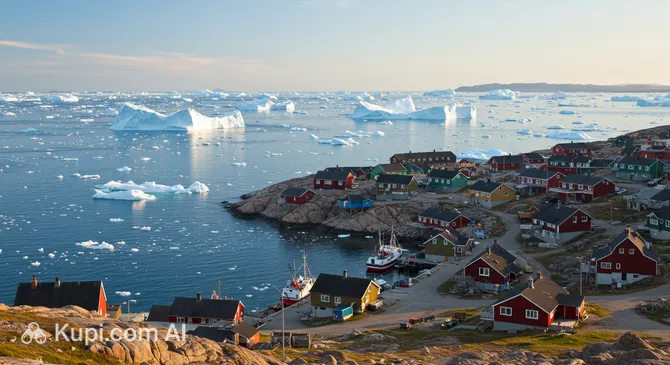
Ilulissat. Source: Kupi.Binoculars

The city is globally renowned for the spectacular Ilulissat Icefjord, a UNESCO World Heritage Site where colossal icebergs break off from the Sermeq Kujalleq glacier and float out into Disko Bay. This natural wonder offers visitors breathtaking scenery that changes with the light of the Midnight Sun in summer or the dancing Northern Lights in winter. For those interested in the deep cultural roots of the area, delving into the history of Ilulissat reveals a fascinating narrative of Inuit heritage and the settlement's evolution since its establishment as a trading post in 1741.

Beyond the ice, Ilulissat offers unique experiences such as dog sledding across the snowy terrain, whale watching tours, and hiking trails that provide panoramic views of the icy seascape. Whether you are seeking the tranquility of nature or the thrill of Arctic exploration, Ilulissat promises an unforgettable journey into the heart of the north.

Weather Overview

Ilulissat experiences a true Arctic climate, characterized by long, freezing winters and short, cool summers. Because conditions can be extreme, checking the detailed weather in Ilulissat is essential for packing the right gear. The region is generally dry, with very low precipitation volumes recorded throughout the year, although light snow or rain can occur frequently.

The winter season is intense, with temperatures consistently staying well below freezing from November through April. February is typically the coldest month, seeing an average temperature of -18.2°C and lows dropping to -21.1°C. Despite the biting cold, actual precipitation is minimal during this time, often resulting in clear, crisp days perfect for viewing the northern lights.

By contrast, the brief summer season brings milder weather. From June to August, temperatures rise above freezing, with July being the warmest month, averaging 9.1°C and reaching highs of 12.5°C. Expect cool summers with occasional light precipitation and very cold, dry winters.

Interesting Facts

Beyond the famous icefjord and colorful houses, Ilulissat holds several fascinating secrets and unique characteristics that define daily life in the Arctic. Discover some surprising details that make this remote city truly one of a kind.

  • A city of sled dogs: Ilulissat is famous for its large population of Greenland Dogs, a breed used for hunting and transportation for centuries. It is often said that the dogs in the municipality nearly equal the human population, and their distinctive howling is a signature part of the city's soundscape.

  • The Titanic connection: While it is difficult to prove with absolute certainty, many glaciologists and historians believe that the iceberg that sank the Titanic in 1912 likely originated from the Ilulissat Icefjord. The glacier here is one of the most productive in the Northern Hemisphere, churning out the massive icebergs that drift into the Atlantic.

  • World's fastest glacier: The Sermeq Kujalleq glacier, which feeds the local fjord, is a geological marvel. It flows at an astonishing speed of up to 40 meters per day and calves around 46 cubic kilometers of ice annually—enough fresh water to supply the entire United States for a year.

  • No roads attached: Like all settlements in Greenland, Ilulissat is not connected to any other city by road. There is no highway system here; locals and visitors must rely on planes, boats, helicopters, or dog sleds to travel between towns.

  • The singing ice: The icefjord is rarely silent. Due to the immense pressure inside the icebergs, trapped air bubbles from ancient atmospheres constantly pop as the ice melts. This creates a unique acoustic phenomenon often described as a constant sizzling or cracking sound that can be heard along the coast.

How to Get There

Reaching this remote Arctic destination is an adventure in itself, offering a first glimpse of the stunning landscapes that define the region. Since there are no road networks connecting settlements in Greenland, air travel is the primary and most efficient method of transport. For a complete overview of routes and travel tips, you can read more about how to get to Ilulissat on our detailed page.

The city is served by its own local hub, Ilulissat Airport (JAV). It is conveniently located just 2.7 km from the city center, making the final leg of your journey very quick. A taxi or hotel shuttle from the terminal typically takes only about 5 to 10 minutes to reach the heart of the town. As one of the busier airports in the country, it handles a significant number of domestic connections and offers essential services for travelers.

Most international visitors will first arrive at Kangerlussuaq Airport (SFJ), which acts as the main international gateway for Greenland. It is located in the settlement of Kangerlussuaq, approximately 247 km south of Ilulissat. Because there are no intercity roads in Greenland, it is not possible to travel between these two locations by taxi or bus. Instead, travelers must transfer to a domestic flight, which serves as a scenic aerial commute taking approximately 45 minutes.

For clarity, here is a summary of the main airports in the region:

Airport Name City Passenger Traffic Km from City
Kangerlussuaq Airport Kangerlussuaq High 246.8
Ilulissat Airport Ilulissat High 2.7
Sisimiut Airport Sisimiut Medium 275.6
Aasiaat Airport Aasiaat Medium 87.6
Qaarsut Airport Qaarsut Low 179.6

Main Attractions

While the massive icebergs are the undoubted stars of the show, the city and its surroundings offer specific sites that allow visitors to engage deeply with Greenland's Arctic environment and history. From ancient settlements to historic buildings, here are some of the most compelling places to visit during your stay.

Sermermiut is perhaps the most essential excursion for any visitor. Located just a short hike south of the city, this valley has been home to different Inuit cultures for over 4,000 years. A wooden boardwalk protects the delicate flora and leads you past the ruins of turf huts to a spectacular viewpoint at the edge of the Icefjord. It is the perfect spot to sit and watch the ice giants drift by while reflecting on the millennia of human history hidden in the landscape.

For those interested in polar exploration, the Knud Rasmussen Museum is a fascinating stop. Housed in the red wooden building where the famous explorer was born in 1879, the museum is dedicated to his life and his renowned Thule Expeditions. Inside, you will find a collection of artifacts, traditional Greenlandic tools, and exhibits that offer a glimpse into the early 20th-century life of the town, formerly known as Jakobshavn.

Standing prominently near the harbor is the Zion Church, one of the most photographed man-made structures in the city. Built in the late 18th century, this brown wooden church was once the largest in Greenland. Its simple yet imposing architecture against the backdrop of Disko Bay makes it a beautiful landmark, and it continues to serve as a central gathering place for the local community.

If you are looking to experience the raw power of nature, a boat trip to the Eqi Glacier (Eqip Sermia) is highly recommended. Located about 80 kilometers north of the city, it is often called the "calving glacier" because visitors can frequently witness huge chunks of ice breaking off its face and crashing into the water. The journey itself offers excellent chances to spot whales and seals, making it a comprehensive Arctic safari.

Finally, art lovers should visit the Ilulissat Art Museum, located in the former colonial manager's residence. The museum features a permanent collection of paintings by Emanuel A. Petersen, who is known for his romantic depictions of Greenland's landscapes and people. It provides a quiet, cultural counterpoint to the outdoor adventures, allowing you to see how the majestic surroundings have inspired artists for generations.

Local Cuisine

The culinary scene in Ilulissat offers a unique "paddock to plate" experience, or more accurately, "ocean to plate." The local gastronomy is defined by the incredible freshness of its ingredients, sourced directly from the surrounding Arctic waters and tundra. Visitors can expect a diet heavy on high-quality protein, where the pristine environment ensures that seafood and game meat are organic and rich in flavor. Dining here is not just about sustenance; it is an exploration of Greenland's deep connection to nature.

The undisputed king of the local menu is Greenlandic halibut. Ilulissat is a major fishing hub, and you will find this delicate, white fish served in countless ways: smoked, dried, fried, or as sushi. Another must-try traditional dish is suaasat, a hearty soup often considered the national dish of Greenland. It is typically made from seal, whale, or reindeer meat, thickened with rice or barley and seasoned with onions and salt. For those who prefer meat from the land, musk ox is a local delicacy, often served as a tender steak or in a gourmet burger, offering a taste similar to beef but with a richer, gamey profile.

When it comes to beverages, the signature drink is undoubtedly Greenlandic Coffee. This is more than just a caffeine fix; it is a performance and a warming treat perfect for the cold climate. The drink combines hot coffee with whiskey, Kahlúa, and Grand Marnier, topped with a generous amount of whipped cream. It is traditionally served flaming, representing the Northern Lights, and is a popular way to end a meal in local restaurants.

The food culture in Ilulissat revolves around the "Brættet" (The Board), the local open-air market where fishermen and hunters sell their daily catch. It is a fascinating place to see locals buying fresh seal meat, fish, and berries. While tourists usually dine in the city's restaurants, which range from cozy cafés to high-end establishments with views of the Icefjord, visiting the market offers a glimpse into the authentic subsistence lifestyle that still thrives in the Arctic.

Travel Tips

Visiting Ilulissat is a dream for many travelers, but the unique Arctic environment requires a bit of extra preparation to ensure your trip is safe and comfortable. Here are some practical tips to help you navigate the local conditions and make the most of your adventure in the Disko Bay area.

  1. Clothing and Gear: The key to comfort in the Arctic is layering. Regardless of the season, bring thermal underwear, a warm middle layer like wool or fleece, and a windproof and waterproof outer shell. Sturdy, waterproof hiking boots are essential for the rocky and often icy terrain. If you are visiting in summer, a mosquito net for your head is highly recommended, as insects can be intense. In winter, hand warmers and crampons (anti-slip spikes) for your shoes are invaluable.

  2. Transportation: Ilulissat is a compact city, and most attractions, hotels, and restaurants are within walking distance. There is no public bus system, but taxis are readily available for airport transfers or trips to the outskirts. Car rental is generally not necessary or common for tourists. Remember that there are no roads connecting Ilulissat to other towns; all inter-city travel must be done by plane, helicopter, or boat.

  3. Finances: The local currency is the Danish Krone (DKK). International credit cards (Visa and Mastercard) are widely accepted in hotels, restaurants, and supermarkets. However, it is advisable to carry some cash for small purchases, tips, or if you plan to buy souvenirs or snacks at the "Brættet" (the local open-air market). Be aware that prices for goods are generally higher than in Europe or North America due to shipping costs.

  4. Health and Safety: The city has a hospital and pharmacy, but for serious medical issues, evacuation to Nuuk or Iceland may be required, so comprehensive travel insurance is a must. A critical safety rule in Ilulissat is to stay away from the shoreline near the Icefjord. Giant icebergs can calve (break apart) unexpectedly, causing sudden tsunami-like waves that wash up onto the shore with great force.

  5. Communication: The official languages are Greenlandic (Kalaallisut) and Danish. English is widely spoken by people working in the tourism industry and by many younger locals, so communication is rarely an issue. Wi-Fi is available in most hotels and cafes, though it may be slower and more expensive than you are used to. Buying a local prepaid SIM card from Tusass can be a good option for mobile data.

  6. Local Etiquette: Greenlanders are friendly and welcoming, but they also value privacy. Always ask for permission before taking photos of locals, especially children. It is also polite to remove your shoes when entering a private home or certain hostels, a custom born from the need to keep snow and mud outdoors.

  7. What to Avoid: Never approach or try to pet the sled dogs you see chained in designated areas around the city. These are working animals, not pets, and they can be aggressive towards strangers. Admire them from a safe distance or interact with them only during a guided dog sledding tour under the owner's supervision.

  8. Seasonal Awareness: If you visit during the summer (late May to July), the Midnight Sun means it never gets dark; bring a high-quality eye mask to help you sleep. Conversely, if you visit in winter, the days are extremely short or non-existent (Polar Night), so a headlamp is a useful accessory for walking around safely and spotting the Northern Lights.

By keeping these practicalities in mind, you can focus fully on the breathtaking beauty of the icebergs and the warmth of the local community. Ilulissat is a place where nature dictates the rhythm of life, and adapting to it is part of the unforgettable adventure.

Entertainment & Nightlife

Entertainment in Ilulissat is defined less by cinemas and shopping malls and more by the spectacular Arctic environment that surrounds the city. Here, leisure time is spent immersing oneself in nature, engaging with local traditions, and enjoying the unique camaraderie of a small, isolated community. Whether you prefer the adrenaline of outdoor sports or the quiet observation of cultural craftsmanship, the city offers a variety of ways to fill your days and nights.

For those seeking active adventure, kayaking in the Disko Bay is an unparalleled experience. Paddling at water level provides a humbling perspective of the colossal icebergs, allowing you to hear the crackle of the ice and see the shimmering blue hues up close. Evening tours are particularly popular during the summer, where the Midnight Sun creates a golden glow over the water. If you prefer to stay on land, the marked hiking trails (coded Yellow, Blue, and Red) offer routes of varying difficulty, guiding walkers along the rocky coast and offering panoramic views of the fjord without requiring technical climbing skills.

Cultural events in Ilulissat are deeply rooted in the rhythms of nature. One of the most significant celebrations is the Return of the Sun in mid-January. After weeks of darkness during the Polar Night, families and schoolchildren trek to Holms Hill to welcome the first sunrise of the year with songs and coffee. In spring, the city often buzzes with excitement during dog sledding competitions, which are a matter of great local pride and a thrilling spectator sport for visitors.

Shopping in the city offers a chance to take a piece of Greenland home with you. Local artisan workshops and souvenir stores feature distinct handicrafts, with the most famous being the tupilak. These small, grotesque figures were traditionally carved from bone or antler to represent spirits, but today they serve as intricate works of art. You can also find high-quality clothing made from musk ox wool (qiviut) and seal skin, which are prized for their incredible warmth and durability.

While the nightlife is relatively quiet compared to major capitals, Ilulissat has a warm and welcoming social scene. Murphy's Pub is the city's main watering hole, serving as a lively meeting place where locals and tourists mingle over billiards and live music on weekends. For a more relaxed evening, the lounges in the major hotels offer sophisticated cocktails with stunning views of the icebergs, providing the perfect setting to unwind after a day of Arctic exploration.

Parks & Museums

In Ilulissat, the concept of parks and museums is redefined by the Arctic environment. Instead of manicured lawns and fenced gardens, the city opens up to vast, protected wilderness areas, while its cultural institutions serve as warm, intimate storytellers of Inuit heritage and polar exploration. The line between the outdoors and the exhibition space is often blurred, creating a unique experience where nature and history are inextricably linked.

The most significant addition to the city's cultural landscape is the Ilulissat Icefjord Centre (Kangiata Illorsua). Opened recently, this architectural marvel functions as both a visitor center and a modern museum. Designed to blend into the landscape, the building features a walkable, twisting roof that serves as an extension of the hiking trails, offering spectacular views of the tundra and the icebergs. Inside, the permanent exhibition, "The Story of Ice," uses immersive technology and archeological artifacts to explain the life cycle of the glacier and the history of human habitation in the area. It is a must-visit "park-museum" hybrid that provides context to the frozen giants outside.

While Ilulissat does not have traditional city parks, the UNESCO World Heritage Area effectively serves as the city's grandest natural park. Just a few steps from the town limits, visitors can access a network of wooden boardwalks that protect the delicate flora while guiding walkers through the Sermermiut valley. This area functions as a communal green space where locals and tourists alike go to jog, walk their dogs, or simply sit on the rocks to admire the Disko Bay. It is a pristine wilderness "park" kept free of artificial structures, offering pure connection with the Arctic nature.

For a dive into the region's artistic soul, the Ilulissat Art Museum (Ilulissat Kunstmuseum) offers a quiet retreat. Located in the historic former Colony Manager's residence, the building itself is a piece of history. The museum focuses on preserving the visual heritage of Greenland, featuring extensive collections of paintings that depict the dramatic changes in the Greenlandic landscape and society over the last century. It provides a colorful contrast to the white and blue dominance of the outdoors.

The Colonial Harbour District acts as an open-air museum in its own right. Walking through this area, you pass a cluster of well-preserved 18th and 19th-century buildings, including the Old Doctor's House and the blackened wooden Zion Church. This district captures the atmosphere of the old trading post, with drying racks for fish and sled dogs often resting nearby, offering a living glimpse into the town's functional history beyond the glass cases of indoor museums.

Insider Tip: After visiting the exhibition at the Icefjord Centre, take a moment to step out onto the roof terrace with a hot drink. It is one of the best sheltered spots in the city to watch the sunset reflect off the icebergs without having to hike deep into the valley.

Getting Around

Navigating Ilulissat is surprisingly simple, primarily because the city is compact and lacks the complex public transport networks found in larger metropolitan areas. There are no subways, trams, or trains here. Instead, the most reliable and common way to get around the town center is on foot. Most hotels, restaurants, and tour operators are located within a short walking distance of each other, allowing visitors to soak in the local atmosphere and stunning views of Disko Bay while moving from one location to another.

For distances that are too far to walk, or when carrying heavy luggage, taxis are the primary form of motorized public transport. Local taxi companies operate reliable fleets that run 24 hours a day. You can hail them on the street, but it is more common to call for one or have your hotel reception book it for you. Taxis are modern, comfortable, and equipped to handle winter conditions. They are particularly useful for trips to the airport or to the trailheads on the outskirts of the city.

While there is no extensive municipal transit system, a local bus service known as Bus Ilulissat operates a scheduled route connecting the main areas of the town center with the residential neighborhoods. The bus runs on a loop system roughly every hour during the day, though the schedule can be less frequent on weekends. It is a cost-effective alternative to taxis for getting from one end of the town to the other, offering a glimpse into the daily life of the locals.

Regarding payment, simplicity is key. For the local bus, tickets are typically purchased directly from the driver upon boarding. It is highly recommended to carry cash (Danish Krone - DKK) for bus fares, as card machines may not always be available or reliable on board. Taxis, on the other hand, almost universally accept major credit cards (Visa and Mastercard) as well as cash. Prices for taxi rides are metered and are generally higher than in many other parts of the world, reflecting the high cost of vehicle maintenance in the Arctic.

For a truly unique Arctic transport experience, winter visitors often encounter dog sleds sharing the snowy tracks on the outskirts of the city. While these are primarily used for tours and traditional hunting rather than point-to-point public transit, they remain an integral part of the local mobility culture. Additionally, since the city is coastal, boats act as a marine bus service for reaching nearby settlements or crossing the bay, with scheduled ferries operating from the harbor during the ice-free months.

Travelers should also note that many hotels offer complimentary or paid shuttle services specifically for transfers to and from the airport. It is advisable to check with your accommodation in advance to see if this convenient option is available to you. Finally, if you choose to walk, always wear sturdy, non-slip footwear, as the roads and pathways can be icy and slippery, especially during the long winter season.

Accommodation

Accommodation in Ilulissat is surprisingly diverse for a settlement north of the Arctic Circle, catering to a range of preferences from adventure-seekers to luxury travelers. The options generally span from **full-service hotels** and comfortable guesthouses to budget-friendly hostels and private rental apartments. While the quantity of rooms is limited compared to major international cities, the quality is often high, with many establishments designed specifically to maximize the experience of the stunning natural surroundings.

Regarding location, the town is compact enough that almost anywhere is walkable, but the **choice of area** can define your experience. The most sought-after properties are located along the coastline or on the elevated ridges overlooking **Disko Bay**. Staying in these areas often means you can watch massive icebergs drift by directly from your room or the hotel terrace. Alternatively, accommodation in the **town center** places you closer to the harbor, supermarkets, and tour operators, offering convenience and a stronger connection to local daily life.

A crucial tip for planning a trip here is to **book well in advance**. Ilulissat is a bucket-list destination with a short peak summer season and a concentrated winter season for dog sledding. Consequently, hotels and hostels fill up rapidly, often six months to a year ahead of time. Last-minute bookings are rarely possible during these high-demand periods, so securing your stay should be one of the first steps in your travel planning.

In terms of cost, visitors should be prepared for a **higher price range** than in many other parts of the world. Due to the logistics of operating in the Arctic, even budget options can seem expensive by standard comparisons. Mid-range and luxury hotels command premium prices, especially those offering ensuite facilities and fjord views. Most accommodations can be booked via major online platforms, but for smaller guesthouses or during the off-season, contacting the property directly can sometimes yield better availability.

Nearby Cities

For those looking to explore the surroundings, Ilulissat serves as an excellent base for day trips or short excursions to several interesting nearby locations. Since there are no roads connecting these towns, journeys are made by boat or plane, turning the transit itself into a scenic Arctic adventure.

Aasiaat is one of the most accessible neighbors, located at the southern entrance of Disko Bay. Known as the "Town of Whales," it is situated within a vast archipelago of thousands of islands, making it a premier destination for kayaking and whale watching. The town has a vibrant cultural scene and is often decorated with colorful paintings by local artists, offering a distinct contrast to the iceberg-dominated views of Ilulissat.

Further north lies Uummannaq, a picturesque town located on an island dominated by a spectacular, heart-shaped mountain rising 1,170 meters from the sea. It is considered one of the sunniest places in Greenland and offers a deep dive into traditional Inuit hunting culture. The journey here provides stunning views of the fjord systems and is a favorite for those seeking a more remote and dramatic landscape.

Although it requires a flight to reach quickly, Sisimiut is the second-largest city in Greenland and a hub for outdoor adventure. Located just north of the Arctic Circle, it serves as the southernmost town where sled dogs are permitted. It offers a unique blend of modern urban life and raw backcountry wilderness, with excellent hiking trails and a thriving harbor area that bustles with activity year-round.

City Population Distance (km)
Sisimiut 5582 276
Aasiaat 3069 91
Maniitsoq 2534 431
Uummannaq 1407 167
Upernavik 1092 438

These nearby destinations offer a glimpse into the diverse culture and landscapes of the region, allowing travelers to experience different facets of life along Greenland's rugged western coast.

Shopping & Souvenirs

Shopping in Ilulissat offers a unique experience that is far removed from the bustling high streets of major metropolitan cities. Instead of international fashion chains and sprawling commercial complexes, visitors will find a selection of stores that cater to the specific needs of Arctic life and showcase the incredible craftsmanship of the local culture in Greenland. The shopping scene here is intimate, authentic, and focused on quality, particularly when it comes to outdoor gear and traditional handicrafts.

The main shopping activity is concentrated in the town center, which is compact enough to explore entirely on foot. Most of the interesting shops, boutiques, and souvenir stores are located along the central roads near the harbor and the main hotels. A stroll through these streets allows you to browse for local goods while enjoying the crisp air and views of the colorful wooden houses.

Ilulissat does not have large shopping malls in the traditional sense. However, the major supermarkets, such as Pisiffik and Brugseni, function somewhat like department stores. Beyond groceries, these multi-story establishments sell a wide variety of goods, including clothing, electronics, homeware, and even hunting equipment. They are the go-to places for locals for everyday needs and are useful for tourists looking to restock on supplies or buy warm layers.

For a glimpse into the authentic daily life of the city, a visit to "Brættet" (The Board) is essential. This is the local open-air market where hunters and fishermen sell their fresh catch of the day. While you might not be looking to buy raw seal meat, whale, or halibut to take home, it is a fascinating cultural hub where you can see the local food sources up close. Occasionally, you may also find berries or other local foraged goods depending on the season.

When it comes to souvenirs, Ilulissat is a treasure trove of unique artisanal items. The most iconic keepsake is the tupilak, a small figure traditionally carved from bone, antler, or tooth, representing spirits from Inuit mythology. Another highly prized item is clothing or accessories made from qiviut (musk ox wool), which is incredibly soft and said to be eight times warmer than sheep's wool. Jewelry made from local stones, such as the pinkish-purple tugtupite, is also popular. However, be aware of CITES regulations regarding the export of products made from certain animal parts (like whale bone or seal skin) to your home country.

Opening hours in Ilulissat are generally from 09:00 or 10:00 to 17:30 or 18:00 on weekdays. On Saturdays, many shops close earlier, around 13:00 or 14:00, and most specialty shops are closed on Sundays, although the larger supermarkets remain open. The currency used is the Danish Krone (DKK). Credit cards (Visa and Mastercard) are widely accepted in almost all shops and hotels, though carrying some cash is recommended for smaller purchases at the market. Additionally, shopping here is VAT-free by default, meaning the price you see on the tag is the final price you pay.
Reached the end of the page?

That means the route is fully explored