Support

Akunnaaq

About

Welcome to Akunnaaq, a charming and remote settlement that offers a truly authentic glimpse into the traditional way of life in the Arctic. Situated on an island of the same name within the Qeqertalik municipality, this small village is a hidden gem for travelers seeking silence, pristine nature, and a break from the bustle of the modern world.

Located approximately 23 kilometers east of Aasiaat, Akunnaaq is surrounded by the breathtaking landscapes of western Greenland. The settlement is home to a tight-knit community of just over 100 residents, whose daily lives are deeply connected to the sea and the surrounding wilderness. The village was founded in 1850, and exploring the history of Akunnaaq reveals the resilience and rich cultural heritage of the people who have called this rugged environment home for generations.
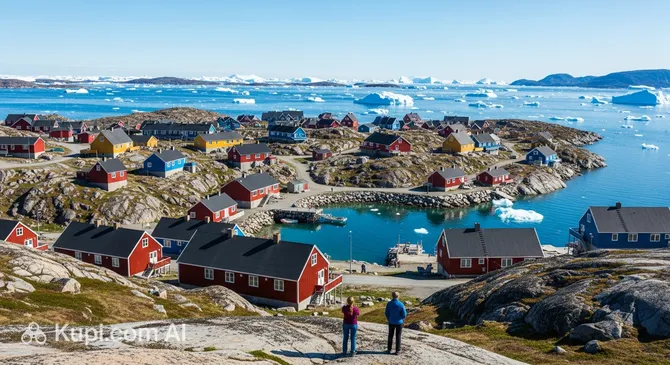
Akunnaaq. Source: Kupi.Binoculars

One of the main draws of Akunnaaq is its spectacular location near the mouth of the famous Disko Bay. Visitors are treated to mesmerizing views of colossal icebergs drifting through the deep blue waters. The area is excellent for hiking, offering panoramic vistas that are perfect for photography enthusiasts. In winter, the dark skies provide a front-row seat to the magical Northern Lights, while the summer months offer the endless daylight of the Midnight Sun.

If you are looking for an off-the-beaten-path adventure where you can experience the serenity of the Arctic and the warm hospitality of a small community, Akunnaaq is a destination that should not be missed. We invite you to step ashore and discover the quiet beauty of this unique island settlement.

Weather Overview

The climate in Akunnaaq is distinctly Arctic, defining the rhythm of life in this northern settlement. Before embarking on your journey, it is helpful to review the detailed weather in Akunnaaq to ensure you are well-equipped for the elements.

Winters are dominant and cold, with temperatures in February averaging -16.9°C and often dropping to lows of -19.5°C. The summer season provides a refreshing contrast, particularly in July, which is the warmest month with average temperatures of 8.0°C and highs reaching 10.7°C. While the actual volume of precipitation is quite low throughout the year, the frequency of wet days rises in late summer, with August experiencing about 11 days of damp weather.

Generally, you can expect cool summers with occasional light precipitation and very cold, drier winters.

Interesting Facts

Beyond its scenic beauty, Akunnaaq holds fascinating stories that reveal the deep resilience and cultural richness of its small community. From tragic beginnings to musical legends, this settlement offers more than meets the eye for the curious traveler.

  • A Name of Abundance: The name "Akunnaaq" is often translated from Greenlandic as "the place that is versatile regarding catch." This reflects the area's historical importance as a bountiful hunting ground, where the unique convergence of currents provided locals with a diverse range of marine resources, from seals to various fish species, sustaining them for generations.

  • The "Ghost" Settlement: Although the village was officially founded in 1850, the area has a much older and more tragic history. It was inhabited long before the modern settlement existed, but a devastating smallpox epidemic in the late 18th century completely depopulated the region. It remained abandoned for decades until it was resettled, eventually growing into the community seen today.

  • A Musical Prodigy: Akunnaaq was the childhood home of Peter Olsen, a celebrated author, composer, and catechist. Although he was born in the nearby settlement of Kuannit, he grew up in Akunnaaq, where legend has it that he began playing the local church organ at the tender age of six. His legacy is honored in the village with a relief sculpture created by the artist Christian Rosing.

  • The Winter Highway: While the settlement feels isolated on its island in summer, winter transforms its geography entirely. When the waters of Disko Bay freeze over, the sea becomes a natural "highway." During these months, locals can drive dogsleds and snowmobiles directly across the ice to the town of Aasiaat, turning a maritime journey into an overland adventure.

How to Get There

Reaching the remote settlement of Akunnaaq is an adventure in itself, offering travelers a chance to experience the unique logistics of Arctic travel. Since there are no roads connecting the towns and settlements in Greenland, the journey typically involves a combination of flight and sea transport. To explore all available routes, schedules, and specific connections, you can read more about how to get to Akunnaaq.

The settlement of Akunnaaq does not have its own airport. The closest and most practical gateway is Aasiaat Airport (IATA: JEG), located in the city of Aasiaat, which is approximately 19 km from Akunnaaq. This regional airport serves as a vital link for the area. Once you arrive in Aasiaat, you will need to transfer to a boat or helicopter to reach the island settlement. The approximate travel time for this final leg of the journey is around 50 minutes.

For international visitors, the journey often begins at Kangerlussuaq Airport (IATA: SFJ). Located about 205 km from Akunnaaq, this is Greenland's main international hub and handles the majority of flights arriving from abroad. From here, passengers typically catch a domestic connection to Aasiaat. Another significant transport hub in the region is Ilulissat Airport (JAV), situated 75 km away in Ilulissat. The transfer time from the Ilulissat area to Akunnaaq is approximately 2 hours and 15 minutes.

For clarity, here is a summary of the main airports:

Airport Name City Passenger Traffic Km from City
Kangerlussuaq Airport Kangerlussuaq High 204.8
Ilulissat Airport Ilulissat Medium 75.1
Sisimiut Airport Sisimiut Medium 208.4
Aasiaat Airport Aasiaat Small 18.8
Qaarsut Airport Qaarsut Small 222.5

Main Attractions

While Akunnaaq is a small settlement, its primary appeal lies in its authentic atmosphere and the raw beauty of its surroundings. Visitors here do not come for grand museums or bustling tourist centers, but rather to experience the quiet rhythm of traditional Greenlandic life. The attractions are the village itself, its history, and the spectacular nature that encompasses it.

One of the most prominent landmarks is the Akunnaaq Church. Built in 1908, this distinctive red wooden structure stands as a testament to the community's history and faith. It is not only a place of worship but also a gathering point for the locals. The church is beautifully maintained and offers a picturesque contrast against the rugged, rocky terrain and the often snowy backdrop, making it a favorite subject for photographers visiting the island.

The heart of the settlement is undoubtedly the Harbor. Since there are no roads connecting Akunnaaq to other towns, the harbor is the village's lifeline and main hub of activity. Here, you can watch local fishermen returning with their daily catch of halibut or seal, providing a genuine insight into the hunting and fishing culture that sustains the community. The view from the harbor looking out towards Disko Bay is mesmerizing, with colossal icebergs often drifting slowly past the settlement.

For those who enjoy walking, exploring the island's terrain offers rewarding experiences. You can hike up the small hills behind the village to get panoramic views of the archipelago and the vast Disko Bay. A walk to the local cemetery is also recommended; it is located at one end of the island and offers a peaceful setting with sweeping views of the sea. It is a place of respect and reflection, where the history of the settlement is etched into the landscape.

Another central part of daily life is the local Pilersuisoq store. While it is a grocery shop, in a small settlement like Akunnaaq, it functions as an informal meeting place where residents catch up on news. For a visitor, stopping by offers a chance to interact with locals and see the logistics of life in a remote Arctic outpost. Just outside, you might spot the "taxi" wheelbarrows used to transport goods around the car-free island.

Local Cuisine

The culinary experience in Akunnaaq is a far cry from the dining scenes of large cities; it is an authentic immersion into the traditional subsistence lifestyle of the Arctic. In this small settlement, food is not about menus and reservations but about the rhythm of the seasons and the daily catch. The "menu" is dictated by what the local hunters and fishermen bring home from the nutrient-rich waters of Disko Bay, offering visitors a chance to taste ingredients that are as fresh and organic as they come.

For those eager to try traditional Greenlandic dishes, Suaasat is a must-know staple. This hearty soup is the national dish of the country, typically made from seal meat, reindeer, or seabirds, and thickened with rice, onions, and potatoes. It is a warming comfort food essential for the cold climate. Another local delicacy is Mattak, raw whale skin with a thin layer of blubber. Revered for its high vitamin C content and nutty flavor, it is usually served diced and is considered a treat during celebrations or special gatherings.

Dried fish, known locally as tørfisk, is another ubiquitous snack you will likely encounter. Rows of cod or halibut hanging to dry in the wind are a common sight around the village. This preservation method creates a chewy, protein-rich snack that locals carry with them while hunting or traveling. The flavor is intense and salty, perfectly capturing the essence of the sea.

When it comes to beverages, coffee is the undisputed king. The social life of the village revolves around the tradition of Kaffemik. This is an open-house gathering used to celebrate everything from birthdays to first catches. If you are lucky enough to be invited to one, you will find tables laden with pots of strong coffee, homemade cakes, and often traditional meat dishes. It is the best way to experience the warm hospitality of the residents.

Travelers should be aware that there are no restaurants or cafes in Akunnaaq. The dining scene is entirely domestic. Visitors typically eat at their guesthouse, where meals are often prepared using local ingredients, or they purchase supplies at the local Pilersuisoq store to cook for themselves. This self-sufficient approach adds to the adventure, allowing you to connect more deeply with the humble and resilient lifestyle of this remote island community.

Travel Tips

Visiting a remote settlement like Akunnaaq requires a bit more preparation than your average city break. To help you make the most of your adventure in this quiet corner of the Arctic, here are some practical tips to ensure a smooth and respectful journey.

  1. Dress for the Arctic Elements: Regardless of the season, the weather can change rapidly. The key is layering: start with wool or thermal base layers, add a warm fleece, and top it off with a high-quality windproof and waterproof jacket. Even in summer, temperatures can be cool, and the wind off Disko Bay is sharp. Sturdy, waterproof hiking boots are essential for navigating the rocky and often uneven terrain of the island. Don't forget a mosquito net if you are visiting in July or August, as the insects can be intense.

  2. Getting Around on Foot: There is no public transport, metro, or taxi service in Akunnaaq—simply because there are no roads for cars. The settlement is small enough to explore entirely on foot. In winter, locals use dogsleds and snowmobiles for travel on the ice, but within the village, walking is the norm. You might see wheelbarrows being used to transport luggage or groceries from the harbor; these are the local "trucks."

  3. Cash is King: The currency used is the Danish Krone (DKK). While the local Pilersuisoq store may accept credit cards (Visa/Mastercard), connection issues can occur, and reliance on electronic payments is risky in such a remote location. There are no ATMs in Akunnaaq. It is crucial to withdraw sufficient cash in Aasiaat or Ilulissat before you board your boat or helicopter transfer.

  4. Health and Medical Supplies: There is no hospital in the settlement, only a small nursing station for basic needs. For serious medical emergencies, evacuation to Aasiaat is required, which depends on weather conditions. Bring a well-stocked personal first-aid kit and an ample supply of any prescription medications you need, as there is no pharmacy. Always have travel insurance that covers medical evacuation.

  5. Communication and Connectivity: The primary language is Greenlandic (Kalaallisut). Danish is widely understood, but English proficiency varies, often being limited to younger generations. Learning a simple greeting like "Aluu" (Hello) goes a long way. Mobile coverage is provided by Tusass; it is highly recommended to buy a prepaid SIM card in a larger town before arriving, as Wi-Fi is rarely available in public spaces.

  6. Respect the Sled Dogs: You will likely see sled dogs chained outside homes. It is vital to remember that these are working animals, not pets. Never approach, touch, or feed them without the owner's explicit permission and presence. They can be aggressive and are fiercely protected by their owners. Keep a safe distance at all times.

  7. Photography Etiquette: The people of Akunnaaq are friendly but value their privacy. Always ask for permission before taking photos of locals, their children, or their private homes. While the drying fish and colorful houses make for great photos, remember that you are walking through someone's living space, not a museum exhibit.

  8. Shop Hours and Alcohol: The Pilersuisoq store is the lifeline of the village, but it has limited opening hours, especially on weekends. Be aware that the sale of alcohol is often restricted to specific hours during the day, a common regulation in many Greenlandic settlements. Plan your grocery shopping accordingly so you aren't left without dinner supplies.

By packing the right gear and respecting the local customs, you will find that the challenges of remote travel are far outweighed by the peace and beauty of Akunnaaq. Embrace the slower pace of life, and you are sure to leave with unforgettable memories of the Arctic.

Entertainment & Nightlife

Travelers arriving in Akunnaaq expecting a bustling nightlife scene with neon lights, thumping bass, and crowded dance floors will be in for a surprise—and perhaps a delightful one. In this remote settlement of roughly 100 people, "nightlife" takes on a completely different meaning. There are no nightclubs, bars, pubs, or late-night restaurants here. Instead, the evening entertainment is defined by the profound silence of the Arctic, the company of locals, and the spectacular displays of nature that light up the sky.

The social hub of the village in the evenings, particularly during celebrations or scheduled events, is the local Community Hall (Forsamlingshus). This modest building serves as the venue for everything from confirmation parties and weddings to community bingo nights and traditional Greenlandic dances. If you are lucky enough to visit during a festive occasion, you might be invited inside to experience the warmth of the community, where accordion music and laughter replace the typical soundtrack of a city night out.

For a different kind of evening experience, the Harbor area acts as the village's informal meeting point. In the summer months, under the glow of the Midnight Sun, locals often gather here to work on their boats or simply chat while looking out over Disko Bay. It is a peaceful setting where the entertainment consists of watching the shifting icebergs and listening to the distant crackle of ice. In winter, this same spot offers an unobstructed view of the night sky, making it a prime location for witnessing the Northern Lights dancing overhead.

Since there are no commercial bars, the atmosphere is private and domestic. If you wish to enjoy a drink in the evening, you must plan ahead. Alcohol can sometimes be purchased at the local store during specific daytime hours, but the selection is limited. It is highly recommended to purchase your favorite beverages in the larger town of Aasiaat before traveling to the settlement. Most visitors enjoy their evenings in the comfort of their guesthouse, sharing stories with hosts or fellow travelers.

When venturing out at night, safety is paramount. There are no streetlights in many parts of the settlement, and the terrain is rocky and uneven. Always carry a flashlight or wear a headlamp to avoid tripping. Furthermore, while the village is generally safe, it is located in the Arctic wilderness; be mindful of loose sled dogs and keep a respectful distance. There are no taxis or public transport services—everywhere is within walking distance, but the paths can be icy and slippery.

While the nights are quiet, daytime entertainment in Akunnaaq offers its own charm. Visitors spend their days hiking the rugged hills to find the best vantage points for photography or simply observing the daily rhythm of the hunters and fishermen. The village itself is a living museum of sorts, where the architecture and lifestyle provide a fascinating cultural immersion without the need for ticketed attractions.

Parks & Museums

In a settlement as intimate and remote as Akunnaaq, the concepts of "parks" and "museums" take on a different meaning. There are no manicured city gardens or ticketed exhibition halls here. Instead, the entire island serves as a vast, unfenced natural park, and the village itself acts as a living museum, where history is written in the architecture and the daily traditions of its people. Visitors come here to immerse themselves in an environment where culture and nature are seamlessly intertwined.

The Tundra and Hinterland serve as the community's primary recreational space. Just a few steps from the last house, you enter a pristine wilderness that functions as a natural park for the locals. During the summer and early autumn, these rolling hills are carpeted with heather and moss, becoming a prime spot for berry picking. Travelers can join residents in gathering crowberries and blueberries, turning a hike into a delicious culinary experience. The elevation here offers the best vantage points for surveying the archipelago and the drifting ice of Disko Bay.

The Coastal Rocks act as the village's seaside promenade. Without paved paths or benches, the smooth, glaciated rocks along the shoreline provide natural seating areas. This is the perfect place to sit in silence and watch the "sculpture gallery" of icebergs changing form in the water. It is a meditative space that rivals any designed urban park, offering fresh Arctic air and the soothing sounds of the ocean.

While there is no formal indoor museum, the settlement is home to significant cultural markers. The Peter Olsen Monument is a key historical site for those interested in Greenlandic culture. Dedicated to the celebrated composer and catechist who spent his childhood here, the relief sculpture honors his contribution to the nation's musical heritage. It stands as a reminder of the artistic talent that has emerged from even the smallest of communities.

The village architecture also serves as an Open-Air Heritage Site. Walking between the brightly colored wooden houses, many of which date back to the colonial era, offers a glimpse into the structural history of the region. Notable among these is the old fish processing plant area, which, while functional, represents the economic backbone of the settlement. Observing the traditional racks used for drying fish gives visitors a direct look at the subsistence culture that has sustained Akunnaaq for over a century.

For a truly authentic experience, ask a local about the "Old Path" across the island. While not a marked tourist trail, following the footsteps of generations of hunters who have traversed these rocks provides a deep connection to the land. It is a simple yet profound way to understand the resilience required to thrive in this beautiful but harsh environment.

Getting Around

Travelers accustomed to navigating cities with complex networks of subways, trams, and buses will find the transport system in Akunnaaq refreshingly simple: it does not exist. As a small settlement with no paved roads connecting it to the outside world or even running through the village itself, there is no public transportation infrastructure. There are no metros, trolleybuses, or scheduled bus routes here. The settlement is compact, and the primary mode of transport for everyone—locals and visitors alike—is walking.

Because there is no internal public transport, there is no need to worry about purchasing travel passes, acquiring "Akunnaaq Cards," or downloading transit apps for getting around the village. The payment system is non-existent because mobility within the settlement is entirely free and relies on your own two feet. You will not find ticket machines or validators, and there are no zones or tariffs to calculate.

While there are no taxis in the traditional automotive sense, the settlement does have a unique alternative for transporting heavy luggage or groceries: the humble wheelbarrow. You will often see these parked near the harbor or the local store. They function as the local "cargo vehicles," used to haul goods over the rocky paths and wooden boardwalks. If you have heavy bags upon arrival, borrowing a wheelbarrow is the standard way to get your gear to your accommodation.

In terms of regional connectivity, which acts as the "public transport" linking the settlement to its neighbors, the sea is the highway. During the open-water season, the scheduled ferry service operated by Disko Line functions effectively as the "bus service" of the Disko Bay area. Tickets for these transfers must be booked in advance online or at their offices in larger towns like Aasiaat, as you cannot buy a ticket on board. Prices vary based on the season and availability.

The concept of transport changes drastically with the seasons. In winter, when the sea freezes over, the "roads" appear on the ice. During this time, dogsleds and snowmobiles become the primary vehicles. While these are generally private modes of transport for locals rather than a public shuttle service, tourists can often arrange dogsled transfers or tours through local outfitters. This offers a historic and exhilarating way to traverse the landscape that replaces the summer boat commmutes.

Practical advice for navigating Akunnaaq centers on footwear rather than route maps. Since you will be walking everywhere, high-quality, waterproof hiking boots with good ankle support are essential. The terrain consists of uneven rocks, dirt paths, and wooden walkways that can be slippery when wet or icy. In winter, attaching ice cleats or spikes to your boots is highly recommended to navigate the settlement safely.

Accommodation

Accommodation in Akunnaaq is as authentic and intimate as the settlement itself. Due to its small population and remote location, travelers should not expect standard commercial hotels, luxury resorts, or extensive service chains. Instead, the lodging landscape consists primarily of a few private guesthouses and bed-and-breakfast style arrangements run by local families. These options offer a unique opportunity to experience the warmth of Greenlandic hospitality firsthand, often providing a cozy, home-like atmosphere rather than a typical hotel experience.

Given the compact size of the village, location is rarely an issue. All accommodation options are situated within walking distance of the Harbor and the local Pilersuisoq store. Staying anywhere in the settlement places you right in the heart of the community, with immediate access to hiking trails and the shoreline. There are no "tourist districts"; you simply live alongside the residents, enjoying the same spectacular views of Disko Bay and the surrounding icebergs from your window.

Booking in advance is absolutely critical when planning a trip to Akunnaaq. With very limited capacity—often just a handful of beds available in the entire settlement—accommodations can fill up months ahead of time, particularly during the peak summer season (June to August). It is not advisable to arrive without a reservation, as there are no alternative lodging options if the guesthouses are full. Travelers often coordinate their stay through tourism operators in the nearby town of Aasiaat or by contacting local hosts directly via online platforms.

In terms of pricing, costs are generally in the mid-range bracket relative to Greenland's standards. While the amenities are often basic, with shared bathrooms and self-catering kitchen facilities being common, the prices reflect the logistical challenges of running a business in such a remote area. Payment methods can be limited; while some bookings can be settled online beforehand, it is wise to carry cash (Danish Krone) for incidental expenses or if direct payment is required upon arrival.

Nearby Cities

For those looking to explore the surroundings, Akunnaaq serves as an excellent base for day trips to several interesting nearby locations:

City Population Distance (km)
Sisimiut 5582 209
Ilulissat 4737 72
Aasiaat 3069 22
Maniitsoq 2534 372
Uummannaq 1407 216

The closest and most accessible neighbor is Aasiaat, located just 22 kilometers away. Known as the "Town of Whales," it is the administrative center of the region and a hub for education and art. Visitors here can explore the open-air sculptures by artist Per Kirkeby, visit the local museum, or simply enjoy the vibrant atmosphere of the harbor, which serves as the gateway to the stunning Aasiaat Archipelago. It is an ideal spot for a quick change of pace from the quietude of Akunnaaq.

A bit further north lies the world-famous town of Ilulissat, situated approximately 72 kilometers away. This is the tourism capital of Greenland, home to the UNESCO World Heritage-listed Ilulissat Icefjord. A trip here offers the chance to witness massive icebergs calving from the Sermeq Kujalleq glacier and to experience the bustling culture of a town where sled dogs nearly outnumber the human residents. It is a must-visit for those wanting to see the grandest spectacles of Arctic nature.

These nearby destinations offer a glimpse into the diverse culture and landscapes of the region.

Shopping & Souvenirs

Shopping in Akunnaaq is a unique experience that reflects the settlement's remote and self-sufficient nature. Visitors should adjust their expectations accordingly; this is not a destination for retail therapy, fashion boutiques, or window shopping. Instead, "shopping" here is a practical activity focused on survival and daily necessities. The experience offers a fascinating look into how a small Arctic community of around 100 people sustains itself on an isolated island.

The retail scene is entirely centralized around a single location. There are no commercial shopping streets or districts. The "main shopping area" is simply the path leading to the village's one and only grocery store. This building serves as the community hub where residents purchase everything from canned food and rifle ammunition to frozen vegetables and household cleaning supplies.

It goes without saying that there are no shopping malls or department stores in Akunnaaq. The infrastructure is built for utility, not leisure. If you are looking for specific outdoor gear, electronics, or luxury items, it is essential to purchase them in larger towns like Aasiaat or Ilulissat before boarding your boat or helicopter transfer to the settlement.

While there are no formal marketplaces with stalls, the Harbor functions as a dynamic, open-air fresh food market. When hunters and fishermen return from Disko Bay, you can often buy fresh fish, seal meat, or seabirds directly from the boat. This transaction is the most authentic shopping experience available, connecting you directly with the local food source. Cash is usually the only way to pay for these fresh catches.

Finding souvenirs can be a challenge as there are no dedicated gift shops. However, the artistry of the locals is often hidden behind private doors. Some residents create traditional Greenlandic handicrafts, such as beadwork or carvings (tupilaks), in their homes. If you are interested, it is best to ask your guesthouse host if anyone in the village has items for sale. Otherwise, it is recommended to buy your keepsakes in the larger towns where selection is greater.

The local store, Pilersuisoq, typically operates with limited opening hours compared to city supermarkets. It is generally open on weekdays from morning until late afternoon, with reduced hours on Saturdays. It is often closed on Sundays, so visitors must plan their food supplies carefully. Regarding payment, the Danish Krone (DKK) is the official currency. While the store may have a card terminal, connection failures are not uncommon in the Arctic. Therefore, carrying sufficient cash is strictly advised to ensure you can buy food and supplies.

Tax-free shopping and VAT refunds are not applicable in Akunnaaq. The focus here is on the essentials of life, and the true value lies in the experience of the remote lifestyle rather than material goods.

Reached the end of the page?

That means the route is fully explored