Support

Ikamiut

About

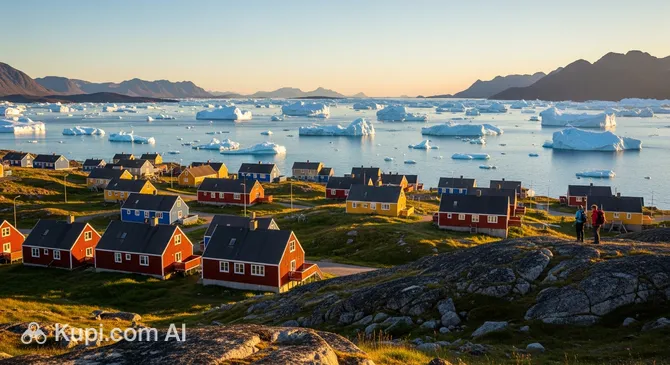
Discover the serene beauty of Ikamiut, a small and picturesque settlement located in the Qeqertalik municipality of Greenland. Situated on an island in the southern part of the magnificent Disko Bay archipelago, this village offers a truly authentic glimpse into the quiet rhythm of Arctic life. With a population of approximately 70 residents, it is a tight-knit community where nature dictates the pace of the day.

Ikamiut. Source: Kupi.Binoculars

Although it is one of the smaller settlements in the region, the history of Ikamiut is rich with the traditions of hunting and fishing that have sustained its people for generations. The village is renowned for its incredible views of the fjord system and the majestic icebergs that drift nearby. Visitors here can experience a profound silence and tranquility that is hard to find elsewhere, making it a perfect spot for travelers seeking solitude and a deep connection with nature.

The lack of heavy traffic and the pristine surroundings make Ikamiut an ideal destination for those who appreciate unspoiled landscapes. Whether you are arriving by the coastal ferry to witness the dramatic coastline or simply exploring the local trails, the warm hospitality of the locals and the stunning midnight sun in summer create unforgettable memories. We invite you to step off the beaten path and experience the unique charm of this hidden Arctic gem.

Weather Overview

The climate in this settlement is distinctly Arctic, characterized by significant seasonal variations that shape daily life. To help you pack appropriately for your visit, we recommend reviewing the detailed guide to the weather in Ikamiut before your departure. Generally, the region experiences long, freezing winters and short, cool summers, with the landscape often defined by ice and snow for much of the year.

During the winter months, particularly in February, conditions are severe with average temperatures dropping to around -17.9°C and lows occasionally reaching -20.6°C. In contrast, the summer season brings milder weather, with July being the warmest month, featuring average temperatures of approximately 7.8°C. While overall precipitation volume is quite low, often just a few millimeters per month, expect frequent wet days during late summer and early autumn.

Interesting Facts

Beyond its serene exterior, Ikamiut holds fascinating details that reveal the resilience and unique lifestyle of its small community. This settlement is not just a quiet stop on the map; it is a place where geography and seasons strictly dictate the way of life.

  • A Village Divided by Nature: The settlement is physically split into two distinct sections by a natural hollow. The older, historic district clusters around the harbor with trading buildings dating back to the 19th century, while the modern residential area and the school are situated on the other side of the depression, creating a unique "dual-town" layout.

  • The Seasonal Switch: Accessibility to Ikamiut changes drastically with the seasons. During the summer, it is a regular stop for the coastal ferry, but in winter, the sea freezes over, completely cutting off maritime access. For months, the only connection to the outside world is via helicopter, making the village a true winter enclave.

  • An Architectural Time Capsule: Despite having a population of only around 70 people, Ikamiut boasts a surprising number of preserved heritage buildings. These include a warehouse built in 1890 and a church from 1908, offering a rare and concentrated glimpse into the colonial architectural history of the region.

  • The Communal Heart: Life here revolves around the "Service House," a vital facility in many small Greenlandic settlements. Since not all homes have running water year-round, this building serves as the community's social and functional hub, providing laundry facilities, showers, and a gathering space for residents.

How to Get There

Reaching the remote settlement of Ikamiut is an adventure in itself, often involving a combination of air travel and a scenic sea voyage. Since the village is situated on an island in the Disko Bay region, there are no direct roads leading to it from the major towns. For a detailed overview of routes and logistics, you can read more about how to get to Ikamiut. Visitors typically fly into a regional airport and then complete their journey by boat or helicopter.

The settlement of Ikamiut does not have its own airport, but you can fly into Aasiaat Airport (IATA: JEG) in the city of Aasiaat, which is the closest transport hub located approximately 40 km away. While there are no roads connecting the two locations, the distance corresponds to a theoretical travel time of about 1 hour and 20 minutes by ground transport; however, the actual transfer is made via boat or helicopter. Ilulissat Airport (IATA: JAV) is another significant option, situated about 74 km from Ikamiut. It is a popular gateway for tourists visiting the Icefjord, with a theoretical transit time of around 2 hours and 10 minutes if a road existed.

Most international travelers will first arrive at Kangerlussuaq Airport (IATA: SFJ), the primary international hub for Greenland located about 187 km south of Ikamiut. It handles the majority of flights from Denmark and Iceland. From here, you would typically catch a domestic connecting flight to Aasiaat or Ilulissat before arranging your final transfer to the settlement.

For clarity, here is a summary of the main airports:

Airport Name City Passenger Traffic Km from City
Kangerlussuaq Airport Kangerlussuaq High 187.0
Ilulissat Airport Ilulissat Medium 74.3
Sisimiut Airport Sisimiut Medium 204.0
Aasiaat Airport Aasiaat Small 40.1
Qaarsut Airport Qaarsut Small 236.6

There are no railway stations in Greenland, so trains are not an option for reaching Ikamiut. The most common way to arrive at the settlement after flying into the region is by sea. During the summer months, the coastal ferry Sarfaq Ittuk makes stops in Ikamiut, providing a reliable and picturesque link to other towns along the western coast.

Main Attractions

Although Ikamiut is a small settlement, it offers a distinct charm defined by its deep connection to nature and history. The village is unique in its layout, physically divided into two sections by a natural hollow. On one side, you will find the modern residential area and the school, while the other side, clustered around the harbor, holds the historic heart of the community. Walking between these two parts offers a fascinating look at how the settlement has adapted to the rugged terrain over the last century.

One of the most significant landmarks is the Ikamiut Church. Originally built in 1908 and renovated over the years, this building stands as a symbol of spiritual continuity for the residents. It is well-preserved and offers a glimpse into the architectural style typical of early 20th-century Greenlandic settlements. Visitors often appreciate the simplicity and peaceful atmosphere of the church, which serves as a quiet focal point amidst the vast Arctic landscape.

Down by the harbor, history enthusiasts can explore the Old Colonial Area. This part of the village contains several heritage buildings that date back to the trading era, including a warehouse from 1890 and another from 1908. These structures, often referred to by their registration numbers like B-47 and B-48, stand as silent witnesses to the time when Ikamiut was a bustling trading post. They provide a stark, beautiful contrast to the modern wooden houses and the wild nature surrounding them.

For nature lovers, the waters of Disko Bay surrounding the island are the main attraction. In summer, the sea here is teeming with life. It is not uncommon to spot seals sunning themselves on the rocks or whales breaching in the distance. The settlement’s location offers a front-row seat to the spectacle of icebergs drifting from the nearby glaciers, making it an exceptional spot for photography and quiet contemplation of the Arctic's raw beauty.

Local Cuisine

In a small settlement like Ikamiut, the local cuisine is not defined by restaurants or menus, but by the rhythm of the seasons and the bounty of the surrounding nature. Here, the concept of "farm-to-table" is replaced by "fjord-to-plate." The food culture is deeply rooted in traditional Inuit hunting and fishing practices, with the pristine waters of Disko Bay serving as the community's primary pantry. For visitors, this offers a rare chance to taste ingredients that are as fresh and organic as they come, often caught just hours before being prepared.

The most iconic dish you might encounter is suaasat, often considered Greenland's national soup. It is a hearty, warming broth traditionally made from seal meat, though reindeer or seabirds are sometimes used. The meat is boiled with onions, potatoes, and rice or barley, creating a nutritious meal perfect for the Arctic climate. Another staple is dried fish, typically cod or halibut, which locals prepare by hanging their catch on wooden racks to dry in the cold, dry air. It is a chewy, protein-rich snack often eaten with a layer of whale blubber, known as blubber, for extra energy.

For a true taste of local delicacy, adventurous eaters should try mattak. This represents the skin and blubber of a whale, usually narwhal or beluga, and is traditionally eaten raw. It is rich in Vitamin C and has a texture often described as nutty and chewy. While it is a acquired taste for some, it is a highly prized treat among locals and a central part of celebratory feasts.

When it comes to drinks, coffee is the undisputed king of social beverages. The tradition of kaffemik—a social gathering where coffee and cakes are served to celebrate birthdays or special events—is the heart of community life in Ikamiut. If you are lucky enough to be invited into a local home, you will likely be served strong coffee accompanied by an array of homemade pastries. For something stronger, "Greenlandic Coffee" is a popular treat in the region, mixing hot coffee with whiskey, Kahlúa, and Grand Marnier, topped with whipped cream, though in a village this small, it is more likely to be a homemade version than a bar order.

It is important for travelers to understand that there are no restaurants or cafes in Ikamiut. The dining scene is entirely domestic. Visitors typically purchase supplies at the local Pilersuisoq store, which stocks imported goods and basic groceries, or rely on arrangements with local hosts. If you are staying in a guest house or private accommodation, you may have the opportunity to cook your own fresh fish caught from the harbor, offering a simple yet deeply satisfying culinary experience.

Travel Tips

Visiting a remote settlement like Ikamiut is a truly unique experience that requires a bit more preparation than your average destination. Since this tiny community operates with limited facilities and is isolated from major towns, packing smart and understanding the local way of life will ensure your adventure is both safe and comfortable.

  1. Dress in Layers for the Arctic Climate: Regardless of the season, the weather can change rapidly. Bring thermal underwear, a warm mid-layer (fleece or wool), and a high-quality windproof and waterproof outer shell. If you are visiting in summer, a mosquito head net and repellent are essential, as insects can be intense. Sturdy, waterproof hiking boots are a must for navigating the uneven, rocky terrain.

  2. Prepare for Walking Everywhere: There is no public transportation, taxi service, or car rental in Ikamiut. In fact, there are no paved roads connecting it to other towns. Within the settlement, you will get around exclusively on foot. The village is small enough to traverse quickly, but be prepared for hills and unpaved paths.

  3. Bring Sufficient Cash (DKK): The local currency is the Danish Krone. While the local Pilersuisoq store may accept international credit cards, there are no ATMs in the settlement. You must withdraw enough cash in Aasiaat or Ilulissat before you arrive to cover private purchases, souvenirs from locals, or emergencies.

  4. Carry a Comprehensive Medical Kit: Medical facilities here are extremely limited, typically consisting of a small nursing station or a health worker with basic supplies. There is no pharmacy. Bring all necessary prescription medications, as well as basics like painkillers, bandages, and motion sickness pills for the boat or helicopter transfer.

  5. Communication and Connectivity: The main language is Greenlandic (Kalaallisut), and while many people speak Danish, English proficiency may vary, especially among the older generation. It is helpful to learn a few basic words like "Aluu" (Hello) and "Qujanaq" (Thank you). Mobile coverage is generally provided by Tusass; consider buying a prepaid SIM card in a larger town upon arrival in Greenland, as Wi-Fi is rarely available in public spaces.

  6. Respect Home Etiquette: If you are invited into a local home or stay in a guesthouse, always remove your shoes at the door. This is a strict custom throughout the country to keep interiors clean from the dust and mud of the outdoors. It is also polite to ask for permission before photographing residents or their private property.

  7. Avoid the Sled Dogs: You may see sled dogs chained outside homes or on the outskirts of the settlement. Never approach, pet, or feed them. These are working animals, not pets, and they can be aggressive and dangerous to strangers. Keep a safe distance at all times.

  8. Plan Around the Pilersuisoq Store: The village has only one general store, Pilersuisoq, which serves as the grocery shop, post office, and bank. Be mindful of its opening hours, which can be short, especially on weekends. If you arrive late in the day, you might find it closed, so always carry some snacks and water with you.

By keeping these practical tips in mind, you will be well-equipped to navigate the simple yet rugged lifestyle of Ikamiut. Embracing the local pace and respecting the community's traditions will open the door to a warm and authentic Arctic welcome.

Entertainment & Nightlife

Travelers planning a trip to Ikamiut should adjust their expectations regarding nightlife before arrival. As a small settlement in Greenland with a population of roughly 70 people, there are no nightclubs, bars, or pubs here. The concept of a "nightlife district" does not exist in this quiet community. Instead, the evening entertainment is entirely defined by the Arctic nature and the changing seasons. The atmosphere is one of profound silence and tranquility, where the "lights" come from the sky rather than neon signs.

During the winter months, the primary nocturnal attraction is the spectacular Northern Lights (Aurora Borealis). With zero light pollution and a vast, open horizon over Disko Bay, the village offers some of the best viewing conditions in the region. Visitors often spend their evenings bundled up in thermal gear, standing on the hills or near the harbor, watching the green and purple ribbons dance across the sky. In the summer, the "night" disappears entirely under the Midnight Sun, allowing for hiking, photography, and boat trips at 2:00 AM in broad daylight.

Social life in the settlement revolves around community gatherings rather than commercial venues. The closest thing to a "night out" is often a traditional Kaffemik—a social event held in a private home to celebrate birthdays or special occasions, featuring coffee and cakes. While you cannot buy a ticket to these, engaging respectfully with locals might earn you an invitation. The local Service House (Kiffartuussivik) sometimes serves as a communal meeting point for residents, but it is not a tourist entertainment venue in the traditional sense.

For daytime entertainment, the focus remains on the outdoors. Visitors can explore the rugged terrain surrounding the village, observe the icebergs drifting in the fjord, or take boat tours to spot whales. There are no museums, theaters, or amusement parks within the settlement itself. Cultural experiences are found in the everyday life of the village, such as watching fishermen return with their catch or observing the preparation of dried fish on racks.

Safety during the evening requires specific precautions in this remote environment. While crime is virtually non-existent and the streets are safe from human threats, the natural world poses risks. If you are walking at night during winter, always carry a strong flashlight as there is limited street lighting. Be aware that polar bears can occasionally be spotted in the area; it is advisable not to wander far from the settlement boundaries alone after dark. There are no taxi services, so all travel is on foot.

Parks & Museums

In a settlement as intimate and remote as Ikamiut, you will not find manicured city parks or ticketed national museums. Instead, the entire island serves as a vast, open-air nature reserve, and the village itself stands as a living museum of Arctic history. The cultural heritage here is preserved not in glass cases, but in the architecture of the buildings and the stories of the local residents, while the "green spaces" are the untamed tundra and the icy waters of the fjord.

The Surrounding Tundra and Hills act as the community's primary recreational area. Since there are no paved roads or fences, the wilderness begins right where the houses end. Visitors can hike freely across the rocky terrain, which is covered in moss, lichen, and wildflowers during the short summer. This natural landscape offers panoramic views of the archipelago and is the perfect place to experience the profound silence of the Arctic, broken only by the wind or the call of seabirds.

The Coastline and Harbor Area functions as the village's central plaza and scenic promenade. While not a park in the traditional sense, the shores of Disko Bay offer a constantly changing spectacle of nature. Here, you can sit on the rocks and watch massive icebergs drift by, calving from the nearby glaciers. It is a dynamic, living landscape that provides a deeper connection to the environment than any designed garden could offer.

regarding cultural institutions, there are no formal museums or art galleries in Ikamiut. However, the Old Colonial Harbor District serves as a significant historical site. This area contains the settlement's oldest structures, including a warehouse dating back to 1890. Walking among these preserved wooden buildings offers a tangible link to the trading era of the 19th century, allowing visitors to visualize the history of commerce and survival in this harsh climate.

The Ikamiut Church is another key cultural landmark that reflects the spiritual and community life of the village. Built in 1908, it is one of the most distinct buildings in the settlement. While it is an active place of worship rather than a museum, its architecture and well-preserved interior provide insight into the Danish colonial influence and the importance of faith in these isolated communities. It stands as a quiet monument to the resilience of the people who have lived here for generations.

For a truly authentic experience, simply observing the daily life at the harbor offers a cultural education no guidebook can match. Watch as local fishermen return with their catch or prepare their gear; this living history reveals the enduring traditions of hunting and fishing that continue to sustain the village today.

Getting Around

Due to the intimate size of the settlement, Ikamiut does not possess a public transport system. There are no buses, trams, metros, or minibuses operating within the village. The community is concentrated within a small area, meaning that all amenities, homes, and landmarks are located within a very short distance of one another. For visitors, this means that the only way to navigate the settlement is on foot.

Because there is no organized transit network, there is no payment system to navigate. You do not need to worry about purchasing travel passes, downloading transport apps, or understanding fare zones. Movement throughout the village is completely free, and there are no ticket offices or validation machines. Your travel budget for internal transport will effectively be zero.

Walking is the universal mode of transport here. The infrastructure consists primarily of gravel paths, dirt tracks, and rocky terrain rather than paved sidewalks. Practical advice for tourists includes wearing high-quality, waterproof hiking boots with good ankle support. The paths can be steep and slippery, particularly near the harbor or the natural hollow that divides the village. In winter, the ground is often covered in ice and snow, making non-slip footwear essential.

Travelers looking for alternatives like taxis, car rentals, or bike-sharing schemes will not find them in Ikamiut. There are no private cars for hire. During the winter season, when the sea freezes and snow covers the ground, snowmobiles and dog sleds become the primary vehicles for locals. While these are not public transport, you may be able to book a dog sledding excursion with a local guide, which serves as both an activity and a way to explore the surrounding wilderness.

The settlement's transport "hubs" are limited to the heliport and the harbor, which connect the village to the outside world. Once you disembark from a helicopter or the coastal ferry, you have effectively arrived at your destination. There are no shuttle buses from these points; you simply pick up your luggage and walk to your accommodation, enjoying the fresh Arctic air and the silence of a place without traffic.

Accommodation

Finding accommodation in Ikamiut is a unique part of the travel experience, as the options reflect the settlement's small size and remote nature. Visitors should not expect standard commercial lodging such as chain hotels, luxury resorts, or hostels. Instead, the accommodation scene is extremely limited and rustic, typically consisting of a small community guesthouse or private rooms rented out by local families (homestays). This lack of commercial infrastructure means that staying here offers an authentic, albeit basic, immersion into the daily life of a Greenlandic family.

Since the entire village is concentrated within a very small area, location is never an issue. Whether you stay near the harbor in the historic district or on the other side of the hollow near the school, you will be within a few minutes' walk of the heliport and the Pilersuisoq store. The "best area" to stay is simply wherever a bed is available, as all locations offer immediate access to the surrounding nature and the silence of the settlement.

There are no branded hotels or resorts in Ikamiut. In many small settlements in Greenland, accommodation is often managed informally. Visitors may find lodging at the local Service House (Kiffartuussivik), which sometimes offers simple rooms for travelers, or through private arrangements with residents. These facilities are generally functional, providing a warm place to sleep and access to shared bathroom and kitchen facilities, but amenities like Wi-Fi, room service, or private en-suites are rarely available.

Booking Tip: Due to the scarcity of beds—often numbering in the single digits for the entire village—it is critical to book well in advance. You cannot simply arrive and expect to find a room. It is highly recommended to arrange your stay through a tour operator in a larger town like Aasiaat or Ilulissat, or to contact the settlement directly before your trip to ensure someone is expecting you.

Regarding costs, prices tend to be in the mid-range bracket despite the basic standard of the facilities. This reflects the high cost of living and operations in the Arctic. Payment is often expected in cash (Danish Krone), as credit card machines may not be available for private rentals. Most bookings are made via telephone or email rather than instant online booking platforms, requiring a bit more planning and patience than a typical vacation.

Nearby Cities

For those looking to explore the surroundings, Ikamiut serves as an excellent base for day trips to several interesting nearby locations. Situated in the southern part of Disko Bay, the settlement offers access to some of Greenland's most vibrant towns and spectacular natural wonders, reachable by boat or helicopter depending on the season. One of the most accessible destinations is Aasiaat, located just 43 kilometers away. Known as the "Town of Whales," it is situated within a stunning archipelago of thousands of islands, making it a paradise for kayaking and whale watching. The town is also a center for education and culture, featuring distinctive outdoor art installations and a relaxed atmosphere that contrasts with the wilder nature of the outlying settlements. A bit further north lies the famous town of Ilulissat, approximately 72 kilometers from Ikamiut. This is the region's primary tourist hub, renowned for the spectacular Ilulissat Icefjord, a UNESCO World Heritage site. Visitors flock here to see massive icebergs calving from the Sermeq Kujalleq glacier, visit the museum dedicated to polar explorer Knud Rasmussen, and experience the lively energy of a town filled with sled dogs and colorful houses.
City Population Distance (km)
Sisimiut 5582 204
Ilulissat 4737 72
Aasiaat 3069 43
Maniitsoq 2534 362
Uummannaq 1407 228
These nearby destinations offer a glimpse into the diverse culture and landscapes of the region.

Shopping & Souvenirs

Shopping in Ikamiut is an experience defined by necessity rather than leisure. As a small settlement with approximately 70 residents, there is no commercial shopping scene in the traditional sense. You will not find fashion boutiques, electronics stores, or window-shopping promenades here. Instead, retail activity is purely functional, centered on providing the community with essential goods for survival in the Arctic. For tourists, this means that "shopping" is limited to buying basic groceries or perhaps negotiating directly with locals for handmade crafts.

The "shopping district" of Ikamiut consists entirely of a single building: the Pilersuisoq store. This chain is the lifeline of rural Greenland, and in this village, it serves as the grocery store, hardware shop, bakery, and post office all rolled into one. Located centrally within the settlement, this is where you can purchase imported food, toiletries, rifle ammunition, and basic clothing. It is the social and commercial hub of the village, but the selection is limited to what can be stocked via ship or helicopter.

There are absolutely no shopping malls or department stores in Ikamiut. The population size does not support large-scale retail. Residents typically order specialized goods, furniture, or fashion items from catalogs or online, waiting for them to arrive by cargo ship. For a more extensive shopping experience, locals travel to the larger towns of Aasiaat or Ilulissat.

Similarly, there are no formal markets. You will not find a "Brættet" (open-air market) with stalls set up for tourists. However, the trade of fresh food is a daily reality. Hunters and fishermen often sell their catch—fresh seal, halibut, or seabirds—directly from their boats at the harbor or to the Pilersuisoq store. As a visitor, you might witness these transactions, which offer a raw and authentic look at the local subsistence economy, even if you cannot easily participate without a kitchen to cook the ingredients.

When it comes to souvenirs, you will not find a gift shop. The best "shopping" for keepsakes involves interacting directly with the locals. Many residents in small settlements are skilled artisans who create traditional Greenlandic handicrafts in their spare time. If you ask around respectfully, you may find someone selling intricate beadwork, hand-knitted wool items, or small carvings made from reindeer antler or soapstone. These items are not mass-produced and carry the genuine spirit of the artisan who made them.

Opening hours for the Pilersuisoq store can be quite restricted compared to international standards. It typically opens around 10:00 AM and may close as early as 3:00 PM or 4:00 PM on weekdays, with even shorter hours on weekends. It is crucial to check the specific times posted on the door upon arrival. Regarding payment, the Danish Krone (DKK) is the only currency used. While the store usually accepts major credit cards (Visa/Mastercard), the connection can be unreliable due to the remote location. It is highly recommended to carry sufficient cash for all purchases, especially if you are buying handicrafts directly from a local resident.

There is no tax-free shopping or tax refund system available in Ikamiut. The settlement operates outside the scope of the tourist VAT refund schemes found in major European cities. Prices in the local store are generally higher than in larger towns due to the immense logistical costs of transporting goods to this isolated island, so visitors should budget accordingly for even basic snacks and supplies.

Reached the end of the page?

That means the route is fully explored