Support

Attu

About

Welcome to Attu, a serene and picturesque settlement nestled in the Qeqertalik municipality of western Greenland. Situated on a small island in the Davis Strait, this community offers travelers a rare opportunity to experience the authentic rhythm of Arctic life far from the bustling tourist hubs. With its colorful wooden houses scattered across the rocky terrain and the vast ocean stretching to the horizon, Attu captures the essence of remote island living.
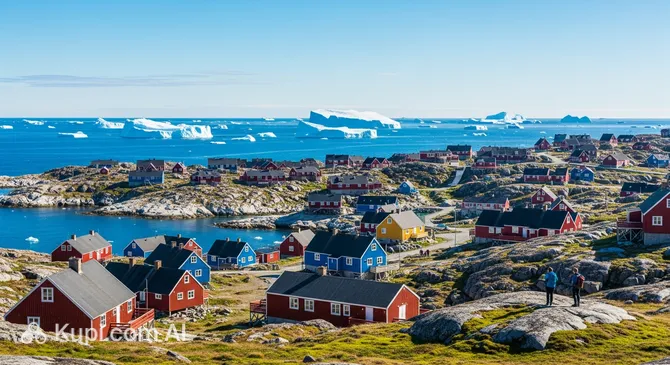
Attu. Source: Kupi.Binoculars

Geographically, the village is located south of the famous Disko Bay, surrounded by a labyrinth of small islands and skerries that protect it from the open sea. The climate here is characterized by cold, snowy winters and cool, crisp summers, creating a landscape that is both rugged and breathtaking. Although the population is small, numbering around 200 residents, the community is tight-knit and welcoming, maintaining a lifestyle deeply connected to the surrounding nature.

The settlement has a rich heritage rooted in hunting and fishing, which remain the primary occupations for many locals. Exploring the history of Attu reveals a story of resilience and adaptation to the Arctic environment. Visitors can often observe traditional practices that have been passed down through generations, providing a fascinating cultural insight into life on the edge of the habitable world.

For nature enthusiasts, Attu serves as a perfect base for outdoor adventures. The surrounding waters are ideal for boat tours and kayaking, offering chances to spot seals, whales, and diverse seabirds in their natural habitat. In winter, the dark skies become a canvas for the mesmerizing Northern Lights, while the summer months bring the phenomenon of the Midnight Sun, allowing for endless exploration of the scenic hiking trails that crisscross the island.

If you are seeking tranquility and a genuine connection with the Arctic wilderness, Attu is a destination that should not be missed. Whether you are watching icebergs drift by or sharing a moment with the friendly locals, a visit here promises unforgettable memories of this unique corner of the globe.

Weather Overview

The climate in Attu is distinctly Arctic, characterized by long, cold winters and short, cool summers. Travelers planning a trip should be prepared for temperatures that remain below freezing for much of the year, with the coldest conditions occurring in February when the average temperature drops to around -18.8°C.

Summer brings a brief but welcome thaw to the region. July is typically the warmest month, offering average temperatures of 7.0°C, with highs occasionally reaching nearly 10°C. This is the best time for outdoor activities, though the air remains crisp. For a more detailed breakdown of seasonal conditions, you can check the weather in Attu before packing for your journey.

Precipitation in the area is generally light in terms of volume, often recording just 1-2mm per month, but damp days are not uncommon. August tends to be the wettest month in terms of frequency, with about 12 days seeing some form of precipitation. Overall, visitors can expect cool summers with occasional light rain and freezing, dry winters.

Interesting Facts

Beyond its scenic landscapes and quiet atmosphere, Attu holds several fascinating secrets that reveal its unique place in Arctic history. From its curious origins to royal connections, this small settlement offers more than meets the eye for the observant traveler.

  • "The One That Was Touched": The name "Attu" is often translated from Greenlandic as "the one that is touched" or "the one that is affected," a poetic reference that likely alludes to its exposed location facing the open sea. The settlement was originally founded in 1818 as an experimental station specifically for net hunting, marking it as a place of innovation in traditional practices.

  • A Gateway for Hunters: Attu serves as a critical strategic stopover for locals venturing into the wilderness. It is the last settlement before reaching the vast Nassuttooq Fjord, a 190-kilometer-long inlet famous for its rich caribou hunting grounds. During the hunting season, the village buzzes with activity as hunters restock supplies before continuing their journey deep into the fjord.

  • Architectural Heritage: Unlike many functional structures in remote areas, the local church in Attu is a piece of significant architectural design. It was created by the renowned architect Holger Jensen, distinguishing it from the simple school chapels found in many other settlements. The building stands as a testament to the community's importance during the mid-20th century.

  • A Royal Visit: Despite its isolation, Attu has hosted distinguished guests. In 1975, the village received a visit from Queen Margrethe II and Prince Henrik of Denmark. The event was a major celebration, with locals donning their finest national costumes to welcome the monarchs, a moment that remains a cherished part of the village's collective memory.

How to Get There

Reaching the remote settlement of Attu requires a bit of planning, as the village is situated on a small island without direct international air connections. Most travelers arrive by sea or helicopter after flying into one of the larger regional hubs. You can read more about how to get to Attu and the specific transfer options available on our detailed page.

The village of Attu does not have its own airport, but you can fly into Aasiaat Airport (JEG) in the city of Aasiaat, which is the closest regional transport node located about 94 km from Attu. Due to the geography of the region, there are no roads connecting these settlements, so the final leg of the journey is typically completed by boat or helicopter rather than a taxi or bus. Another key entry point is Kangerlussuaq Airport (SFJ), Greenland's main international hub. Situated approximately 162 km away, it handles the majority of flights arriving from abroad. From there, passengers usually connect to domestic flights or other transport services to reach the Qeqertalik region.

For clarity, here is a summary of the main airports nearby:

Airport Name City Passenger Traffic Km from City
Kangerlussuaq Airport Kangerlussuaq Large 161.9
Ilulissat Airport Ilulissat Medium 178.6
Sisimiut Airport Sisimiut Small 110.4
Aasiaat Airport Aasiaat Small 93.6
Maniitsoq Heliport Maniitsoq Small 283.6

Main Attractions

Attractions:

Although Attu is a small settlement, it offers unique sights that reflect its rich cultural heritage and stunning natural location. The attractions here are less about ticketed venues and more about experiencing the authentic atmosphere of an Arctic outpost. Visitors can explore architectural landmarks, immerse themselves in the local maritime lifestyle, and use the village as a gateway to some of Western Greenland's most impressive fjords.

Attu Church is the most significant architectural landmark in the village and a must-see for anyone interested in Greenlandic design. Unlike the simple multi-purpose school chapels found in many other small settlements, this church was specifically designed by the renowned architect Holger Jensen. Its distinct structure stands out against the rocky terrain, serving as a proud symbol of the community. For tourists, it provides a perfect photo opportunity and a chance to appreciate how modern architecture has been adapted to the harsh Arctic environment.

Just south of the village lies the entrance to Nassuttooq Fjord (Nordre Strømfjord), a massive natural wonder that stretches nearly 190 kilometers inland. Attu serves as the primary gateway to this deep inlet, which is famous for its abundance of wildlife, including seals and caribou. Travelers can arrange boat tours to explore the mouth of the fjord, where the dramatic cliffs and calm waters create a serene environment ideal for photography and nature observation.

The heart of the village beats at the Attu Harbor, where the daily rhythm of life is dictated by the sea. This is the best place to witness the local fishing and hunting culture in action, as small boats return with catches of halibut, cod, and occasionally seal. Spending time here offers a genuine insight into the subsistence lifestyle that has sustained the Inuit people for centuries. It is also a fantastic spot to watch icebergs drift through the Davis Strait, especially under the glow of the evening sun.

For those who enjoy walking, the Coastal Hiking Trails around the settlement offer accessible adventures with rewarding views. There are no paved paths, but the rocky, treeless terrain is easy to navigate and allows visitors to climb the hills surrounding the village. From the higher elevations, you can enjoy panoramic vistas of the archipelago and the open ocean. In summer, the tundra comes alive with small Arctic flowers, making these hikes a delightful experience for nature lovers.

Local Cuisine

The local cuisine in Attu is a direct reflection of the settlement's relationship with the sea and the surrounding wilderness. In this remote corner of Greenland, food is not just sustenance but a way of life that has sustained the Inuit people for centuries. Visitors should not expect an extensive menu of international options; instead, the gastronomic experience here is defined by incredible freshness and traditional preparation methods that rely heavily on the daily catch.

One of the most authentic dishes to try is suaasat, a traditional soup that is often considered the national dish of Greenland. It is typically made from seal meat, though reindeer or seabirds can also be used, and is boiled with onions and potatoes to create a hearty, warming meal perfect for the Arctic climate. Another unique delicacy is mattak, the skin and blubber of a whale, usually narwhal or beluga. It is traditionally eaten raw and is prized for its high vitamin C content and nutty flavor, often served as a celebratory treat during special occasions.

Seafood lovers will find themselves in paradise, as the waters around Attu are teeming with high-quality fish. Halibut, cod, and redfish are staples of the local diet and are often prepared simply—boiled or pan-fried—to let the natural flavors shine. Drying fish and meat is also a common preservation method; you might see racks of fish drying in the wind, transforming into a chewy snack known as dried fish, which is a popular, protein-rich provision for hunters and hikers.

When it comes to drinks, coffee is the undisputed king of social life. The tradition of kaffemik—a social gathering where locals invite friends and family over for coffee and cakes—is central to community bonding. While you might be lucky enough to be invited to one, you can also enjoy a hot cup in local guesthouses. For an alcoholic treat, look for Greenlandic coffee, a potent warming cocktail mixing coffee with whiskey, Kahlúa, and Grand Marnier, topped with whipped cream and often set aflame for a dramatic presentation.

Dining in Attu is a unique experience because there are no conventional restaurants or street food stalls. The food culture is domestic and communal. Most travelers eat at their accommodation, where meals are often prepared using ingredients bought from the local Pilersuisoq store or directly from hunters at the harbor. This "catch-to-table" approach ensures that whatever you eat is organic and wild, offering a true taste of the Arctic environment.

Travel Tips

Visiting a remote settlement like Attu is a rewarding experience that offers a glimpse into authentic Arctic life, but it requires careful preparation due to its isolation and limited infrastructure. To ensure your journey to this quiet island community is smooth and enjoyable, here are some practical tips to help you pack the right gear and navigate local customs.

  1. Clothing and Gear: The weather in the Qeqertalik region can change rapidly, so the "layering principle" is essential. Bring thermal underwear (wool is best), a warm fleece or sweater, and a high-quality windproof and waterproof outer shell. Sturdy, waterproof hiking boots are a must for navigating the rocky, unpaved terrain. Since the sun can be intense even in cold weather, pack sunglasses and sunscreen. If you visit in summer, a mosquito net or strong repellent is highly recommended, as insects can be plentiful.

  2. Transportation: Within the village itself, walking is the only mode of transport you will need. The settlement is small enough to explore entirely on foot. There are no roads connecting Attu to other towns; travel in and out is exclusively by helicopter or boat. If you plan to explore the surrounding waters or nearby uninhabited islands, you will need to arrange a private boat transfer with a local hunter or fisherman, as there are no formal water taxis.

  3. Finances: The local currency is the Danish Krone (DKK). While the local Pilersuisoq store generally accepts major credit cards (mostly Visa and MasterCard), the connection can be unreliable due to the remote location. There are no ATMs or banks in Attu. It is crucial to bring enough cash from a larger town like Aasiaat or Kangerlussuaq to cover your entire stay, including payments for private boat tours, souvenirs, or tips.

  4. Health and Safety: Medical facilities are very limited; there is typically a small nursing station for basic consultation, but serious emergencies require evacuation to a hospital in Aasiaat or Nuuk. Ensure you have comprehensive travel insurance that covers medical evacuation. Bring a fully stocked personal first-aid kit and an ample supply of any prescription medications you need, as there is no pharmacy on the island.

  5. Communication: The main language is Greenlandic (Kalaallisut), and most residents also speak Danish. English proficiency varies; younger people may speak it well, but communication with elders might require patience and gestures. Learning a simple greeting like "Aluu" (Hello) or "Qujanaq" (Thank you) goes a long way. Mobile coverage is provided by Tusass; buying a prepaid SIM card in a larger airport before arrival is the best way to stay connected, though data speeds may be slower than you are used to.

  6. Local Etiquette: The community in Attu is close-knit and private. Always ask for permission before taking photographs of locals, their children, or their houses. It is polite to remove your shoes when entering a private home or the local community hall. If you see hunters working on their catch at the harbor, observe respectfully from a distance unless invited closer.

  7. What to Avoid: Never approach or try to pet sled dogs. They are working animals, not pets, and can be aggressive toward strangers. Additionally, avoid walking on the local cemetery grounds unless you are visiting a grave respectfully, and do not step on the fragile Arctic vegetation if a rocky path is available, as the flora takes years to recover from damage.

  8. Shopping Tip: The Pilersuisoq store is the lifeline of the village, selling everything from groceries to rifles. Be aware that opening hours can be short and may change on weekends or holidays. If you have specific dietary requirements, it is safer to bring those items with you, as the store's stock depends entirely on the arrival of supply ships.

By keeping these tips in mind, you will be well-equipped to embrace the slow, peaceful rhythm of life in Attu. Respecting the local environment and culture will not only ensure your safety but also help you form a deeper connection with the friendly residents of this unique Greenland settlement.

Entertainment & Nightlife

Entertainment and nightlife in Attu differ significantly from the bustling scenes found in larger cities. In this remote settlement of roughly 200 residents, you will not find neon-lit nightclubs, cocktail bars, or late-night discos. Instead, the evening atmosphere is defined by the profound silence of the Arctic, the warmth of community gatherings, and the spectacular natural light shows in the sky. For travelers, the "nightlife" here is an opportunity to disconnect from the noise of the modern world and experience a peacefulness that is rare to find elsewhere.

Since there are no commercial pubs or restaurants open late at night, social life revolves around private homes and the local Community Hall (Forsamlingshus). This venue serves as the heart of the village's social calendar, hosting occasional events such as bingo nights, traditional Greenlandic dances, or celebrations for special holidays and birthdays. If you are lucky enough to be visiting during a community event, it is a wonderful way to mingle with locals in a casual, welcoming environment where the dress code is always practical and warm.

For those looking to enjoy a drink in the evening, the local Pilersuisoq store is the go-to place. As the only shop in the village, it supplies residents and visitors with everything from groceries to beer and wine. Travelers typically purchase their beverages here during opening hours and enjoy them in the comfort of their guesthouse or accommodation. It is important to note that the store closes early, usually in the late afternoon, so you must plan your evening supplies in advance.

The most popular "nightclub" in Attu is the great outdoors. During the winter months, the lack of light pollution makes the village an exceptional spot for viewing the Northern Lights. The area around the Harbor is a favorite district for evening walks; the open view over the Davis Strait provides a dramatic backdrop for the dancing aurora or the midnight sun in summer. Standing by the water's edge, listening to the crackle of shifting ice, offers a mesmerizing experience that far outweighs a typical night out.

When venturing out at night, safety is paramount. The streets have limited lighting, so carrying a strong flashlight is essential to navigate the uneven, often icy terrain. While the village is safe from crime, you are in polar bear country; always stay vigilant and avoid wandering too far from the settlement perimeter in the dark without a local guide. Taxis do not exist here, so getting around is strictly a matter of walking.

During the daytime, entertainment remains low-key and nature-focused. Visitors can admire the architecture of the local church or take boat trips to explore the nearby fjords. While there are no amusement parks or large museums, the landscape itself serves as a vast playground for hiking and photography, offering endless engagement for outdoor enthusiasts before the quiet evening sets in.

Parks & Museums

In a settlement as intimate and remote as Attu, you will not find manicured city parks or sprawling national museums with ticket counters. Instead, the entire village and its breathtaking surroundings serve as a living exhibition of Arctic culture and untouched nature. The "green spaces" here are the boundless tundra and rocky shorelines, while the "museums" are the daily activities of the people who call this island home.

The natural world functions as the village's local park, offering an endless playground for exploration without fences or opening hours. The terrain is raw and unpolished, covered in a thick carpet of mosses, lichens, and wildflowers that burst into color during the short summer. Hiking up the local hills provides a profound sense of solitude and silence, broken only by the wind and the call of seabirds, creating a sanctuary that feels far more expansive than any designated nature reserve.

While there are no formal exhibitions, the community itself offers a glimpse into the living history of Greenland. The village streets and the waterfront area act as an open-air gallery of traditional life. Watching the locals prepare for a day on the water or maintain their equipment offers a more authentic educational experience than many curated displays. It is a place where centuries-old traditions of subsistence hunting meet the modern world, offering visitors an unfiltered look at Inuit culture.

Accessing these sights requires no admission fee, only a willingness to observe and respect the local way of life. Whether you are studying the unique flora on a hillside trek or simply witnessing the quiet resilience of the community, Attu provides an immersive cultural and natural experience that stays with you long after you leave.

Getting Around

Due to the small size and remote nature of Attu, the settlement does not possess a conventional public transport system like those found in larger cities. There are no subways, trams, buses, or even scheduled taxi services operating within the village limits. The entire community is concentrated within a small area, making the infrastructure vastly different from urban centers.

The primary and most effective mode of getting around is simply walking. The distance from one end of the village to the other can be covered in a matter of minutes. There are no paved roads suitable for regular highway vehicles; instead, the settlement features a network of gravel paths, rocky trails, and wooden boardwalks designed to navigate the uneven terrain. Visitors should be prepared to rely entirely on their own two feet for daily exploration.

Since there is no internal transit network, there is no need for travel passes, transport cards, or ticket validation apps. Movement within the village is completely free and requires no administrative planning. However, for travel leaving the settlement—such as transfer to nearby islands or hunting grounds—transport transforms into a maritime affair. Small boats function as the local equivalent of cars, and arranging a ride usually involves a direct agreement with a local hunter or fisherman rather than buying a ticket from a machine.

In the winter months, the "transport system" shifts with the landscape. When the sea freezes and snow covers the ground, dog sleds and snowmobiles become the preferred vehicles for locals. While these are primarily used for hunting and personal travel, tourists can sometimes arrange sled tours. These are not public transit in the traditional sense but serve as a critical means of traversing the frozen environment.

For travelers, the most practical advice is to invest in high-quality footwear rather than looking for bus stops. Sturdy, waterproof hiking boots with good ankle support are essential, as the ground can be slippery, muddy, or icy depending on the season. Since there are no taxis to hail if you get tired, ensuring you are physically comfortable walking on rugged terrain is key to enjoying your stay in this pedestrian-only community.

Accommodation

Accommodation in Attu is as authentic and unpretentious as the settlement itself. Travelers planning a visit to this remote island community should adjust their expectations; there are no international hotel chains, luxury resorts, or sprawling complexes here. Instead, lodging options are primarily limited to small, locally run guesthouses or private home rentals. These facilities offer a warm, domestic atmosphere where the focus is on shelter and hospitality rather than high-end amenities.

Because the village is compact and concentrated around the harbor and the church, there are no specific "tourist districts" to choose from. Wherever you stay, you will be within walking distance of the sea, the Pilersuisoq store, and the surrounding hiking trails. Staying in the heart of the settlement provides a unique opportunity to live side-by-side with the locals, offering an immersive experience that standard hotels cannot match.

Most accommodation facilities in Attu operate as basic guesthouses or "sleeping bag accommodations." These typically provide a simple private or shared room with access to communal facilities, including a kitchen, bathroom, and living area. It is common for guests to cook their own meals, as there are no restaurants in the village. This self-catering style is a staple of travel in Greenland's smaller settlements and allows for a flexible, relaxed schedule.

Booking Tip: Due to the extremely limited inventory—often consisting of just a handful of beds for the entire village—it is critical to book your accommodation well in advance. You cannot simply arrive and expect to find a room. It is highly recommended to arrange your stay through a regional travel agency in Aasiaat or via the transport provider when booking your boat or helicopter transfer.

In terms of pricing, costs can be surprisingly high relative to the simplicity of the facilities, reflecting the high cost of living and operations in the Arctic. Prices are generally in the mid-range category. Payment methods can be limited; while some arrangements can be paid online beforehand, it is wise to confirm if you need to bring cash (Danish Kroner) to pay the host directly upon arrival.

Nearby Cities

For those looking to explore the surroundings, Attu serves as an excellent base for day trips to several interesting nearby locations:

The closest town to Attu is Aasiaat, situated approximately 91 kilometers away. Known as the "Town of Whales," it serves as the gateway to the vast Disko Bay archipelago. Visitors here can explore a myriad of small islands ideal for kayaking or visit the local museum and church, which houses paintings by the famous Danish artist Per Kirkeby. It offers a slightly more urban atmosphere compared to Attu while maintaining a strong connection to the sea.

Further south lies Sisimiut, the second-largest city in Greenland. Located just north of the Arctic Circle, it is a vibrant hub where traditional hunting culture meets modern industry. It is a fantastic destination for those interested in backcountry hiking and experiencing the transition between the Arctic and sub-Arctic landscapes. The cultural center, Taseralik, and the historic colonial quarter are highlights for a short visit.

Although a bit further away, Ilulissat is arguably the most famous destination in the region. Home to the UNESCO World Heritage-listed Ilulissat Icefjord, this town offers spectacular views of massive icebergs calving from the Sermeq Kujalleq glacier. While it requires a longer journey, the chance to witness these frozen giants up close makes it a worthwhile excursion for travelers in the area.

City Population Distance (km)
Nuuk 18326 429
Sisimiut 5582 112
Ilulissat 4737 176
Aasiaat 3069 91
Maniitsoq 2534 283

These nearby destinations offer a glimpse into the diverse culture and landscapes of the region.

Shopping & Souvenirs

Shopping in Attu is a unique experience defined by the settlement's remote location and small population. Travelers should not expect a retail therapy destination with high streets or luxury boutiques; instead, commerce here is purely functional and community-oriented. The shopping scene offers a fascinating glimpse into Arctic logistics, where a single supply chain sustains the entire village. For visitors, it is less about browsing for fashion and more about observing the essential flow of goods that keeps this island community running.

There are no shopping districts or commercial promenades in the traditional sense. The retail heart of the village is the local Pilersuisoq store. This chain of general stores is ubiquitous across Greenland's settlements, acting as a combination of a supermarket, hardware store, clothing outlet, and post office. In Attu, this single building is where you will find almost everything available for purchase, from daily groceries and fresh produce to hunting gear, fuel, and household items.

As one might expect in a village of roughly 200 people, there are no shopping malls, department stores, or branded outlets. The infrastructure is designed to meet the basic needs of the residents rather than to cater to consumer tourism. Travelers looking for specialized outdoor gear or electronics should ensure they purchase these items in larger hubs like Aasiaat or Kangerlussuaq before arriving in Attu.

While there are no formal marketplaces with stalls and vendors, the harbor often functions as an impromptu fresh food market. When hunters and fishermen return with their daily catch, you can sometimes buy fresh fish, seal meat, or seabirds directly from the boat. This transaction is raw and authentic, often conducted in cash and without packaging. It is the freshest food you can buy, literally caught hours before purchase.

For those seeking souvenirs, the best treasures are found in the homes of local artisans rather than in a gift shop. Residents of Attu are skilled in traditional crafts, and you may find unique handmade items such as tupilaks (intricate figures carved from reindeer antler or bone), seal skin mittens, or intricate beadwork. These items are not usually displayed in a store; instead, you might need to ask your guesthouse host or a local guide to introduce you to a craftsperson. Buying directly from the maker ensures that your money supports the local family and provides you with a story behind the object.

Opening hours in Attu are limited compared to urban standards. The Pilersuisoq store typically opens in the morning around 9:00 or 10:00 AM and closes in the late afternoon, often around 4:00 PM or 5:00 PM. It may have reduced hours or be closed entirely on Sundays and public holidays. It is wise to do your shopping early in the day.

Regarding payment methods, the local store generally accepts major credit cards like Visa and MasterCard, as well as the Danish Krone (DKK). However, connectivity issues can sometimes disrupt electronic payments, so carrying cash is highly recommended. If you plan to buy souvenirs or fresh food from locals, cash is the only accepted form of payment. There are no ATMs in Attu, so you must withdraw sufficient funds before you travel to the settlement.

Tax-free shopping facilities are not available in Attu. The tax-refund systems found in larger European cities or airports do not operate in these small settlements. Prices are fixed, and due to the high cost of shipping goods to such a remote location, they may be higher than what you would encounter in Denmark or larger Greenlandic towns.

Reached the end of the page?

That means the route is fully explored