Support

Saqqaq

About

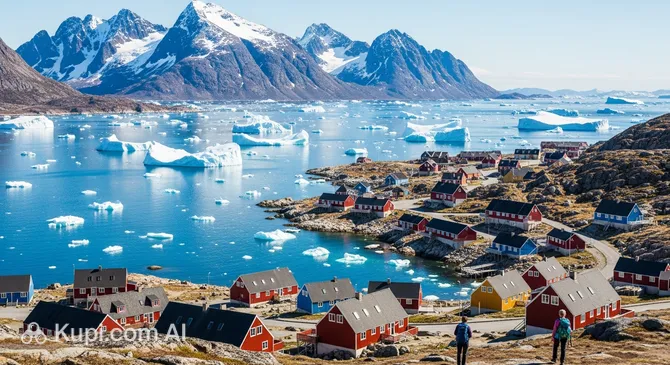
Welcome to Saqqaq, a picturesque settlement that offers an authentic glimpse into life above the Arctic Circle. Located on the southern coast of the Nuussuaq Peninsula, this charming village is situated approximately 100 kilometers north of Ilulissat. With a population of around 130 residents, it is a tight-knit community where traditional hunting and fishing lifestyles blend seamlessly with the stunning natural environment of Greenland.

Saqqaq. Source: Kupi.Binoculars

Despite its small size, the village holds immense archaeological significance. It gave its name to the ancient "Saqqaq culture," a Paleo-Eskimo civilization that inhabited the area thousands of years ago. Visitors interested in the deep roots of the region can explore the fascinating history of Saqqaq, which is famously linked to the nearby Qajaa site where permafrost has preserved unique artifacts for centuries.

Travelers are drawn here by the breathtaking scenery, dominated by the majestic Livets Top mountain and views across the water to Disko Island. The waters near the settlement are often dotted with icebergs drifting from the Torsukattak Fjord, creating a mesmerizing backdrop for hiking in summer or dog sledding in winter. Whether you are seeking the Midnight Sun or the Northern Lights, Saqqaq provides a peaceful and inspiring escape into the raw beauty of the Arctic.

Weather Overview

Saqqaq experiences a high-Arctic climate characterized by long, freezing winters and short, cool summers. The weather plays a significant role in the rhythm of life here, with seasonal changes dictating the landscape's accessibility. Visitors should be prepared for cold conditions year-round, as temperatures remain low even during the warmer months.

Winter is the dominant season, with February typically being the coldest month, featuring an average temperature of -17.9°C and lows dropping to -20.5°C. As spring transitions into summer, the climate softens slightly. July is generally the warmest time of year, with average temperatures rising to 6.2°C and maximum highs reaching nearly 9°C, offering pleasant conditions for hiking and outdoor exploration.

Expect cool summers with frequent cloud cover and very cold winters where proper thermal gear is essential. Precipitation is generally low, averaging between 1mm and 2mm per month, though wet days occur regularly throughout the year. To help you pack the right gear for your trip, we recommend consulting the detailed forecast and weather in Saqqaq closer to your departure date.

Interesting Facts

Beyond the main attractions, Saqqaq holds many fascinating secrets that highlight its unique position in both scientific history and Arctic life. This small settlement is not just a scenic viewpoint but a place where ancient history and surprising local endeavors come to light.

  • The Sunny Side: The name "Saqqaq" translates from Greenlandic as "the sunny side." This is a fitting description for its geographical location, as the village sits on the southern slopes of the Nuussuaq Peninsula, basking in sunlight that reflects off the iceberg-filled waters of the strait.

  • A Genetic Breakthrough: The area gained global scientific fame when the first complete ancient human genome was sequenced using a 4,000-year-old tuft of hair found preserved in the permafrost nearby. The DNA belonged to a Paleo-Eskimo man, affectionately nicknamed "Inuk," providing unprecedented insights into the migration patterns of the Saqqaq culture.

  • An Impossible Garden: Despite the harsh Arctic climate, Saqqaq was once home to a legendary garden created by a former settlement manager, Hannibal Fencker. Through careful tending and the use of a greenhouse, he successfully cultivated vegetables and flowers that are rarely seen this far north, proving that life can flourish even in the most rugged conditions.

How to Get There

Reaching the remote settlement of Saqqaq requires some planning, as is common with many destinations in the Arctic. Since there are no roads connecting settlements in this region, air travel to a nearby hub followed by a boat or helicopter transfer is the standard way to arrive. For a detailed breakdown of routes and schedules, you can read more about how to get to Saqqaq.

The most common entry point for travelers is Ilulissat Airport (JAV), located in the town of Ilulissat. This serves as a primary regional hub and handles a significant volume of passenger traffic. The airport is situated approximately 93 km from Saqqaq. While direct road transport is not available, the journey to the settlement typically requires a transfer by boat or helicopter service.

Another option is Qaarsut Airport (JQA), which is geographically the closest airfield, located about 85 km from Saqqaq in the settlement of Qaarsut. It is a smaller facility compared to Ilulissat, and travelers must arrange onward transport via sea or air. You might also consider Aasiaat Airport (JEG) in Aasiaat, which is about 148 km away, though the transfer involves a longer journey.

For clarity, here is a summary of the main airports:

Airport Name City Passenger Traffic Km from City
Ilulissat Airport Ilulissat Large 92.8
Aasiaat Airport Aasiaat Medium 148.1
Qaarsut Airport Qaarsut Small 85.1

Main Attractions

For a settlement of its size, Saqqaq offers a surprising wealth of cultural and natural treasures. The village is not merely a scenic stop but a destination with deep historical roots and unique local legends. Visitors here can explore a blend of ancient Arctic history, colonial heritage, and some of the most spectacular hiking routes in the Disko Bay region.

One of the most prominent landmarks is Naalakkerisivik, the local church. Built in 1909, this distinctive red wooden structure stands as a testament to the community's resilience and history. Like many buildings in Greenland, it has a story of movement; it was originally constructed in the now-abandoned settlement of Appat (Ritenbenk) before being relocated to Saqqaq. Its interior offers a peaceful atmosphere where you can admire traditional craftsmanship and get a sense of the village's spiritual life.

A truly unique site is the former home and garden of Hannibal Fencker, often referred to as the "King of Saqqaq." Fencker, a legendary district manager who lived here from the 1940s, famously defied the Arctic climate by creating a lush garden in this harsh environment. While the garden today is a shadow of its former glory, the site remains a fascinating piece of local lore, symbolizing the ingenuity required to thrive in the North. It is said he even successfully grew subtropical plants like dates and lemons in his greenhouse, a feat that remains part of the village's identity.

For those interested in deep history, the archaeological site of Qajaa is an absolute must-know location. Situated a short boat ride away in the fjord, this midden (ancient refuse heap) is world-renowned because the permafrost has perfectly preserved organic artifacts for thousands of years. It was here that researchers found the evidence defining the "Saqqaq Culture," the earliest known inhabitants of West Greenland. While the site itself is protected and requires respect, visiting the area gives you a profound connection to the Paleo-Eskimo people who hunted here 4,000 years ago.

Nature lovers should not miss the hike to Livets Top. This mountain offers one of the best vantage points in the area, providing panoramic views over the village and the iceberg-filled waters of the Torsukattak Fjord. The climb rewards hikers with a breathtaking perspective of the massive icebergs drifting from the nearby glaciers, and on clear days, you can see all the way to Disko Island. It is an ideal spot for photography and for witnessing the sheer scale of the Greenlandic landscape.

Local Cuisine

The culinary experience in Saqqaq is deeply rooted in the traditions of the Arctic, where the menu is dictated by the seasons and the catch of the day. In this remote settlement, food is not just sustenance but a connection to the land and sea. The cuisine relies heavily on fresh, organic ingredients sourced directly from the surrounding nature, meaning that the fish you eat was likely caught just hours before in the nearby fjord.

Visitors to Greenland should take the opportunity to try suaasat, the national dish. This hearty soup is traditionally made from seal meat, though reindeer, musk ox, or seabirds are also used. It is typically thickened with rice, barley, or potatoes and seasoned simply with salt, pepper, and onions to let the natural flavors shine. Another local delicacy is mattak, the raw skin and blubber of a whale, usually narwhal or beluga. It is rich in Vitamin C and has a nutty flavor, often served as a celebratory treat.

Given Saqqaq's location near rich fishing grounds, seafood is a staple. The region is particularly known for its Greenland halibut, which is exported globally but tastes best when enjoyed locally. You might also encounter dried fish, known as ammassat (capelin) or cod, which is a popular, chewy snack eaten by locals throughout the day. For meat lovers, dishes featuring musk ox or reindeer offer a lean, flavorful alternative to domestic meats, often served as steaks, roasts, or in stews.

When it comes to drinks, coffee is central to social life. The tradition of kaffemik involves inviting people over for coffee and an array of homemade cakes to celebrate birthdays or special events. While you might not be invited to a private home immediately, the spirit of this hospitality is felt everywhere. For an adult beverage, the famous "Greenlandic Coffee" is a must-try experience found in many guesthouses across the country; it is a warming blend of coffee, whiskey, Kahlúa, and Grand Marnier, topped with whipped cream and often set aflame to represent the Northern Lights.

Travelers should be aware that Saqqaq is a small village with a population of around 130 people, so there are no conventional restaurants or cafes. The food scene here is domestic and intimate. Most visitors dine at their guesthouse, where hosts often prepare home-cooked meals using local ingredients, or they purchase supplies at the local Pilersuisoq store to cook for themselves. This setting offers a unique chance to eat like a local, enjoying simple, hearty meals in the quiet beauty of the North.

Travel Tips

Visiting a remote settlement like Saqqaq requires a bit more preparation than your average destination, but the reward is an authentic Arctic experience. Here are some practical tips to help you navigate daily life in this small, traditional community and ensure your trip is safe and enjoyable.

  1. Clothing and Gear: In the Arctic, the weather changes rapidly, so dressing in layers is essential. Bring thermal underwear, a warm middle layer (wool or fleece), and a windproof and waterproof outer shell. Since Saqqaq has gravel paths and uneven terrain, sturdy hiking boots are a must. If visiting in summer, do not forget a mosquito net and repellent, as insects can be intense.

  2. Transportation: Within the settlement, everything is within walking distance, so you will not need any vehicle; in fact, there are no taxis or car rentals here. For travel outside the village to places like Ilulissat, you will rely on helicopters or boats. Be sure to book these transfers well in advance, as schedules can be subject to weather delays.

  3. Finances: The local currency is the Danish Krone (DKK). While the local Pilersuisoq store may accept credit cards, the system can be unreliable due to connectivity issues. There are no ATMs in Saqqaq, so it is critical to withdraw sufficient cash in Ilulissat or Aasiaat before you arrive to cover souvenirs, local crafts, or private boat tours.

  4. Health and Safety: There is a small local nursing station for basic medical needs, but serious emergencies require evacuation to a larger hospital. Ensure you have comprehensive travel insurance that covers medical evacuation. Saqqaq is generally very safe, but be cautious when hiking alone in the mountains; always inform your host of your route.

  5. Communication: The primary language is Greenlandic (Kalaallisut), and most locals also speak Danish. English proficiency varies, so learning a few basic words like Aluu (Hello) and Qujanaq (Thank you) goes a long way. Mobile coverage is provided by Tusass; it is best to purchase a prepaid SIM card in a larger town upon arrival in Greenland, as Wi-Fi is limited.

  6. Local Etiquette: The community is tight-knit and friendly, but privacy is valued. Always ask for permission before photographing locals, especially children. When entering a private home or the local church, it is customary to remove your shoes at the door. A friendly wave or nod to passersby is common practice.

  7. What to Avoid: Never approach or try to pet the sled dogs. They are working animals, not pets, and can be dangerous if they feel threatened or are protecting their territory. Keep a safe distance, especially if they are chained.

  8. Shopping and Supplies: The Pilersuisoq store is the heart of the village, selling everything from groceries to rifles. Be aware of its opening hours, which can be limited, especially on weekends. Alcohol sales are often restricted to specific hours, so check the signs in the store if you plan to buy beer or wine.

With these preparations, you can fully relax and immerse yourself in the tranquil atmosphere of Saqqaq. Respecting these local customs and practicalities will ensure a smooth and memorable adventure in the high north.

Entertainment & Nightlife

Travelers arriving in Saqqaq seeking neon lights, pulsating nightclubs, or bustling bar districts will find something entirely different: a profound silence and a nightlife defined by the rhythms of the Arctic nature. In a settlement of approximately 130 residents, there are no commercial bars, discotheques, or theaters. Instead, evening entertainment here is an immersive experience in tranquility, where the "night lights" are the dancing Aurora Borealis or the golden glow of the Midnight Sun.

The social atmosphere in Saqqaq is intimate and community-focused. Without public pubs, the "nightlife" often takes place within private homes or at the local Community Hall (Forsamlingshus). This building serves as the village's social heart, occasionally hosting bingo nights, traditional Greenlandic polka dances, or celebrations for special events like confirmations and national holidays. If you are lucky enough to be visiting during a festive occasion, you might be invited to join in, witnessing a warm and authentic side of local culture that few tourists get to see.

For those who wish to enjoy a drink in the evening, the local Pilersuisoq store is the go-to venue. While it is a general store rather than a bar, it is the only place in the settlement to purchase beer, wine, or spirits. Visitors typically buy their supplies here and enjoy them on the terrace of their guesthouse or during a quiet evening walk along the shoreline. Be mindful of the store's opening hours, as it closes early, and alcohol sales may be restricted to specific times of the day.

The true nocturnal spectacle in Saqqaq is the sky itself. During the winter months, the lack of light pollution makes the village a world-class destination for viewing the Northern Lights. You don't need a tour guide or a vehicle; simply stepping outside your accommodation offers a front-row seat to the show. Conversely, in summer, the sun never sets, creating endless days where you can hike or watch the icebergs in the fjord at 2:00 AM in broad daylight, a surreal experience that completely redefines the concept of "night."

Practical advice for evenings in Saqqaq revolves around preparation and safety. There are no taxis or public transport, but the entire village is walkable. When walking at night, especially in winter, it is essential to wear reflective gear and carry a flashlight, as street lighting can be sparse. While the area is safe from crime, always keep a safe distance from sled dogs, which may be chained near homes, and be aware that polar bears can occasionally pass through the region, so it is wise to stay within the settlement limits after dark.

Regarding daytime entertainment, the options are equally low-key and centered on heritage and nature rather than amusement parks. There are no cinemas or commercial museums, but visitors can explore the historic Naalakkerisivik church or walk to the site of Hannibal Fencker's old garden. The entertainment here is found in the landscape: hiking the hills, observing the daily life of fishermen in the harbor, and simply disconnecting from the noise of the modern world.

Parks & Museums

In a remote settlement like Saqqaq, the concepts of manicured parks and glass-walled museums are redefined by the vastness of the Arctic. Here, the "parks" are the boundless tundra and mountains that surround the village, and the "museums" are often open-air archaeological sites or historic buildings that are still in use today. Visitors will not find ticketed entrances or audio guides; instead, they will discover a landscape where nature and history are inextricably woven into the daily life of the community.

While there are no formal botanical gardens, the legendary Hannibal Fencker’s Garden remains a site of great botanical and historical interest. Located near the former district manager's home, this area was once a lush oasis where Fencker successfully cultivated vegetables and flowers that were deemed impossible to grow above the Arctic Circle. Although the greenhouse and original plantings have largely succumbed to time and the elements, the site stands as a testament to human perseverance. In the summer, the surrounding area still blooms with hardy Arctic flora, including niviarsiaq (the national flower), poppies, and angelica, creating a natural garden against the backdrop of icebergs.

The wilderness of the Nuussuaq Peninsula serves as the settlement's primary recreational space. Just steps away from the houses, the terrain opens up into a rugged natural park of heath and granite. During the short summer, the hillsides transform into vibrant green carpets dotted with wildflowers and berries. This area is not only for hiking but serves as a communal "pantry" where locals gather crowberries and blueberries. For visitors, a walk here offers the tranquility of a private nature reserve, with the silence broken only by the wind and the distant crack of calving ice.

Regarding cultural institutions, Saqqaq does not possess a dedicated indoor museum building. However, the Qajaa archaeological site functions as a world-class open-air museum. Located a short distance from the settlement, this permafrost-preserved midden offers a direct window into the Saqqaq culture of 4,000 years ago. Unlike a traditional museum where artifacts are behind glass, here the history is embedded in the earth. While visitors must strictly observe "leave no trace" principles and not disturb the ground, the knowledge that you are standing on the site that unlocked the genetic history of the Paleo-Eskimo people makes it a profound cultural experience.

The cultural heart of the village is the Naalakkerisivik Church. While primarily a place of worship, it acts as the custodian of the settlement's colonial history and architectural heritage. The structure itself is a gallery of traditional craftsmanship, featuring the classic red-and-white palette and modest yet dignified woodwork typical of Greenlandic Lutheran churches. Inside, the atmosphere reflects the spiritual continuity of the community, serving as a living link between the generations of hunters and fishermen who have called this place home.

For a glimpse into the architectural past, observing the traditional drying racks scattered around the village offers an authentic look at local engineering and lifestyle. These wooden structures, used for air-drying fish and meat, are monuments to the subsistence culture that has sustained the Inuit for millennia. They are functional sculptures that change with the seasons, draped with the catch of the day, and provide a visual narrative of the food security and hunting traditions that define Saqqaq.

An insider tip for those seeking a unique natural experience is to hike towards the heliport area at sunset (or during the golden hours of the Midnight Sun). The elevation here provides a natural amphitheater for viewing the icebergs in the Torsukattak Fjord. It is a favorite spot for photographers looking to capture the contrast between the colorful village houses and the stark white ice, offering a perspective that feels like a living art gallery curated by nature itself.
Getting Around

Due to the small size and remote location of Saqqaq, the settlement does not possess a conventional public transport system. Travelers will not find subways, trams, buses, or trolleybuses here. The village infrastructure consists primarily of gravel paths and unpaved tracks rather than a complex road network, meaning that the standard modes of urban transit seen in larger cities are entirely absent.

The primary way to navigate the settlement is on foot. Saqqaq is compact, and you can walk from one end of the village to the other in less than 20 minutes. Because there is no public transit network, there is no need to worry about purchasing travel passes, navigating zones, or validating tickets. The "payment system" for getting around locally is simply having a good pair of walking shoes.

While there are no taxis or car-sharing apps like Uber, the local transport culture shifts dramatically with the seasons. In winter, the frozen landscape opens up to traditional Arctic travel. Dog sleds are not just a tourist attraction but a functional mode of transport for locals heading out to hunt or travel between settlements. Snowmobiles are also widely used during the snowy months. In summer, the focus shifts to the water, where small private boats act as the main vehicles for reaching fishing spots or neighboring areas.

For tourists, practical advice centers on being prepared for the terrain. Since you will be walking everywhere, it is essential to wear sturdy, waterproof hiking boots with good ankle support. The paths can be uneven, and in winter, they become slippery, so bringing slip-on spikes (crampons) for your shoes is highly recommended. There are no bike rental stations, and car rentals are non-existent, so self-reliance is key.

Although there is no historic metro to admire, the "special feature" of transport here is the experience of the environment itself. Walking through the village offers an intimate connection with the surroundings that a bus ride never could. You share the tracks with ATVs (All-Terrain Vehicles), which locals use to haul supplies from the harbor, and in winter, the sound of howling sled dogs replaces the noise of traffic, offering a unique glimpse into the traditional logistics of the high north.

Accommodation

Accommodation in Saqqaq is limited and reflects the settlement's remote nature and small population. Visitors should not expect standard commercial hotels, chain resorts, or extensive tourist infrastructure. Instead, the options here are defined by their authenticity and intimacy, ranging from exclusive seasonal glamping experiences to modest guesthouses run by locals. Staying in Saqqaq offers a rare opportunity to disconnect from the modern world and immerse yourself in the quiet rhythm of Arctic village life.

Because the settlement is compact, location is rarely an issue; any accommodation within the village is just a short walk from the harbor, the heliport, and the local Pilersuisoq store. The primary distinction in staying here is between the luxury wilderness experience located slightly outside the main settlement and the traditional homes within the village itself. Regardless of where you stay, you will be surrounded by spectacular views of the Nuussuaq Peninsula and the iceberg-filled waters of the Torsukattak Fjord.

For travelers seeking a high-end experience, Camp Saqqaq is a well-known seasonal option (typically open from June to September). This luxury "glamping" site is situated approximately 700 meters from the village, offering a blend of wilderness isolation and modern comfort. Guests stay in spacious, heated tents equipped with real beds and en-suite facilities, providing a front-row seat to the Disko Bay scenery without sacrificing warmth. It is an exclusive experience, often limited to a small number of guests at a time, and focuses on high-quality dining and guided nature excursions.

For a more integrated and budget-friendly experience, visitors can look for local guesthouses or bed-and-breakfast arrangements. These are typically private homes or converted buildings within the settlement that offer basic but comfortable amenities. Facilities are often shared, including kitchens and bathrooms, and the style is domestic and cozy. Staying in a guesthouse often provides a chance to interact with local residents and gain insight into the daily lifestyle of the community.

Booking Tip: Due to the extremely limited capacity—often just a handful of beds or tents are available for the entire village—it is essential to book your accommodation months in advance. This is particularly true for the summer high season. Spontaneous arrival is not recommended, as you may find no place to stay.

Price Range and Booking: Prices vary significantly depending on the type of stay. The luxury glamping options are at the high end of the price spectrum, comparable to 5-star hotels, and usually include full board and transfers. Local guesthouses fall into the mid-range category for Greenland, though they may still seem pricey compared to other parts of the world due to the logistics of the region. Booking is best done through specialized Arctic travel agencies or by contacting tourism operators in the nearby town of Ilulissat, who can often facilitate arrangements with local hosts.

Nearby Cities

For those looking to explore the surroundings, Saqqaq serves as an excellent base for day trips to several interesting nearby locations. While the distances in Greenland are vast and travel is primarily by boat or helicopter, the settlement's location in the Disko Bay region places it within reach of some of the country's most iconic destinations.

Ilulissat is the most popular destination in the region and arguably in all of Greenland. Located approximately 95 km south of Saqqaq, it is famous for the spectacular Ilulissat Icefjord, a UNESCO World Heritage site where massive icebergs break off from the Sermeq Kujalleq glacier. A visit here offers the chance to see these frozen giants up close, explore the busy harbor, and experience the vibrant atmosphere of a town that balances tourism with traditional fishing culture.

Another fascinating option is Uummannaq, situated about 74 km to the north. This town is renowned for its dramatic landscape, dominated by a heart-shaped mountain that towers over the colorful houses. Known as one of the sunniest places in Greenland, it offers a more traditional and quieter experience compared to Ilulissat. Visitors can explore the local museum, see the historic turf huts, and enjoy the breathtaking scenery of the Uummannaq Fjord system.

For those interested in island life, Aasiaat lies further south within the vast archipelago of the southern Disko Bay. Known as the "Town of Whales," it is an excellent spot for marine wildlife watching, particularly during the summer months. The town is also known for its thriving arts scene and the thousands of islands that surround it, making it a paradise for kayaking and boat tours.

City Population Distance (km)
Sisimiut 5582 350
Ilulissat 4737 95
Aasiaat 3069 150
Uummannaq 1407 74
Upernavik 1092 343

These nearby destinations offer a glimpse into the diverse culture and landscapes of the region.

Shopping & Souvenirs

Shopping in Saqqaq is a unique experience defined by the settlement's remote location and small population. Visitors should not expect bustling shopping streets, designer boutiques, or large department stores. Instead, commerce here is focused on daily essentials and authentic local craftsmanship. The retail scene is small, intimate, and centered entirely around the needs of the community, offering a glimpse into how logistics and trade function in the high Arctic.

There are no shopping districts or commercial malls in the village. The heart of all trade is the local Pilersuisoq store. In Greenlandic settlements, this chain serves as a "supermarket of everything," stocking a diverse range of goods from groceries, fresh produce, and bakery items to clothing, hardware, rifles, and boat equipment. For a tourist, a visit here is fascinating simply to see the logistics involved in keeping a remote village supplied. It is also the only place to buy snacks, toiletries, or beverages during your stay.

While there are no formal souvenir shops, the opportunity to purchase authentic local handicrafts is a highlight for many visitors. Saqqaq is home to skilled artisans who work with traditional materials such as reindeer antler, musk ox horn, seal skin, and driftwood. The best way to find these treasures is to ask your guesthouse host or a local guide. You may be able to buy intricate tupilaks (traditional carved figures), handmade jewelry, or warm items knitted from qiviut (musk ox wool) directly from the people who made them. These items are not mass-produced, making them deeply personal keepsakes.

The closest thing to a market in Saqqaq is Brættet (The Board), the local open-air market for hunters and fishermen. Located near the harbor, this is where the day's catch—ranging from halibut and cod to seal and reindeer meat—is sold. While tourists may not be looking to buy raw meat, visiting Brættet offers a vivid picture of the subsistence lifestyle that defines the settlement. It is a place of social interaction and a cornerstone of the local food culture.

When planning to shop, keep in mind that opening hours are limited. The Pilersuisoq store typically opens in the morning and closes in the late afternoon, with reduced hours on weekends. It is wise to check the sign on the door upon arrival. Regarding payment, the store generally accepts major credit cards, but the connection can sometimes be unstable due to the remote location. For purchasing handicrafts from locals or small items at the harbor, cash (Danish Krone) is absolutely essential, as private individuals do not have card terminals. There are no ATMs in Saqqaq, so you must withdraw sufficient cash in Ilulissat before traveling.

Tourists should be aware that tax-free shopping (VAT refunds) is not applicable here. Greenland is not part of the EU VAT area, and the small scale of commerce in Saqqaq does not support tax refund schemes. The prices you see are the final prices, reflecting the high cost of transporting goods to this latitude.

Reached the end of the page?

That means the route is fully explored