Support

Upernavik

About

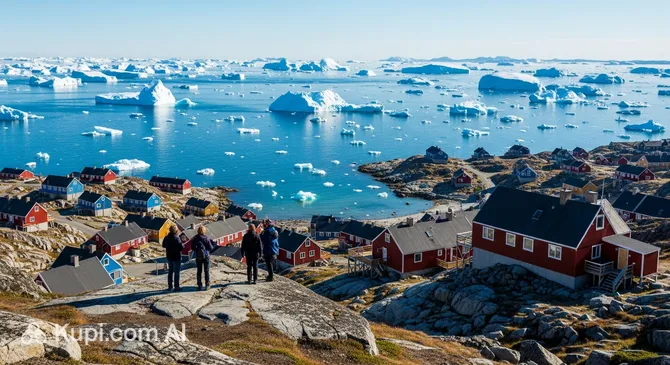
Welcome to Upernavik, a captivating town that serves as a gateway to the high Arctic. Perched on a small island within a vast archipelago, this settlement offers a unique blend of traditional Inuit culture and breathtaking natural beauty. Its name translates to "Springtime Place," reflecting its historical importance as a gathering spot when the ice begins to break. Despite its remote location, the town radiates a warm and vibrant atmosphere, characterized by its colorful houses scattered across the rocky terrain.

Located in the Avannaata municipality of northwestern Greenland, Upernavik sits at a latitude of 72 degrees North. This geographical position ensures true Arctic conditions, with long, snowy winters and cool, bright summers where the Midnight Sun shines for months. With a population of approximately 1,100 residents, it is one of the northernmost towns in the world, yet it remains a bustling hub for the surrounding settlements.

Upernavik. Source: Kupi.Binoculars

The town is steeped in heritage, maintaining a strong connection to traditional hunting and fishing practices. To understand how this community has thrived in such a challenging environment for centuries, exploring the history of Upernavik is essential. The local culture is proudly displayed at the Upernavik Museum, which is the northernmost open-air museum in the world. It features a collection of well-preserved colonial buildings and artifacts that tell the story of the area's past inhabitants and explorers.

For nature lovers and adventurers, the Upernavik Archipelago is a dream destination. Consisting of thousands of small islands, it offers unparalleled opportunities for kayaking and sailing among majestic icebergs. The pristine waters are often visited by whales and seals, making wildlife watching a popular activity. Whether you are seeking the solitude of the Arctic wilderness or the chance to witness the dancing Northern Lights in winter, Upernavik promises an unforgettable travel experience.

Weather Overview

Travelers visiting this northern outpost should be prepared for a rigorous Arctic climate where warm clothing is essential. The weather in Upernavik is characterized by long, bitterly cold winters and brief, cool summers. Temperatures remain below freezing for a significant portion of the year, creating a true polar environment.

Winter conditions are severe, with February typically being the coldest month, featuring an average temperature of -23.7°C and lows plunging to -25.8°C. In contrast, the summer season offers a slight reprieve, though it never becomes hot. July is usually the warmest time of the year, yet average temperatures hover around just 5.9°C, with daily highs rarely exceeding 7.7°C.

Despite the snowy appearance of the landscape, the region is remarkably dry. Expect cool summers with minimal rain and freezing winters with very little precipitation, as monthly accumulation rarely exceeds 2mm throughout the entire year.

Interesting Facts

Beyond the main attractions, Upernavik holds many fascinating secrets that reveal its deep connection to both history and the Arctic landscape. This remote outpost is not just a scenic town; it is a place where ancient Norse explorers and modern Inuit culture converge in surprising ways.

  • A Viking Mystery: Evidence suggests that Norsemen traveled much farther north than previously thought. The famous Kingittorsuaq Runestone was discovered on a small island nearby in 1824. Dating back to the Middle Ages, this small stone bears the names of three Viking hunters who built cairns in the area, proving that Norse explorers reached this high latitude (72°N) as early as the 13th century.

  • The "Christmas Tree" Town: Upernavik has a charming visual secret that is best revealed during the dark polar winter. Due to the specific layout of the streetlights and houses on the hillside, the town is said to resemble a giant, glowing Christmas tree when viewed from a distance at night. This unique formation has even been captured in award-winning travel photography.

  • A Hub of Settlements: While the town itself is small, Upernavik serves as the administrative capital for a vast network of surrounding settlements. It supports ten distinct village communities scattered across the archipelago—more than any other town in Greenland. This makes it a vital lifeline and a bustling hub for the entire region.

  • A Runway in the Sky: Arriving here is an experience in itself, as the local airport is perched on the flattened summit of the island's highest hill. Because the terrain is so steep and rocky, the runway had to be constructed at the very top of the mountain, offering passengers breathtaking, panoramic views of the iceberg-filled fjords the moment they touch down.

How to Get There

Reaching this remote Arctic destination is an adventure in itself, primarily involving air travel due to the lack of intercity roads in Greenland. For a complete overview of routes and travel tips, you can read more about how to get to Upernavik in our detailed guide.

The main gateway for visitors is Upernavik Heliport (JUV), which is conveniently situated directly in the town. Despite its classification, this facility handles both helicopter transfers and small fixed-wing aircraft that are vital for the region. It is located just 0.5 km from the center of Upernavik. Thanks to this immediate proximity, the transfer to the town center is a very short drive. This hub is the central lifeline for the area, facilitating travel to the surrounding island settlements.

Travelers often connect through Qaarsut Airport (JQA), which serves as a regional transit point. Located in the settlement of Qaarsut, about 258 km south of Upernavik, this airport does not offer direct road access to your destination but is a key stopover for flights arriving from larger towns. With an annual passenger traffic of around 7,000 travelers, it is a small facility that plays a significant role in the local transport network, linking the northern districts with the rest of the country.

For clarity, here is a summary of the main airports serving the area:

Airport Name City Passenger Traffic Km from City
Qaarsut Airport Qaarsut Small 258.5
Upernavik Heliport Upernavik Small 0.5

Main Attractions

For a small settlement in the high Arctic, Upernavik offers a surprising wealth of cultural and natural treasures. The town's isolation has helped preserve its unique heritage, allowing visitors to experience authentic history alongside raw, untouched wilderness. From colonial-era buildings to the endless maze of islands surrounding the town, the attractions in this part of Greenland are deeply connected to the environment and the people who have mastered it.

The crown jewel of the town is the Upernavik Museum, which holds the title of the northernmost open-air museum in the world. Located in the oldest part of the settlement, this complex preserves a collection of well-maintained colonial buildings. Inside, you can explore fascinating exhibits that showcase the evolution of local hunting tools, including traditional kayaks and the larger umiaq boats used by women. It is an essential stop for understanding how life has flourished in these harsh conditions for generations.

Just beyond the museum grounds stands the Old Church, a charming wooden structure that is a centerpiece of the town's architectural heritage. Painted in traditional colors, this historic building offers a glimpse into the spiritual life of the community during the colonial era. It is often visited in conjunction with the museum and serves as a photogenic landmark against the backdrop of the icy fjord.

Nature enthusiasts will find their paradise in the Upernavik Archipelago. This vast network consists of thousands of small islands that scatter across the bay, creating a spectacular labyrinth of rock and ice. It is widely considered one of the best places in the region for kayaking, as the calm waters between the islands are often filled with majestic icebergs. In summer, boat tours through the archipelago offer excellent opportunities to spot whales and seals thriving in their natural habitat.

For those interested in the region's ancient past, Kingittorsuaq Island is a notable location within the archipelago. This remote island is historically significant as a confirmed point of Norse exploration, marking the northern limits reached by early navigators. While the specific artifacts discovered here are now housed in museums, the island itself remains a testament to the adventurous spirit of the past, adding historical depth to the stunning natural landscape.

Local Cuisine

The culinary scene in Upernavik is a true reflection of its Arctic environment, offering a "sea-to-table" experience that is as fresh as it is unique. Gastronomy here is defined by the daily catch and the hunt, resulting in a diet rich in protein and naturally organic ingredients. For visitors, dining in this remote settlement is not just about sustenance; it is an opportunity to taste the pure, unadulterated flavors of the North, where imported goods take a backseat to local staples like fish, seal, and whale.

One of the most authentic dishes you must try is suaasat, the national soup of Greenland. Traditionally made from seal meat, though sometimes using reindeer or seabirds, it is a hearty, thick broth seasoned with onions and bay leaves, often containing rice or barley. It is the ultimate comfort food during the cold polar winters. Given the town's reputation as a major fishing hub, Greenlandic halibut is another highlight. In Upernavik, this fish is caught locally and served in various forms—pan-fried, smoked, or dried as jerky (nikku), which serves as a popular, chewy snack among locals.

For the more adventurous eater, mattak is a local delicacy consisting of raw whale skin with a thin layer of blubber. It is traditionally eaten plain or with a sprinkle of coarse salt and is prized for its nutty flavor and high vitamin C content. If you prefer something more familiar yet distinctly local, look for dishes featuring muskox, which offers a lean, flavorful red meat often compared to beef but with a richer taste, usually served as steaks or in burgers.

When it comes to beverages, the pristine environment provides the world's purest drink: tap water derived from ancient icebergs and glacial melt. For something stronger, you might encounter Greenlandic coffee. This is not your average morning brew but a flaming spectacle and a popular after-dinner cocktail. It typically combines hot coffee with whiskey, Kahlua, and Grand Marnier, topped with whipped cream. It is famously said to represent the landscape: the dark coffee is the polar night, the cream is the snow, and the flaming alcohol represents the Northern Lights.

Dining options in Upernavik are limited due to its small size and remote location. You will not find bustling food markets or a wide array of international restaurants. Instead, the food culture is centered around the local hotel dining room or small cafeterias which serve as the community's social hubs. These venues offer a cozy, unpretentious atmosphere where the focus is on hearty, warming meals. Much of the social eating culture also takes place in private homes during a traditional kaffemik—a celebratory coffee gathering—though tourists usually experience the local cuisine through the hospitality of their guesthouse or hotel.

Travel Tips

Visiting a remote destination like Upernavik requires a bit more preparation than your average trip, but the reward is an authentic experience in one of the world's most unique environments. To help you navigate the logistics of the high Arctic and make the most of your stay, here are some essential practical tips to keep in mind.

  1. Clothing and Gear: The key to comfort in Greenland is the "layering system." Even in summer, the weather can change rapidly. Bring a base layer of wool (not cotton), a warm middle layer like fleece, and a windproof and waterproof outer shell. Sturdy, waterproof hiking boots with good grip are essential for navigating the rocky and often icy terrain. Since the sun can be intense due to reflection off the ice and snow, sunglasses and sunscreen are necessary even when it feels cold.

  2. Transportation: Within the town of Upernavik, walking is the only real way to get around. The town is small but hilly, with many stairs and rocky paths, so be prepared for a physical workout. There are no trains, trams, or car rental agencies. To visit nearby settlements or explore the archipelago, you will rely on boats in the summer or helicopters and dog sleds in the winter. Always book inter-island transport in advance.

  3. Finances: The local currency is the Danish Krone (DKK). While the main supermarket (Pilersuisoq) and the hotel accept major credit cards (Visa/Mastercard), it is highly recommended to carry cash. Smaller shops, local artists selling handicrafts, or boat transfers may only accept cash. ATMs are scarce in remote settlements, so withdraw sufficient funds before you arrive or at the airport.

  4. Health and Safety: There is a small local hospital in Upernavik that handles basic medical needs, but for serious emergencies, evacuation to a larger town or Denmark may be required. Therefore, comprehensive travel insurance including medical evacuation is mandatory. A specific safety rule in the Arctic: never approach sled dogs. They are working animals, not pets, and can be aggressive. Keep a safe distance at all times.

  5. Communication: The official language is Greenlandic (Kalaallisut), and Danish is widely spoken. English is understood by many in the tourism industry and younger generations, but do not expect everyone to be fluent. A friendly smile goes a long way. Mobile coverage is provided by Tusass; roaming can be very expensive, so consider buying a local prepaid SIM card if you need data. Wi-Fi is available at the hotel but is often slow and costly.

  6. Local Etiquette: Greenlanders are generally somewhat reserved but very friendly and helpful once you engage with them. It is polite to greet people with a nod or a "Hello" when passing on the street. Always ask for permission before taking photos of locals, especially children or people working. If you are invited into a private home, remember to take off your shoes at the entrance.

  7. What to Avoid: Do not underestimate the natural elements. Never go hiking on the sea ice or into the mountains alone without informing someone of your plans and expected return time. The weather can turn into a whiteout blizzard in minutes, making navigation impossible. Also, avoid walking on the "winter highways" (sled tracks) during the snowy season to prevent accidents.

  8. Shopping Hours: Be aware that opening hours are limited. The main store, Pilersuisoq, supplies almost everything from food to rifles, but it may close early on weekends and holidays. Alcohol sales are strictly regulated with specific selling hours, so if you plan to enjoy a drink/beer in your accommodation, check the local rules and shop times upon arrival.

By packing the right gear and respecting the local customs and raw nature of the Arctic, your trip to Upernavik will be safe and deeply rewarding. Embrace the slower pace of life here, where the weather dictates the schedule, and you will find yourself captivated by the warmth of the community and the majesty of the surroundings.

Entertainment & Nightlife

Travelers arriving in Upernavik should adjust their expectations regarding nightlife. In this remote Arctic settlement of just over 1,000 people, you will not find neon-lit nightclub districts, pulsating dance floors, or 24-hour bars. Instead, the "nightlife" here is intimate, community-focused, and deeply connected to the natural rhythms of the polar environment. Evenings are defined by cozy social gatherings, warm hospitality, and, depending on the season, the spectacular light shows of nature rather than artificial strobes.

The social scene is concentrated entirely in the town center, where the few available venues serve as multipurpose hubs for dining, drinking, and socializing. The atmosphere is incredibly casual and unpretentious; there is no dress code here other than "warm and comfortable." You are just as likely to see locals in wool sweaters and hiking boots as you are to see visitors in technical gear. The primary venue for an evening out is Café de Upernavik. Functioning as a B&B, café, and meeting spot, it offers a warm environment where travelers can enjoy a hot meal, coffee, or a drink while mingling with locals. It is the closest thing the town has to a social lounge.

Another key location is the restaurant at Hotel Upernavik. As the main accommodation facility in town, its dining room often doubles as the local bar in the evenings. This is where pilots, visiting officials, and tourists naturally converge. It is the best place to hear stories about life in the high North, often over a plate of local fish or a Danish beer. Since options are limited, these venues can close relatively early by international standards, often winding down around 9:00 PM or 10:00 PM, so it is best to head out early.

For those looking to buy their own drinks, be aware that alcohol sales in Greenland are strictly regulated. You can purchase beer and wine at the local Pilersuisoq supermarket, but sales hours are restricted, typically cutting off in the late afternoon on weekdays and even earlier on Saturdays. Locals often host private gatherings known as kaffemiks—traditional coffee parties with cakes and food—which are the true heart of Greenlandic social life. If you are lucky enough to be invited to one, it will likely be the highlight of your trip.

The definition of a "night out" changes drastically with the seasons. In summer, the Midnight Sun means the sun never sets, creating an endless day where you can take boat trips or hike at 2:00 AM in broad daylight. Conversely, in winter, the entertainment is the sky itself. With minimal light pollution, Upernavik is a prime location for viewing the Northern Lights (Aurora Borealis), which often dance directly over the town.

Practical Advice and Safety:

  • Getting Around: There is no public night transport. The town is small enough to walk everywhere, but be extremely careful on icy roads in winter. Walking is safe from a crime perspective, but the cold is a serious danger. Dress in layers even for short walks.

  • Taxis: There are a few private cars operating as taxis. You cannot hail them on the street; you must call them by phone. Ask your hotel reception for the current numbers.

  • Prices: Expect prices to be high. A beer or a glass of wine in a restaurant will cost significantly more than in Europe due to import costs. Cash (DKK) is often preferred for small transactions, though the hotel accepts cards.

  • Safety: The town is very safe, but polar bears are a real, albeit rare, risk in the surrounding areas. Do not wander the outskirts of town alone at night without a guide or proper knowledge.

While the evenings are quiet, daytime entertainment offers a cultural fix. The Upernavik Museum is the main attraction, offering deep insights into the colonial and Inuit history of the region. For a broader view of the area, local boat operators can take you into the archipelago to explore uninhabited islands, which serves as the primary "amusement park" for outdoor enthusiasts visiting this part of the world.
Parks & Museums

In Upernavik, the concept of a "city park" is redefined by the vast, untamed wilderness that surrounds the settlement. Instead of manicured lawns and flowerbeds, the town offers an immersive experience in the Arctic landscape, where nature itself serves as the grandest recreation area. The cultural scene is equally compelling, centered around well-preserved history that tells the story of survival and artistic expression at the edge of the habitable world.

Parks and Natural Areas

While you will not find traditional urban parks here, the Upernavik Archipelago serves as a boundless natural playground for visitors. This sprawling network of islands functions as a massive marine park, offering pristine waters for kayaking and sailing. The "green space" here is often the icy blue of the fjord and the stark granite of the coastline. It is a sanctuary for wildlife, where you can observe seals and seabirds in their natural habitat without the confines of fences or enclosures.

For those preferring to stay on land, the hills surrounding the town offer excellent hiking opportunities that rival any designated park. Walking the trails up towards the town's summit provides panoramic views that stretch across the Davis Strait. During the summer, these rocky slopes come alive with resilient Arctic flora, including mosses, lichens, and tiny wildflowers, turning the rugged terrain into a subtle, colorful garden that invites quiet exploration and photography.

Museums and Cultural Heritage

The cultural heart of the town is the Upernavik Museum. As the northernmost open-air museum in the world, it is not just a single building but a collection of preserved colonial structures scattered through the oldest part of town. The museum is renowned for its extensive collection of traditional hunting equipment, including a spectacular display of kayaks and harpoons that demonstrate the ingenuity of the Inuit people. It also houses an artist-in-residence program, making it a vibrant center where history meets contemporary art.

Adjacent to the museum complex stands the Old Church, a significant cultural landmark. This wooden structure is a fine example of colonial architecture and serves as a quiet gallery of the town's spiritual history. Inside, the simple yet poignant interior offers a glimpse into the community gatherings of the past centuries. It is often visited as part of a historical walk through the lower town, providing context to the harsh realities and tight-knit community life of the region.

Insider Tip

For a truly atmospheric experience, take a walk to the local cemetery located on the outskirts of the town. In Greenlandic tradition, cemeteries are often placed in beautiful, high locations with sweeping views of the sea. It is a peaceful, respectful place that offers a moment of reflection and one of the best vantage points for watching the midnight sun reflect off the icebergs in the harbor.

Getting Around

Navigating Upernavik is a unique experience defined by its geography and small size. Unlike larger metropolitan areas, this Arctic settlement does not possess a formal public transport system. There are no subways, trams, or scheduled city buses operating within the town. The entire settlement is concentrated on a small, hilly island, meaning that for the vast majority of visitors, the primary mode of transportation is simply walking.

Because the town is built on steep, rocky terrain, getting around involves navigating a network of roads, paths, and numerous wooden staircases that connect the lower harbor areas to the buildings higher up the slopes. While the distances are short—you can cross the entire town in about 20 to 30 minutes—the vertical incline can make a short walk feel like a workout. In winter, these paths can become extremely slippery, so wearing crampons or sturdy boots with excellent grip is more of a necessity than a suggestion.

For those who prefer not to walk or have heavy luggage, taxis are the only motorized alternative available within the town limits. These are not hailed on the street but are operated by private individuals or small local companies. To use a taxi, you must call them by phone; your hotel reception or host can provide the current numbers. Taxis are generally reliable but can be scarce during peak times or bad weather, so booking in advance for airport transfers is highly recommended.

Regarding the payment system, simplicity is key. Since there is no integrated transport network, there are no travel passes, smart cards, or mobile ticketing apps to worry about. Transactions for taxis are almost exclusively conducted in cash using the Danish Krone (DKK). While some drivers might accept mobile transfers if you have a local bank account, tourists should always carry sufficient cash in small denominations. Prices are fixed or agreed upon before the ride, and they are generally higher than average due to the high cost of vehicle maintenance in the Arctic.

Alternatives such as car-sharing services, bike rentals, or electric scooters do not exist here. The rugged terrain and harsh weather conditions make cycling impractical for most of the year. Similarly, you cannot rent a car for personal use, as the road network is isolated to the town itself and does not connect to any other settlements. The roads are primarily used by municipal trucks, delivery vehicles, and the few local taxis.

A special feature of transport in this region appears during the winter months. When the sea freezes over and the snow creates "winter highways," dog sleds become a viable and traditional form of transport for locals traveling between the town and nearby hunting grounds or settlements. While this is rarely used as a "taxi" service for short in-town trips, it is a historic and culturally significant method of movement that defines the local landscape. In summer, the equivalent is the small boat, which acts as a water taxi connecting the main town to the surrounding archipelago.

Accommodation

Finding accommodation in Upernavik requires a shift in expectations compared to visiting a standard tourist destination. Due to its remote location and small population, the range of lodging options is very limited. You will not find international hotel chains, luxury resorts, or a wide selection of hostels here. Instead, the town offers a few functional and cozy establishments designed to cater to essential travel needs, primarily serving visiting specialists, government workers, and the adventurous tourists who make the journey north.

The accommodation scene is dominated by Hotel Upernavik, which serves as the primary lodging facility in the district. Situated high on the hill, it typically offers standard rooms with modern amenities and boasts some of the best views in town, overlooking the iceberg-filled fjord. For a more informal and intimate experience, there are limited bed-and-breakfast options, such as the accommodation attached to Café de Upernavik. These smaller guesthouses provide a "homestay" feel, often with shared facilities, allowing for closer interaction with local hosts.

In terms of location, the town's compact size means that "neighborhoods" are not a significant factor when choosing where to stay. Whether you are near the heliport at the top of the hill or closer to the harbor below, you are within walking distance of the museum, the store, and the administrative center. However, be prepared for steep walks and stairs regardless of where you book. Most accommodations are positioned to maximize the stunning vistas of the Davis Strait, turning your window into a live frame of the Arctic landscape.

Booking and Prices:

Securing a room in Upernavik can be challenging due to the low capacity. It is critical to book well in advance, especially during the summer season and the dark winter months when contractors or researchers may fill the available rooms. Do not count on finding a place to stay upon arrival.

Travelers should also be prepared for the cost. Prices generally fall into the mid-to-high range, reflecting the high operational costs of running a business in the Arctic. Budget options are virtually non-existent. While the main hotel may be bookable via email or phone, smaller guesthouses often require direct contact to confirm availability. Payment is typically in Danish Krone (DKK), and while the hotel accepts cards, having a backup plan for payment is always wise in such a remote setting.

Nearby Cities

Situated in the vast wilderness of Northern Greenland, Upernavik is a distinct destination that pairs well with other regional highlights. Travelers exploring the Avannaata municipality and Disko Bay often plan a multi-stop itinerary to experience the diverse landscapes and settlements of the coast.

The closest major town is Uummannaq, located approximately 274 km to the south. Famous for the heart-shaped mountain that dominates its island home, this settlement offers a deeply traditional atmosphere. It is a place where hunting culture thrives amidst stunning fjord scenery and some of the sunniest weather in the country.

Further south lies Ilulissat, the most popular tourist destination in Greenland. This town is world-renowned for its UNESCO World Heritage Icefjord, where massive icebergs calve from one of the globe's most active glaciers. A visit here provides exceptional hiking opportunities and the chance to witness ice on a monumental scale.

Aasiaat is another captivating location, set within a vast archipelago of thousands of islands. Known as the "Town of Whales," it is a prime destination for kayaking and spotting marine wildlife during the summer months. The town also boasts a vibrant cultural scene, with numerous sculptures and artworks displayed throughout the streets.

City Population Distance (km)
Ilulissat 4737 438
Aasiaat 3069 471
Uummannaq 1407 274
Qasigiannguit 1081 478
Qeqertarsuaq 847 406

These destinations offer a broader perspective on the culture and geography of the region, making them excellent additions to any Arctic journey.

Shopping & Souvenirs

Shopping in Upernavik is a functional and authentic experience rather than a recreational pastime. In this remote Arctic settlement, you will not find high streets lined with fashion boutiques or sprawling commercial centers. Instead, the retail scene is focused on providing essential goods for the local community and unique, handcrafted items that reflect the region's rich cultural heritage. For visitors, the appeal lies in discovering genuine Inuit craftsmanship and observing the logistics of life in the high North.

The town does not have designated shopping districts or promenades. Commercial activity is concentrated in the town center, close to the harbor and administrative buildings. This area serves as the lifeline for the settlement, where locals come to purchase everything from groceries to hunting gear. As a tourist, you will naturally gravitate towards this central hub, as it contains the few stores available in the area.

There are no shopping malls in Upernavik. The retail landscape is dominated by Pilersuisoq, a state-owned chain of all-purpose stores found throughout Greenland. This supermarket acts as the town's department store, selling a vast array of items including food, clothing, electronics, hardware, and rifles. It is a fascinating place to visit to understand the logistics of Arctic supply chains, where fresh produce is a luxury and practical gear is a necessity.

For a glimpse into the local food culture, you should visit Brættet (The Board), the local open-air market. Located near the harbor, this is where local hunters and fishermen sell their daily catch. While you might not be looking to buy raw seal meat, whale blubber, or whole fish, it is a culturally significant spot to observe the "sea-to-table" lifestyle that defines the settlement. It is often bustling in the morning when the boats return.

When it comes to souvenirs, Upernavik offers the chance to purchase high-quality, authentic Inuit handicrafts. The best items to look for are tupilaks (small figures carved from bone, antler, or tooth), intricate beadwork, and clothing or accessories made from seal skin. These items are typically not sold in souvenir shops but can be found at the Upernavik Museum shop or purchased directly from local artisans who often sell their work from their homes or small workshops. Ask your hotel or guide for recommendations on where to find local carvers.

Store opening hours are generally limited compared to international standards. The main Pilersuisoq store is typically open from 10:00 AM to 5:30 PM on weekdays, with reduced hours on Saturdays (often closing around 1:00 PM) and is usually closed on Sundays. Smaller kiosks may have different schedules. Payment is best made in Danish Krone (DKK). While the main supermarket and hotel accept major credit cards (Visa and Mastercard), cash is essential for purchasing souvenirs from artists, buying goods at the market, or paying for small services.

Regarding tax-free shopping, Greenland is not part of the EU and does not have a Value Added Tax (VAT) system like European countries. Therefore, there is no tax refund mechanism for tourists. The price you see on the shelf is the final price. However, be aware of your home country's import regulations regarding products made from marine mammals (such as seal or whale) or ivory (narwhal or walrus), as these may be restricted or require special permits to bring back home.

Reached the end of the page?

That means the route is fully explored